The Power of Positive Diplomacy: Saudi Outreach in Iraq since 2014
One of the most important and least understood aspects of Saudi Arabia’s evolving proactive foreign and regional policy is its campaign of diplomatic and political outreach in Iraq.
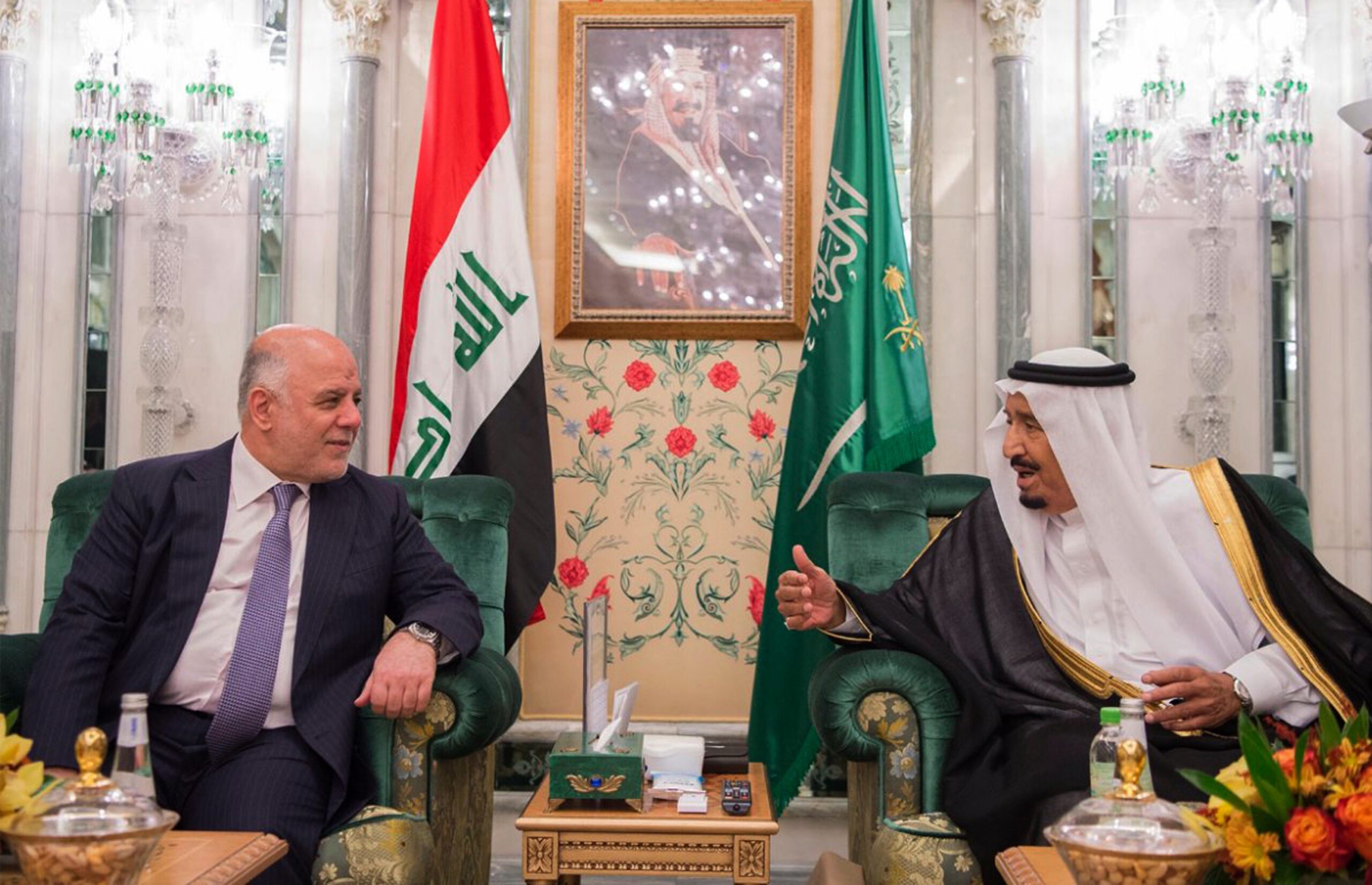
Iraqi Prime Minister Haider al-Abadi, left, meets Saudi King Salman in Jeddah, Saudi Arabia, June 19, 2017. (Saudi Press Agency via AP)
Executive Summary
One of the most important and least understood aspects of Saudi Arabia’s evolving proactive foreign and regional policy is its campaign of diplomatic and political outreach in Iraq. After almost a century of relations marked largely by rivalry and occasional enmity, Saudi Arabia felt increasingly frozen out of Iraq’s political dynamics as the country began to emerge from the U.S. occupation. Particularly during the second term of Prime Minister Nuri al-Maliki, Riyadh effectively walked away from an Iraqi government that appeared irredeemably under Iranian sway. But even in this period, Saudi Arabia continued efforts to expand relations with the Kurdistan Regional Government in the north and certain Iraqi Sunni Arab constituencies.
Starting in 2014, Saudi Arabia initiated a project to regain a measure of influence in Iraqi politics and policy. Along with the restoration of diplomatic, trade, and other relations that had been frozen for decades, Riyadh’s Iraq initiative has involved building ties with numerous Iraqi Shia Arab leaders, including Prime Minister Haider al-Abadi and populist leader Muqtada al-Sadr, both of whom traveled to Saudi Arabia in 2017.
Unlike some of its other recent foreign policy initiatives, Saudi Arabia’s outreach to Iraq has been centered almost entirely on incentives and positive inducements. Along with aid, trade, and other standard forms of outreach, Saudis have emphasized that almost all Iraqi constituencies stand to benefit from a more independent national policy that restores Iraq’s standing in the Arab world and gains a measure of distance from Iran. Riyadh seems to have met with a considerable degree of success in rebuilding ties to Iraq. The May parliamentary elections in Iraq will be the next major development shaping this outreach. But, whatever happens, it is likely that Saudi Arabia will continue to pursue engagement and stronger relations with this crucial neighbor to the north.
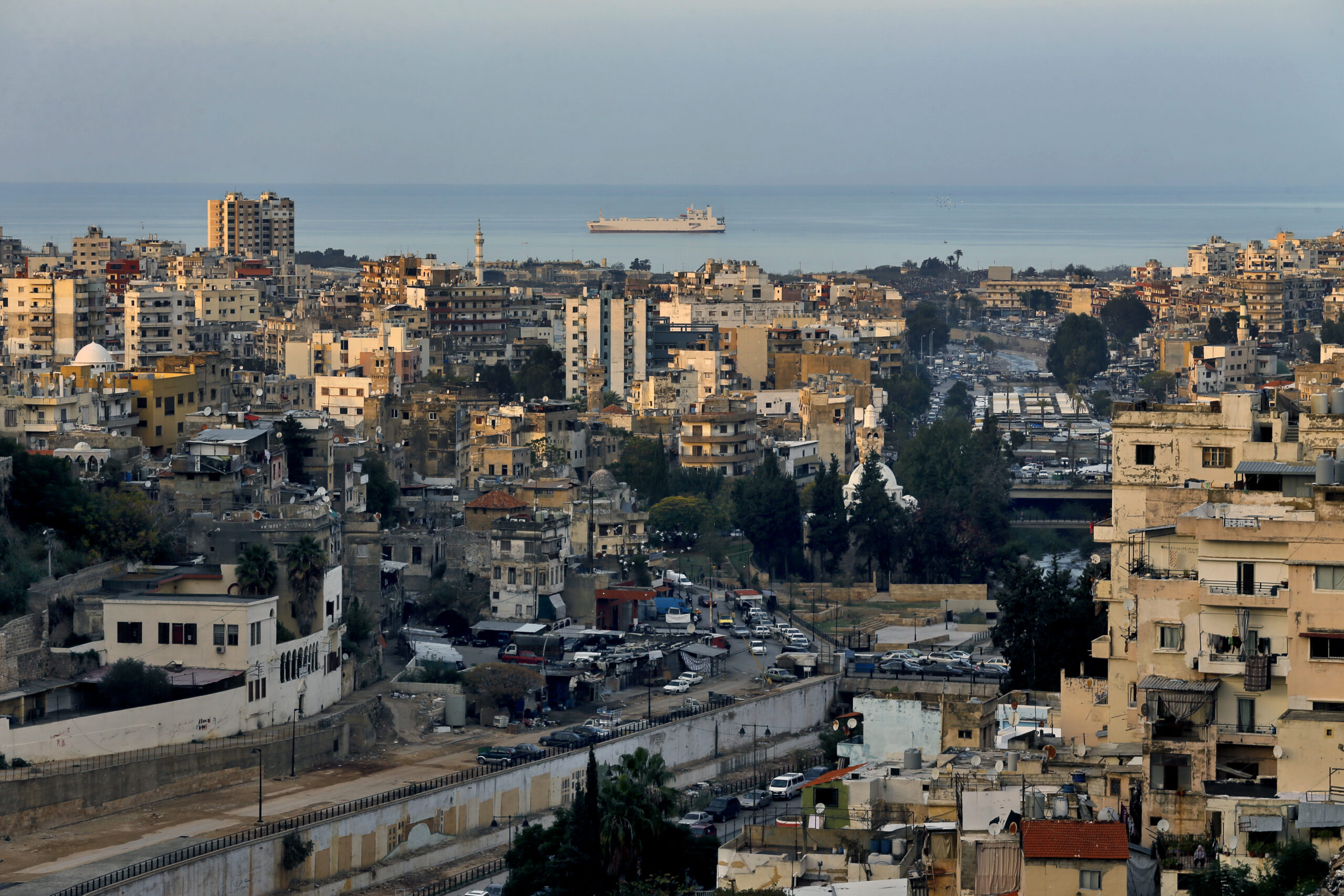
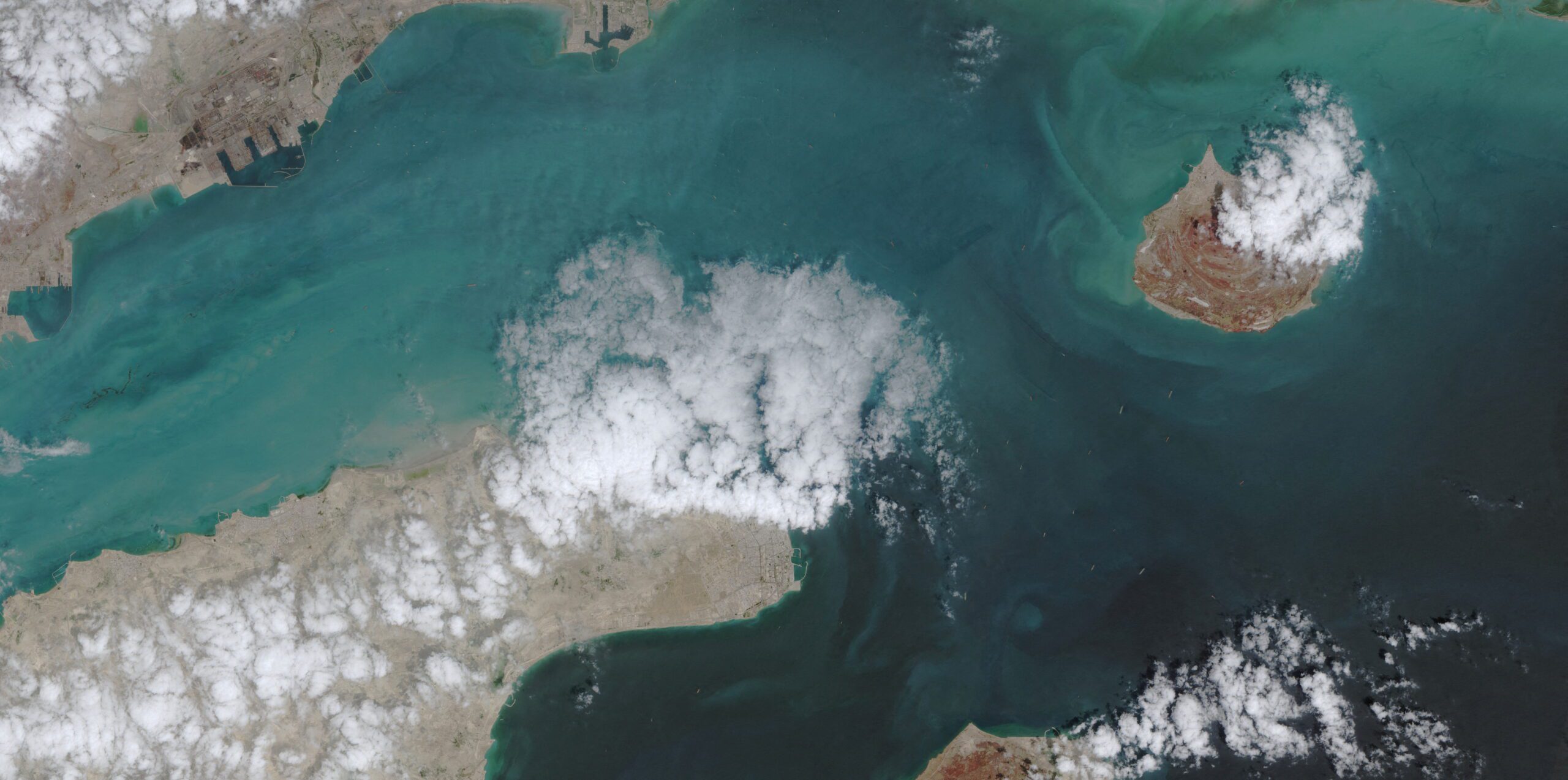
As Gulf countries seek alternative routes beyond the Strait of Hormuz, Lebanon is positioning Tripoli as a complementary Mediterranean gateway alongside Syria, but long-standing political and financial risks could limit serious capital inflows.
President Trump has led the United States into an impossible dilemma in which resuming and intensifying the war presents one set of alarming consequences while ending it under current circumstances offers at least as many disasters for Washington.
The Trump administration has positioned the United States at a crossroads between a new regime of containment against Iran or a historic drawdown of U.S. influence in the Gulf and broader Middle East.
Riyadh and Abu Dhabi urged President Trump not to attack Iran, but now that the war is into its second month, leaving the current situation in place would be an unthinkable fiasco for them.
Though they were unsuccessful in preventing the current conflict, and, as expected, have been dragged into the U.S.-Israeli confrontation with Iran, Gulf Arab countries remain crucial to hopes for limiting the war and bringing it to a quick resolution.