Jeffrey Goldberg’s new article in The Atlantic comes close to realising the familiar cliché about journalism being a “first draft of history”. In this mammoth undertaking, titled The Obama Doctrine and running to 20,000 words, Goldberg details how America’s president views his foreign policy legacy. While his supporters will cheer, Barack Obama’s critics will find...
Jeffrey Goldberg’s new article in The Atlantic comes close to realising the familiar cliché about journalism being a “first draft of history”. In this mammoth undertaking, titled The Obama Doctrine and running to 20,000 words, Goldberg details how America’s president views his foreign policy legacy.
While his supporters will cheer, Barack Obama’s critics will find some of their grimmest concerns confirmed. Three key charges seem powerfully reinforced: a capacity for self-delusion; a double standard regarding Iran and the Arabs; and a pseudo-analytical aversion, in the name of “realism”, to intervention that can slip from amorality into immorality.
Mr Obama apparently believes the high point of his foreign policy performance – his “moment of liberation” from received wisdom – was his decision on August 30, 2013 to abandon his own “red line” on the use of chemical weapons by the Syrian regime and not to respond militarily.
Mr Obama sees this choice as not only vindicated, but a courageous break with a “Washington playbook” that defaults to force. Leaving aside the effect of his astonishing about-face on American credibility (a criticism he dismisses), and of his broader refusal to seriously engage with Syria of which this is only the most dramatic example, what’s most striking is his insinuation that his inaction required courage.
The reference to the Washington think tank community as “Arab-occupied territory” is especially galling since America’s Arab allies haven’t exactly been getting their way. The idea they wield undue influence over US policy might bolster fantasies about political “courage” and “independence” but it’s obviously nonsense.
Finally, the article strongly suggests Mr Obama would not have done anything to stop the genocide in Rwanda. He dispassionately shifts this mind-boggling, unimaginable tragedy into a disturbingly banal and almost abstract conversation about “how long it takes to crank up the machinery of the US government”.
These chilling passages demonstrate how such “realism” can easily slip into an amorality that, under certain conditions, further descends into outright immorality. This moral degradation can arguably be identified in the essentially nonchalant administration attitude towards the Syrian catastrophe. But regarding the Rwandan holocaust, it is unmistakable.
Given his stated views, could Mr Obama advocate intervention in Rwanda, assuming one accepts that there were no concrete American interests at stake? His comments strongly suggest he can’t.
The principled case for the American national imperative and interest in intervening in local conflagrations to prevent genocide is largely individual and intuitive. It either makes itself for one obviously, or not. For Mr Obama, it apparently doesn’t.
But what, then, does Washington’s power and global role ultimately signify? Is it simply a matter of commerce and narrow interests, unencumbered by broader principles?
This alarmingly dismissive attitude towards the genocide in Rwanda must surely be Exhibit A in the bill of particulars against the Obama “doctrine” and policy legacy. From it, all else follows.
The truth is precisely the opposite: the public overwhelmingly opposed air strikes against Syria.
At the time I met separately with four Democratic members of Congress, all staunch supporters of Mr Obama, who were desperately seeking arguments to explain a vote in favour of authorising force in Syria, against the deep-seated wishes of their constituents, because they thought that’s what the president wanted. When Mr Obama decided to reward Bashar Al Assad with a legitimising agreement on chemical weapons rather than any punishing military response, he was letting himself and his supporters in Congress off the hook.
The use of force would have been truly controversial and politically risky, and hence courageous. His decision was, in fact, extremely popular, although some analysts criticised it. Whether it was the correct determination or not, casting it in hindsight as a brave and triumphant moment of political “liberation” is simply preposterous.
It has been suggested that America’s Gulf Arab allies suspect that Mr Obama doesn’t particularly care for Arabs, while harbouring an equally irrational sympathy for Iran. It’s true that he often notes many Saudis were involved in the September 11 attacks while Iranians were not, as if that defines who historically has and hasn’t been responsible for terrorism.
Those ill-informed sentiments are, alas, on full display in Goldberg’s article. Mr Obama harshly criticises Arab states for being autocratic and patriarchal, apparently without recognising that Iran is at least as vulnerable as any other Middle Eastern society to criticism about domestic repression and misogynistic social policies.
Mr Obama’s worldview, as characterised by Mr Goldberg, not only reflects an enthusiasm to disengage from the Middle East and “pivot to Asia”, it also suggests an ultimately inexplicable double standard that seems to blame Arabs, especially Saudi Arabia, for all the woes of the Middle East, and even the broader Islamic world, while giving Iran every possible benefit of the doubt.
There’s a clear need for a new, mutually-agreeable security arrangement in the Gulf. But Mr Obama’s suggestion that America’s Arab allies must simply “share” influence throughout the Middle East with Tehran calls into question both the benefits of partnering with Washington and the costs of confronting the US for decades, and to this day on most issues, as Iran indeed does. Is this a rational incentive structure, especially given that Riyadh shares most of Washington’s strategic goals while Tehran openly opposes them?
The reference to the Washington think tank community as “Arab-occupied territory” is especially galling since America’s Arab allies haven’t exactly been getting their way. The idea they wield undue influence over US policy might bolster fantasies about political “courage” and “independence” but it’s obviously nonsense.
Finally, the article strongly suggests Mr Obama would not have done anything to stop the genocide in Rwanda. He dispassionately shifts this mind-boggling, unimaginable tragedy into a disturbingly banal and almost abstract conversation about “how long it takes to crank up the machinery of the US government”.
These chilling passages demonstrate how such “realism” can easily slip into an amorality that, under certain conditions, further descends into outright immorality. This moral degradation can arguably be identified in the essentially nonchalant administration attitude towards the Syrian catastrophe. But regarding the Rwandan holocaust, it is unmistakable.
Given his stated views, could Mr Obama advocate intervention in Rwanda, assuming one accepts that there were no concrete American interests at stake? His comments strongly suggest he can’t.
The principled case for the American national imperative and interest in intervening in local conflagrations to prevent genocide is largely individual and intuitive. It either makes itself for one obviously, or not. For Mr Obama, it apparently doesn’t.
But what, then, does Washington’s power and global role ultimately signify? Is it simply a matter of commerce and narrow interests, unencumbered by broader principles?
This alarmingly dismissive attitude towards the genocide in Rwanda must surely be Exhibit A in the bill of particulars against the Obama “doctrine” and policy legacy. From it, all else follows.
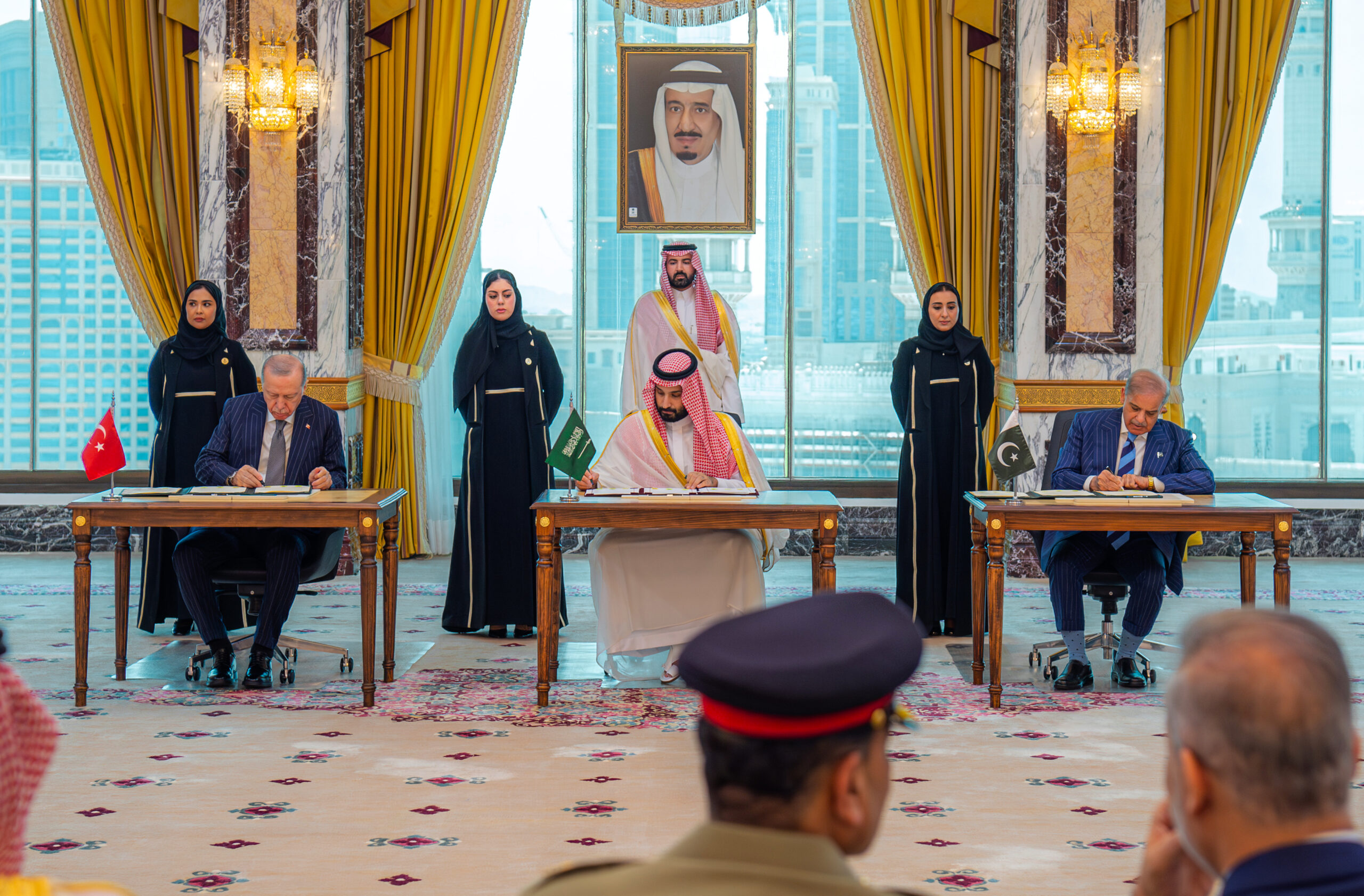
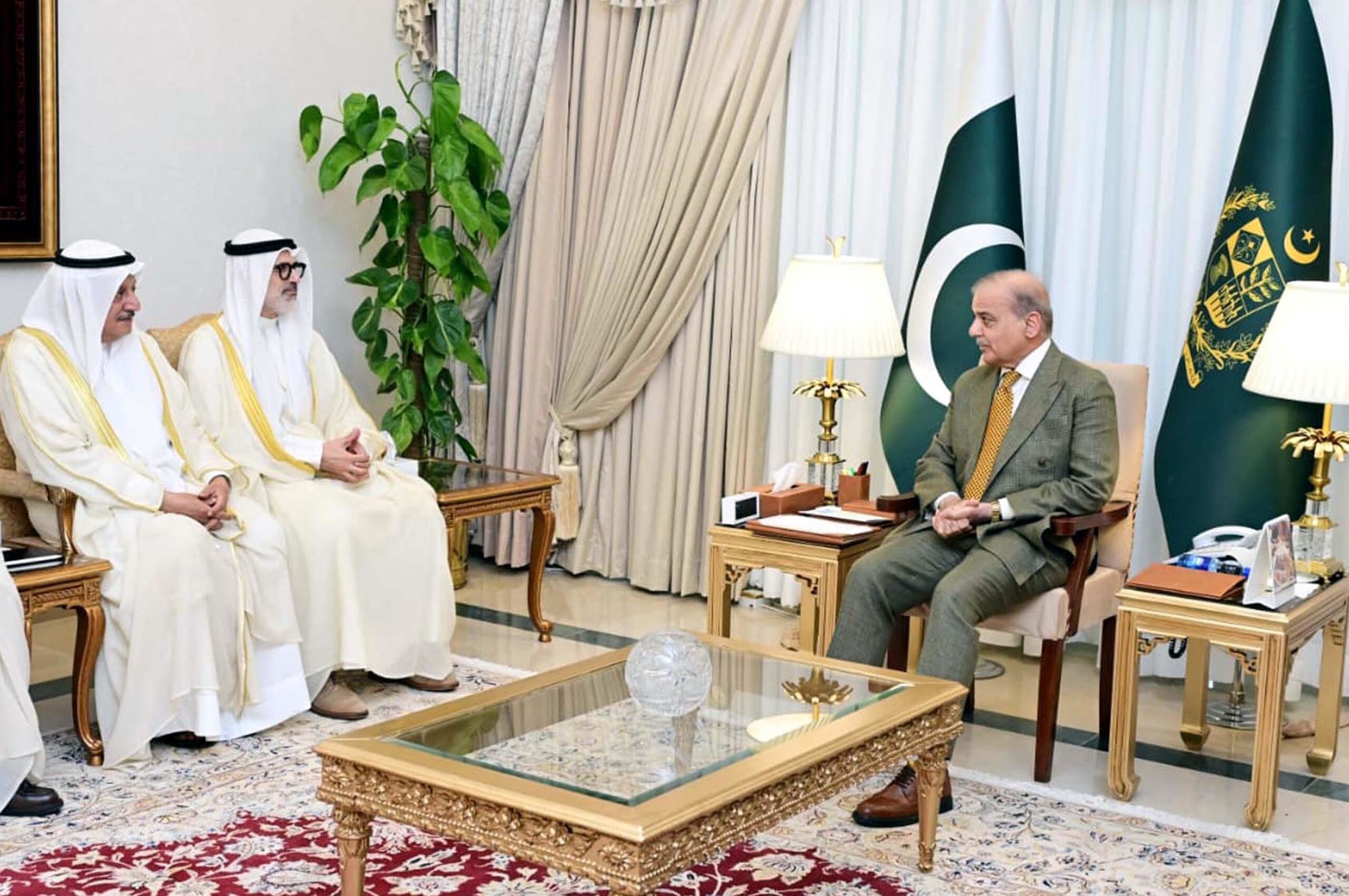
The significance of Kuwait’s defense pact with Pakistan lies less in any immediate military transformation than in what it reveals about the evolving security landscape of the Gulf.
President Trump has led the United States into an impossible dilemma in which resuming and intensifying the war presents one set of alarming consequences while ending it under current circumstances offers at least as many disasters for Washington.
The Trump administration has positioned the United States at a crossroads between a new regime of containment against Iran or a historic drawdown of U.S. influence in the Gulf and broader Middle East.
Riyadh and Abu Dhabi urged President Trump not to attack Iran, but now that the war is into its second month, leaving the current situation in place would be an unthinkable fiasco for them.
Though they were unsuccessful in preventing the current conflict, and, as expected, have been dragged into the U.S.-Israeli confrontation with Iran, Gulf Arab countries remain crucial to hopes for limiting the war and bringing it to a quick resolution.











Mar 14, 2016
Obama’s Flawed Foreign Policy Doctrine Laid Bare
Jeffrey Goldberg’s new article in The Atlantic comes close to realising the familiar cliché about journalism being a “first draft of history”. In this mammoth undertaking, titled The Obama Doctrine and running to 20,000 words, Goldberg details how America’s president views his foreign policy legacy. While his supporters will cheer, Barack Obama’s critics will find...
6 min read