Future Gulf Economic Resilience in Energy, Infrastructure, and Influence
How the Gulf states choose to invest now could determine not just how they survive this crisis but how they sustain their role as both allocators and magnets of capital and superpowers in the global energy system.
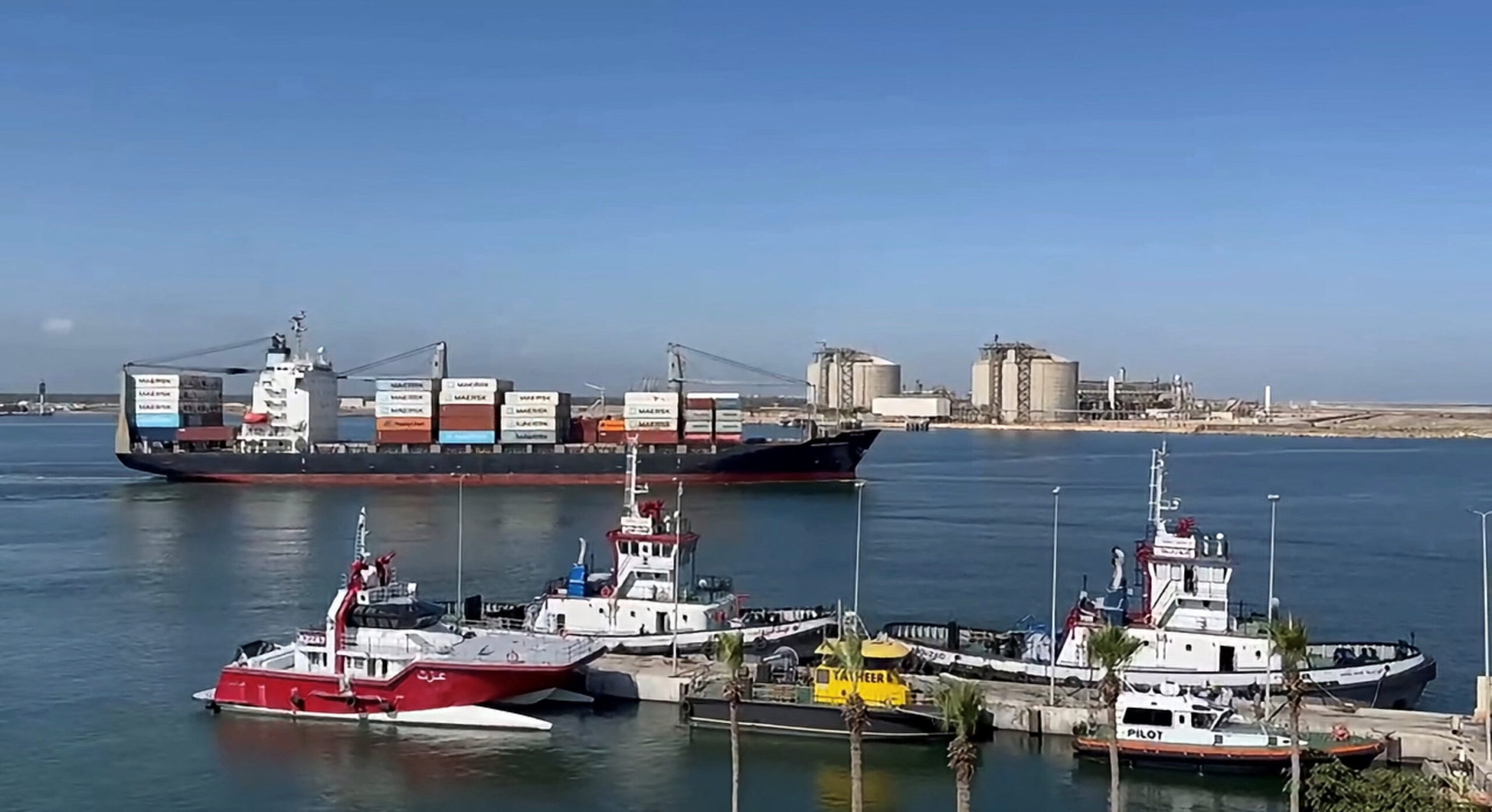
Trucks make their way into the port of Fujairah, as the U.S.-Israel conflict with Iran limits marine traffic in the Strait of Hormuz, in Fujairah, United Arab Emirates, May 6. (REUTERS/Amr Alfiky)
The Gulf Arab states face a myriad of challenges in the unresolved conflict with Iran. They must defend their populations, their energy infrastructure, the Gulf “model” of economic openness, and their relevance to the global economy and value as geopolitical interlocutors. The administration of President Donald J. Trump increasingly sees the Strait of Hormuz diminishing in relevance as a node of international trade and energy flows and the Middle East as less integral to the United States’ national security interests. Gulf officials now openly discuss the limits of the U.S. security umbrella and its insufficiency in deterring Iranian aggression. Bolstering economic resilience has become a policy necessity. How the Gulf states choose to invest now could determine not just how they survive this crisis but how they sustain their role as both allocators and magnets of capital and superpowers in the global energy system.
There are several indicators of Gulf preparedness, such that investment in diversification, redundancy, and new energy capacity can go beyond defensive expenditure in crisis and become a source of durable geoeconomic influence and advantage. In fiscal planning, from both the state and state enterprises and national oil companies, there will be spending that is essential – a “must have” – and there will be some that is a “nice to have” – and much of that will need to be reduced. The “must haves” include redundant infrastructure, such as parallel pipelines, but do not necessarily need to become stranded assets should the regional conflict resolve. Both old and new infrastructure is a potential target and vulnerable asset as long as the threat of attack remains.
In retrospect, a look at capital expenditure in the Gulf Cooperation Council states that was planned before the February 28 start of the war reveals a number of themes and sectors that remain “must haves.” These investments have become increasingly important to growth, fiscal sustainability, and long-term strategic interests, serving as instruments of the expanding geoeconomic influence of the Gulf states, their sovereign vehicles, and their national oil companies as well as serving as defensive assets. Six key sectors and opportunities include: natural gas; oil and refined product storage abroad; pipelines; transport logistics infrastructure; artificial intelligence and the power sector; and colocated and diverted manufacturing in the region.
Gas is a prime example. Despite regional tensions, analysis by Citibank estimates the UAE will account for 40% of Middle East gas capital expenditure for this decade (from now to 2030), which is a strong signal from its current more modest 15% share of Gulf gas production. Of Aramco’s planned $50 billion to $55 billion in capital expenditure in 2026, oil investment will be balanced with strong outlays to gas, with the project at Jafurah key to upstream gas development. These are strategic, long-term investments that make sense after the war as much as before it.
Storage matters a lot for oil and refined products, and even the idea of new refining capacity at home and abroad starts to make more sense. Abu Dhabi’s ADNOC is considering investments in refining capacity to serve consumers from Thailand to Nigeria. The United Arab Emirates and Saudi Arabia are actively encouraging their Asian buyers to increase oil and refined product storage capacity, for example requesting Japan expand reserves as much as 10 times what it now holds. There are multiple ways to structure that ownership and cost sharing, including joint stockpiling, lease agreements, and equity partnerships with Asian host governments and companies. As a hedging strategy or simply to build upon existing commercial and strategic partnerships, the Gulf energy exporters will seek to more closely align with their importers’ needs.
More generally, the expansion of oil and gas pipelines alongside ports and logistics infrastructure could be an economic boom in the Gulf. There are active partners willing to share the risk and rewards. Because of a decade trendline of regulatory reform that has eased restrictions for foreign investors and opened energy sectors to outside partners, the region can now benefit in a time of crisis. Remarkably, during the war Kuwait signed a $16 billion deal with private equity infrastructure investors to lease and lease back pipelines, an emerging financial structure (one that ADNOC began in 2020) that keeps ownership of energy assets in the hands of the state but allows monetization of those assets to earn much-needed fiscal revenue and at the same time spreads risk. Some bank estimates of the postwar infrastructure investment need point to a $100 billion or more cost for the region.
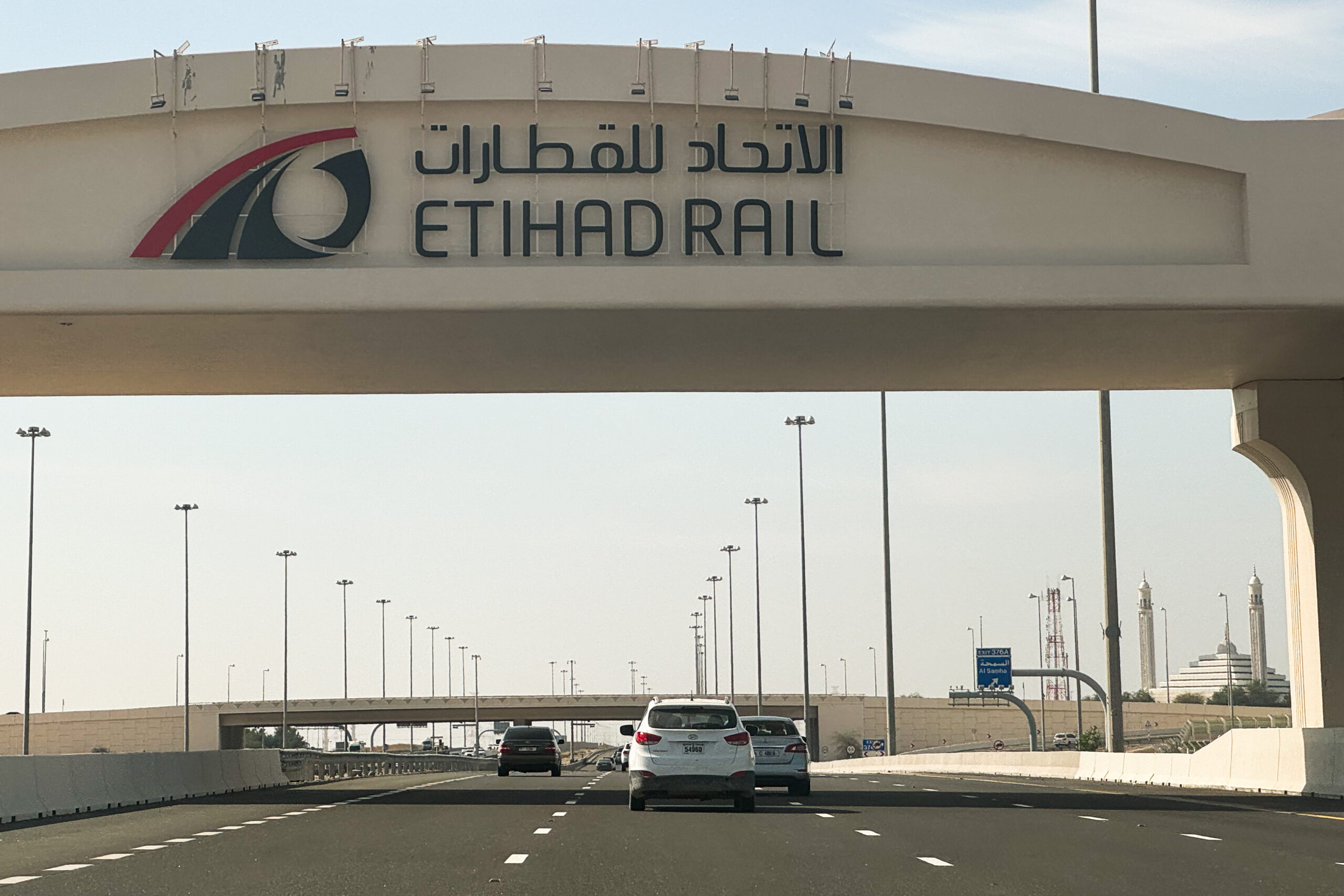
There are huge opportunities in energy infrastructure buildout but especially in transportation – the reliance on old-fashioned trucking is rewiring trade in the Gulf and Middle East. Over the summer DP World added 700 new trucks and an estimated 35,000 truck trips across the GCC states to its logistics network. And while a reliance on diesel and trucks is not energy efficient, it could be an area ripe for research and development in autonomous driving, electric trucks, and hydrogen fuel cells. High speed rail is the same – slow to grow in the Gulf, but it now has new impetus and broad regional support. Drone deliveries and autonomous services for health care could also benefit from the learning curve of the crisis.
There continues to be strong investor interest and partnership opportunities in the Gulf for AI-compute power. The competitive advantage in the Gulf has been an ability to provide the electricity to feed this sector. The quick buildout of new power generation and transmission capacity as well as efforts to harden facilities against threats, including building them underground, along with more efficient looped cooling and the use of battery storage for back-up power will proceed as a must-have strategic opportunity. In spite of threats and security challenges, these projects may still be cost competitive because of good power availability, strong transmission, and government commitment. Because the larger projects, such as Stargate in the UAE, are still in early stages, there is also the optimism that major construction can proceed after the war reaches a settlement.
There remains a geographic advantage in the region, even as investment partners seek to colocate around crisis but stay close to it. For example, the manufacturing of electric vehicles, electronics, and chemicals is proceeding at China’s new manufacturing hubs in Egypt, close to customers and avoiding chokepoints. The Middle East will be restructured by this crisis, and there will be opportunities for new investment, new infrastructure, and connectivity that has been hard to integrate before. Even as trade and investment may look to bypass the Strait of Hormuz, exporters that use the Gulf for reexportation to markets in the Middle East and Africa still want to be near and colocated in the region.
Geographic Reach and Influence or Overexposure?
There is also the going-out policy (increasing geographically diverse outward investment and production in the style of China’s “going out” strategy) of Gulf national energy firms and investment vehicles. Operating across the globe has always entailed regulatory and political risk for firms, whether they are private, public, or state owned. These are strategies that predate the war with Iran, including the state-owned Emirati firm XRG and its U.S. investments and expansion in the Americas, Europe, and beyond. QatarEnergy’s investment in U.S. liquefied natural gas has been prescient given the damage it incurred in the war at home and its difficulty in moving deliveries out of the Strait of Hormuz since March. However, the geoeconomic trendline of punitive economic statecraft, whether through tariffs, sanctions, or trade wars, makes predicting returns all the more difficult. So too does the rise of state capitalism, including by the United States as a mechanism to use state power via commercial intervention and ownership stakes to achieve economic goals, including energy security. Nationalization and seizure of assets as well as commercial intervention in foreign jurisdictions seem to no longer be red lines. For states that already have a strong role in domestic economies and national champions across energy, investment vehicles, and infrastructure, there is obvious synergy and opportunity, but there is a new challenge of a global economic playing field with rules that may change.
How the Gulf builds resilience in infrastructure will be the learning diffusion for the rest of the world. Those practices, materials, and businesses can be multiplied and exported.
The views represented herein are the author's or speaker's own and do not necessarily reflect the views of AGSI, its staff, or its board of directors.
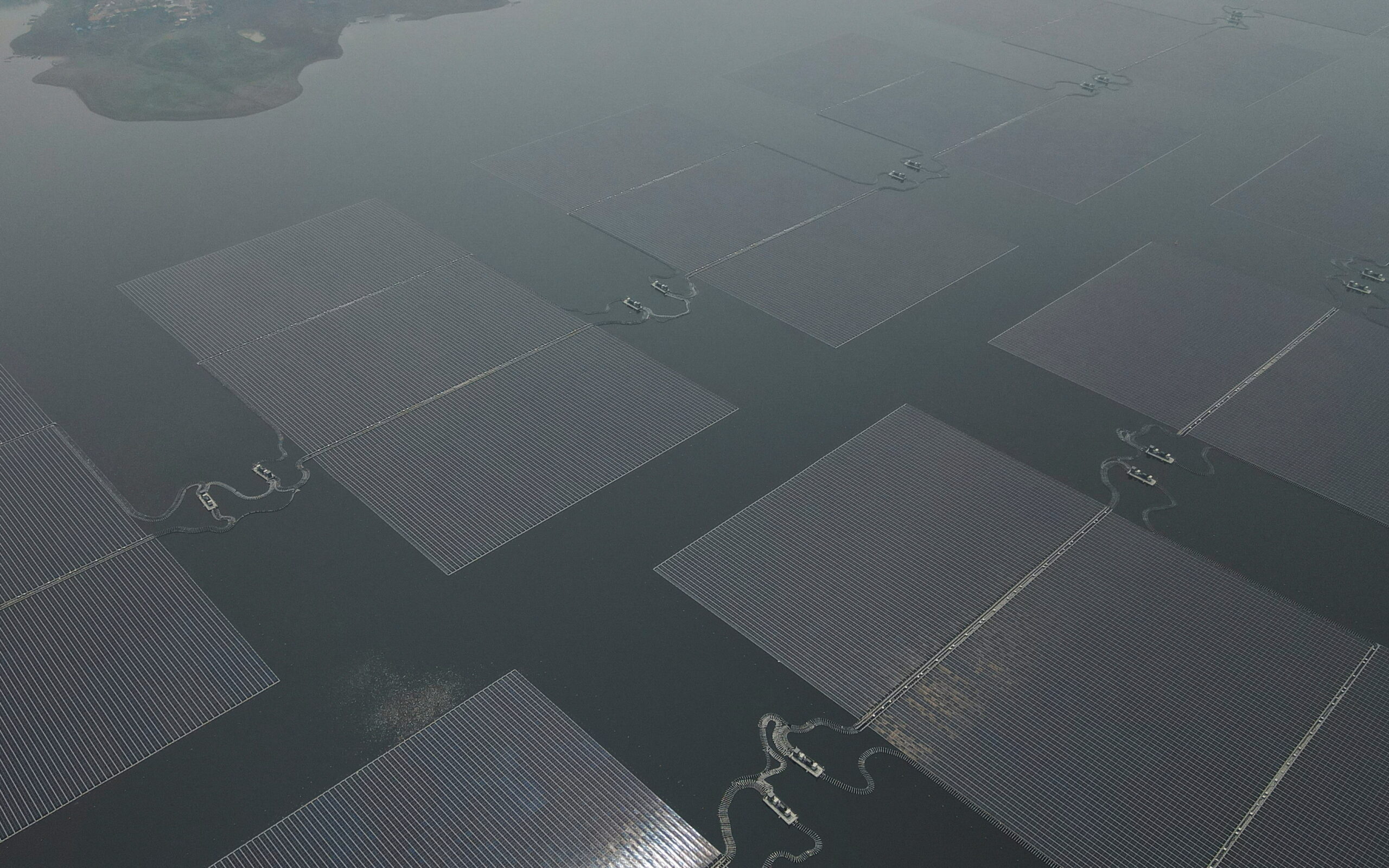
The conflict has turned renewables into security assets at home, and rendered them far more expensive to build out, while Gulf states send clean energy capital abroad.
Egypt has become the indispensable transit state linking Saudi Arabia's Red Sea infrastructure with global markets. But that strategic importance may also have exposed it to the same risks facing Gulf producers.
Senior Research Scholar, Center on Global Energy Policy, Columbia University’s School of International and Public Affairs; Senior Fellow, Middle East Institute
AGSI explains what Israel’s sudden and massive attack on Iran is likely to mean for Gulf Arab states, Iran, the United States, and global and regional economies.
The conflict in Yemen has exacted a disastrous toll on the country. This paper considers the outside forces in the conflict, seeking to elucidate who they are, what the nature is of their involvement, and what their converging and conflicting interests mean for reconstruction.
This post is part of an AGSIW series on Saudi Vision 2030, a sweeping set of programs and reforms adopted by the Saudi government to be implemented by 2030. Saudi Arabia did one thing right this week. It is seeing some positive news in the return on investment in its outwardly placed capital in new technology....