U.S. Bases in the Gulf Have Lost Their Sanctuary: What Comes Next?
The Iran war has changed the basing question. Washington will have to determine how much infrastructure it can sustain, which missions deserve priority, and how much responsibility regional partners can realistically assume.
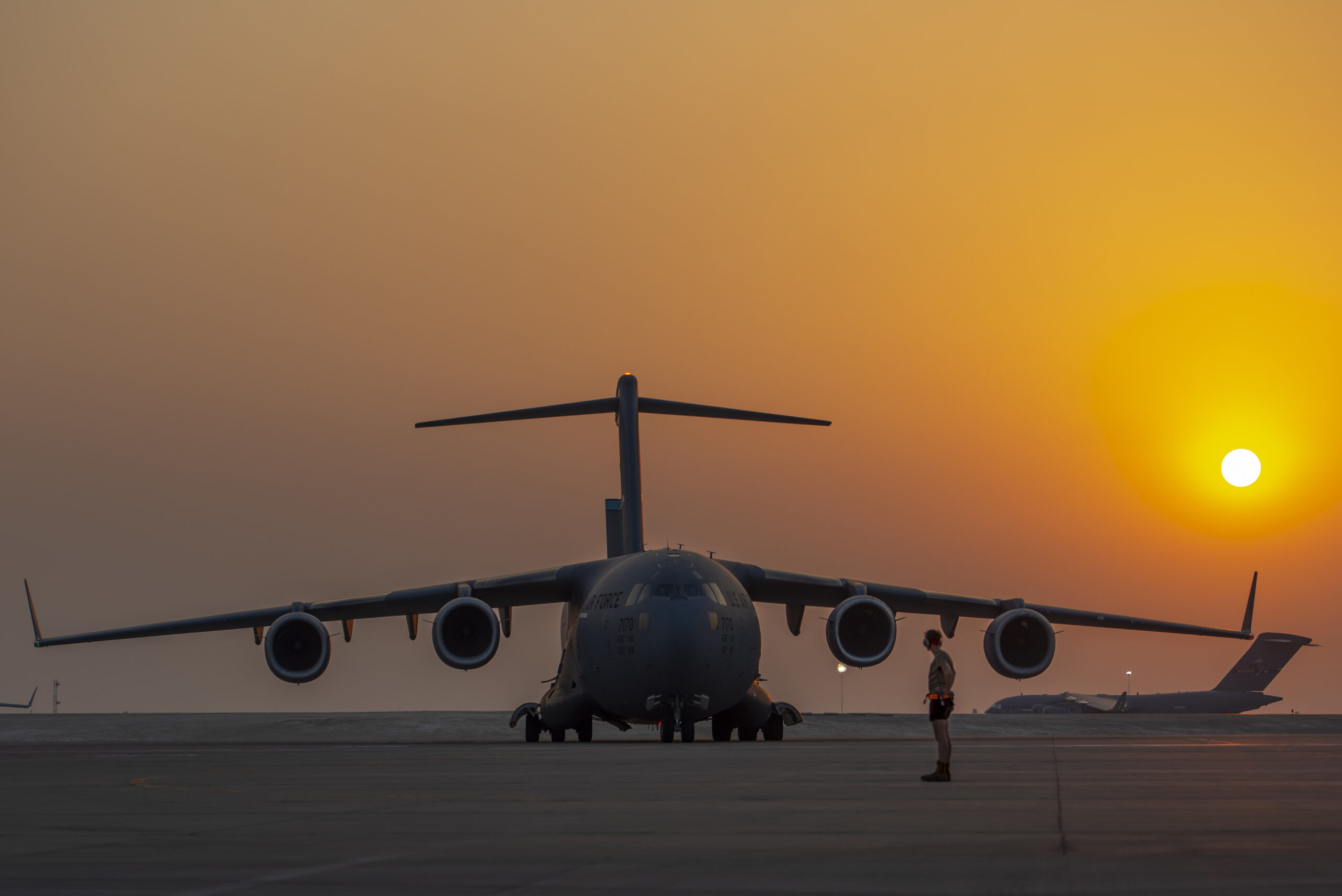
A member from the 379th Air Expeditionary Wing prepares to marshal a C-17 Globemaster lll as another C-17 taxis onto the flightline at Al Udeid Air Base, Qatar, August 23, 2021. (Airman 1st Class Kylie Barrow/U.S. Air Force via AP)
For four decades, U.S. bases in the Gulf, including Al Udeid Air Base in Qatar and Naval Support Activity Bahrain, served as relatively safe operational hubs from which Washington could project power. The Iran war has shattered that assumption, as strikes damaged facilities, disrupted operations, and exposed the vulnerability of the infrastructure underpinning U.S. power.
Washington now faces a larger question than where to rebuild. It must determine which facilities justify the resources required to defend, repair, and resupply them. Competing demands on interceptor stocks, precision munitions, maintenance capacity, and congressional funding, alongside Gulf governments’ growing concerns about the risks of hosting U.S. forces, will shape the choices. The challenge is to preserve strategic access while building a posture sustainable through a prolonged conflict.
The Damage to the Sanctuary Assumption
The sanctuary assumption had been eroding for years. Iran’s January 2020 strike on Ain al-Asad Air Base in Iraq demonstrated its ability to hit U.S. facilities with precision. Its June 2025 strike on Al Udeid, telegraphed in advance and largely intercepted, showed that even major Gulf hubs were within reach. The 2026 war has turned those warnings into sustained attacks.
After the April cease-fire, photographs revealed flattened trailers and a severed radar installation at Prince Sultan Air Base in Saudi Arabia. Naval Support Activity Bahrain was also severely damaged, prompting questions about reconstruction. The USS Abraham Lincoln lost a reliable homeport, while ships rerouted to Diego Garcia, more than 2,000 miles away in the Indian Ocean. Reuters documented at least 135 attacks on 84 critical infrastructure sites, exposing the vulnerability of military, energy, and transport infrastructure across the Gulf.
The Congressional Budget Office estimated war costs at $38 billion through August 1. As of October 16, the estimated cost of the Iran war had reached $47.1 billion, according to a document reviewed by The Wall Street Journal. That figure excludes damage to U.S. bases, which the Pentagon has separately estimated at a minimum of $5 billion.
More strategically significant, the war has consumed an estimated half to two-thirds of the U.S. inventory of certain missile-defense interceptors, which could take at least five years to replenish. The International Institute for Strategic Studies warned that the need to rebuild stocks could complicate U.S. commitments in the Western Pacific. The cost of defending Gulf bases therefore extends well beyond the region.
The Central Test Is Sustainability
The future of U.S. basing should be judged through three connected questions: Can a facility survive or recover from attack; can Washington keep it supplied and operational through a prolonged campaign; and does the facility provide enough distinctive military value to justify the resources and political exposure required to sustain it?
These questions separate survivability from sustainability. A base may withstand an initial strike but still lose operational value if its runways remain damaged, radar cannot be replaced, or defenses run short of interceptors. And a dispersed network may reduce the consequences of losing any one location while creating a larger and more expensive system to defend.
This calculation revives a long-standing debate in U.S. grand strategy over a large permanent regional footprint and a posture that relies more heavily on access, rotational forces, and power projected from a distance. Four broad models offer different basing options, which can be assessed by their survivability, sustainment burden, speed of response, and political exposure with host governments.
Four Models for a Different Kind of Base
1. Consolidated Hubs A consolidated model would concentrate command, logistics, maintenance, and other indispensable capabilities at a small number of hardened installations, such as a rebuilt Al Udeid or Naval Support Activity Bahrain, supported by smaller satellite sites. Concentration would reduce the number of facilities Washington must continuously staff, supply, and protect.
The risk is that each major hub becomes a highly valuable target. Iran could disrupt regional operations by damaging a few critical nodes. Hardening must therefore extend beyond concrete shelters to rapid runway repair, redundant communications, protected fuel and ammunition, alternate command posts, and the ability to replace damaged sensors. A hub that survives the first attack yet cannot be defended or restored during subsequent waves offers only temporary resilience.
2. Distributed Microbasing A distributed model would reduce the scale of fixed installations, expand rotational deployments, and make greater use of allied facilities and distant logistics hubs, such as Diego Garcia. Dispersal would complicate an adversary’s targeting problem and reduce the operational impact of losing any single site.
The Gulf’s limited strategic depth, short warning times, and exposure to Iranian missiles and drones constrain the protection that geography can provide. A larger network also creates more sites to defend, supply, repair, and replenish. Its costs can shift from physical construction projects to rotational deployments and regular support and maintenance.
3. A Restricted Footprint A third model would pair a smaller U.S. presence with clearer limits on missions Gulf hosts permit from their territory. Washington would rely more on over-the-horizon capabilities, partner self-defense, and access negotiated for specific contingencies. The model would address a political as well as military vulnerability: Gulf governments value U.S. deterrence but want to limit the risk of their territory being used to launch attacks on Iran.
The politics of access are hardly new. Turkey’s Parliament rejected a U.S. plan to open a northern front into Iraq in 2003, while Saudi Arabia pushed for the withdrawal of U.S. combat forces that same year. Military access depends as much on host governments’ political calculations as on strategic utility.
Financing is part of that bargain. Qatar has supported expansion at Al Udeid; asking Gulf partners to fund more reconstruction could strengthen their demands for a say in how the facilities are to be used. Cost sharing, consultation, mission limits, and commitments to defend host territory could become linked to a revised arrangement. Washington retains greater freedom of action when it exercises restraint by choice than when host governments impose limits on its operations.
4. Relocating West A fourth option would shift selected operational functions from Bahrain, Kuwait, and Saudi Arabia toward Israel. The Wall Street Journal has reported that U.S. Central Command considered moving functions westward, including the possibility of a U.S. compound at an Israeli air base. The appeal of this option lies in greater distance from some Iranian launch sites and access to alternative facilities for command, logistics, and operations.
But relocation would involve significant trade-offs. Israel and Jordan remain within range of Iranian and proxy forces, while carrier groups offer mobility but are not substitutes for permanent land-based infrastructure. Access to facilities in Cyprus would depend on political and operational arrangements. Moreover, greater dependence on Israeli facilities could tie U.S. operations more closely to Israeli political decisions. A permanent U.S. base in Israel would also carry domestic U.S. political implications. Still, relocation could serve as one element of a wider network, with its value depending on the functions moved and the access arrangements secured.
The Resource Constraint
With each model comes a different trade-off: Consolidation concentrates risk; distribution expands the network to defend; a restricted footprint increases host-government influence; relocation deepens dependence on another partner.
Resource constraints cut across all four. Interceptors, precision munitions, fuel, spare parts, repair capacity, and trained personnel must be apportioned across competing theaters and missions. Lower-cost interceptors and counterdrone systems could improve the cost exchange, but whether they can do so at the scale required for a sustained campaign against Iran is an open question. The Congressional Budget Office’s cost assessment highlights the scale of interceptor expenditure and the time required to rebuild stocks, while the defense-industrial base must meet demand for weapons and components across multiple regions.
Reconstruction should therefore be treated as a strategic allocation decision. Washington should prioritize unique facilities, disperse functions where feasible, and weigh reconstruction against mobile systems, redundant communications, repair units, or additional munitions. The aim is to preserve the missions that matter most while limiting the resources tied up in infrastructure whose defensive demands could overwhelm its operational contribution.
Congress and the Politics of Reconstruction
Basing decisions will depend on domestic politics as well as military requirements. The White House requested $87.6 billion in supplemental war funding, including about $67 billion for the Pentagon. The request became part of a wider dispute over the war’s cost, legality, and strategic purpose. Roll Call has reported that the supplemental request continued to await congressional action, while senators sought a fuller accounting of the costs.
Base repair competes with munitions replenishment and other defense priorities. The fiscal year 2027 request seeks $76.3 billion for munitions, up sharply from the prior year, and the supplemental request includes additional funds for replacement weapons.
Congressional opposition has focused heavily on the war’s legality and expense, while lawmakers have historically supported an overseas military presence. The debate will likely center on whether preserving access and deterrence justifies the cost of rebuilding facilities to their previous scale.
Basing as a Bargaining Chip
The future U.S. footprint will depend on diplomacy with Iran and Gulf governments’ choices. A drawdown tied to an agreement with Iran could reassure Washington that tensions are easing but lead regional partners to see concessions as rewarding attacks on U.S. facilities. Without an agreement, damage, budgets, and host-state preferences will continue to shape the U.S. presence.
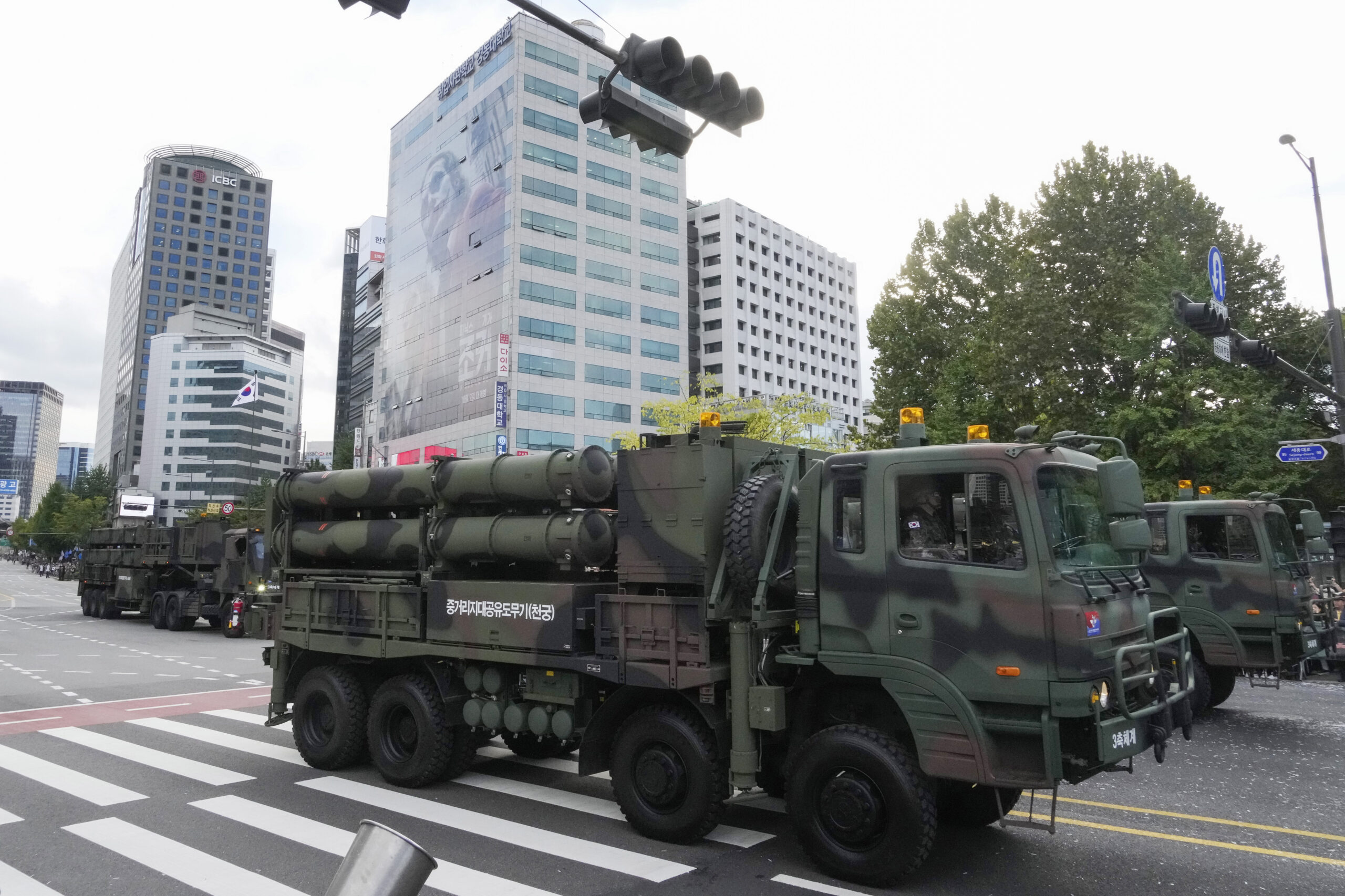
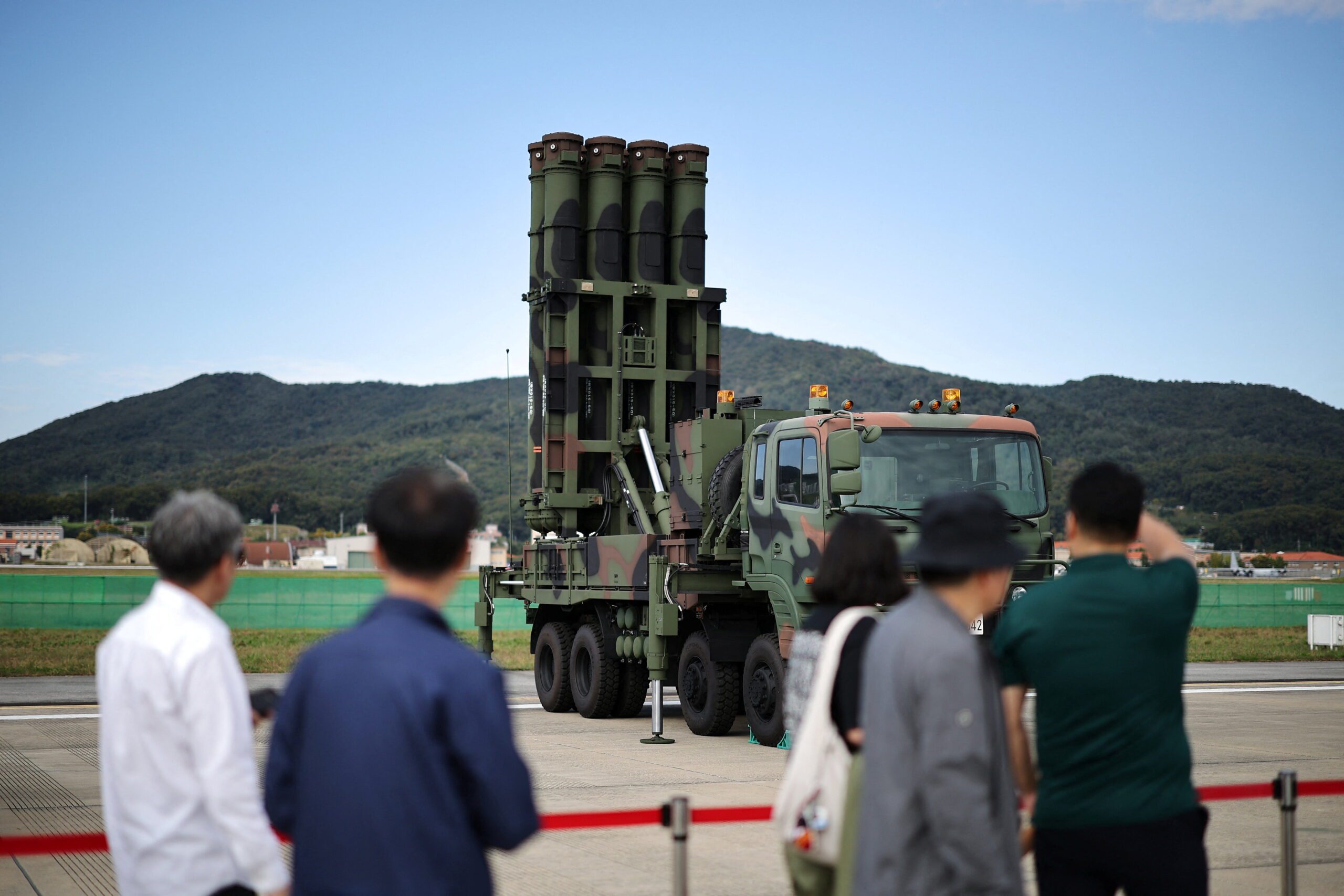
Gulf states have expanded their defensive capabilities. Saudi Arabia activated its first Terminal High Altitude Area Defense battery in July 2025, the first of seven batteries it is buying, layered above its Patriot launchers. But air defense alone cannot keep chokepoints and export routes open. Disruption in the Strait of Hormuz, Houthi pressure around the Bab el-Mandeb, and attacks on Saudi export infrastructure underscore the need for maritime, air, intelligence, and logistical capabilities.
The Mecca Joint Defense Agreement among Saudi Arabia, Pakistan, and Turkey reflects this diversification. As Houthi attacks intensified, Turkish Foreign Minister Hakan Fidan offered military support, particularly in technical areas. Yet the pact’s practical commitments remained unclear at signing. And diplomatic commitments do not automatically translate into integrated capabilities deployable in a crisis.
Gulf hosts want U.S. deterrence without bearing unlimited risks from hosting U.S. forces; Washington needs reliable access without allowing base defense to drain resources from other priorities. A sustainable arrangement requires clearer agreements on consultation, permitted missions, host-territory defense, reconstruction costs, access during regional crises, and long-term cost sharing.
A Selective and Layered Gulf Presence
The most likely future for U.S. basing in the region is a selective, layered presence built around a small number of hardened and recoverable hubs, dispersed sensors and logistics, integrated air and missile defense with regional partners, rotational forces, and distant support facilities. Hubs offer advantages for command, logistics, crisis response, and maritime security. Dispersed sites and distant support can improve endurance during a prolonged high-intensity conflict. Host-state restrictions may determine which operations are feasible from particular locations.
The decision over Naval Support Activity Bahrain could provide an early indication of the direction of change. A full rebuilding would signal confidence in a fortified version of the existing model. A partial one accompanied by the relocation of selected functions would suggest a more fundamental redesign.
The emerging posture may resemble offshore balancing in practice while preserving a substantial onshore presence. Gulf governments can contribute more to regional defense, yet their capabilities, priorities, and political calculations will continue to vary.
The Iran war has changed the basing question. Washington will have to determine how much infrastructure it can sustain, which missions deserve priority, and how much responsibility regional partners can realistically assume. The strongest future posture will preserve access where it provides distinctive value, distribute functions where concentration creates excessive risk, and direct scarce resources toward the capabilities that keep U.S. power operational under sustained pressure.
The views represented herein are the author's or speaker's own and do not necessarily reflect the views of AGSI, its staff, or its board of directors.
Gulf states are combining military modernization, diplomacy, diversified external partnerships, and domestic resilience into a new framework for regional security.
The war between the United States and Iran revealed the vulnerability of static U.S. bases, while also showcasing Gulf Arab states’ capacity – bolstered with U.S. hardware and training – to intercept most Iranian strikes on their own, raising new questions about U.S.-Gulf security partnerships.
As Iranian strikes exposed structural gaps, Gulf states are expanding their air defense architecture through new suppliers, lower-cost systems, and operational partnerships.
Gulf states are combining military modernization, diplomacy, diversified external partnerships, and domestic resilience into a new framework for regional security.
Operation Epic Fury has delivered tactical gains without a viable strategic end state. The Strait of Hormuz remains effectively closed, Iran’s leadership has reorganized, and the diplomatic track has fractured.
February talks between Saudi Arabia and Turkey signaled the emergence of a pragmatic regional order grounded in economic complementarity, defense cooperation, and shared anxieties about instability.