The war between the United States and Iran revealed the vulnerability of static U.S. bases, while also showcasing Gulf Arab states’ capacity – bolstered with U.S. hardware and training – to intercept most Iranian strikes on their own, raising new questions about U.S.-Gulf security partnerships.
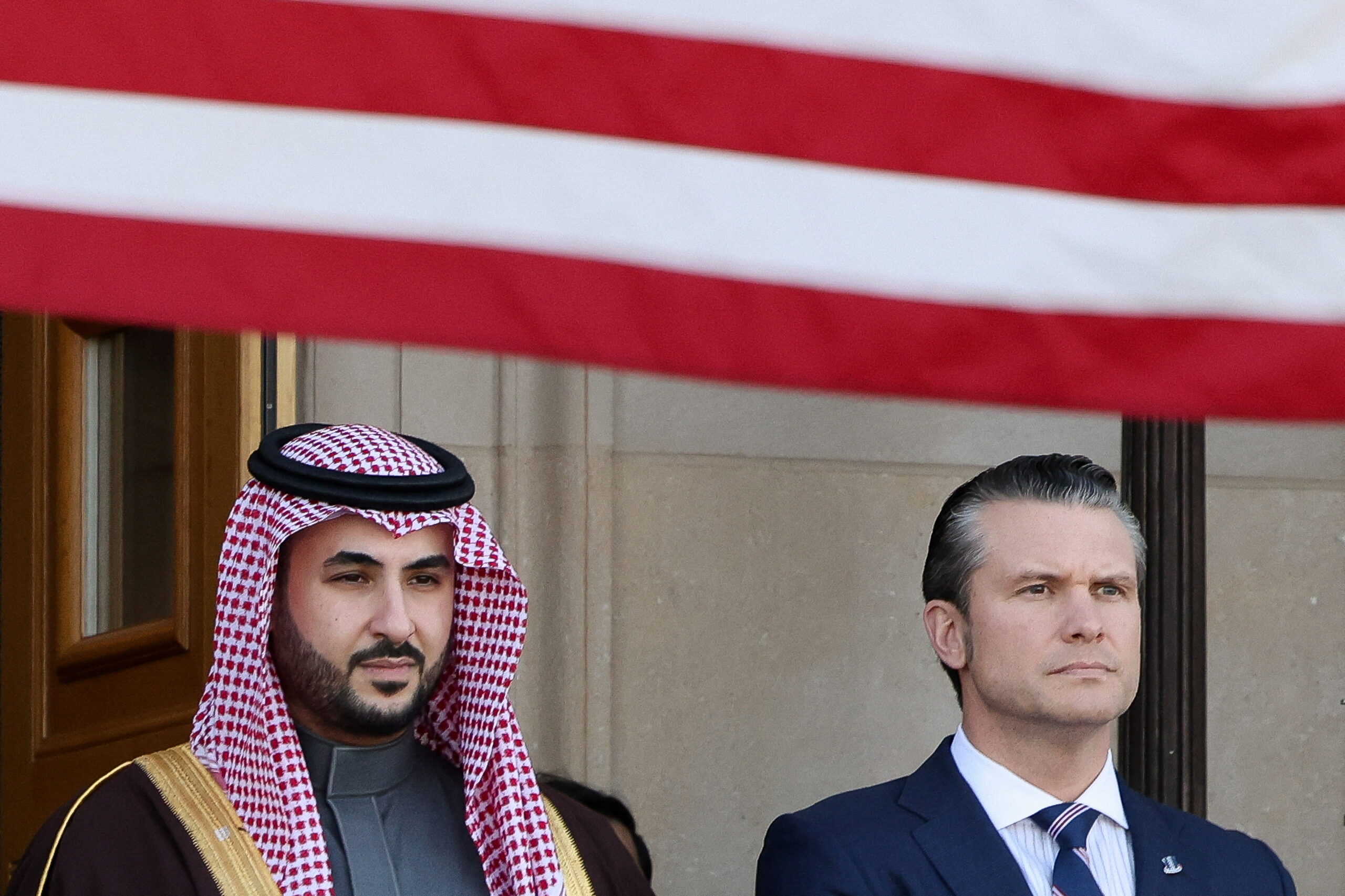
U.S. Defense Secretary Pete Hegseth meets with Saudi Defense Minister Prince Khalid bin Salman at the Pentagon in Washington, D.C., U.S., February 24, 2025. (REUTERS/Kevin Lamarque)
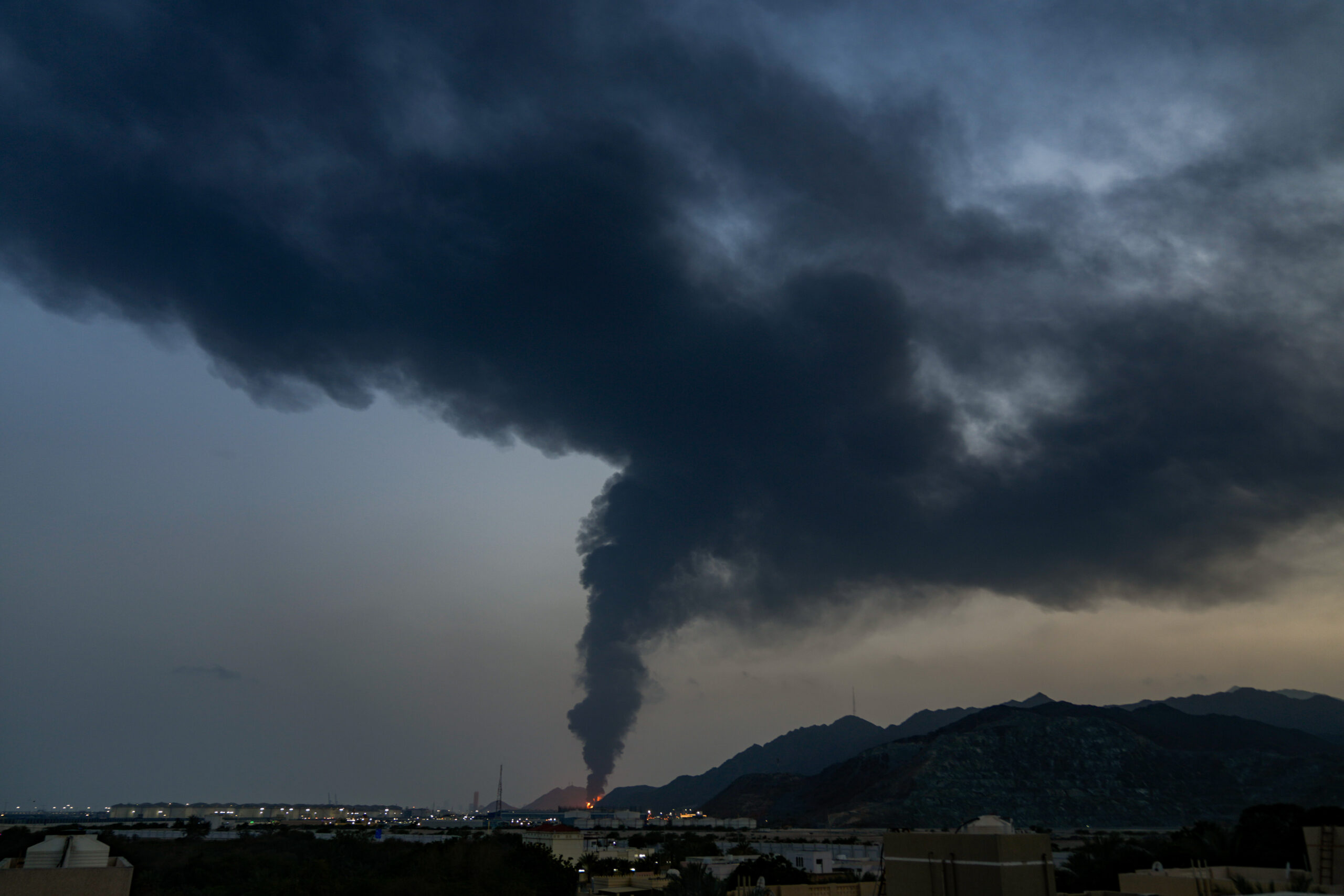
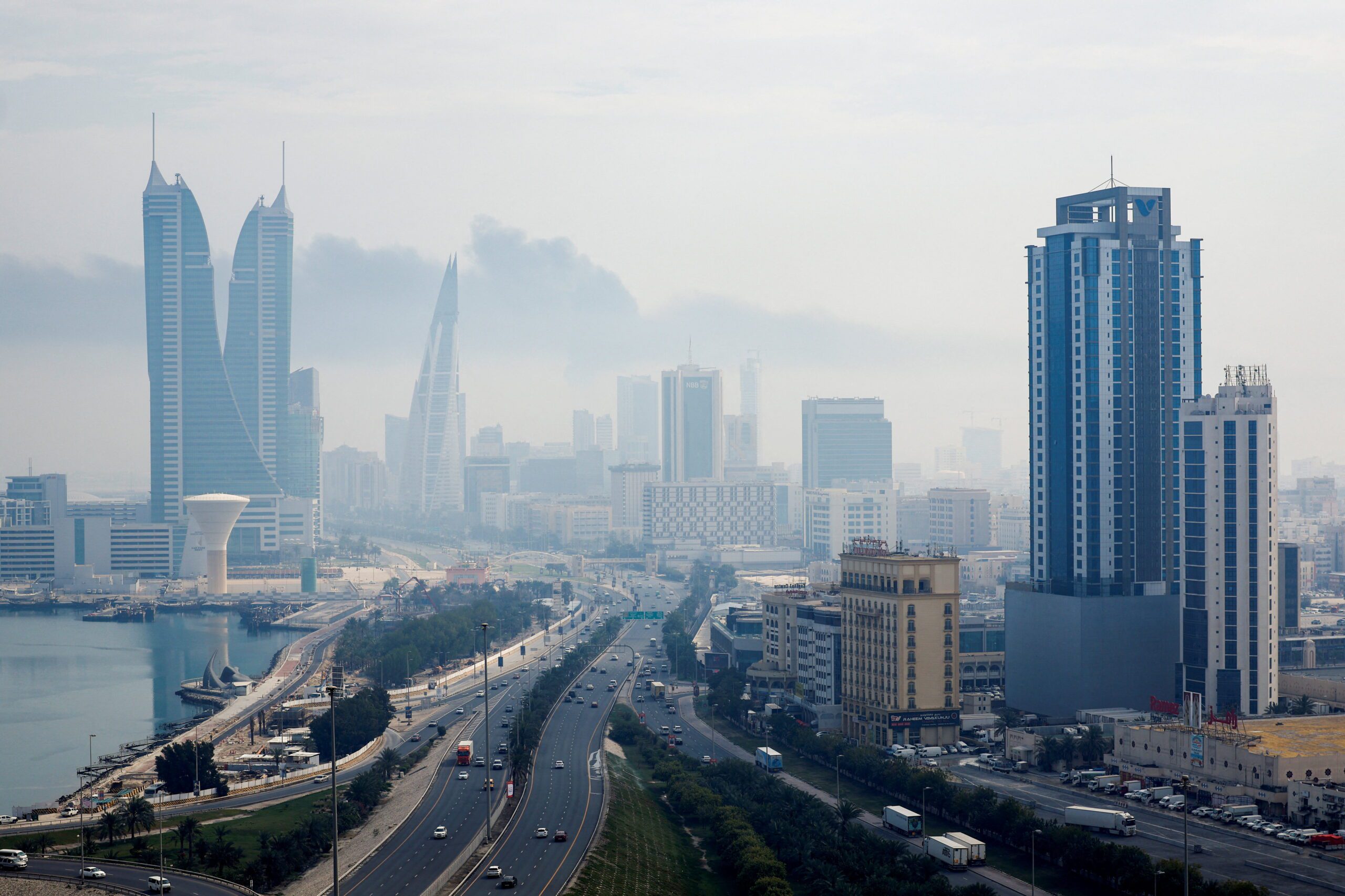
The war between the United States and Iran has cost Gulf Arab states dearly. The World Bank lowered its 2026 growth forecast for the Gulf from 4.4% to just 1.3%, and Iranian strikes have killed and injured civilians and soldiers in the Gulf, including seven civilians killed and 106 injured in Kuwait alone. Even successful interceptions have been costly: Gulf officials told the United States they were running low enough on interceptors that they had to start choosing which incoming threats to intercept and which to let through. Airports in the Gulf also became targets: Dubai International Airport was struck three separate times, including by a drone that penetrated the Terminal 3 roof. Kuwait International Airport’s passenger terminal was also damaged by drones and a fuel-tank fire.
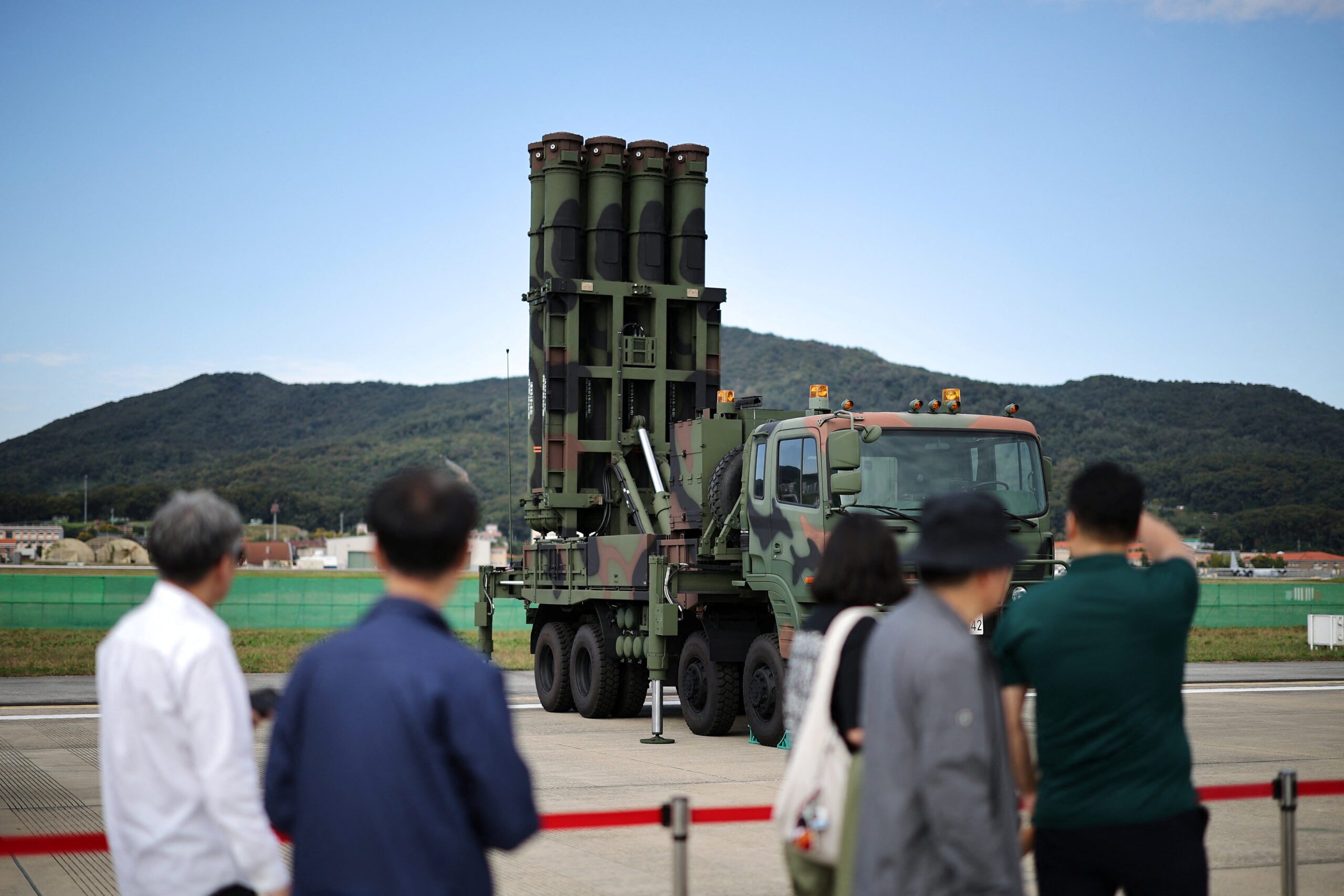
On the other hand, the war has also demonstrated the military capability of the Gulf Arab states. For instance, Saudi Arabia has deployed 108 Patriot launchers and four THAAD batteries, intercepting a large number of Iranian ballistic missiles. Emirati forces have intercepted roughly 92% of the ballistic missiles and 94% of the drones coming from Iran, and Qatar’s forces intercepted 96% of missiles and drones on the first day of the war using F-15s and National Advanced Surface-to-Air Missile Systems. For many of these interceptions, the hardware and training came from the United States, but Gulf crews did the fighting and hit their targets.
As Gulf states reconsider their security partnerships with the United States, they will be looking to find a way to protect their countries while maintaining and strengthening their relationships with the United States.
A Basing Model Built for a Different Era
Before there were U.S. bases in the Gulf, including in Doha, Kuwait City, and Manama, U.S. officials described the U.S. commitment to the region in terms of cooperative access rather than permanent bases. Robert Komer, undersecretary of defense under President Jimmy Carter,told Congress in 1980 that U.S. regional strategy “depends critically on our access to facilities in the area” – access, not necessarily permanent bases, was the framing officials used at the time. That changed after Iraq’s 1990 invasion of Kuwait, which brought roughly half a million U.S. troops into the region. By 1994, the emergency deployment had become permanent, structured by defense agreements with Kuwait, Bahrain, Qatar, and the UAE. By the 2003 Iraq War, there were roughly170,000 U.S. servicemembers in the region. This military presence reflected a period when Gulf militaries had little capacity to defend their own airspace. But the latest war between the United States and Iran has narrowed this gap, and Gulf air defenses, while largely built on U.S. systems, have intercepted most Iranian missiles and drones without direct U.S. assistance. At the same time, U.S. installations in Doha, Kuwait City, and Manama were themselves targeted.
Why the Bases Themselves Became Targets
Iranian officials have cited the presence of U.S. forces as one of the reasons for their strikes on Gulf Arab states. However, the broader alliance between the United States and the Gulf states made them targets with or without bases, or at least made it easier for Iran to justify targeting its neighbors and drag them into the conflict as part of its asymmetric response to the United States and Israel. Iran struck Qatari liquefied natural gas terminals and Dubai’s financial district, locations with no U.S. military presence. Gulf states may be targeted simply for being U.S. allies, no matter where U.S. forces are stationed. Hence, reducing the number of U.S. military bases in the Gulf would reduce one source of risk but would not eliminate it. On the other hand, a reduction in U.S. bases would remove a specific, named rationale for strikes on the host states, even if it would not eliminate Iranian targeting completely. U.S. military planners, surveying the ease with which Iran has been able to target the Gulf bases, may actually prove supportive of the notion of removing the bases or developing a new model.
What a Leaner Model Could Look Like
The current U.S.-Gulf security relationship is already structured through channels that don’t depend on existing U.S. military bases in the region. Saudi Arabia’s air defense network is valued at more than $83 billion, mostly built on U.S. systems, particularly THAAD batteries, Patriot launchers, integrated radar, and fire control. These are all purchased under U.S. contracts and training pipelines, maintained and operated by a mix of Saudi personnel and American contractors – many of them retired U.S. military – that don’t require a permanent U.S. military presence on Saudi territory.
The coordination between the United States and other Gulf partners follows a similar pattern. For example, the air defense operations cell that the U.S. Central Command opened at Al Udeid Air Base links radar data across various regional partners into a shared threat picture. The United Kingdom-Qatar joint Typhoon squadron offers a smaller scale version of the same idea: U.K. jets are integrated into Qatar’s defense system without a permanent British military presence in Qatar. There are several policy options to maintain the strong U.S.-Gulf relationship without having U.S. military bases in the region. Among these options are rotational deployments, offshore platforms, or basing outside the Gulf.
The Gulf Arab states remain major customers for U.S. military training, equipment, and technology, a relationship built on contracts and technical support – buttressed by long-term train and equip missions – rather than on physical military bases. This commercial and training relationship would continue regardless of whether U.S. forces are based permanently in the Gulf, based elsewhere in the region, or rotated through on a nonpermanent basis.
The Future U.S.-Gulf Partnership
The war between the United States and Iran has shown the difference between the presence needed for deterrence and cooperation and the fixed, high-value installations that have themselves become targets in the region. Gulf militaries have demonstrated during the war that they can operate and defend themselves using U.S.-supplied systems effectively with their own personnel, a capability that did not exist to the same degree when the current U.S.-Gulf partnership took shape in the 1990s. The question now is how the United States and its Gulf partners assess that shift and whether existing commercial, training, and technical relationships can replace permanent military bases.
The views represented herein are the author's or speaker's own and do not necessarily reflect the views of AGSI, its staff, or its board of directors.
As Iranian strikes exposed structural gaps, Gulf states are expanding their air defense architecture through new suppliers, lower-cost systems, and operational partnerships.
The imperative for Gulf states to unify their position has grown since the onset of Iranian attacks on their countries. Yet under conditions of uncertainty about the U.S. position and the war's outcome, Gulf states are demonstrating differing regional alignments and preferences for managing the crisis.
Gulf capitals are facing immediate policy choices around how to restore order in a regional setting that is greatly changed – for the worse – as a result of the Iran war.
Saudi Arabia, the UAE, and Qatar are each anchoring a different piece in the rebuilding of Syria’s infrastructure, turning investment and reconstruction into an informal division of labor.