Nov 3, 2026
Putting Recent Saudi Budget Data Under the Microscope
Recently published data suggests that the 2026 Saudi government budget deficit will be larger than previously forecast.

The Saudi Ministry of Finance has published Saudi Arabia’s budget performance report for the third quarter of 2026. The report shows that the government budget deficit increased to 84 billion riyals ($22 billion) in the third quarter from 34 billion riyals ($9 billion) in the second quarter. The cumulative deficit for the first three quarters of 2026 is now 244 billion riyals ($65 billion), already nearly 50% higher than the full year deficit projected in the 2026 budget.
The increase in the budget deficit in the third quarter was due to a large drop in oil revenue. Oil revenue declined from 185 billion riyals ($49 billion) in the second quarter to 116 billion riyals ($31 billion) in the third quarter, the lowest level since the first quarter of 2021. At first glance, this decline is puzzling given that Aramco has just reported that its third quarter net income before taxes and zakat was higher than in the second quarter. Two factors seem to be at play according to Aramco’s third quarter financial statement. First, royalty payments declined because the average oil price received by Aramco was $95 per barrel in the third quarter compared to $108/bbl in the second quarter. A higher royalty rate is paid when oil prices exceed $100/bbl. Second, there was a large “settlements due from the government” in the third quarter. Aramco receives a settlement each quarter to compensate it for selling oil products domestically at below international market prices and sometimes for other actions it takes on behalf of the government. This settlement is deducted from the income tax that Aramco owes each quarter. In the third quarter, it looks like a large settlement was made (no information has been provided on the reason), and the income tax paid by Aramco was therefore only 2.8 billion riyals ($0.7 billion) compared to 51 billion riyals ($14 billion) in the second quarter.
Two other things stand out in the third quarter budget report. First, there was a large 22 billion riyal ($6 billion) increase in “other revenue,” which helped to partly offset the decline in oil revenue. The source of this increase was not disclosed. Second, government spending declined in the third quarter, but it was still 8% higher in the first three quarters of 2026 than in the same period in 2025.
Larger Budget Deficit Likely
Oil revenue can be expected to rebound strongly in the fourth quarter providing that the higher settlement payment made in the third quarter to Aramco was indeed a one-off. Government spending, however, also usually increases strongly toward the end of the year, and the budget deficit is often at its highest in the fourth quarter. Unless this seasonality is different this year, it is possible that the 2026 budget deficit could now run close to 300 billion riyals ($80 billion; 6% of gross domestic product).
Despite the larger-than-budgeted deficit, the government’s fiscal response to the regional conflict has been appropriate. It has used the fiscal space available to it to pursue a countercyclical policy to support the economy via higher spending. What will be important is that once the conflict is over, spending and the fiscal deficit are reduced to reclaim the fiscal space that is currently being used. Further, while government debt still remains relatively low, financing costs are on the rise and now account for 5% of government spending compared to 3.2% two years ago. With global interest rates moving higher, financing costs will continue to claim an increasing share of government spending unless the increase in debt is arrested.
The views represented herein are the author's or speaker's own and do not necessarily reflect the views of AGSI, its staff, or its board of directors.
Related
Saudi Economic Spotlight
Oct 2, 2026
Saudi Current Account Back in Deficit in the Second Quarter
The Saudi current account moved back into deficit in the second quarter of 2026, but the external sector position of the kingdom remains very strong.
Saudi Economic Spotlight
Oct 1, 2026
Saudi Fiscal Deficit To Be Larger Than Budgeted in 2026
The Saudi Ministry of Finance now expects a larger-than-budgeted fiscal deficit in 2026 as expenditure increases to support the economy.
Saudi Labor Market Holds Firm in Face of Regional Conflict
The regional conflict has so far had a limited impact on the Saudi labor market.
Oct 2, 2026
Saudi Current Account Back in Deficit in the Second Quarter
The Saudi current account moved back into deficit in the second quarter of 2026, but the external sector position of the kingdom remains very strong.
Oct 1, 2026
Saudi Fiscal Deficit To Be Larger Than Budgeted in 2026
The Saudi Ministry of Finance now expects a larger-than-budgeted fiscal deficit in 2026 as expenditure increases to support the economy.
Saudi Labor Market Holds Firm in Face of Regional Conflict
The regional conflict has so far had a limited impact on the Saudi labor market.
Analysis
Evaluating the PIF’s Financial Performance and New Strategic Direction
In its new strategy, the Saudi Public Investment Fund seems to focus more on investment returns and less on asset growth. How this will work in practice is less clear, including what it means for the future of existing projects, such as Neom.

Saudi Economic Recovery Delayed by New Threats
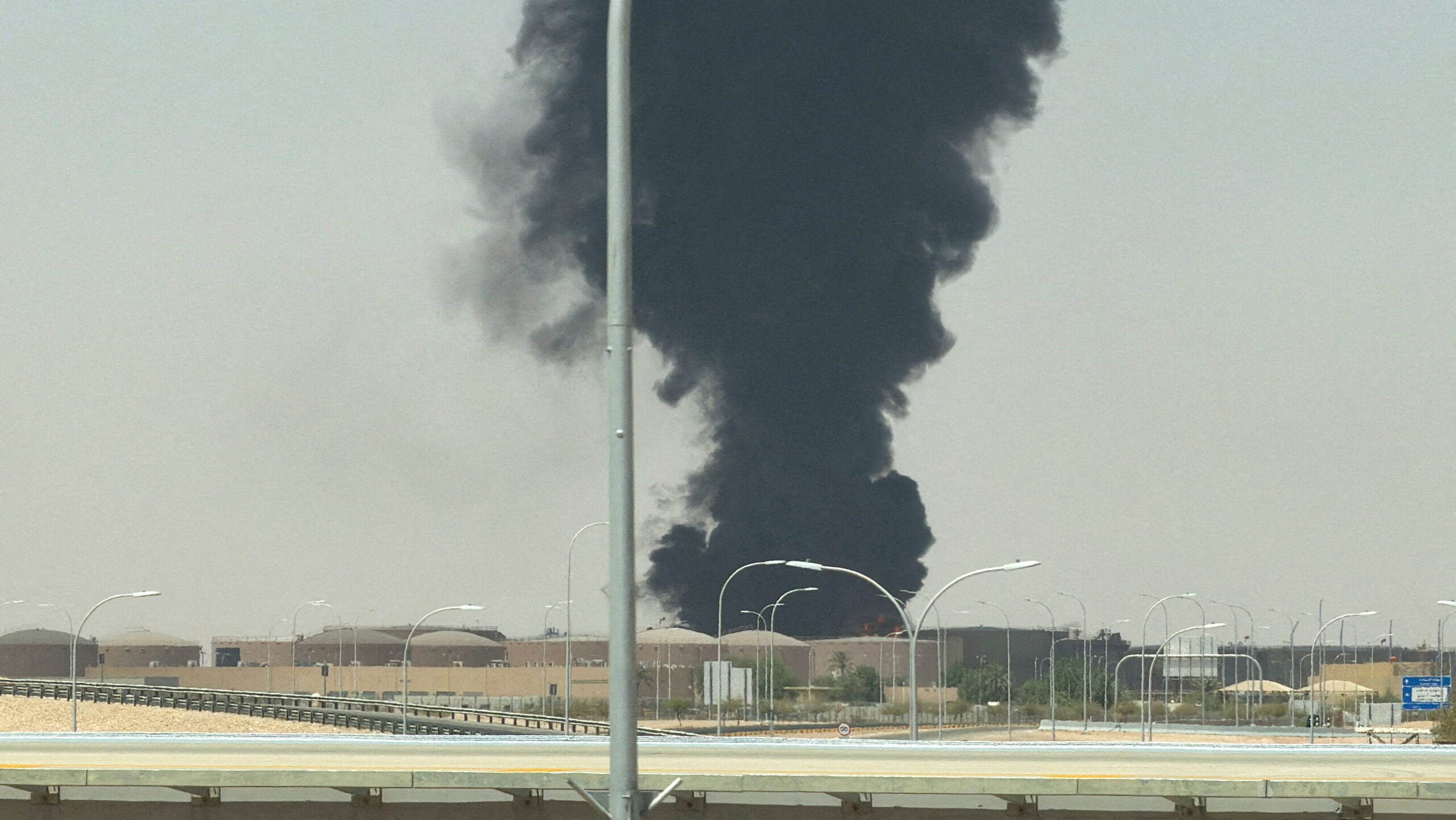
Attacks on the East-West oil pipeline and other targets in Saudi Arabia will result in a larger-than-expected economic contraction in the kingdom this year.
The Trump Presidency, Iran War, and U.S.-Gulf Economic Relationship
The outbreak of the Iran war has halted the deepening of the economic relationship between the United States and the Gulf countries. While likely temporary, it could take some time before the upward trajectory is restored.
Have Saudi Labor Market Reforms Run Their Course?
Recent data suggests that the positive impact of a decade of reforms to improve Saudi labor market outcomes may now be waning.

Events
Mar 11, 2026
Shockwaves From Iran: Implications for Energy Markets and the Global Economy
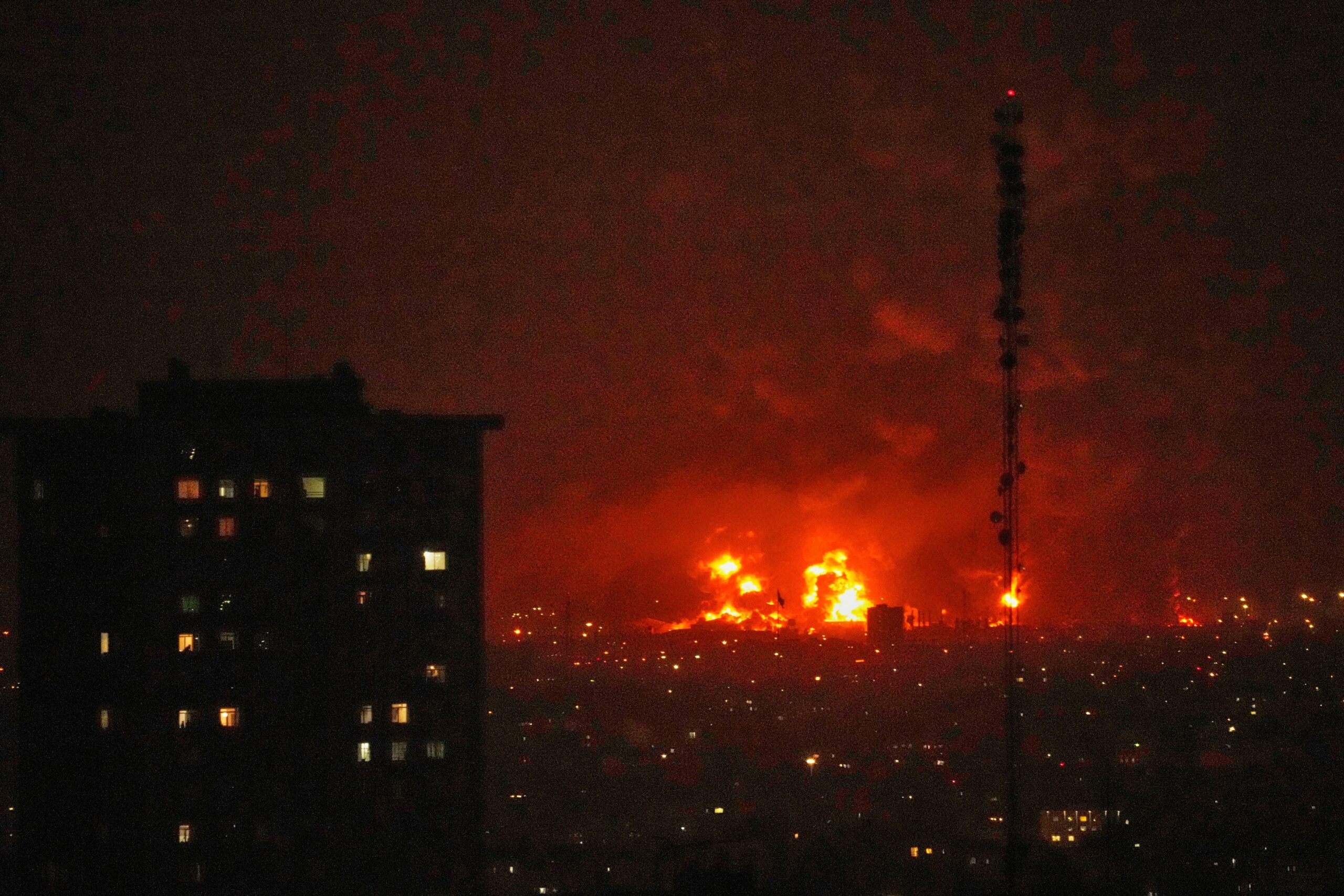
On March 11, AGSI hosted a discussion on global energy and economic market volatility.
Speakers




Jan 8, 2026
Outlook 2026: Prospects and Priorities for U.S.-Gulf Relations in the Year Ahead
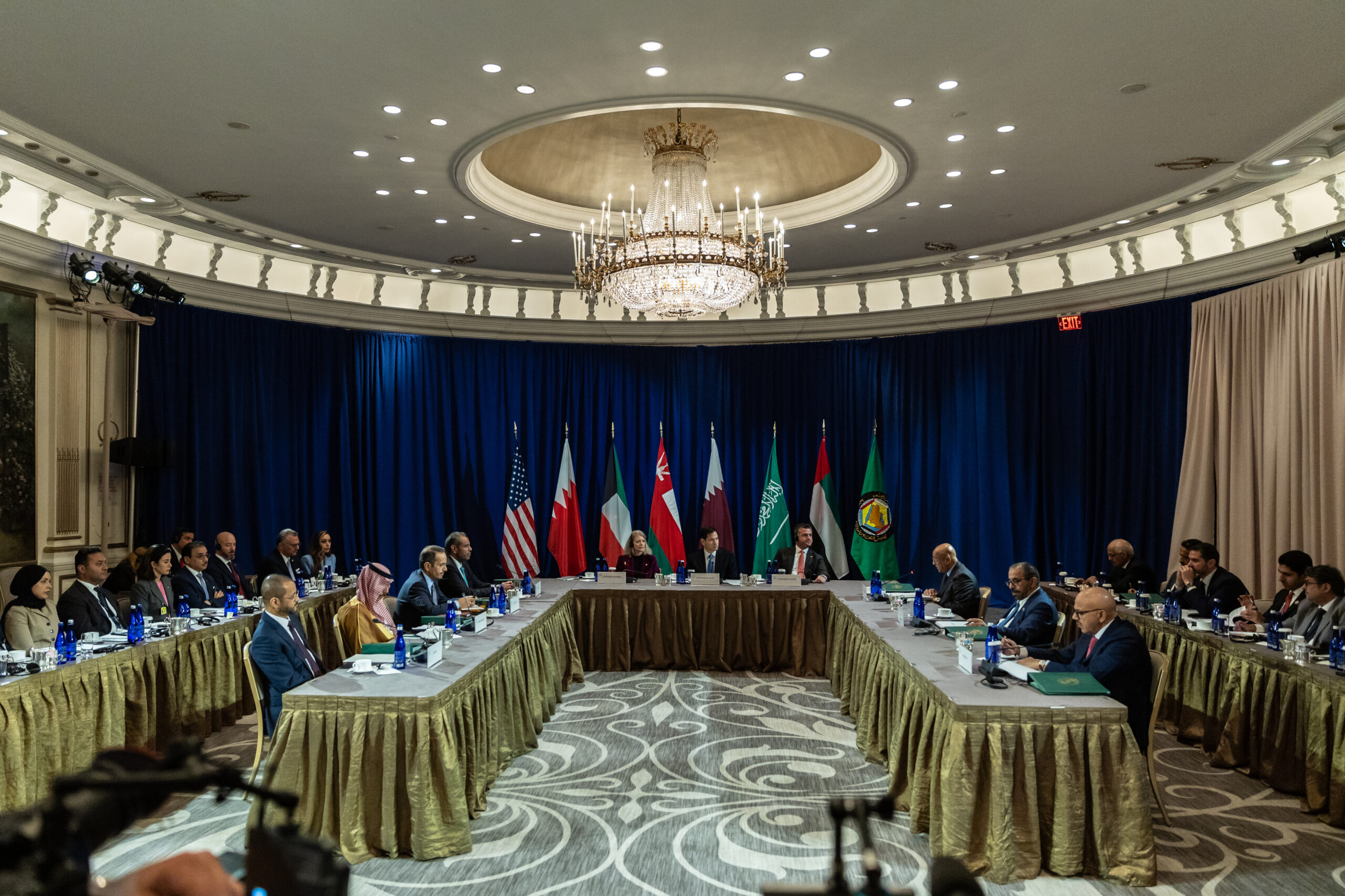
On January 8, AGSI hosted a virtual roundtable with its leadership and scholars as they look ahead and assess trends likely to shape the Gulf region and U.S. foreign policy during the coming year.
Speakers





Dec 15, 2025
Looking to 2026: Economic Prospects and Policy Challenges in the GCC
On December 15, AGSI hosted a discussion on the future of Gulf economies.
Speakers


Sep 4, 2025
Saudi Arabia: Sustaining Strong Growth Amid Global Economic Uncertainty
On September 4, AGSI hosted a discussion on the International Monetary Fund’s 2025 Article IV report on Saudi Arabia.
Speakers