Pipeline Attacks Expose Limits of Saudi Export Flexibility
Saudi Arabia’s ability to maintain its reputation as a reliable supplier in the months ahead will depend on how quickly it can repair damaged assets and keep several imperfect routes operating at the same time.
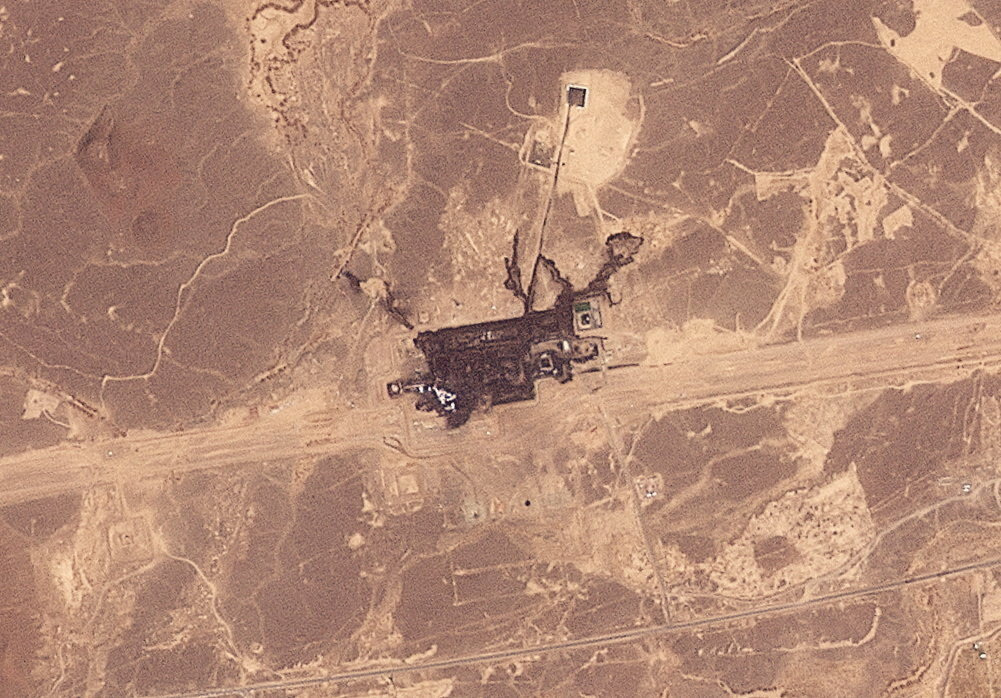
A satellite image shows damage to the East-West pipeline facility in the Hejaz region of Saudi Arabia, September 11. (Planet Labs PBC/Handout via REUTERS)
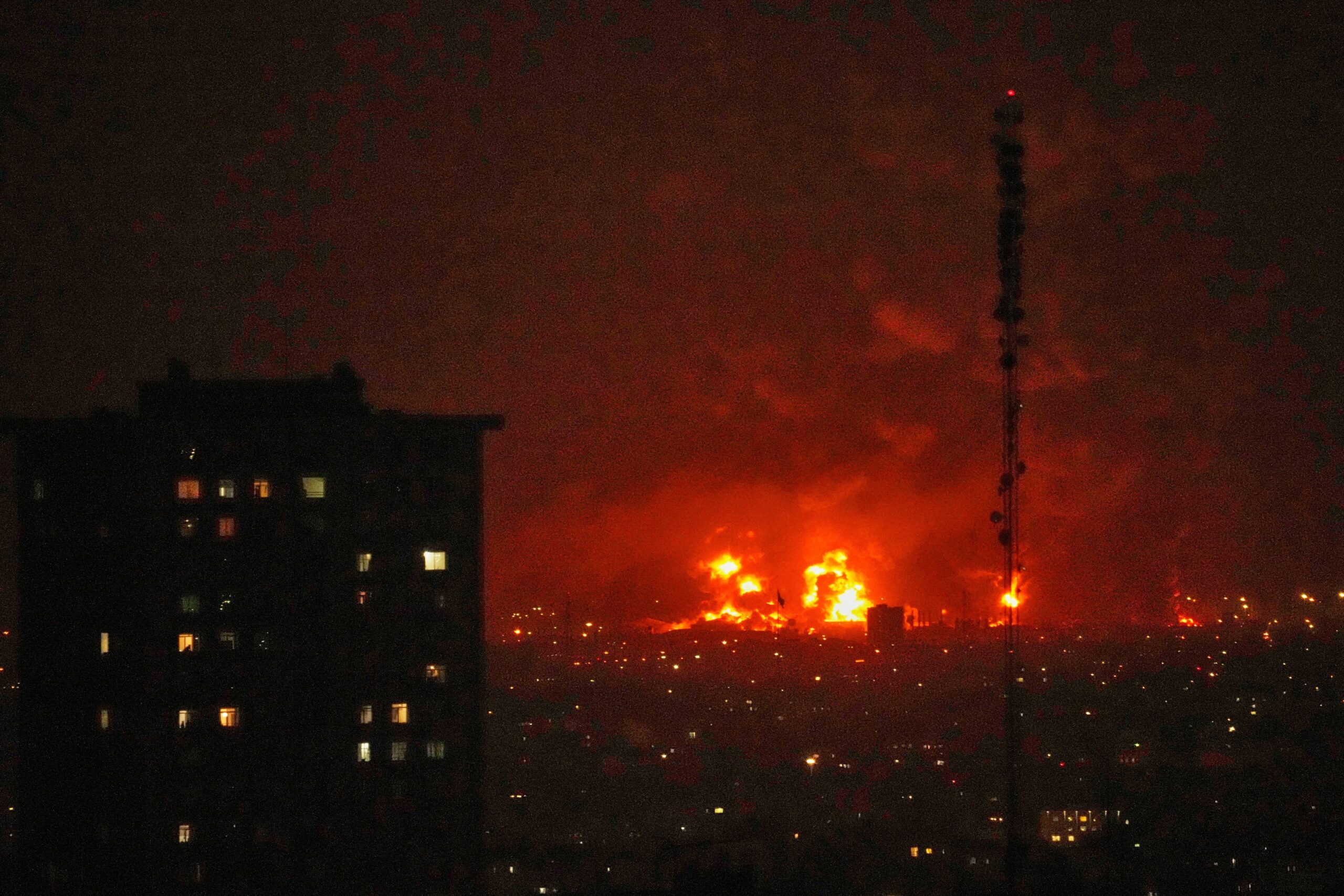
Saudi Arabia halted oil and refined product exports from Yanbu after September 10 drone strikes damaged pumping stations on the East-West pipeline. Oil prices rose above $100 per barrel immediately after the attacks, as the market priced in the loss of 4 million barrels per day of Saudi oil. With both its eastern and western export routes now compromised, Saudi Arabia is running out of options to get its oil to market.
The attacks on the pipeline, reportedly carried out by pro-Iranian militias in Iraq, struck three pumping stations along the 7 mb/d capacity East-West crude oil pipeline to the Red Sea terminal at Yanbu, causing extensive damage to one and minor damage to two others. This forced Saudi Aramco to shut down flows through the pipeline that had become the main outlet for Saudi crude since Iran disrupted traffic through the Strait of Hormuz. Neither the Saudi government nor Aramco has said when flows to Yanbu will resume.
Industry estimates range from an imminent partial restart to five to six weeks for more complete repairs. A limited restart would allow Aramco to resume some loadings from inventories, while a prolonged outage would force further oil production cuts. U.S. Energy Secretary Chris Wright said on September 16 that the pipeline should be back online within days. Oil prices fell by roughly $3/bbl after his comments and Saudi offers of additional crude through Oman, with Brent trading near $105/bbl the following day. Riyadh offered no comparable timetable. The official Saudi Press Agency has issued no update since reporting on September 11 that the pipeline had been shut down as a precaution following the attacks.
Aramco has repaired damaged facilities faster than expected in the past, supported by replacement equipment produced locally. It may also be able to resume partial flows, though this will likely prove a challenge given that more than one pumping station has been affected.
Saudi Arabia entered the conflict with more export flexibility than most Gulf producers. The East-West pipeline was built as a contingency to bypass the Strait of Hormuz, and Aramco made use of it rapidly after the conflict began. Crude oil exports from Yanbu surged from around 750,000 b/d to roughly 4 mb/d within weeks, making the pipeline the main outlet for Saudi crude for most of the conflict. The pipeline also carries only lighter crude grades – primarily Arab Light – at full capacity, meaning Arab Medium and Arab Heavy cannot be exported while the Strait of Hormuz remains blocked.
Saudi production had already fallen sharply before the latest attacks. The kingdom reported August output of 6.24 mb/d to OPEC, the lowest since 1990 and more than 4 mb/d below its implied OPEC+ target. The International Energy Agency’s September “Oil Market Report” put Saudi supply even lower at 5.97 mb/d. Output and exports had been recovering as Aramco joined other Gulf producers in using shuttle tankers to move oil through the Strait of Hormuz for ship-to-ship transfers in the Gulf of Oman, with most vessels transiting with their transponders switched off to avoid detection by Iran. Saudi Aramco restarted crude oil exports from Ras Tanura on August 11 and has been exporting an average 2.3 mb/d so far in September with volumes increasing steadily.
Saudi Arabia now finds itself facing adversaries on three fronts: Iran to the east, pro-Iranian militias in Iraq to the north, and the Houthis in Yemen to the south. The renewed conflict in Yemen, which has forced Riyadh to intervene with airstrikes on Houthi positions, is stretching Saudi Arabia’s ability to manage these multiple threats.
The Houthi campaign against Saudi shipping, which began in late July, had already forced Aramco to reroute exports north through the Suez Canal to avoid the narrow Bab el-Mandeb strait, which offers the fastest route to its main markets in Asia. Around 80% of Saudi crude exports from Yanbu had been moving through that chokepoint since the conflict began, according to Kpler data.
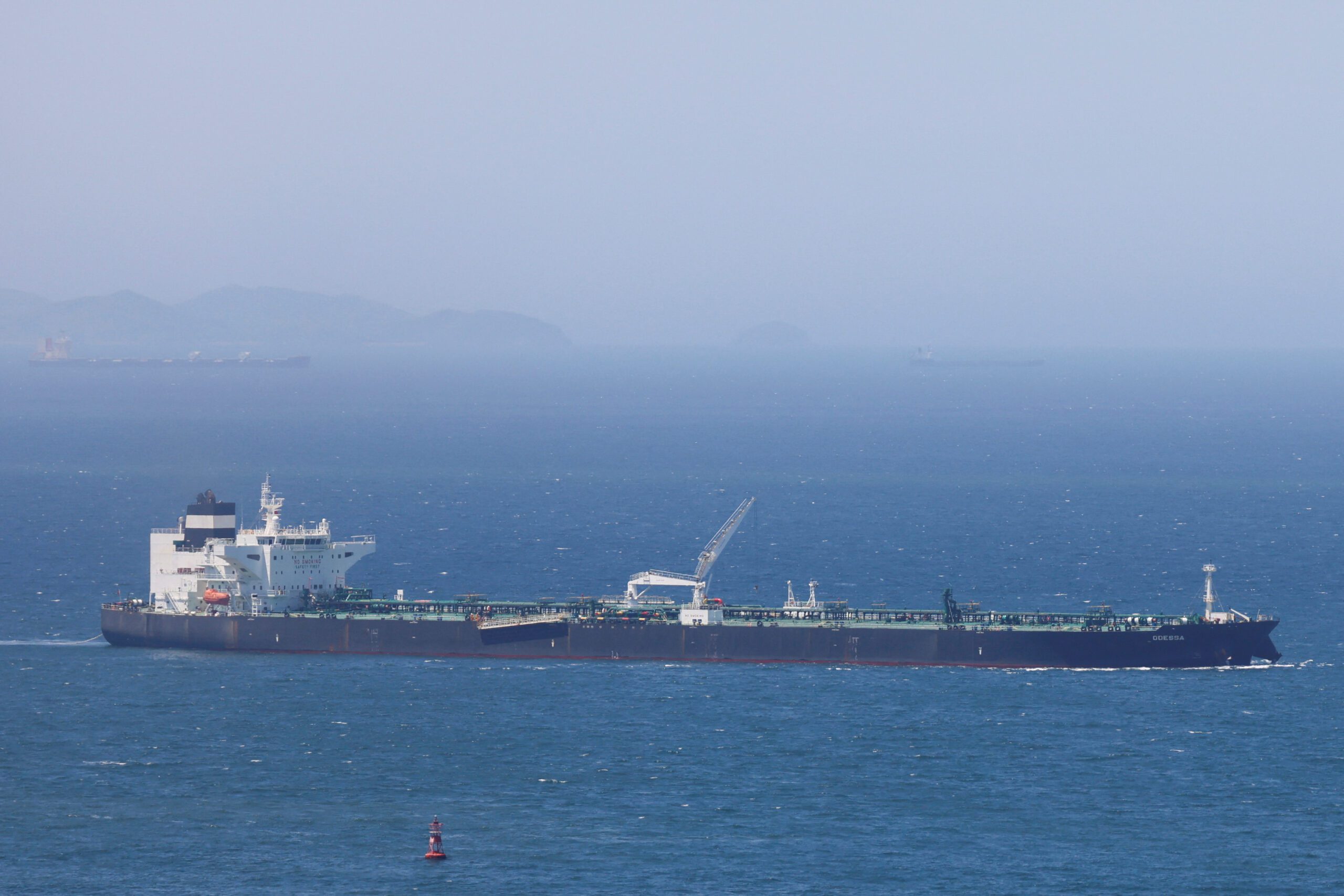
Even though Saudi shipping is the main target of the Houthis, other vessels have been avoiding the Bab el-Mandeb. Ship crossings through the strait fell from 30 to 15 on September 11, according to preliminary Kpler data cited by MEES. On the other side of the Arabian Peninsula, Iran has been increasingly targeting tankers attempting to transit the Strait of Hormuz with U.S. military assistance. An oil tanker belonging to Saudi Arabia’s state-owned tanker operator Bahri, the very large crude carrier Sidr, was attacked in Gulf waters on August 31, with two crew members killed. The Senegal Prosperity very large crude carrier was hit by three rockets a day earlier after loading at Ras Tanura, forcing the evacuation of its crew.
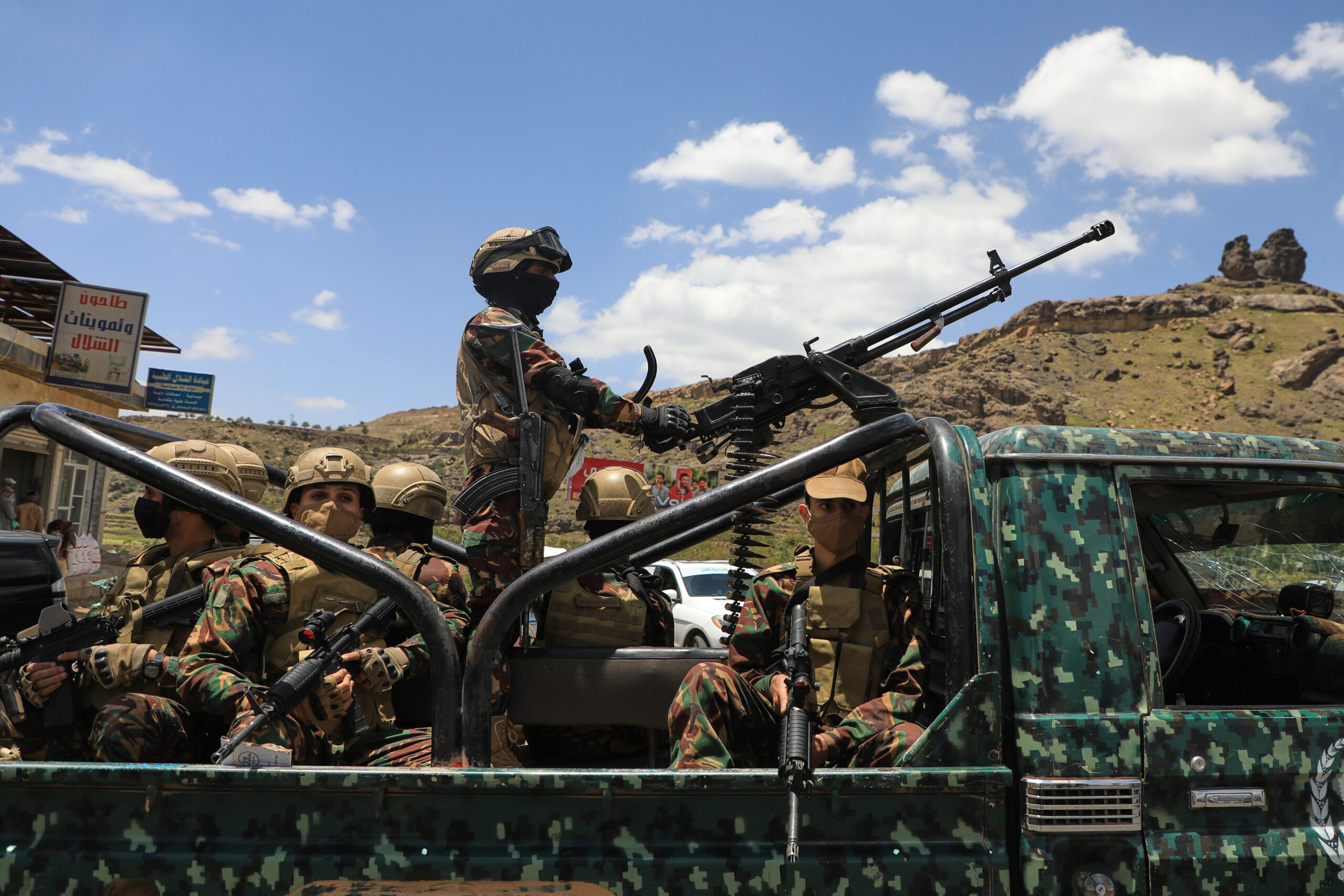
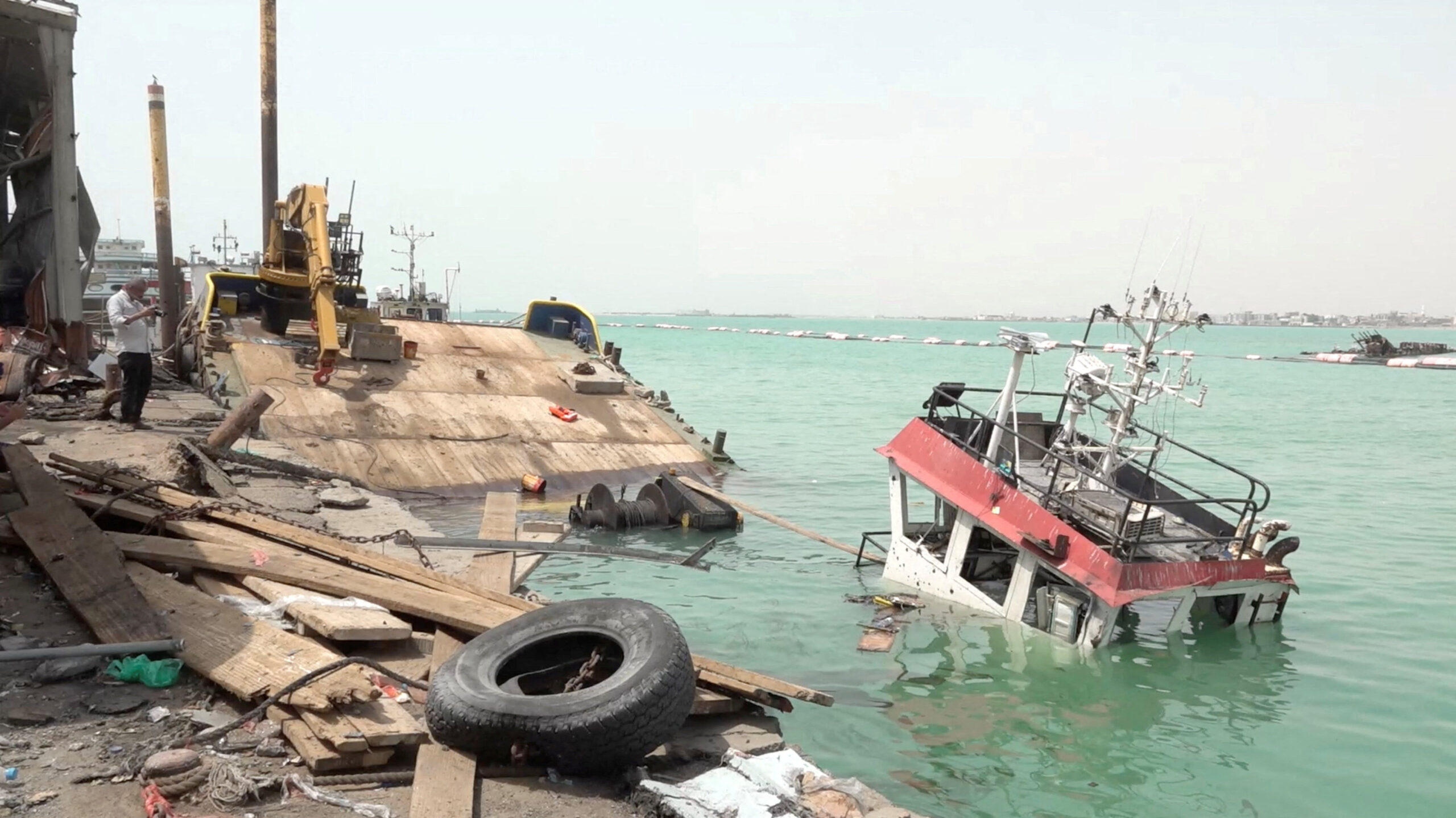
The Houthi position has been strengthened on the ground. The group captured the port of Mokha and then took Dhubab and Perim island, which lies at the narrowest point of the Bab el-Mandeb and divides the strait into two channels. Control of those positions gives the Houthis the ability to monitor and interdict Saudi-linked shipping from much closer range. Unless forces linked to the United Nations-recognized Yemeni government can retake the coast and island, the threat to Saudi exports through the Bab el-Mandeb is unlikely to ease.
With the southern Red Sea route under Houthi threat since mid-summer, Aramco had begun diverting cargoes north through the Suez Canal and Suez-Mediterranean, or Sumed, pipeline before the pipeline attacks. This route is convenient for shipments to European buyers, but cargoes destined for Asia must make the much longer voyage around the Cape of Good Hope.
Aramco CEO Amin Nasser put specific numbers on the cost of diverting shipments in an August 4 media call. Switching from the Bab el-Mandeb to the northern Red Sea route adds 20 to 25 days to the voyage from Yanbu to Asia, at an additional cost of more than $10 million for a very large crude carrier. Earlier estimates for the full diversion around the cape had put the additional cost at $2 million to $2.5 million per voyage with up to four weeks added to delivery times.
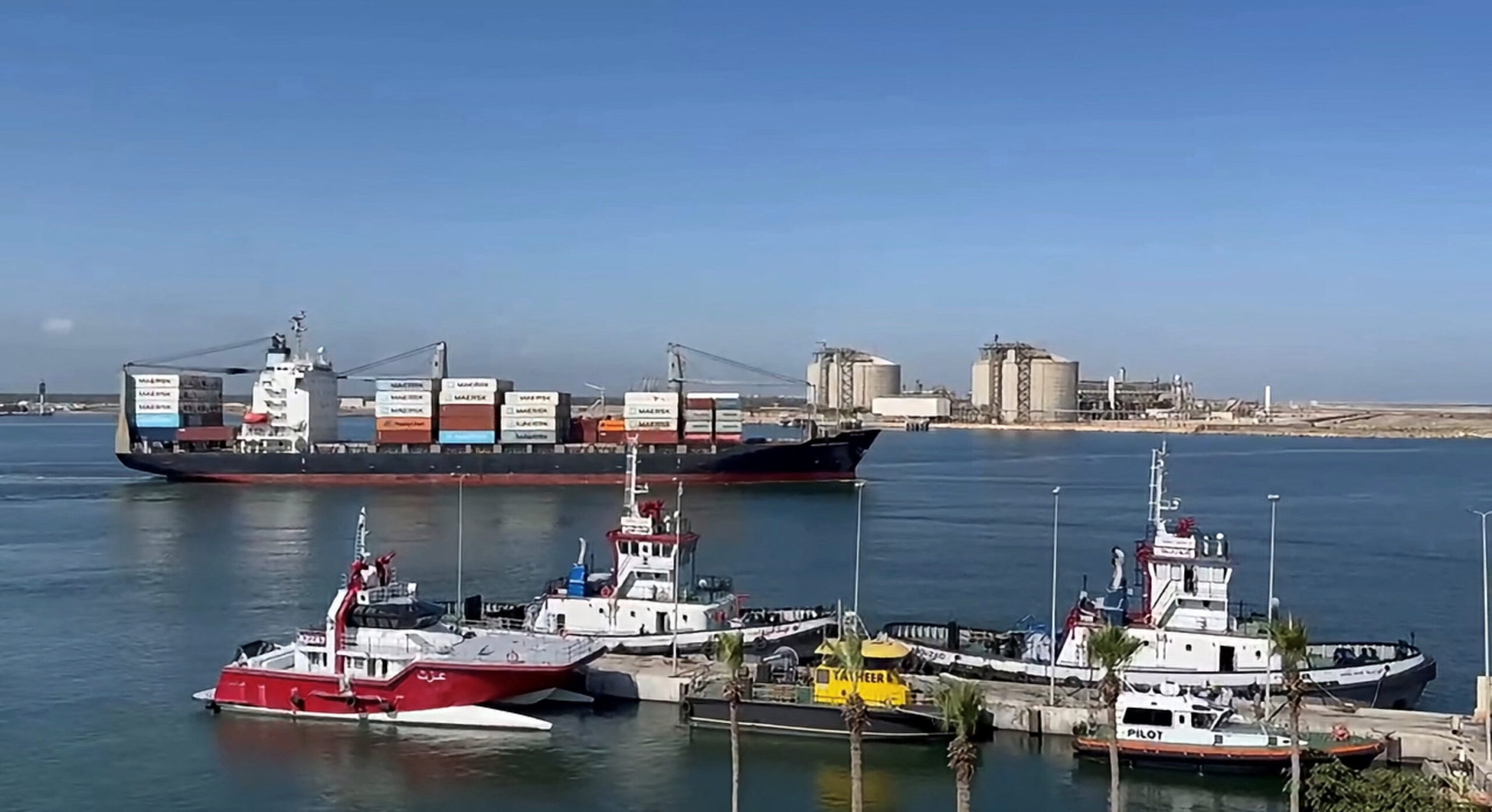
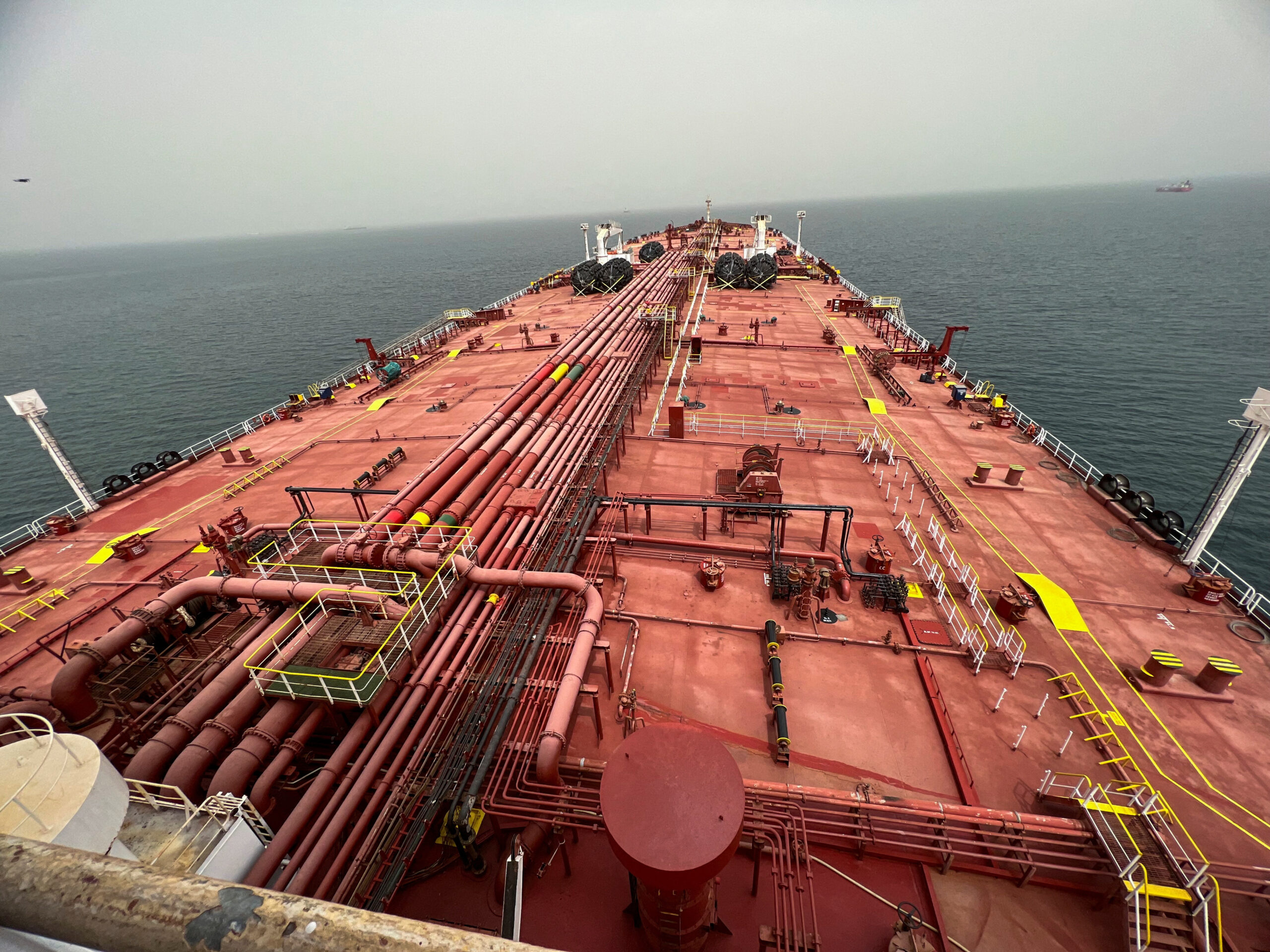
Very large crude carriers cannot transit the Suez Canal fully laden. Crude must be partially discharged at Ain Sukhna on the Red Sea, pumped through the 2.5 mb/d Sumed pipeline to Sidi Kerir on the Mediterranean, and then reloaded onto Mediterranean tankers. Some tankers with loads of 1 million barrels or less can transit the canal directly to deliver to buyers or conduct ship-to-ship transfers in the Mediterranean. The route concentrates more of Saudi Arabia’s export flow on a narrower corridor. The July 29 drone strike on Egypt’s Damietta liquefied natural gas terminal demonstrated that even this route is not beyond the reach of Iranian-aligned forces.
European buyers have borne the brunt of the disruption so far. Saudi Arabia canceled or reduced some shipments, and Poland’s Orlen was among the refiners forced to turn to replacement cargoes, Platts Oilgram News reported on September 16.
Industry estimates put crude storage capacity at Yanbu at about 35 million barrels, though the tanks were not full when the pumping stations were hit so would not be able to sustain exports for more than a few days without being topped up.
The pipeline also supplies crude to Saudi Arabia’s Red Sea refineries. Yanbu and Rabigh still have combined refining capacity of around 1.5 mb/d. The 400,000 b/d Jazan refinery has been offline since a late-July Houthi attack. A prolonged pipeline outage could force run cuts at Yanbu and Rabigh as well, while depriving water desalination and power plants along the western coast of the fuel they depend on. Many of those facilities still rely on liquid fuels because gas infrastructure has not reached the area. Saudi Arabia can import fuel, but a lengthy disruption would complicate fuel distribution at a time when regional shipping is already strained.
Nasser also warned that the disruption had exposed vulnerabilities in the global refining system. High margins indicated that product markets remained tight while refineries were operating close to maximum utilization, leaving few buffers if another large plant suffered an unplanned outage.
The pipeline outage comes as the global oil market is absorbing an unusually large loss of both supply and demand. The IEA expects world oil demand to contract by 2.5 mb/d in 2026, but this offers Saudi Arabia little protection. Much of the fall is concentrated in middle distillates and petrochemical feedstocks, particularly in Asia, and is partly a consequence of the disruption rather than evidence of a comfortably supplied market.
Supply is falling even faster. The IEA has forecast a 5.7 mb/d decline in global production this year and has pushed a full recovery in Gulf output into 2027. Observed inventories had already fallen by 507 million barrels between February and August, according to the IEA.
The price increase for refined oil products has been more dramatic as exports from the Middle East have dwindled. Refining margins reached record levels in the Atlantic Basin, as diesel supplies tightened. Attacks by Ukraine on Russian refineries and the loss of exports from the Gulf have sent the price of diesel soaring to record highs. Further losses from Saudi Arabia’s Red Sea refineries would intensify the pressure even if demand weakens.
On September 9 and 10, the Houthis struck Aramco’s 400,000 b/d Jazan refinery, fuel depots in Najran and Abha, and the King Khalid Air Base in Khamis Mushait in southern Saudi Arabia. More than 70 people were injured in the strikes, and at least three storage tanks were damaged at Jazan. The refinery was already offline after the Houthis struck storage tanks at the facility on July 25.
The deeper problem for Saudi Arabia is no longer how much bypass capacity it has built. The East-West pipeline reduced dependence on the Strait of Hormuz but shifted exposure to the Red Sea, where the Houthis have previously demonstrated their ability to disrupt shipping. Gulf loadings and ship-to-ship transfers through the Strait of Hormuz provide another route but at higher cost and with continued exposure to Iranian interdiction, which has reduced the number of ships able to follow this route on any given day to fewer than 20, according to Kpler data.
As more oil is being exported through the Strait of Hormuz, total oil exports from the Middle East have been rising. MEES reported on September 18 that exports averaged around 16.2 mb/d during the first half of September, even after the East-West pipeline went offline, compared with 12.8 mb/d in August. If maintained through the rest of the month, this would be the highest level since the conflict began.
MEES also cited satellite imagery that appears to show extensive repair work underway at Pump Station 11, the most damaged section of the East-West pipeline. It quoted sources as saying that Saudi Aramco plans to restore flows at reduced rates.
But Saudi Aramco is still looking for other export routes. Nasser told analysts that Aramco was actively examining ways to increase export optionality beyond its current routes. Two longer-term options have been discussed. One is the rehabilitation of the mothballed 500,000 b/d Trans-Arabian pipeline, or Tapline, to Lebanon’s Zahrani terminal south of Sidon, with Kuwait also reportedly interested. The other is a new pipeline across the Empty Quarter to Oman, at least 600 miles long, with Ras Markaz or Duqm as potential destinations. Both face significant political or logistical obstacles and would take years to develop. Neither is a near-term solution.
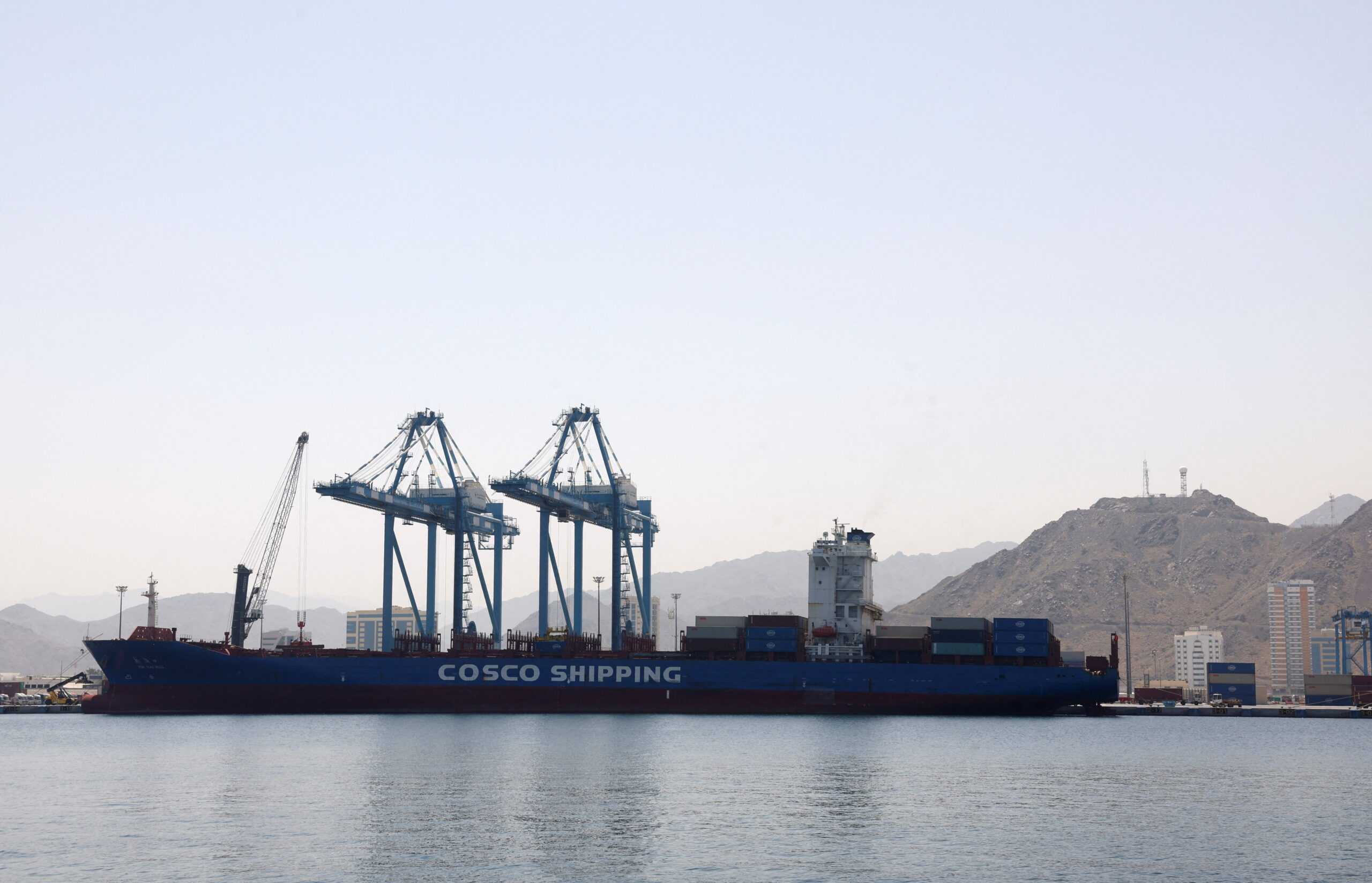
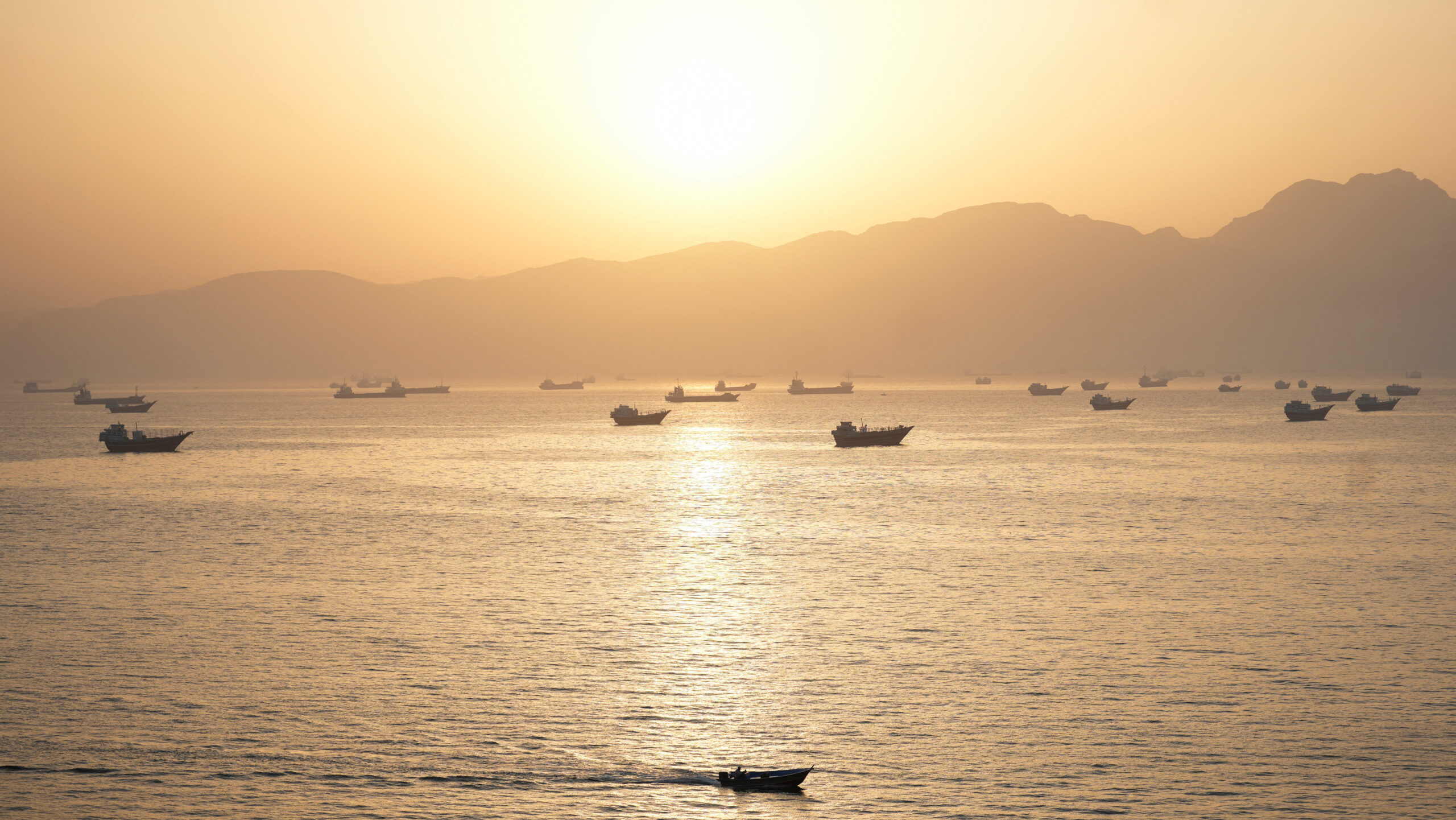
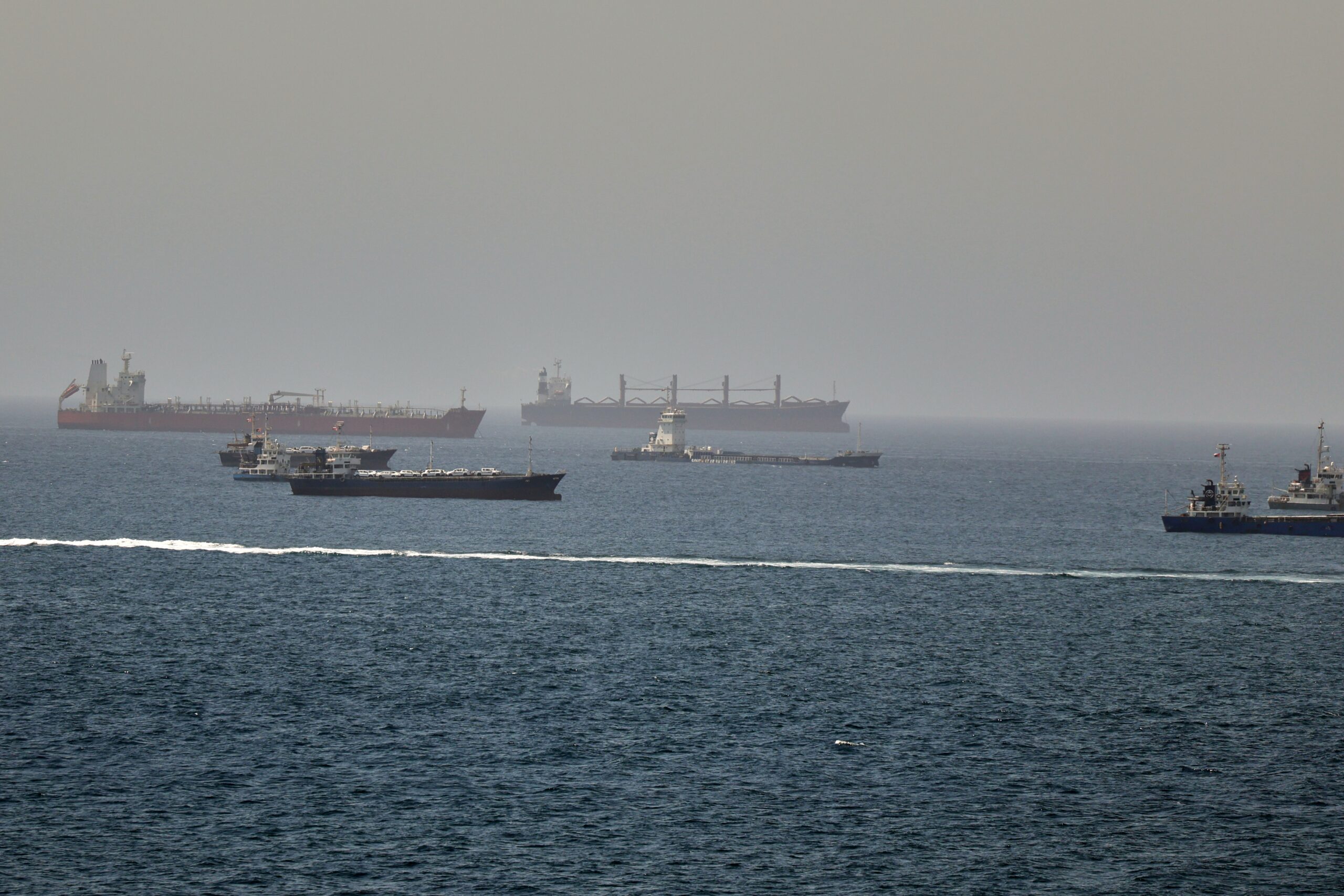
Bahri has begun renaming and reflagging some of its very large crude carriers anchored offshore Fujairah, apparently in an attempt to partially obscure their Saudi links. S&P Global’s Commodities at Sea recorded three Saudi-operated carriers entering the Gulf through the Strait of Hormuz on September 15 and at least eight Saudi-linked carriers crossings over the preceding 10 days. The shuttle system can maintain some deliveries to Asian customers but requires more vessels, adds time and insurance costs, and cannot fully replace East-West pipeline volumes.
Saudi Arabia retains more export flexibility than most Gulf producers. But each route now carries a different security risk, and the September 10 attacks have shown how quickly that flexibility can be reduced. The kingdom’s ability to maintain its reputation as a reliable supplier in the months ahead will depend on how quickly it can repair damaged assets and keep several imperfect routes operating at the same time.
The views represented herein are the author's or speaker's own and do not necessarily reflect the views of AGSI, its staff, or its board of directors.
In tandem with President Trump’s refusal to offer help with the Houthis, the Saudis are facing grim options to reverse Houthi military successes and a chokehold over their oil exports.
How the Gulf states choose to invest now could determine not just how they survive this crisis but how they sustain their role as both allocators and magnets of capital and superpowers in the global energy system.
The Houthi escalation against the port city of Mokha is rooted in intra-Yemeni power balances but, at the same time, it has broader implications for Saudi and regional security, testing new defensive coalitions and alliances.
Egypt has become the indispensable transit state linking Saudi Arabia's Red Sea infrastructure with global markets. But that strategic importance may also have exposed it to the same risks facing Gulf producers.
The vulnerability of the world's most important energy chokepoint has been laid bare, setting in motion changes that are likely to outlast the conflict.
The Iran war has triggered what energy experts have described as the world’s worst energy crisis. And what is certain is that the prewar energy order will be redrawn.