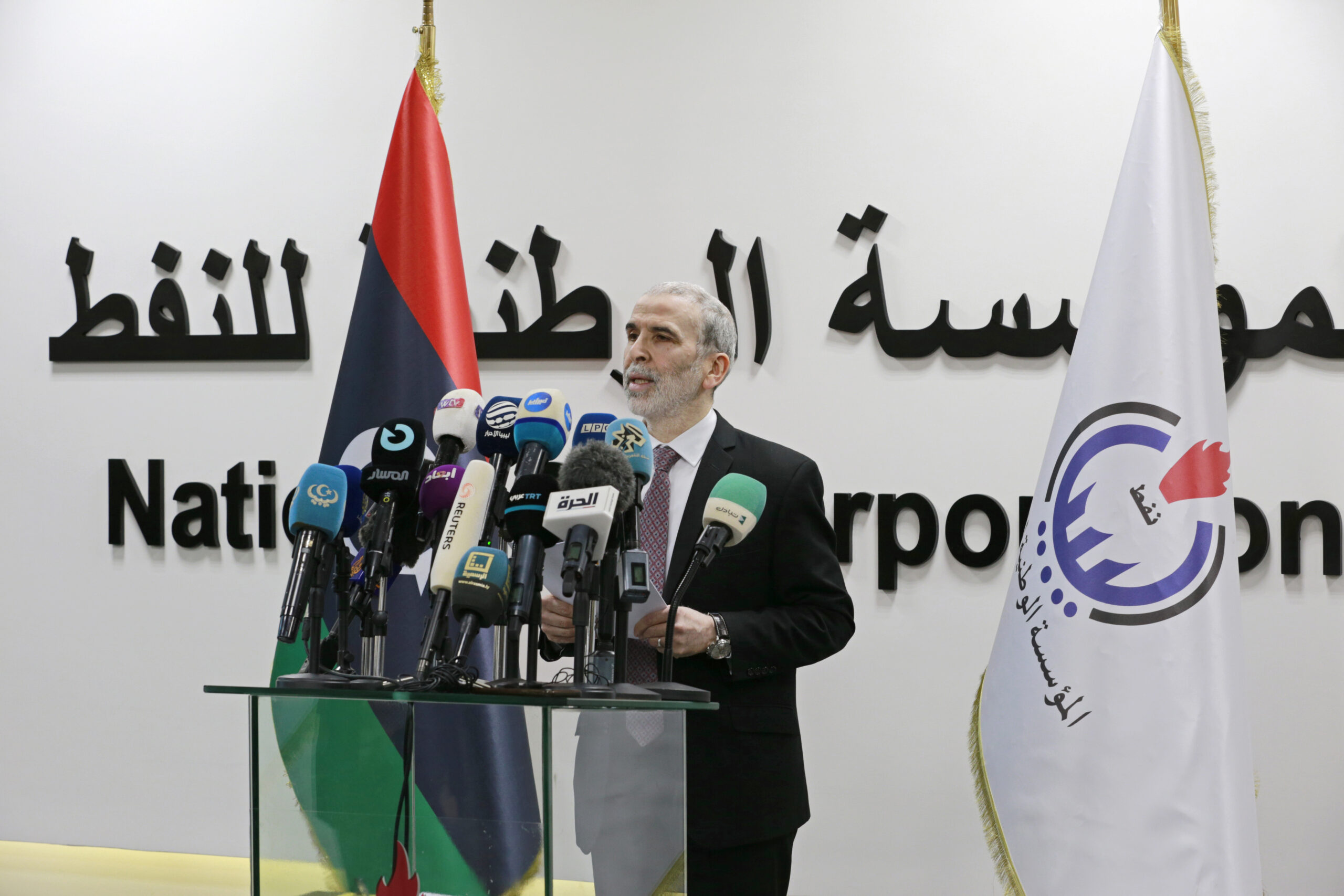
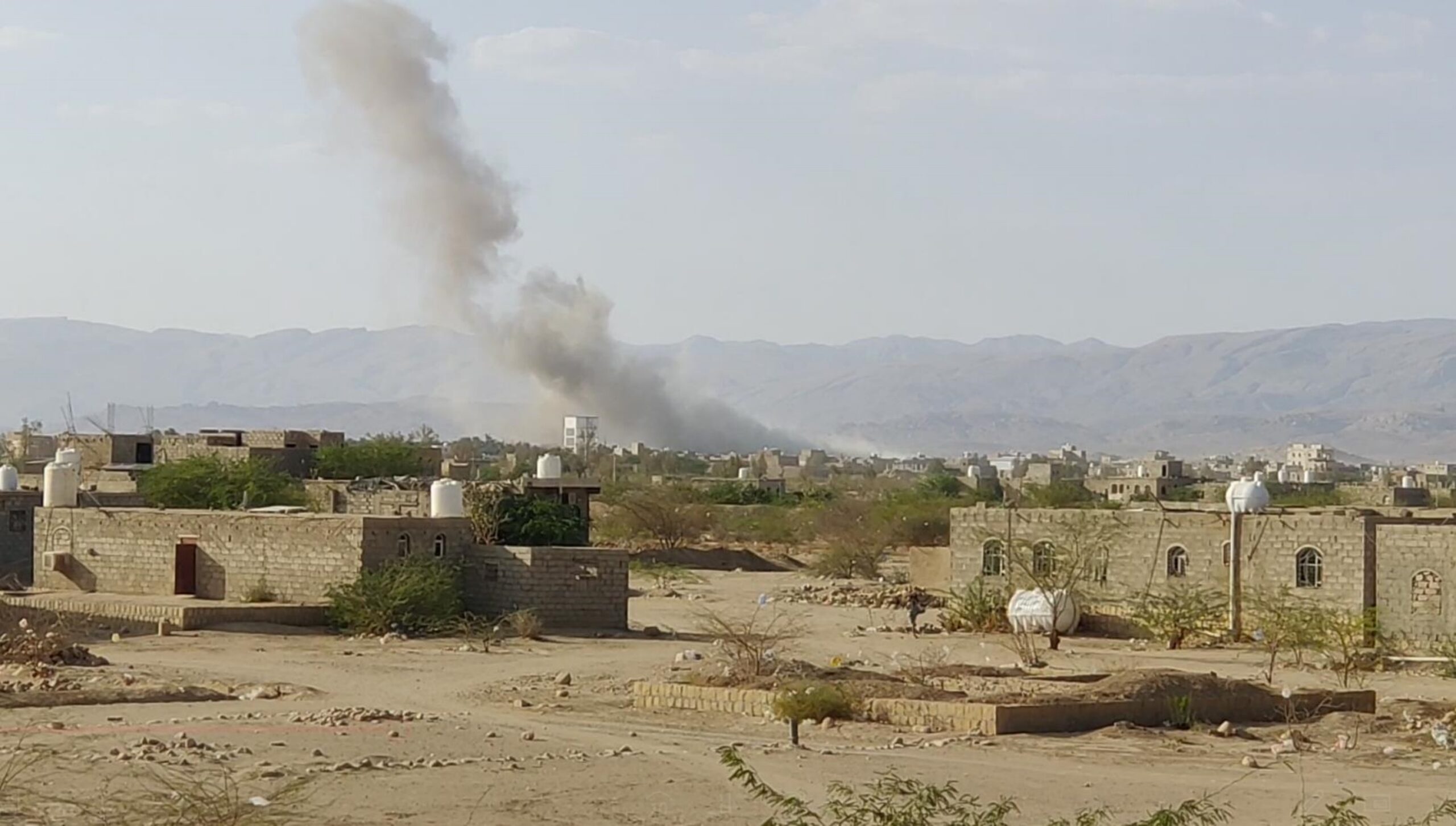
Then chairman of the Libyan National Oil Corporation Mustafa Sanallah holds gives a press conference at the corporation's headquarters in Tripoli, Libya, July 11. (AP Photo/Yousef Murad)
Libya resumed oil exports July 20 after a monthslong break caused by heightened political tensions – and a blockade by armed militias – connected with the impasse over new elections, originally set for December 2021 and then indefinitely postponed. The resumption, which could allow up to 850,000 barrels per day back onto the oil market, came after the firing of the chairman of the Libyan National Oil Corporation, Mustafa Sanalla, by Libya’s interim prime minister, Abdel Hamid Dbeibeh, earlier in July. Dbeibeh appointed the former central bank governor, Farhat Bengdara, to replace Sanalla.
A Controversial Dismissal
The firing has not been without controversy, as the long-serving Sanalla, appointed in 2014, angrily protested in a televised interview that the prime minister lacked the authority to sack him since he headed a government whose term of office “has expired.” Armed elements arrived at NOC headquarters to enforce the dismissal and Bengdara assumed control shortly afterward. The dismissal also prompted expressions of concern by the U.S. ambassador to Libya (resident in Tunis) and United Nations officials. A spokesperson for the U.N. worried about politicizing the NOC and the dangers of “unilateral steps.”
Libya’s eastern-based House of Representatives also rejected the sacking of Sanalla. Bengdara is viewed as a political ally of eastern military strongman Khalifa Hifter, a key ally of the eastern Parliament. It is an indication that Dbeibeh’s move was an effort to woo Hifter and get the oil fields reopened. Armed groups allied with Hifter occupied various oil facilities and fields several months ago, shutting off the flow of Libya’s oil and demanding that Dbeibeh hand over power to Fathi Bashagha, whom the eastern-based House of Representatives had appointed prime minister in March. The House of Representatives took such action to underscore the point that the Dbeibeh government was only in office – according to a U.N.-negotiated agreement – in a caretaker role until the December 2021 presidential election and subsequent parliamentary elections were held. Dbeibeh insisted he would only hand over power after the elections took place. The disagreement between the factions led by Bashagha and Dbeibeh led to violent clashes in Tripoli May 17, when Bashagha attempted – unsuccessfully – to move his parallel government to the capital.
Was There a Deal Between Eastern and Western Factions?
Some analysts assessed that the appointment of Bengdara to control Libya’s oil industry seemed to reflect a deal that may have been reached in Abu Dhabi in early July between Hifter’s son and a senior advisor to Dbeibeh. That accord may have gone further than resolving the internal oil blockade and also may have included Hifter agreeing to withdraw his support for the Bashagha-led government appointed by the House of Representatives and to allow Dbeibeh to remain Libya’s prime minister until elections are eventually held.
Whatever other concessions may have been agreed to between the two sides remain unclear. They, and multiple other stakeholders, were unable to agree in fall 2021 on key electoral rules, such as the criteria for potential presidential candidates, for instance whether a military commander or a dual citizen – Hifter, most prominently – could run for office. Recent rounds of U.N.-led talks in Geneva and Cairo were unable to bridge the differences and lay out a path to guarantee elections.
Protests Erupt
Amid jockeying over control of Libya’s oil, living conditions for Libyans have remained dire, with rival governments unable to provide adequate services. In early July, protests erupted in major cities; demonstrators stormed the eastern Parliament in Tobruk and set parts of the building on fire while it was empty over the weekend. There were also significant protests in Tripoli, Benghazi, Misrata, and other cities and towns across the country, including contesting centers of power in the country, an indication that the protests were not controlled by a particular political faction. The protests reached a peak the first week of July, a day after U.N.-brokered talks in Geneva with rival factions failed to reach an agreement on elections. The protests seem to have subsided since then.
Major grievances in this latest round of protests included poor living conditions (regular power outages and rising prices for bread and fuel), lack of employment opportunities, the dominant presence of armed militias, and anger over the ongoing political crisis, with protesters calling for elections and for feuding political factions to quit power. U.N. Special Advisor on Libya Stephanie Williams termed the protests “a clarion call for the political class” to put aside their differences and hold elections. Similar protests erupted in 2020, at another moment of political impasse, and have been a frequent feature of the Libyan landscape since Muammar al-Qaddafi’s 2011 ouster and have remained a largely unharnessed, inchoate political force, with an uneven impact that has not to date been sustainable over time.
Militias Continue Dominating, Chaotic Influence
Despite the encouraging sign of Libya being able to reopen its oil facilities and get its oil back on the market, the country remains riven by political, ideological, geographic, and tribal differences. Amid all these differences, heavily armed militias, each often anchored to a power base in a particular region of the country, have significant degrees of autonomy, with rival politicians striving to exert control over – and use – them to back up political demands. With legacy national military institutions having collapsed over the past decade, the rival militias represent the only coercive power in a largely failed state. Given the militia rivalries, the larger political rivalries and uneven levels of political control over the militias, and foreign state support directed to various militias, the power of the militias has proved as impossible to harness as the power of the protest movement. Political breakthroughs that do occur, such as resuming oil sales, often result from decisive, if short-term – and problematic – militia action, shaped by backroom political deals.
U.N. Diplomatic Efforts Help Manage Conflict
In this chaotic, militarized struggle for power and influence in Libya, the U.N. has been able to maintain a diplomatic effort that has helped shape political conditions and channel, to a significant degree, the jockeying for power, in ways that have kept a lid on tensions in the country. The U.N. Special Mission for Libya facilitated the Libyan Political Dialogue Forum effort in 2020 and led negotiations that hammered out an agreement in 2021 that nearly paved the way for the presidential elections in December 2021. But the U.N.’s diplomacy on the ground has not been able to marshal a decisive break out of the formidable impasse that defines Libya. A scheduled transition to a new U.N. special representative is expected shortly, amid media reports of sharp disagreement at the U.N. Security Council between the United States and Russia over the U.N. mandate and leadership issues regarding Libya.
With divisions in the country as intractable as ever, foreign actors such as Turkey, the United Arab Emirates, Egypt, Qatar, and Russia continuing to provide support for various militias and political forces, and the Security Council divided, it is hard to see how the situation in Libya will improve in the intermediate term. In this volatile situation, the U.N. diplomatic effort on the ground, despite all the challenges, will likely remain a vital pressure release, able to shape diplomacy and convene the key stakeholders in negotiations that help manage the conflict and scope out a political horizon for elections – and peace – that engages key stakeholders and helps keep a lid on the conflict. But given U.S.-Russia tensions impacting the Security Council and foreign intervention exacerbating divisions, the pathway to elections and eventual stability for Libya will remain exceedingly difficult to chart.
The views represented herein are the author's or speaker's own and do not necessarily reflect the views of AGSI, its staff, or its board of directors.
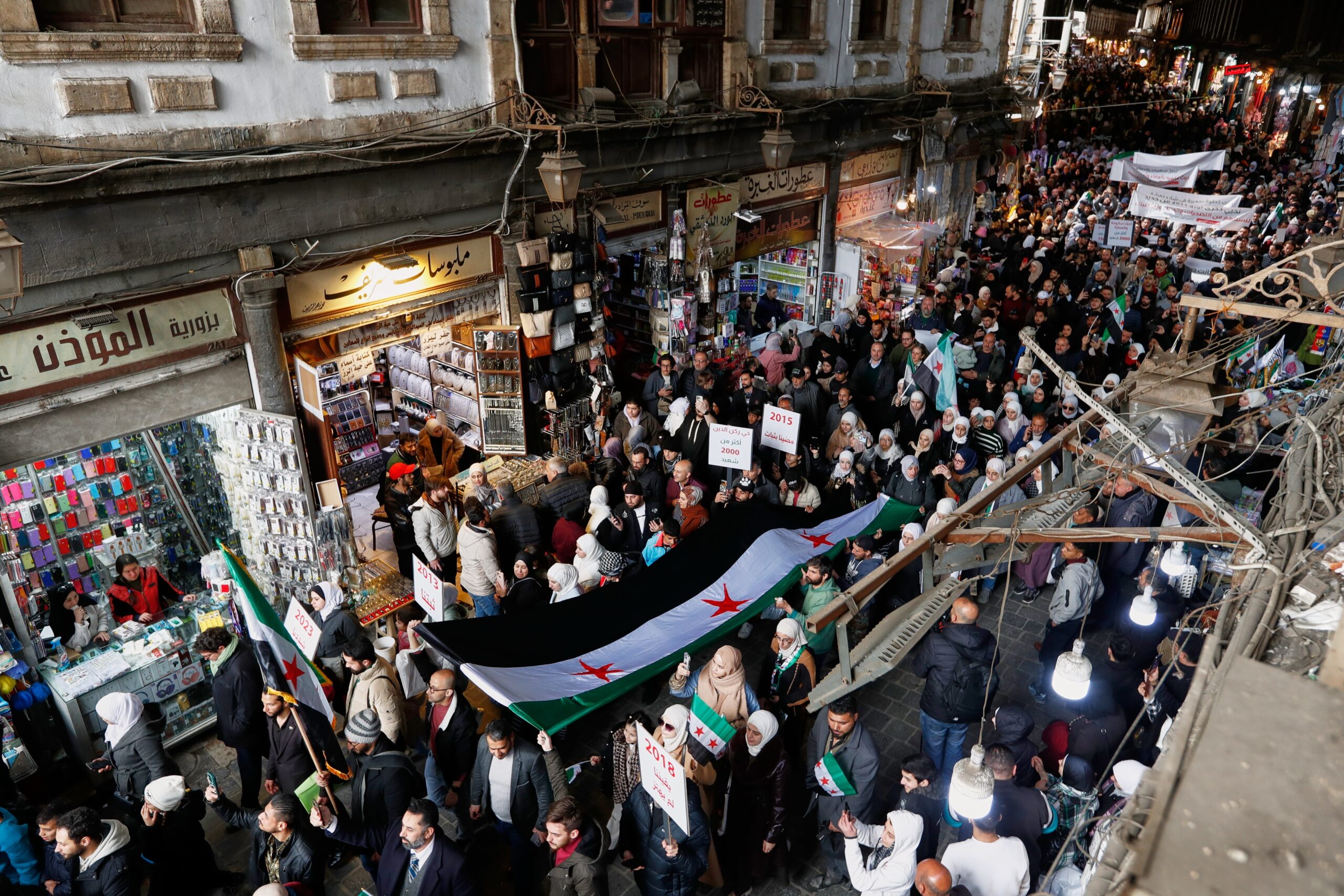
When regional actors or great powers ask these days what determines the success or failure of their strategies in the region, they are increasingly discovering that developments in Syria heavily shape the outcome.
The blockade, artfully deployed, and a focus on coalition building, international law, and interests-based negotiations can help the United States and its Gulf allies extricate themselves from the current impasse.
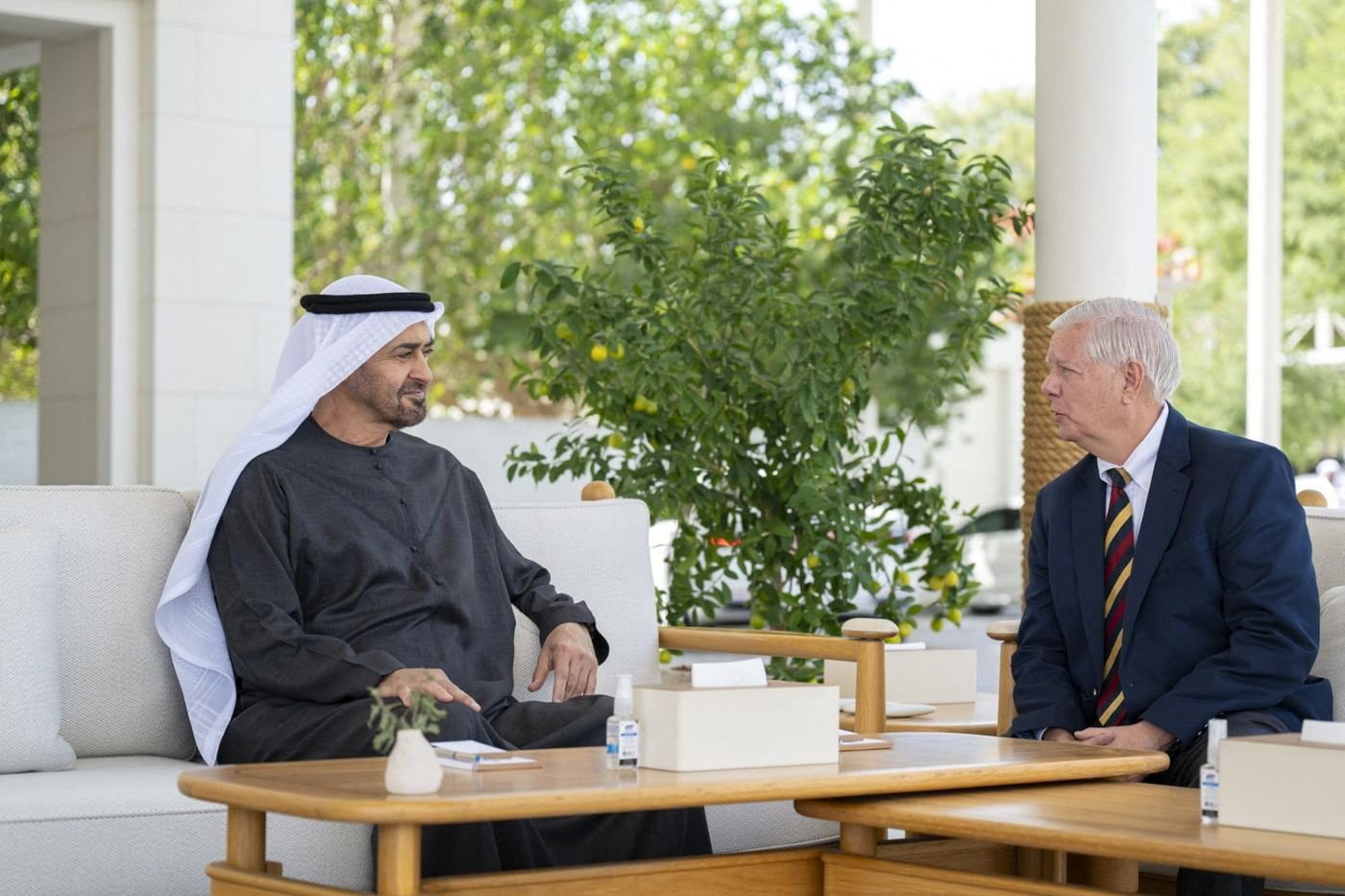
To respond to harsh Saudi criticisms, the Emiratis have sought to reframe, deflect, and calibrate, avoiding escalation while also benefitting from powerful advocates, including Senator Lindsey Graham.
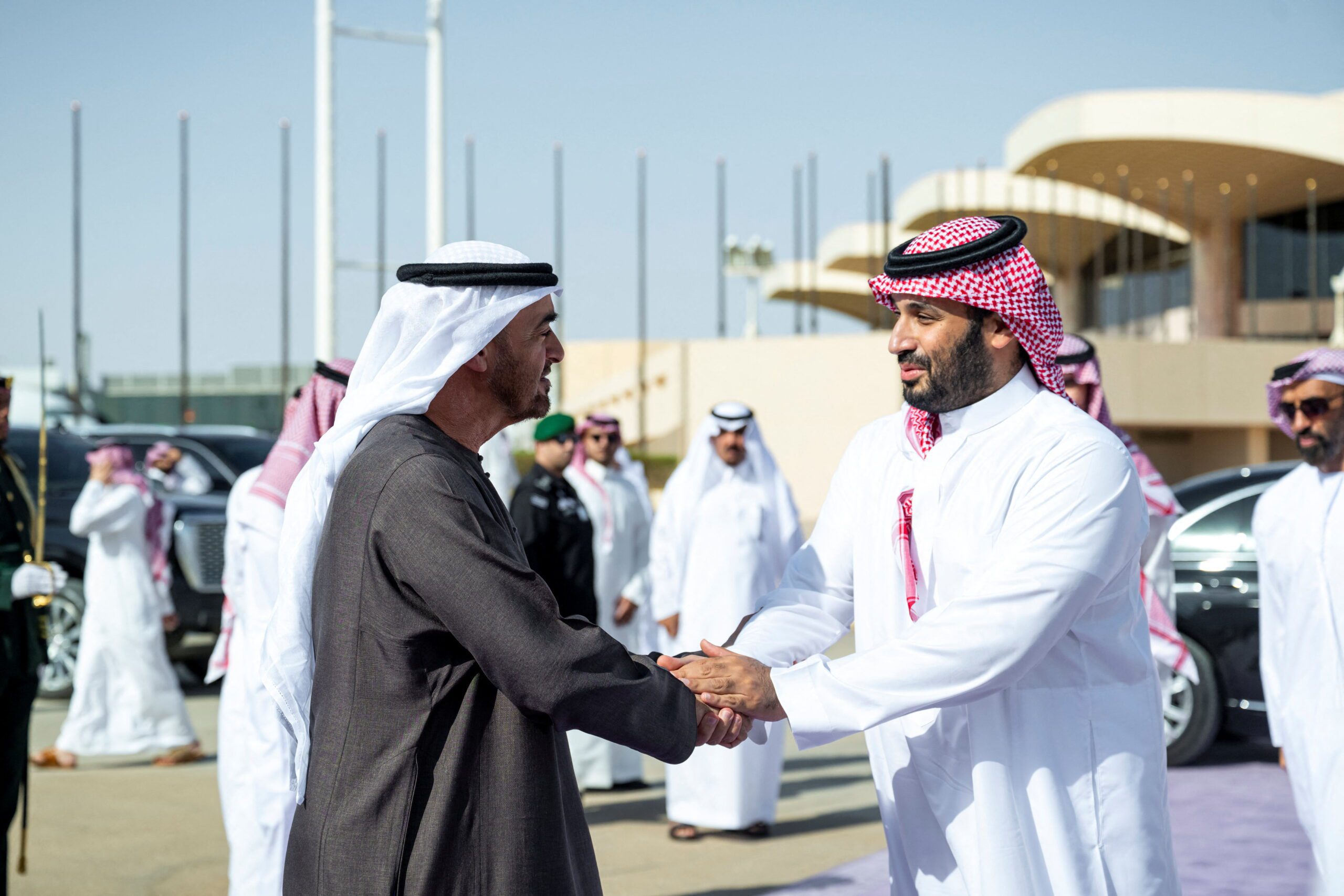
Disputes in the Gulf tend to be structurally constrained by dense interdependence, established patterns of dispute management, and various shades of elite empathy among leaderships.