"*" indicates required fields

This field is for validation purposes and should be left unchanged.

Subscribe

By subscribing you agree to our Privacy Policy

Subscription Settings
Analysis

How Does U.S. Power in the Middle East Today Compare to What It Was During the Previous Administration?

By most objective metrics, U.S. hard power (military), soft power (scientific, cultural, and humanitarian), and “sticky” power (economic) in the Middle East is largely unchanged from four or eight years ago. Washington is still the predominant outside force in the region, and, arguably, the single most influential player in the region. However, American leverage has...

Hussein Ibish

1 min read

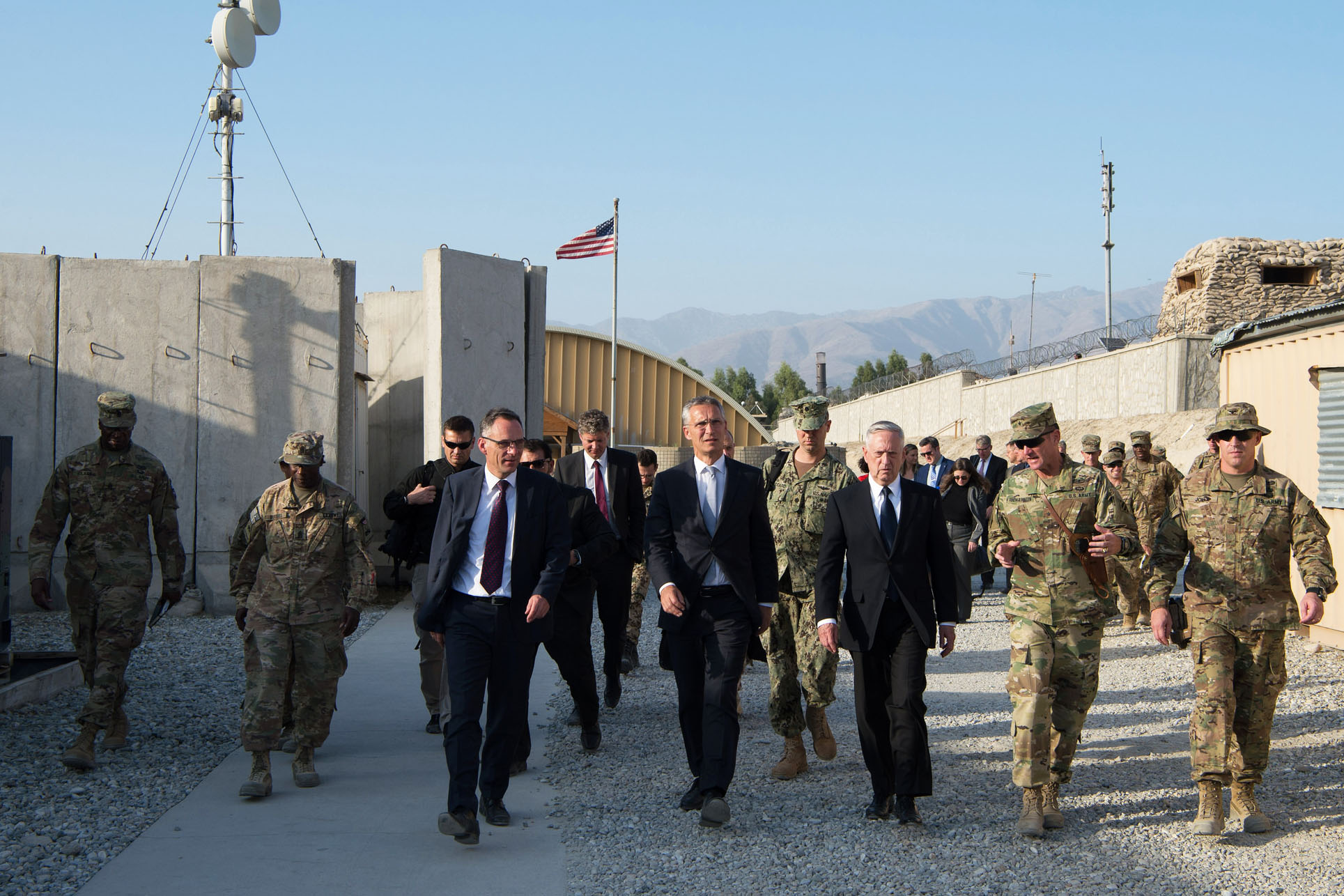
U.S. Defense Secretary James Mattis, third from left, and NATO Secretary General Jens Stoltenberg walk to a meeting with deployed forces in Afghanistan, Sept. 27, 2017. (DoD photo by Air Force Staff Sgt. Jette Carr)

By most objective metrics, U.S. hard power (military), soft power (scientific, cultural, and humanitarian), and “sticky” power (economic) in the Middle East is largely unchanged from four or eight years ago. Washington is still the predominant outside force in the region, and, arguably, the single most influential player in the region.

However, American leverage has been declining in recent years due to a combination of factors: U.S. reticence to use military force; a concomitant rise of regional powers, such as Iran, and the return of Russia as a Middle Eastern player; and a perception that American leadership has been ineffective—whether in Iraq and Syria, in containing Iran, and even in mediating an Israeli-Palestinian peace settlement.

The Trump administration has repaired frayed ties with traditional partners such as Israel and Saudi Arabia, and adopted a tougher rhetorical stance against Iran’s destabilizing activities. But it has yet to do anything substantial to dispel the widespread impression that American power is gradually and irretrievably declining both globally and in the Middle East. Therefore, U.S. power today is, at best, comparable to that during the Obama administration, and arguably has continued a slow but steady deterioration that began after the invasion of Iraq.

This article was originally published by the Carnegie Middle East Center.

The views represented herein are the author's or speaker's own and do not necessarily reflect the views of AGSI, its staff, or its board of directors.

Hussein Ibish

Senior Resident Scholar, AGSI

Analysis

Four Priorities for Mohammed bin Salman in Washington

When the Saudi crown prince meets President Trump in Washington, the main topics of discussion are likely to be commercial deals, a defense pact, a Saudi civilian nuclear program, and normalization with Israel.

10 min read

Saudi Crown Prince Mohammed bin Salman listens during his meeting with President Donald J. Trump on the sidelines of the G-20 summit in Osaka, Japan, June 29, 2019. (AP Photo/Susan Walsh, File)

Israel’s Attack on Qatar Forces a Gulf Strategic Realignment

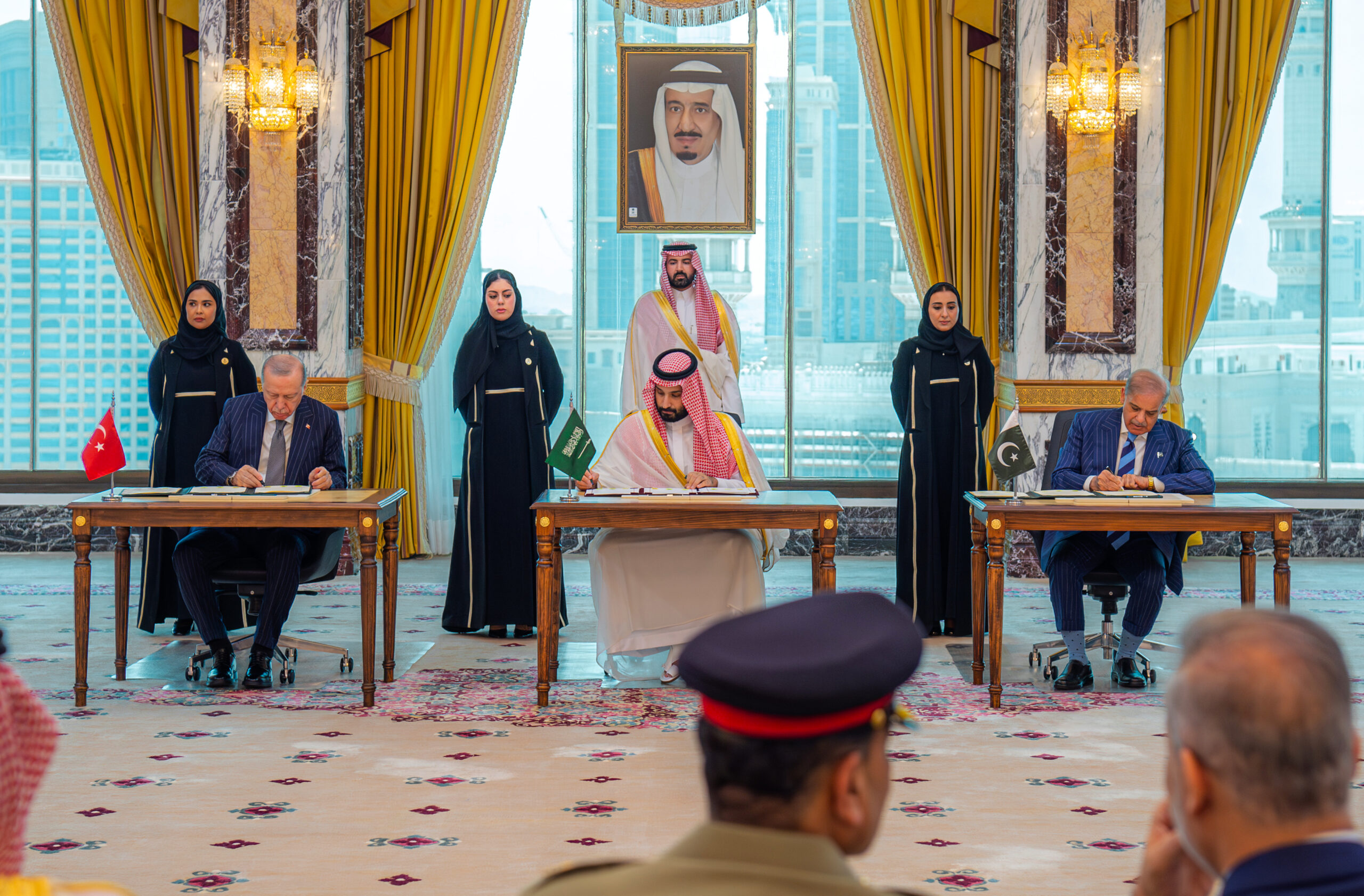
The GCC states now consider an attack on one to be an attack on all, and Saudi Arabia may be covered by a Pakistani rather than U.S. military umbrella.

Hussein Ibish

11 min read

Saudi Crown Prince Mohammed bin Salman with QQatari Emir Tamim bin Hamad al-Thani and GCC representatives meet ahead of an emergency Arab-Islamic leaders' summit convened to discuss the September 9 Israeli attack on Hamas on Qatari territory, in Doha, Qatar, September 15. (Saudi Press Agency/Handout via REUTERS)

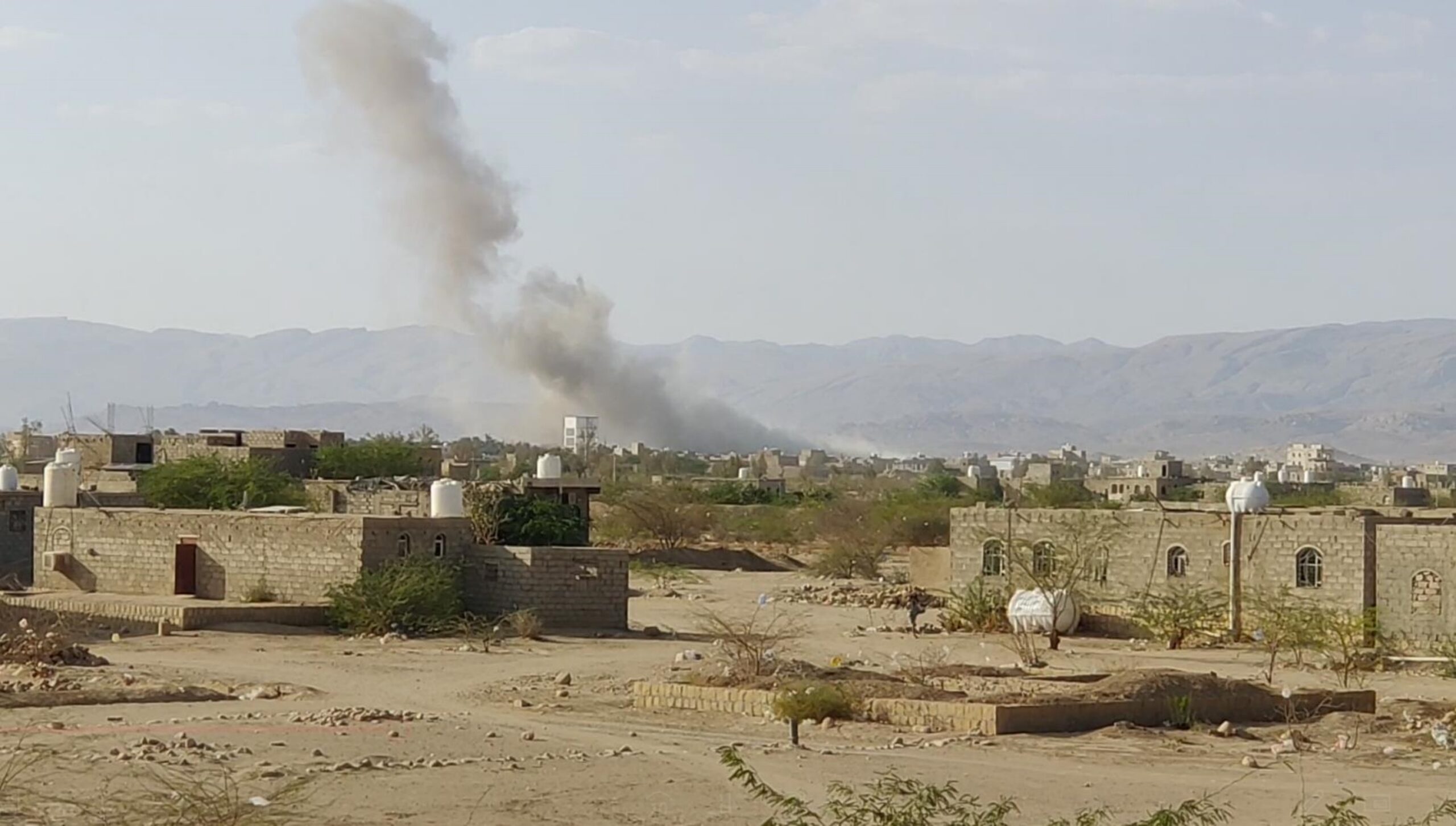
Israel Strikes Hamas in Qatar

AGSI outlines the wide implications of Israel’s attack targeting Hamas in Doha for the Gulf and U.S. policy in the region.

11 min read

A damaged building, following an Israeli attack on Hamas leaders in Doha, Qatar, September 9. (REUTERS/Ibraheem Abu Mustafa)

Gulf States Want Nothing To Do With Netanyahu’s Arab Force

Israeli Prime Minister Benjamin Netanyahu wants “Arab forces” to eventually take over in Gaza, but Gulf countries will never accept his terms.

Hussein Ibish

16 min read

Egyptian Foreign Minister Badr Abdelatty, Saudi Foreign Minister Prince Faisal bin Farhan, Jordanian Foreign Minister Ayman Safadi, Bahraini Foreign Minister Abdullatif bin Rashid Al Zayani, and Arab League Secretary-General Ahmed Aboul Gheit hold a press conference following the ministerial committee of the Arab-Islamic Extraordinary Joint Summit on Gaza, in Amman, Jordan, June 1. (AP Photo/Raad Adayleh)
View All

Events

Dec 4, 2025

A Pivotal Visit: Takeaways From Mohammed bin Salman’s Visit to Washington

On December 4, AGSI hosted a discussion on the outcomes of Saudi Crown Prince Mohammed bin Salman's visit to the United States.

President Donald J. Trump welcomes Saudi Crown Prince Mohammed bin Salman to the White House, Nov. 18, in Washington. (AP Photo/Mark Schiefelbein)

Nov 12, 2025

The U.S.-Saudi Partnership Ahead of the Crown Prince’s Washington Visit

On November 12, AGSI hosted a discussion about the U.S.-Saudi partnership ahead of Saudi Crown Prince Mohammed bin Salman's visit to Washington.

President Donald Trump shakes hands with Saudi Crown Prince Mohammed bin Salman during a welcoming ceremony in Riyadh, Saudi Arabia, May 13. (Bandar Algaloud/Courtesy of Saudi Royal Court/Handout via REUTERS)
President Donald J. Trump shakes hands with Saudi Crown Prince Mohammed bin Salman during a welcoming ceremony in Riyadh, Saudi Arabia, May 13. (Bandar Algaloud/Courtesy of Saudi Royal Court/Handout via REUTERS)

Nov 4, 2025

After the Cease-Fire: The Regional Component of the Future of Gaza

On November 4, AGSI and ROPES co-hosted a discussion about regional dynamics after the recent Israel-Hamas cease-fire.

President Donald J. Trump and other leaders gather for a photo during a summit to support ending the Israel-Hamas war in Gaza after a breakthrough cease-fire deal, October 13, in Sharm El Sheikh, Egypt. (AP Photo/Evan Vucci, Pool)
President Donald J. Trump and other leaders gather for a photo during a summit to support ending the Israel-Hamas war in Gaza after a breakthrough cease-fire deal, October 13, in Sharm el Sheikh, Egypt. (AP Photo/Evan Vucci, Pool)

Oct 20, 2025

Unpacking the Saudi-Pakistani Mutual Defense Agreement

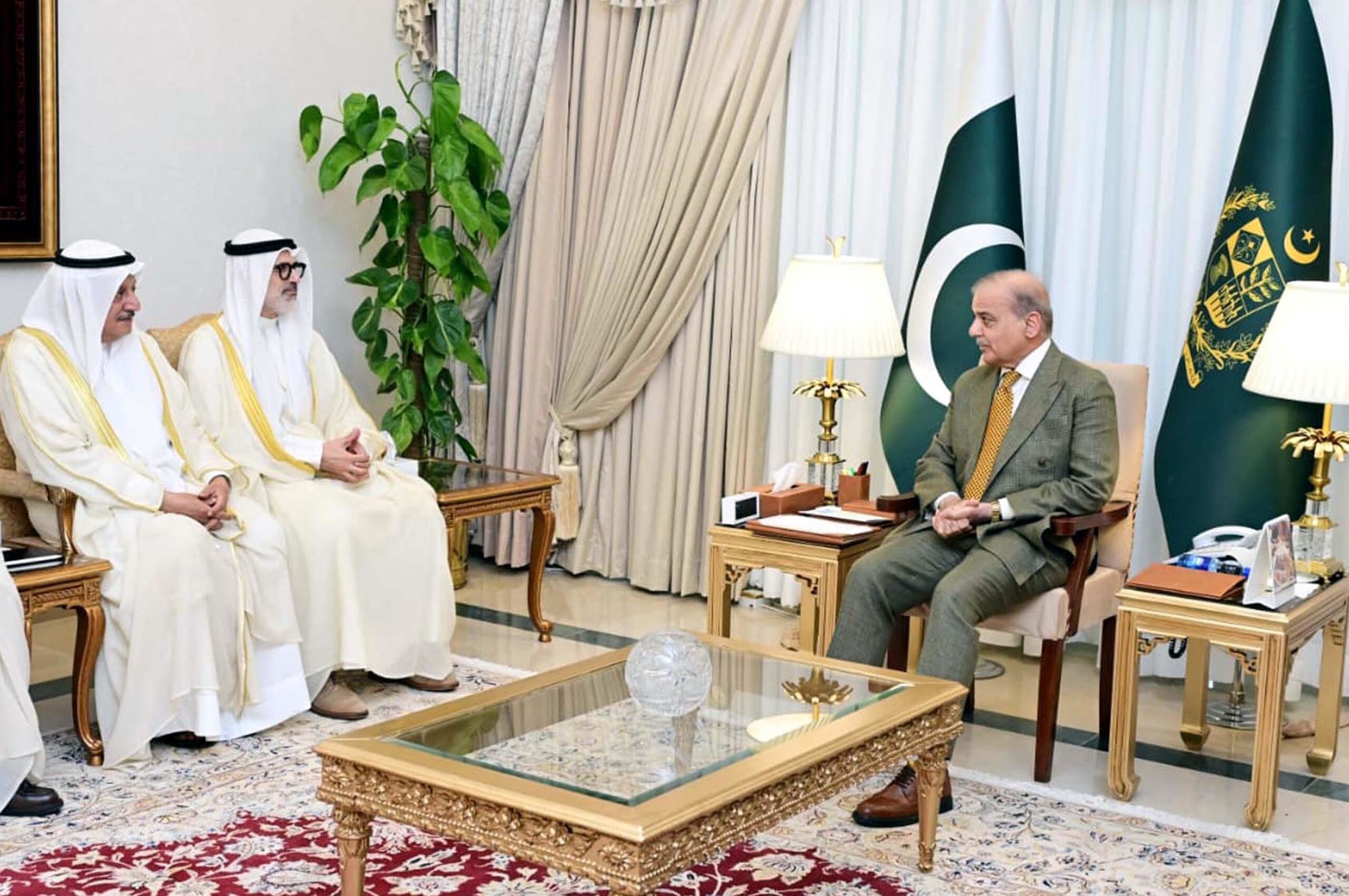
On October 20, AGSI hosted a discussion on Saudi-Pakistani defense ties.

Saudi Crown Prince Mohammed bin Salman and Pakistan Prime Minister Shehbaz Sharif meet in Riyadh, Saudi Arabia, September 17. (Saudi Press Agency/Handout via REUTERS)
View All