"*" indicates required fields

This field is for validation purposes and should be left unchanged.

Subscribe

By subscribing you agree to our Privacy Policy

Subscription Settings
Analysis

How Does U.S. Power in the Middle East Today Compare to What It Was During the Previous Administration?

By most objective metrics, U.S. hard power (military), soft power (scientific, cultural, and humanitarian), and “sticky” power (economic) in the Middle East is largely unchanged from four or eight years ago. Washington is still the predominant outside force in the region, and, arguably, the single most influential player in the region. However, American leverage has...

Hussein Ibish

1 min read

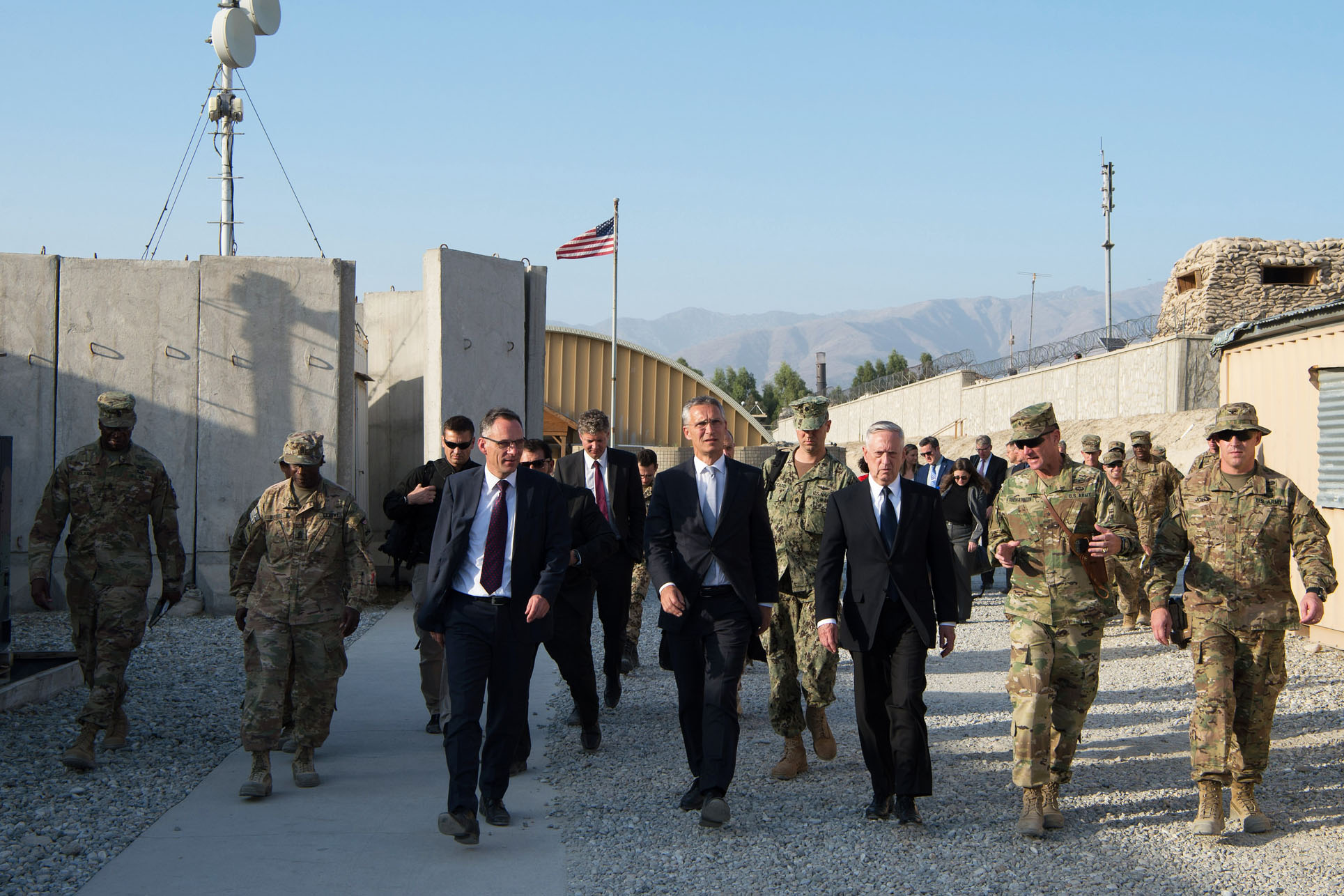
U.S. Defense Secretary James Mattis, third from left, and NATO Secretary General Jens Stoltenberg walk to a meeting with deployed forces in Afghanistan, Sept. 27, 2017. (DoD photo by Air Force Staff Sgt. Jette Carr)

By most objective metrics, U.S. hard power (military), soft power (scientific, cultural, and humanitarian), and “sticky” power (economic) in the Middle East is largely unchanged from four or eight years ago. Washington is still the predominant outside force in the region, and, arguably, the single most influential player in the region.

However, American leverage has been declining in recent years due to a combination of factors: U.S. reticence to use military force; a concomitant rise of regional powers, such as Iran, and the return of Russia as a Middle Eastern player; and a perception that American leadership has been ineffective—whether in Iraq and Syria, in containing Iran, and even in mediating an Israeli-Palestinian peace settlement.

The Trump administration has repaired frayed ties with traditional partners such as Israel and Saudi Arabia, and adopted a tougher rhetorical stance against Iran’s destabilizing activities. But it has yet to do anything substantial to dispel the widespread impression that American power is gradually and irretrievably declining both globally and in the Middle East. Therefore, U.S. power today is, at best, comparable to that during the Obama administration, and arguably has continued a slow but steady deterioration that began after the invasion of Iraq.

This article was originally published by the Carnegie Middle East Center.

The views represented herein are the author's or speaker's own and do not necessarily reflect the views of AGSI, its staff, or its board of directors.

Hussein Ibish

Senior Resident Scholar, AGSI

Analysis

Trump’s Impossible Dilemma: Return To War With Iran or Not?

President Trump has led the United States into an impossible dilemma in which resuming and intensifying the war presents one set of alarming consequences while ending it under current circumstances offers at least as many disasters for Washington.

Hussein Ibish

20 min read

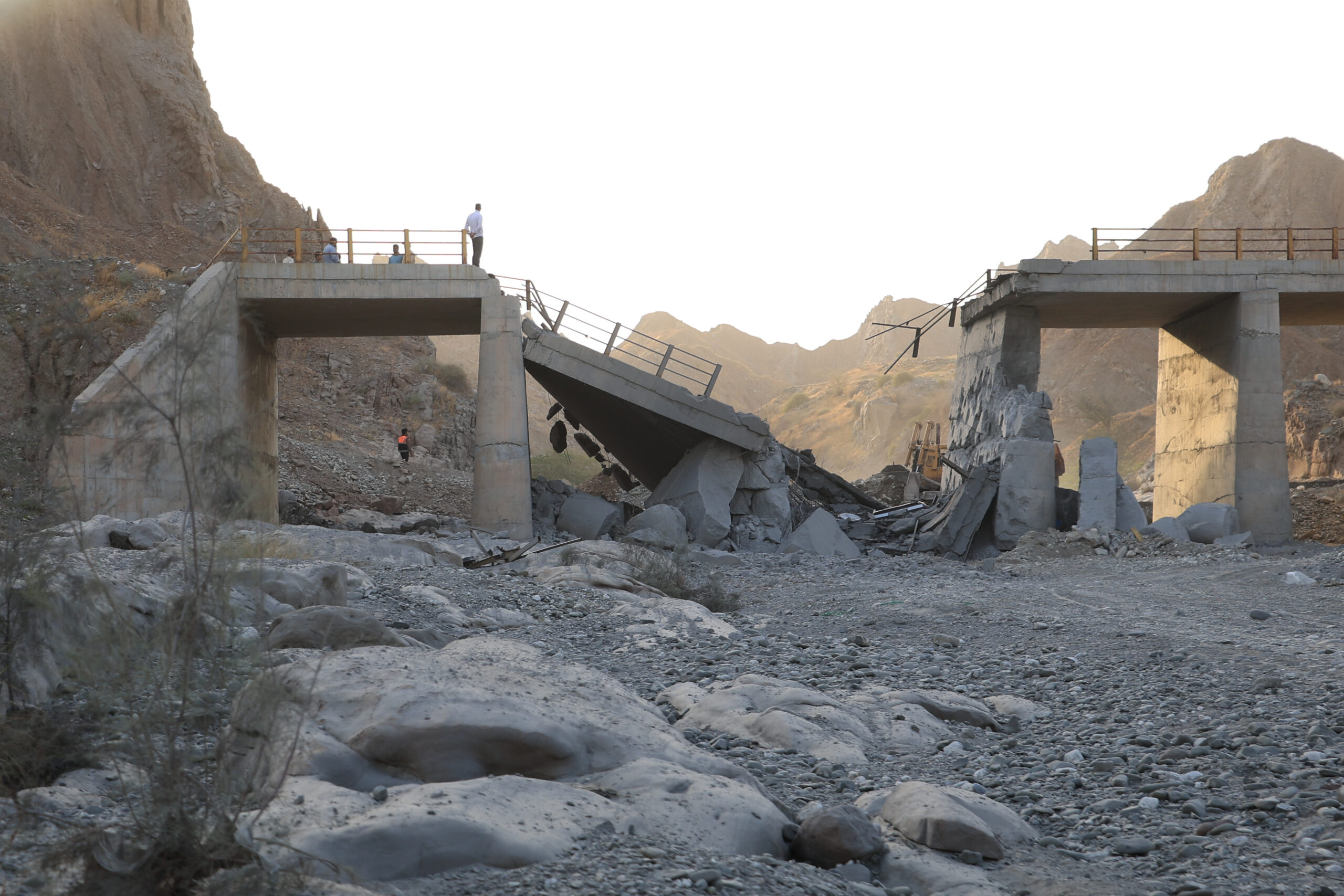
People stand on a bridge destroyed after a strike in Hormozgan province, southern Iran, July 18. (Amirhosein Khorgooi/Iranian Students' News Agency via AP)

Will “Hormuz” be the American “Suez”?

The Trump administration has positioned the United States at a crossroads between a new regime of containment against Iran or a historic drawdown of U.S. influence in the Gulf and broader Middle East.

Hussein Ibish

18 min read

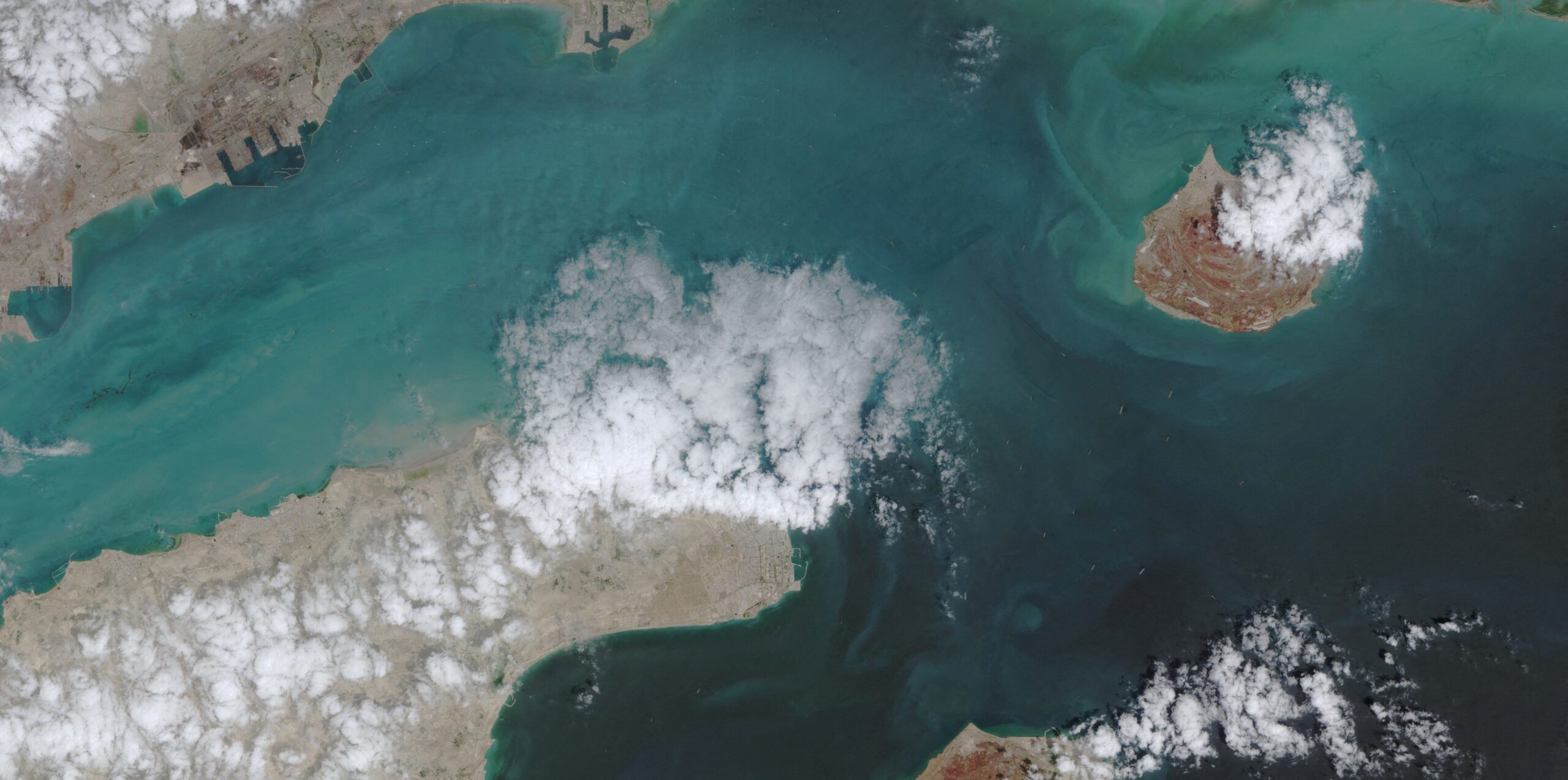
A satellite image shows the Strait of Hormuz, April 17. (EUROPEAN UNION/COPERNICUS SENTINEL-2/Handout via REUTERS)

Why Saudi Arabia and the UAE Are Urging Trump to Continue a War They Did Not Want

Riyadh and Abu Dhabi urged President Trump not to attack Iran, but now that the war is into its second month, leaving the current situation in place would be an unthinkable fiasco for them.

Hussein Ibish

8 min read

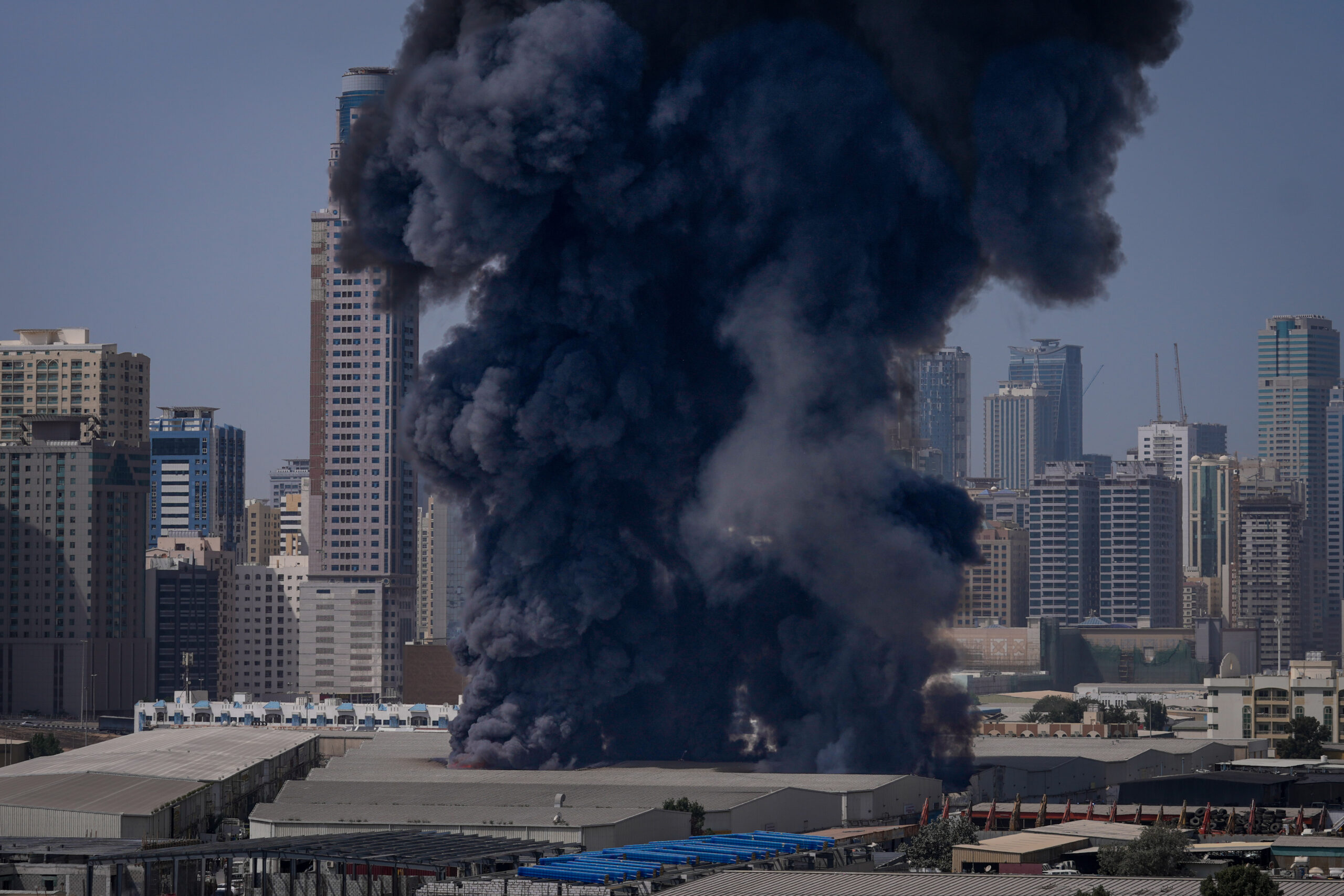
A black plume of smoke rises from a warehouse at the industrial area of Sharjah in the United Arab Emirates, March 1. (AP Photo/Altaf Qadri)

Caught in the Crosshairs, Gulf Arab Countries Remain Crucial to Peace

Though they were unsuccessful in preventing the current conflict, and, as expected, have been dragged into the U.S.-Israeli confrontation with Iran, Gulf Arab countries remain crucial to hopes for limiting the war and bringing it to a quick resolution.

Hussein Ibish

13 min read

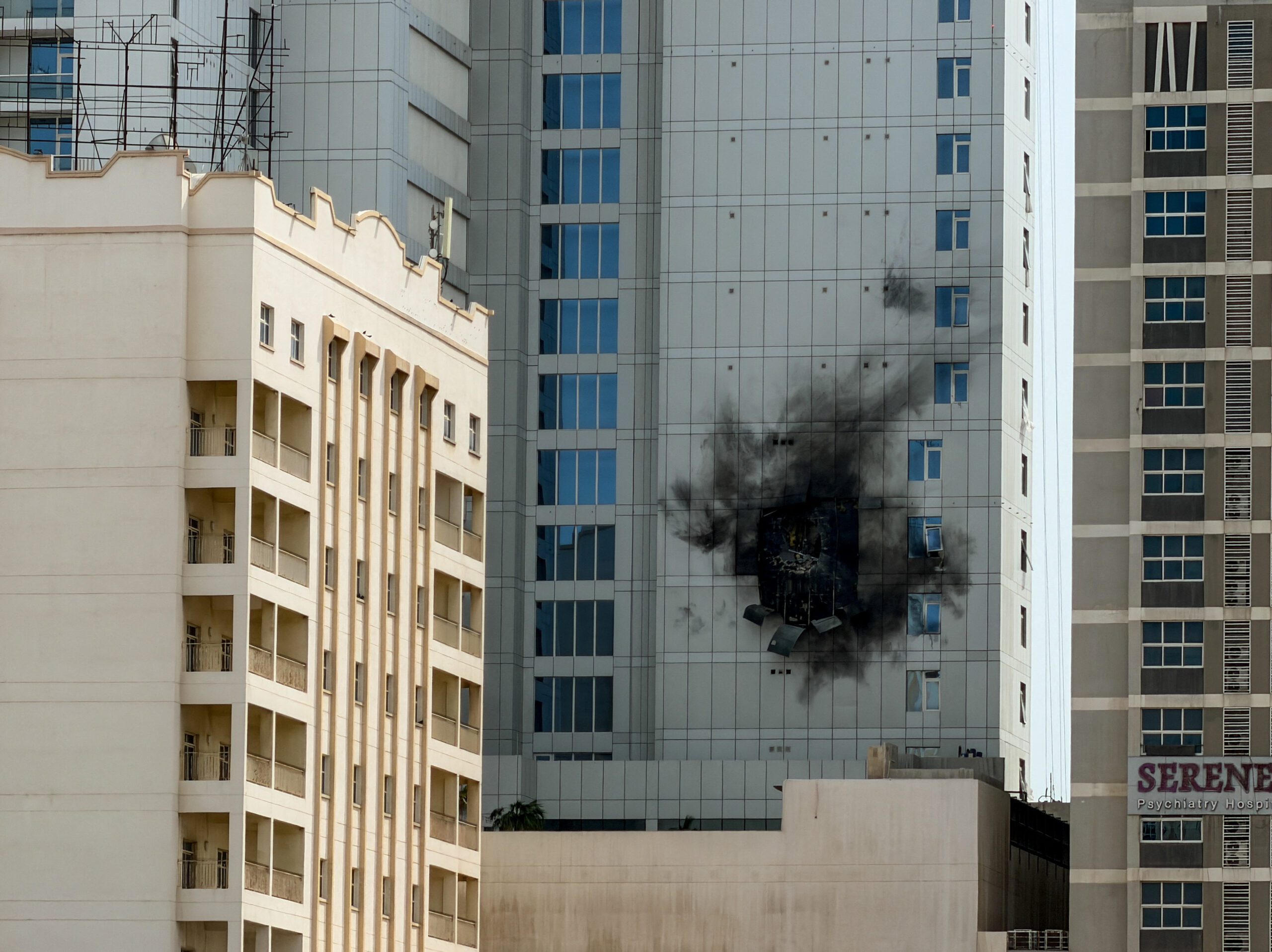
A building damaged by an Iranian drone attack in Juffair, Manama, Bahrain, March 1. (REUTERS/Hamad I Mohammed)
View All

Events

Oct 6, 2026

Is the U.S.-Iran Stalemate a “New Normal” or the Prelude to Another Explosion?

On October 6, AGSI hosted a discussion on the U.S.-Iran stalemate and the prospects for a cease-fire.

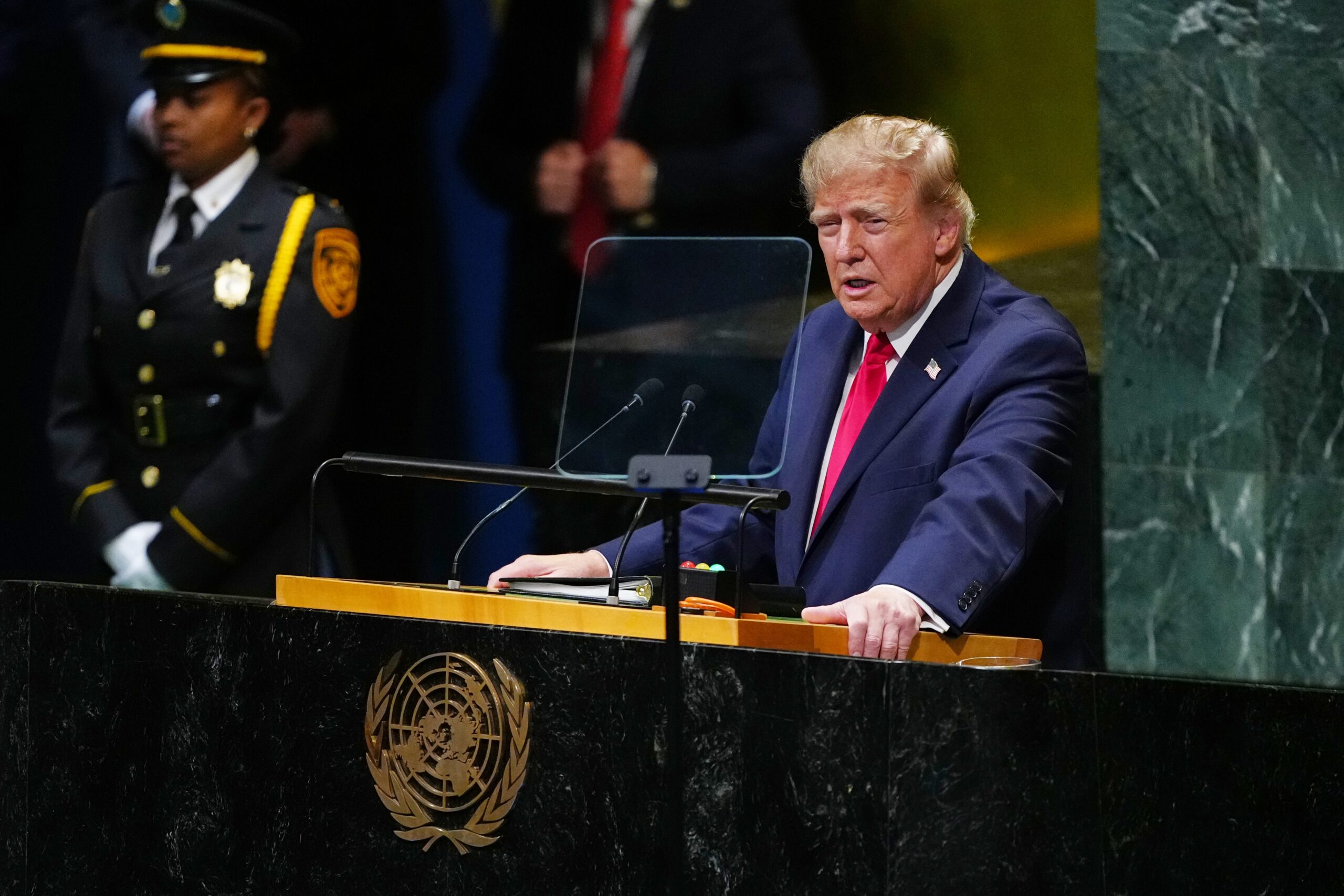
President Donald J. Trump speaks to the United Nations General Assembly, Sept. 22, 2026, at the UN headquarters. (AP Photo/Julia Demaree Nikhinson)
President Donald J. Trump speaks to the United Nations General Assembly, Sept. 22, at the U.N. headquarters. (AP Photo/Julia Demaree Nikhinson)

Sep 24, 2026

Saudi Arabia and Israel: Prospects for Normalization

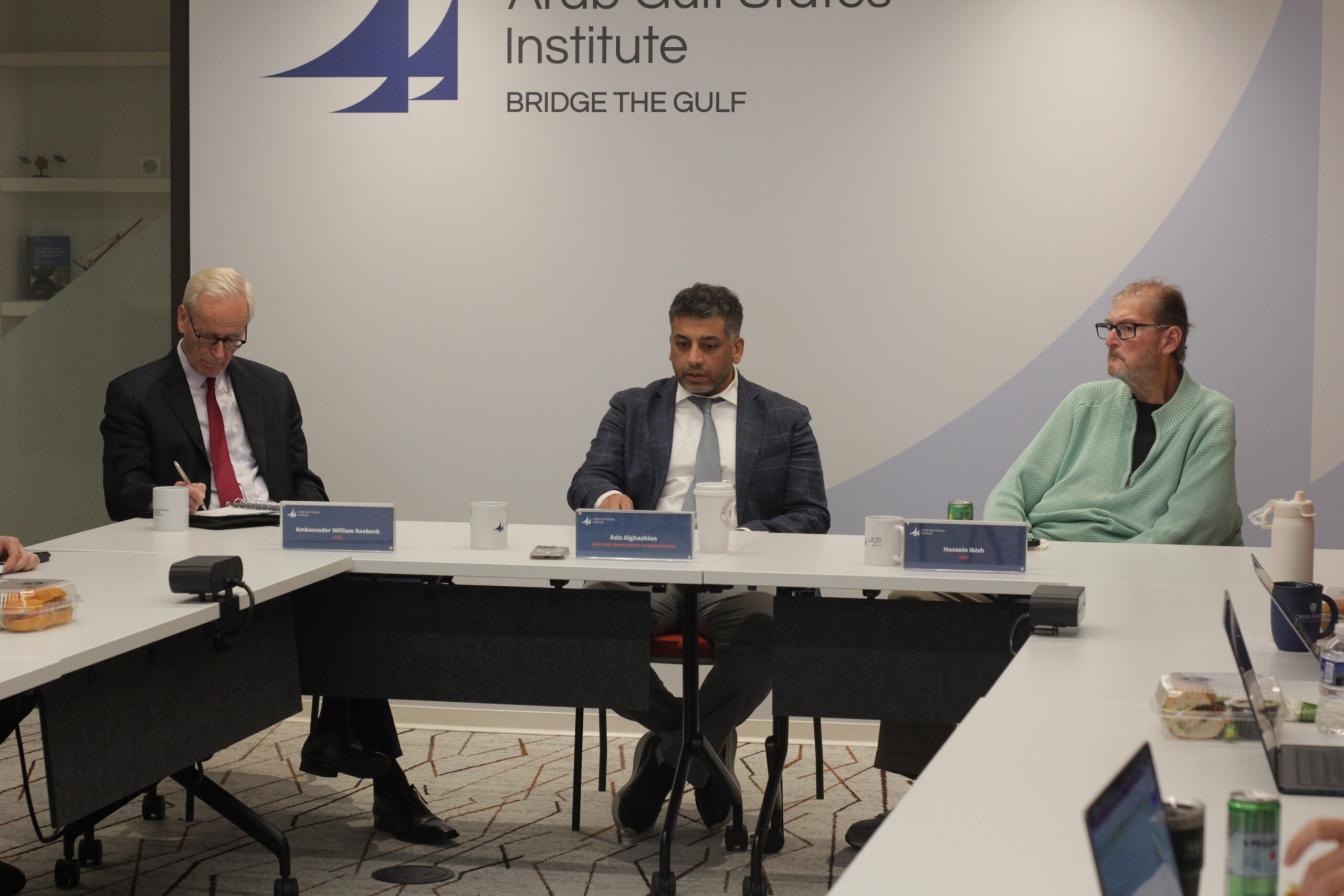
On September 24, AGSI hosted a private roundtable with Aziz Alghashian on Saudi Arabia and Israel's prospects for the normalization of relations.

Jun 16, 2026

Book Talk: Iran and the Bomb: The United States, Iran and the Nuclear Question

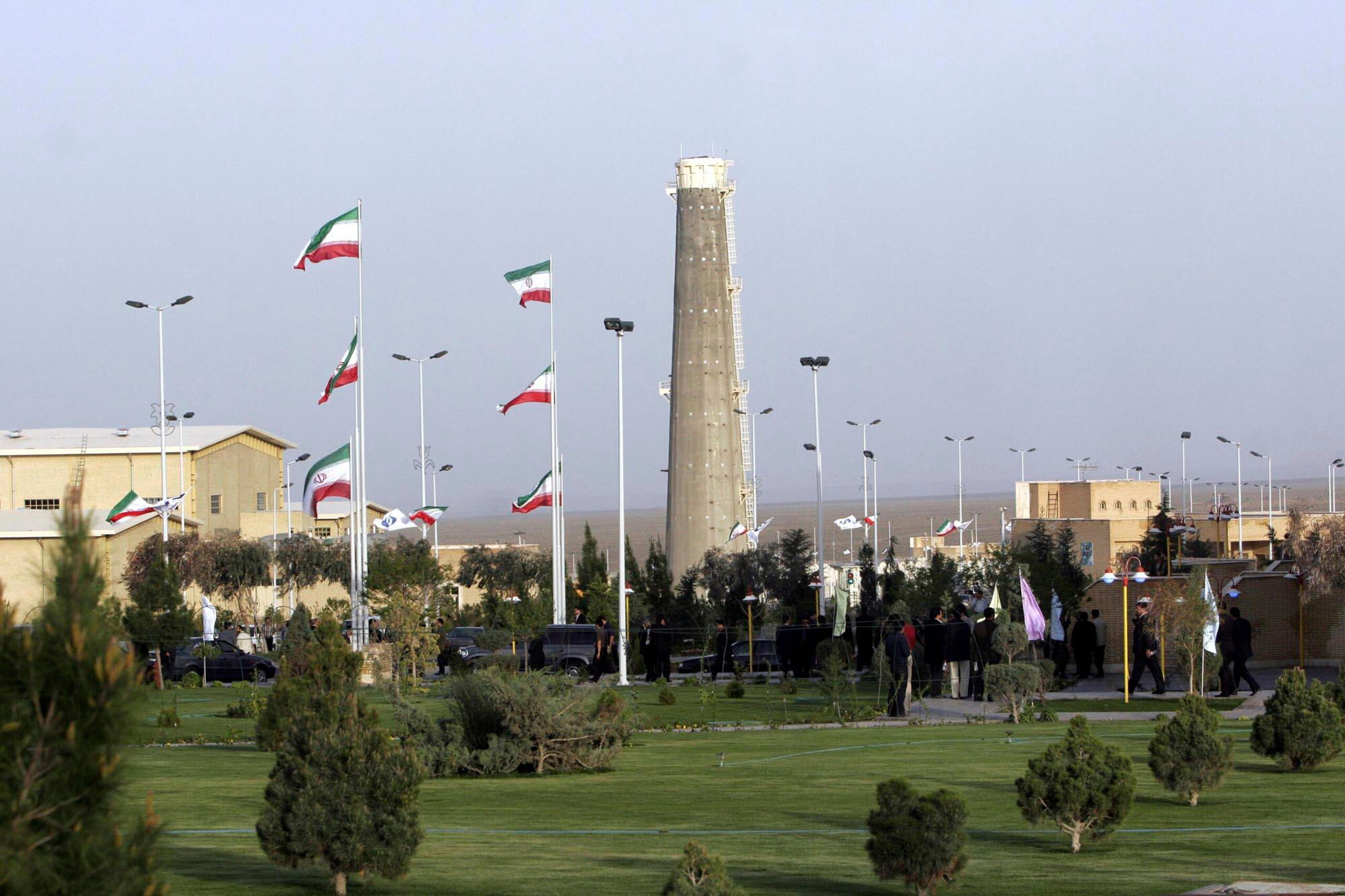
On June 16, AGSI hosted a discussion on the evolution of Iran's nuclear program.

A view of Iran's nuclear enrichment facility in Natanz, Iran, on April, 9, 2007. (AP Photo/Hasan Sarbakhshian, File)

Jun 4, 2026

Will a U.S.-Iran Deal Bring a New Order for the Gulf?

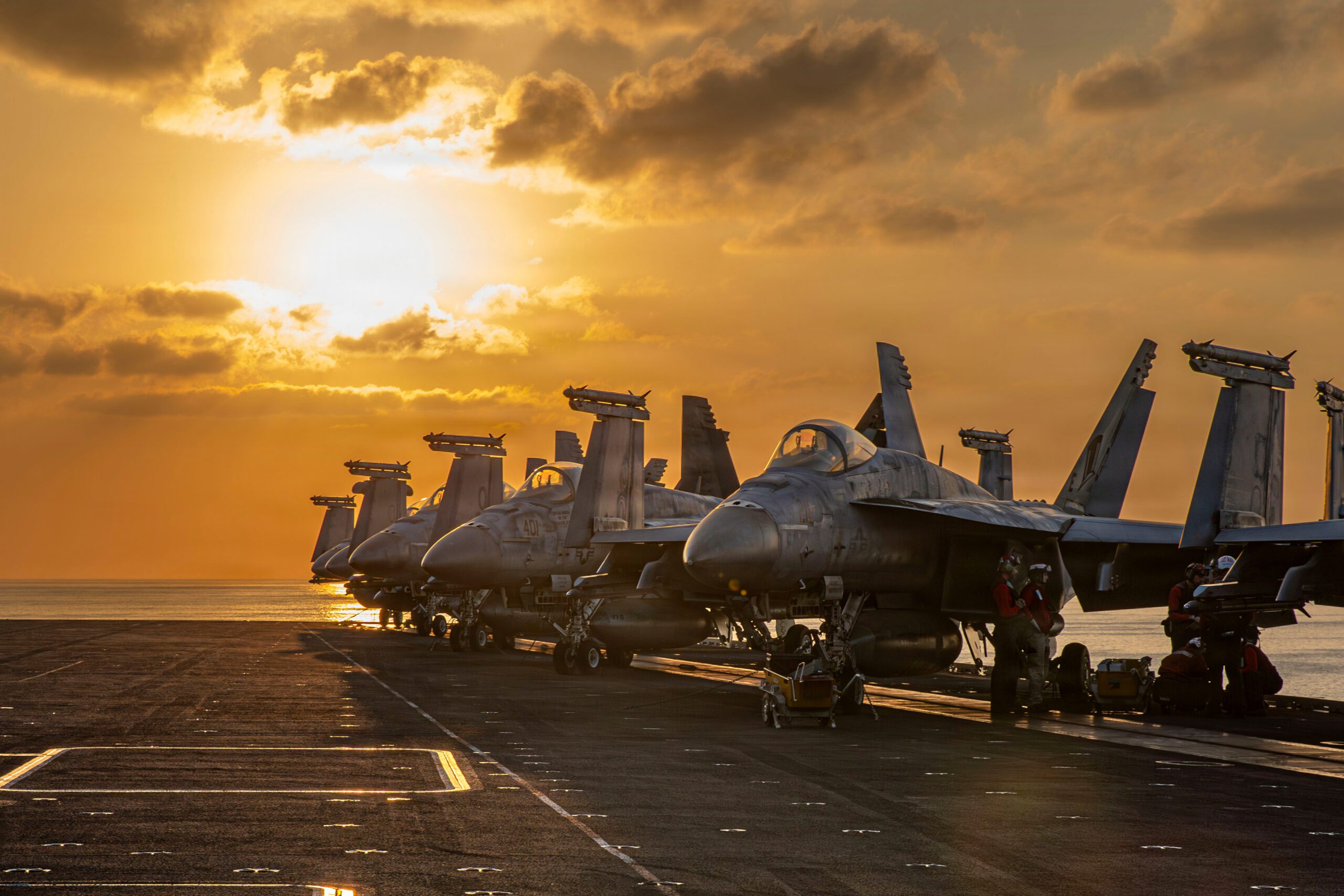
On June 4, AGSI hosted a discussion on the implications of a potential U.S.-Iranian agreement for Gulf security.

This image provided by U.S. Central Command shows aircraft on the flight deck of the USS Abraham Lincoln (CVN 72) that are operating in support of the war in Iran, on March 3. (U.S. Navy via AP)
View All