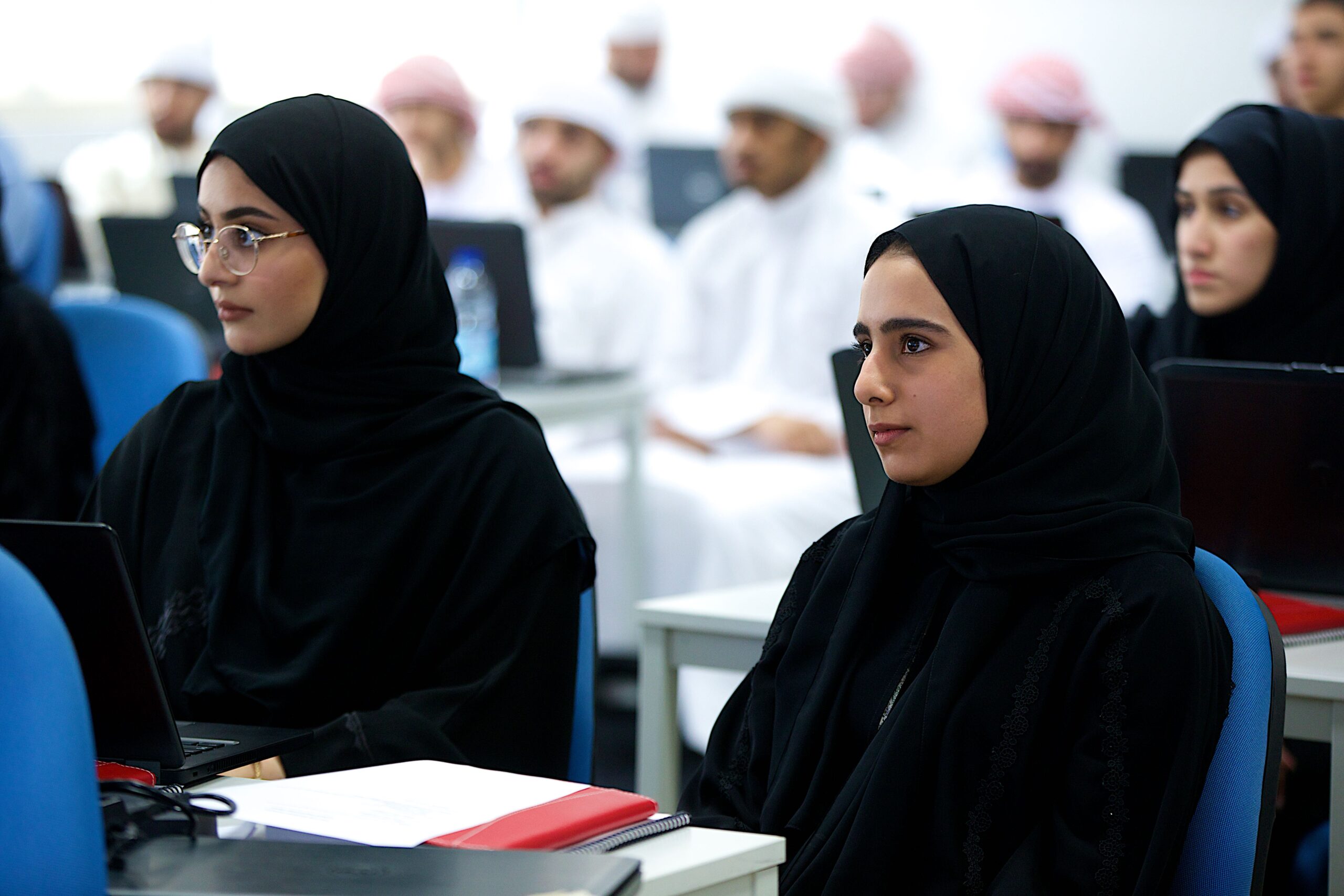
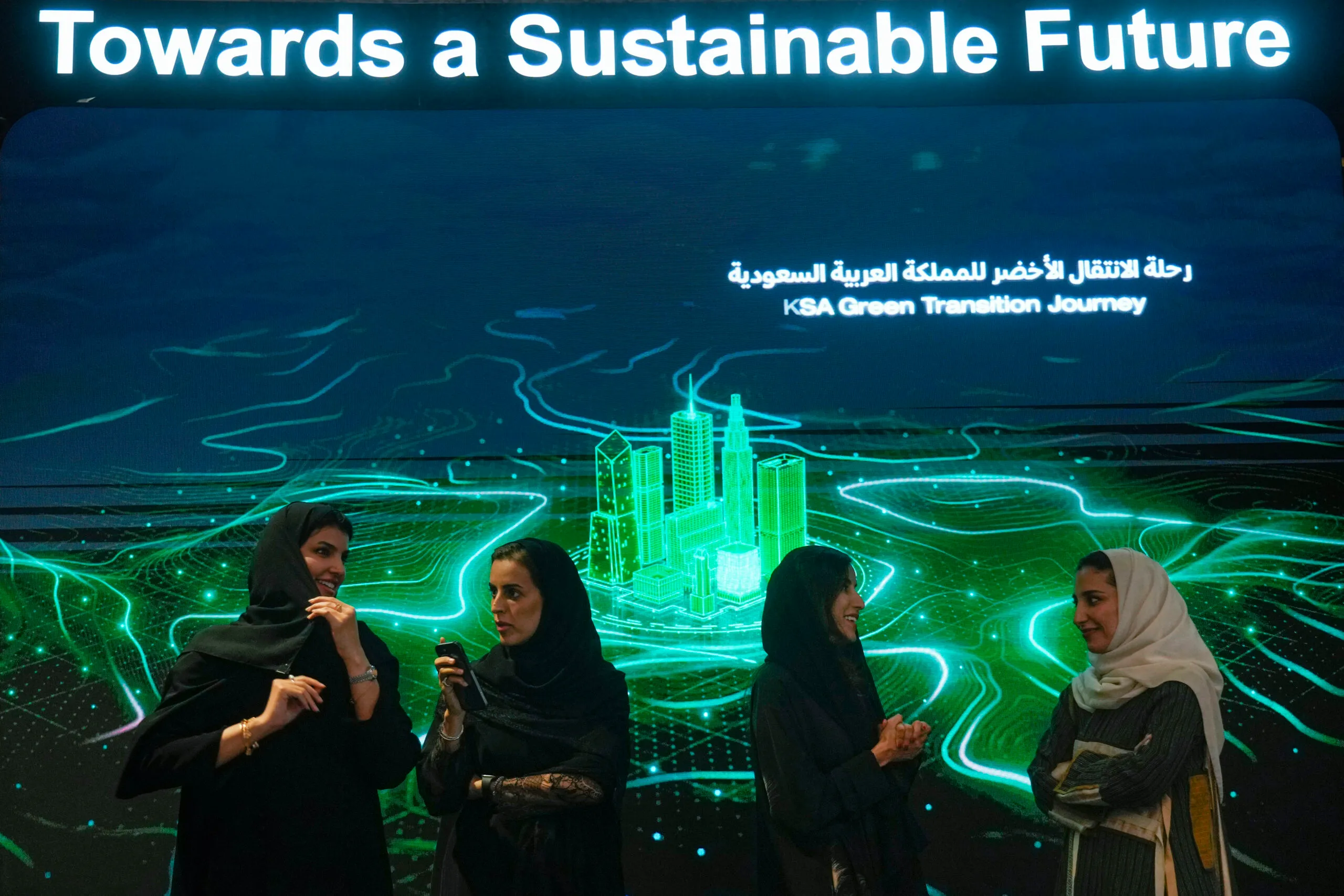
This paper examines women’s integration in the labor force in the Gulf Arab states, paying special attention to differences in public and private sector employment, and national and migrant female labor participation.
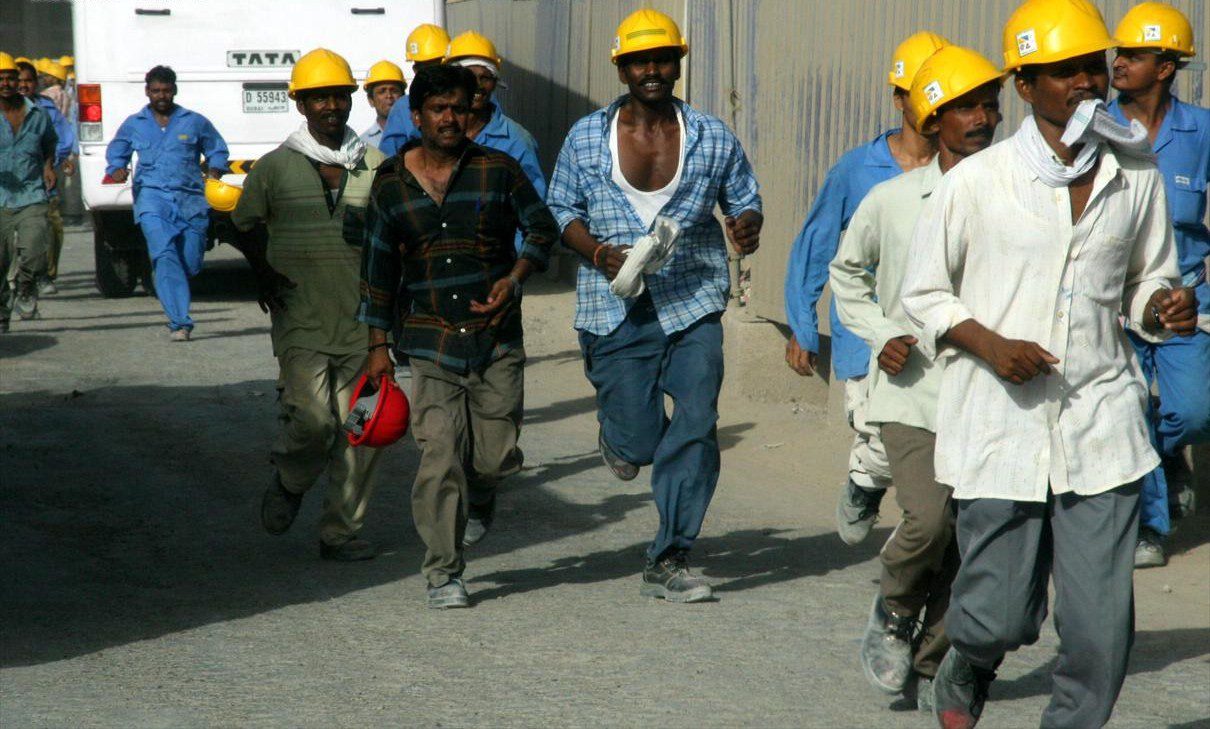
The current challenge for the oil and gas exporting states of the Gulf Cooperation Council rests in diversification of their economies, and perhaps more importantly, in the activation of a more productive and efficient workforce. That workforce is increasingly divided among nationals dominating the public sector and non-nationals populating the private sector. Women are underrepresented in the labor force, in the public and private sectors, across the GCC. Where there is greater integration of both national and non-national women in the labor force, there is also generally more opportunity for women’s political participation. Women’s employment in the GCC is emblematic of the intensity and pace of economic development. There has been so much change, over such a short period of time, that the simultaneous projects of capturing resource wealth, increasing social welfare, and building infrastructure have put in motion new challenges for states to manage. More diverse societies and workforces have created barriers to and opportunities for the economic empowerment and inclusion of women.
This paper examines women’s integration in the labor force in the Gulf Arab states, paying special attention to differences in public and private sector employment, and national and migrant female labor participation. There are a number of barriers to women’s full economic and political inclusion in Gulf societies. This paper probes how two critical factors might interfere with Gulf states’ policy objectives of increasing national and female labor participants. These are degrees of oil resource dependency (or alternatively stated, success in economic diversification) and the presence and overreliance on foreign workers in the labor market. Other social factors, including family life and cultural norms, also explain women’s preferences for public sector employment, or to stay home.
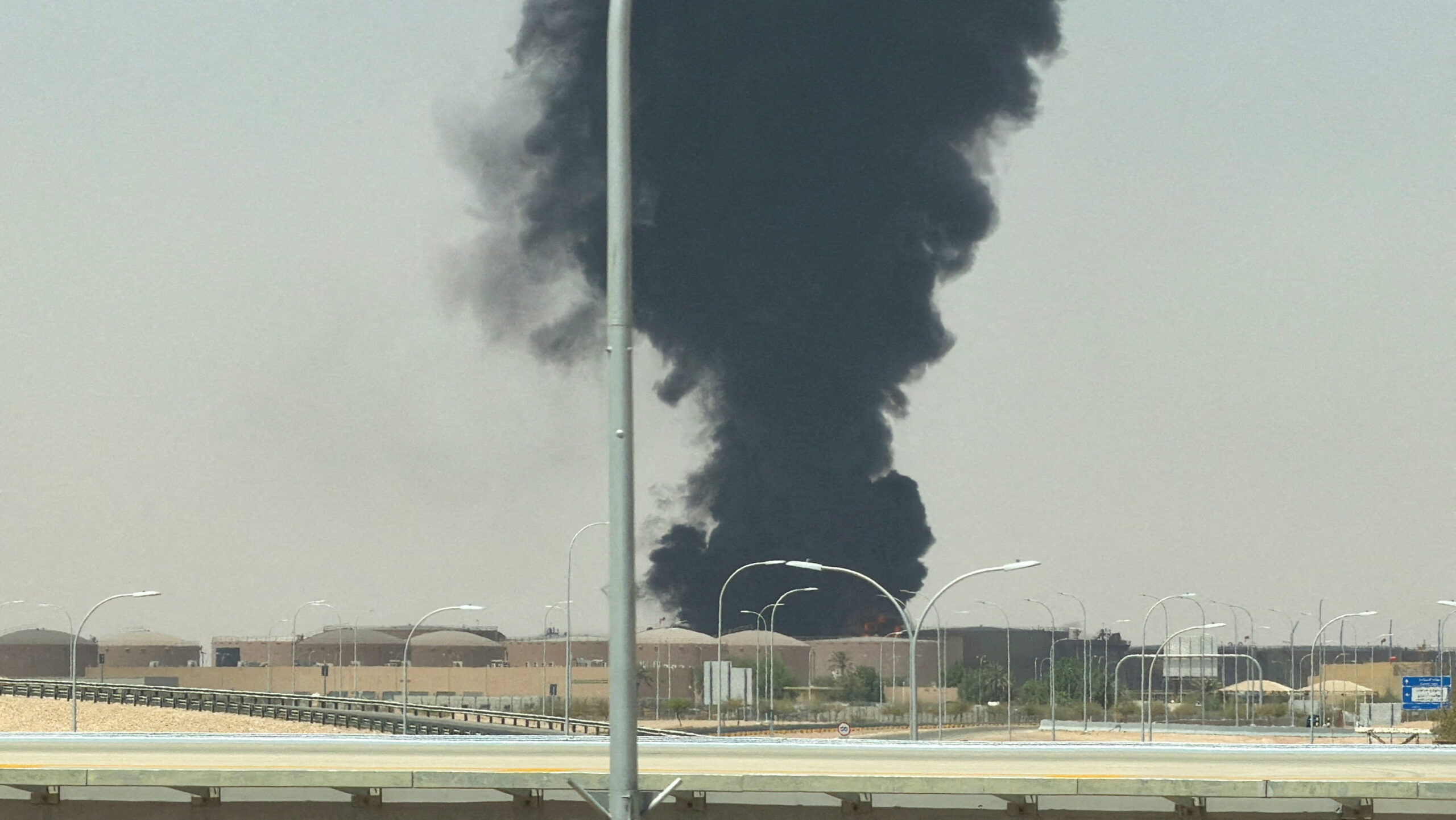
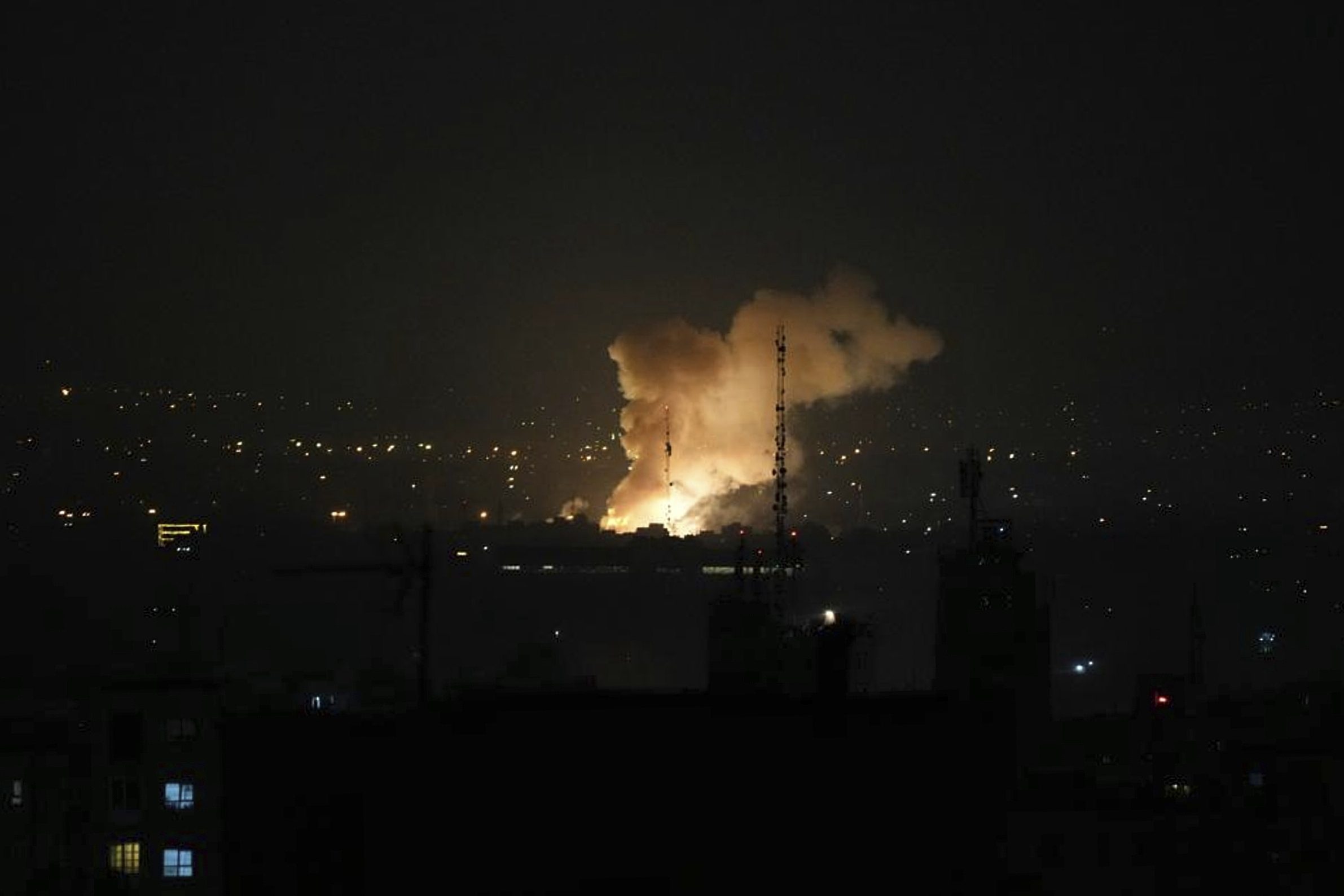
Attacks on the East-West oil pipeline and other targets in Saudi Arabia will result in a larger-than-expected economic contraction in the kingdom this year.
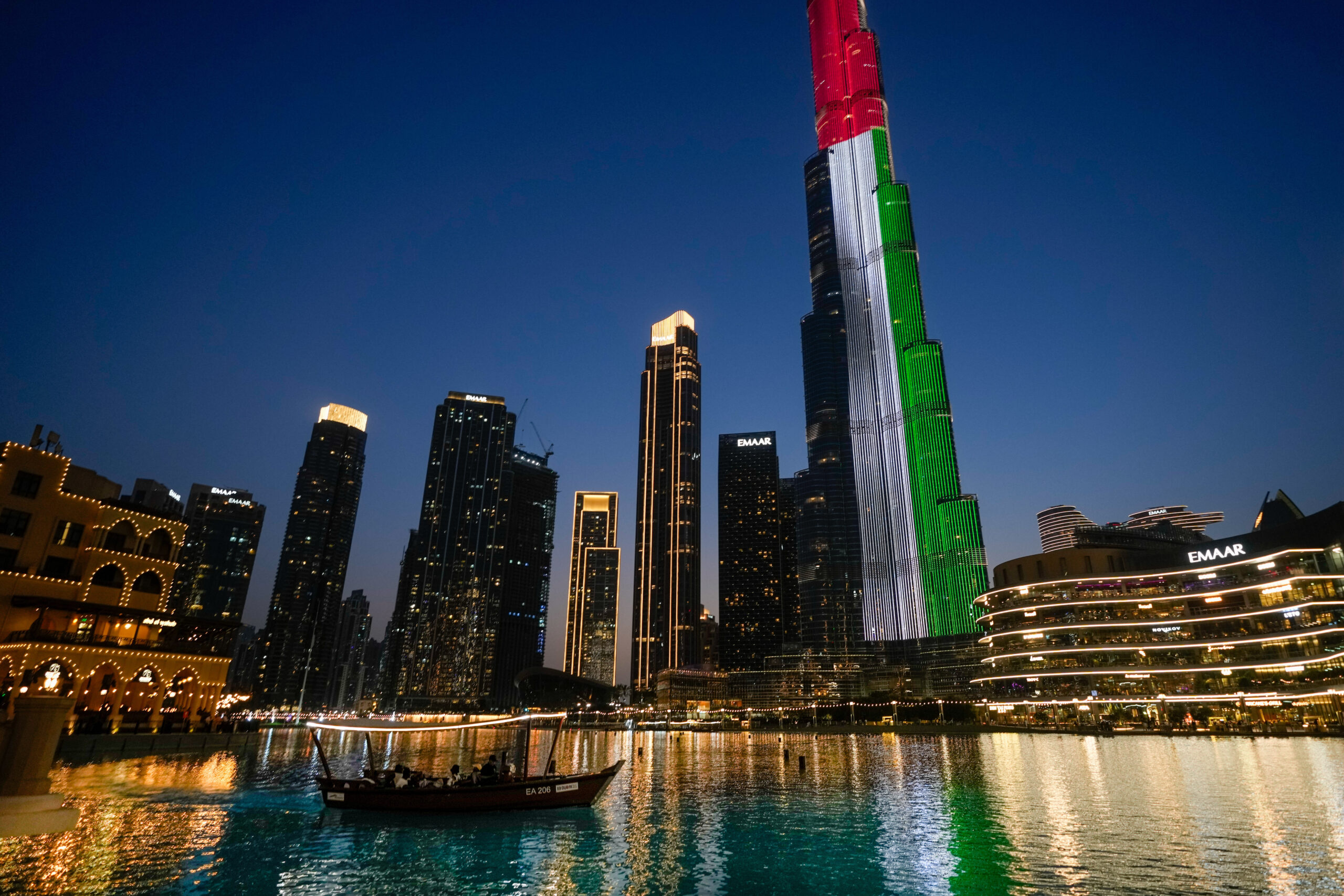
The UAE’s decision to halt trade and commercial ties with Iran reflects an exercise in applying carefully calibrated geoeconomic pressure amid an uncertain and evolving geopolitical context.
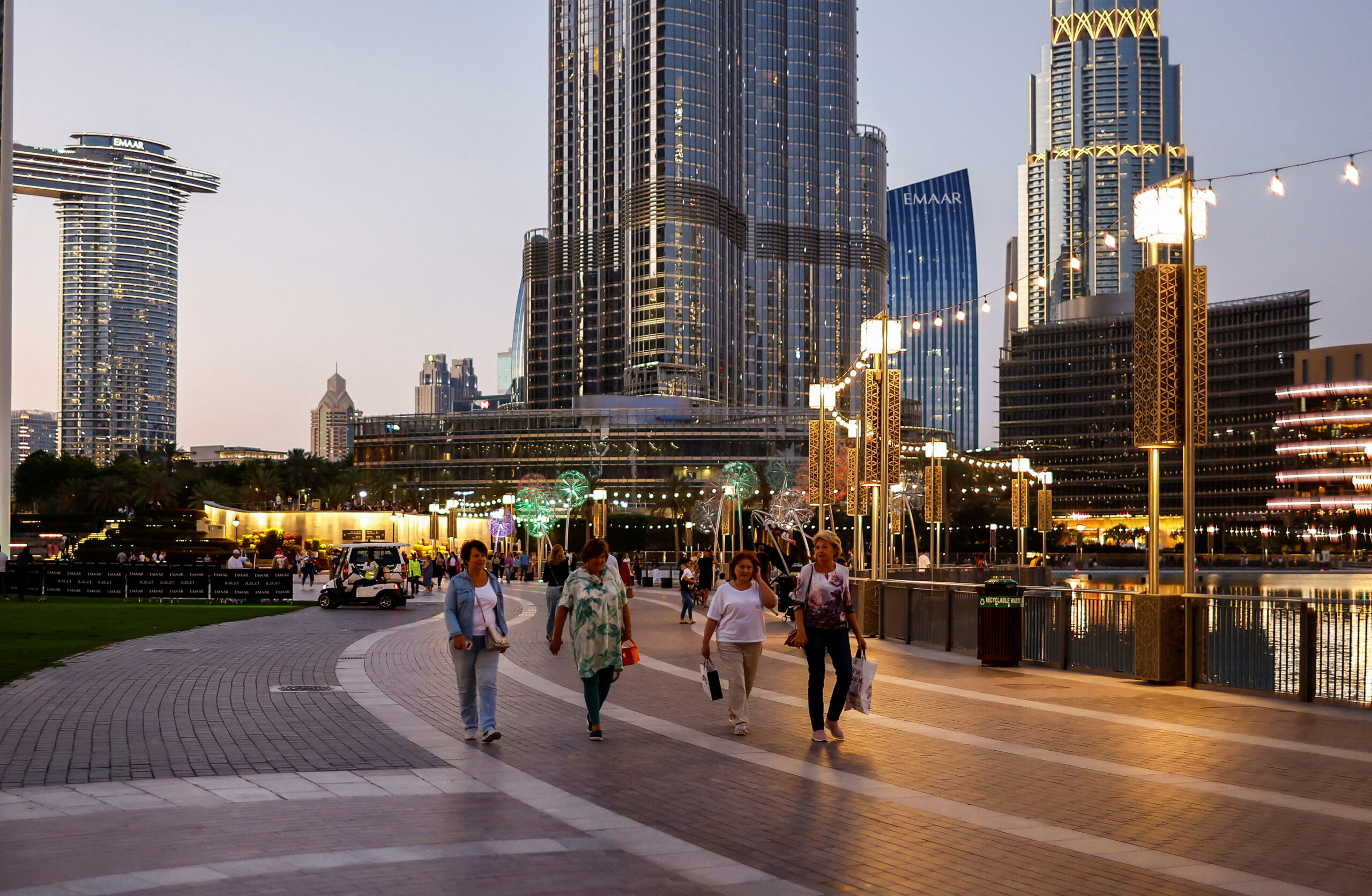
How the Gulf states choose to invest now could determine not just how they survive this crisis but how they sustain their role as both allocators and magnets of capital and superpowers in the global energy system.
Senior Research Scholar, Center on Global Energy Policy, Columbia University’s School of International and Public Affairs; Senior Fellow, Middle East Institute
How the Gulf states choose to invest now could determine not just how they survive this crisis but how they sustain their role as both allocators and magnets of capital and superpowers in the global energy system.
AGSI explains what Israel’s sudden and massive attack on Iran is likely to mean for Gulf Arab states, Iran, the United States, and global and regional economies.
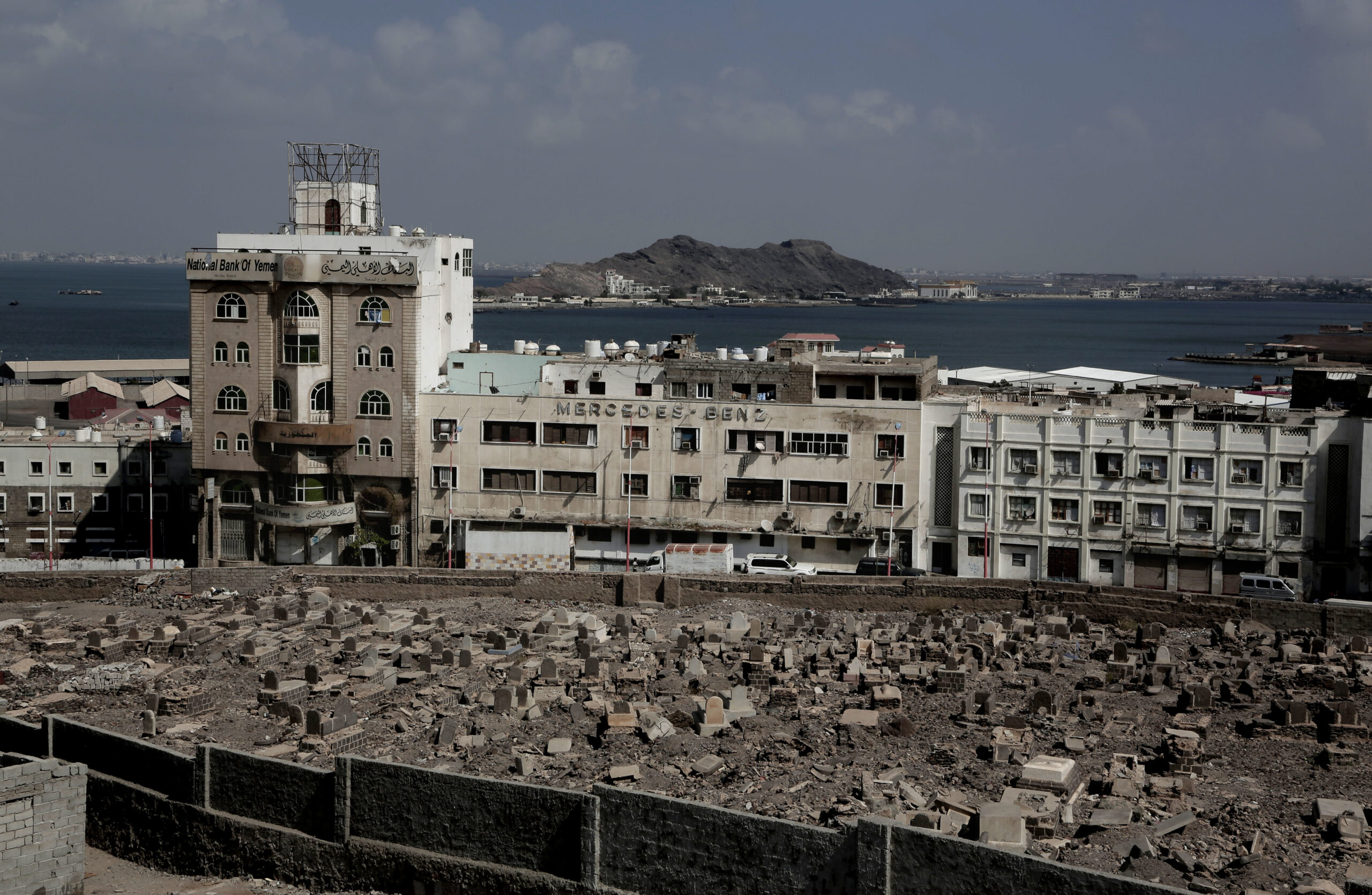
The conflict in Yemen has exacted a disastrous toll on the country. This paper considers the outside forces in the conflict, seeking to elucidate who they are, what the nature is of their involvement, and what their converging and conflicting interests mean for reconstruction.