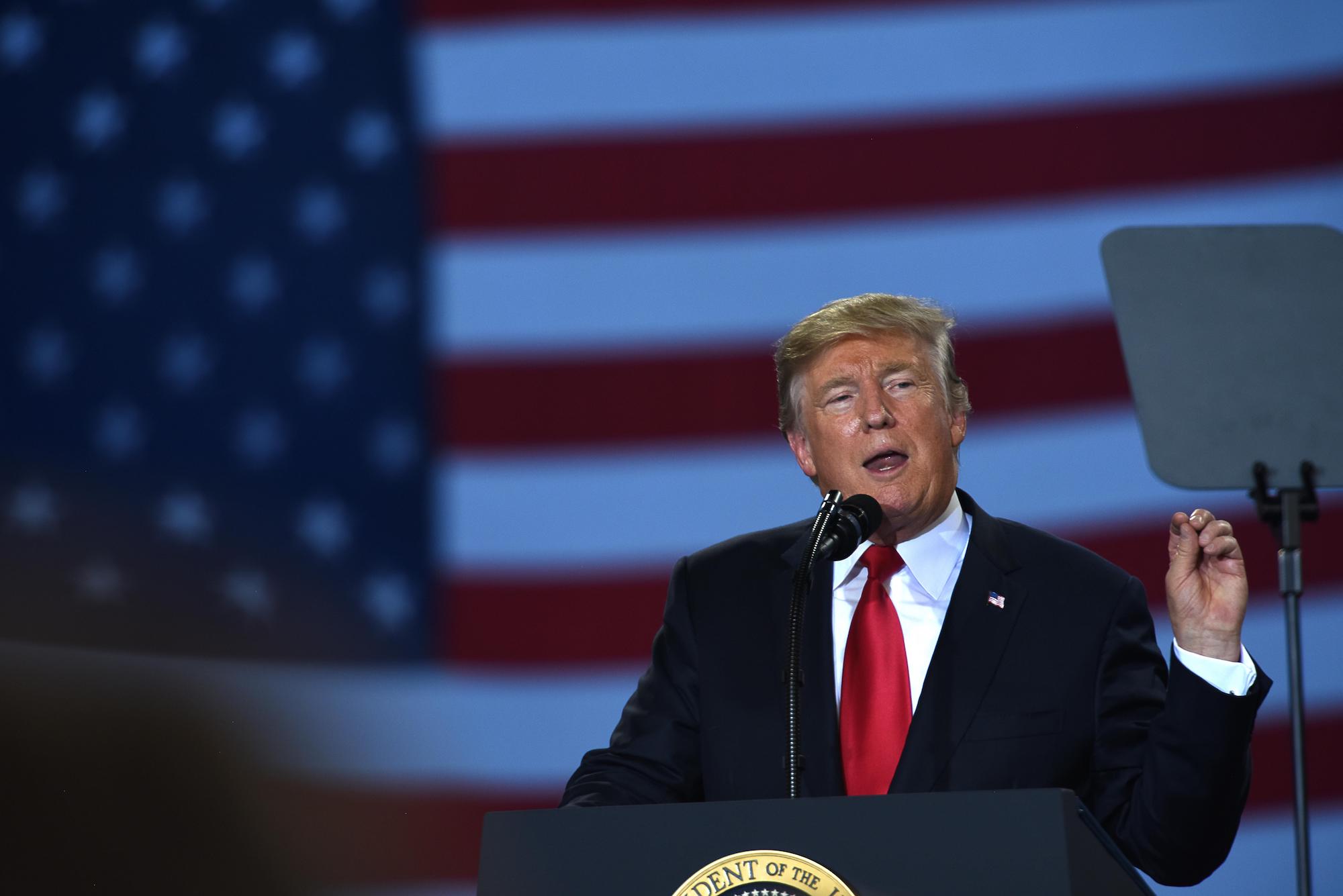
U.S. President Donald J. Trump speaks to members of the public and media in an aircraft hangar at the 193rd Special Operations Wing, Middletown, Pennsylvania, Oct. 11, 2017. (U.S. Air National Guard photo by Staff Sgt. Tony Harp/Released)
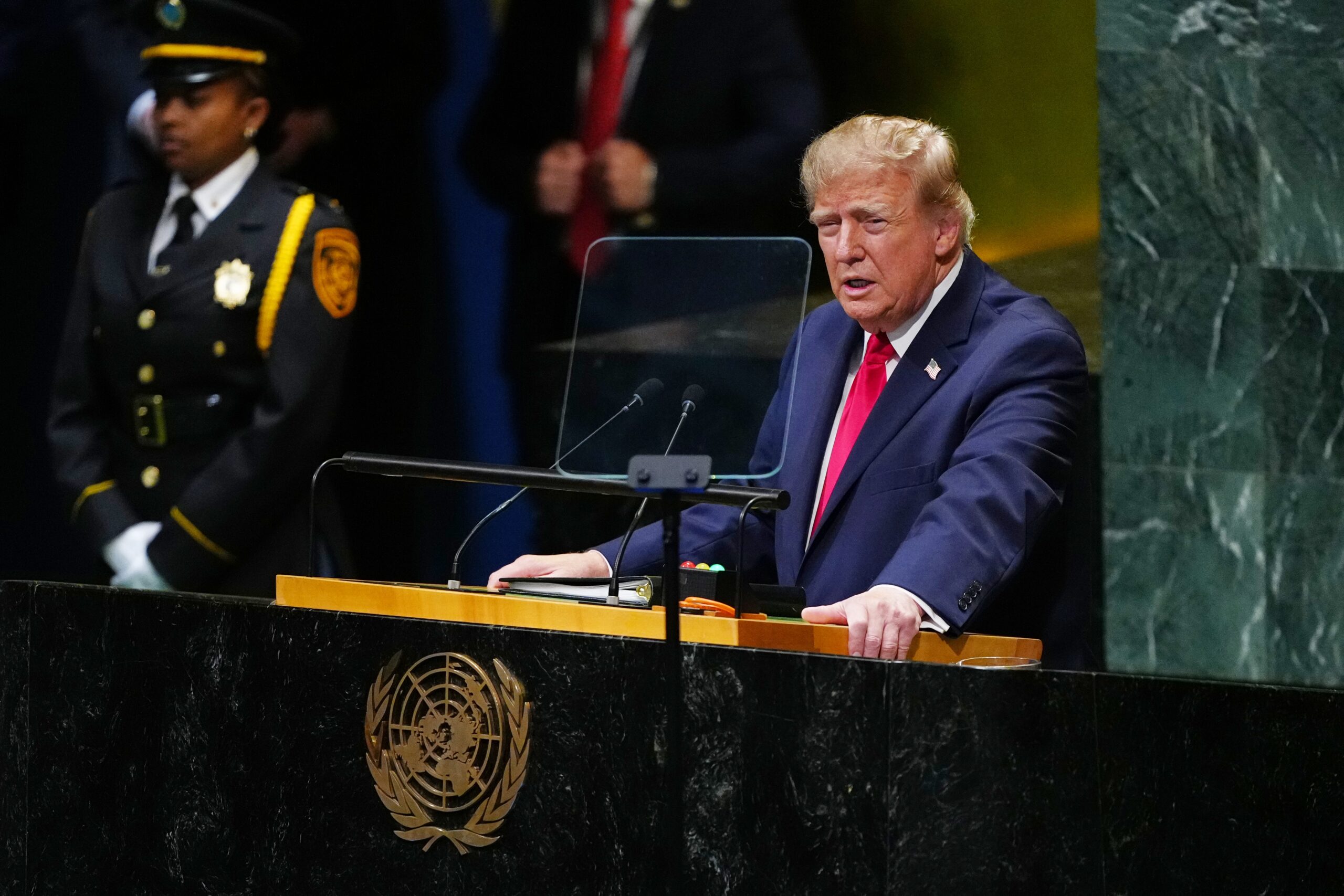
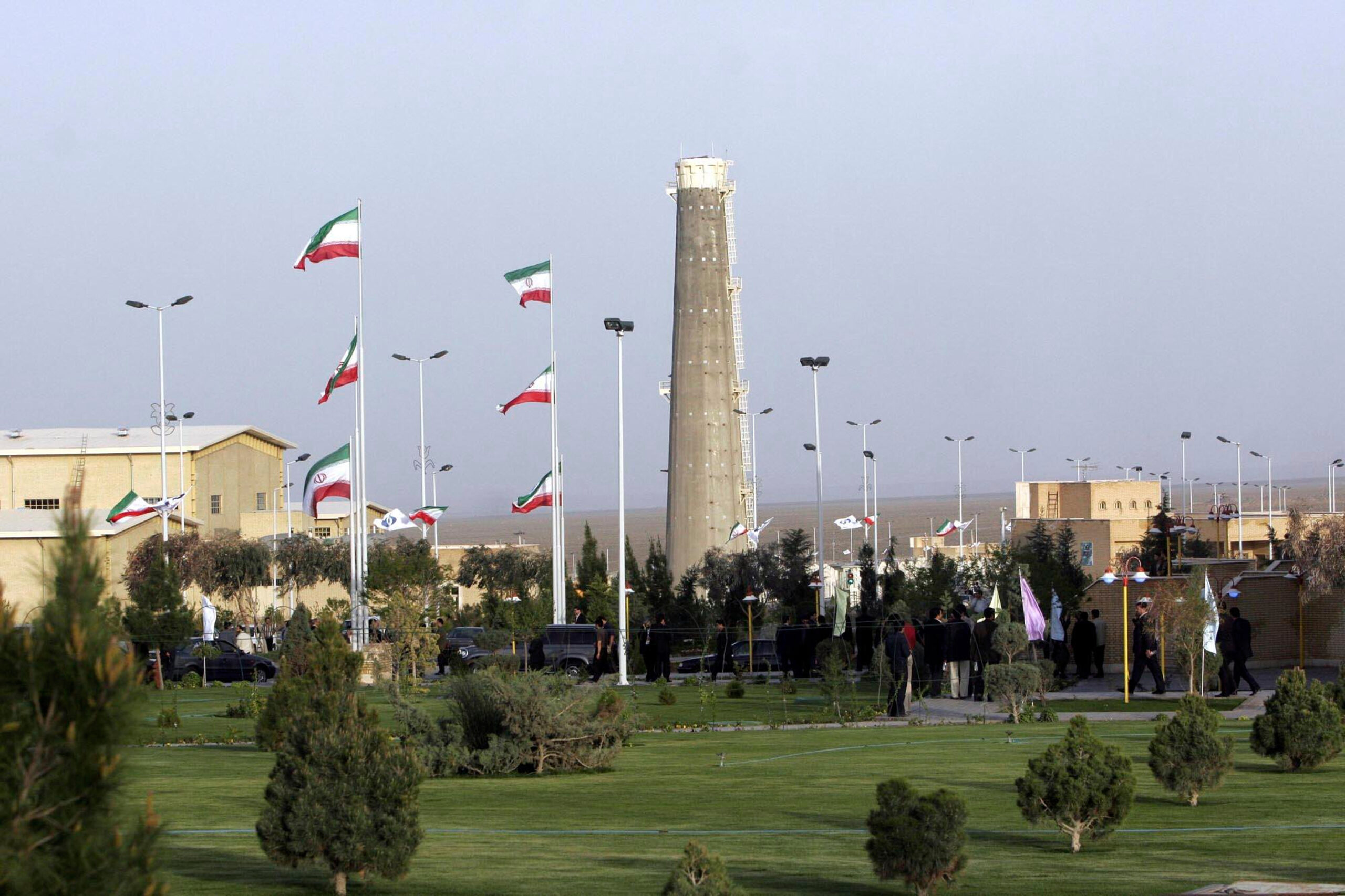
Will Donald Trump walk away from the Iran nuclear deal, as he has threatened, on May 12? In these pages, I explained why it is in his interests to instead craft a new deal with the European signatories and claim to have “fixed” the Iran agreement. However, many signs suggest he’s determined to definitively reject it. That could all be misdirection – or fair warning.
Most conversations now hinge on the binary question of whether Mr Trump will “fix or nix” the Iran nuclear agreement. But in practice he has a wide range of options for rejecting the deal.
Mr Trump has already “decertified” the agreement by declining to assure Congress that the Iran deal is satisfying four provisions of the Iran Nuclear Agreement Review Act. On January 13 and April 13, he withheld such certification, an act that allows Congress to use expedited procedures to quickly reimpose sanctions (which would be a material breach of US commitments under the deal). But Congress hasn’t done that, so the US, like Iran, is still in compliance.
If Mr Trump asked Republicans in Congress to reimpose sanctions on Iran, they certainly would. But he can also act on his own by declining to renew various sanctions waivers, issuing new executive orders to reinstate earlier orders that were revoked to implement the nuclear agreement, or issuing new sanctions through entirely novel executive orders.
Despite his constant threats, Mr Trump has consistently renewed waivers on Iranian sanctions whenever they have come up. However, on January 12, he insisted he wouldn’t do that again unless the agreement was “fixed” to answer his various criticisms. Next Saturday’s date is crucial because it’s the next time certain waivers – those on a 120-day schedule – must be renewed. Other waivers on a 180-day schedule, are due to expire in mid-July.
If he lets any of these waivers expire, key US sanctions will automatically “snap back” into effect, putting Washington in material breach of the agreement with Tehran.
Mr Trump could also use provisions of the agreement itself to walk away. Paragraph 36 outlines a dispute resolution mechanism and states that “if the complaining participant deems the issue to constitute significant non-performance, then that participant could treat the unresolved issue as grounds to cease performing its commitments”. Mr Trump could present the International Atomic Energy Agency and others with “credible and accurate information” involving an “uncured material breach” by Iran and effectively sink the whole deal.
Such an action could only be blocked by the UN Security Council but the US could simply veto any such resolution. Since all the evidence suggests Iran is complying, this path would greatly exacerbate the diplomatic and political costs of a US withdrawal by (probably unsuccessfully) attempting to force other parties, including Europeans, Russia and China, to reimpose the old multilateral sanctions on what they will undoubtedly regard as spurious grounds.
If Mr Trump chooses instead to reimpose unilateral US sanctions, either on his own or through Congress, that, too, will not be simple. His team will have to undo all the administrative de-listing of Iranian entities that was needed to implement the agreement, reimpose revoked sanctions, decide if any new Iranian entities will be included and determine what penalties would apply to US and international violators.
This is where Mr Trump’s decision becomes most complex. If the United States withdraws from the agreement but re-institutes only a small range of sanctions on non-essential Iranian entities and, especially, does not try to penalise European and other international entities doing business with Iran’s core institutions, the nuclear deal could, at least for a time, survive a US rejection. But what would be the point of such a theatrical, hollow exercise?
If, on the other hand, the Trump administration re-sanctioned key Iranian entities such as the Central Bank of Iran, the Islamic Republic of Iran Shipping Lines, Iran Air and the National Iranian Oil Company, and attempts to unilaterally enforce third-party sanctions against European entities doing business with Iran, there is little chance that Iran would continue with the agreement. And under such circumstances, there is a high likelihood that Britain, Germany and France, not to mention Russia and China, would blame Washington entirely – and Tehran not at all – for the agreement’s collapse.
It’s hard to imagine how a new round of sanctions can really be effective without US coordination with European and other powers, which would also require a clear understanding of what goals are being pursued. Simply trying to give everyone a binary choice of either doing business with the United States or Iran might be a disaster for Tehran but won’t prove much of a win for Washington either.
If he’s going to scrap the deal, Mr Trump must have a sophisticated plan B for how to alter Iran’s calculations and behaviour. To be effective, that new approach will require international coordination and successfully persuading, not trying to force, other powers to cooperate with it. Which brings us back to the inescapable conclusion: an agreement with the Europeans to “fix” and not “nix” the “worst deal ever” is the only sensible move.
This article was originally published by The National.
The views represented herein are the author's or speaker's own and do not necessarily reflect the views of AGSI, its staff, or its board of directors.
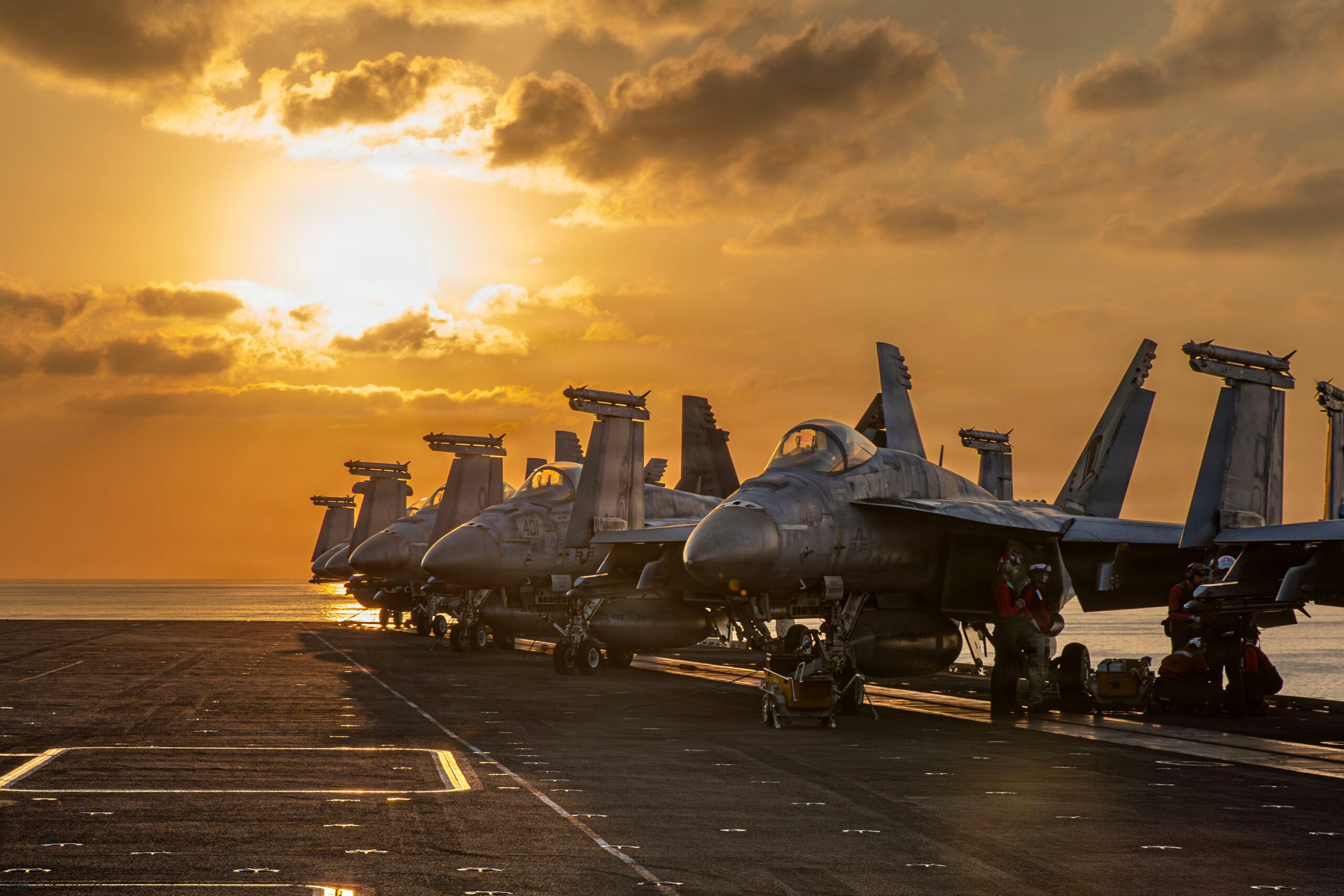
President Trump has led the United States into an impossible dilemma in which resuming and intensifying the war presents one set of alarming consequences while ending it under current circumstances offers at least as many disasters for Washington.
The Trump administration has positioned the United States at a crossroads between a new regime of containment against Iran or a historic drawdown of U.S. influence in the Gulf and broader Middle East.
Riyadh and Abu Dhabi urged President Trump not to attack Iran, but now that the war is into its second month, leaving the current situation in place would be an unthinkable fiasco for them.
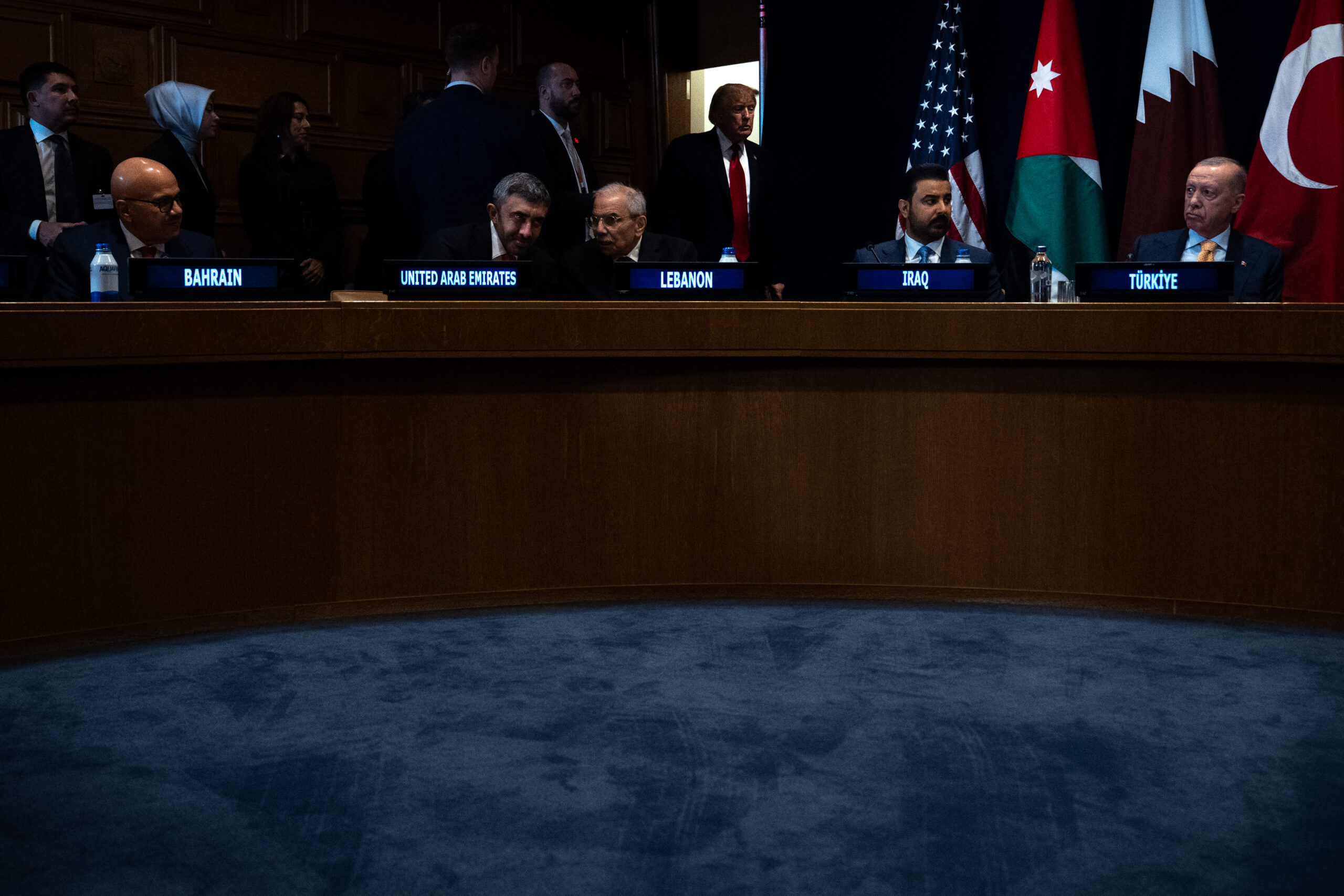
Though they were unsuccessful in preventing the current conflict, and, as expected, have been dragged into the U.S.-Israeli confrontation with Iran, Gulf Arab countries remain crucial to hopes for limiting the war and bringing it to a quick resolution.