Why a Clinton Presidency Could be Good for the Gulf
In these pages last month, I outlined a number of reasons why the Gulf states should be cautiously optimistic about US foreign policy in a Hillary Clinton administration, given that the Democratic nominee is extremely likely to become the next president. But there are several additional factors, both positive and negative from a Gulf perspective,...
U.S. Democratic Nominee and former Secretary of State Hillary Clinton (Gage Skidmore)
In these pages last month, I outlined a number of reasons why the Gulf states should be cautiously optimistic about US foreign policy in a Hillary Clinton administration, given that the Democratic nominee is extremely likely to become the next president. But there are several additional factors, both positive and negative from a Gulf perspective, worth elucidating.
In addition to reaffirming shaken American alliances in Europe and the Middle East, Mrs Clinton is likely to move quickly to bolster America’s global economic stature. Her foreign policy team views domestic economic initiatives, for example on infrastructure and investment stimulus, as crucial to restoring confidence in American leadership, particularly in Europe.
Gulf investment in the United States is significant and growing. Mrs Clinton’s team is likely to work with Congressional leaders, possibly in coordination with Barack Obama before he leaves office, to create a legislative “fix” for the recently passed Justice Against Sponsors of Terrorism Act (Jasta). The law is designed to allow the families of Americans killed in the September 11, 2001 terrorist attacks to sue Saudi Arabia and its officials for alleged complicity (for which there is no evidence) in the attacks.
Correcting Jasta is important to protect American interests and to prevent an exodus of Saudi and other Gulf investments in the United States. It’s also crucial to restoring confidence and trust to this vital relationship.
Rectifying the Jasta blunder by Congress will be a crucial early test for a president-elect Clinton and a late test for the outgoing Mr Obama.
Mrs Clinton will also seek to demonstrate that she will be more assertive, and in the phrase being promoted by her campaign, “muscular,” in defending American interests than Mr Obama, including through a greater willingness to use military force if need be.
This means she will probably look for an early opportunity to confront Russian president Vladimir Putin, take a tougher line with Iran while continuing to implement the nuclear agreement, and strengthen American engagement in Syria.
Less to the liking of Washington’s Gulf allies will be Mrs Clinton’s probable greater emphasis on human, and especially women’s, rights around the world, including in the Middle East. She has long positioned herself as an international champion of women, and this could be a source of tension, particularly in Washington’s relationship with Riyadh, given that Saudi women still face numerous social restrictions including “guardianship” laws and the prohibition on women driving.
Hacked emails reveal that when she was secretary of state, Mrs Clinton held back from promoting the issue of women driving in Saudi Arabia for fear that “public comments by me would hurt [this] … cause.” Yet she reportedly raised the question repeatedly in private conversations with senior Saudi officials.
Mrs Clinton is surely pragmatic enough to ensure that disagreements on women’s rights don’t seriously harm US relations with Saudi Arabia. As secretary of state, she pursued what her aides called “quiet diplomacy” on this issue. That may continue to be the fundamental approach she brings to the White House, but it’s hard to imagine that she won’t place a greater emphasis on these concerns than any other recent American president.
Mrs Clinton has long favoured personalised diplomacy based on building a strong rapport with foreign leaders. With his more cerebral and aloof style, Mr Obama has relied on the formal channels and mechanisms of diplomacy, and eschewed close personal relationships.
He has also largely avoided negative ones, even effectively shrugging when Filipino president Rodrigo Duterte publicly called him a “son of a whore”. Only Israeli prime minister Benjamin Netanyahu managed to get under Mr Obama’s skin by repeatedly misleading him regarding Israel’s intentions on settlements and blatantly interfering to support Mitt Romney in the 2012 election.
But this is the exception that proves the overall rule that Mr Obama has studiously avoided making personalities a factor in his diplomatic approach.
Mrs Clinton is unlikely to reprise George W Bush’s overemphasis on interpersonal relations and gut reactions. But her tenure as secretary of state suggests she will reintroduce personal relationships as an important element of American diplomacy. The visceral mutual animosity with Mr Putin is already well-established.
Gulf leaders have traditionally also favoured intimate personal relationships as a foundation, along with the core realities of national interest, of international cooperation. Mrs Clinton will almost certainly give them an opportunity to utilise these skills, following eight years of chilly unresponsiveness from Mr Obama.
Such strong personal relationships – along with an improved policy environment on issues regarding Iran, Syria and Russia – can help ensure that if and when Mrs Clinton voices criticism about human and women’s rights, Gulf leaders know they are listening to a trustworthy friend and not an unreliable or unfair critic.
This article was originally published by The National.
The views represented herein are the author's or speaker's own and do not necessarily reflect the views of AGSI, its staff, or its board of directors.
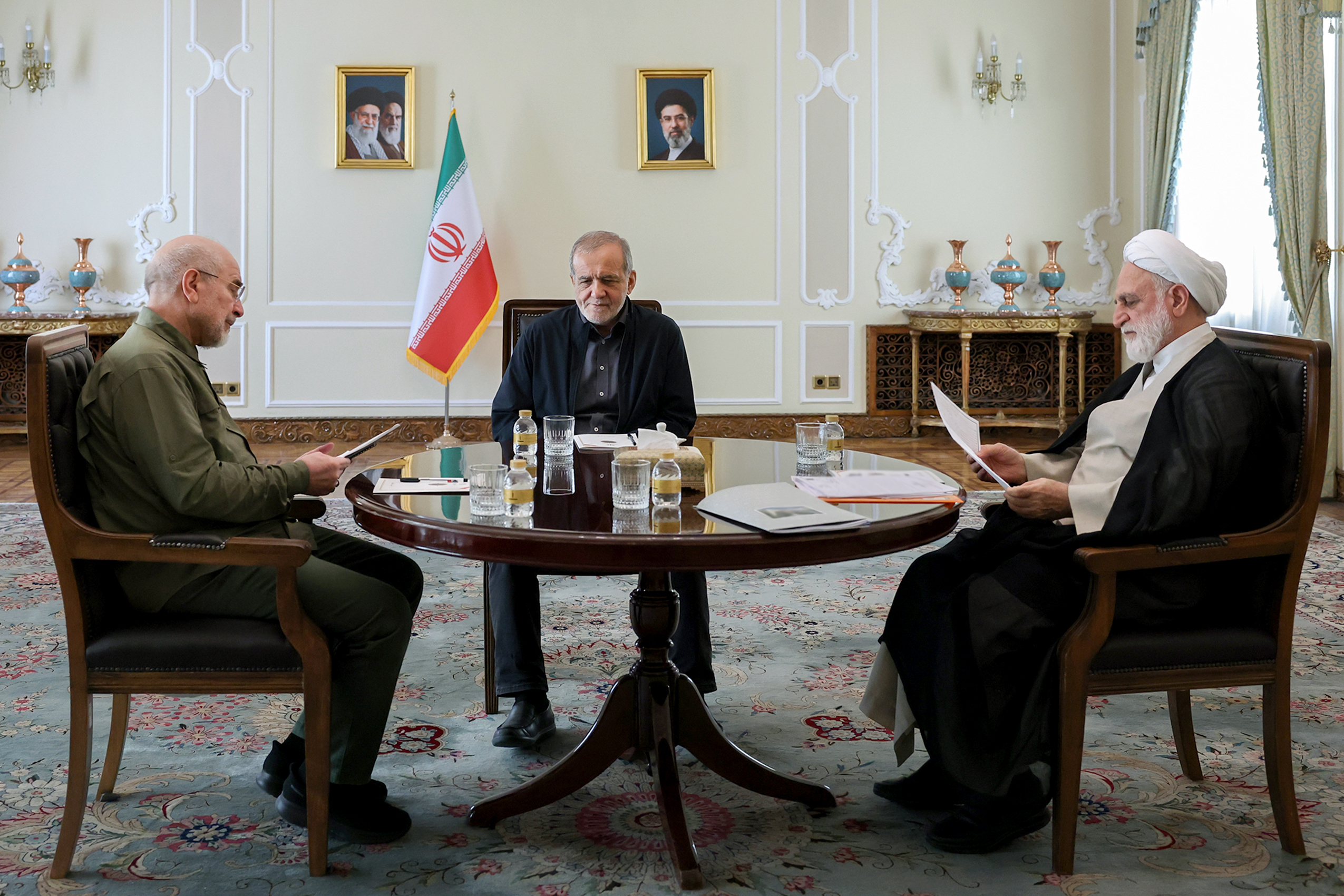
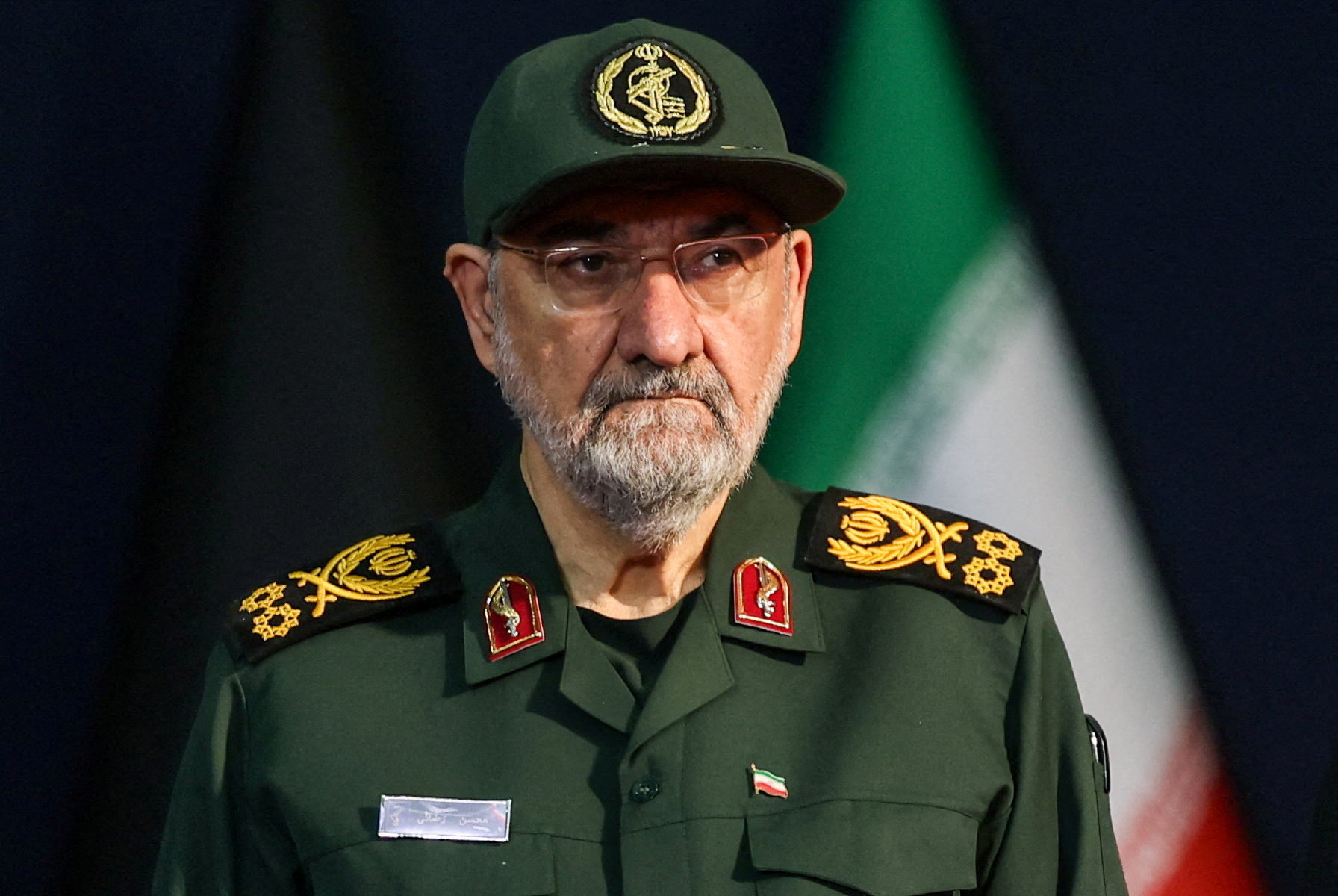
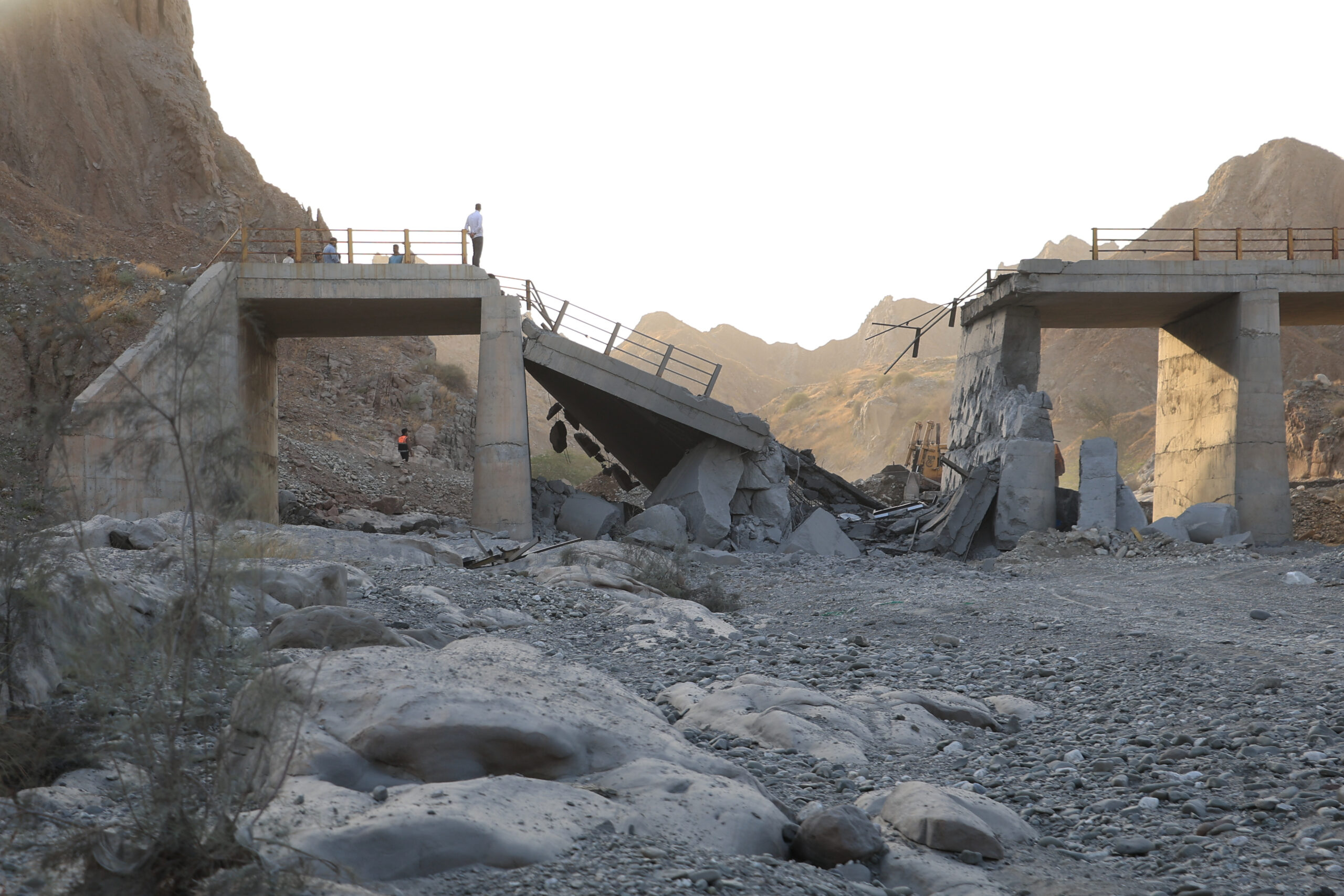
President Trump has led the United States into an impossible dilemma in which resuming and intensifying the war presents one set of alarming consequences while ending it under current circumstances offers at least as many disasters for Washington.
The Trump administration has positioned the United States at a crossroads between a new regime of containment against Iran or a historic drawdown of U.S. influence in the Gulf and broader Middle East.
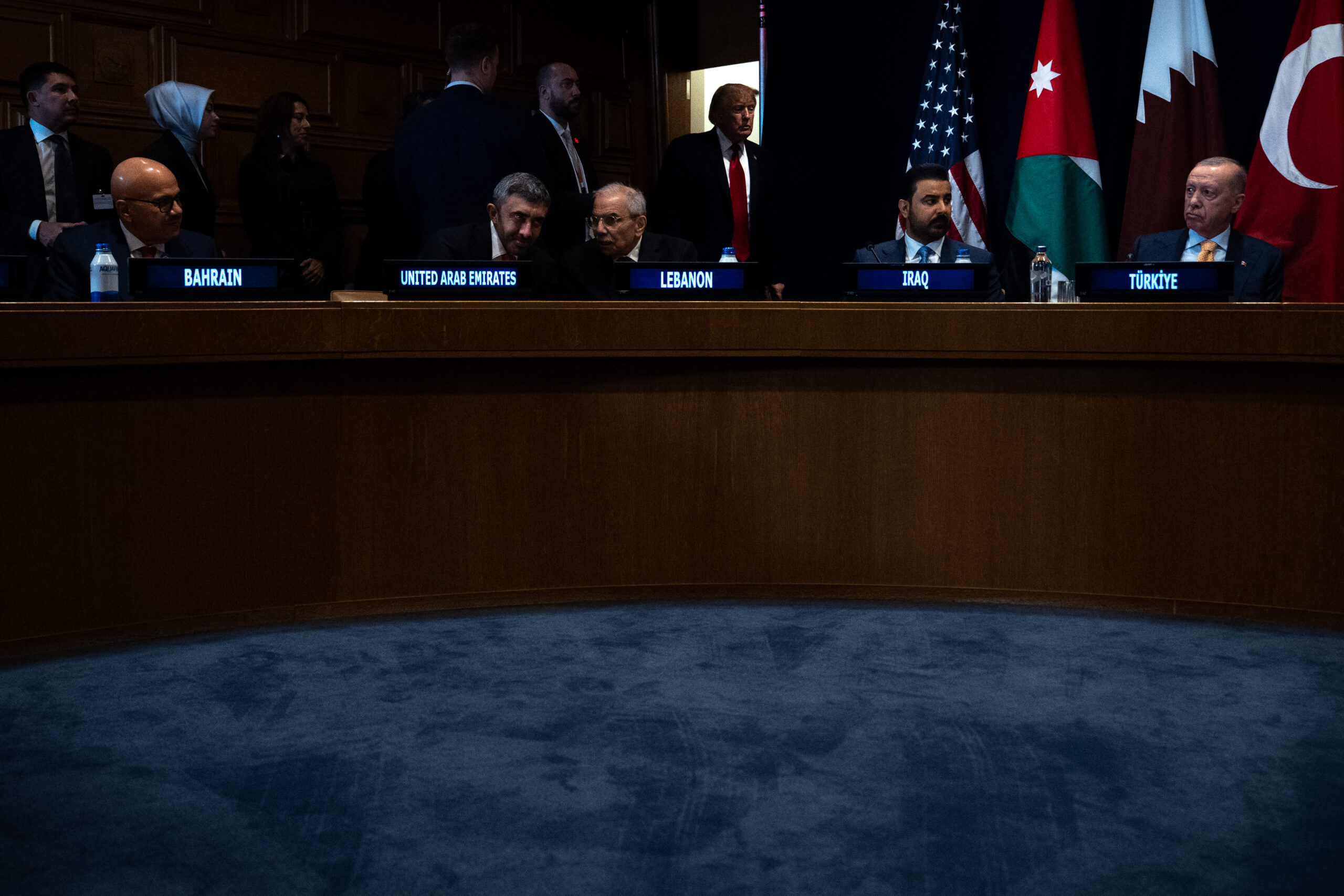
Riyadh and Abu Dhabi urged President Trump not to attack Iran, but now that the war is into its second month, leaving the current situation in place would be an unthinkable fiasco for them.
Though they were unsuccessful in preventing the current conflict, and, as expected, have been dragged into the U.S.-Israeli confrontation with Iran, Gulf Arab countries remain crucial to hopes for limiting the war and bringing it to a quick resolution.








Nov 8, 2016
Why a Clinton Presidency Could be Good for the Gulf
In these pages last month, I outlined a number of reasons why the Gulf states should be cautiously optimistic about US foreign policy in a Hillary Clinton administration, given that the Democratic nominee is extremely likely to become the next president. But there are several additional factors, both positive and negative from a Gulf perspective,...
4 min read