Jul 22, 2022
Who is Outsmarting Whom? Khamenei Receives Putin in Tehran
The July 22 edition of the Iran Media Review examines Russia’s efforts to lure Iran away from Washington.

Receiving Russian President Vladimir Putin in Tehran on July 19, Iranian Supreme Leader Ayatollah Ali Khamenei lectured his guest on the “cunning of the Americans,” as one of the elements contributing to the collapse of the Soviet Union. Putin, on the other hand, cited alleged “U.S. provocations” and opened the path for trilateral war games involving Russia, Iran, and China to counter them. Despite their shared strategic anti-Americanism, each tried to manipulate the other to shut the door, even to expedient tactical cooperation, with the United States:
- July 19: “In the Ukraine issue, if you had not taken the initiative, the counterpart’s initiatives would have led to war … If NATO’s path remains open, it will not respect any limits, and had it not been in Ukraine, it would, after a while, start a war using Crimea as a pretext,” the Iranian leader said, according to the Office of Preservation and Publication of the Works of His Holiness Grand Ayatollah Khamenei. Turning to the Middle East, Khamenei continued: “Of course, today, the United States is much weaker than before, and despite vast expenses and efforts, its reach has become very limited in our region, in particular in Syria, Iraq, Lebanon, and Palestine.” Khamenei also said the United States must be “evicted from areas east of the Euphrates.”
- Responding to Khamenei, Putin condemned the “U.S. provocations” in what he called “the coup in Ukraine,” “expanding NATO contrary to previous commitments,” and the “assassination” of Major General Qassim Suleimani, the former commander of the Islamic Revolutionary Guard Corps Quds Force. The Russian president concluded: “In Syria, Iran and Russia are engaged in a joint fight against terrorism, and in the military field too, we are expanding our cooperation, along with trilateral war games with China.” Reiterating Khamenei’s demand, he said “The area east of the Euphrates must be under the control of Syria’s military forces.”
Russia has historically used Iran as a bargaining chip in negotiations with the United States by commiserating over shared anti-American interests with Iran but ultimately selling Iran’s interests in return for even minor concessions from the United States, which may or may not have been related to Iran. It is therefore no surprise that Khamenei hopes for a “forever war” between Russia and NATO, which makes Moscow less likely to cut deals with Washington over Tehran’s head.
Putin on the other hand, is aware that current circumstances provide Iran with some maneuverability between Moscow and Washington, enabling Tehran to extract concessions from both. Putin is trying to lure Khamenei away from Washington by appealing to his vanity by inviting the Iranian military to join war games with major powers like Russia and China and perhaps by giving him assurances of Russian support in case nuclear negotiations between Iran and the United States collapse.
It remains to be seen who ends up outsmarting whom, but to judge by the state of nuclear negotiations, Putin appears to have the upper hand.
AGSIW’s Iran Media Review monitors, translates, and reviews critical Persian-language media sources identifying important developments and trends in the Islamic Republic of Iran.
The views represented herein are the author's or speaker's own and do not necessarily reflect the views of AGSI, its staff, or its board of directors.
Related
Iran Media Review
Sep 15, 2026
Despite Tactical Victories, Iran Struggles to Restore Deterrence
The September 15 edition of the Iran Media Review examines Iranian statements on a possible nuclear bomb, Iran’s relationship with the UAE, and developments in Yemen.
Iran Media Review
Sep 11, 2026
Diminishing Importance of the Straits?
The September 11 edition of the Iran Media Review contrasts hard-liners’ celebration of oil prices rising with a technocratic Iranian newspaper’s warning that the regime’s ability to take the world economy hostage is diminishing.
Iran Media Review
Sep 8, 2026
Mohsen Rezaei Explains Tehran’s Strategy
The September 8 edition of the Iran Media Review outlines the Iranian Supreme National Security Council secretary’s remarks on Iran’s strategic response to the U.S. naval blockade.
Sep 15, 2026
Despite Tactical Victories, Iran Struggles to Restore Deterrence
The September 15 edition of the Iran Media Review examines Iranian statements on a possible nuclear bomb, Iran’s relationship with the UAE, and developments in Yemen.
Sep 11, 2026
Diminishing Importance of the Straits?
The September 11 edition of the Iran Media Review contrasts hard-liners’ celebration of oil prices rising with a technocratic Iranian newspaper’s warning that the regime’s ability to take the world economy hostage is diminishing.
Sep 8, 2026
Mohsen Rezaei Explains Tehran’s Strategy
The September 8 edition of the Iran Media Review outlines the Iranian Supreme National Security Council secretary’s remarks on Iran’s strategic response to the U.S. naval blockade.
Analysis
The Islamic Republic Returns to Offense
After U.S.-Israeli strikes killed Supreme Leader Ayatollah Ali Khamenei on February 28, Iran’s collective leadership has concluded that the best defense is a good offense.
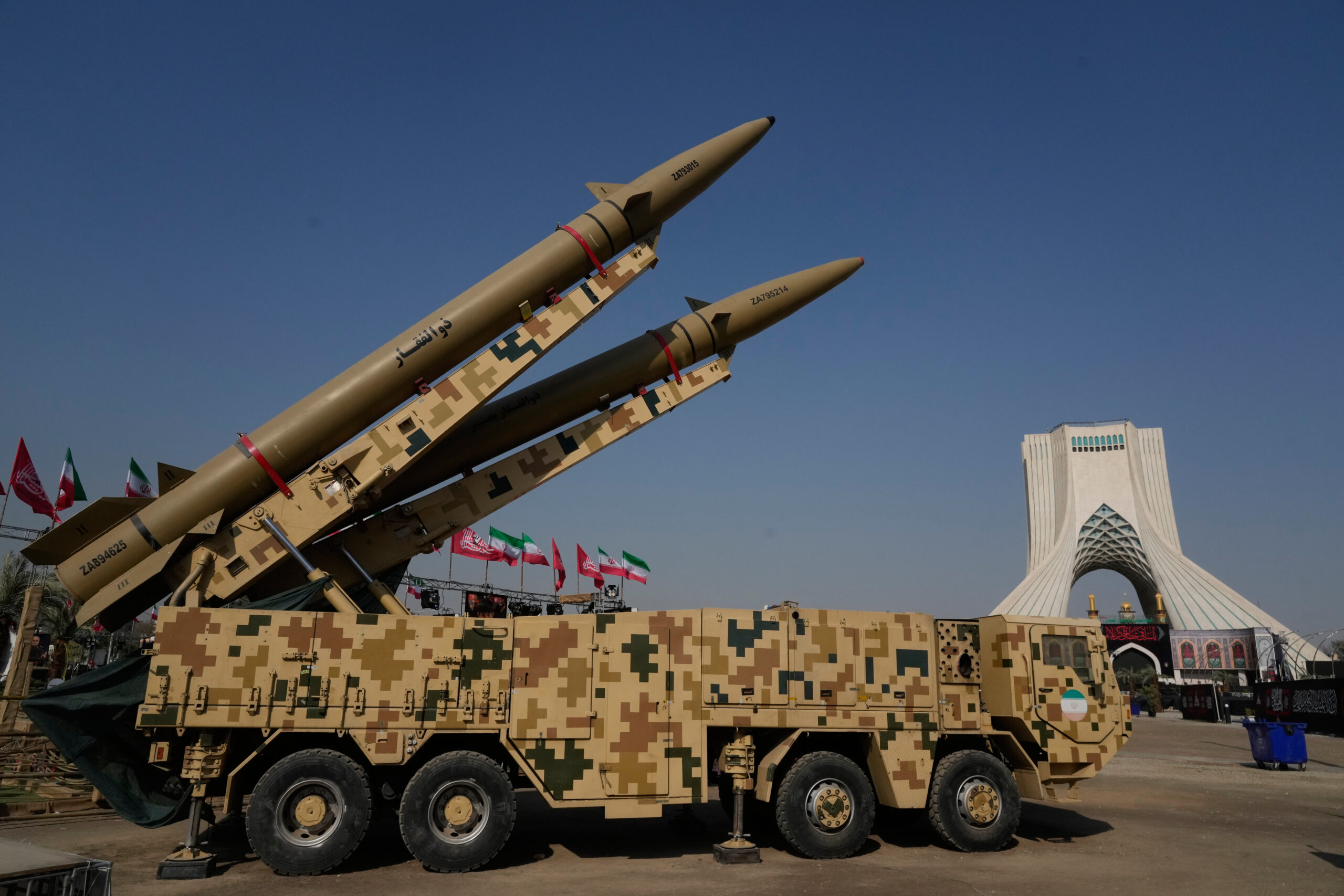
Iran’s Collective Strategic Decision Making
Wartime pressure has temporarily aligned the leadership’s overriding interest in regime survival, even as its members continue to differ over the costs, methods, and ultimate objectives of the war.
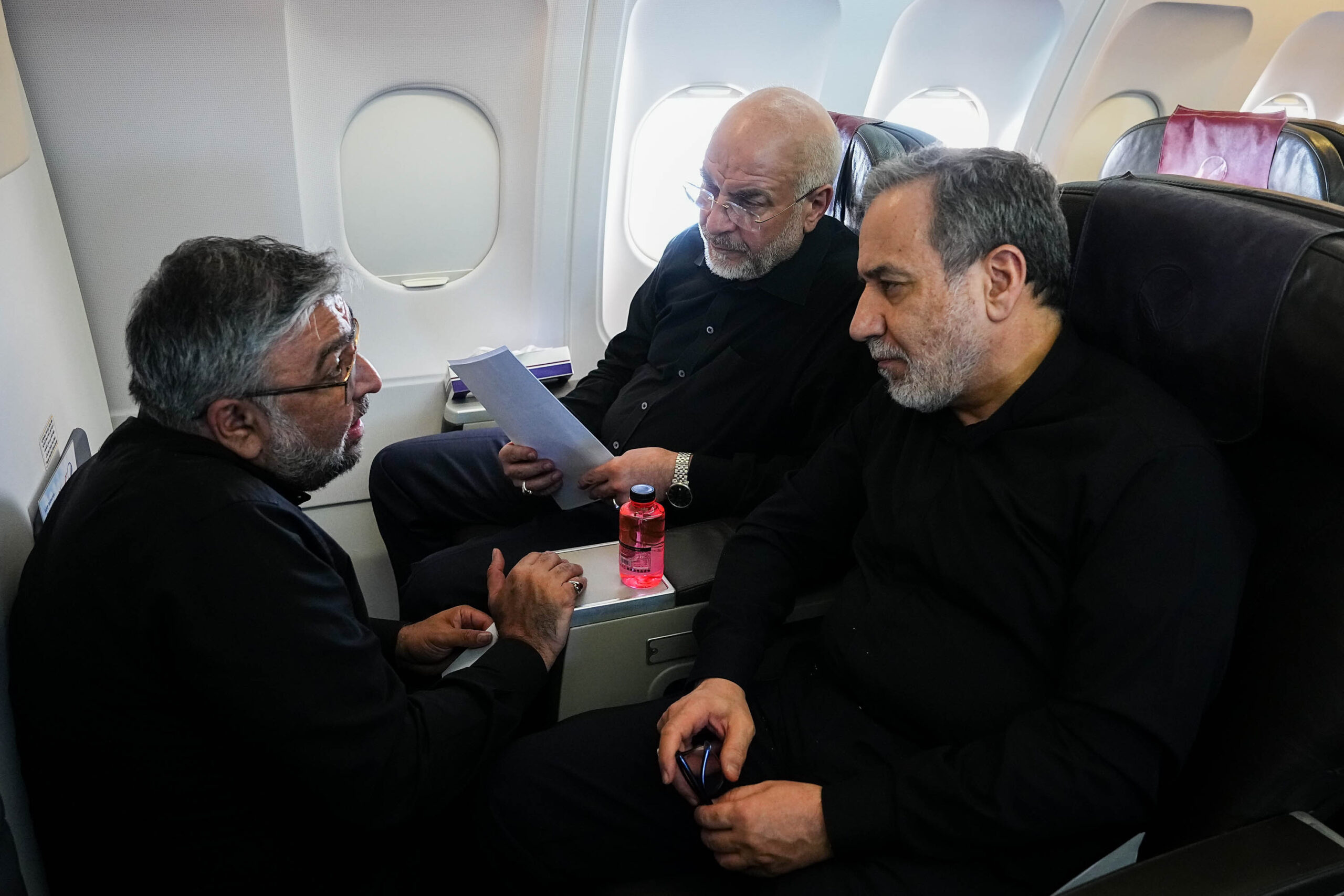
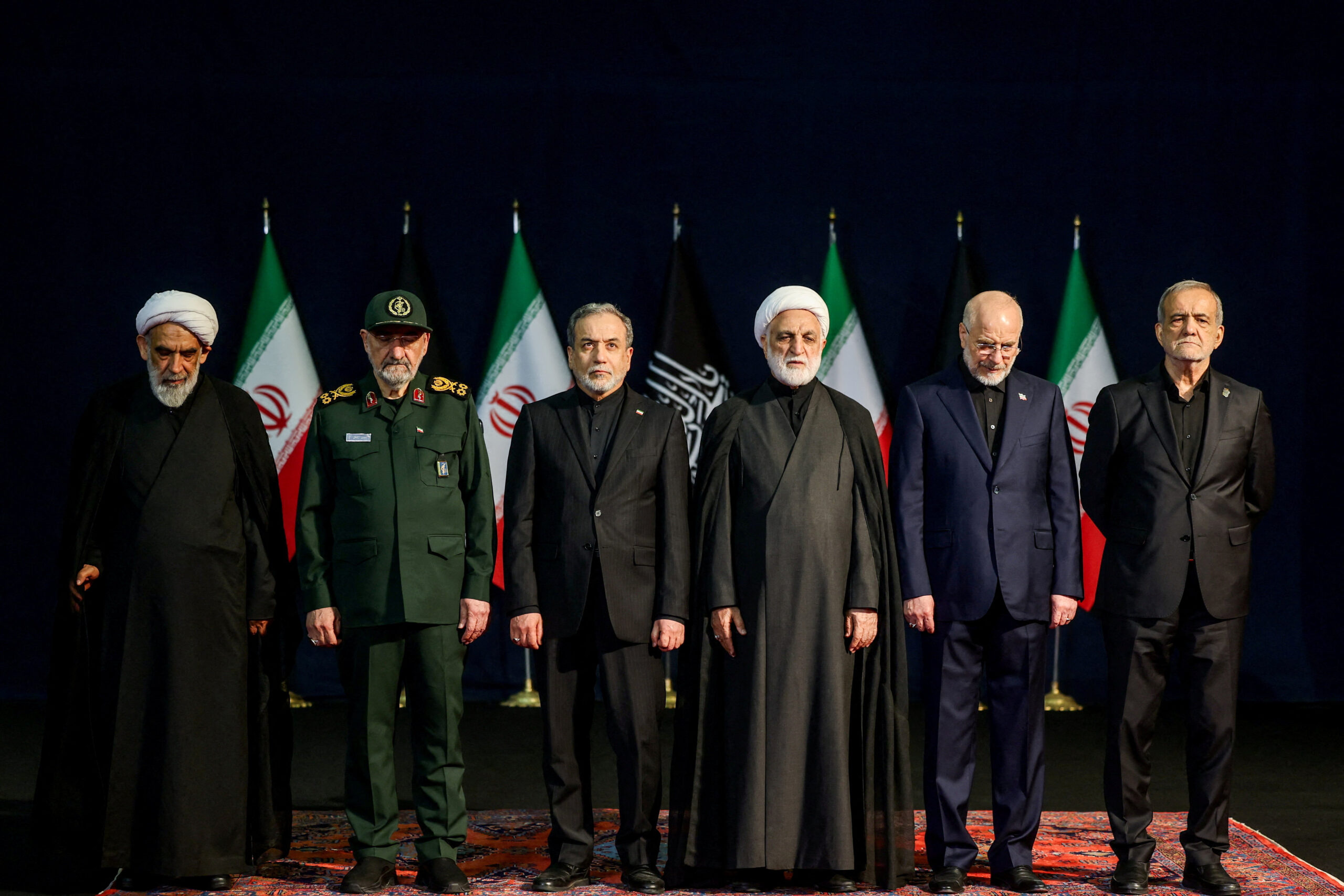
The Islamic Republic’s Collective Leadership
While there is historical precedent for collective leadership in Iran, today’s leadership includes representatives of the IRGC and regular military – a reflection of the IRGC’s expanding role and the necessities of governing under wartime conditions.
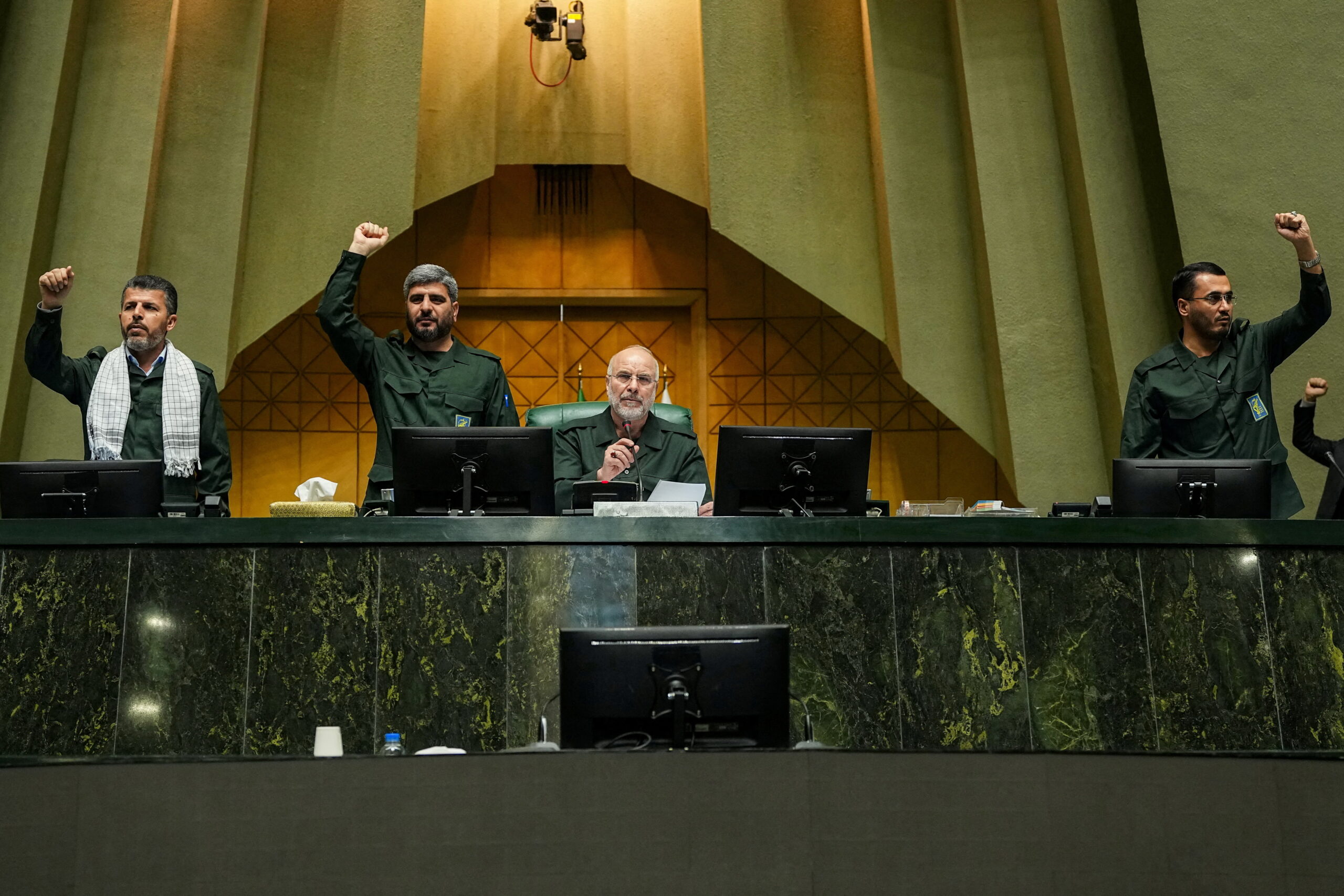
How Did the IRGC Seize Power in Iran?
The IRGC did not seize power in a single stroke. It accumulated it – patiently, methodically – until no counterweight remained.
Events
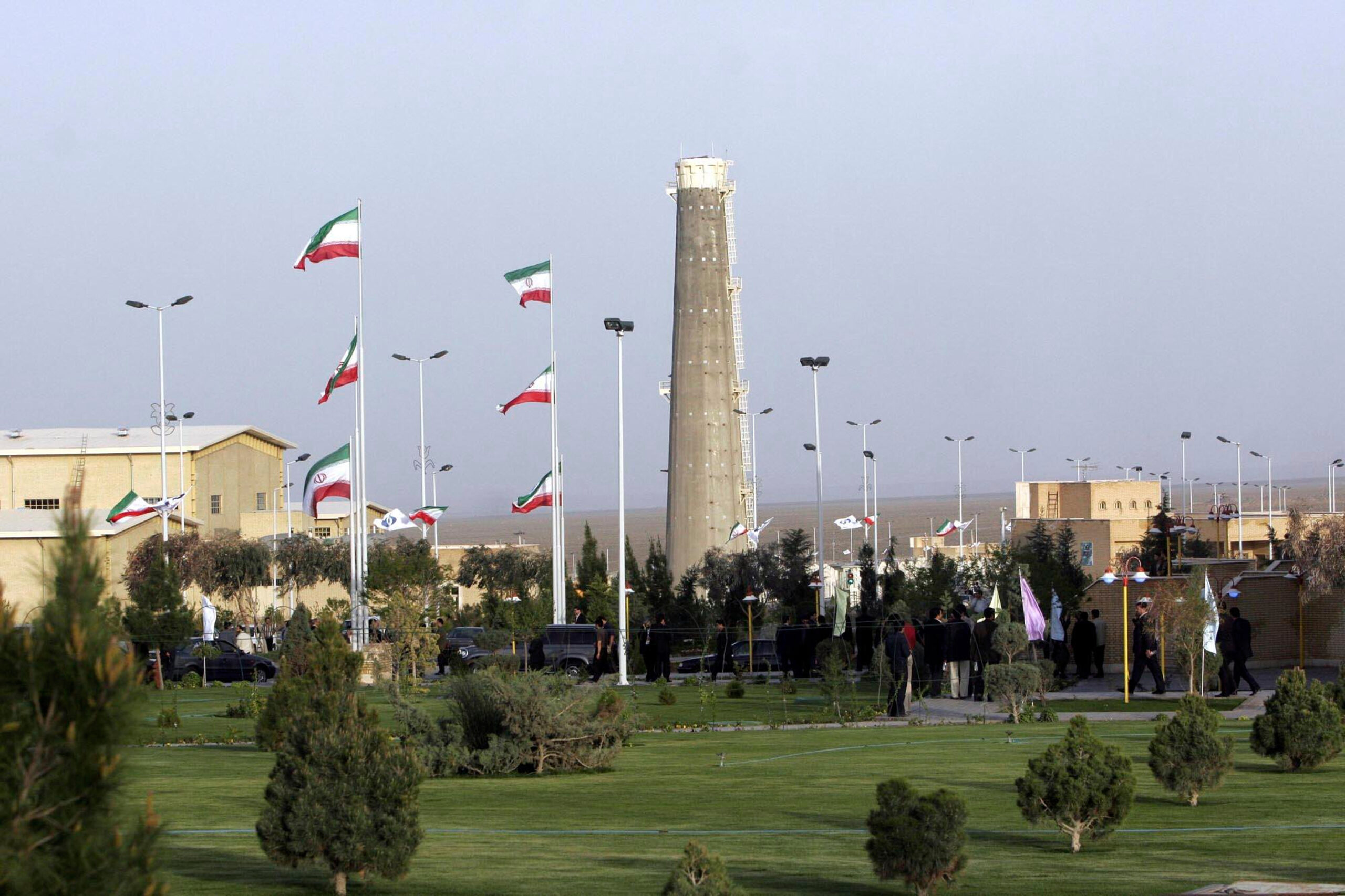
Book Talk: Iran and the Bomb: The United States, Iran and the Nuclear Question
On June 16, AGSI hosted a discussion on the evolution of Iran's nuclear program.
Speakers

Apr 21, 2026
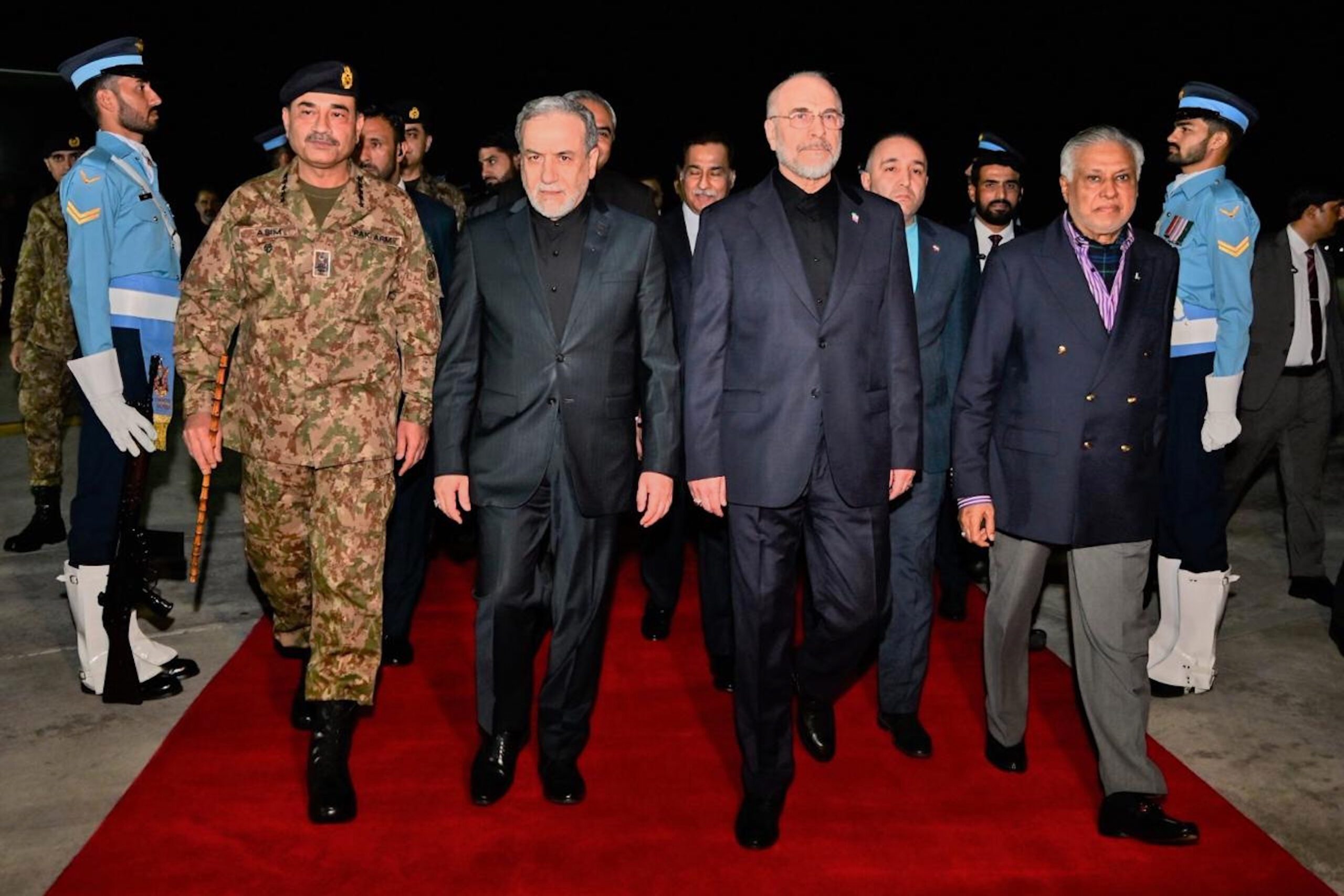
Inside Iran’s Wartime Leadership: Power, Succession, and Regime Stability
On April 21, AGSI hosted a discussion on the evolution of Iran's leadership during the war.
Speakers

Mar 18, 2026
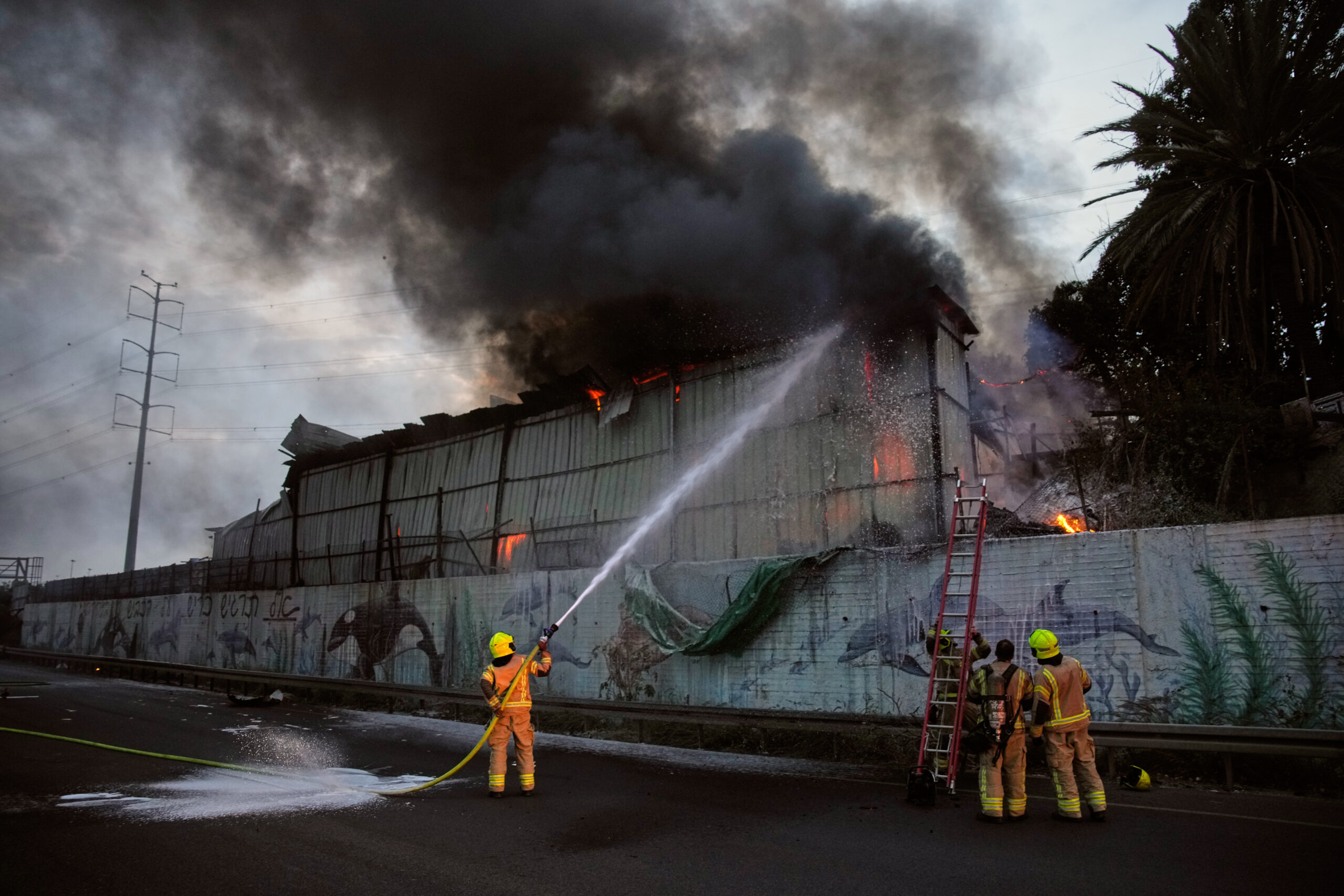
In Its Conflict With the United States and Israel, Does Escalation Favor Iran?
On March 18, AGSI hosted a discussion on the escalation of the Iran war.
Speakers


Mar 2, 2026
After the Shock: Implications of the U.S.–Israeli Strikes and Iran’s Leadership Transition
On March 2, AGSI hosted a discussion on the U.S.-Israeli strikes on Iran.
Speakers