Sep 8, 2026
Mohsen Rezaei Explains Tehran’s Strategy
The September 8 edition of the Iran Media Review outlines the Iranian Supreme National Security Council secretary’s remarks on Iran’s strategic response to the U.S. naval blockade.

In a September 6 interview with Islamic Republic of Iran Broadcasting, Supreme National Security Council Secretary Major General Mohsen Rezaei presented Iran’s response to the U.S. naval blockade as a coordinated strategy of controlled escalation, economic adaptation, and conditional diplomacy. The interview signaled Iran’s readiness to continue military operations against the United States until the November 3 U.S. midterm elections and beyond. Yet Rezaei, who has a doctorate in economics, did not explain whether Iran’s economy is sufficiently resilient to sustain Tehran’s military ambitions.
- September 6: In an interview with Islamic Republic of Iran Broadcasting that was reposted on other YouTube channels (but later removed), Supreme National Security Council Secretary Major General Mohsen Rezaei explained the regime’s strategy:
- Since President Donald J. Trump “denounced the memorandum of understanding, we have changed tactics … the first change concerned the Strait of Hormuz, which is completely closed … Prior to the war, 100 ships sailed through the strait … these days, maximum seven or eight ships sail through the strait, most of which are cargo ships importing our own basic foodstuffs. As you know, the U.S. naval blockade is not allowed to block transfer of basic foodstuffs to Iran. At nighttime, the Americans, with the help of local pilots, direct five or six oil tankers, with their transponders shut off, through a rocky passage near the Omani coast. Mostly, they are hit, but we have not intended to sink them as they are transferring oil products. If they sink, this will also create trouble for us. Nevertheless, none of them sail through unharmed, and all sustain some damage. But this does not mean the Strait of Hormuz is open … We are now considering declaring, in a few days, a new restricted area beyond the Strait of Hormuz. This area covers the U.S. naval blockade line to the Strait of Hormuz and inside the Persian Gulf. We will declare this a restricted area. Any ship entering the area will be added to our list of sanctioned vessels … We will issue warnings to them as soon as they get near the restricted area … This will cause insurance problems for them, as their premium will rise … We will not hit them with missiles in this new area, outside of the zone administered by the Persian Gulf Strait Authority, but we will sanction them and prevent them from passing through the strait … The new restricted area will be maintained for as long as the United States continues its naval blockade.”
- “Forty-eight hours ago, for the first time since the 12-day war, we tested our antiship missile on a U.S. aircraft carrier … a special kind of missile. Their vessels escaped. This event is so significant that even CENTCOM could not deny it. In savage attacks, the United States targeted two or three of our ships … we wanted to prove that a naval blockade is vulnerable but also that our way of the war is changing and that we will not tolerate the blockade.”
- “Another change is that our government and our merchants are expanding land-based commerce. Land corridors are taking shape, so we can increase imports and exports through land.”
- On diplomacy: “We counted on the interlocutors, but in practice it became clear that they are incapable of guaranteeing” an agreement. “We don’t trust the United States, and we will not take further steps unless they engage in trust building measures … They need to deliver. There are four or five preconditions … Next, there is the issue of guarantees. We can open the Strait of Hormuz, but if they do not live up to their obligations, we will close it again. This is a guarantee … The Strait of Hormuz will remain a pressure point in our hands … This guarantee eases diplomacy.”
- “We have also changed our way of war … We had identified U.S. bases in Jordan and Erbil but had not targeted them before, and the United States thought we were unaware of them. But we targeted them … These attacks, plus the antiship missile too was tested … But none of this means we are against diplomacy.”
- “Now that the United States was defeated in warfare and in international diplomatic forums, they are engaged in a massive propaganda warfare against us, to stage a coup d’etat against us of the kind they engaged in on January 8 and 9, but their efforts will remain unsuccessful … God willing, we will defeat them both in their internal efforts and when it comes to the military threat.”
- On Lebanon and the Israeli advances against the Ali al-Taher Heights: “Ups and downs in wars are normal … even the prophet of God was defeated in the war of Ohod and in other wars, but today, Islam reigns in all of West Asia … Let us not just look at Ali al-Taher Heights … In the course of the past 20 years, Lebanese Hezbollah has had the upper hand … In 2000, Lebanese Hezbollah was the first Arab country to liberate all its lands from Israeli occupation … Today, Israel has managed to take some areas, but this is not the end of the story … And this time around, Hezbollah will not retain the nobility of not targeting Haifa and Tel Aviv.”
The views represented herein are the author's or speaker's own and do not necessarily reflect the views of AGSI, its staff, or its board of directors.
Related
Iran Media Review
Sep 4, 2026
Is Iran Planning to Withdraw From the Nuclear Nonproliferation Treaty?
The September 4 edition of the Iran Media Review considers Iranian messaging about the possibility of Iran withdrawing from the Nuclear Nonproliferation Treaty.
Iran Media Review
Sep 1, 2026
Decoding President Pezeshkian
The September 1 edition of the Iran Media Review analyzes an interview with Iranian President Masoud Pezeshkian.
Iran Media Review
Aug 28, 2026
Iran Signals Interest in Reviving Hormuz Deal While Warning of Psychological Warfare
The August 28 edition of the Iran Media Review examines statements by Iranian officials suggesting openness to restarting negotiation with the United States and concern about domestic discontent.
Sep 4, 2026
Is Iran Planning to Withdraw From the Nuclear Nonproliferation Treaty?
The September 4 edition of the Iran Media Review considers Iranian messaging about the possibility of Iran withdrawing from the Nuclear Nonproliferation Treaty.
Sep 1, 2026
Decoding President Pezeshkian
The September 1 edition of the Iran Media Review analyzes an interview with Iranian President Masoud Pezeshkian.
Aug 28, 2026
Iran Signals Interest in Reviving Hormuz Deal While Warning of Psychological Warfare
The August 28 edition of the Iran Media Review examines statements by Iranian officials suggesting openness to restarting negotiation with the United States and concern about domestic discontent.
Analysis
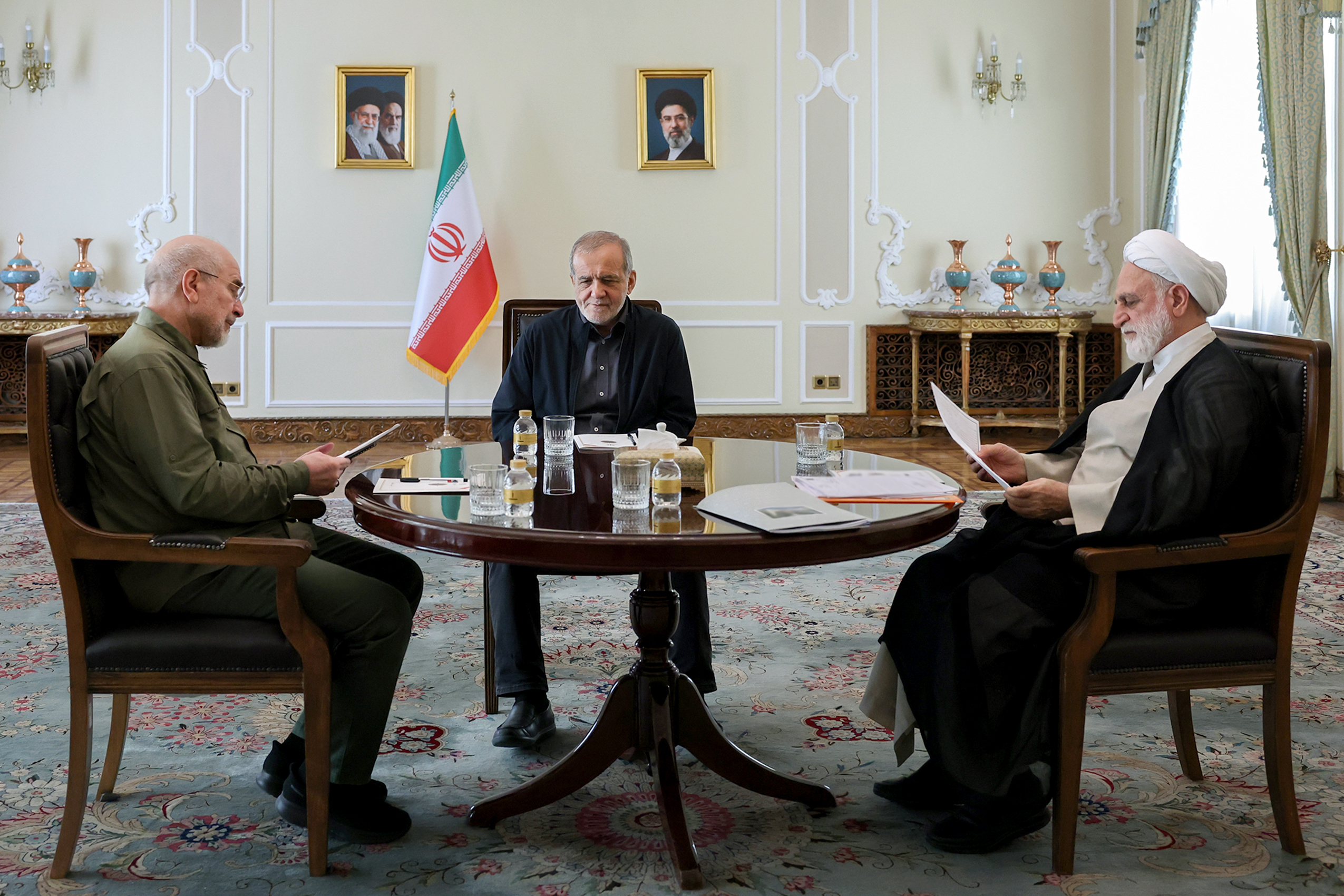
The Committee of Six and Strategic Decision Making in Iran
Remarks by Iran’s president offer a rare glimpse of how the Islamic Republic has adapted its decision making to the absence of its supreme leader.
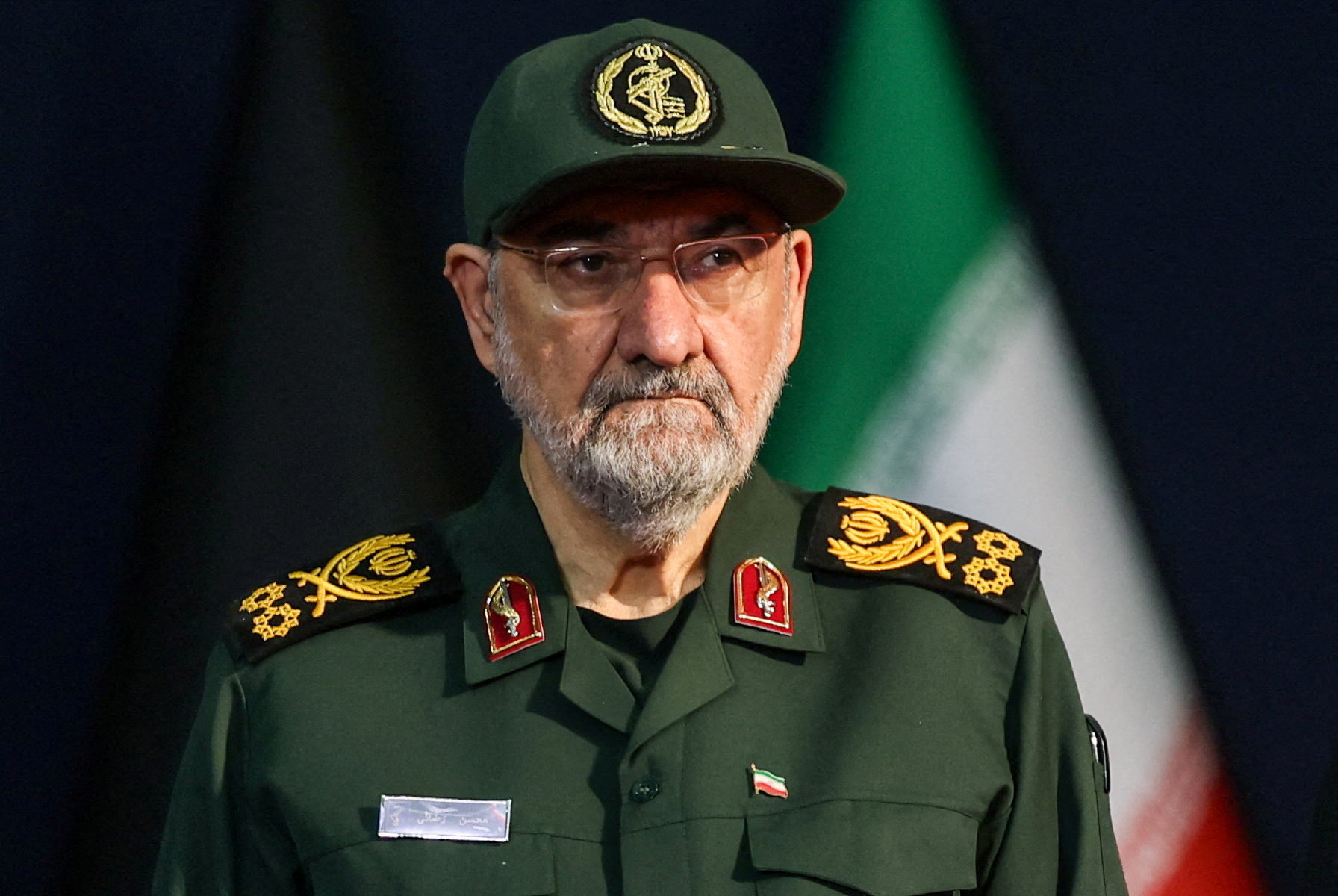
Mohsen Rezaei at the Helm of Iran’s Supreme National Security Council
Under Rezaei, the SNSC could prove constructive or paralyze strategic decision making.
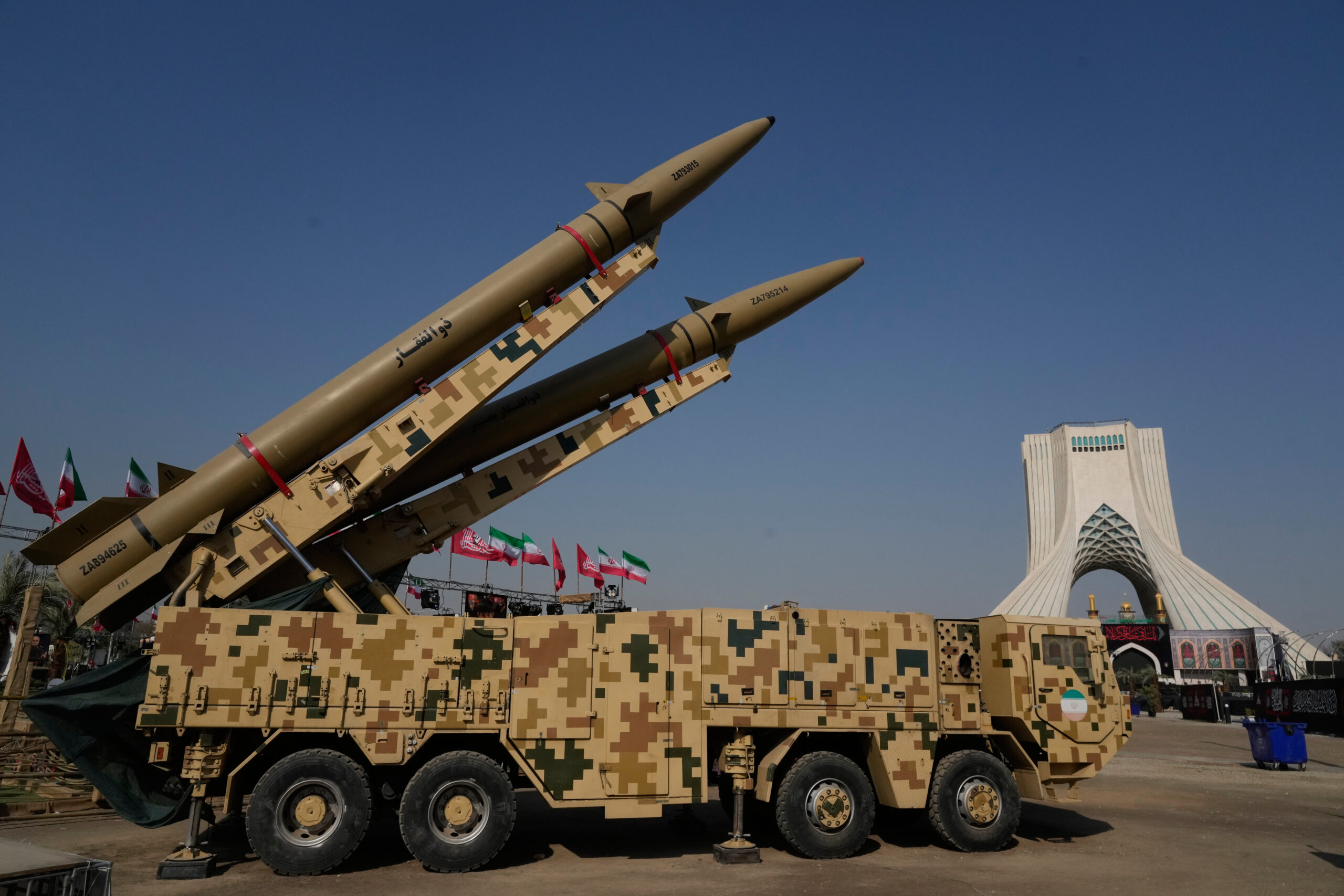
The Islamic Republic Returns to Offense
After U.S.-Israeli strikes killed Supreme Leader Ayatollah Ali Khamenei on February 28, Iran’s collective leadership has concluded that the best defense is a good offense.
Iran’s Collective Strategic Decision Making
Wartime pressure has temporarily aligned the leadership’s overriding interest in regime survival, even as its members continue to differ over the costs, methods, and ultimate objectives of the war.
Events
Oct 6, 2026
Is the U.S.-Iran Stalemate a “New Normal” or the Prelude to Another Explosion?
On October 6, AGSI hosted a discussion on the U.S.-Iran stalemate and the prospects for a cease-fire.
Speakers



Book Talk: Iran and the Bomb: The United States, Iran and the Nuclear Question
On June 16, AGSI hosted a discussion on the evolution of Iran's nuclear program.
Speakers
Apr 21, 2026
Inside Iran’s Wartime Leadership: Power, Succession, and Regime Stability
On April 21, AGSI hosted a discussion on the evolution of Iran's leadership during the war.
Speakers

Mar 18, 2026
In Its Conflict With the United States and Israel, Does Escalation Favor Iran?
On March 18, AGSI hosted a discussion on the escalation of the Iran war.
Speakers