Sep 4, 2026
Is Iran Planning to Withdraw From the Nuclear Nonproliferation Treaty?
The September 4 edition of the Iran Media Review considers Iranian messaging about the possibility of Iran withdrawing from the Nuclear Nonproliferation Treaty.

Is Iran actively considering withdrawal from the Nuclear Nonproliferation Treaty or is this merely another negotiating tactic – an attempt to extract concessions from the United States? In recent weeks, several Iranian officials have publicly raised the prospect of withdrawal. Among them is Ambassador Hossein Mousavian, whose latest book reveals that Iran’s senior leadership has long considered leaving the NPT, suggesting that this inclination may be systemic rather than merely tactical.
- August 21: Interviewed by Islamic Republic of Iran Broadcasting, Supreme National Security Council Secretary Major General Mohsen Rezaei said:
- President Donald J. Trump’s “folly in attacking Iran has intensified people’s desire for nuclear weapons worldwide, particularly after they saw that membership in the International Atomic Energy Agency and the Nuclear Nonproliferation Treaty does nothing to prevent a U.S. attack. Instead of creating nuclear security, Trump has created nuclear insecurity … Iran has accepted and complied with all international safeguards, joined the NPT, and submitted to inspections. Iran has gone further than any other country in fulfilling its obligations under nuclear regulations … After the U.S. military aggression against Iran, the world saw that possessing an atomic bomb is more effective than having hundreds of F-35s. The F-35s lost their aura of invincibility in Iran, and Arab countries no longer trust American weaponry. The American people oppose the war with Iran and do not support the U.S. military or government.”
- August 22: Qassem Ravanbakhsh, a hard-line parliamentarian from Qom, told economic newspaper Donya-ye Eqtesad:
- “Withdrawal from the NPT has been raised, and the secretary of the Supreme National Security Council has also taken a position on the matter. A related bill has also been introduced in Parliament and is currently under consideration.”
- August 31: Ambassador Hossein Mousavian’s recently published “Ta’amol ya Taqabol” (“Engagement or Confrontation”), a book examining Iran’s nuclear dossier and its relations with the United States, was widely discussed in Iranian media. In a passage widely reported by Persian-language media – including Asr-e Iran on August 31 – Mousavian recounts an April 29, 2019 meeting with then-Foreign Minister Javad Zarif in New York. During the meeting, Zarif disclosed details of his conversations with then-President Hassan Rouhani and then-Supreme Leader Ayatollah Ali Khamenei:
- “I expressed my view on Trump’s policy. I said: ‘Trump’s withdrawal from the JCPOA means the death of the agreement, and in the United States’ absence, the five other powers party to it will likewise be unable to implement it. Iran should therefore withdraw as well in a reciprocal move.’ After 12 years of negotiations, Iran and the world powers finally agreed that Iran’s right to enrichment under the NPT would be recognized. Trump has now once again opposed Iranian enrichment and does not accept the NPT either. Iran cannot debate its nuclear rights under the NPT with the world powers indefinitely. It would therefore be better for Iran to suspend its NPT commitments while simultaneously beginning direct negotiations with Trump over the nuclear issue.”
- “If Trump wants a nuclear agreement without the JCPOA and the NPT, we should likewise consign the JCPOA and the NPT to the archives and negotiate a new agreement with him directly. There is undoubtedly no substitute for the NPT and JCPOA, but Iran’s withdrawal from the JCPOA and suspension of the NPT would place tremendous international pressure on Trump. Ultimately, Trump would agree to an accord that was not called the JCPOA but had essentially the same substance, with some additional reciprocal concessions so that Iran would quickly return to the NPT.’ Javad Zarif said: ‘I shared your view. I spoke with Rouhani and told him that, in response to the United States’ actions, we should withdraw from the NPT. Rouhani said: ‘Raise the matter with the leader, provided that he allows us, upon announcing our withdrawal from the NPT, to have the authority to speak – with the exception of Israel – with any country, at any level, about any subject, including the United States.’ I went and raised it with the leader. The leader said: ‘I agree with the proposal to withdraw from the NPT, and I authorize negotiations with anyone, at any level, from any country, and on any subject – with the exception of Israel and the United States.’ I relayed this to Rouhani. He said: ‘Under that condition, withdrawal from the NPT carries great risks. The United States is the principal party to the matter, and if we withdraw from the NPT without being permitted to negotiate with the United States, we will be exposing the country to danger.’ Nevertheless, I raised withdrawal from the NPT at a meeting of the Supreme National Security Council, but my position was rejected.’
- Mousavian continued: “I told Javad Zarif that suspending or withdrawing from the JCPOA or NPT would work only if, after withdrawing from the JCPOA and suspending the NPT, we were able to negotiate directly with Trump. Otherwise, suspending the NPT would not be prudent. Suspending the JCPOA on Iran’s part, however, would be the right course of action, because Europe, China, and Russia were incapable of implementing the JCPOA in the absence of the United States.”
- “In any event, the United States withdrew from the JCPOA, while Iran remained in it. Iran’s objective was to negotiate with the remaining five countries – the P4+1 – in the hope that they might be able to implement the JCPOA without the United States. Trump’s objectives in withdrawing from the JCPOA were to destroy Obama’s legacy, satisfy Israel and the United States’ regional allies, and damage Iran’s economy. This approach rested on the assumption that, if Trump won a second term, and Iran endured another four years of intense economic pressure, it would agree to serious and comprehensive negotiations. At a seminar, one Republican said that Trump had prepared a comprehensive plan for a deal with Iran and intended to negotiate and strike that deal during his second term. Those negotiations would have covered not only Iran’s nuclear program but also its regional policies.”
- “Accordingly,” between 2018 and 2021, “the Trump administration imposed more than 1,500 sanctions on Iran or foreign companies and individuals trading with Iran. It targeted institutions such as the Office of the Supreme Leader, the Islamic Revolutionary Guard Corps, and the central bank as well as numerous individuals. Those sanctioned included government and judicial officials, members of the armed forces and military personnel, scientists and manufacturers of military equipment, banks and corporations, foundations, and shipping and trading companies. These sanctions were a key component of Trump’s ‘maximum pressure’ campaign following the United States’ withdrawal from the 2015 nuclear agreement with Iran. The sanctions, imposed under one or more designations, covered five broad areas: the nuclear program; the development and testing of ballistic missiles; regional intervention and support for proxy militias; cyberattacks; and human-rights issues.”
The views represented herein are the author's or speaker's own and do not necessarily reflect the views of AGSI, its staff, or its board of directors.
Related
Iran Media Review
Sep 1, 2026
Decoding President Pezeshkian
The September 1 edition of the Iran Media Review analyzes an interview with Iranian President Masoud Pezeshkian.
Iran Media Review
Aug 28, 2026
Iran Signals Interest in Reviving Hormuz Deal While Warning of Psychological Warfare
The August 28 edition of the Iran Media Review examines statements by Iranian officials suggesting openness to restarting negotiation with the United States and concern about domestic discontent.
Iran Media Review
Aug 25, 2026
Iran’s Central Bank Governor Seeks to Reassure Public of Economic Resilience
The August 25 edition of the Iran Media Review highlights Iran’s central bank governor’s response to U.S. Treasury Secretary Scott Bessent’s “economic D-Day” warning against Iran.
Sep 1, 2026
Decoding President Pezeshkian
The September 1 edition of the Iran Media Review analyzes an interview with Iranian President Masoud Pezeshkian.
Aug 28, 2026
Iran Signals Interest in Reviving Hormuz Deal While Warning of Psychological Warfare
The August 28 edition of the Iran Media Review examines statements by Iranian officials suggesting openness to restarting negotiation with the United States and concern about domestic discontent.
Aug 25, 2026
Iran’s Central Bank Governor Seeks to Reassure Public of Economic Resilience
The August 25 edition of the Iran Media Review highlights Iran’s central bank governor’s response to U.S. Treasury Secretary Scott Bessent’s “economic D-Day” warning against Iran.
Analysis
The Committee of Six and Strategic Decision Making in Iran
Remarks by Iran’s president offer a rare glimpse of how the Islamic Republic has adapted its decision making to the absence of its supreme leader.
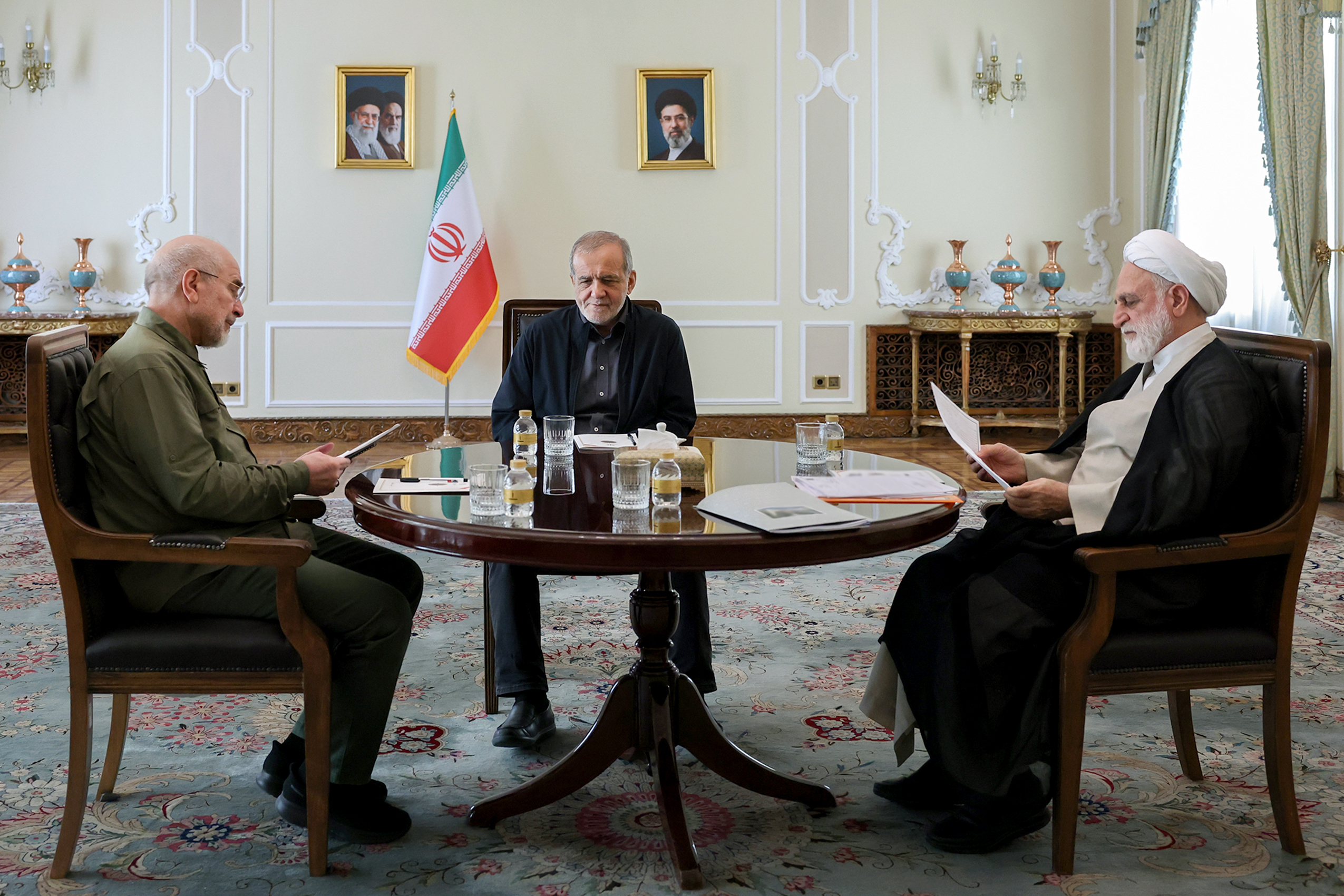
Mohsen Rezaei at the Helm of Iran’s Supreme National Security Council
Under Rezaei, the SNSC could prove constructive or paralyze strategic decision making.
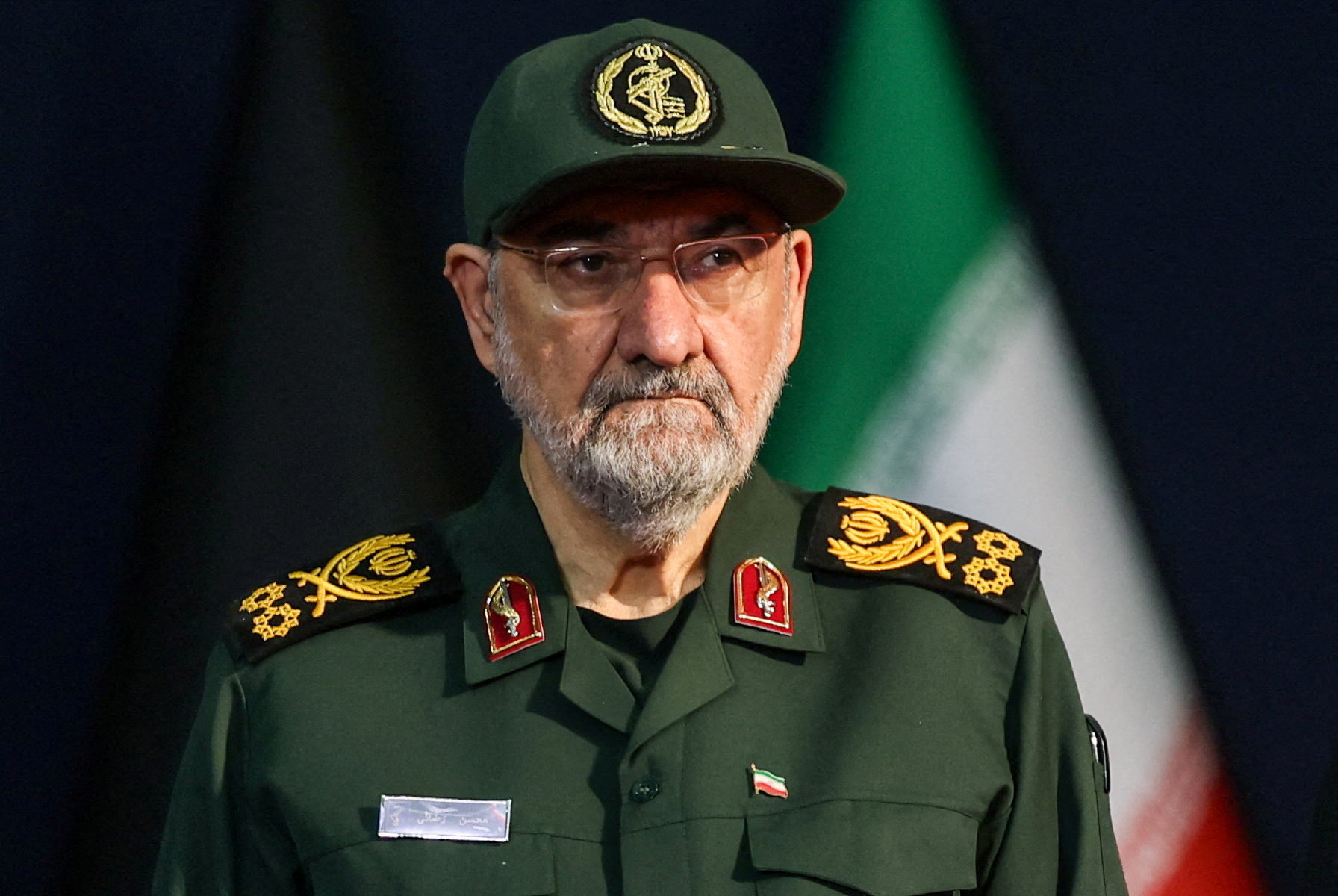
The Islamic Republic Returns to Offense
After U.S.-Israeli strikes killed Supreme Leader Ayatollah Ali Khamenei on February 28, Iran’s collective leadership has concluded that the best defense is a good offense.
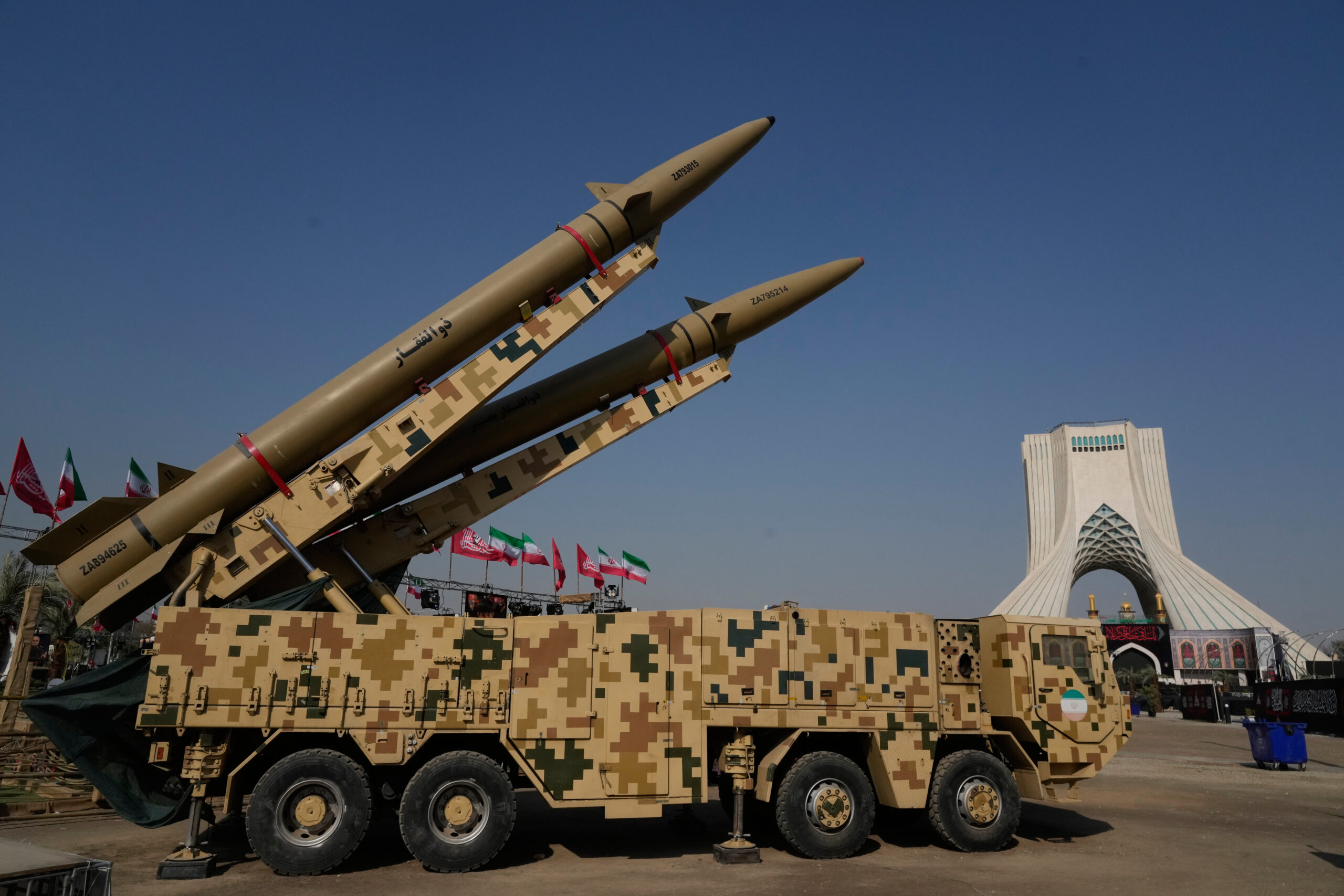
Iran’s Collective Strategic Decision Making
Wartime pressure has temporarily aligned the leadership’s overriding interest in regime survival, even as its members continue to differ over the costs, methods, and ultimate objectives of the war.
Events
Oct 6, 2026
Is the U.S.-Iran Stalemate a “New Normal” or the Prelude to Another Explosion?
On October 6, AGSI hosted a discussion on the U.S.-Iran stalemate and the prospects for a cease-fire.
Speakers



Book Talk: Iran and the Bomb: The United States, Iran and the Nuclear Question
On June 16, AGSI hosted a discussion on the evolution of Iran's nuclear program.
Speakers

Apr 21, 2026
Inside Iran’s Wartime Leadership: Power, Succession, and Regime Stability
On April 21, AGSI hosted a discussion on the evolution of Iran's leadership during the war.
Speakers

Mar 18, 2026
In Its Conflict With the United States and Israel, Does Escalation Favor Iran?
On March 18, AGSI hosted a discussion on the escalation of the Iran war.
Speakers