Sep 1, 2026
Decoding President Pezeshkian
The September 1 edition of the Iran Media Review analyzes an interview with Iranian President Masoud Pezeshkian.

An Islamic Republic of Iran Broadcasting interview with Iranian President Masoud Pezeshkian provides important insight into the Islamic Republic’s decision-making process. According to Pezeshkian, Supreme Leader Ayatollah Mojtaba Khamenei accepts policies supported by three-quarters of the Supreme National Security Council, suggesting that he acts based on a qualified majority rather than personally dictating every decision. As there has been no verifiable sign of life from Khamenei since February 28, it is possible to assume a three-quarters majority of the SNSC decides the regime’s policies.
The council of the heads of the three branches of government (the president, parliamentary speaker, and judiciary chief), however, remains the highest decision-making body, as suggested by Pezeshkian’s frequent references to it. Representatives of the Islamic Revolutionary Guard Corps and the regular military must necessarily also participate in this de facto collective leadership’s deliberations on national security. Pezeshkian further indicated that the IRGC and regular military formulate proposals – including the roadmap for reopening the Strait of Hormuz – and submit them to the supreme leader, underscoring the IRGC’s privileged position within the collective leadership.
Pezeshkian did not mention Israeli attacks on Lebanon as the cause of the collapse of the Islamabad memorandum of understanding between the United States and Iran. Rather, he claimed the agreement unraveled because the United States failed to respect its provisions concerning the Strait of Hormuz. Nevertheless, Iran now presents a formidable list of conditions for reopening the strait, including demands concerning Israeli conduct in Lebanon.
Pezeshkian’s vague response to a question about SNSC Secretary Mohsen Rezaei’s proposal to restructure Iranian diplomacy suggests that he did not know what the interviewer was referring to. Rezaei may already be pursuing his own agenda without consulting the president, although Pezeshkian is, for now, avoiding a confrontation. This may change if Rezaei openly challenges the collective leadership in its entirety.
Finally, Pezeshkian candidly acknowledged that there are no miraculous solutions to Iran’s economic problems, but he insisted that conditions would have been considerably worse without his government’s efforts.
- August 28: Iranian President Masoud Pezeshkian was interviewed by Islamic Republic of Iran Broadcasting, and the video was circulated by centrist Islamic State News Agency:
- Interviewer: “Under the present circumstances, are we, in your opinion, closer to war or peace?”
- Pezeshkian: “In the Supreme National Security Council … even before the Islamabad memorandum of understanding, we reached an understanding among ourselves. We, the honorable heads of the judiciary and the legislative branch and people from various Cabinet ministries … We reached a decision based on expertise. In doing so, we complied with our dear leader’s requirement that ‘if three-quarters of the members agree on a policy, we will also accept it.’ Out of 13 members, 12 voted in favor. Based on this collective knowledge, we reached the memorandum of understanding. In the view of analysts, we won. More than nine articles compel the counterpart to deliver. In two or three articles, we must jointly deliver. One article compels us to engage in further discussion, and this refers to the nuclear issue … They ended the blockade and sanctions, and the war in Lebanon was meant to stop. They were on the verge of unfreezing our assets … $300 billion worth of investments were on the agenda … and we were meant to open the Strait of Hormuz … But according to the article regarding the Strait of Hormuz, they were bound to abide by Iran’s arrangement. However, since they did not abide by it, the memorandum of understanding was disrupted. But now, as we are engaged in a process of negotiations, and a roadmap for the Strait of Hormuz has been presented to the dear leader by the Islamic Revolutionary Guard Corps and the military … We and the Omanis now agree on the map and navigation routes, so the strait can be opened … if the United States lives up to its obligations, meaning removing the blockade and sanctions on oil and petrochemicals, unfreezing our assets, and once again allowing foreign direct investment, and if they stop doing what they are doing in Lebanon.” If the United States “coerces Israel to remain committed to the framework” of the memorandum of understanding, “we will, naturally, open the Strait of Hormuz, based on the policy of the regime.”
- Interviewer: “The SNSC secretary has talked about the necessity of a new structure for the country’s diplomacy. Are any details available about the change in Iran’s diplomacy?”
- Pezeshkian: “It is correct that we must strengthen our diplomacy … At times, there are different voices, but with the emergence of brother Mohsen Rezaei, we are reaching a shared voice.”
- Interviewer: “What is your opinion on the gasoline situation, with long lines in front of gas stations?”
- Pezeshkian: “You see, we are at war. We must first recognize that we are at war. The path is blocked, and we are not importing products, one of them being gas. Our revenue has decreased … Even if there is no blockade, we need money to purchase gas … We are working on managing what we are producing … As I discussed at the meeting of the heads of the branches of government … we can only deliver what we produce. As for the rest, you tell me what to do! Regardless of what we do, some people may be dissatisfied, but we want to minimize dissatisfaction … The people are on the verge of the abyss, and if I pressure them, they may fall.”
- In reference to rumors about the removal of energy subsidies, the interviewer asked: “The Cabinet has announced, ‘We are not going to surprise the people when it comes to gas,’ but as is apparent from the long lines in front of gas stations, the people are behaving as if there will be a surprise … What are you planning to do?”
- Pezeshkian: “We want to reduce gas consumption … Millions of people live in the provinces but commute to Tehran for work. We want them to work remotely … We want public-sector employees to use the metro when coming to work once per week … We are planning to import more energy-efficient cars … and we know that our own automotive industry cannot deliver energy-efficient cars … The price of gas, beyond the subsidized minimum, will increase, but the magnitude is still under discussion.”
- Interviewer: “What are the prospects for negotiations and diplomacy?”
- Pezeshkian: “We will negotiate, but we don’t trust them … If they remain committed to the memorandum of understanding, so will we.”
- Interviewer: “These days, the U.S. treasury secretary is again talking about a ‘maximum pressure’ campaign. If the United States does not live up to its obligations, how long are we going to tolerate these conditions? How will we react?”
- Pezeshkian: “Our basis is the memorandum of understanding … If they remove the blockade, remove the sanctions, and unfreeze our assets, all as we agreed upon in the memorandum of understanding, we can engage in negotiations. But we should not expect them to live up to all those things 100% … Negotiation is better than not negotiating.” Addressing unnamed critics of the Cabinet and negotiations with the United States, Pezeshkian said: “There are those who are not involved in affairs and claim to be capable of solving the problems overnight. Well, come forward and accept responsibility. What is your plan? Of course, we have problems. The people’s livelihood is one. We ought to have increased the subsidies, and we are ashamed of not being capable of doing so.”
- Interviewer: “What is the situation with exports?”
- Pezeshkian: “A 25% to 35% reduction in exports … Those who claim sanctions have no impact on the country – well, let me just say one thing: A sound mind is a good thing to have … Our importers can no longer ship products into Iran and must circumvent the naval blockade. This increases prices in the Iranian market.”
- Interviewer: “What is the government doing to fight inflation?”
- Pezeshkian: “Everyone expected famine by now and not just inflation. Now, we only have inflation … A lot of work has been done by the government to avoid famine.”
The views represented herein are the author's or speaker's own and do not necessarily reflect the views of AGSI, its staff, or its board of directors.
Related
Iran Media Review
Aug 28, 2026
Iran Signals Interest in Reviving Hormuz Deal While Warning of Psychological Warfare
The August 28 edition of the Iran Media Review examines statements by Iranian officials suggesting openness to restarting negotiation with the United States and concern about domestic discontent.
Iran Media Review
Aug 25, 2026
Iran’s Central Bank Governor Seeks to Reassure Public of Economic Resilience
The August 25 edition of the Iran Media Review highlights Iran’s central bank governor’s response to U.S. Treasury Secretary Scott Bessent’s “economic D-Day” warning against Iran.
Iran Media Review
Aug 21, 2026
Qalibaf and Pezeshkian at Odds With the IRGC?
The August 21 edition of the Iran Media Review examines arguments from Iranian leaders for ending the war with the United States through negotiations rather than escalating.
Aug 28, 2026
Iran Signals Interest in Reviving Hormuz Deal While Warning of Psychological Warfare
The August 28 edition of the Iran Media Review examines statements by Iranian officials suggesting openness to restarting negotiation with the United States and concern about domestic discontent.
Aug 25, 2026
Iran’s Central Bank Governor Seeks to Reassure Public of Economic Resilience
The August 25 edition of the Iran Media Review highlights Iran’s central bank governor’s response to U.S. Treasury Secretary Scott Bessent’s “economic D-Day” warning against Iran.
Aug 21, 2026
Qalibaf and Pezeshkian at Odds With the IRGC?
The August 21 edition of the Iran Media Review examines arguments from Iranian leaders for ending the war with the United States through negotiations rather than escalating.
Analysis
Debating Policy in Public: Iranian Elites Turn to YouTube
Rival camps within the Islamic Republic are increasingly turning to YouTube for policy debate, but there is a limit to the regime’s tolerance for that debate.
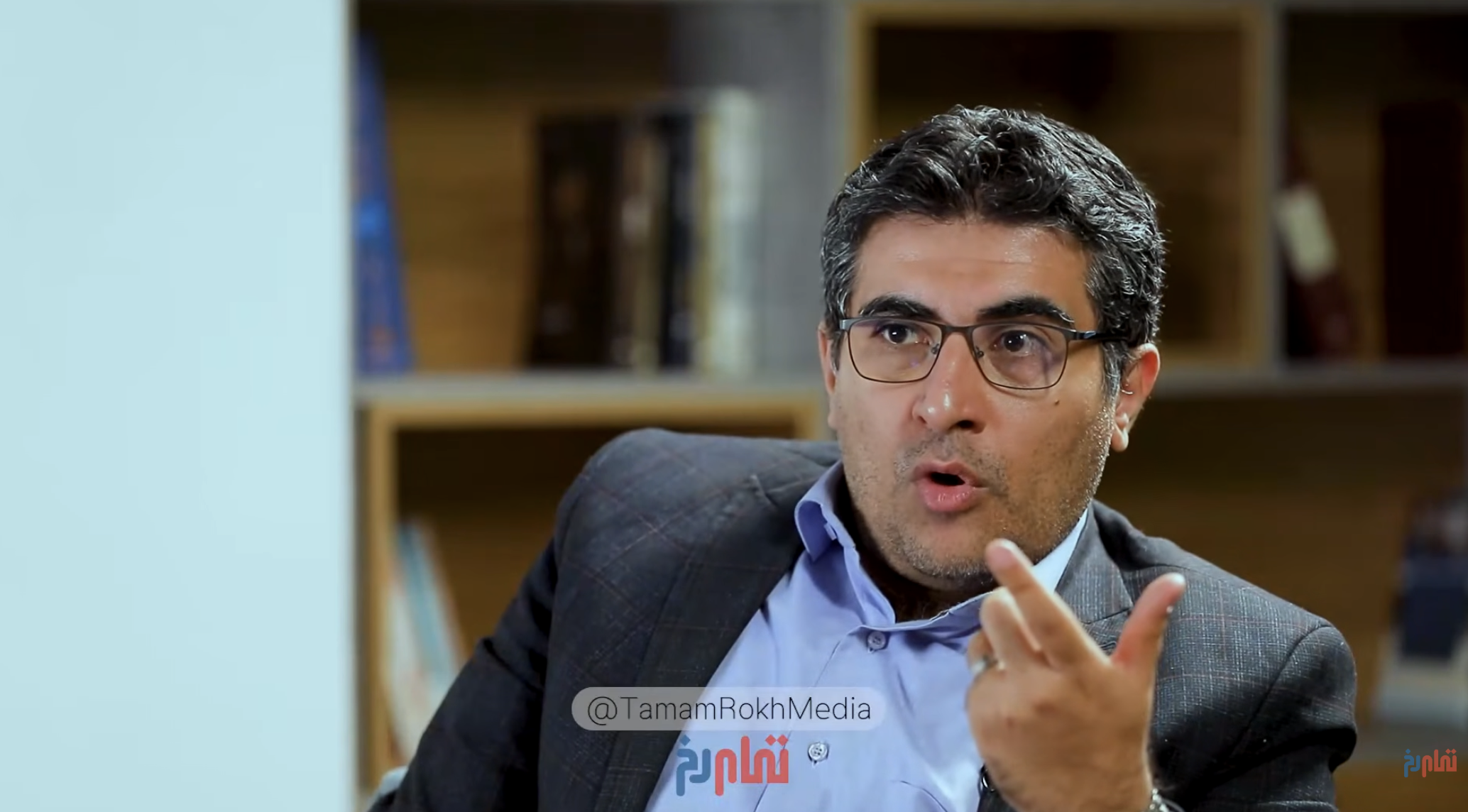
The Committee of Six and Strategic Decision Making in Iran
Remarks by Iran’s president offer a rare glimpse of how the Islamic Republic has adapted its decision making to the absence of its supreme leader.
Mohsen Rezaei at the Helm of Iran’s Supreme National Security Council
Under Rezaei, the SNSC could prove constructive or paralyze strategic decision making.
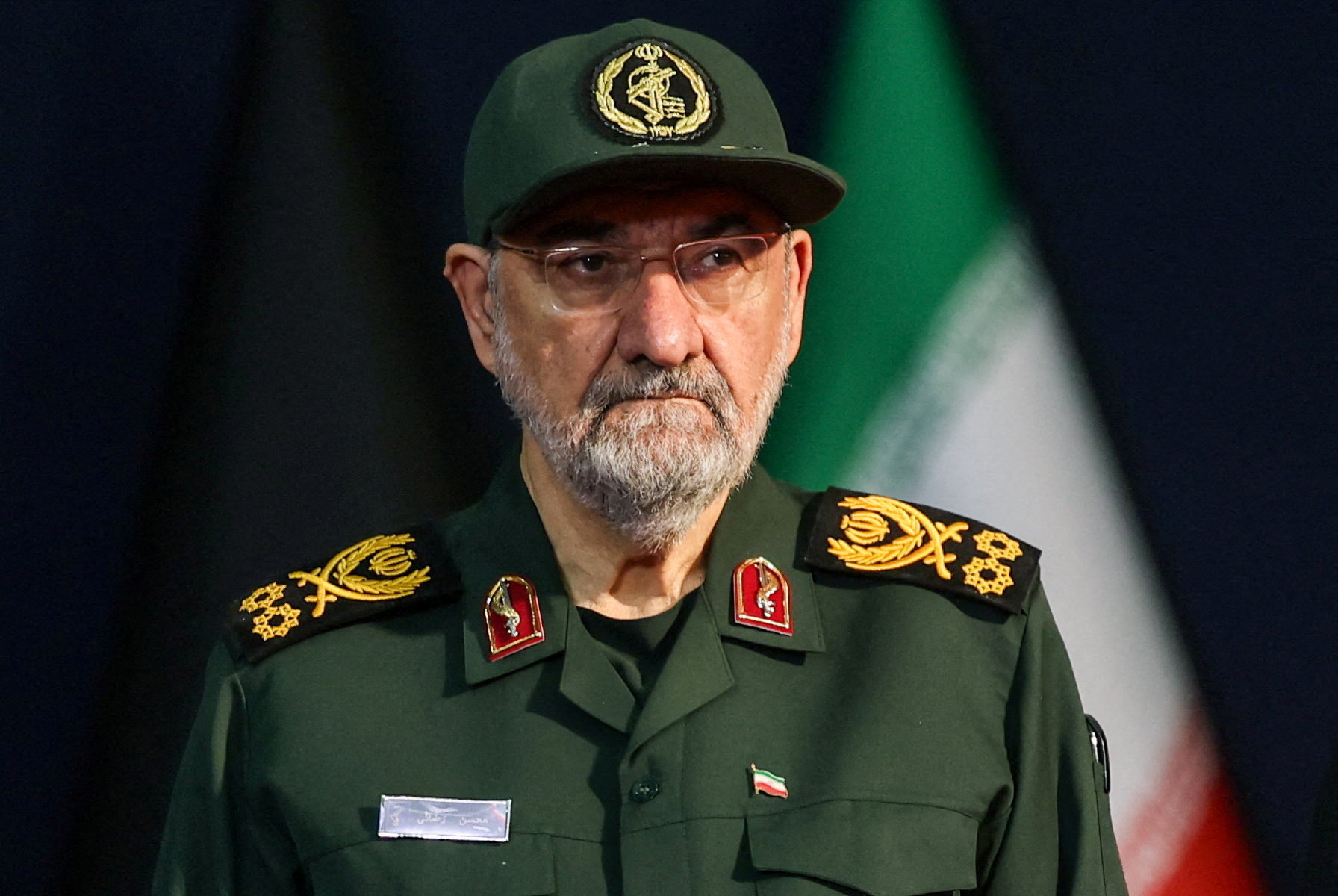
The Islamic Republic Returns to Offense
After U.S.-Israeli strikes killed Supreme Leader Ayatollah Ali Khamenei on February 28, Iran’s collective leadership has concluded that the best defense is a good offense.
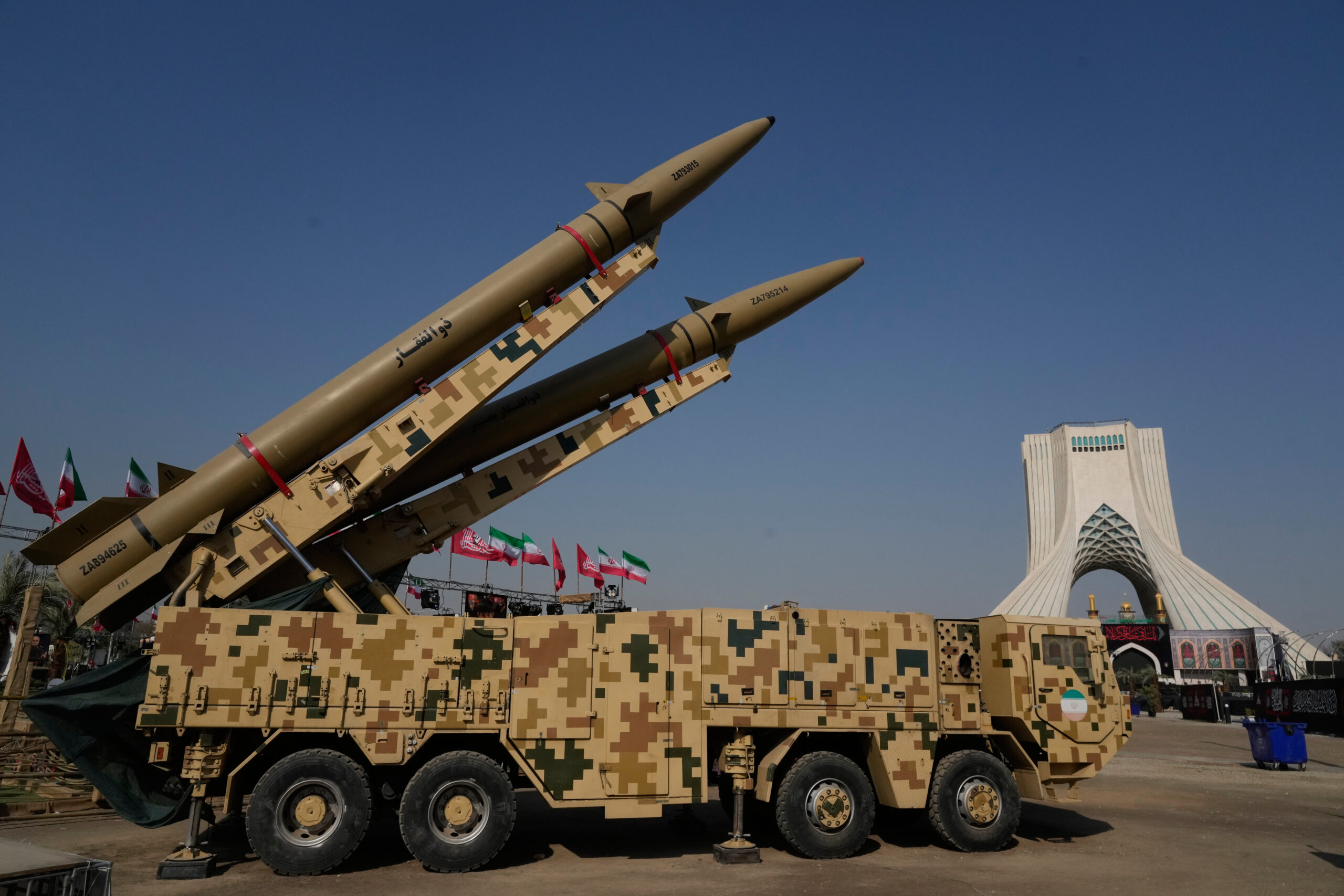
Events
Oct 6, 2026
Is the U.S.-Iran Stalemate a “New Normal” or the Prelude to Another Explosion?
On October 6, AGSI hosted a discussion on the U.S.-Iran stalemate and the prospects for a cease-fire.
Speakers



Book Talk: Iran and the Bomb: The United States, Iran and the Nuclear Question
On June 16, AGSI hosted a discussion on the evolution of Iran's nuclear program.
Speakers
Apr 21, 2026
Inside Iran’s Wartime Leadership: Power, Succession, and Regime Stability
On April 21, AGSI hosted a discussion on the evolution of Iran's leadership during the war.
Speakers

Mar 18, 2026
In Its Conflict With the United States and Israel, Does Escalation Favor Iran?
On March 18, AGSI hosted a discussion on the escalation of the Iran war.
Speakers