Aug 21, 2026
Qalibaf and Pezeshkian at Odds With the IRGC?
The August 21 edition of the Iran Media Review examines arguments from Iranian leaders for ending the war with the United States through negotiations rather than escalating.

Since the February 28 assassination of then Supreme Leader Ayatollah Ali Khamenei and the outbreak of the U.S.-Israeli war with Iran, some members of Iran’s collective leadership have begun to signal positions subtly different from that of the Islamic Revolutionary Guard Corps. Addressing a group of Iranian and Iraqi businesspeople at the Iranian Embassy in Baghdad August 20, Parliamentary Speaker Mohammad-Bagher Qalibaf warned that, regardless of how much military power Iran possesses, the regime cannot endure “if our people are hungry” and the country lacks financial activity, economic growth, and domestic production. President Masoud Pezeshkian went further in an August 21 address. Pezeshkian, a native Azeri speaker who often expresses himself imprecisely in Persian, has occasionally appeared to diverge from other members of the collective leadership. Before now, however, it was not always clear whether those differences reflected linguistic limitations or deliberate nuances intended to signal a distinct political position. His latest remarks leave far less room for ambiguity: Pezeshkian appears to believe that Iran should bring the war to an end while it can still claim to be negotiating from a position of strength. These statements place both Qalibaf and Pezeshkian, at least rhetorically, at odds with the IRGC, which appears determined to prolong the war at least until the United States holds its midterm elections.
- August 21: Addressing Iranian and Iraqi businessmen at the Iranian Embassy in Baghdad, Iraq, Parliamentary Speaker Mohammad-Bagher Qalibaf said, as reported by economic newspaper Donya-ye Eqtesad:
- “The Americans and Israelis have realized that they cannot overcome Iran and Iraq through conventional military warfare. They have therefore turned to cognitive and economic warfare, and you are now the soldiers and commanders on this battlefield.”
- “No matter how much military power we possess, we will not endure if our people are hungry and we lack financial activity, economic growth, and domestic production.”
- “For the economy to take off, it needs a foundation of security. If security is not established, capital will not flow in; investment therefore necessarily requires security. On the other hand, if we establish security but fail to sustain it through economic development, that security will not endure either.”
- August 21: Addressing the annual assembly of the Iranian medical community, Pezeshkian said, as quoted by the centrist Islamic State News Agency:
- “What was achieved in the negotiations was a major accomplishment. It was approved by the Supreme National Security Council in a spirit of unity and solidarity, and everyone on the council who was directly involved firmly defended it.”
- “Meanwhile, some people are sitting on the sidelines. Because they do not understand the circumstances facing the government, Parliament, and military commanders, they recklessly offer opinions and analyses. They themselves have endured none of the suffering or hardship, yet they complain about rising prices.”
- “They cannot find even a single clause in this agreement that suggests capitulation; all the obligations fall upon the other side.”
- “Of course, none of this means that we will surrender if they attempt to attack us. These are two separate matters. Under no circumstances will we bow to bullying, and there can be no doubt about that. We will stand against them until our last breath and deliver a crushing response.”
- Stating that the war must come to an end at some point, Pezeshkian said: “It is better to end the war today, while we are in a position of strength and dignity and the entire world acknowledges our victory. The world affirms that the United States, in violation of all laws and regulations, attacked our schools, hospitals, and infrastructure and has become reviled worldwide.”
The views represented herein are the author's or speaker's own and do not necessarily reflect the views of AGSI, its staff, or its board of directors.
Related
Iran Media Review
Aug 18, 2026
Qalibaf: The Strait of Hormuz Will Not Reopen
The August 18 edition of the Iran Media Review highlights a speech by Iran’s parliamentary speaker pledging not to reopen the Strait of Hormuz until the United States fulfills the conditions of the Islamabad memorandum of understanding.
Iran Media Review
Aug 14, 2026
Iran Has No Intention of Relinquishing the Strait of Hormuz
The August 14 edition of the Iran Media Review considers remarks made by the new Supreme National Security Council secretary on his first day in office.
Iran Media Review
Aug 11, 2026
Major General Mohsen Rezaei Appointed Supreme National Security Council Secretary
The August 11 edition of the Iran Media Review analyzes Iranian media responses to the appointment of a new Supreme National Security Council secretary.
Aug 18, 2026
Qalibaf: The Strait of Hormuz Will Not Reopen
The August 18 edition of the Iran Media Review highlights a speech by Iran’s parliamentary speaker pledging not to reopen the Strait of Hormuz until the United States fulfills the conditions of the Islamabad memorandum of understanding.
Aug 14, 2026
Iran Has No Intention of Relinquishing the Strait of Hormuz
The August 14 edition of the Iran Media Review considers remarks made by the new Supreme National Security Council secretary on his first day in office.
Aug 11, 2026
Major General Mohsen Rezaei Appointed Supreme National Security Council Secretary
The August 11 edition of the Iran Media Review analyzes Iranian media responses to the appointment of a new Supreme National Security Council secretary.
Analysis
The Islamic Republic Returns to Offense
After U.S.-Israeli strikes killed Supreme Leader Ayatollah Ali Khamenei on February 28, Iran’s collective leadership has concluded that the best defense is a good offense.
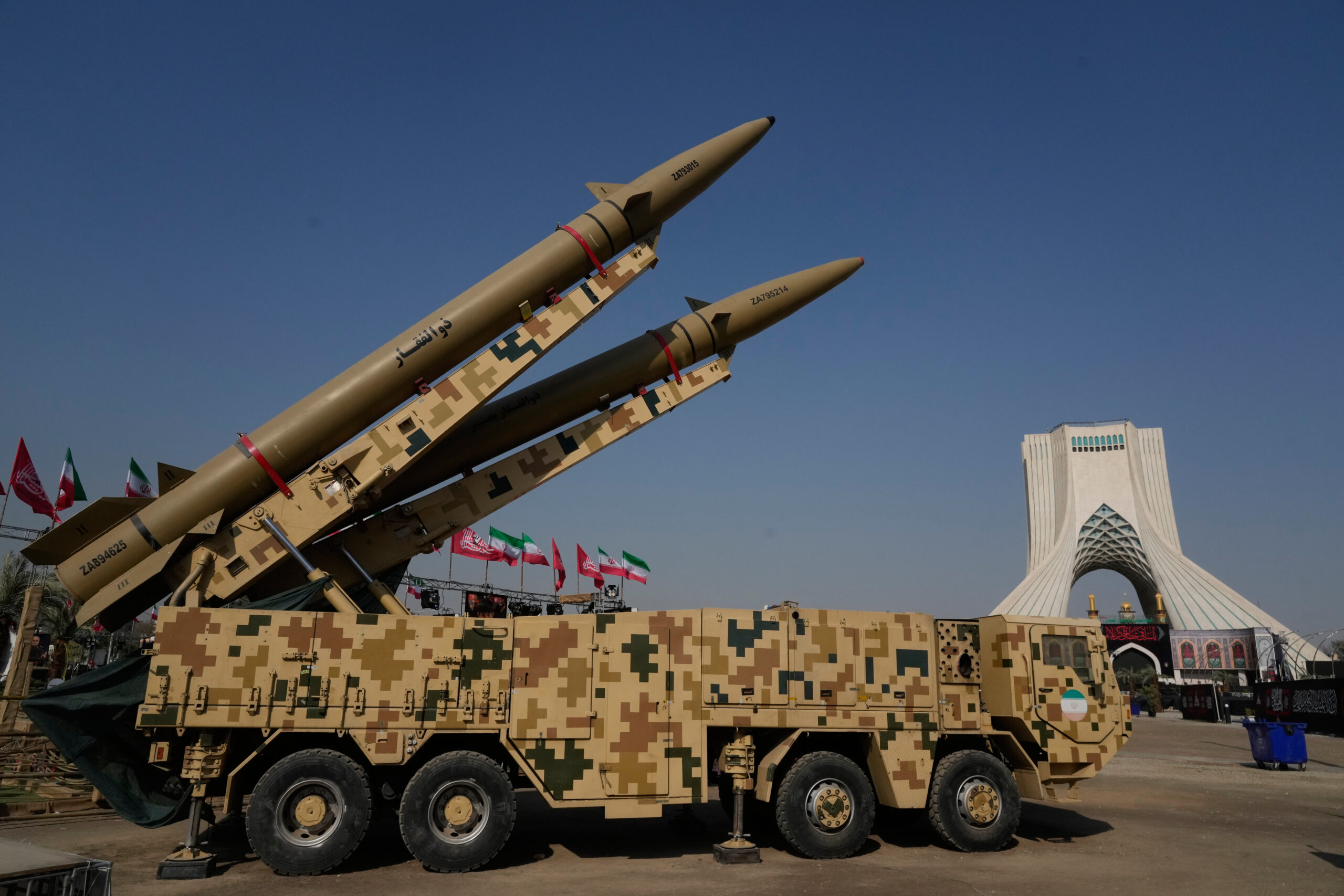
Iran’s Collective Strategic Decision Making
Wartime pressure has temporarily aligned the leadership’s overriding interest in regime survival, even as its members continue to differ over the costs, methods, and ultimate objectives of the war.
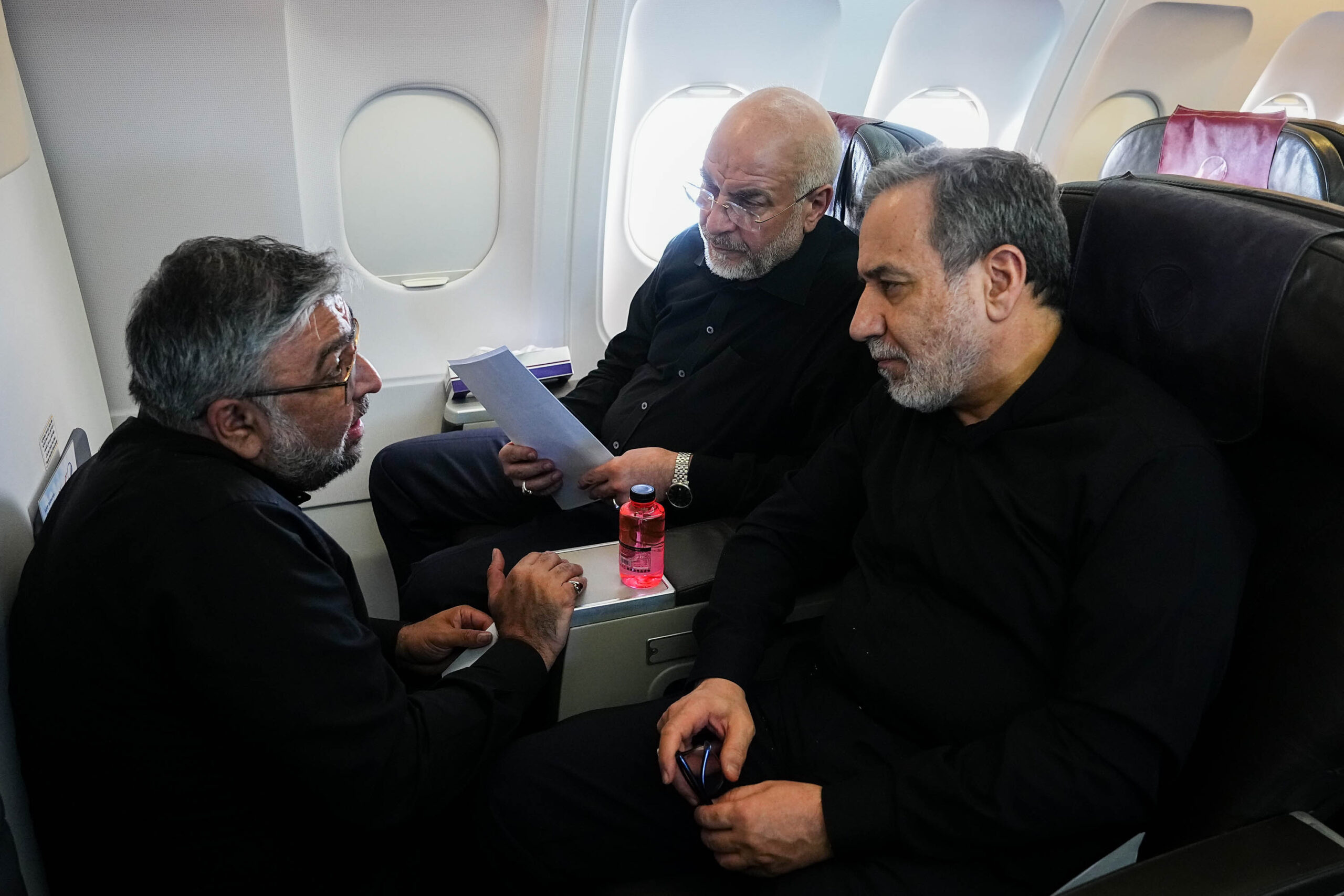
The Islamic Republic’s Collective Leadership
While there is historical precedent for collective leadership in Iran, today’s leadership includes representatives of the IRGC and regular military – a reflection of the IRGC’s expanding role and the necessities of governing under wartime conditions.
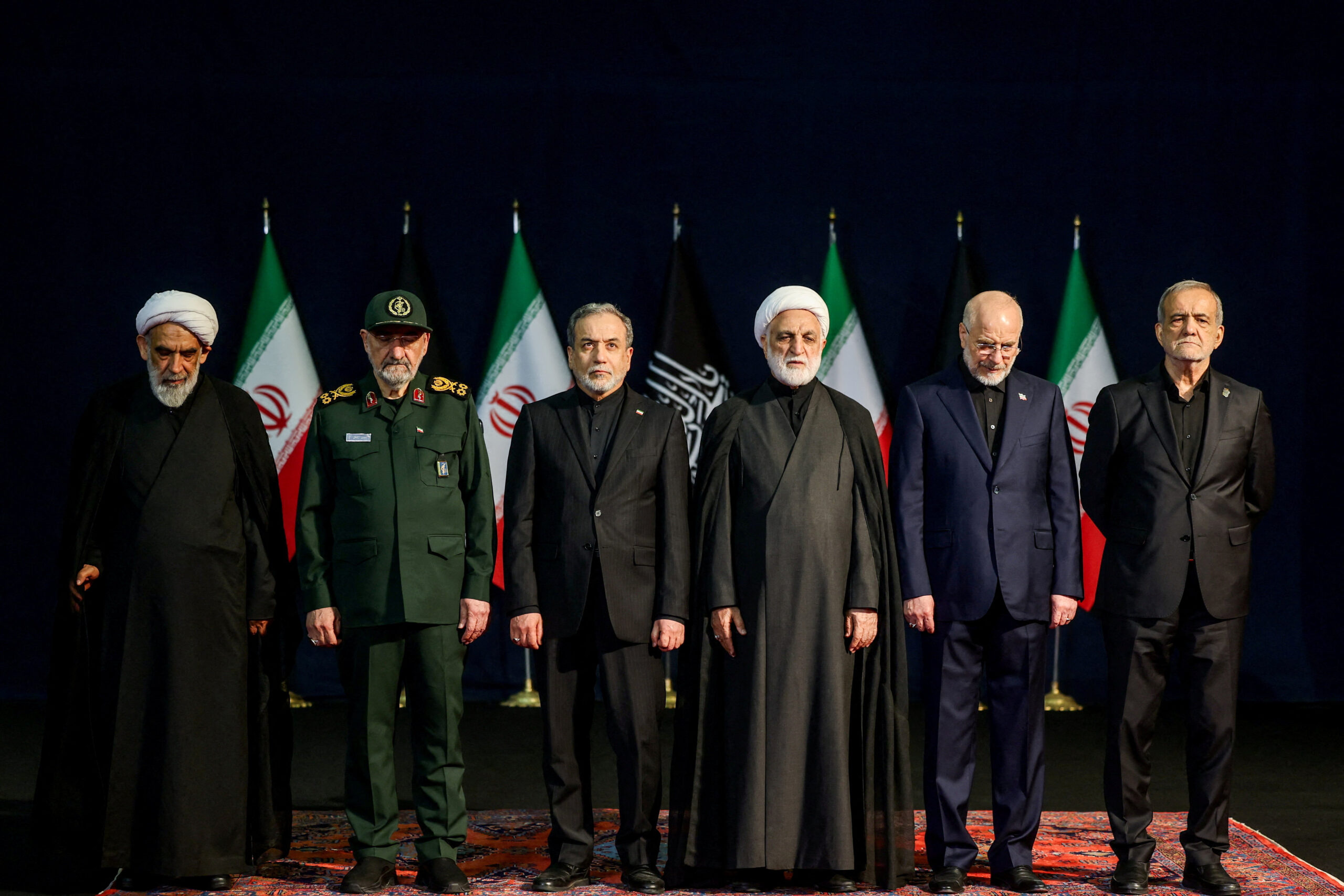
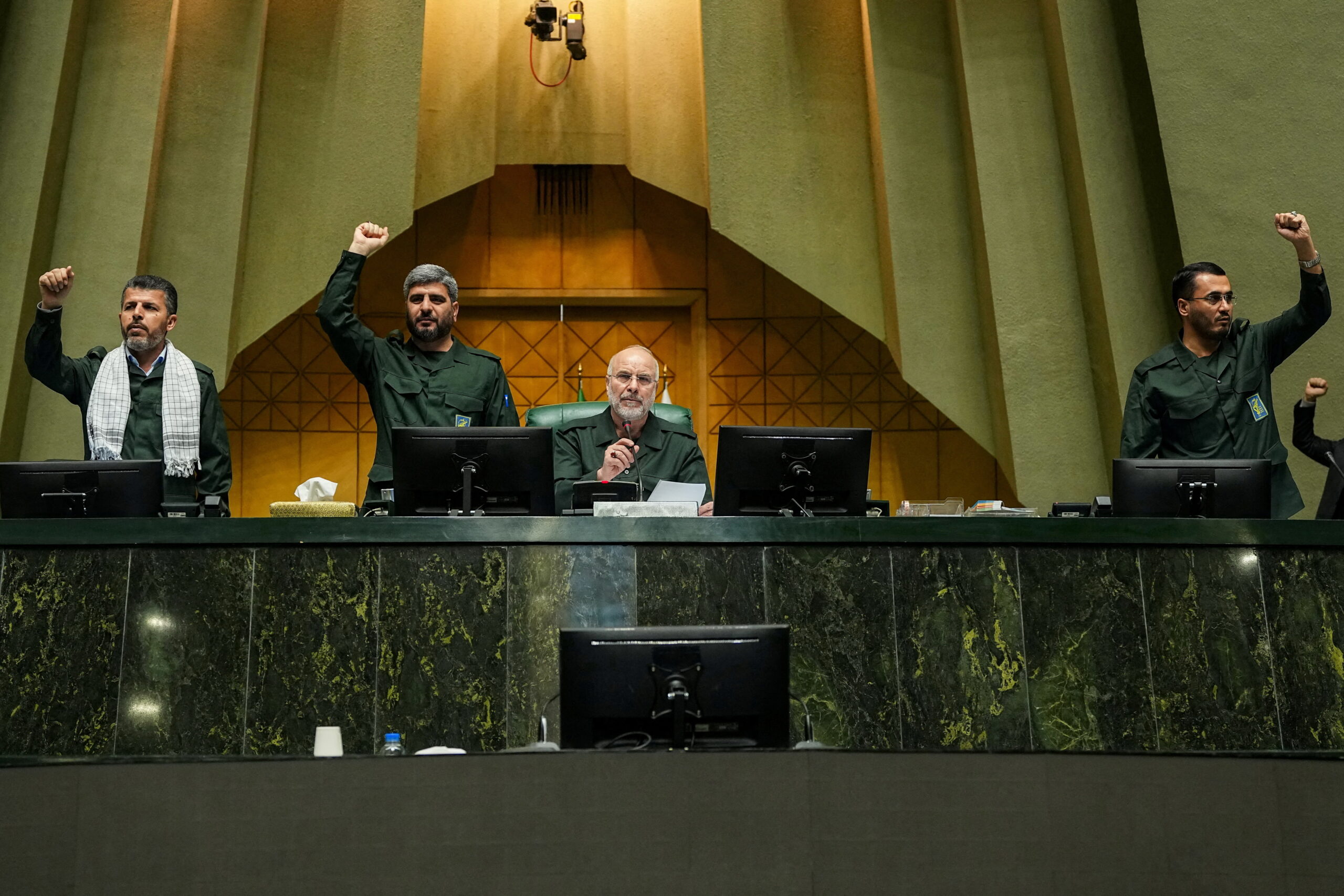
How Did the IRGC Seize Power in Iran?
The IRGC did not seize power in a single stroke. It accumulated it – patiently, methodically – until no counterweight remained.
Events
Oct 6, 2026
10:00am - 11:00am
Is the U.S.-Iran Stalemate a “New Normal” or the Prelude to Another Explosion?
On October 6, AGSI will host a discussion on the U.S.-Iran stalemate and the prospects for a cease-fire.
Speakers



Book Talk: Iran and the Bomb: The United States, Iran and the Nuclear Question
On June 16, AGSI hosted a discussion on the evolution of Iran's nuclear program.

Speakers

Apr 21, 2026
Inside Iran’s Wartime Leadership: Power, Succession, and Regime Stability
On April 21, AGSI hosted a discussion on the evolution of Iran's leadership during the war.

Speakers

Mar 18, 2026
In Its Conflict With the United States and Israel, Does Escalation Favor Iran?
On March 18, AGSI hosted a discussion on the escalation of the Iran war.
Speakers