Aug 14, 2026
Iran Has No Intention of Relinquishing the Strait of Hormuz
The August 14 edition of the Iran Media Review considers remarks made by the new Supreme National Security Council secretary on his first day in office.

On his first day as secretary of the Supreme National Security Council, Major General Mohsen Rezaei received the Chinese ambassador to Tehran. This move by itself was a signal. More consequential, however, were Rezaei’s remarks and the SNSC’s subsequent elaboration of them: Tehran is no longer treating the reopening of the Strait of Hormuz as a discrete issue to be resolved through limited technical arrangements or concessions. Instead, it is seeking to make the strait its principal source of leverage in negotiations over ending the war, recovering Iran’s frozen assets, lifting the blockade, and halting conflicts elsewhere in the region. Iran intends to retain control over passage through the Strait of Hormuz until the United States accepts a much broader settlement on Tehran’s terms. However, even in the unlikely event that Washington accommodates all of Tehran’s demands, there is no guarantee that Iran will not disrupt passage through the Strait of Hormuz in the future.
- August 11: On his first day as Supreme National Security Council secretary, Major General Mohsen Rezaei received the Chinese ambassador to Tehran and said, as quoted by Islamic Revolutionary Guard Corps-affiliated Mashregh News Agency:
-
- “The Strait of Hormuz will not reopen until the United States changes its behavior and accepts Iran’s conditions … The United States must end the war, release Iran’s frozen funds, and bring the wars throughout the region – including in Lebanon and Gaza – to an end … These and other conditions have been conveyed to the United States through intermediaries … If Iran and Oman reach an agreement on a shipping route through the Strait of Hormuz, that agreement will be separate from the broader closure of the strait.”
- August 12: Analyzing Rezaei’s statements, SNSC mouthpiece Nour News Agency wrote:
-
- “The recent remarks by the new SNSC secretary – particularly those made on his first day in office during a meeting with the Chinese ambassador – indicate that the Strait of Hormuz is becoming one of the central issues in the political negotiations aimed at ending the war.”
-
- “Until now, the negotiations over Hormuz have focused on a technical and operational question: By what mechanism and under what conditions would ships be permitted to pass? The understandings reached during talks between Iran and Oman were also largely framed in these terms. However, the new SNSC secretary’s position suggests that, from Tehran’s perspective, a technical agreement on shipping lanes and traffic management does not necessarily mean that the strait will reopen. There remains a gap between an ‘understanding on a framework for managing Hormuz’ and a ‘political decision to reopen it’ – a gap that must be bridged by genuine changes in U.S. behavior.”
-
- “This shift sends a clear message to Washington: The Strait of Hormuz will not be reopened in exchange for a limited, temporary concession. If ending the war, lifting the blockade, releasing Iran’s assets, and halting the fighting on other regional fronts are among Tehran’s conditions, Hormuz will cease to be a standalone issue in the negotiations and become part of a broader package for resolving the crisis. In other words, Iran is seeking to shift the equation from ‘Hormuz in exchange for lifting the blockade’ to ‘a change in U.S. behavior in exchange for a change in the status of Hormuz.’”
The views represented herein are the author's or speaker's own and do not necessarily reflect the views of AGSI, its staff, or its board of directors.
Related
Iran Media Review
Aug 11, 2026
Major General Mohsen Rezaei Appointed Supreme National Security Council Secretary
The August 11 edition of the Iran Media Review analyzes Iranian media responses to the appointment of a new Supreme National Security Council secretary.
Iran Media Review
Aug 7, 2026
The Hidden Ayatollah Denies Seeking the President’s Dismissal
The August 7 edition of the Iran Media Review examines an Iranian newspaper debunking an official’s claim to have the ear of Supreme Leader Ayatollah Mojtaba Khamenei.
Iran Media Review
Aug 4, 2026
The IRGC Warns of the “End of Calm at Aramco”
The August 4 edition of the Iran Media Review highlights Iranian media responses to Saudi strikes in Iraq and Houthi attacks on Saudi Arabia.
Aug 11, 2026
Major General Mohsen Rezaei Appointed Supreme National Security Council Secretary
The August 11 edition of the Iran Media Review analyzes Iranian media responses to the appointment of a new Supreme National Security Council secretary.
Aug 7, 2026
The Hidden Ayatollah Denies Seeking the President’s Dismissal
The August 7 edition of the Iran Media Review examines an Iranian newspaper debunking an official’s claim to have the ear of Supreme Leader Ayatollah Mojtaba Khamenei.
Aug 4, 2026
The IRGC Warns of the “End of Calm at Aramco”
The August 4 edition of the Iran Media Review highlights Iranian media responses to Saudi strikes in Iraq and Houthi attacks on Saudi Arabia.
Analysis
The Islamic Republic Returns to Offense
After U.S.-Israeli strikes killed Supreme Leader Ayatollah Ali Khamenei on February 28, Iran’s collective leadership has concluded that the best defense is a good offense.
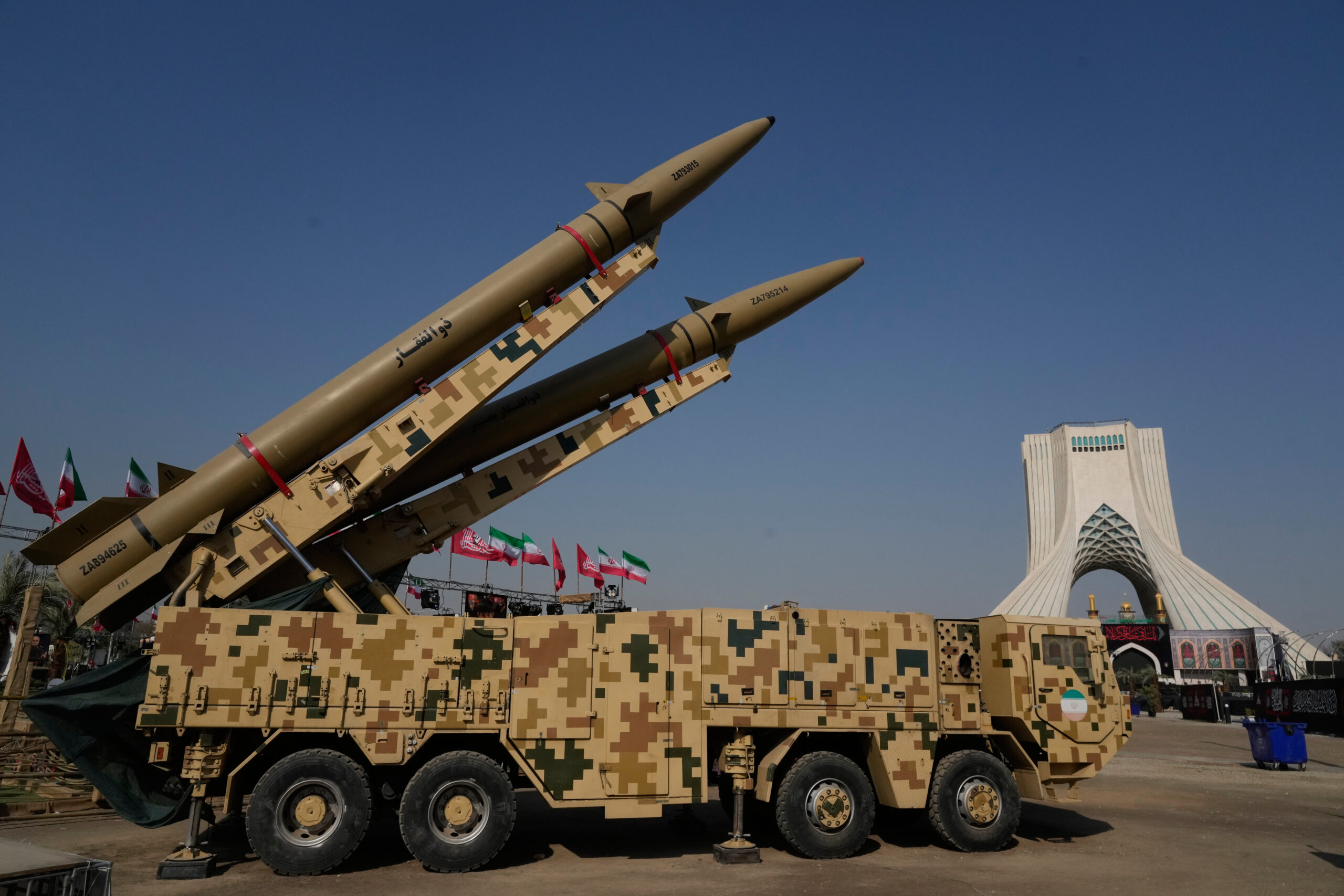
Iran’s Collective Strategic Decision Making
Wartime pressure has temporarily aligned the leadership’s overriding interest in regime survival, even as its members continue to differ over the costs, methods, and ultimate objectives of the war.
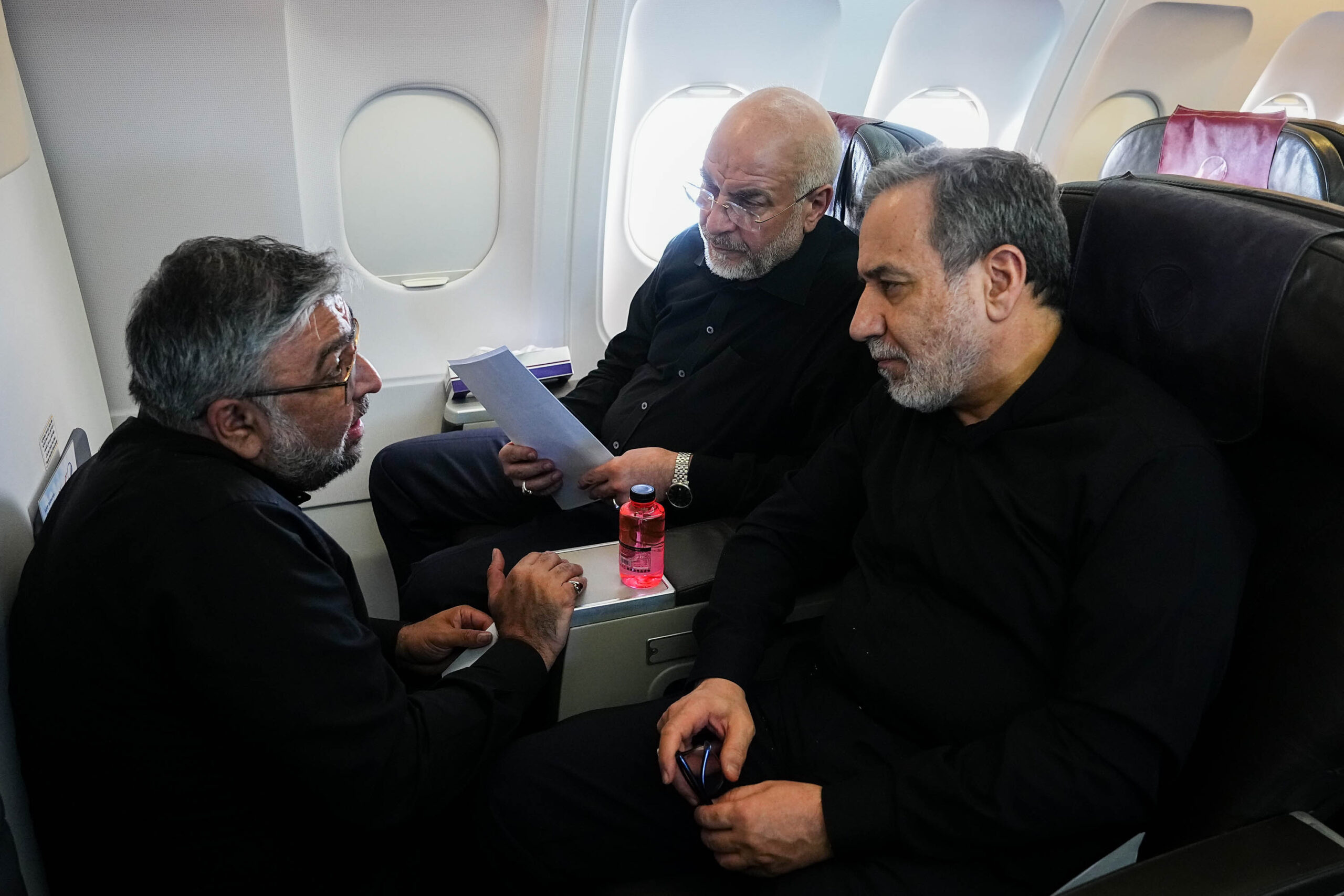
The Islamic Republic’s Collective Leadership
While there is historical precedent for collective leadership in Iran, today’s leadership includes representatives of the IRGC and regular military – a reflection of the IRGC’s expanding role and the necessities of governing under wartime conditions.
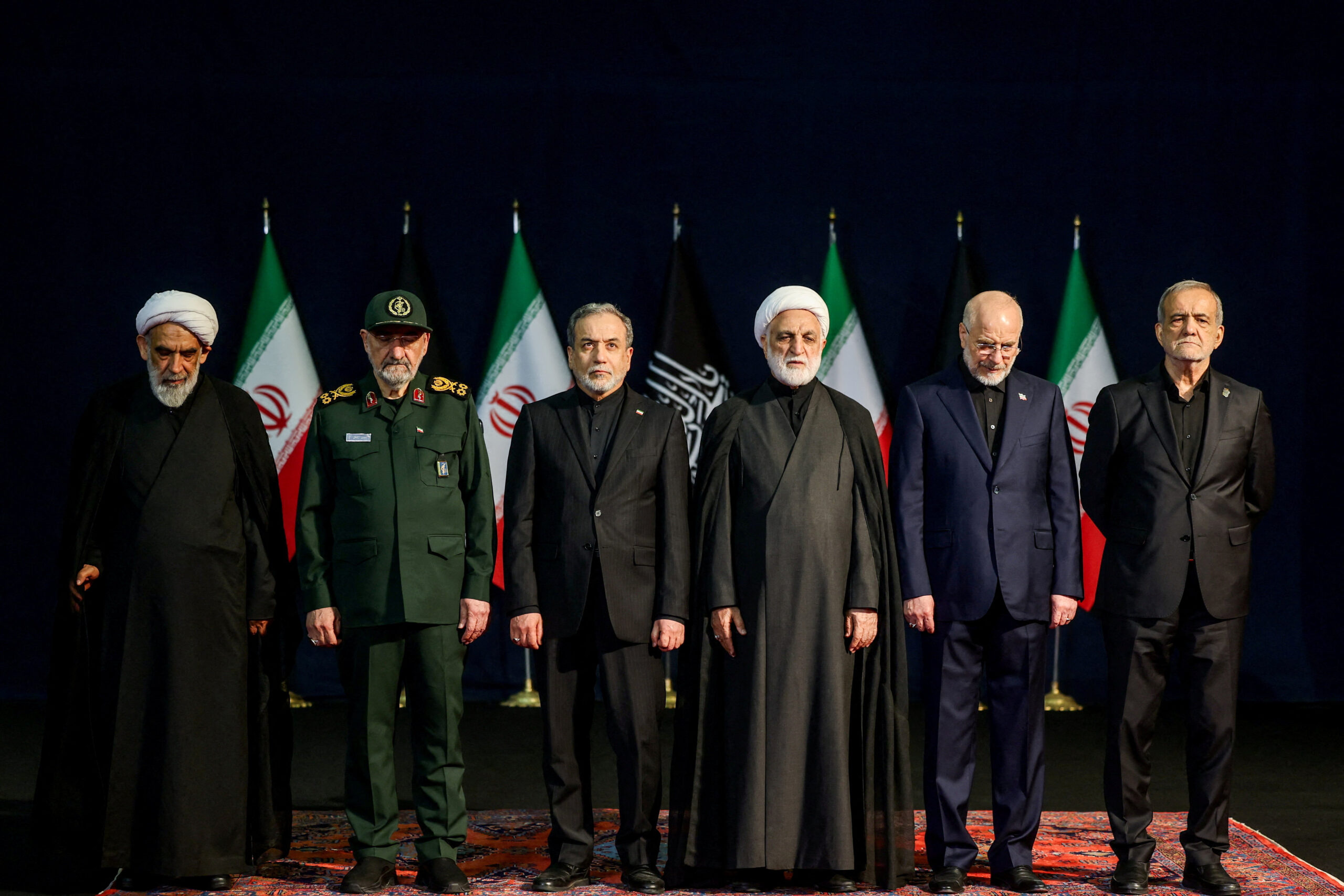
How Did the IRGC Seize Power in Iran?
The IRGC did not seize power in a single stroke. It accumulated it – patiently, methodically – until no counterweight remained.
Events
Oct 6, 2026
10:00am - 11:00am
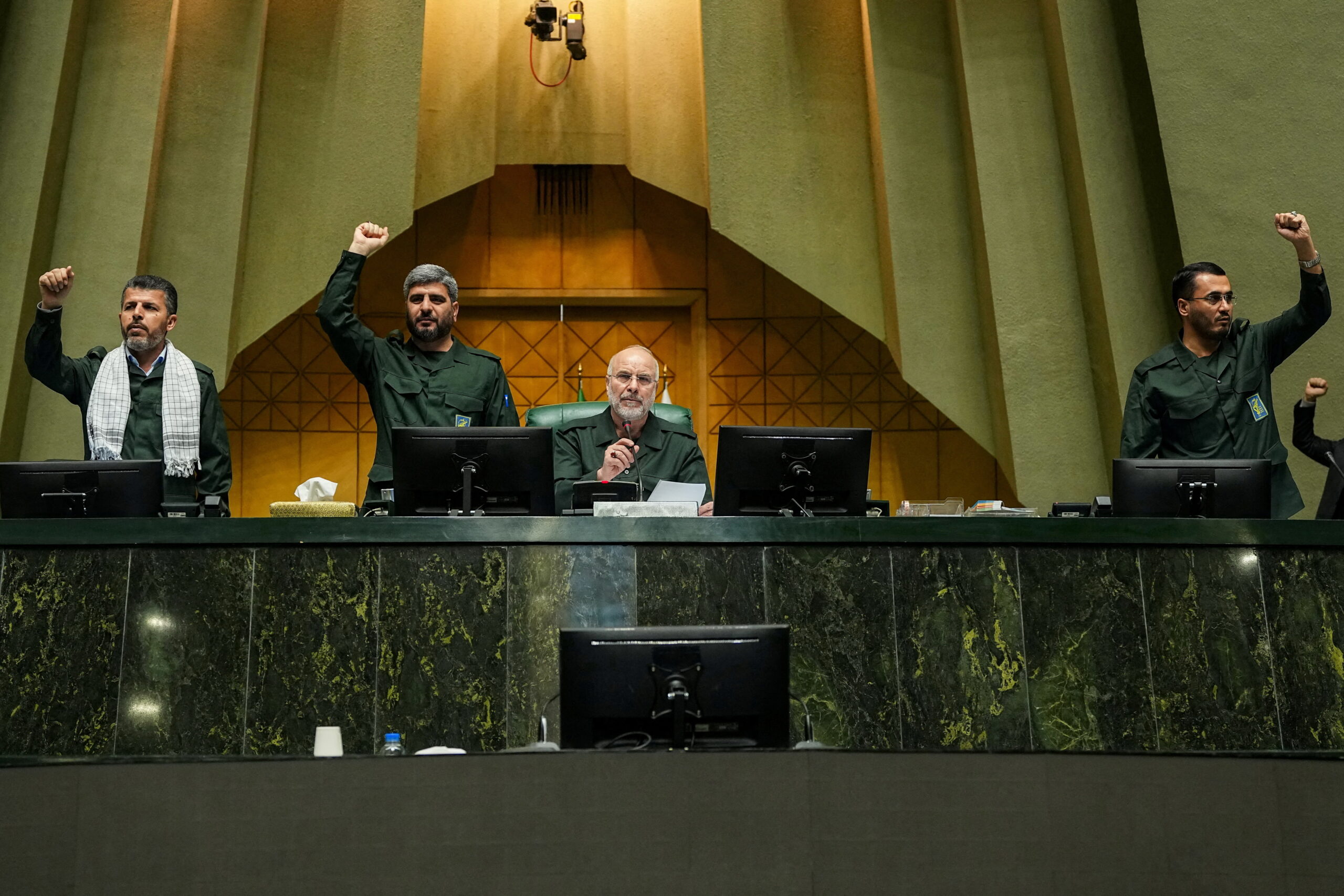
Is the U.S.-Iran Stalemate a “New Normal” or the Prelude to Another Explosion?
On October 6, AGSI will host a discussion on the U.S.-Iran stalemate and the prospects for a cease-fire.
Speakers



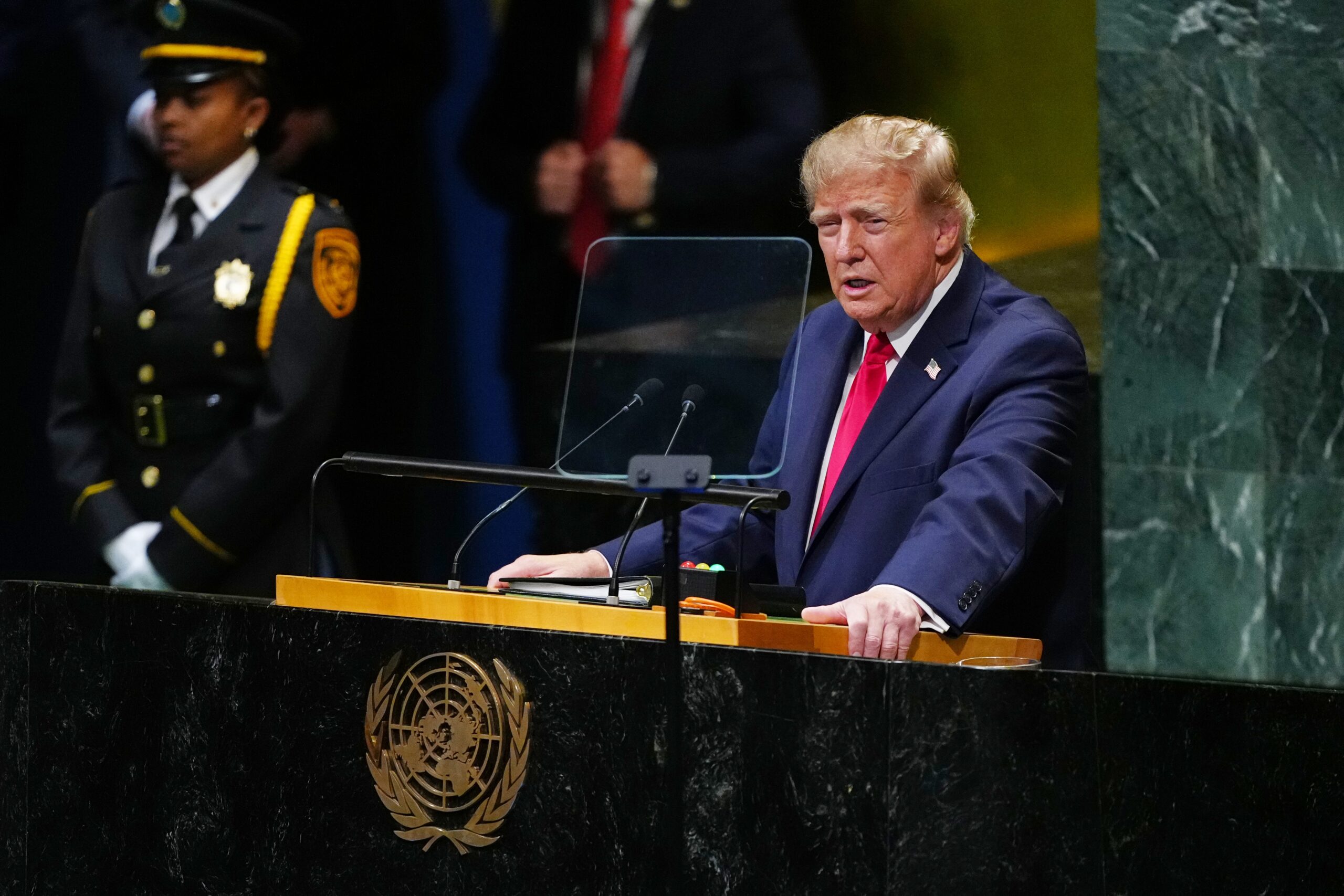
Book Talk: Iran and the Bomb: The United States, Iran and the Nuclear Question
On June 16, AGSI hosted a discussion on the evolution of Iran's nuclear program.
Speakers
Apr 21, 2026
Inside Iran’s Wartime Leadership: Power, Succession, and Regime Stability
On April 21, AGSI hosted a discussion on the evolution of Iran's leadership during the war.
Speakers

Mar 18, 2026
In Its Conflict With the United States and Israel, Does Escalation Favor Iran?
On March 18, AGSI hosted a discussion on the escalation of the Iran war.
Speakers