Aug 25, 2026
Iran’s Central Bank Governor Seeks to Reassure Public of Economic Resilience
The August 25 edition of the Iran Media Review highlights Iran’s central bank governor’s response to U.S. Treasury Secretary Scott Bessent’s “economic D-Day” warning against Iran.
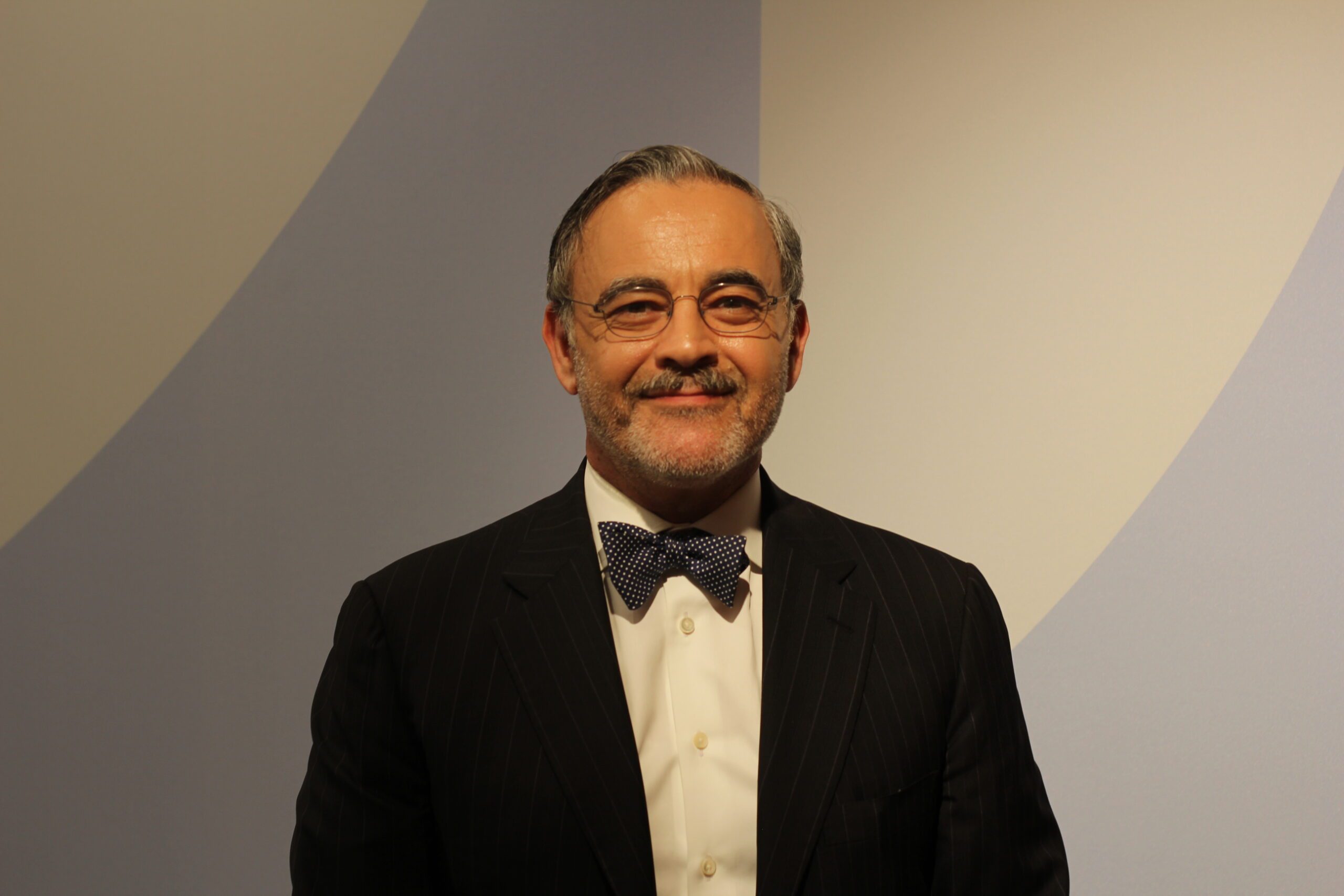
As U.S. Treasury Secretary Scott Bessent issued his “economic D-Day” warning to third countries against assisting Iran, Central Bank of Iran Governor Abdolnasser Hemmati sought to reassure the public about the country’s economic resilience. His assurances, however, appear to have failed to persuade the markets, as the rial continued to depreciate against the dollar.
- August 24: Central Bank of Iran Governor Abdolnasser Hemmati responded to comments from the U.S. secretary of the Treasury, in remarks reported by Tabnak News Agency, which is affiliated with Supreme National Security Council Secretary Mohsen Rezaei:
- “The U.S. Treasury secretary is merely blustering. There is nothing they have not already done, and their threats are ineffective … They have already done everything they possibly could. Their latest claims contain no new restrictions or pressures capable of bringing about our collapse.”
- Illustrating the scale of the foreign-currency constraints at the time, Hemmati recalled the government’s oil and gas revenue from March 2020 to March 2021: “The government’s total oil and gas revenue amounted to $7 billion. We stood firm under those conditions, when Trump was in office, and made it through. We will get through the present circumstances as well … Today, our enemies say they intend to impose 100% sanctions. We ask them: What is left that you have not already done?”
- Emphasizing the measures taken to manage Iran’s foreign-currency resources, the central bank governor said: “We have not been sitting idle either. Thanks to the planning that has been carried out, we have no difficulty supplying foreign currency. We can provide entrepreneurs with as much foreign-currency cash as they require … American pressure cannot continue indefinitely. I can tell you with confidence that they need these circumstances to end more than we do.”
- Addressing the further collapse of the rial against the dollar, Hemmati said: “I believe this is temporary. We should not alter the course of our foreign-exchange policies because of short-term fluctuations. I am optimistic about the economy’s future and believe that many of the existing problems can be resolved. Since the beginning of the year, we have supplied an average $175 million in foreign currency per day.”
The views represented herein are the author's or speaker's own and do not necessarily reflect the views of AGSI, its staff, or its board of directors.
Related
Iran Media Review
Aug 21, 2026
Qalibaf and Pezeshkian at Odds With the IRGC?
The August 21 edition of the Iran Media Review examines arguments from Iranian leaders for ending the war with the United States through negotiations rather than escalating.
Iran Media Review
Aug 18, 2026
Qalibaf: The Strait of Hormuz Will Not Reopen
The August 18 edition of the Iran Media Review highlights a speech by Iran’s parliamentary speaker pledging not to reopen the Strait of Hormuz until the United States fulfills the conditions of the Islamabad memorandum of understanding.
Iran Media Review
Aug 14, 2026
Iran Has No Intention of Relinquishing the Strait of Hormuz
The August 14 edition of the Iran Media Review considers remarks made by the new Supreme National Security Council secretary on his first day in office.
Aug 21, 2026
Qalibaf and Pezeshkian at Odds With the IRGC?
The August 21 edition of the Iran Media Review examines arguments from Iranian leaders for ending the war with the United States through negotiations rather than escalating.
Aug 18, 2026
Qalibaf: The Strait of Hormuz Will Not Reopen
The August 18 edition of the Iran Media Review highlights a speech by Iran’s parliamentary speaker pledging not to reopen the Strait of Hormuz until the United States fulfills the conditions of the Islamabad memorandum of understanding.
Aug 14, 2026
Iran Has No Intention of Relinquishing the Strait of Hormuz
The August 14 edition of the Iran Media Review considers remarks made by the new Supreme National Security Council secretary on his first day in office.
Analysis
Debating Policy in Public: Iranian Elites Turn to YouTube
Rival camps within the Islamic Republic are increasingly turning to YouTube for policy debate, but there is a limit to the regime’s tolerance for that debate.
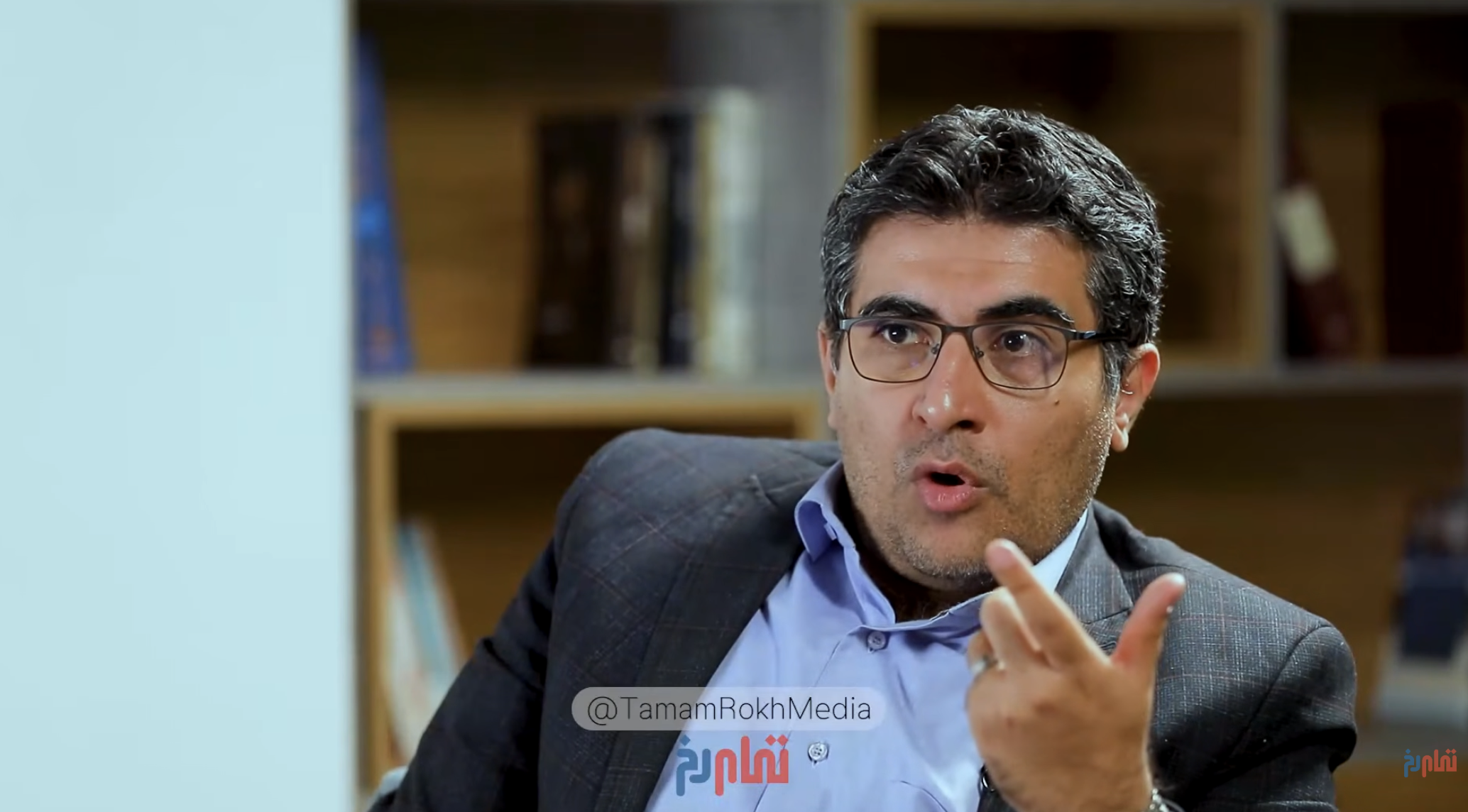
The Committee of Six and Strategic Decision Making in Iran
Remarks by Iran’s president offer a rare glimpse of how the Islamic Republic has adapted its decision making to the absence of its supreme leader.
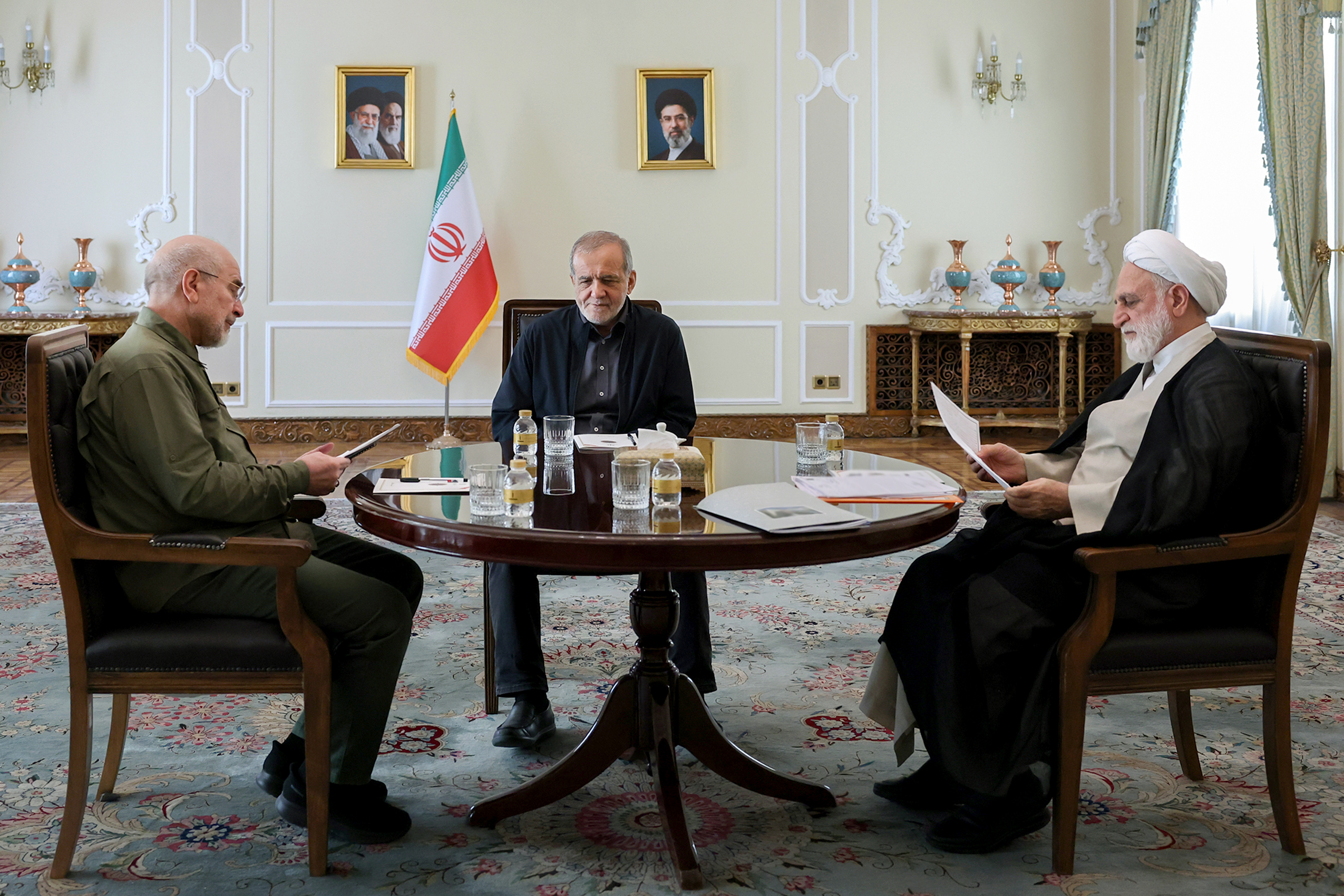
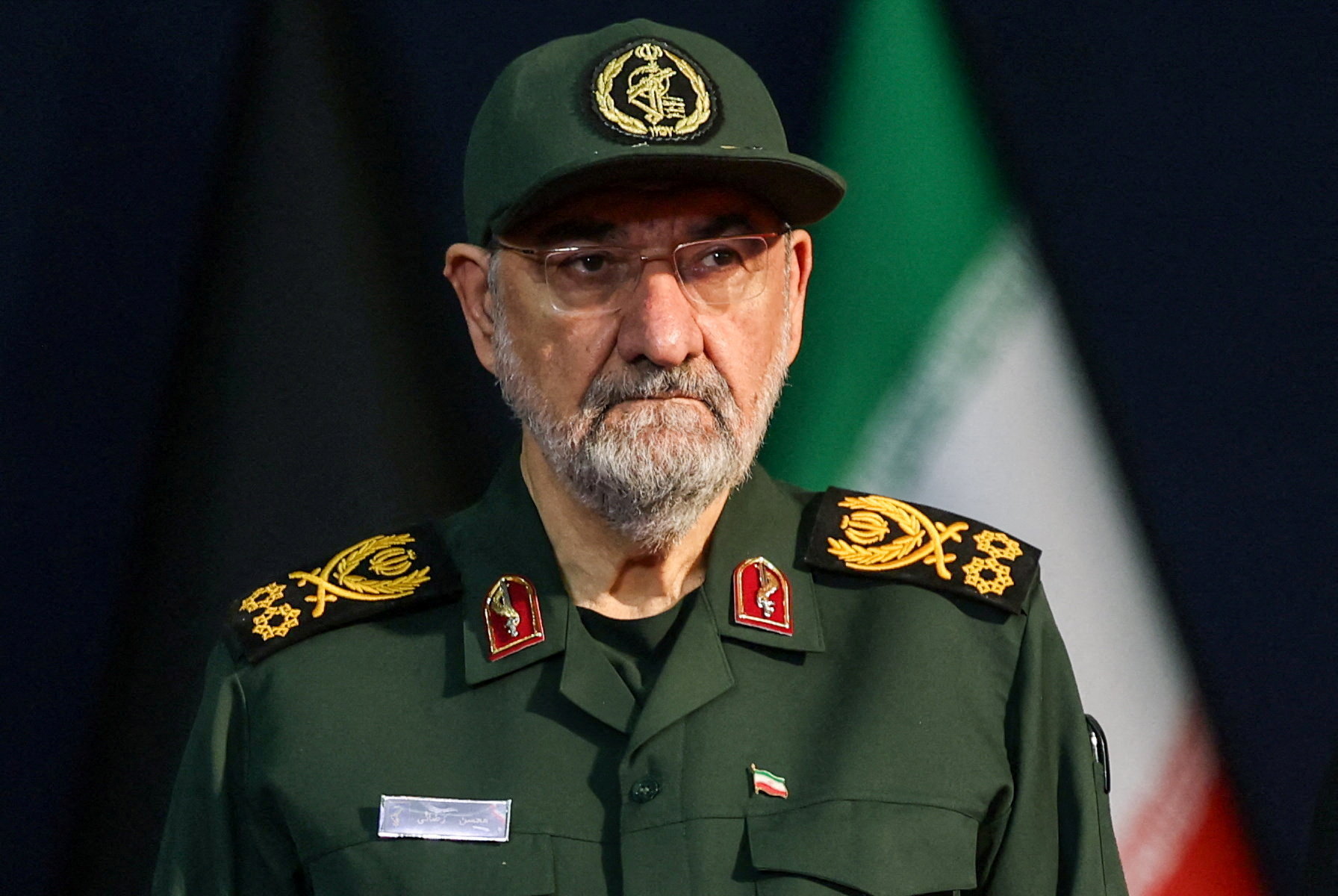
Mohsen Rezaei at the Helm of Iran’s Supreme National Security Council
Under Rezaei, the SNSC could prove constructive or paralyze strategic decision making.
The Islamic Republic Returns to Offense
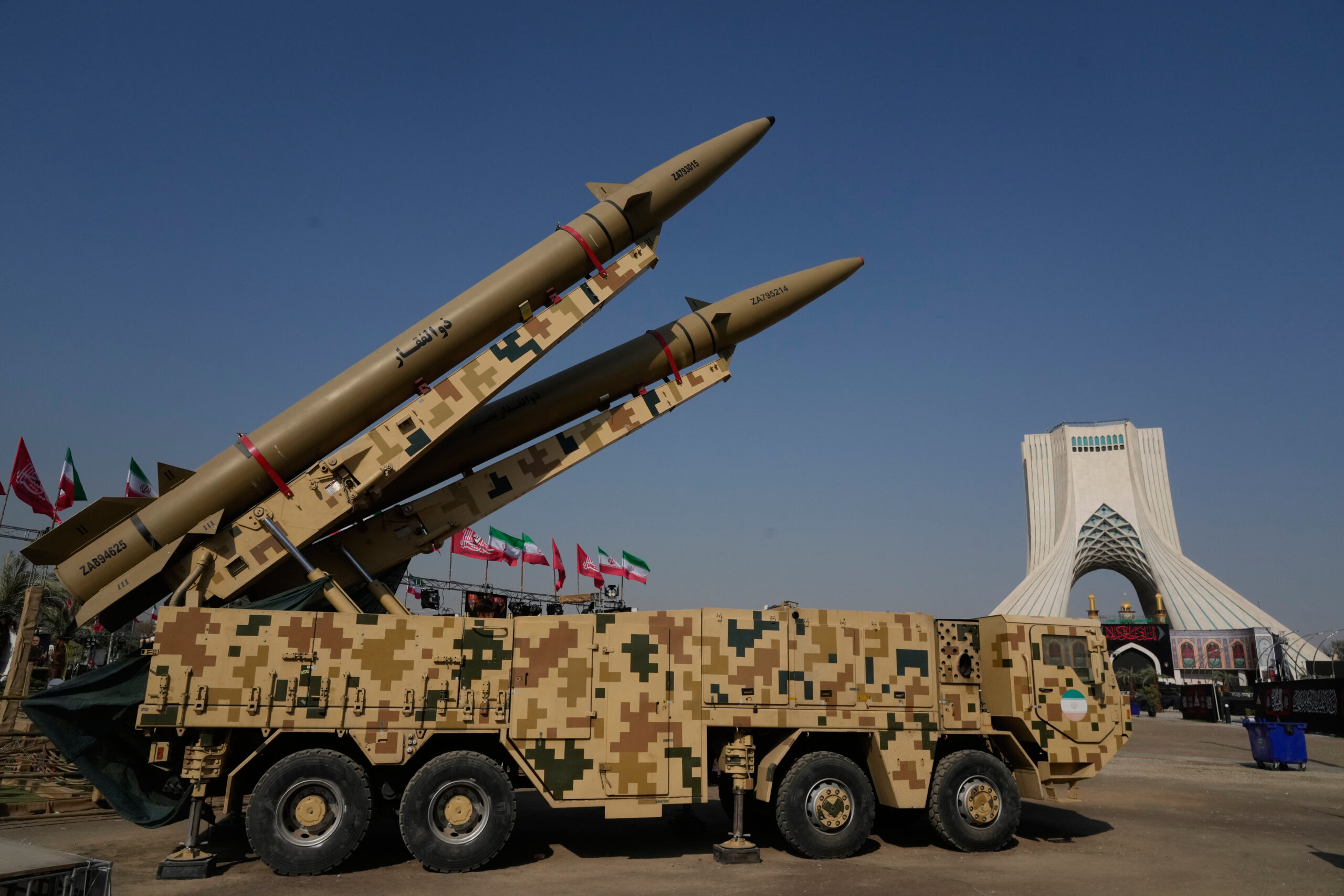
After U.S.-Israeli strikes killed Supreme Leader Ayatollah Ali Khamenei on February 28, Iran’s collective leadership has concluded that the best defense is a good offense.
Events
Oct 6, 2026
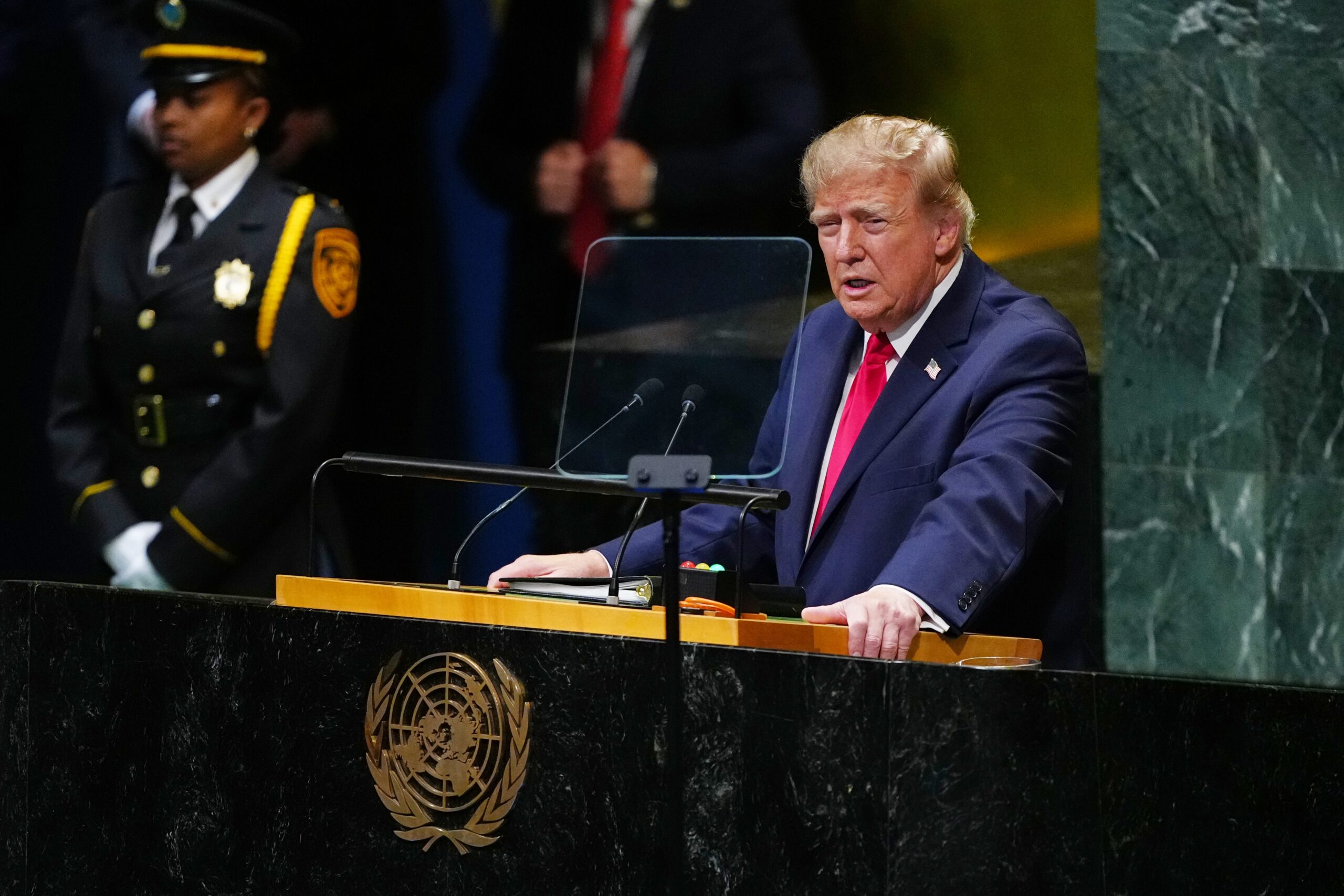
Is the U.S.-Iran Stalemate a “New Normal” or the Prelude to Another Explosion?
On October 6, AGSI hosted a discussion on the U.S.-Iran stalemate and the prospects for a cease-fire.
Speakers



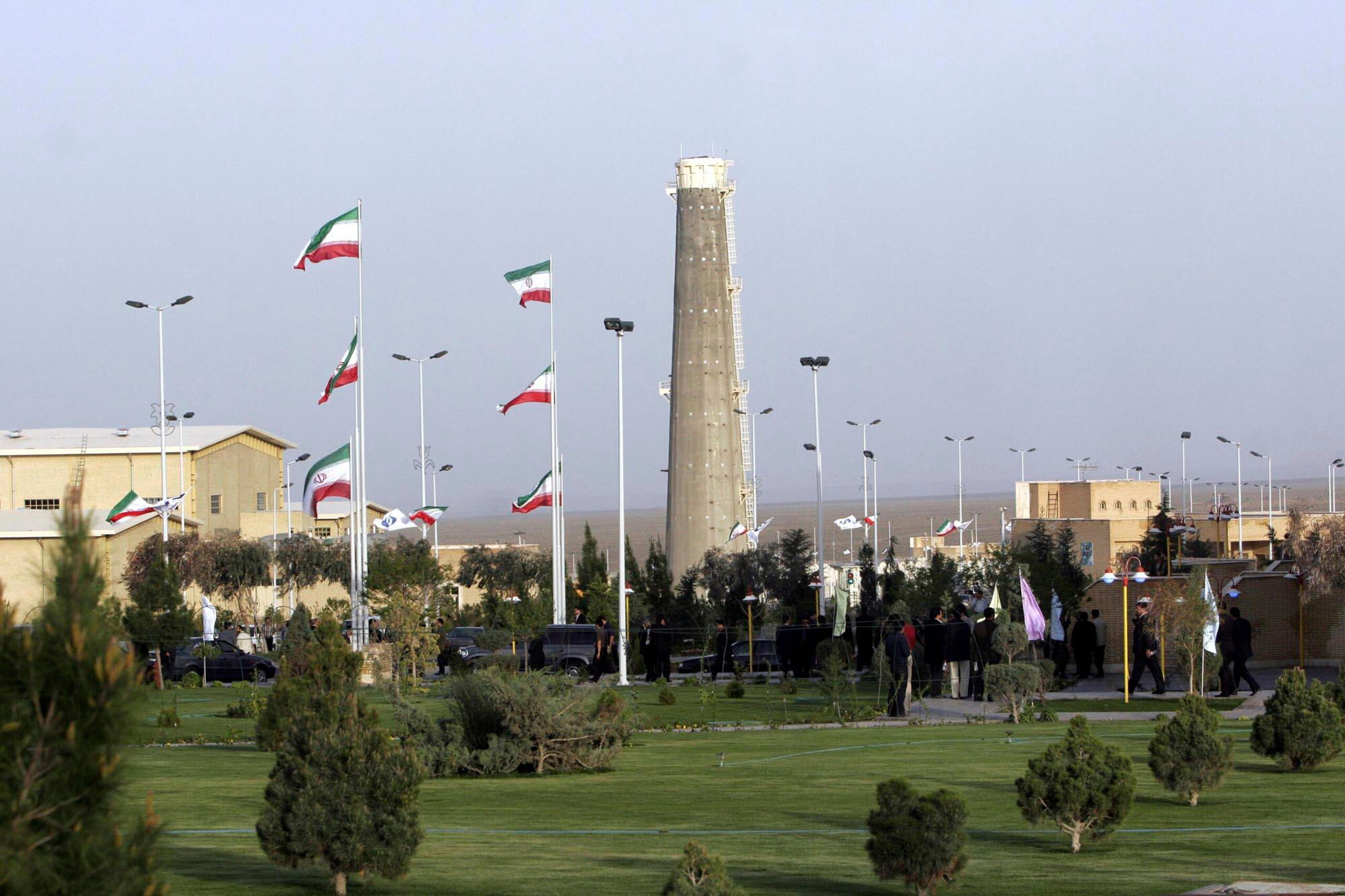
Book Talk: Iran and the Bomb: The United States, Iran and the Nuclear Question
On June 16, AGSI hosted a discussion on the evolution of Iran's nuclear program.
Speakers
Apr 21, 2026
Inside Iran’s Wartime Leadership: Power, Succession, and Regime Stability
On April 21, AGSI hosted a discussion on the evolution of Iran's leadership during the war.
Speakers

Mar 18, 2026
In Its Conflict With the United States and Israel, Does Escalation Favor Iran?
On March 18, AGSI hosted a discussion on the escalation of the Iran war.
Speakers