Sep 15, 2026
Despite Tactical Victories, Iran Struggles to Restore Deterrence
The September 15 edition of the Iran Media Review examines Iranian statements on a possible nuclear bomb, Iran’s relationship with the UAE, and developments in Yemen.

While Iran’s efforts to restrict shipping through the Strait of Hormuz and Bab el-Mandeb appear to have yielded tactical gains, and the regime continues to intimidate Arab states, Tehran has yet to reestablish deterrence against its principal adversary, Israel, whose economy has been less affected than those of its Arab neighbors. This helps explain why the regime is now openly claiming that it could acquire a nuclear deterrent within 24 hours. Israel is unlikely to take that claim at face value unless Tehran successfully tests a nuclear device. One conclusion, however, is increasingly difficult to escape: U.S. and Israeli actions appear to have convinced Iran’s leadership that building a nuclear weapon is necessary to ensure the regime’s survival and deter future attacks.
- September 13: Hossein Kanani-Moqaddam, a veteran of the Islamic Revolutionary Guard Corps, hard-line political activist, and commentator on Islamic Republic of Iran Broadcasting, according to centrist outlet Baztab News, said on a broadcast:
- “Iran must prepare itself for the possibility of nuclear threats against the country … If the decision changes and the supreme leader grants authorization, Iran could acquire a nuclear weapon within a very short period … If the necessary authorization or fatwa to pursue a nuclear weapon is issued, Iran could acquire such a weapon within 24 hours … Obtaining a nuclear detonator from North Korea would not be difficult.”
- September 13: Gholam-Reza Sadeqian, editor of IRGC mouthpiece Javan, criticized Iranian President Masoud Pezeshkian’s meeting with Crown Prince of Abu Dhabi Khaled bin Mohammed bin Zayed al-Nahyan, writing:
- “At the conclusion of the BRICS summit, President Dr. Pezeshkian said, among other things: ‘We had a good discussion with the UAE crown prince and agreed to put the past behind us and build a better future.’ How remarkable! Can a better future really be built by setting the past aside?! You may let it go, but they will not – and they have not.”
- “We were the target of hostility from the Arabs of the deserts south of the Persian Gulf. We cannot be expected to take the initiative in ‘putting the past behind us.’ Neither politically nor morally can someone harmed by another’s conduct be expected to take the first step. Setting the past aside before the aggressor accepts responsibility for its hostility amounts to disregarding the victim’s rights. If the sheikhs seek lasting reconciliation, they must acknowledge their shameful past. I stress again: We were attacked, but having prevailed in the war, we now hold the upper hand. Our officials’ rhetoric must be strong, assertive, and demanding. It must also be consistent. The president’s rhetoric should convey the same message as that of Messrs. Qalibaf, Rezaei, and Araghchi and several other figures whose statements are heard abroad. They must all speak forcefully and from a position of strength.”
- September 14: IRGC-affiliated Mashregh News covered developments in Yemen:
- “Over the past three days, the battlefield in Yemen has remained shaped by a wave of advances by Ansar Allah forces. The offensive began several days ago with the capture of the strategic port of Mokha and has now culminated in consolidated control over the western coast and the Bab el-Mandeb strait. These developments, unfolding alongside an intensification of Saudi airstrikes, have redrawn the military landscape in western Yemen.”
- “Ali Mohammad Rezaei, Iran’s ambassador to Yemen, met with Abdulwahid Abu Ras, Yemen’s deputy foreign minister, and conveyed the Iranian government and people’s congratulations to the Yemeni government and people on the Yemeni armed forces’ recent victories on the western coast … The Iranian ambassador in Sanaa also expressed appreciation for Yemen’s support for Iran and the axis of resistance, stressing that Iran stands alongside the Yemeni government and people in efforts to end the aggression and blockade and achieve peace.”
The views represented herein are the author's or speaker's own and do not necessarily reflect the views of AGSI, its staff, or its board of directors.
Related
Iran Media Review
Sep 11, 2026
Diminishing Importance of the Straits?
The September 11 edition of the Iran Media Review contrasts hard-liners’ celebration of oil prices rising with a technocratic Iranian newspaper’s warning that the regime’s ability to take the world economy hostage is diminishing.
Iran Media Review
Sep 8, 2026
Mohsen Rezaei Explains Tehran’s Strategy
The September 8 edition of the Iran Media Review outlines the Iranian Supreme National Security Council secretary’s remarks on Iran’s strategic response to the U.S. naval blockade.
Iran Media Review
Sep 4, 2026
Is Iran Planning to Withdraw From the Nuclear Nonproliferation Treaty?
The September 4 edition of the Iran Media Review considers Iranian messaging about the possibility of Iran withdrawing from the Nuclear Nonproliferation Treaty.
Sep 11, 2026
Diminishing Importance of the Straits?
The September 11 edition of the Iran Media Review contrasts hard-liners’ celebration of oil prices rising with a technocratic Iranian newspaper’s warning that the regime’s ability to take the world economy hostage is diminishing.
Sep 8, 2026
Mohsen Rezaei Explains Tehran’s Strategy
The September 8 edition of the Iran Media Review outlines the Iranian Supreme National Security Council secretary’s remarks on Iran’s strategic response to the U.S. naval blockade.
Sep 4, 2026
Is Iran Planning to Withdraw From the Nuclear Nonproliferation Treaty?
The September 4 edition of the Iran Media Review considers Iranian messaging about the possibility of Iran withdrawing from the Nuclear Nonproliferation Treaty.
Analysis
The Islamic Republic Returns to Offense
After U.S.-Israeli strikes killed Supreme Leader Ayatollah Ali Khamenei on February 28, Iran’s collective leadership has concluded that the best defense is a good offense.
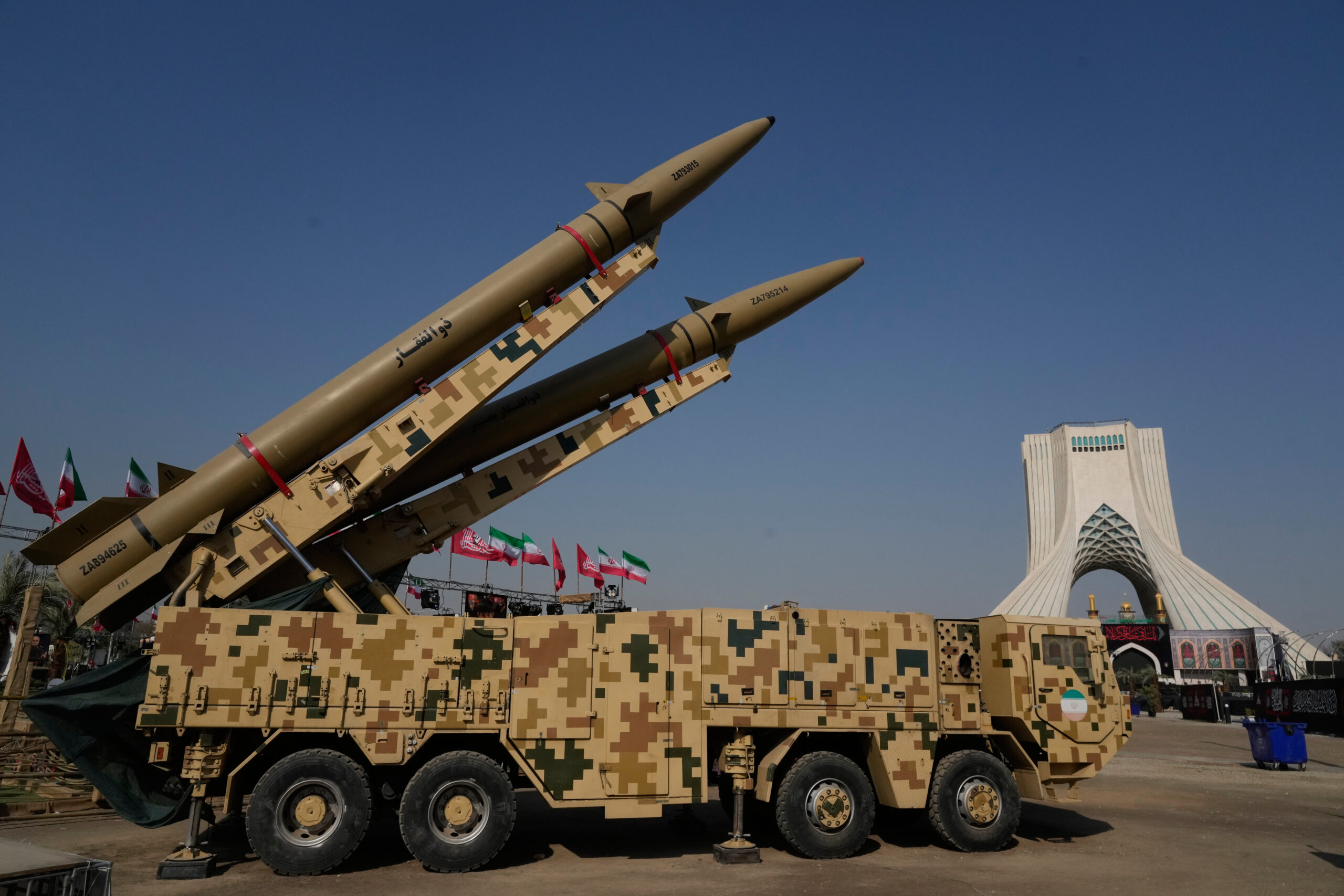
Iran’s Collective Strategic Decision Making
Wartime pressure has temporarily aligned the leadership’s overriding interest in regime survival, even as its members continue to differ over the costs, methods, and ultimate objectives of the war.
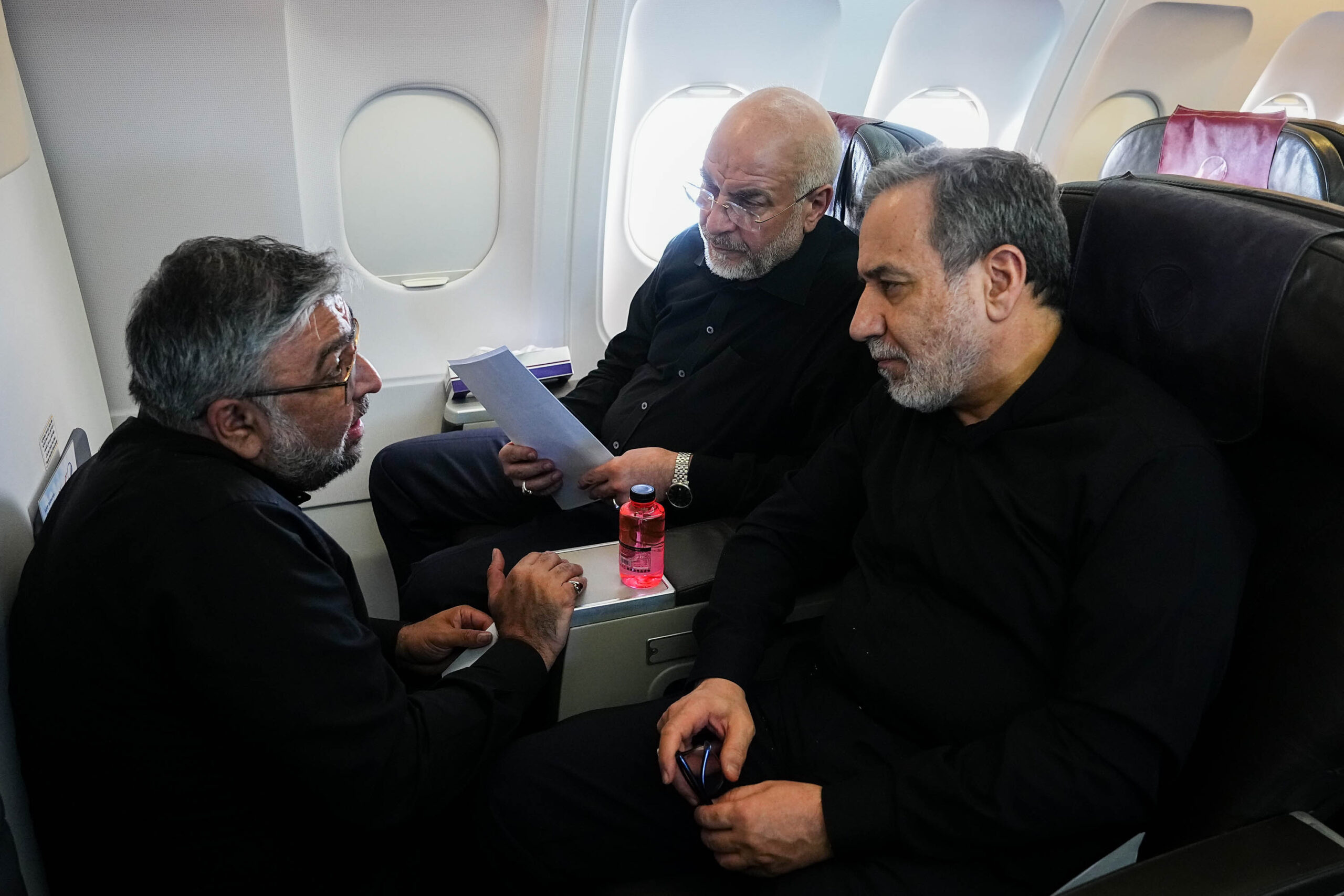
The Islamic Republic’s Collective Leadership
While there is historical precedent for collective leadership in Iran, today’s leadership includes representatives of the IRGC and regular military – a reflection of the IRGC’s expanding role and the necessities of governing under wartime conditions.
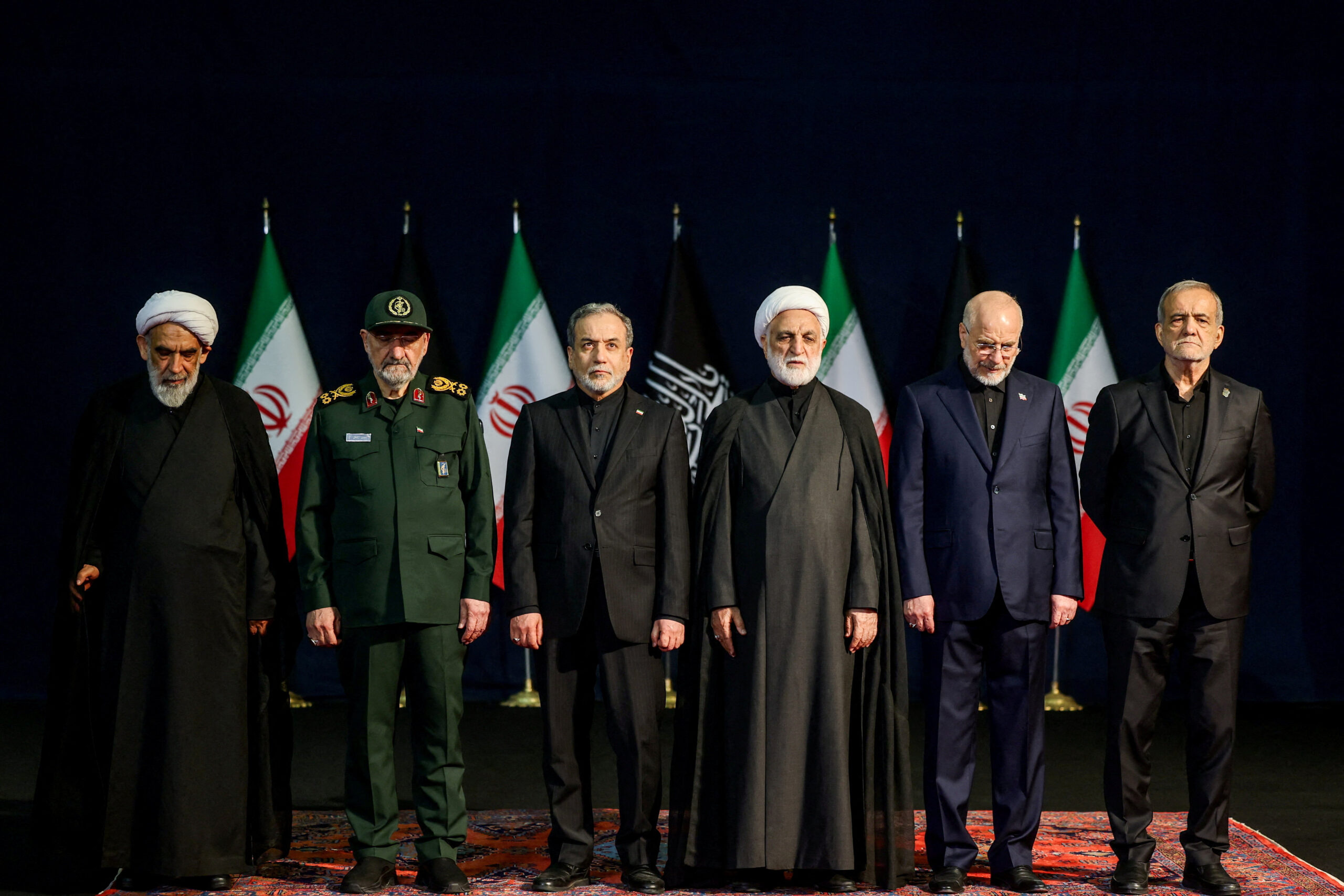
How Did the IRGC Seize Power in Iran?
The IRGC did not seize power in a single stroke. It accumulated it – patiently, methodically – until no counterweight remained.
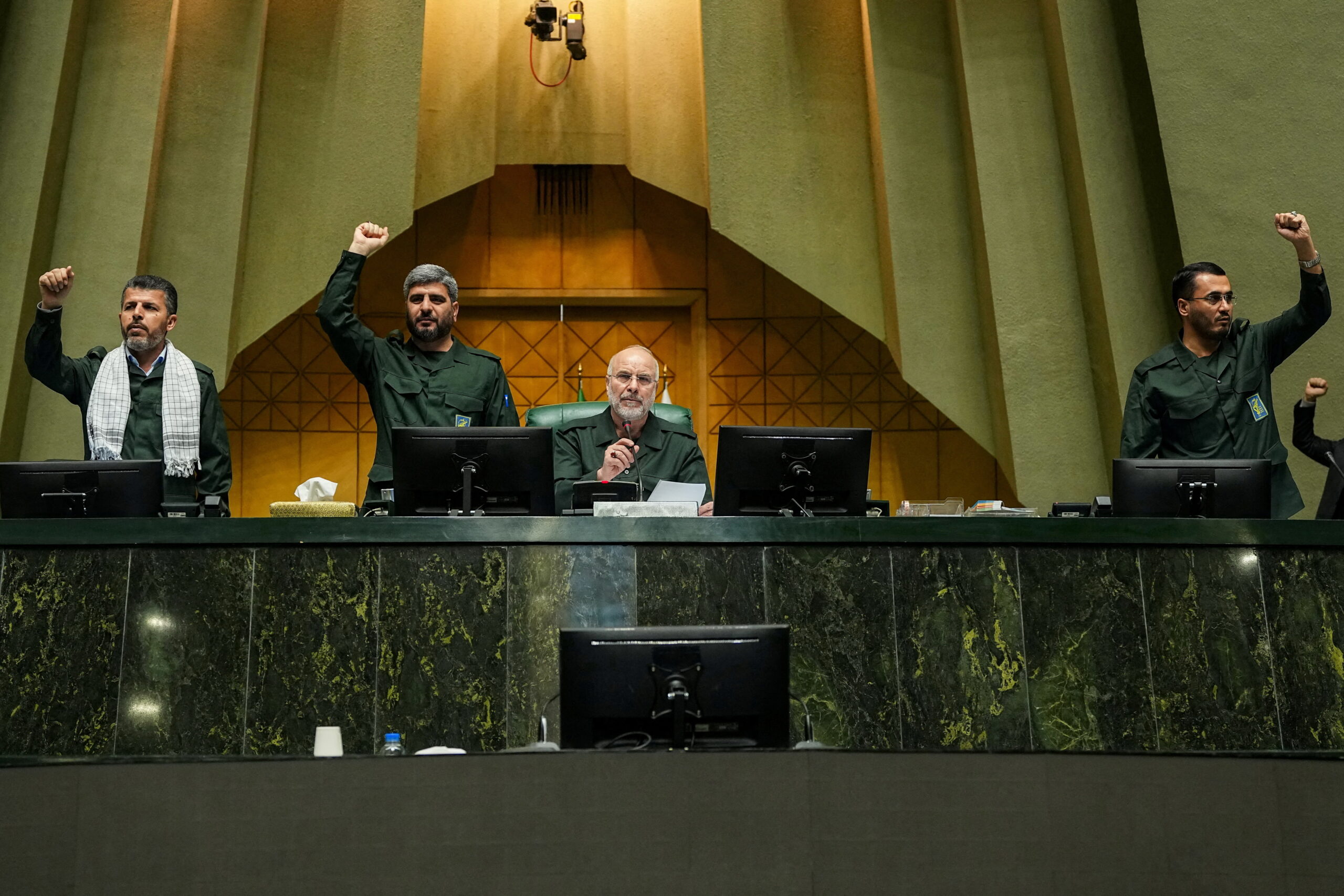
Events
Book Talk: Iran and the Bomb: The United States, Iran and the Nuclear Question
On June 16, AGSI hosted a discussion on the evolution of Iran's nuclear program.
Speakers

Apr 21, 2026
Inside Iran’s Wartime Leadership: Power, Succession, and Regime Stability
On April 21, AGSI hosted a discussion on the evolution of Iran's leadership during the war.
Speakers

Mar 18, 2026
In Its Conflict With the United States and Israel, Does Escalation Favor Iran?
On March 18, AGSI hosted a discussion on the escalation of the Iran war.
Speakers



Mar 2, 2026
After the Shock: Implications of the U.S.–Israeli Strikes and Iran’s Leadership Transition
On March 2, AGSI hosted a discussion on the U.S.-Israeli strikes on Iran.
Speakers