Sep 11, 2026
Diminishing Importance of the Straits?
The September 11 edition of the Iran Media Review contrasts hard-liners’ celebration of oil prices rising with a technocratic Iranian newspaper’s warning that the regime’s ability to take the world economy hostage is diminishing.

Media outlets affiliated with the Islamic Revolutionary Guard Corps and other hard-line outlets are emphasizing the strategic importance of energy chokepoints, such as the Strait of Hormuz and Bab el-Mandeb strait. However, Iran’s economic press is asking why predictions of crude oil reaching $200 per barrel have not materialized. Their analysis points not to the disappearance of these waterways’ importance but to the global economy’s growing capacity to withstand their disruption. This diminished leverage challenges Iran’s strategy of ensuring its survival by threatening to hold vital energy routes – and, by extension, the global economy – hostage.
- September 9: A front-page article on Islamic Revolutionary Guard Corps-mouthpiece Javan reported:
- “For the third time within a month, the Yemenis attacked Saudi Aramco’s facilities. At the same time, they launched a broad military campaign, attacking the Mokha port and areas overlooking the Bab el-Mandeb strait. These developments, coinciding with severe disruption to energy shipments through the Strait of Hormuz, have placed the global oil market under pressure and driven Brent crude toward $100 per barrel. This heightened vulnerability has imposed an energy crisis on Western economies and is putting U.S. President Donald Trump in a bind as the November elections approach.”
- September 9: Reporting on the Houthis’ strikes against Saudi energy infrastructure, hard-line Kayhan celebrated the Brent crude oil price reaching $100/bbl. Quoting an anonymous Yemeni, Kayhan wrote:
- “Praise be to God, who endowed the Saudis with oil and us with matches.”
- September 9: Under the headline “Why Hasn’t Crude Reached $200 Per Barrel?” analyst Mahtab Marefat argued in technocratic Sazandegi:
- “Has the Strait of Hormuz lost its power to determine oil prices? To some extent, yes – but not because the strait has lost its importance. Before the war, nearly 21 million barrels of oil and petroleum products per day, as well as more than 20% of the world’s traded liquified natural gas, passed through this waterway. No combination of existing pipelines can replace all that capacity. If Hormuz were completely closed for an extended period, the consequences could still be enormous.”
- “What has changed is the global economy’s ability to absorb shocks. Oil production has become more geographically diversified; the United States has itself become a major producer; Saudi Arabia and the United Arab Emirates have developed alternative routes; consuming countries hold vast strategic reserves; and the world’s largest oil buyer, thanks to the electrification of transportation and its extensive reserves, is less compelled than before to purchase every available barrel on the market.”
- “This is an important distinction. The power of a chokepoint also depends on the options available to the world if it is closed. Perhaps, therefore, the most important message conveyed by oil remaining below $100 is not that the market does not believe in the war. The market has seen the war and priced in a geopolitical risk premium, and the physical market has shown serious signs of scarcity. But traders are simultaneously pricing in something else: Today’s world has more tools than in the past to cope with a disrupted Strait of Hormuz. Hormuz can therefore still shake the oil market, but it apparently can no longer hold it hostage as easily as it once could.”
The views represented herein are the author's or speaker's own and do not necessarily reflect the views of AGSI, its staff, or its board of directors.
Related
Iran Media Review
Sep 8, 2026
Mohsen Rezaei Explains Tehran’s Strategy
The September 8 edition of the Iran Media Review outlines the Iranian Supreme National Security Council secretary’s remarks on Iran’s strategic response to the U.S. naval blockade.
Iran Media Review
Sep 4, 2026
Is Iran Planning to Withdraw From the Nuclear Nonproliferation Treaty?
The September 4 edition of the Iran Media Review considers Iranian messaging about the possibility of Iran withdrawing from the Nuclear Nonproliferation Treaty.
Iran Media Review
Sep 1, 2026
Decoding President Pezeshkian
The September 1 edition of the Iran Media Review analyzes an interview with Iranian President Masoud Pezeshkian.
Sep 8, 2026
Mohsen Rezaei Explains Tehran’s Strategy
The September 8 edition of the Iran Media Review outlines the Iranian Supreme National Security Council secretary’s remarks on Iran’s strategic response to the U.S. naval blockade.
Sep 4, 2026
Is Iran Planning to Withdraw From the Nuclear Nonproliferation Treaty?
The September 4 edition of the Iran Media Review considers Iranian messaging about the possibility of Iran withdrawing from the Nuclear Nonproliferation Treaty.
Sep 1, 2026
Decoding President Pezeshkian
The September 1 edition of the Iran Media Review analyzes an interview with Iranian President Masoud Pezeshkian.
Analysis
The Islamic Republic Returns to Offense
After U.S.-Israeli strikes killed Supreme Leader Ayatollah Ali Khamenei on February 28, Iran’s collective leadership has concluded that the best defense is a good offense.
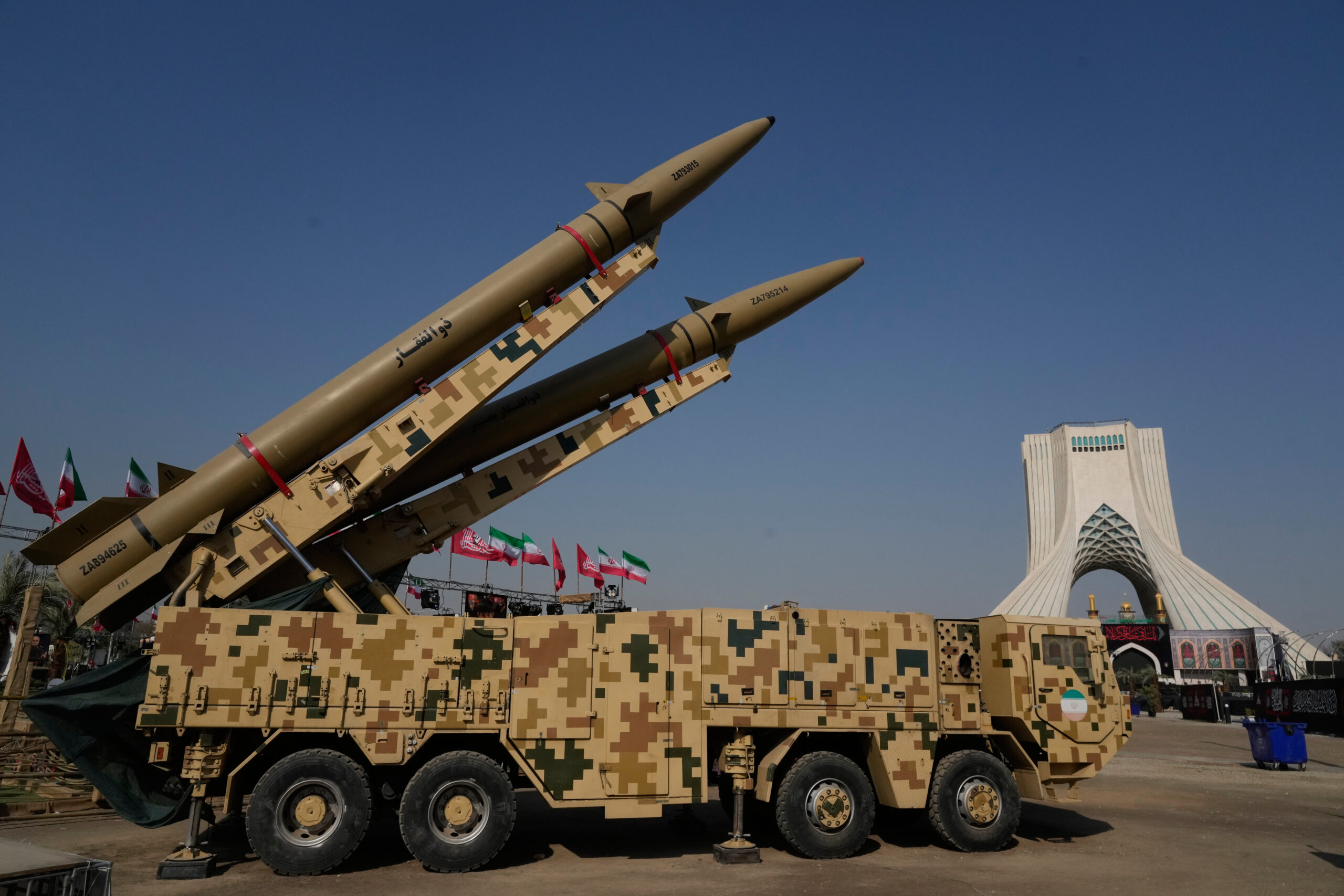
Iran’s Collective Strategic Decision Making
Wartime pressure has temporarily aligned the leadership’s overriding interest in regime survival, even as its members continue to differ over the costs, methods, and ultimate objectives of the war.
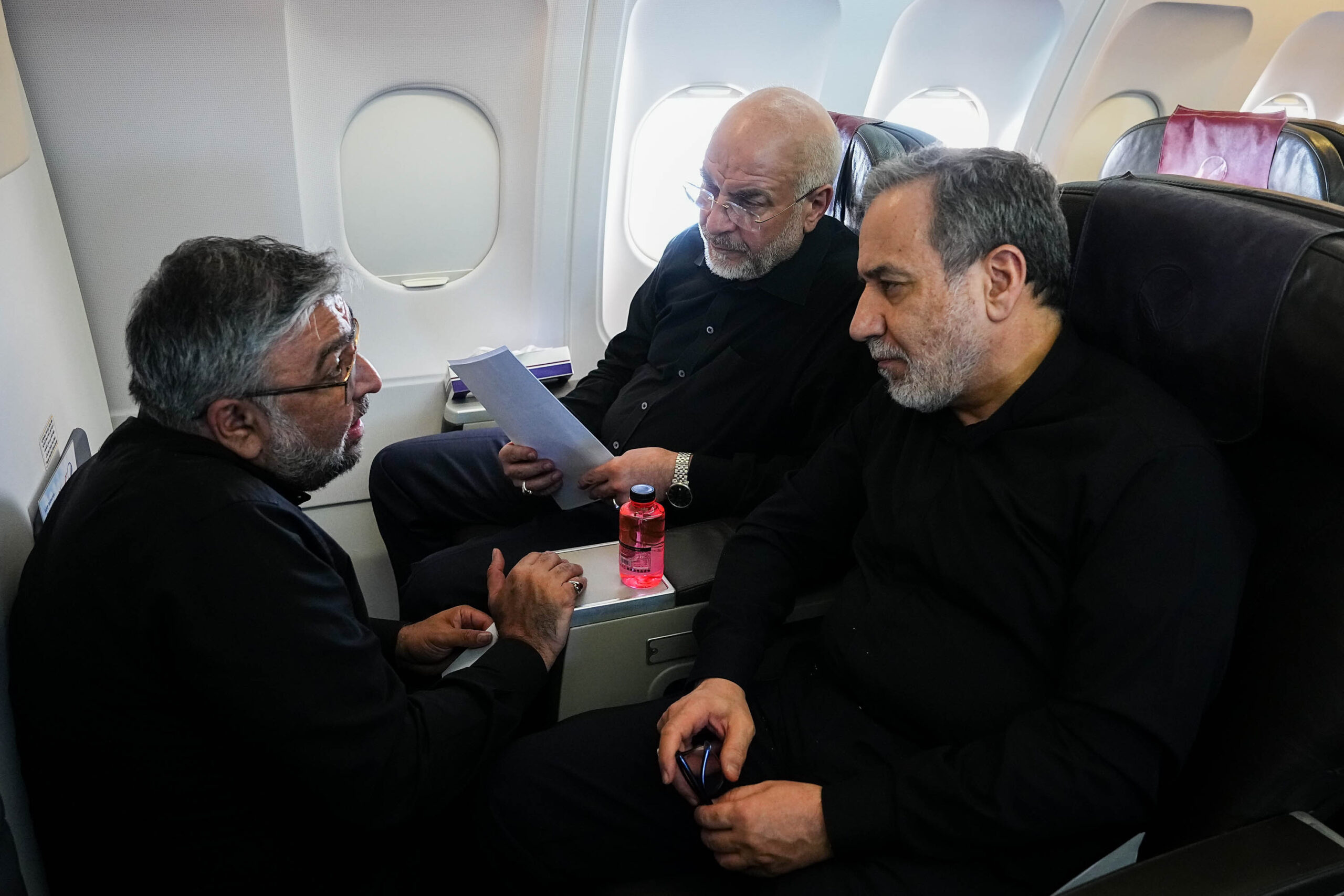
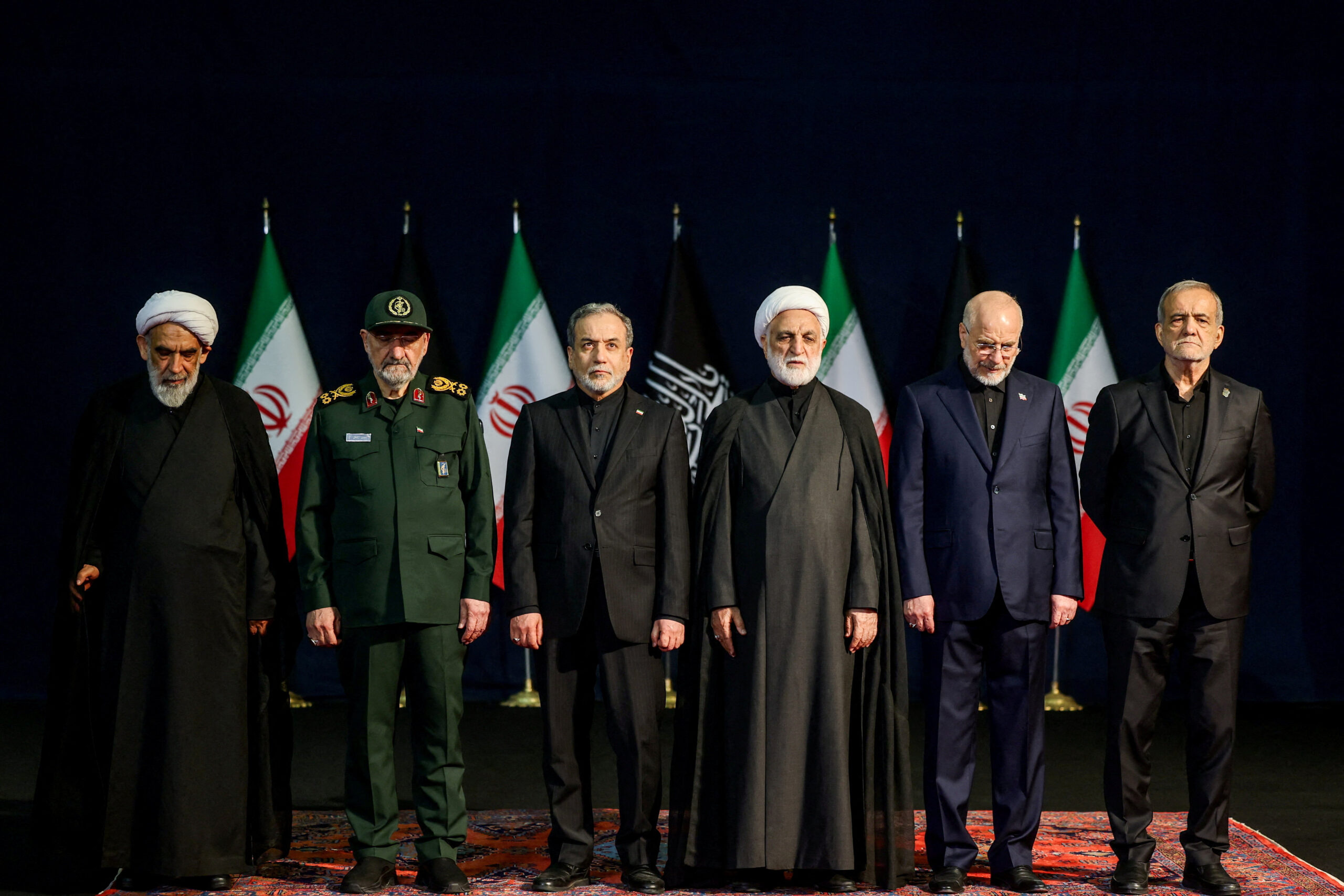
The Islamic Republic’s Collective Leadership
While there is historical precedent for collective leadership in Iran, today’s leadership includes representatives of the IRGC and regular military – a reflection of the IRGC’s expanding role and the necessities of governing under wartime conditions.
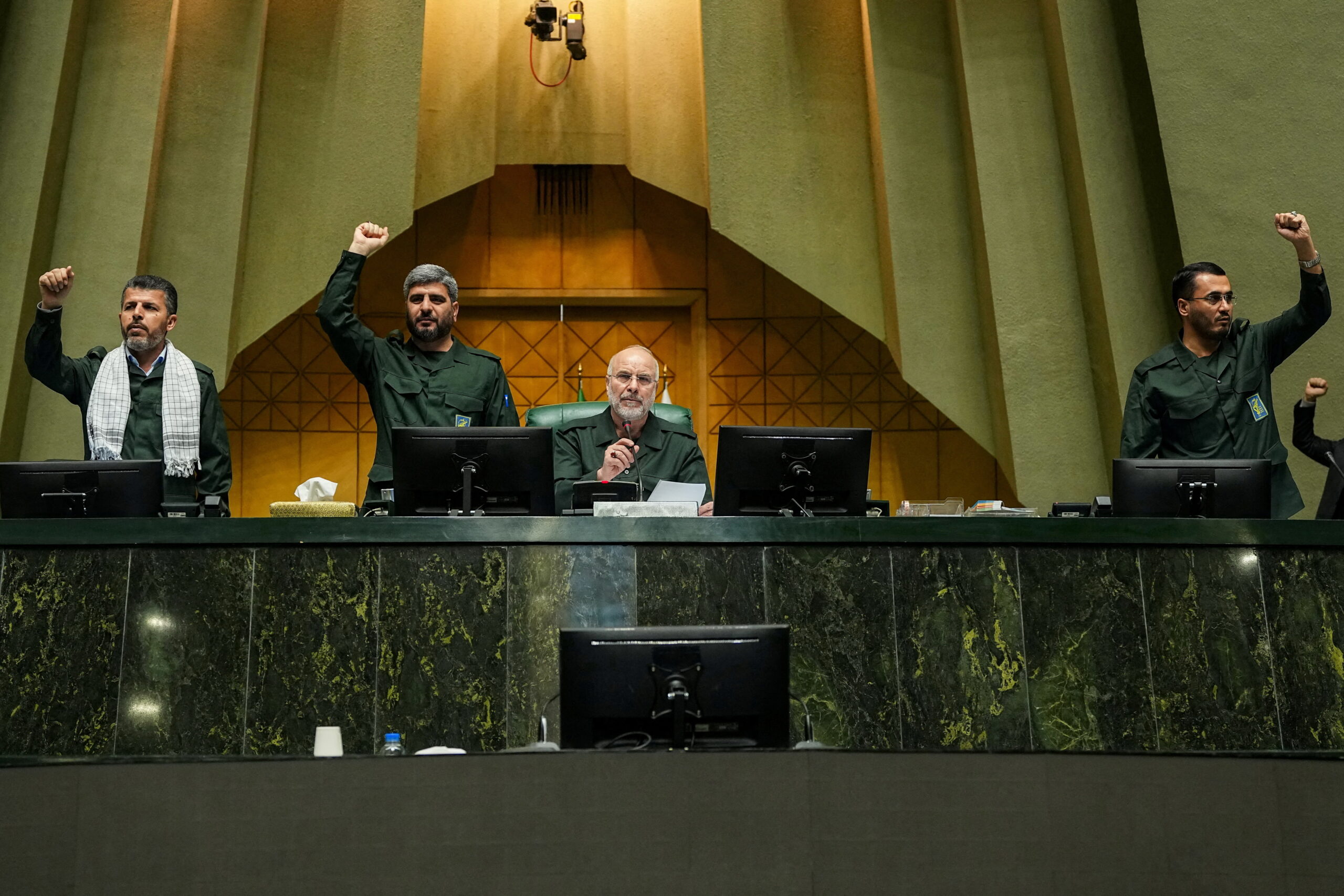
How Did the IRGC Seize Power in Iran?
The IRGC did not seize power in a single stroke. It accumulated it – patiently, methodically – until no counterweight remained.
Events
Book Talk: Iran and the Bomb: The United States, Iran and the Nuclear Question
On June 16, AGSI hosted a discussion on the evolution of Iran's nuclear program.
Speakers


Apr 21, 2026
Inside Iran’s Wartime Leadership: Power, Succession, and Regime Stability
On April 21, AGSI hosted a discussion on the evolution of Iran's leadership during the war.
Speakers

Mar 18, 2026
In Its Conflict With the United States and Israel, Does Escalation Favor Iran?
On March 18, AGSI hosted a discussion on the escalation of the Iran war.
Speakers



Mar 2, 2026
After the Shock: Implications of the U.S.–Israeli Strikes and Iran’s Leadership Transition
On March 2, AGSI hosted a discussion on the U.S.-Israeli strikes on Iran.
Speakers