Donald J. Trump’s scandalous proposal that the United States bar entry to all Muslims — though he later clarified his view that American citizens and a few others might be allowed in — raises two fundamental but largely unaddressed questions: Who and what is a “Muslim”? Mr. Trump presupposes that the government could create an...
Muslims praying together during an Eid al-Adha worship service at Kandahar Air Base in southern Afghanistan.
Donald J. Trump’s scandalous proposal that the United States bar entry to all Muslims — though he later clarified his view that American citizens and a few others might be allowed in — raises two fundamental but largely unaddressed questions: Who and what is a “Muslim”?
Mr. Trump presupposes that the government could create an immigration policy that discriminates against Muslims. But implementing such a policy would be completely impossible under the current circumstances.
How would consular or immigration officials determine who is, and is not, a Muslim? This is the most obvious question, but almost no one is asking it. Instead, the debate churns on as if this problem does not exist.
Would the definition of a Muslim be based on family heritage, personal beliefs or both? How would that be codified in practice? On what basis could the government categorize people as Muslims? We have no legal definition or database of religious beliefs, and the First Amendment would almost certainly render any such enforced categorization unconstitutional.
My own case is instructive. I am a citizen of the United States but born in a Muslim-majority country (Lebanon), and, on my father’s side, into a clearly Muslim family. Moreover, my first name, Hussein, is one of a few in Arabic that is practically exclusive to Muslims (Arab Christians and Jews are not given this name).
While my father was a devout Sunni Muslim, my mother remains a devout Anglican Christian. So, despite my name and place of birth being clear indicators of a “Muslim origin,” the reality is more complex.
Moreover, I never embraced either religion, and had agnostic tendencies even as a child. Yet I identify with the Muslim-American community for social, cultural and political reasons. I am part of, and from, the Muslim community, but in terms of belief I am not and never have been a Muslim. So, how would I be categorized?
What if someone isn’t telling the truth about his beliefs? What about a sudden conversion? How would the government distinguish among Muslims, Christians, Hindus, Buddhists and others from the myriad mixed societies around the world? Even a database of names wouldn’t help, since so many names are shared among different cultures and faiths. Therefore, Mr. Trump’s policy is totally impracticable, especially since would-be terrorists and criminals would be the first to embrace all forms of deception.
Beyond the complexities of determining “who is a Muslim,” an even deeper problem is the widely held delusions about “what is a Muslim.” An overwhelming majority of commentators on all sides, ranging from the most vicious Islamophobes to the most radical Islamists, wrongly assume that we all know, or can easily discover, what Muslims do and think that distinguishes them from other people.
The reality is that the range of peoples and societies that practice some form of Islam is so broad that it includes virtually any aspect of the human experience one can identify. Nearly one-quarter of the world’s population consider themselves Muslim, and Islam has been one of the largest religions in the world for over 1,000 years.
Seen in this light, the range of Muslim beliefs and behaviors is more or less indistinguishable from that of the rest of humanity. The word “Muslim,” without any further qualification, and the word “person,” are, for practical purposes, synonymous. One doesn’t actually tell you anything meaningful beyond what is already suggested by the other.
Both now and historically, one can find almost any recognizable human behavior being openly and systematically practiced among some Muslims, including those that are supposedly “prohibited by Islam”: alcohol drinking, homosexuality, lending at interest, occult practices and so forth. Muslim purists say these are cultural distortions, and not Islamic. But Muslims have no pope or global leader with the spiritual or political authority to compel or demand obedience to their doctrinal views.
Islamophobes describe bloodthirsty, violent and intolerant fanatics. Muslim activists depict devout, socially conservative people peacefully at prayer. Although the first group is minuscule compared with the second, Muslims of both descriptions can be readily identified. But so can a vast range of other ways of being Muslim the world over.
Anyone interested in exploring the intricacies and complexities of Islam as a religion, philosophical system and social text should study the new book “What Is Islam?” by the Harvard professor Shahab Ahmed. Professor Ahmed — who died at the age of 48 shortly before this book, his life’s work, was published a few months ago — carefully guides the reader through a detailed critique of the numerous received understandings of Islam. In their place, he proposes a subtle but accessible new framework for apprehending what Islam is and has really been, in all its multiplicity and endless complexity.
His book is a perfect antidote to our present discourse, which is trapped in false, dangerous binaries, about these two crucial questions: Who, and what, is a Muslim? Those like Mr. Trump and others who imply they know the answers are announcing with the utmost clarity that they actually have no idea what they’re talking about.
This article originally appeared in The New York Times.
The views represented herein are the author's or speaker's own and do not necessarily reflect the views of AGSI, its staff, or its board of directors.
Artificial intelligence is entering the Yemen conflict through weapons engineering and U.S.-supported targeting operations, extending a regional transformation accelerated by the war with Iran.
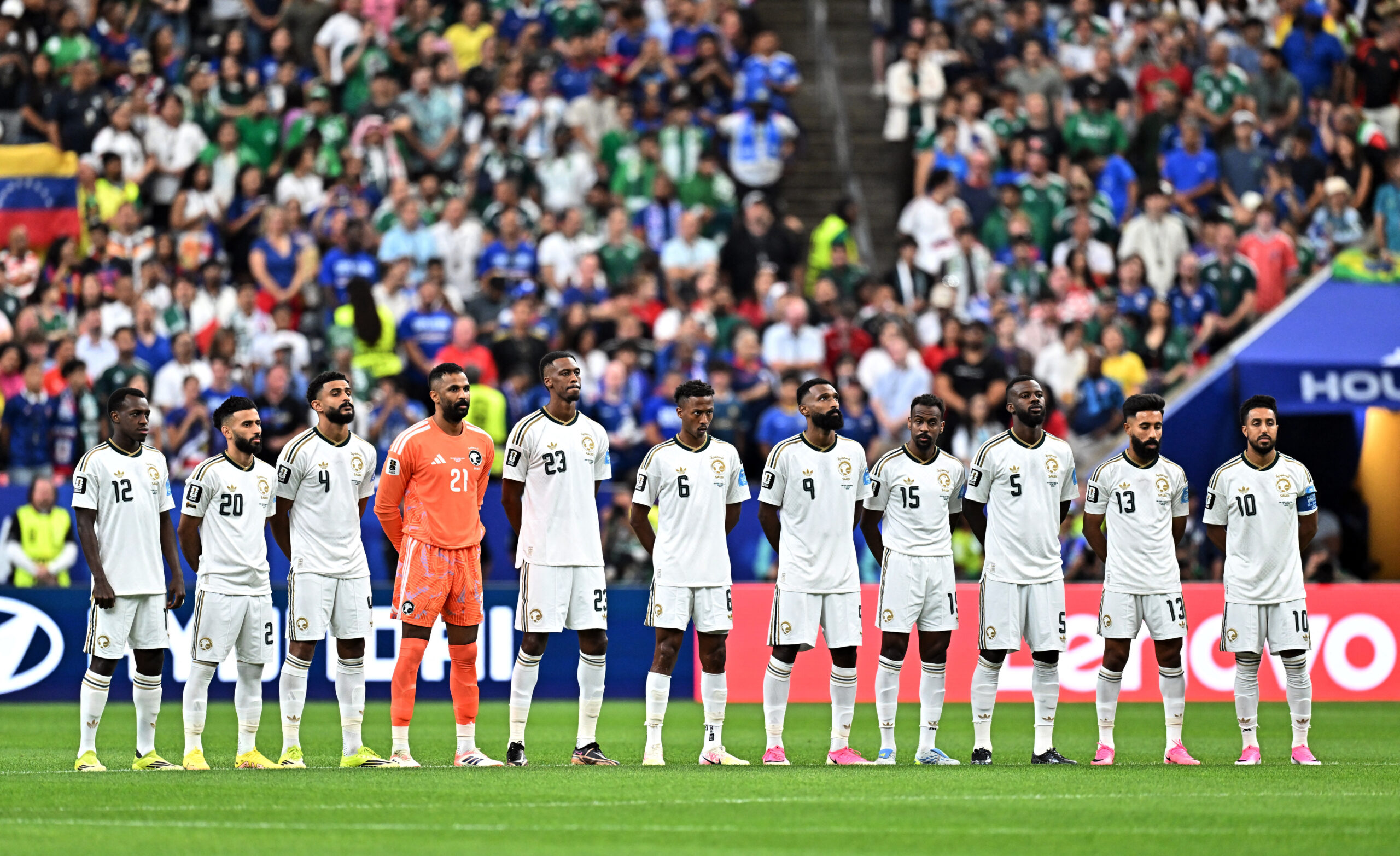
Following Saudi Arabia’s early exit from the World Cup, the kingdom’s soccer authorities may enter a period of introspection considering challenges that have cast a shadow over the post-2023 landscape of Saudi soccer.
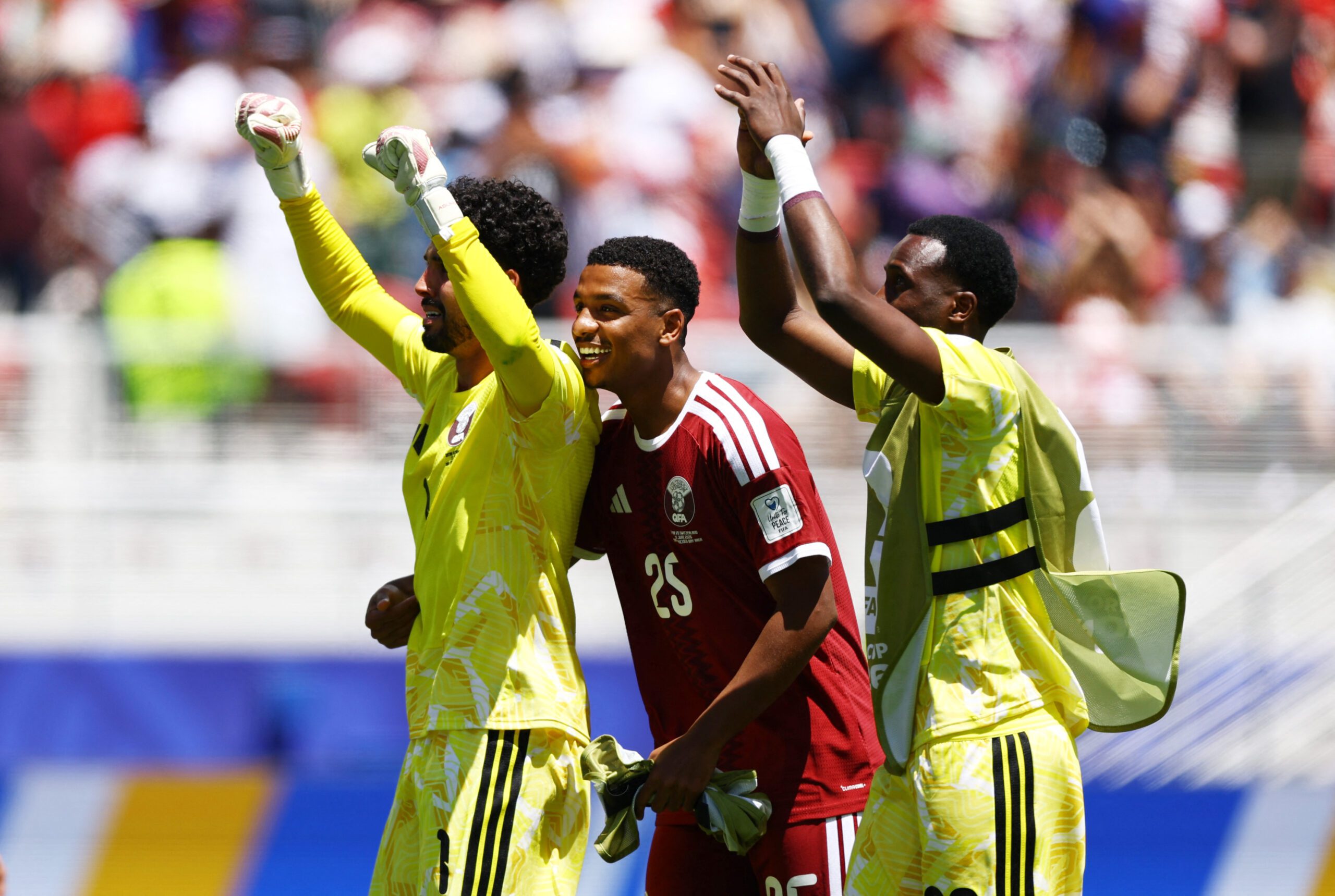
Qatar's first World Cup point, earned through a goalkeeper of Palestinian descent, reveals how the emirate has turned a tiny citizenry, migration, and naturalization into an instrument of statecraft and where that instrument meets its limits.
President Trump has led the United States into an impossible dilemma in which resuming and intensifying the war presents one set of alarming consequences while ending it under current circumstances offers at least as many disasters for Washington.
The Trump administration has positioned the United States at a crossroads between a new regime of containment against Iran or a historic drawdown of U.S. influence in the Gulf and broader Middle East.
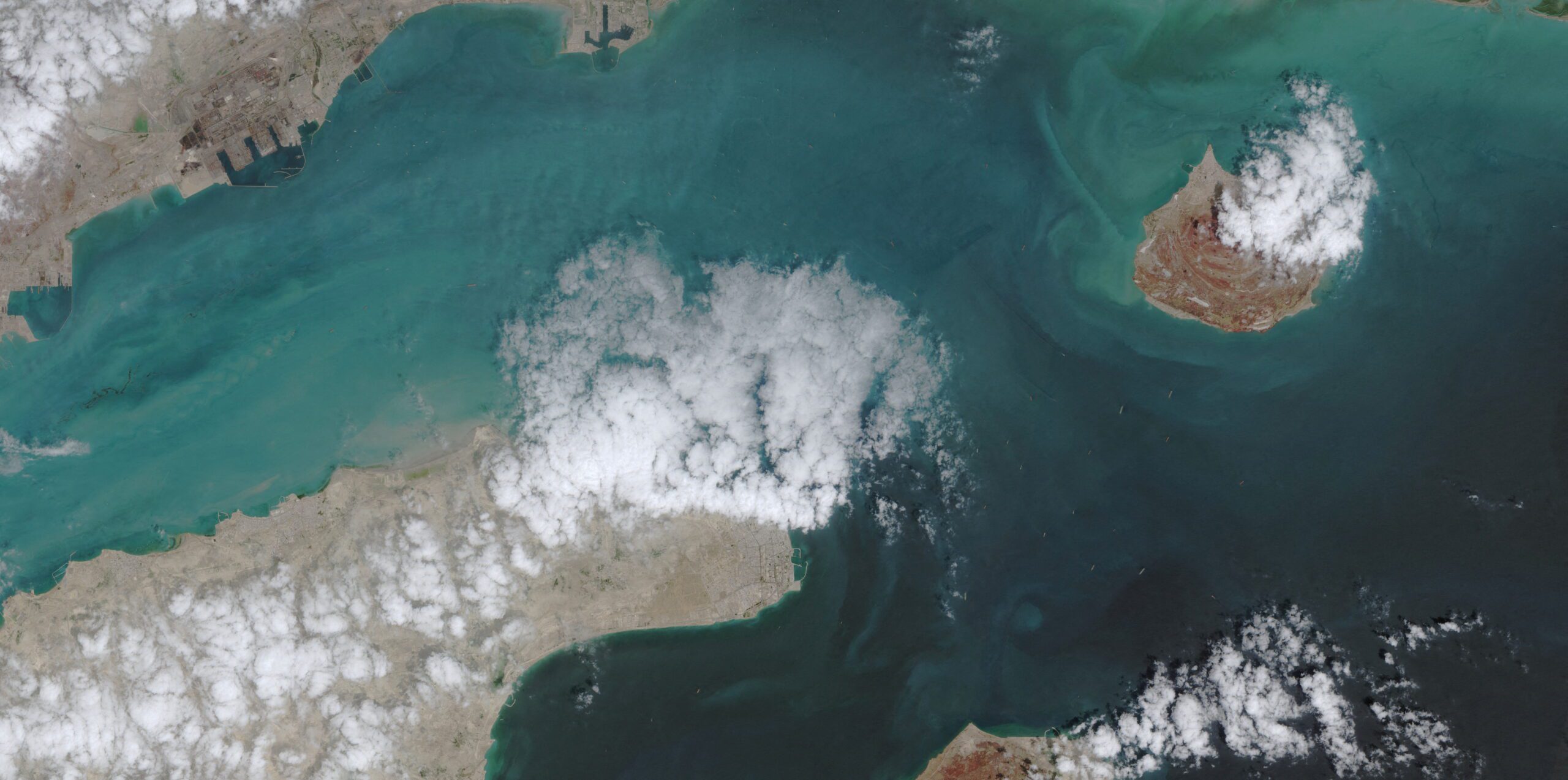
Riyadh and Abu Dhabi urged President Trump not to attack Iran, but now that the war is into its second month, leaving the current situation in place would be an unthinkable fiasco for them.
Though they were unsuccessful in preventing the current conflict, and, as expected, have been dragged into the U.S.-Israeli confrontation with Iran, Gulf Arab countries remain crucial to hopes for limiting the war and bringing it to a quick resolution.













Dec 21, 2015
Who Is a Muslim?
Donald J. Trump’s scandalous proposal that the United States bar entry to all Muslims — though he later clarified his view that American citizens and a few others might be allowed in — raises two fundamental but largely unaddressed questions: Who and what is a “Muslim”? Mr. Trump presupposes that the government could create an...
5 min read