When War and Peace Are Just Means, the End Signifies Nothing
For the Gulf Arab countries, the future is more important than the present, but it is unclear if Iran, the United States, and Israel have the same vision.
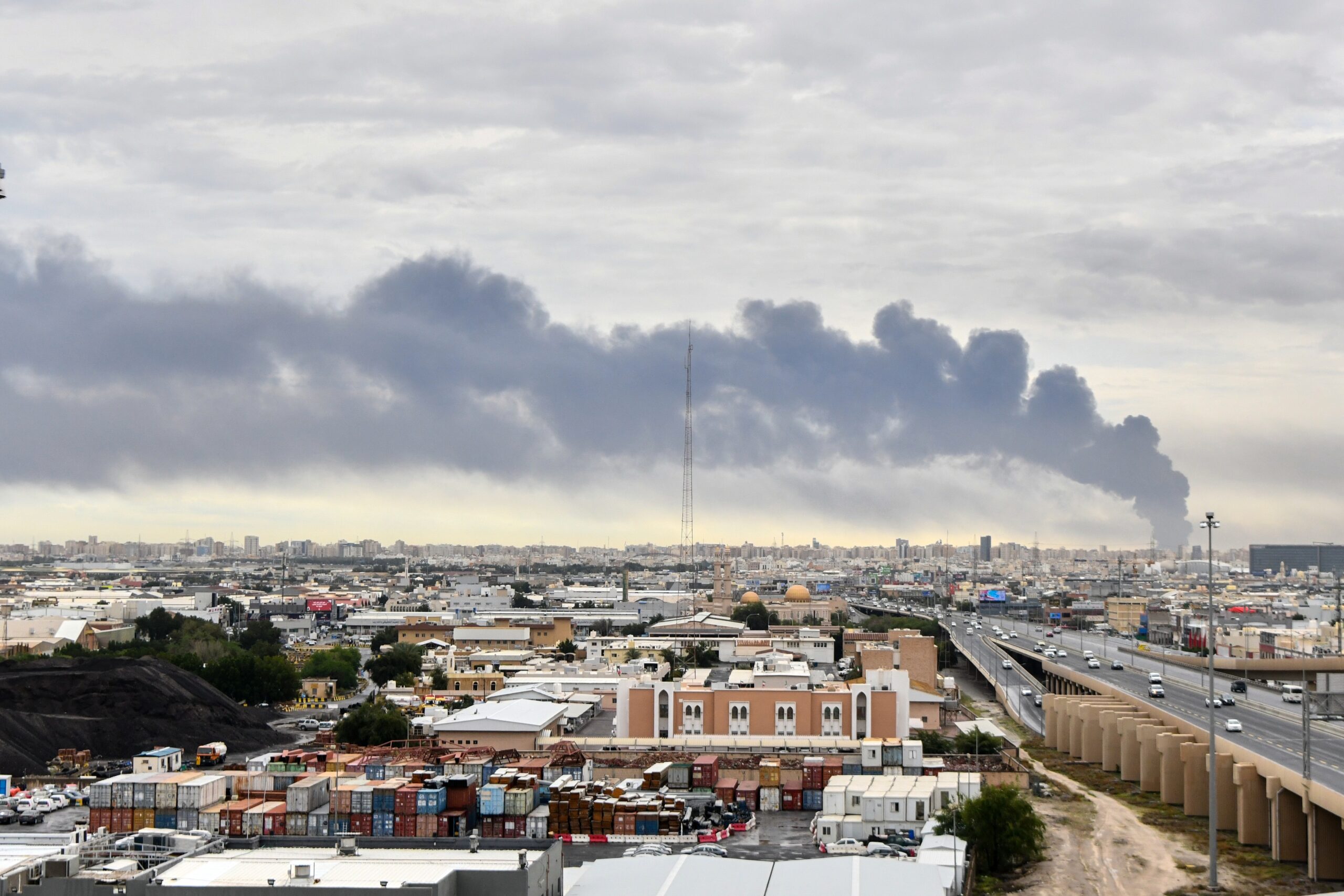
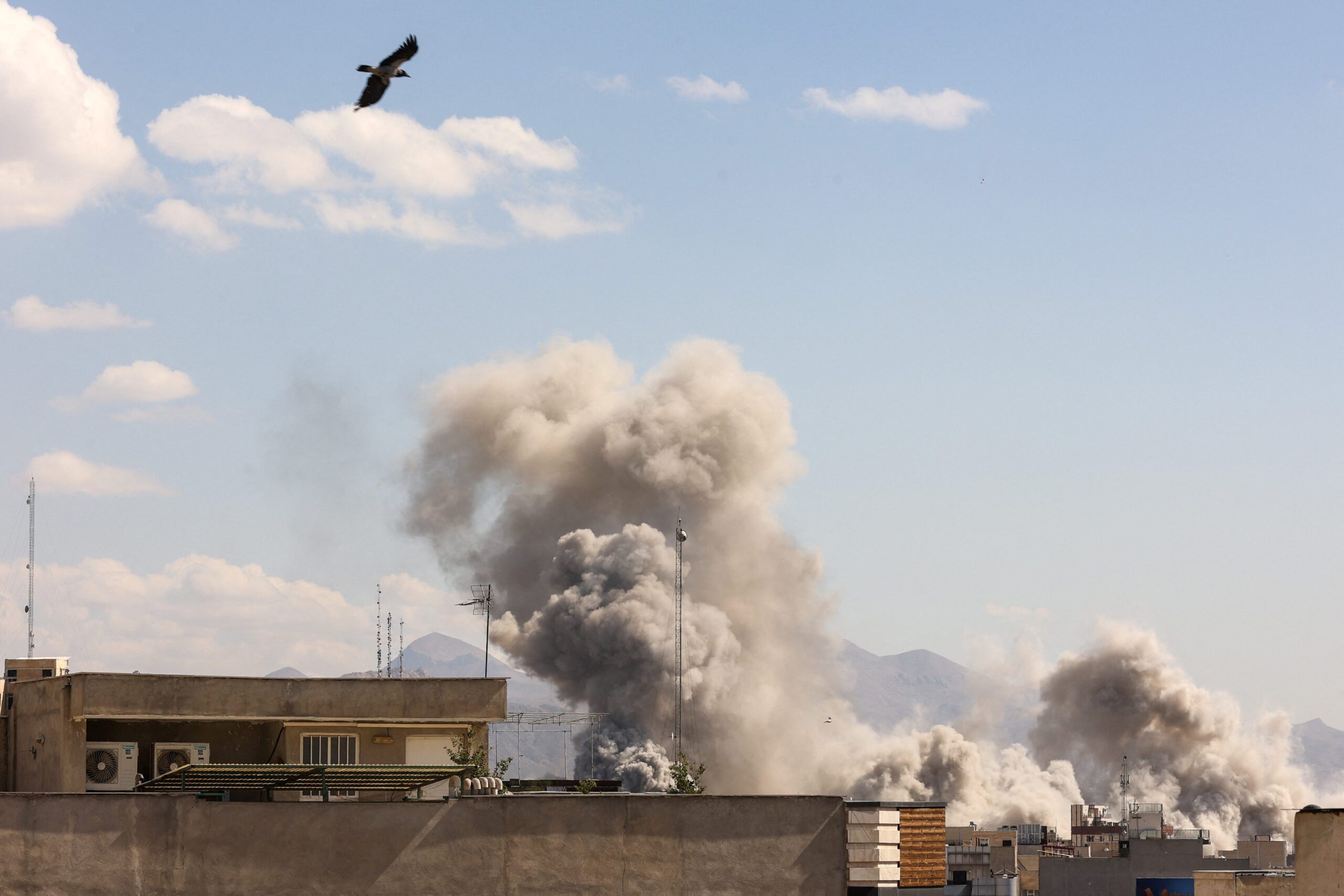
Smoke rises from Kuwait International Airport after a drone strike on fuel storage in Kuwait City, Kuwait, March 25. (AP Photo)
As the U.S. and Israeli war with Iran enters its second, and potentially final, month, a troubling pattern has emerged: The line between hope for peace and fear of escalation has blurred. This ambiguity is not a feature but a symptom of conflict. When war and peace alike become instruments rather than objectives, the question is no longer how the conflict ends but whether its outcome matters.
For the Gulf Arab states, this question is existential. Their strategic outlook has been anchored not just in the present but also the promise of the future. Stability, energy, economic diversification, and connectivity have been the pillars of their growth over the last five decades. However, these cornerstones have been shaken by a war they did not initiate and that has lasted beyond their comfort zone. This raises doubts about whether Washington and Tehran share the same long-term vision as the Gulf Arab countries.
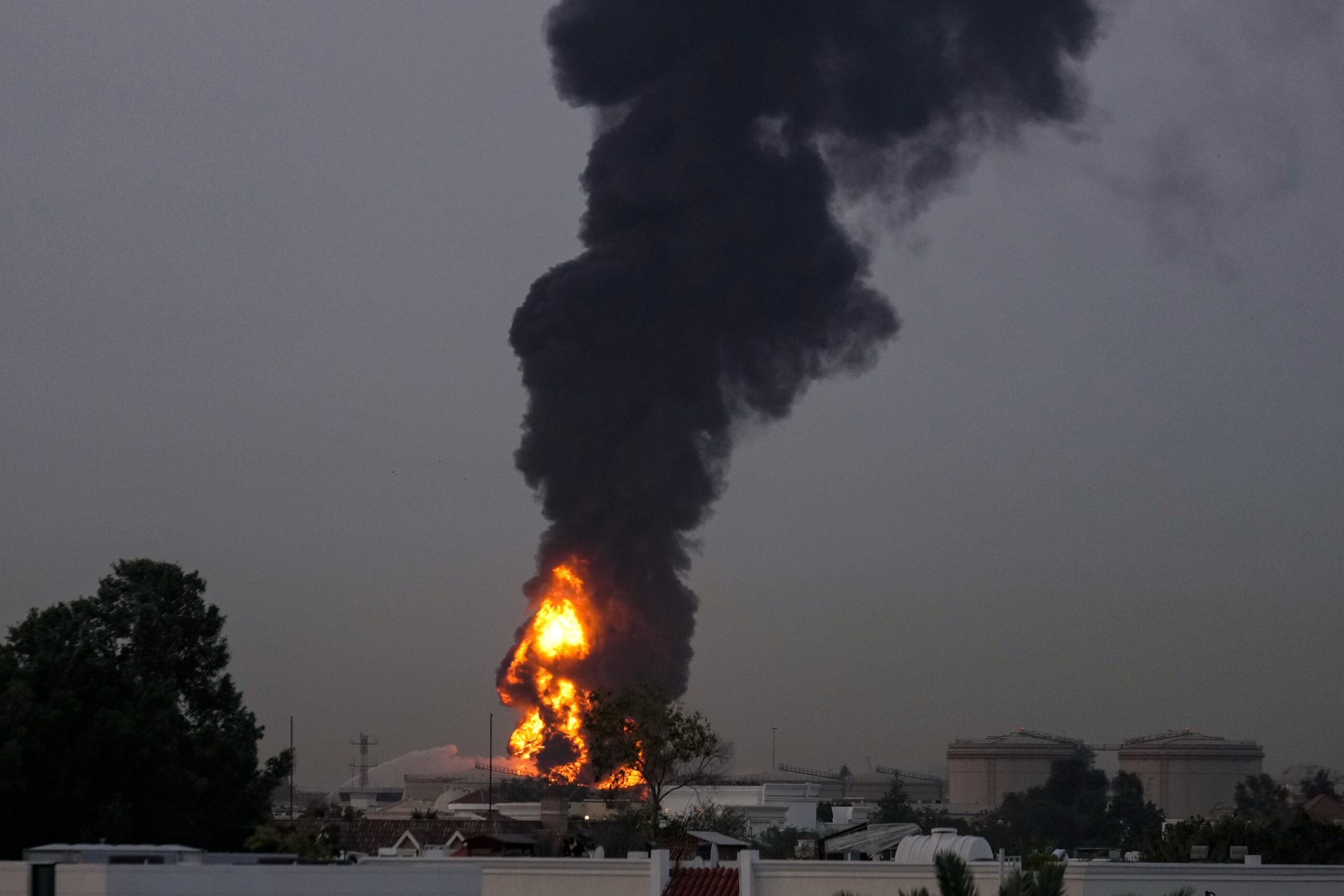
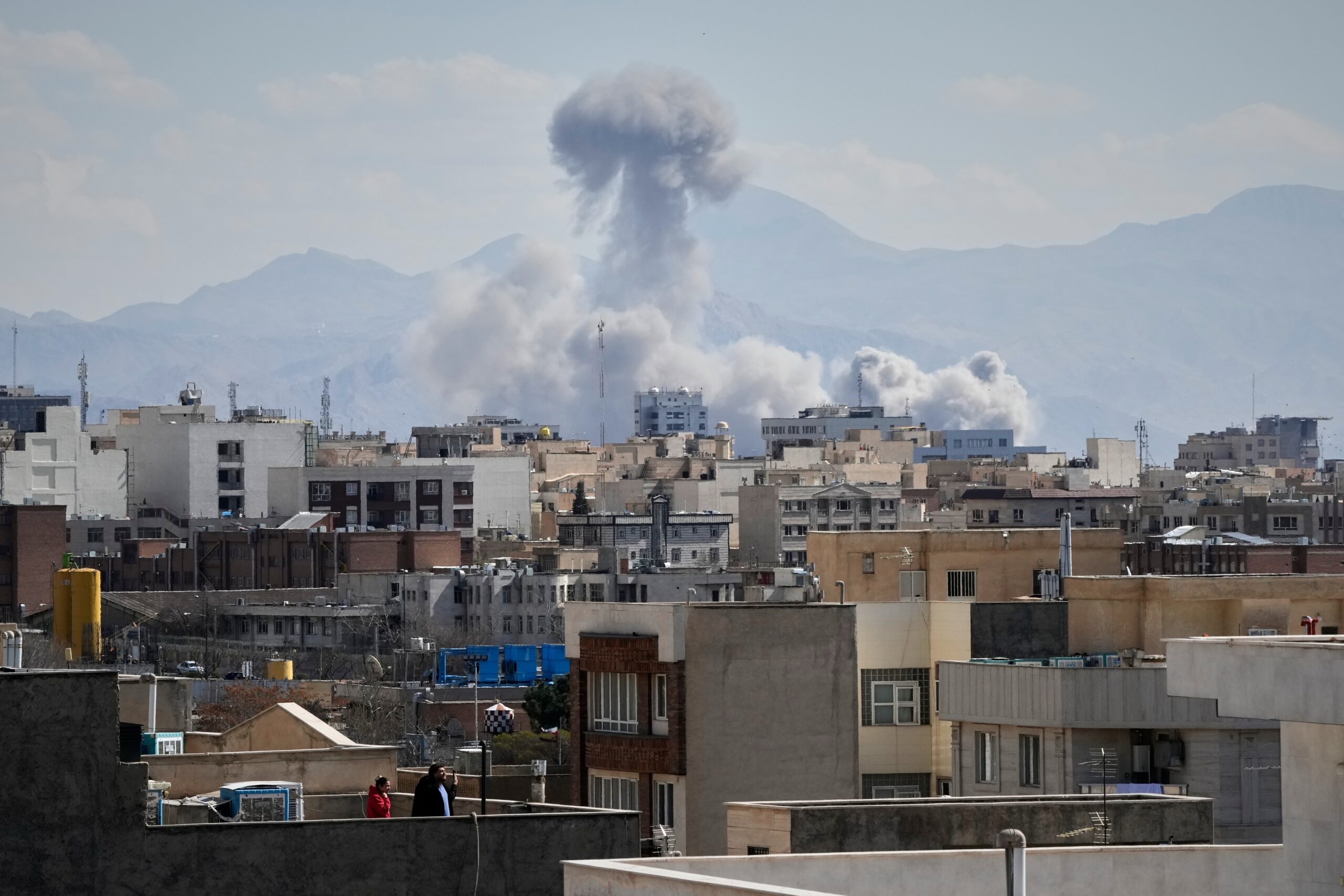
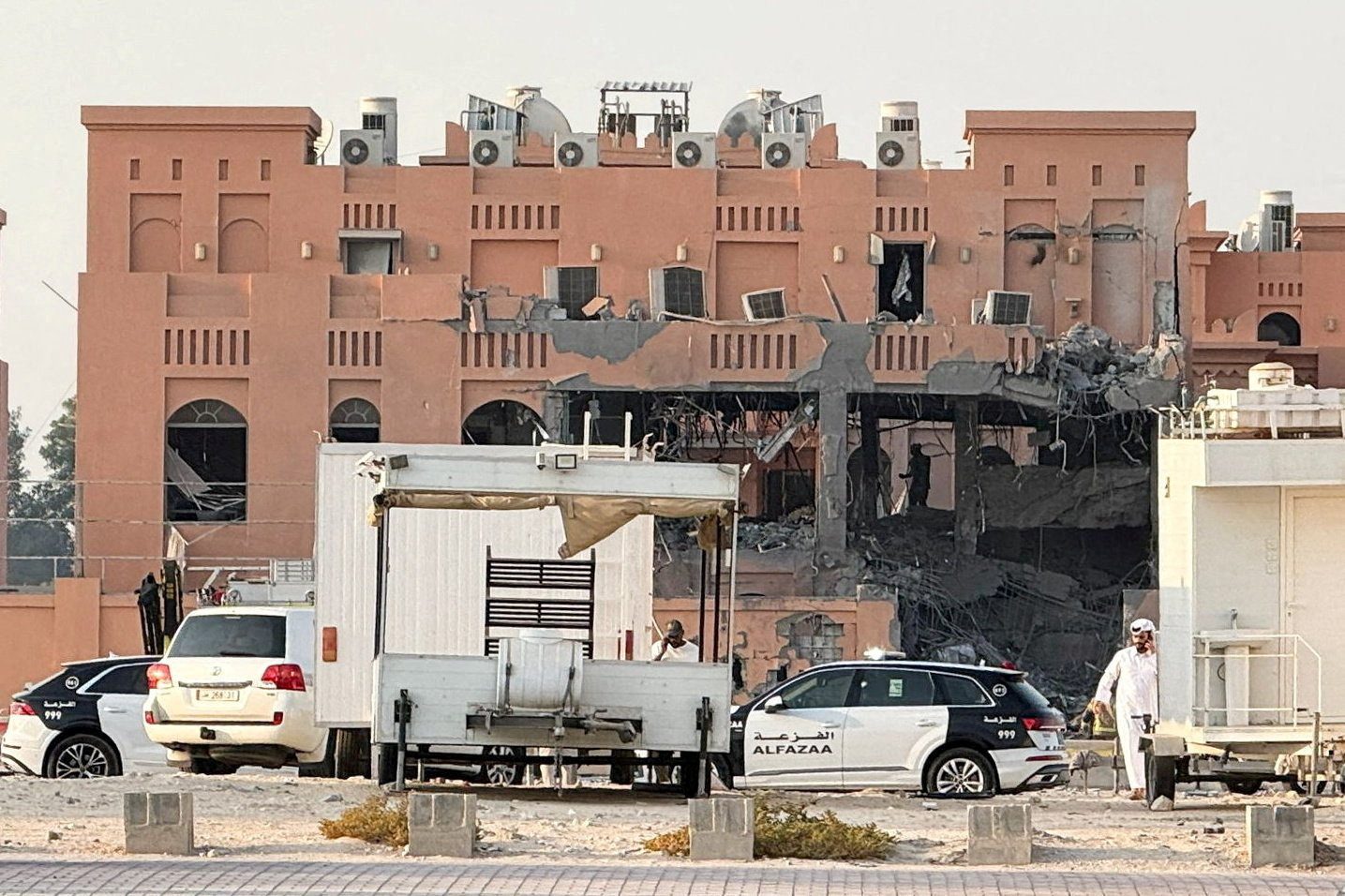
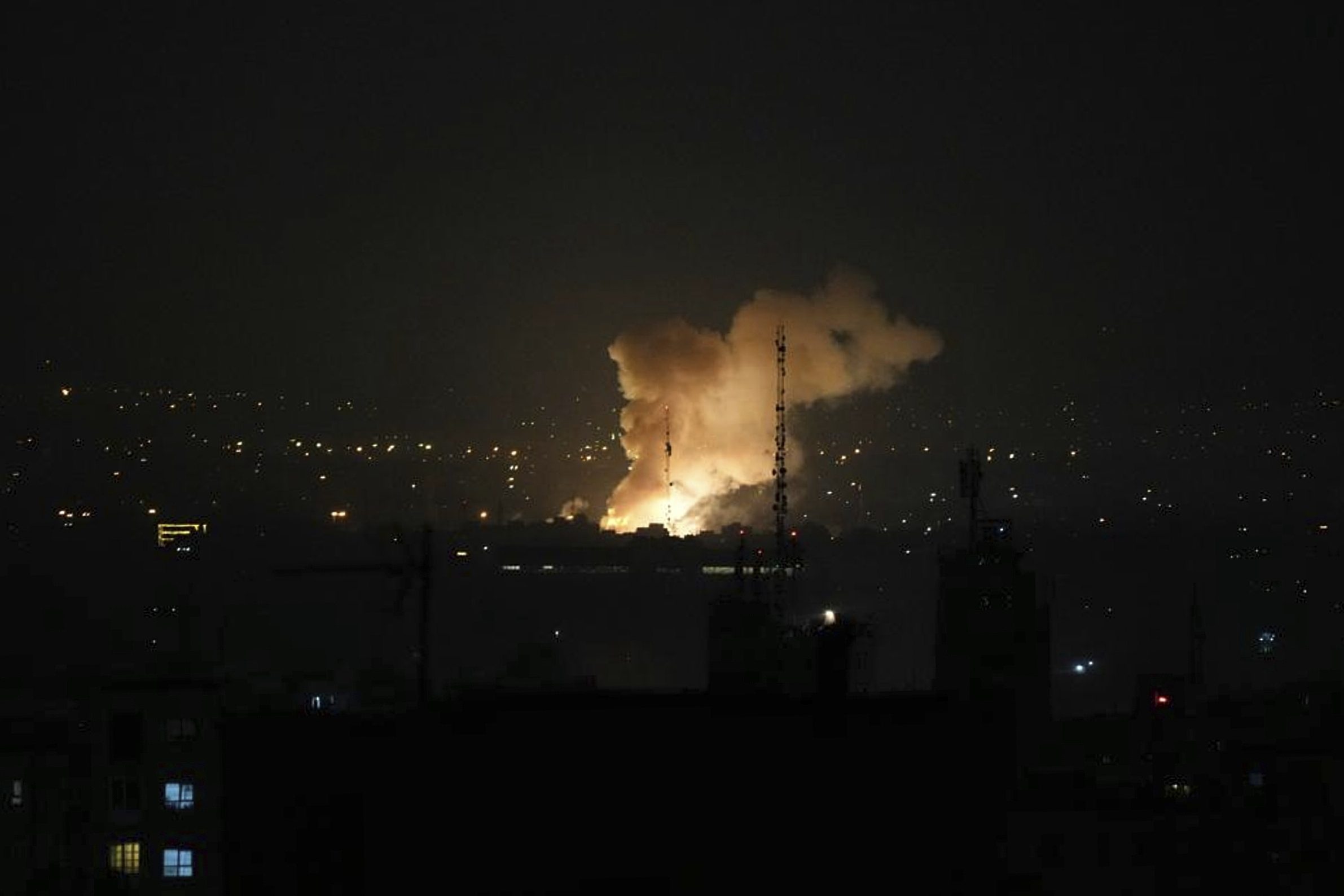
Iran has rained missiles and drones across the region, targeting military bases, government assets, and civilian infrastructure, including airports, ports, energy facilities, desalination plants, aluminum smelters, hotels, and even universities. Despite this, the Gulf states have resisted direct retaliation. Their restraint is a desperate, yet also calculated, act of preservation. In Tehran, this restraint is perceived as weakness rather than a deliberate strategy rooted in resilience and a commitment to preserving the possibility of a postwar regional order.
The danger now is not only continued conflict but the shape of its resolution too. There is growing concern that the principal actors may settle for a narrow, transactional deal without considering the Gulf Arab states’ long-term concerns. In such a scenario, the United States could unilaterally wind down its military operations. And Iran, emboldened and unchecked, would continue to assert itself across the region, thus imposing its own security architecture. For the Gulf Arab states, this does not represent peace. It would be a precarious new phase of lasting instability.
Since the outbreak of the Gaza conflict in October 2023, the specter of regional escalation has loomed large. That fear intensified following the 12-day war with Iran in June 2025. Calls for international coalitions to safeguard maritime navigation in the Strait of Hormuz reflect not only immediate security concerns but also the fragility of the global economic system, which remains deeply tied to the stability of this region.
The current developments increasingly expose the limits of military power as a means to achieving enduring political goals. On the one hand, Washington is unlikely to secure its more ambitious objectives of Iran’s “unconditional surrender” or regime change. Tehran, on the other hand, may calculate that it is succeeding in forcing Washington to end the conflict without reopening the Strait of Hormuz. Neither outcome would constitute a meaningful resolution.
At the core lies a deeper flaw. At the heart of this war is a unilateral security assessment rather than a collective assessment. The demands and counterdemands exchanged in the current crisis, rooted in coercion, echo those of previous decades. Many of the U.S. demands in President Donald J. Trump’s proposed “15-point plan” and Iran’s counter to it are decades old. This would seem to indicate that any outcome embracing versions of these legacy demands – a decisive military victory, regime change, or stalemate – would leave the underlying issues unresolved. This cycle of confrontation, negotiation, and relapse has become a defining feature of the region’s geopolitics.
For the Gulf Arab states, this is the trap they seek to avoid. Their success has depended on maintaining a delicate equilibrium: balancing external pressures while fostering an environment conducive to trade, investment, and innovation. This balance was tested in 2025 and has been shattered now. Iran’s strategy of weaponizing connectivity and targeting the networks that underpin regional and global commerce may yield short-term tactical advantages. But it risks undermining the long-term benefits that connectivity provides to the world, including Iran.
The United States, meanwhile, finds itself at a crossroads. Over recent years, the United States has worked to promote a shift from geopolitics defined by military competition to one influenced by geoeconomic priorities. But old habits have returned. After briefly prioritizing the latter and focusing on an “America First” agenda, Trump resorted to the pursuit of wars, victories, and regime change; thus military power, not economic relevance, returned to dominate.
This is a familiar pattern, one that previously drew the United States into protracted conflicts in Afghanistan and Iraq, with costly and uncertain outcomes. This conflict has diverted Trump from his goal of eliminating U.S. national debt, which is nearly $40 trillion, almost doubling since he vowed to erase it in eight years. There is now a real risk of history repeating itself, entangling Washington once again in a Middle East quagmire. This would naturally impact Gulf Arab investments in the United States.
A rapid exit from the current war, however, is also not necessarily a solution. A hastily negotiated deal that prioritizes short-term disengagement over long-term stability could leave the Gulf Arab states facing an emboldened Iran. The prospect of a prolonged, low-intensity conflict carries profound consequences for the regional and global economies.
What, then, is the alternative? It lies in fundamentally rethinking the framework of regional engagement. Rather than reverting to the familiar binary of war and peace, the focus must shift toward building a system grounded in shared economic interests. This requires more than diplomatic finesse; it demands strategic imagination. The Gulf Arab states are not merely seeking a seat at the table. They are uniquely positioned to help redesign it.
A new regional architecture must move beyond rigid notions of national security defined by zero-sum calculations. Instead, it should be based on intersecting interests – on the recognition that economic interdependence can serve as a stabilizing force. This approach would not eliminate competition or conflict, but it could transform dynamics, reducing the incentives for escalation and creating new pathways for cooperation.
Such a vision is neither simple nor sure to succeed. It requires courage from the principal combatants, who view power primarily through a military lens. It also requires a willingness to imagine a different future, one in which the region’s immense economic potential is harnessed not despite its diversity and tensions but because of them.
Ending the war will not be enough, nor will finishing “the job” through further escalation. Both paths lead to the same impasse. Without a shared vision for the future, current mediation efforts risk becoming little more than a reset button, returning the region to the mistakes of the past, a familiar cycle of crisis and temporary reprieve.
Breaking free from this cycle demands a shift not only in policy but in perspective. It calls for a recognition that the true stakes extend beyond territorial control or political and military dominance. They lie in the ability to define and realize a future that transcends the limitations of the past.
For the Gulf Arab states, that future remains the guiding priority. Whether Iran, the United States, and Israel are prepared to see it similarly will determine not only the outcome of this war but the trajectory of the region for decades to come.
The views represented herein are the author's or speaker's own and do not necessarily reflect the views of AGSI, its staff, or its board of directors.
The imperative for Gulf states to unify their position has grown since the onset of Iranian attacks on their countries. Yet under conditions of uncertainty about the U.S. position and the war's outcome, Gulf states are demonstrating differing regional alignments and preferences for managing the crisis.
Riyadh and Abu Dhabi urged President Trump not to attack Iran, but now that the war is into its second month, leaving the current situation in place would be an unthinkable fiasco for them.
The Gulf Arab states have discovered that wealth without hard power, and alliance without political influence, leave them exposed to other countries' wars.
AGSI explains what Israel’s sudden and massive attack on Iran is likely to mean for Gulf Arab states, Iran, the United States, and global and regional economies.
As President-elect Trump returns to the White House, he will find a transformed Gulf region, brimming with confidence and initiative; the best way to tap this energy is to consult the region and take on board the regional perspectives.
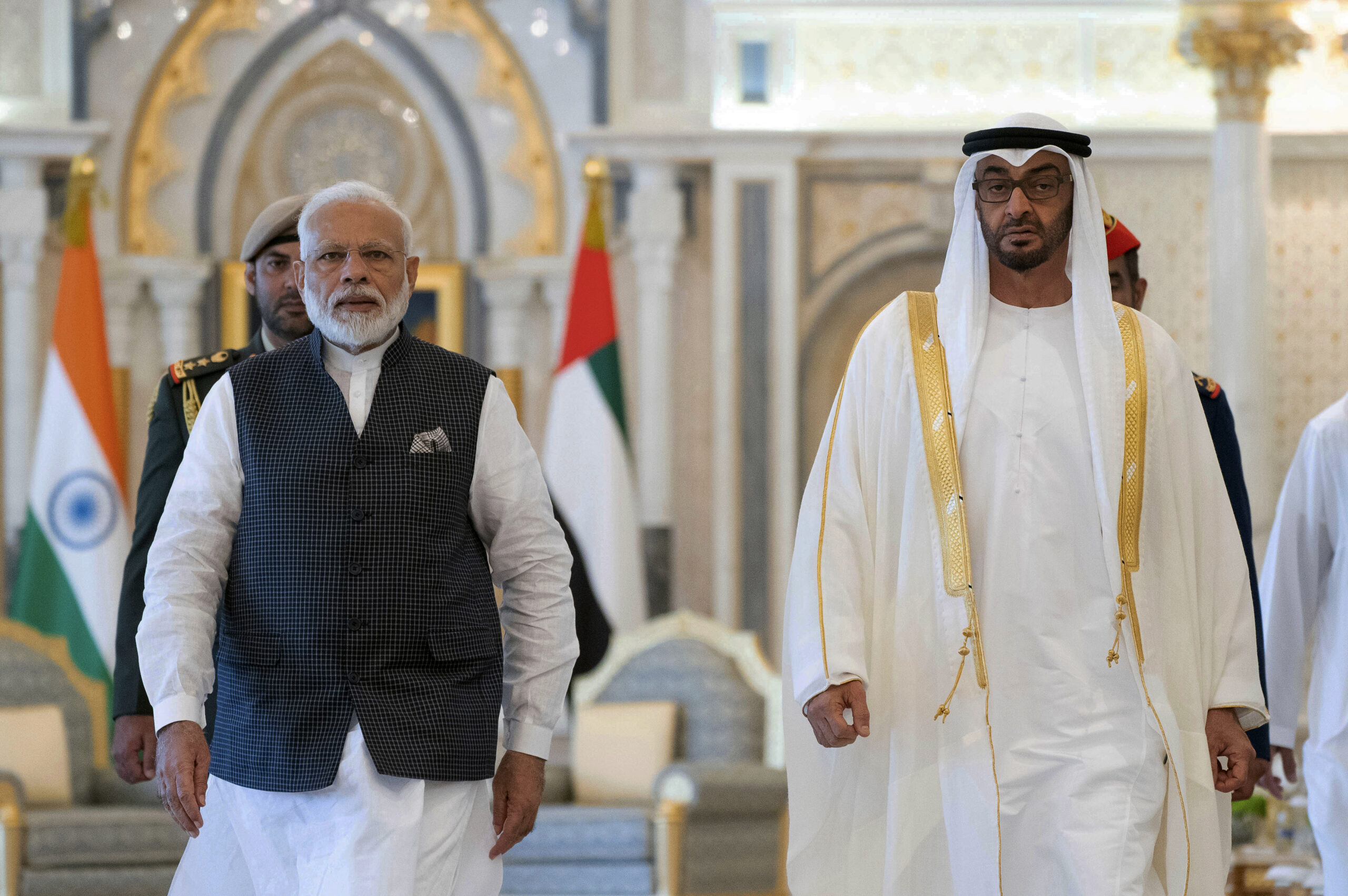
Recent agreements between the UAE and India are not only significant steps toward strengthening the bilateral partnership but also reducing the countries’ carbon footprint in the energy sector.
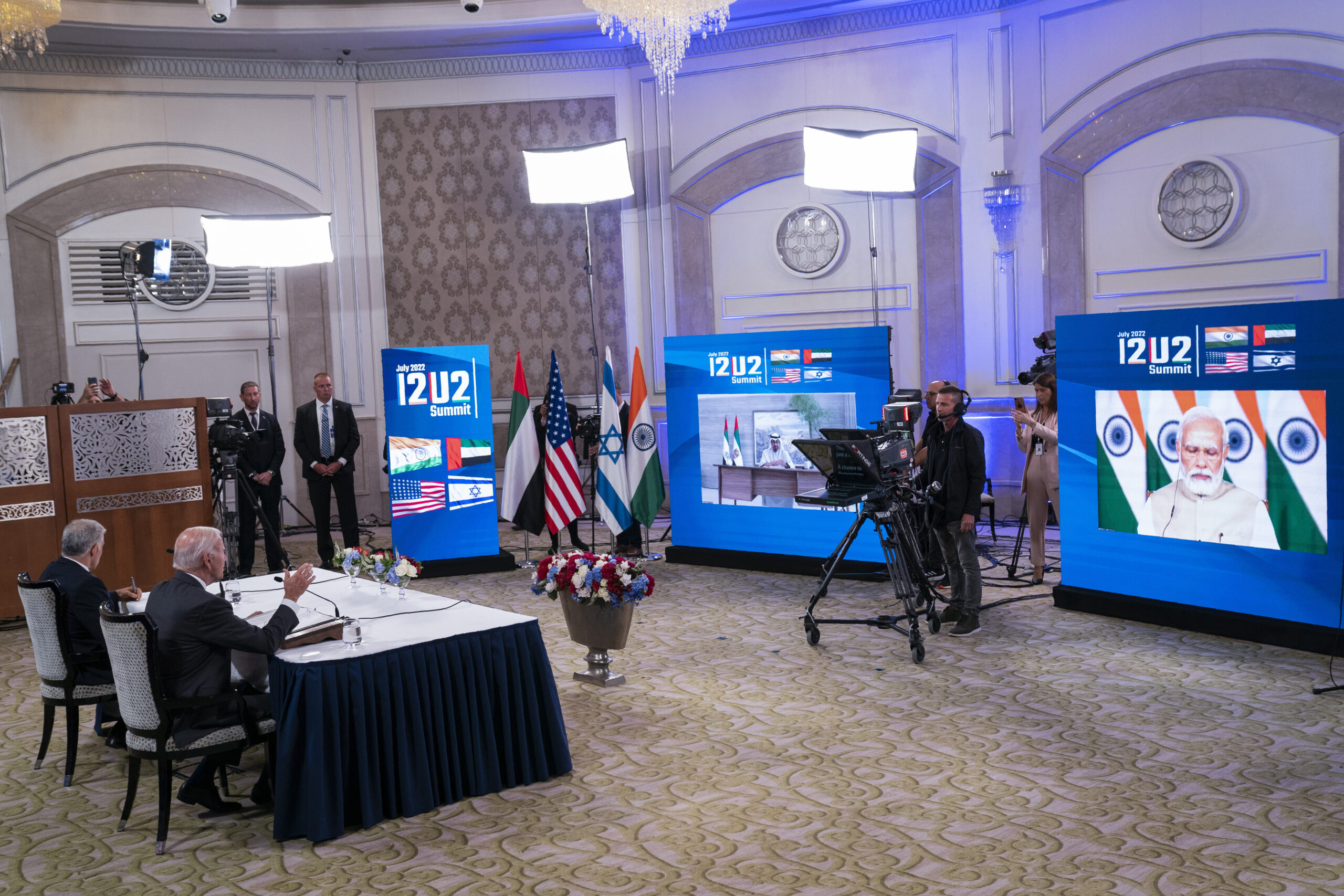
On August 10, AGSIW, the Anwar Gargash Diplomatic Academy, and the Johns Hopkins School of Advanced International Studies hosted a discussion on the new quadrilateral forum comprising India, Israel, the UAE, and the United States.
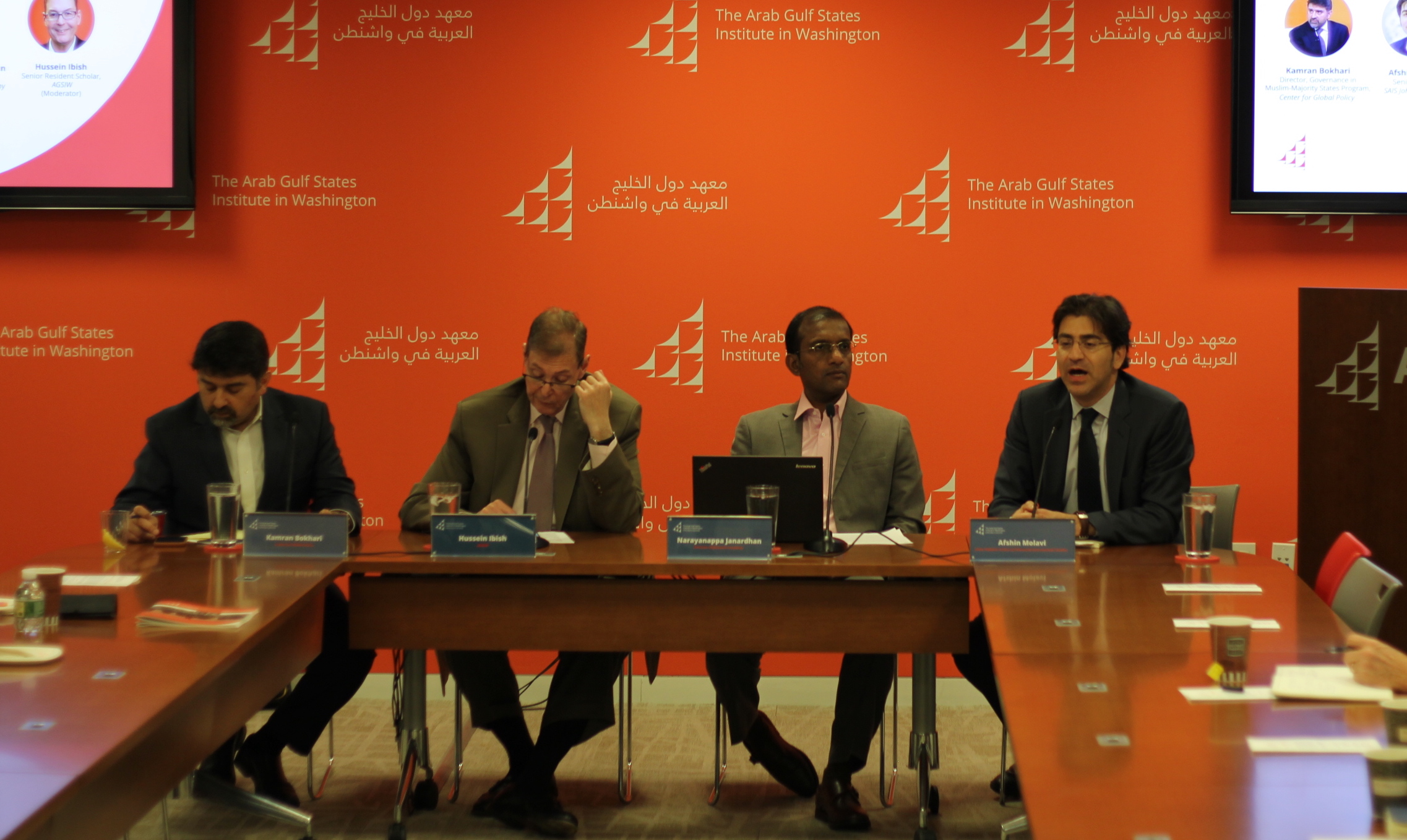
AGSIW hosted a panel discussion examining the diplomatic, security, and economic issues shaping the growing relationship between the countries of the Gulf and the South Asian subcontinent.