The Gulf’s backing of the Iran deal is smart politics
The Gulf Cooperation Council’s public endorsement of the nuclear agreement with Iran is a smart move, but it’s neither a blank cheque for Washington nor the last word from the Gulf states on the international community’s relationship with Tehran. Indeed, behind the commitment of the Gulf states to give the agreement a chance lies an...
U.S. Secretary of State John Kerry listens (L) as Qatari Foreign Minister Khalid bin Mohammad Al-Attiyah speaks during a press conference following a meeting with foreign ministers of the Gulf Cooperation Council (GCC) on August 3 in Doha. (BRENDAN SMIALOWSKI/AFP/Getty Images)
The Gulf Cooperation Council’s public endorsement of the nuclear agreement with Iran is a smart move, but it’s neither a blank cheque for Washington nor the last word from the Gulf states on the international community’s relationship with Tehran.
Indeed, behind the commitment of the Gulf states to give the agreement a chance lies an equally, if not more, evident determination to try to strengthen control over their own security arrangements.
The irony is that as the Gulf states’ position on the nuclear agreement moves closer to Washington’s, the experience has underscored their need to move beyond an excessive reliance on the United States.
Since the signing of the nuclear agreement, the Gulf states have all issued their own individual reactions. As one would expect from such a diverse group, their responses covered a wide spectrum.
Oman unreservedly welcomed the accord, while Saudi Arabia emphasised the need for Iran to amend its aggressive and destabilising regional policies. Others sought to emphasise the potential benefits, while reminding Iran that it cannot continue to meddle as it has in the past.
US secretary of state John Kerry joined a meeting of GCC foreign ministers in Doha on August 3. The joint statement issued after the meeting finally brings the GCC position together, unanimously, in support of the nuclear agreement.
It states “the Ministers agreed that, once fully implemented, the deal contributes to the region’s long-term security, including by preventing Iran from developing or acquiring a military nuclear capability”.
Whatever doubts some, or even all, of the GCC countries might have about the effectiveness of the agreement and its likely positive effect on regional security, issuing such a statement was a wise decision.
The GCC states had already secured some significant reassurances and commitments from the United States at Camp David, and presumably received more since then.
Even if this well has run dry, and the United States has provided all the inducements it is willing and able to give to the Gulf states in connection with the Iran agreement, securing what has been achieved through such an endorsement is the correct policy.
The August 3 joint statement contains strong and important language committing the United States to work with the Gulf countries to ensure their security from external threats and to combat “Iran’s support for terrorism and its destabilising activities in the region…particularly attempts to undermine the security of and interfere in the domestic affairs of GCC member states, most recently in Bahrain”.
The Gulf states must, and apparently do, understand that the agreement is for all intents and purposes a fait accompli. It’s true that Barack Obama and his administration are facing a much tougher battle in Congress than was initially anticipated. Most notably, the third highest-ranking Democrat in the Senate, Charles Schumer of New York, has announced his opposition to the agreement.
But he may well have done so after calculating that, because Congress will eventually not kill the deal, his party will forgive him for opposing the president in this case.
Mr Obama’s recent approach to the debate has not strengthened his hand. He has an impressive case to make, but his repeated suggestions, most recently at an address last week at American University, that opposition is simply opportunistically partisan, disingenuous, irrational or, ultimately, inexplicable greatly undermine his arguments.
It’s possible that Mr Obama sincerely cannot understand how or why anyone would disagree with his judgment regarding this agreement, which he compared to finding a cure for cancer.
But when he strays from the zealous and powerful advocacy of his position into the territory of contemptuous dismissal of any serious disagreement, he begins to sound not so much arrogant as insecure and overly defensive.
Nonetheless, as both Mr Obama and Mr Schumer, and the leaderships of the GCC countries, understand, in the end it is virtually unthinkable that Congress will overrule the president on an issue of this magnitude. Few Democrats will want to emulate Mr Schumer, and the argument about the damage to American international credibility if Congress scuppers this agreement before it has really been born will eventually win the day.
So the Gulf countries were well advised to come together in support of an agreement that is going to be implemented no matter what they say.
Saudi Arabia, which is most sceptical of the agreement, had the choice of joining Israeli prime minister Benjamin Netanyahu – who is, at least in part, driven by domestic political calculations – as the only major international player to openly and vociferously oppose the accord. It’s an understatement to suggest that such an identification is not in Riyadh’s interests.
There is nothing to be gained for the Gulf states at this point by opposing the agreement, and a real value in striking this unified position that consolidates the partnership with the United States.
Nothing else makes sense. But the Gulf countries can, and should, continue to work to develop greater control of their own security arrangements, a more robust regional posture, especially towards Iran and its proxies, and a wider range of allies.
There is nothing incompatible about pursuing both simultaneously. Again, nothing else makes sense.
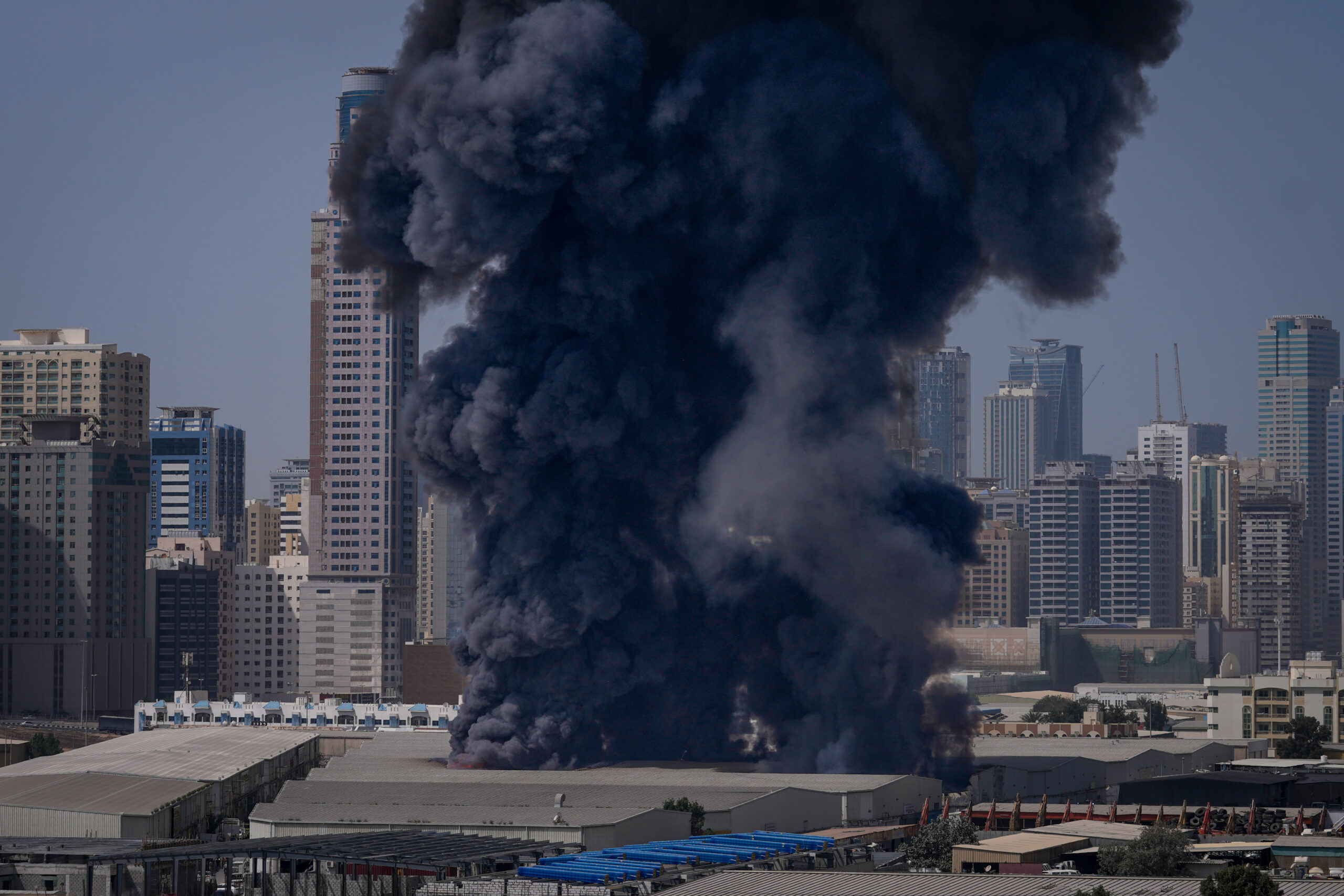
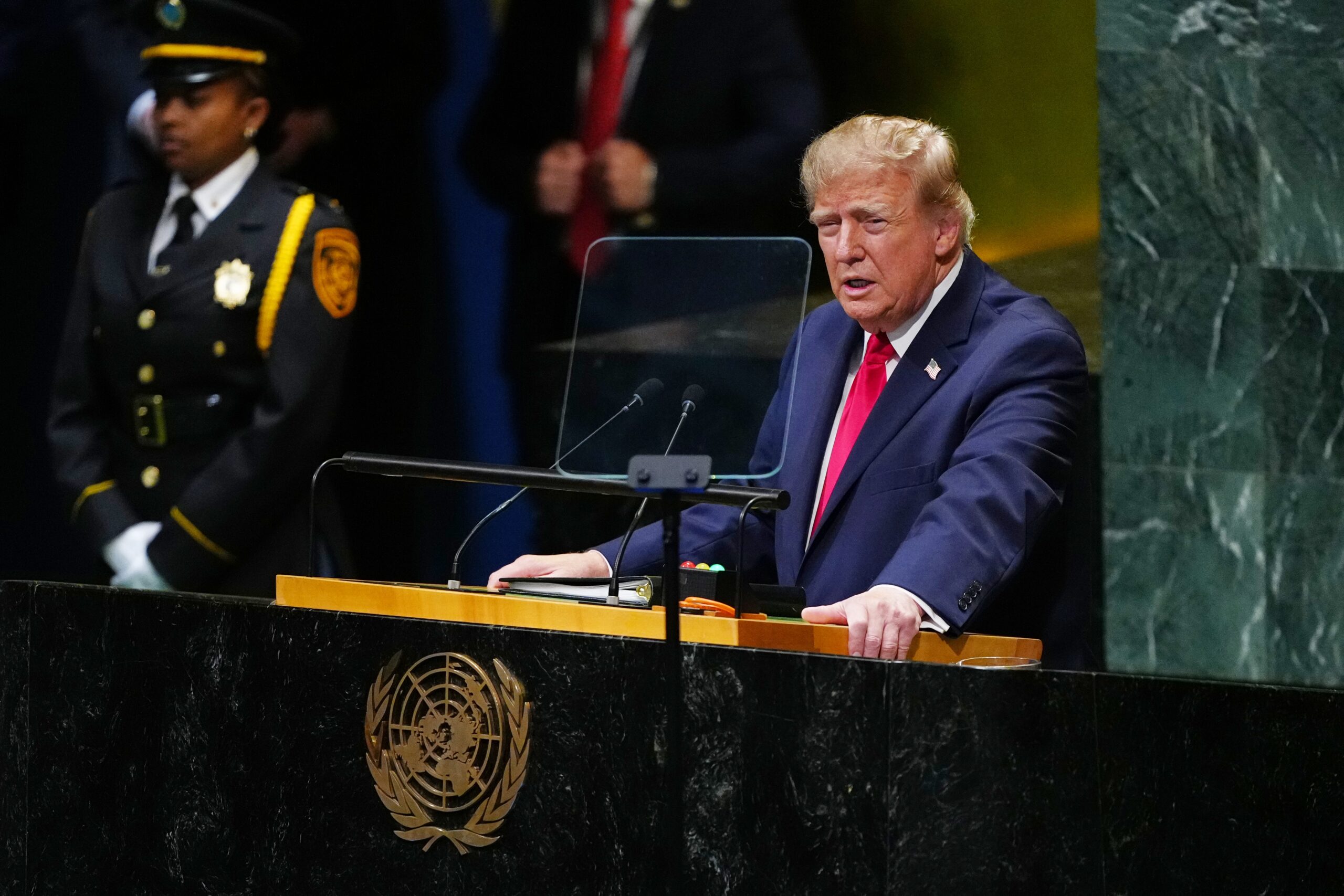
President Trump has led the United States into an impossible dilemma in which resuming and intensifying the war presents one set of alarming consequences while ending it under current circumstances offers at least as many disasters for Washington.
The Trump administration has positioned the United States at a crossroads between a new regime of containment against Iran or a historic drawdown of U.S. influence in the Gulf and broader Middle East.
Riyadh and Abu Dhabi urged President Trump not to attack Iran, but now that the war is into its second month, leaving the current situation in place would be an unthinkable fiasco for them.
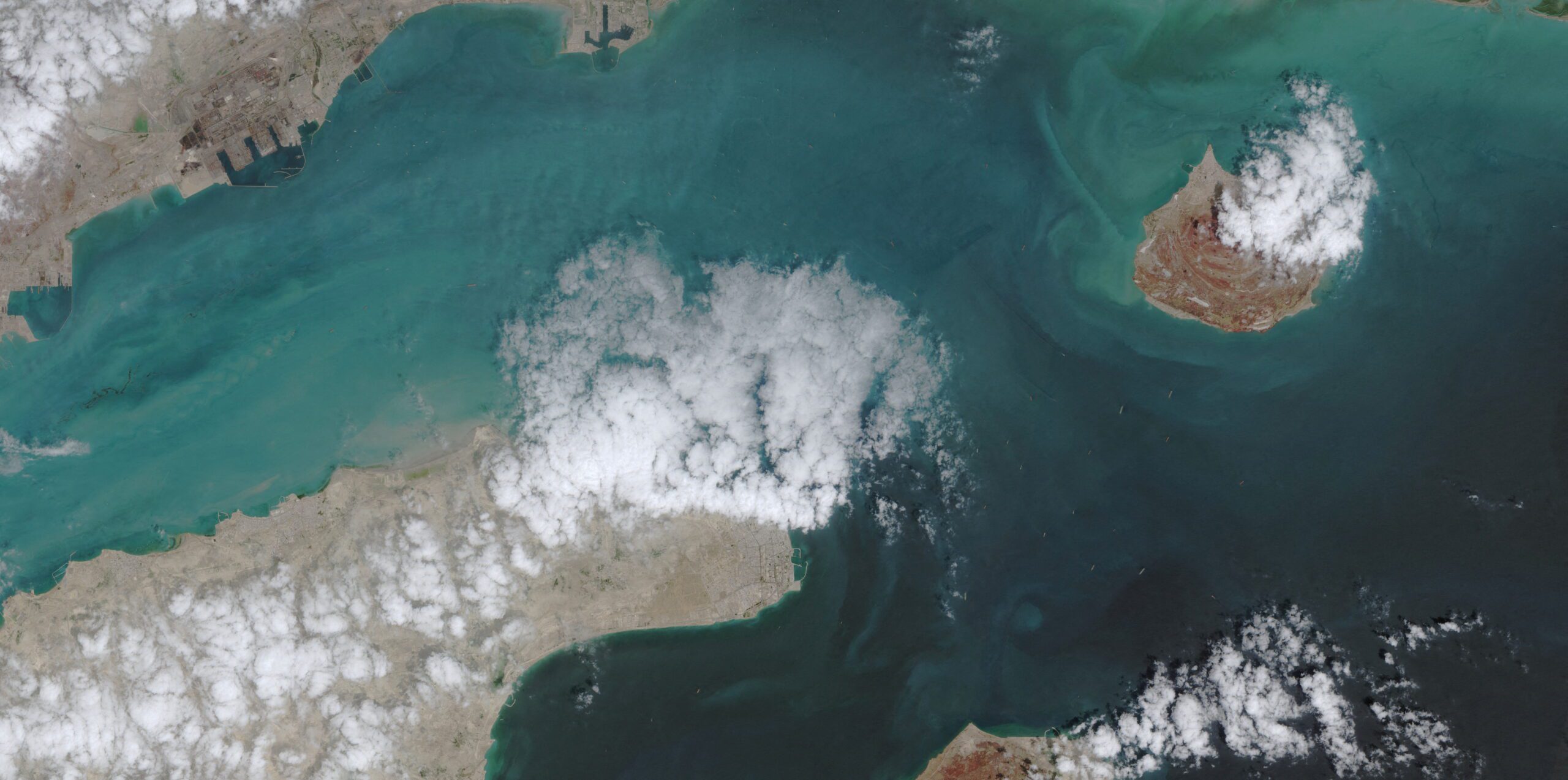
Though they were unsuccessful in preventing the current conflict, and, as expected, have been dragged into the U.S.-Israeli confrontation with Iran, Gulf Arab countries remain crucial to hopes for limiting the war and bringing it to a quick resolution.











Aug 10, 2015
The Gulf’s backing of the Iran deal is smart politics
The Gulf Cooperation Council’s public endorsement of the nuclear agreement with Iran is a smart move, but it’s neither a blank cheque for Washington nor the last word from the Gulf states on the international community’s relationship with Tehran. Indeed, behind the commitment of the Gulf states to give the agreement a chance lies an...
5 min read