May 2, 2023
Tehran Prepares Iranian Public Opinion for Normalization of Ties With Bahrain
The May 2 edition of the Iran Media Review highlights commentary on the prospects and merits of Iran normalizing relations with Bahrain.

After years of Iranian propaganda against the House of Khalifa, Bahrain’s ruling family, Tehran appears ready to normalize diplomatic relations with Manama, just as it normalized ties with Riyadh. However, efforts by the regime and Iranian foreign policy analysts to prepare Iranian public opinion for normalization may alarm officials in Manama, who are fearful of Iranian meddling in Bahrain’s internal affairs.
- April 2: In an interview with Fars News, Reza Sadr al-Hosseini, a regional affairs expert, said: “Certain governments, like Bahrain’s, that in many of their affairs, particularly foreign policy, depend on Saudi Arabia, themselves severed relations with the Islamic Republic. It was therefore predictable that Bahrain would resume relations with Iran after the resumption of Iran-Saudi Arabia relations … The people of Bahrain, a majority of whom are Shia or even of Iranian descent, help improve relations … Although the island of Bahrain was severed from Iran 50 years ago, the people of Bahrain have not lost their love for us … The people who migrated from Malaysia, Indonesia, India, and Pakistan to Bahrain and have Bahraini IDs do not constitute the real population of this country, but the Khalifa regime tries to depict them as the Bahraini people … The real and original Bahrainis live abroad … And those remaining in Bahrain visit Iran for pilgrimage. It is therefore not so difficult to normalize relations between Iran and Bahrain within a short period of time.”
- April 16: Ghatreh News, quoting Jalil Rahimi Jahanabadi, a member of Iran’s Parliamentary Foreign Policy and National Security Committee, wrote: “Fortunately, Iran’s relations with Egypt, Jordan, Bahrain, and the Emirates are improving.”
- April 18: Under the headline “Bahrain Follows Saudi’s Lead in Resolving Political Conflicts With Iran,” Middle East analyst Ghafour Karimi commented on Tehran-Manama relations for Diplomasi-ye Irani and argued: “As two rival regional actors, Iran and Saudi Arabia compete for their spheres of influence in the Middle East. In this context, Bahrain is one of the more important fields of hegemonic battles between the two … Since Iran and Saudi Arabia are normalizing diplomatic relations … the Bahraini government will take the Saudis’ lead to reduce regional tensions.”
- April 18: In a conversation with Didban-e Iran, Qassem Mohebali, a Middle East analyst, depicted Bahrain as an important unresolved issue between Iran and Saudi Arabia: “Next after Yemen, Bahrain is an important issue for Iran and Saudi Arabia. They claim they are concerned about Iranian meddling. As Bahrain is attached to Saudi Arabia, the internal dynamics in this country will also impact internal affairs in Saudi Arabia. A majority of this country’s population is Shia, which is important for Iran.”
The views represented herein are the author's or speaker's own and do not necessarily reflect the views of AGSI, its staff, or its board of directors.
Related
Iran Media Review
Sep 15, 2026
Despite Tactical Victories, Iran Struggles to Restore Deterrence
The September 15 edition of the Iran Media Review examines Iranian statements on a possible nuclear bomb, Iran’s relationship with the UAE, and developments in Yemen.
Iran Media Review
Sep 11, 2026
Diminishing Importance of the Straits?
The September 11 edition of the Iran Media Review contrasts hard-liners’ celebration of oil prices rising with a technocratic Iranian newspaper’s warning that the regime’s ability to take the world economy hostage is diminishing.
Iran Media Review
Sep 8, 2026
Mohsen Rezaei Explains Tehran’s Strategy
The September 8 edition of the Iran Media Review outlines the Iranian Supreme National Security Council secretary’s remarks on Iran’s strategic response to the U.S. naval blockade.
Sep 15, 2026
Despite Tactical Victories, Iran Struggles to Restore Deterrence
The September 15 edition of the Iran Media Review examines Iranian statements on a possible nuclear bomb, Iran’s relationship with the UAE, and developments in Yemen.
Sep 11, 2026
Diminishing Importance of the Straits?
The September 11 edition of the Iran Media Review contrasts hard-liners’ celebration of oil prices rising with a technocratic Iranian newspaper’s warning that the regime’s ability to take the world economy hostage is diminishing.
Sep 8, 2026
Mohsen Rezaei Explains Tehran’s Strategy
The September 8 edition of the Iran Media Review outlines the Iranian Supreme National Security Council secretary’s remarks on Iran’s strategic response to the U.S. naval blockade.
Analysis
The Islamic Republic Returns to Offense
After U.S.-Israeli strikes killed Supreme Leader Ayatollah Ali Khamenei on February 28, Iran’s collective leadership has concluded that the best defense is a good offense.
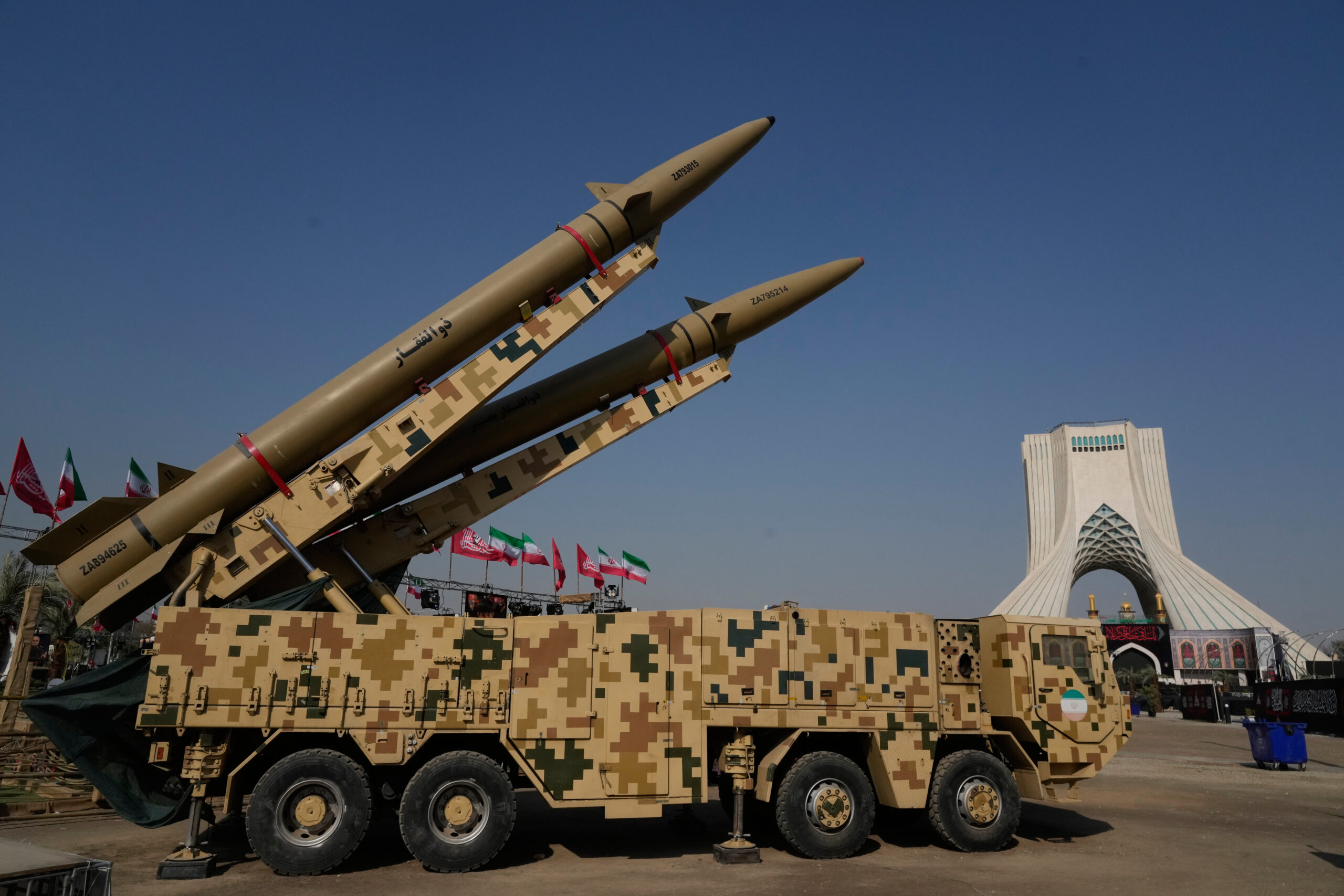
Iran’s Collective Strategic Decision Making
Wartime pressure has temporarily aligned the leadership’s overriding interest in regime survival, even as its members continue to differ over the costs, methods, and ultimate objectives of the war.
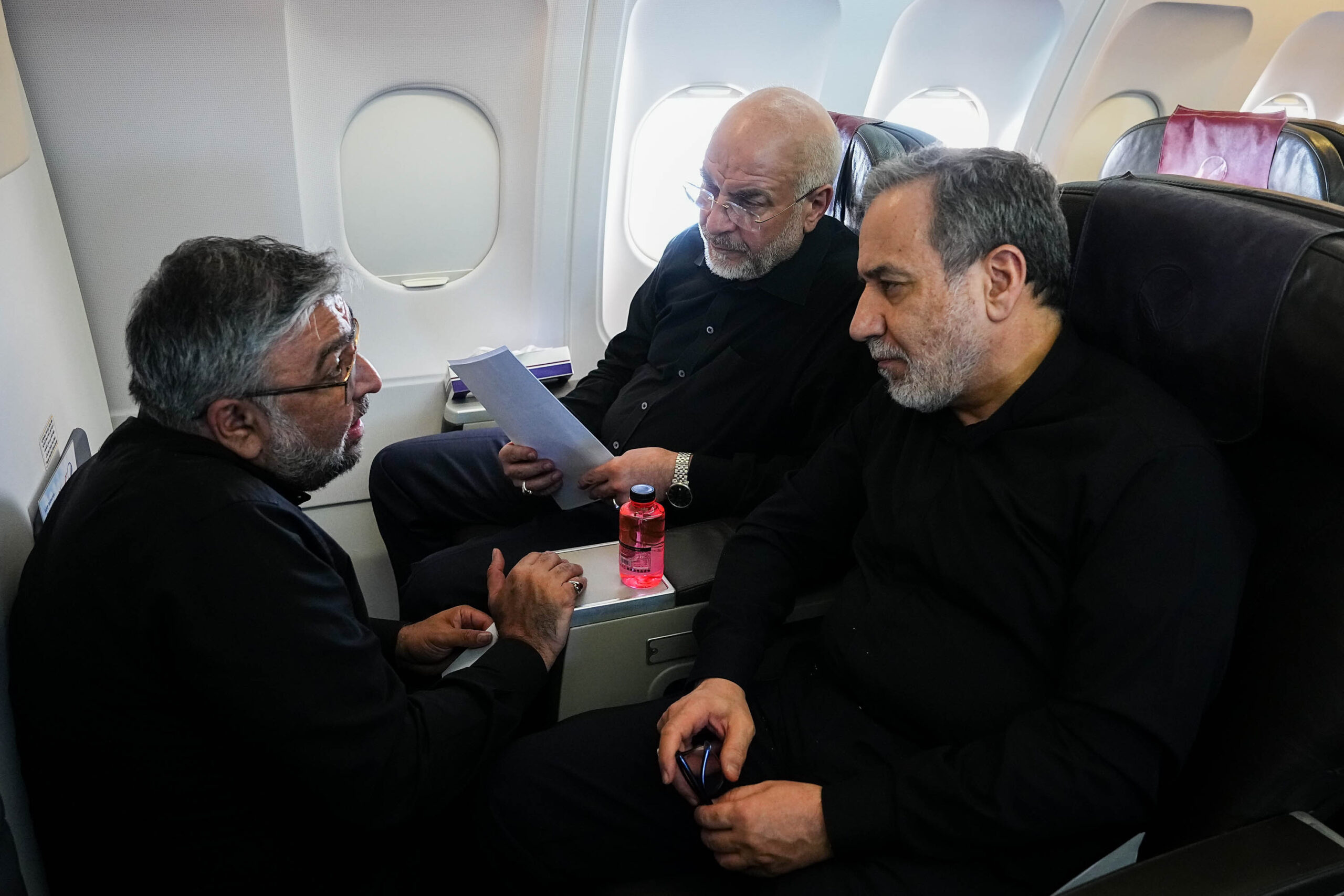
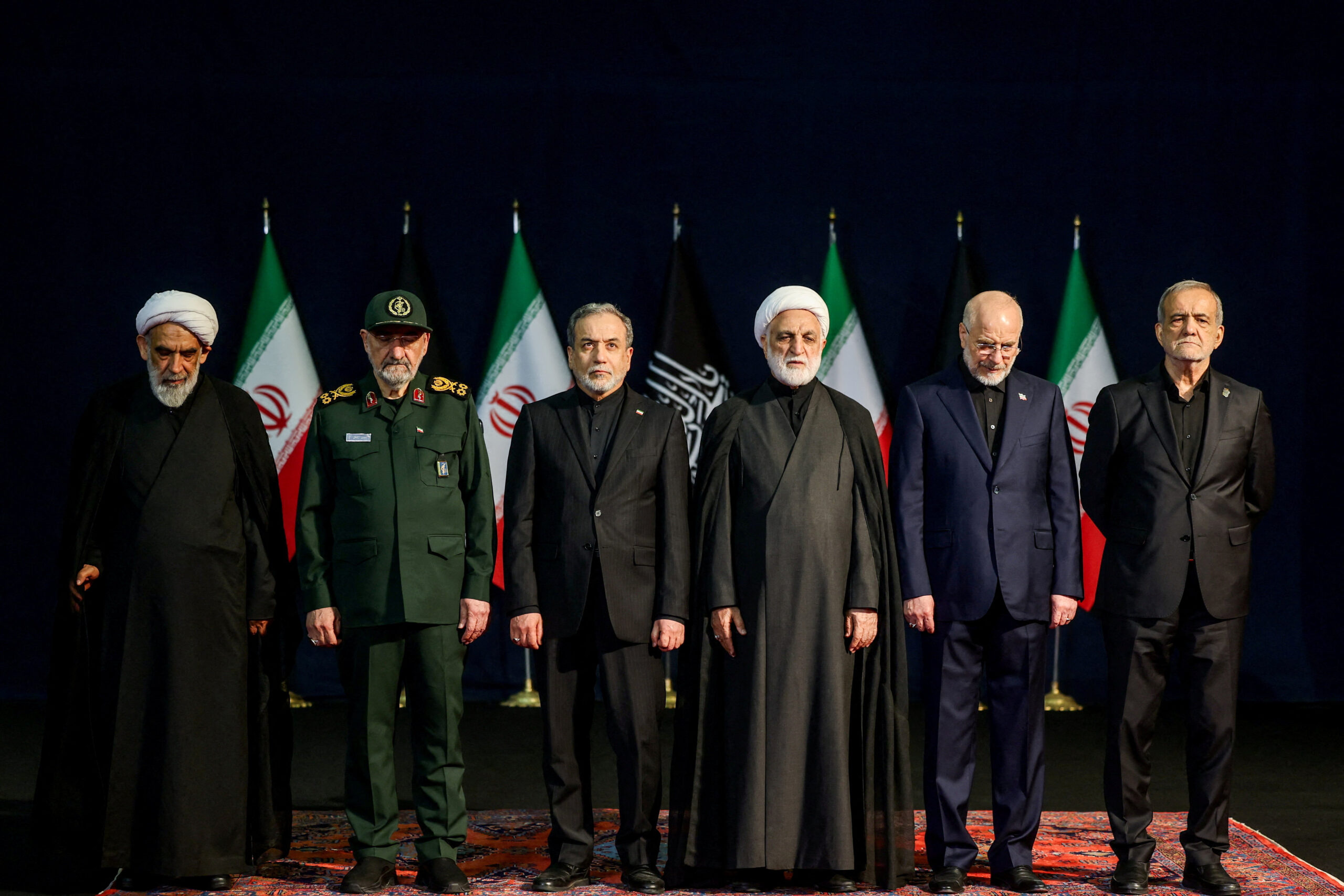
The Islamic Republic’s Collective Leadership
While there is historical precedent for collective leadership in Iran, today’s leadership includes representatives of the IRGC and regular military – a reflection of the IRGC’s expanding role and the necessities of governing under wartime conditions.
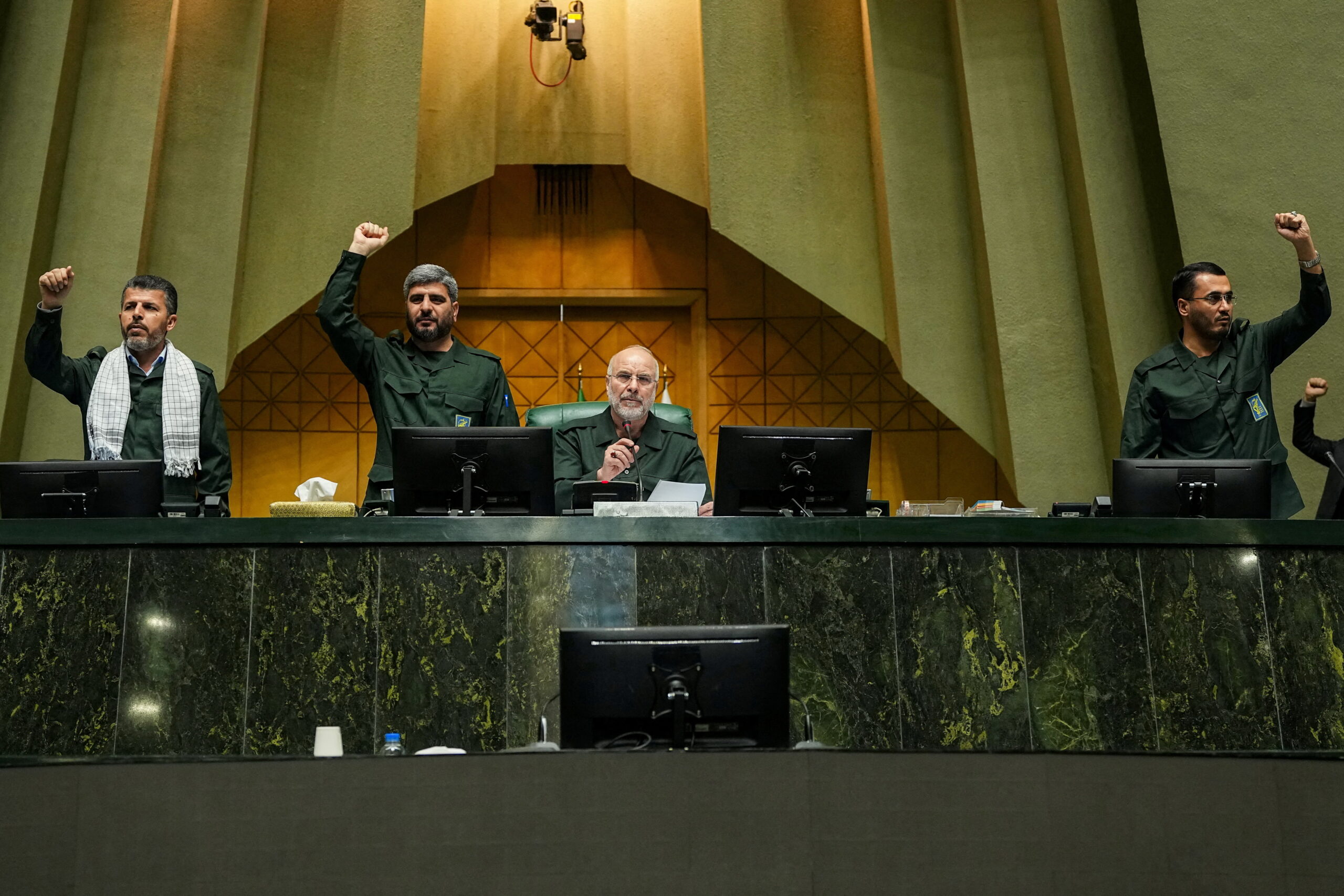
How Did the IRGC Seize Power in Iran?
The IRGC did not seize power in a single stroke. It accumulated it – patiently, methodically – until no counterweight remained.
Events
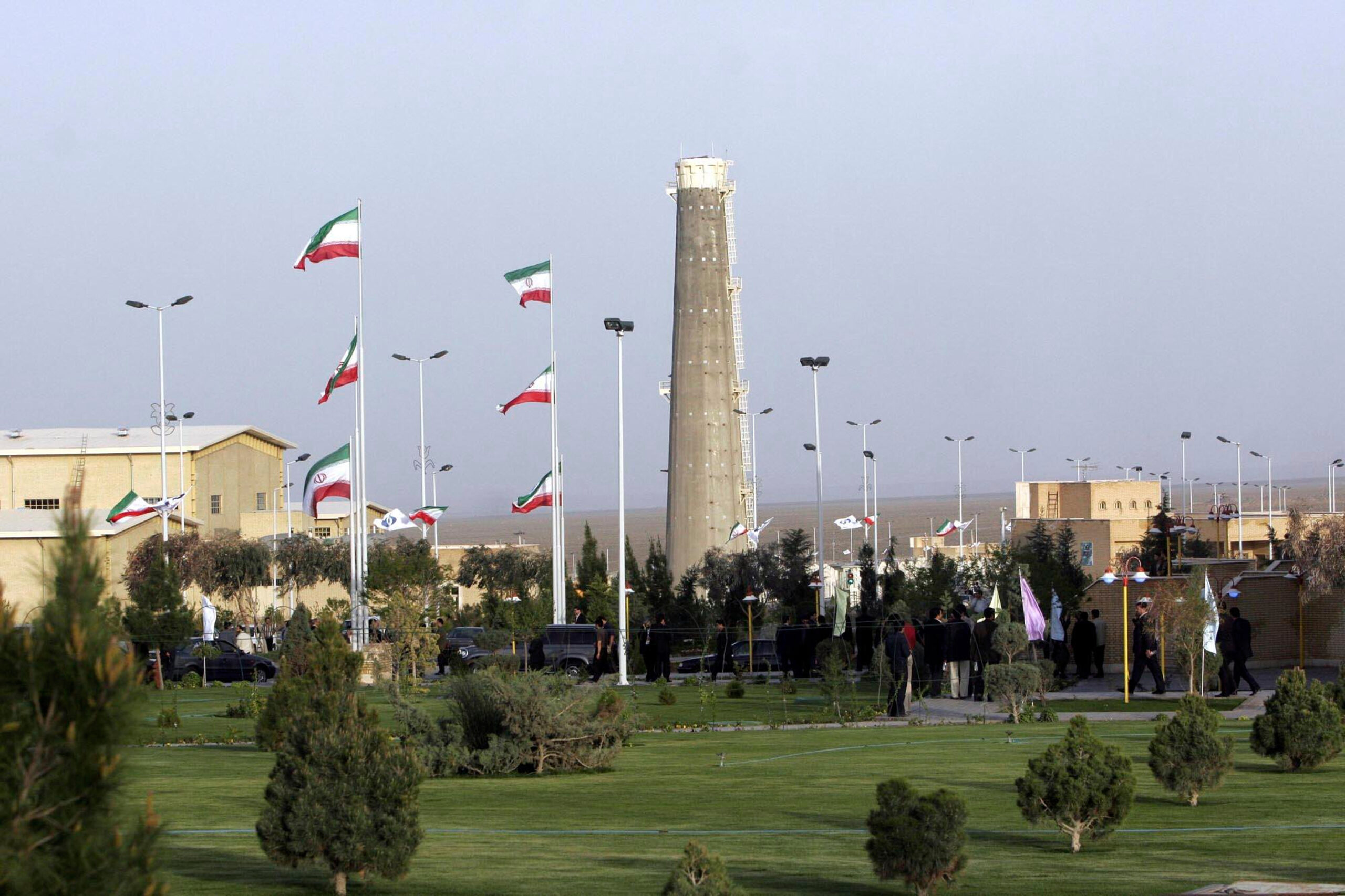
Book Talk: Iran and the Bomb: The United States, Iran and the Nuclear Question
On June 16, AGSI hosted a discussion on the evolution of Iran's nuclear program.
Speakers


Apr 21, 2026
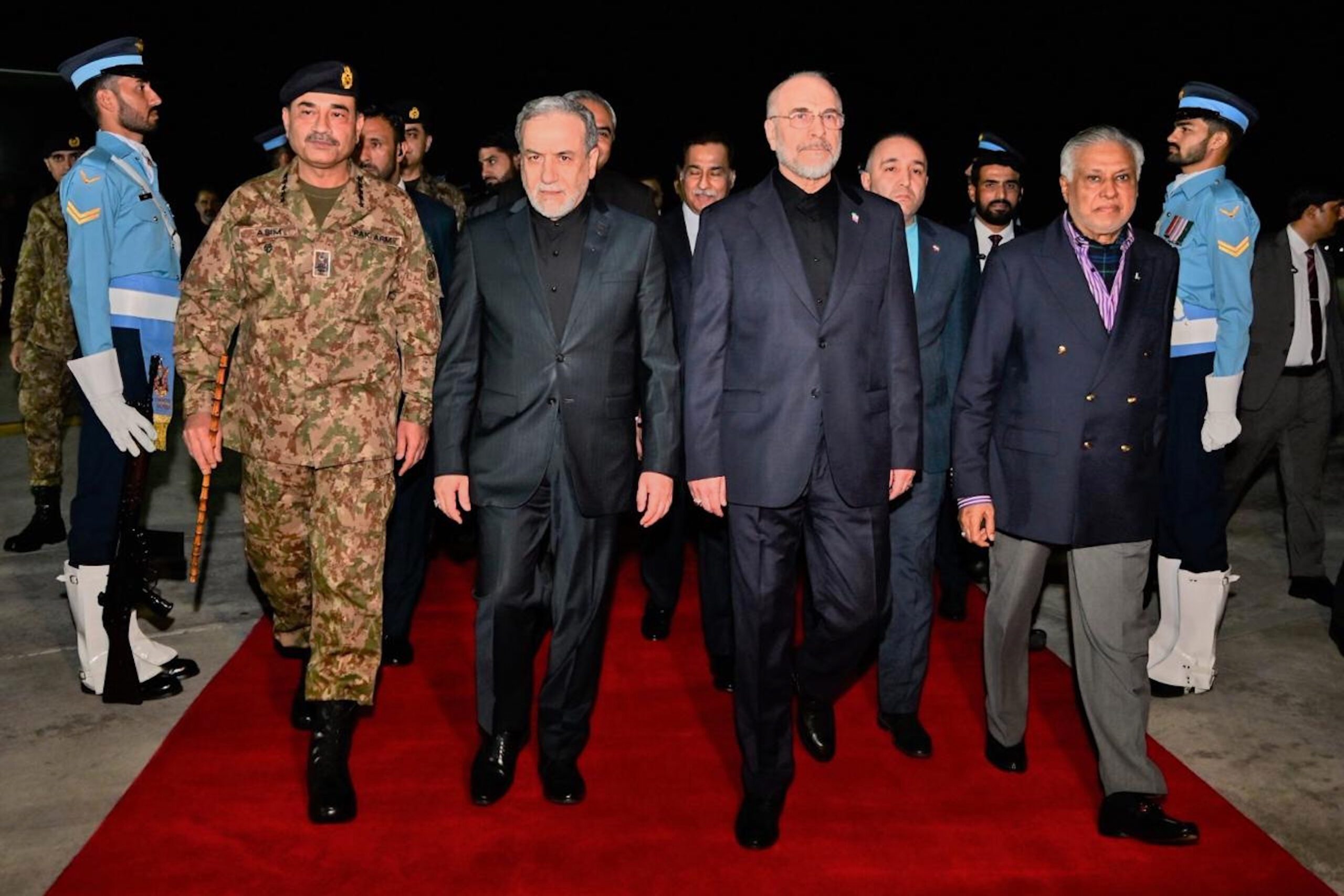
Inside Iran’s Wartime Leadership: Power, Succession, and Regime Stability
On April 21, AGSI hosted a discussion on the evolution of Iran's leadership during the war.
Speakers

Mar 18, 2026
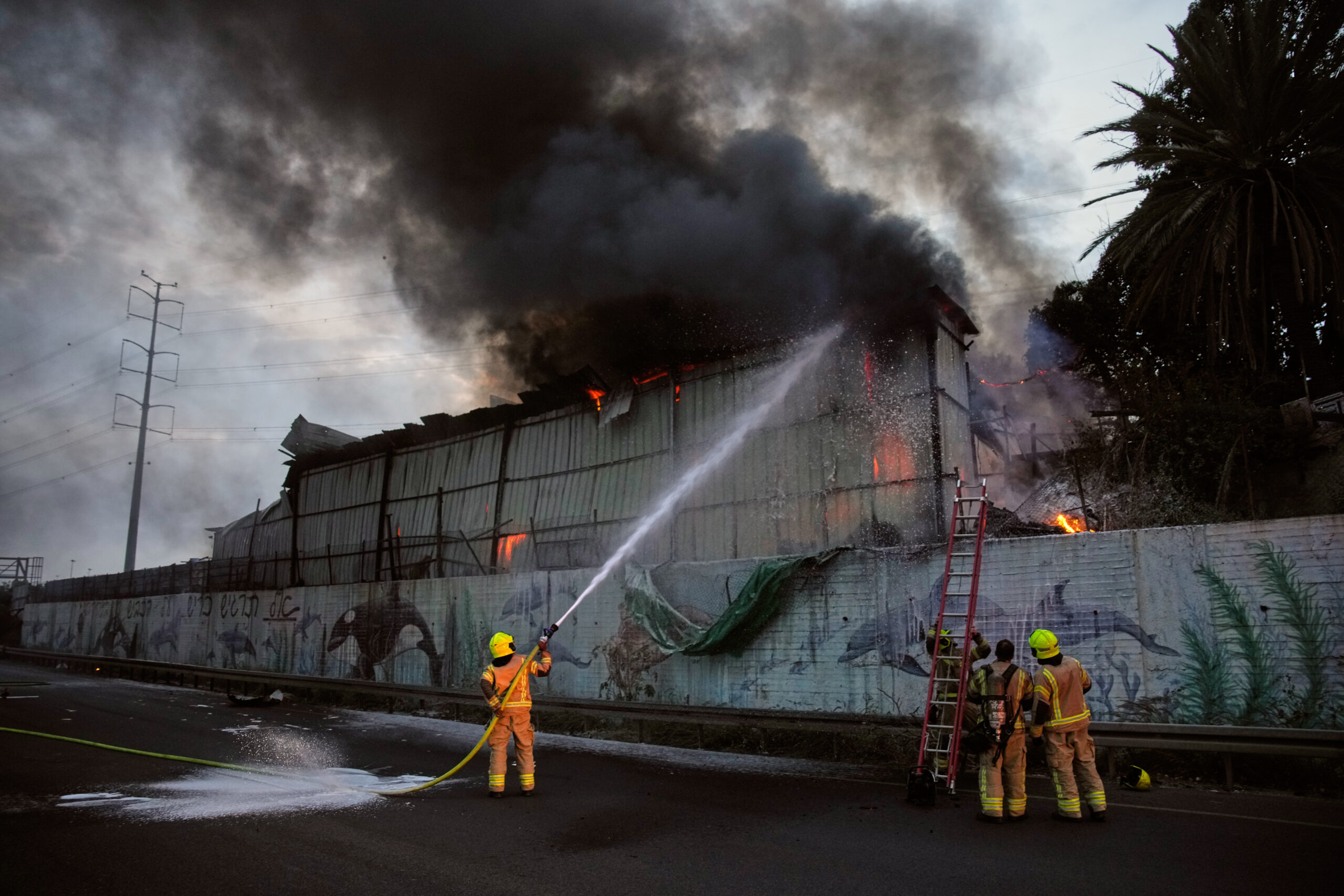
In Its Conflict With the United States and Israel, Does Escalation Favor Iran?
On March 18, AGSI hosted a discussion on the escalation of the Iran war.
Speakers



Mar 2, 2026
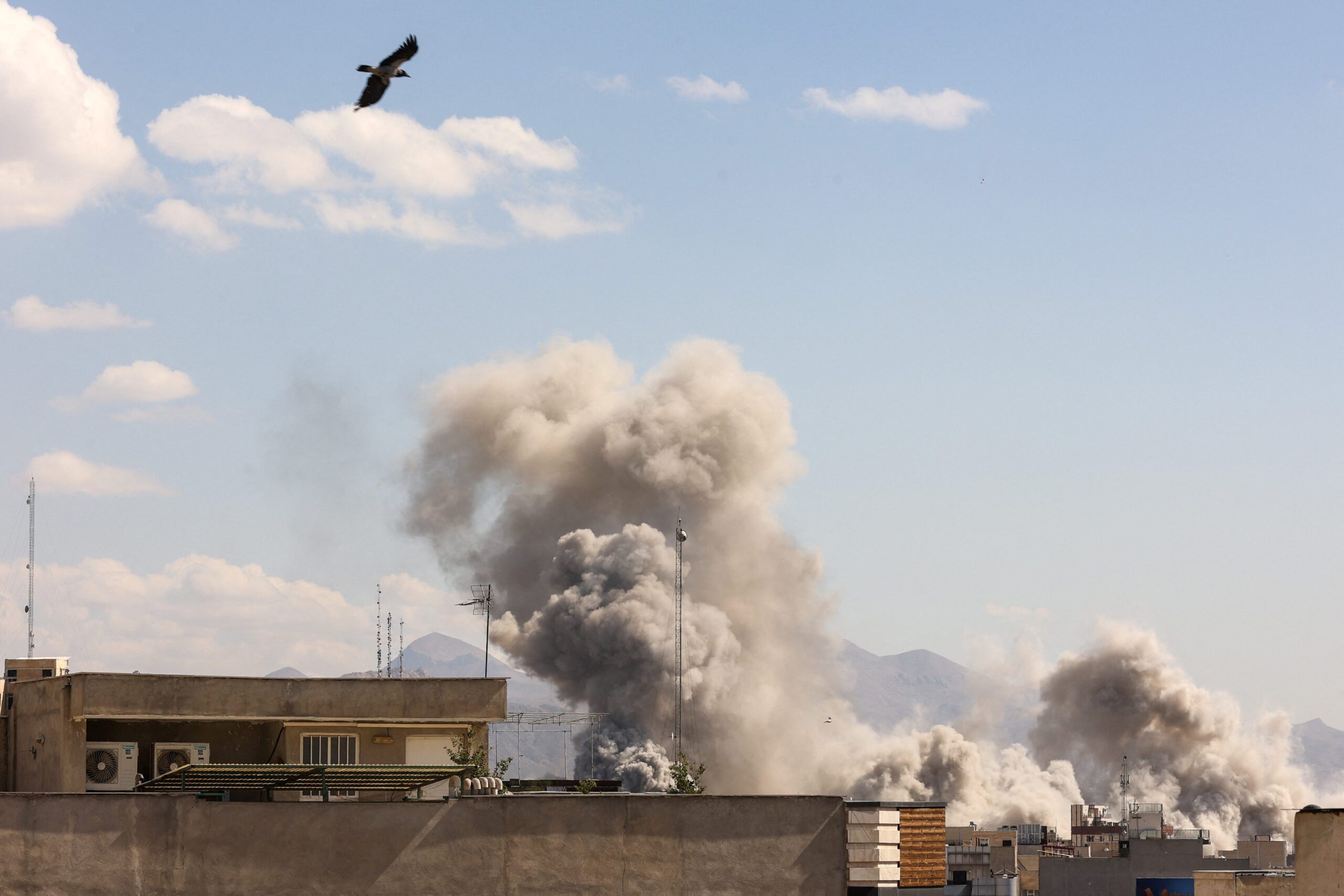
After the Shock: Implications of the U.S.–Israeli Strikes and Iran’s Leadership Transition
On March 2, AGSI hosted a discussion on the U.S.-Israeli strikes on Iran.
Speakers