Oct 10, 2025
Technocrats Prescribe Political and Economic Reforms as Survival Strategy
The October 10 edition of the Iran Media Review examines proposals from Iranian technocrats for political and economic reforms.

Confronted with growing internal pressures and external threats, Iranian technocrats are promoting political and economic reforms, saying they are essential for the regime’s survival. Yet history suggests that such reforms can become a double-edged sword. By loosening political controls and raising public expectations, reforms may empower social forces that ultimately challenge the very foundations of the system. In this sense, the technocrats’ prescriptions for stability could instead act as catalysts for transformation – or even collapse – of the regime they seek to preserve. To avoid this paradox, they must strike a delicate balance – pursuing enough reform to restore legitimacy and efficiency yet not so much that it undermines the system’s authoritarian core. That, however, is easier said than done.
- October 8: In an opinion piece in reformist Etemad, Mohsen Hashemi Rafsanjani, son of late President Ali Akbar Hashemi Rafsanjani, urged the regime to return “to the people”:
- “One of the reasons for Iraq’s collapse was its disregard for the will of the majority of its people. The Iraqi government was supported only by a 20% minority – composed mainly of Arabic-speaking Sunnis – while the Shias, who made up about 60% of the population, and the Kurds, about 20%, had no voice or role in governance. If we want the Islamic Republic to enjoy the support of the majority of the people – and to reverse such trends as declining voter turnout (which fell to less than 40% in the first round of the recent presidential election), the loss of public trust in national and official media, declining credibility of official positions and news, and the activation of social and cultural fault lines – then we must adopt a strategy of returning to the people in those areas where our positions diverge from the views of the majority in society.”
- October 8: In Donya-ye Eqtesad, columnist Majid Heydari recommended an end to Iran’s system of multiple exchange rates:
- “Over the past decade, multiple exchange rates have been used as a tool to control prices and support privileged groups – but the result has been widespread corruption, rising inflationary expectations, and public distrust. Notably, the multirate system existed even before sanctions and was repeatedly reintroduced during currency crises … In Iran, the roots of the currency crisis lie less in sanctions than in the structure of decision making itself. The central bank’s independence has not been realized in practice, and exchange-rate policy continues to serve short-term fiscal and political goals. In such an environment, even the best technical decisions are delayed. Multiple exchange rates are both a symptom and a cause of crisis; Iran remains trapped in a cycle that prioritizes ‘exchange-rate stability for price control’ over market reality … Transitioning to a unified exchange-rate regime is not merely an economic choice – it is a test of transparency, trust building, and fiscal discipline. Without it, Iran’s economy will remain mired in the same old problem: a rial that grows weaker by the day not because of sanctions but because of misguided policies.”
The views represented herein are the author's or speaker's own and do not necessarily reflect the views of AGSI, its staff, or its board of directors.
Related
Iran Media Review
Oct 7, 2025
“Cosmetic Surgery”: Iran Removes Four Zeros From Bank Notes
The October 7 edition of the Iran Media Review highlights criticism of a move by the Iranian Parliament to remove zeros from the national currency.
Iran Media Review
Oct 3, 2025
Iran: Resigned to Sanctions
The October 3 edition of the Iran Media Review considers Iranian regime efforts to downplay the return of United Nations “snapback” sanctions.
Iran Media Review
Sep 30, 2025
Iranian Media Reacts to Snapback
The September 30 edition of the Iran Media Review examines Iranian media responses to the European reimposition of pre-2015 United Nations sanctions.
Oct 7, 2025
“Cosmetic Surgery”: Iran Removes Four Zeros From Bank Notes
The October 7 edition of the Iran Media Review highlights criticism of a move by the Iranian Parliament to remove zeros from the national currency.
Oct 3, 2025
Iran: Resigned to Sanctions
The October 3 edition of the Iran Media Review considers Iranian regime efforts to downplay the return of United Nations “snapback” sanctions.
Sep 30, 2025
Iranian Media Reacts to Snapback
The September 30 edition of the Iran Media Review examines Iranian media responses to the European reimposition of pre-2015 United Nations sanctions.
Analysis
The Islamic Republic Returns to Offense
After U.S.-Israeli strikes killed Supreme Leader Ayatollah Ali Khamenei on February 28, Iran’s collective leadership has concluded that the best defense is a good offense.
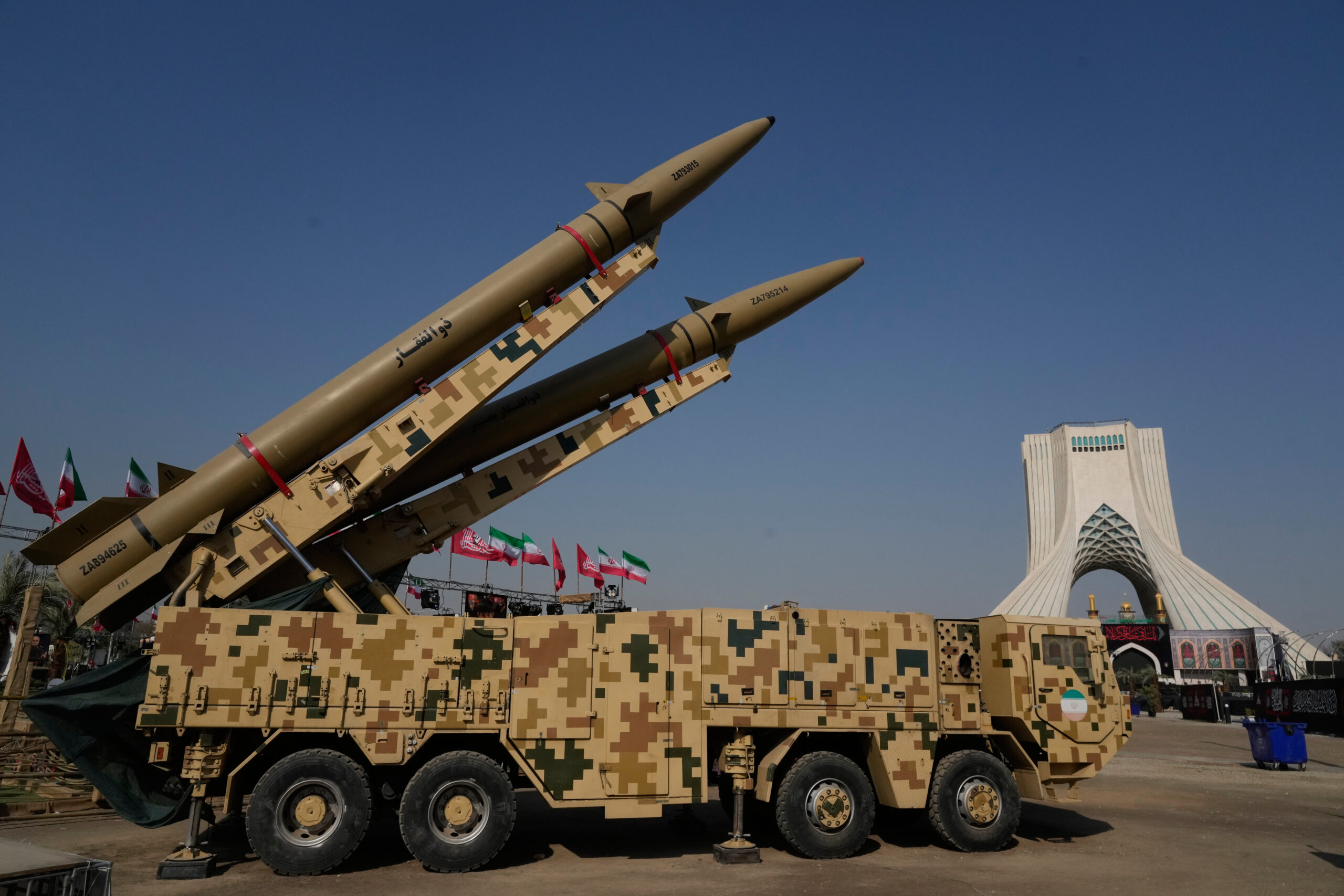
Iran’s Collective Strategic Decision Making
Wartime pressure has temporarily aligned the leadership’s overriding interest in regime survival, even as its members continue to differ over the costs, methods, and ultimate objectives of the war.
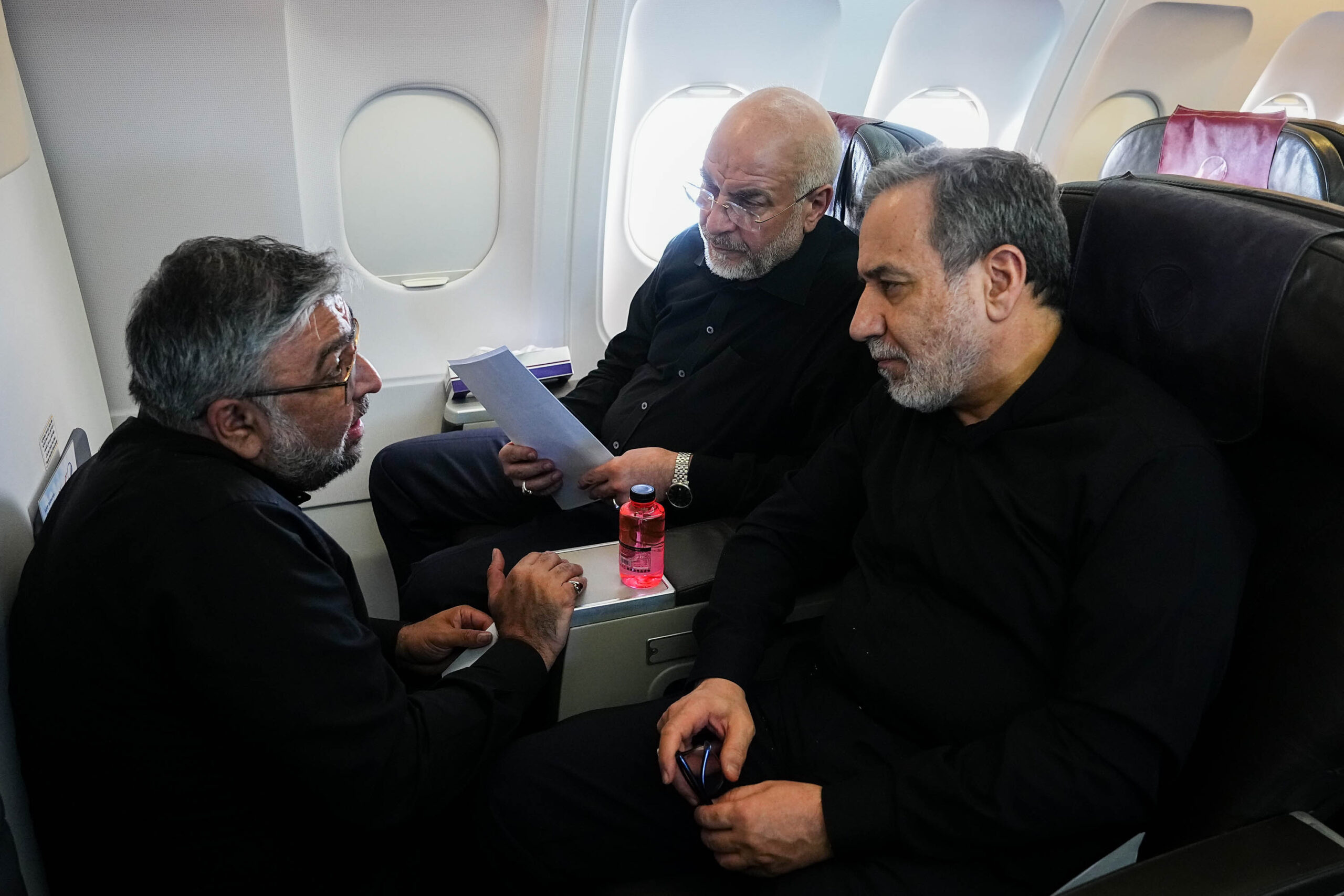
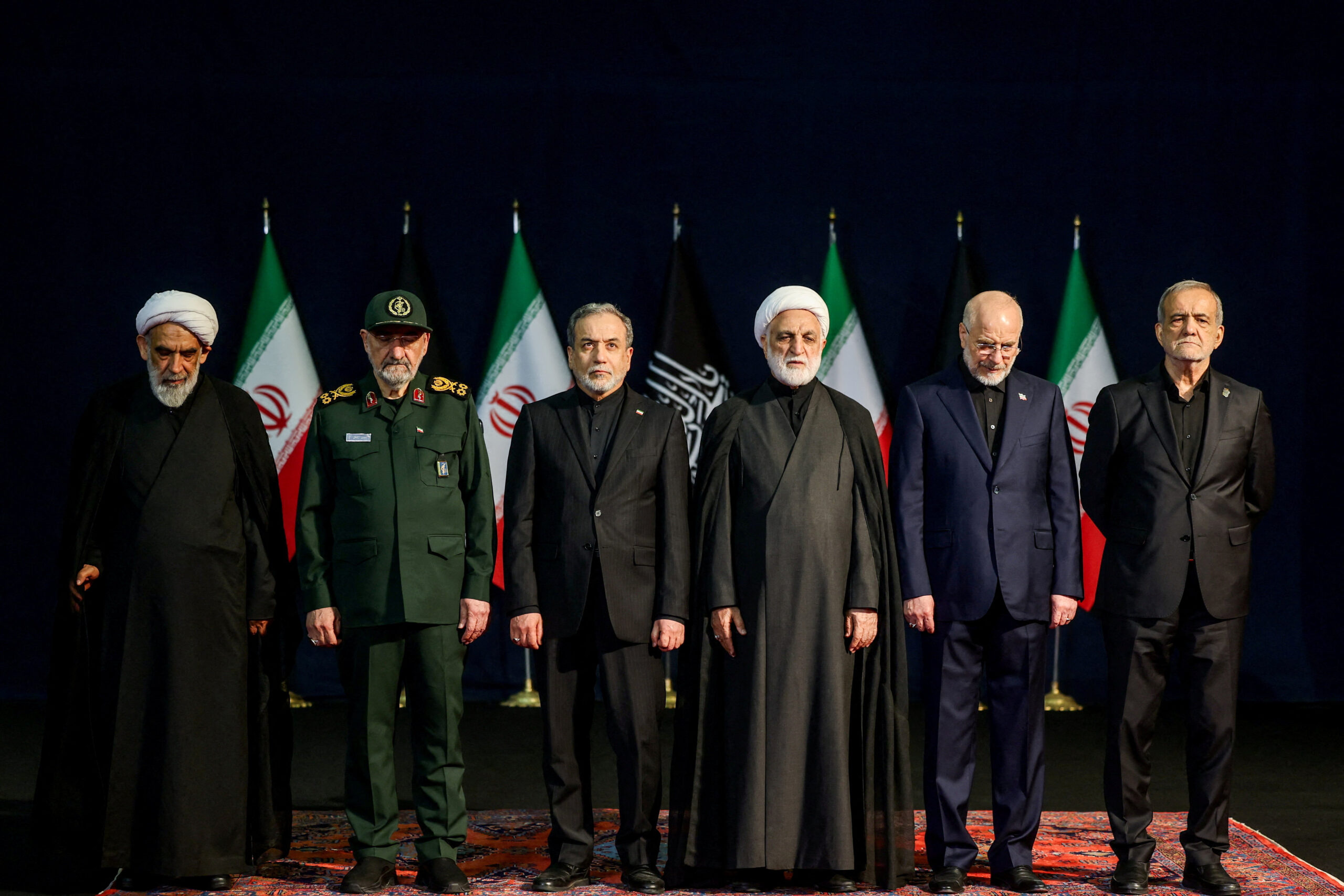
The Islamic Republic’s Collective Leadership
While there is historical precedent for collective leadership in Iran, today’s leadership includes representatives of the IRGC and regular military – a reflection of the IRGC’s expanding role and the necessities of governing under wartime conditions.
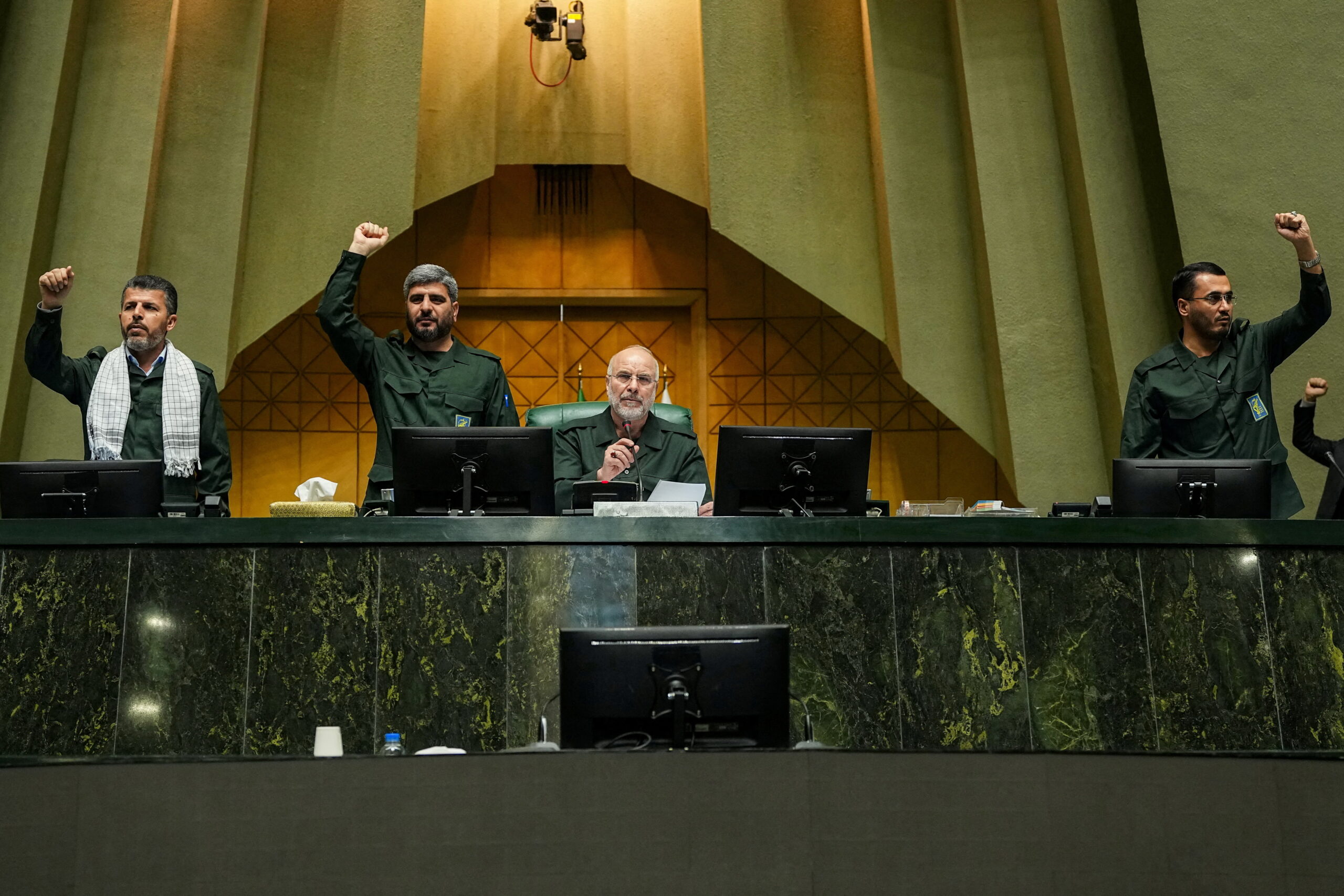
How Did the IRGC Seize Power in Iran?
The IRGC did not seize power in a single stroke. It accumulated it – patiently, methodically – until no counterweight remained.
Events
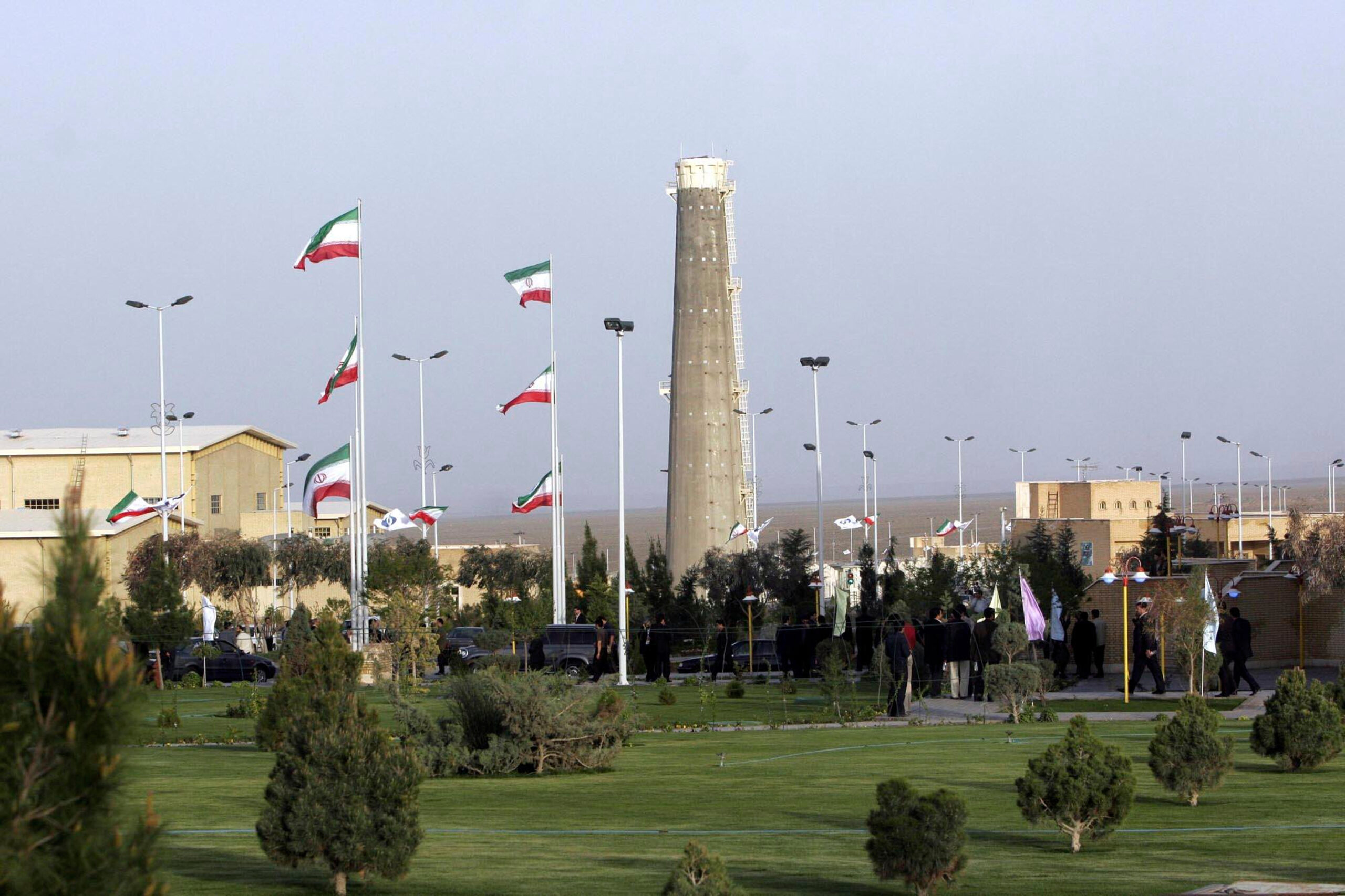
Book Talk: Iran and the Bomb: The United States, Iran and the Nuclear Question
On June 16, AGSI hosted a discussion on the evolution of Iran's nuclear program.
Speakers


Apr 21, 2026
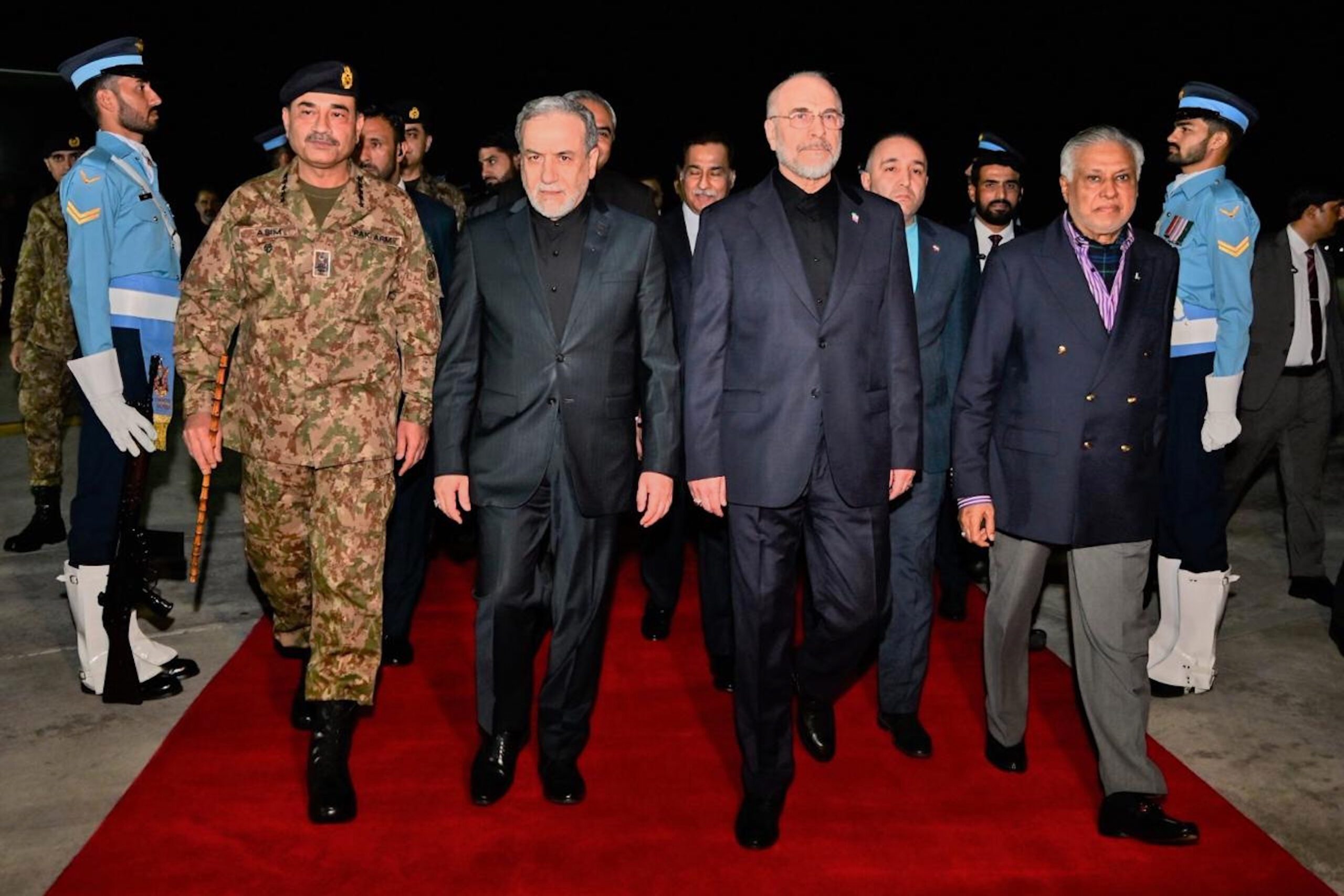
Inside Iran’s Wartime Leadership: Power, Succession, and Regime Stability
On April 21, AGSI hosted a discussion on the evolution of Iran's leadership during the war.
Speakers

Mar 18, 2026
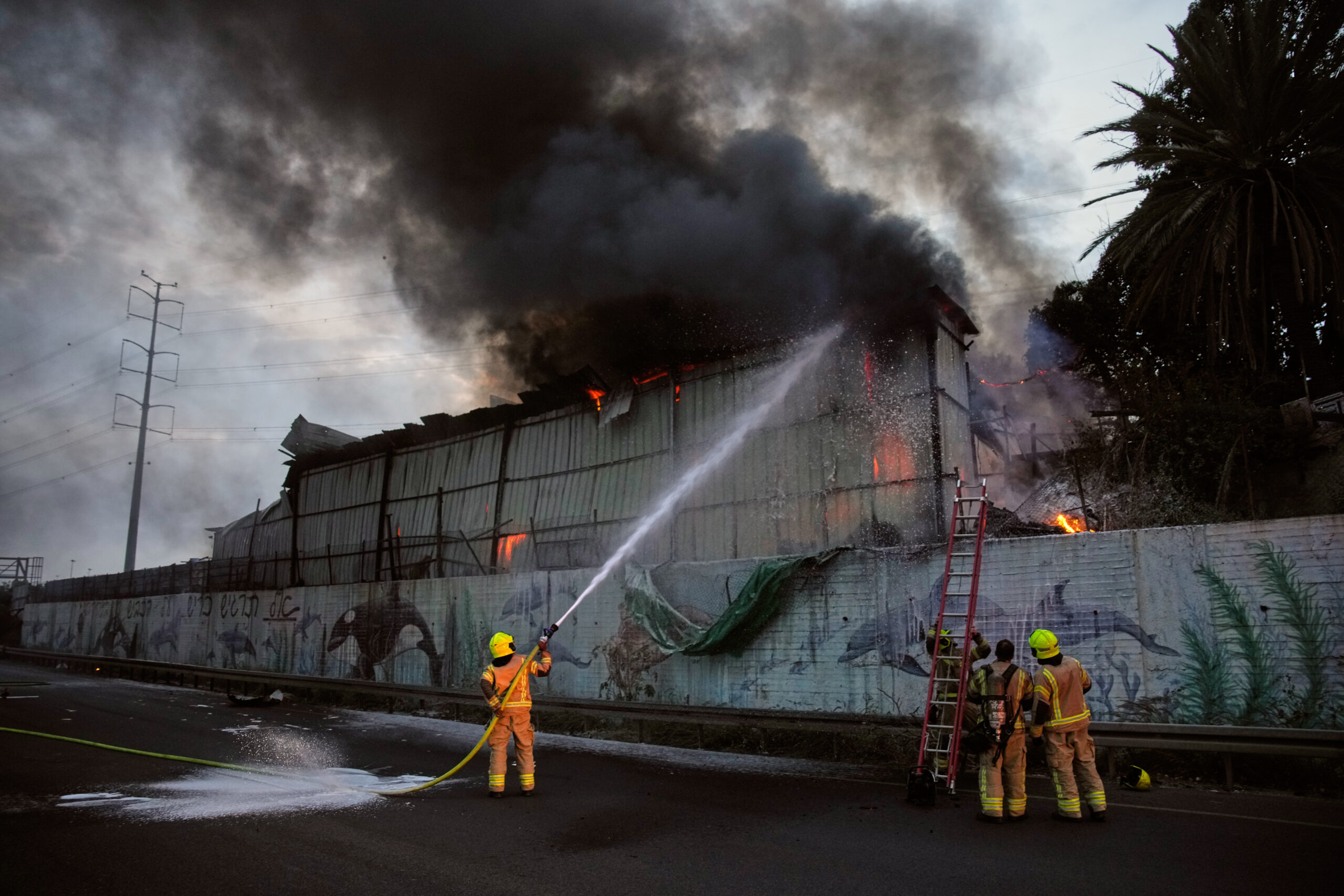
In Its Conflict With the United States and Israel, Does Escalation Favor Iran?
On March 18, AGSI hosted a discussion on the escalation of the Iran war.
Speakers


Mar 2, 2026
After the Shock: Implications of the U.S.–Israeli Strikes and Iran’s Leadership Transition
On March 2, AGSI hosted a discussion on the U.S.-Israeli strikes on Iran.
Speakers