Sep 30, 2025
Iranian Media Reacts to Snapback
The September 30 edition of the Iran Media Review examines Iranian media responses to the European reimposition of pre-2015 United Nations sanctions.

On September 28, France, Germany, and the United Kingdom invoked the “snapback” mechanism over Iran’s “significant nonperformance” under the 2015 Joint Comprehensive Plan of Action. The move, which reinstates all pre-2015 United Nations sanctions, was condemned by Iran, China, and Russia. Uncertainty remains, however, over Beijing and Moscow’s future position: Will they remain true to their declaration of solidarity with Iran or comply with the U.N. sanctions? Iranian media speculated on possible countermeasures, including withdrawal from the Nuclear Nonproliferation Treaty or parliamentary revocation of its ratification.
- September 28: In an editorial in reformist Etemad, international affairs analyst Ali Vadae outlined three scenarios:
- “A temporary risk-management agreement is still on the table … to reduce the risk of explosion, the parties arrive at a temporary understanding, for example,” lifting sanctions on Iran’s oil exports in exchange for limited monitoring of Iran’s nuclear facilities to buy time.
- “An unmanaged confrontation and nuclear breakout … provokes a full-blown crisis and makes the possibility of direct warfare more likely.”
- “A scenario of mutual flexibility … driven by the heavy costs of confrontation.”
- September 28: Technocratic Sazandegi interviewed veteran diplomat Jalal Sadatian and Amir Ali Abolfath, a professor of American studies:
- Sadatian: “China and Russia may resist the sanctions, and Iran may engage in continued negotiations … But China and Russia may follow the United Nations sanctions, which would direct Iran on a dangerous course … Yet these countries may also maintain their relations with Iran in return for Iran remaining committed to its obligations under the JCPOA.”
- Abolfath: “Future dynamics depend on Iran’s reaction. Neither the leader of the revolution nor the president nor the foreign minister have threatened a radical move, and Iranian officials have consistently stressed that Iran will neither pursue nuclear weapons nor withdraw from the Nuclear Nonproliferation Treaty.”
- September 29: An editorial in hard-line Kayhan urged Iranian decision makers to withdraw from the Nuclear Nonproliferation Treaty, using Article X of the treaty:
- “The question now is whether 22 years of extortionist challenges from the United States and Europe, the other parties’ failure to honor their commitments, and especially America’s military attack on Iran’s nuclear facilities, are not undeniable examples of endangering our nation’s interests and sovereignty. If they are, and they indeed are, why should we not make use of the legal option of withdrawing from the NPT?”
- “Now that honorable officials are not willing to withdraw from the NPT, we can – and it is also our legal right to – revoke our ratification while still maintaining our signature of the treaty. The result would be that, by keeping the signature, we accept the spirit of the treaty, which is the ‘nonproduction of nuclear weapons,’ but we would not accept or recognize the safeguards that stem from ratification. In other words, we would acknowledge that we are not pursuing nuclear weapons (the spirit of the treaty), but we would have no commitment to accept inspections or the presence of inspectors. In this situation, our emphasis would remain on the nondiversion of our nuclear program toward nuclear weapons, but since we have withdrawn our ratification of the treaty, we would not bear the slightest obligation to implement safeguards or allow inspectors into our country.”
- September 29: In a column in Islamic Revolutionary Guard Corps-affiliated Javan, columnist Rasoul Sanaei-Rad wrote:
- “Perhaps activation of the snapback mechanism … would produce a shock in the initial phase and psychological effects aligned with the designers’ objectives; but once that phase passes, and it collides with the realities of a multipolar world that opposes American unilateralism and its Western allies, its impact will sharply diminish and be neutralized.”
The views represented herein are the author's or speaker's own and do not necessarily reflect the views of AGSI, its staff, or its board of directors.
Related
Iran Media Review
Sep 24, 2025
Khamenei Nixes Negotiations With Washington
The September 24 edition of the Iran Media Review evaluates a speech by the supreme leader dismissing the possibility of negotiations with the United States.
Iran Media Review
Sep 23, 2025
Will Pezeshkian Meet Trump at the U.N. General Assembly?
The September 23 edition of the Iran Media Review analyzes Iranian commentary on the possibility of U.S.-Iranian negotiations during the U.N. General Assembly.
Iran Media Review
Sep 19, 2025
The Rafsanjani Formula: “Face-To-Face Negotiations With the U.S.”
The September 19 edition of the Iran Media Review considers an editorial by Mohsen Rafsanjani, son of the late president, calling for direct negotiations with the United States to preserve security.
Sep 24, 2025
Khamenei Nixes Negotiations With Washington
The September 24 edition of the Iran Media Review evaluates a speech by the supreme leader dismissing the possibility of negotiations with the United States.
Sep 23, 2025
Will Pezeshkian Meet Trump at the U.N. General Assembly?
The September 23 edition of the Iran Media Review analyzes Iranian commentary on the possibility of U.S.-Iranian negotiations during the U.N. General Assembly.
Sep 19, 2025
The Rafsanjani Formula: “Face-To-Face Negotiations With the U.S.”
The September 19 edition of the Iran Media Review considers an editorial by Mohsen Rafsanjani, son of the late president, calling for direct negotiations with the United States to preserve security.
Analysis
The Islamic Republic Returns to Offense
After U.S.-Israeli strikes killed Supreme Leader Ayatollah Ali Khamenei on February 28, Iran’s collective leadership has concluded that the best defense is a good offense.
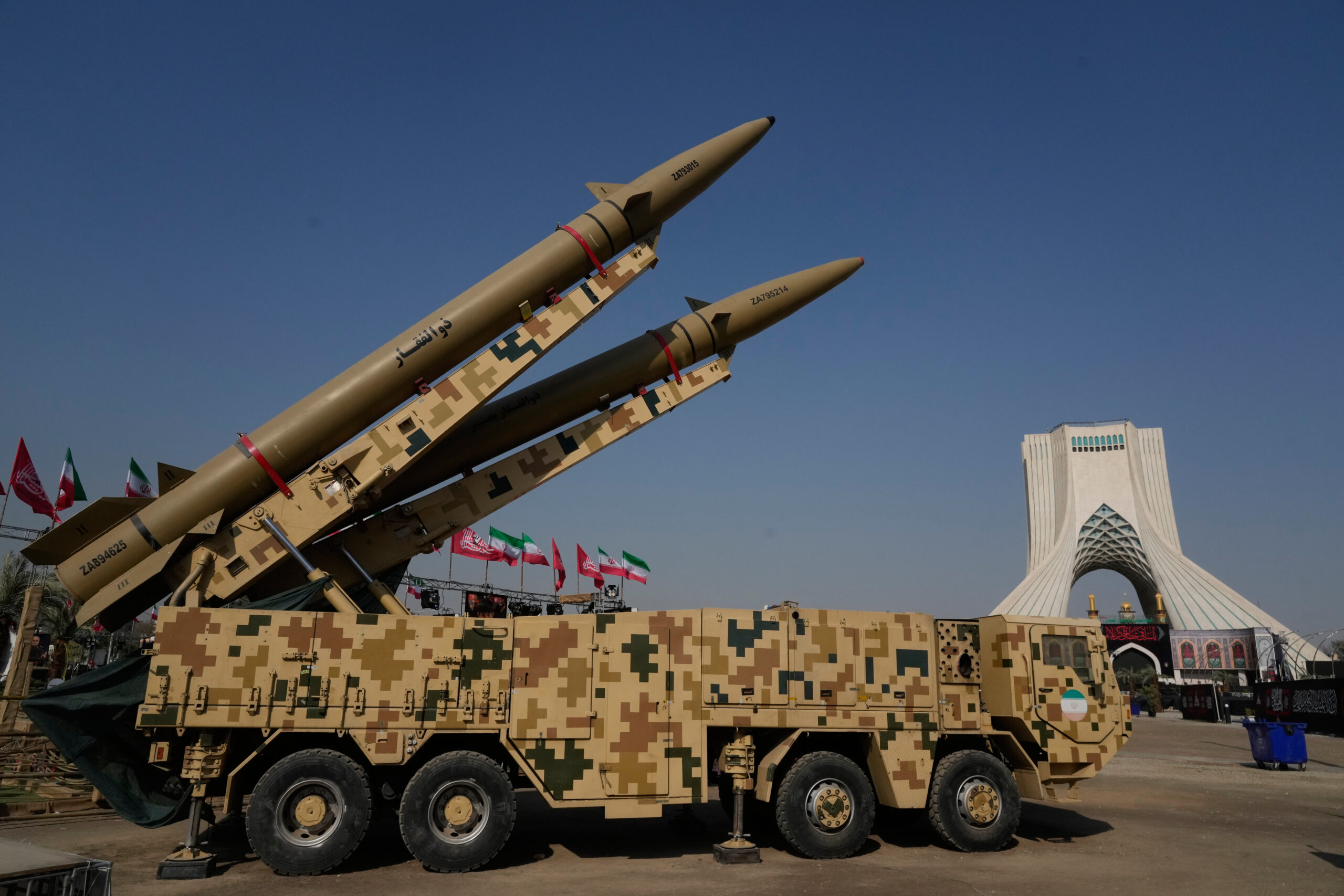
Iran’s Collective Strategic Decision Making
Wartime pressure has temporarily aligned the leadership’s overriding interest in regime survival, even as its members continue to differ over the costs, methods, and ultimate objectives of the war.
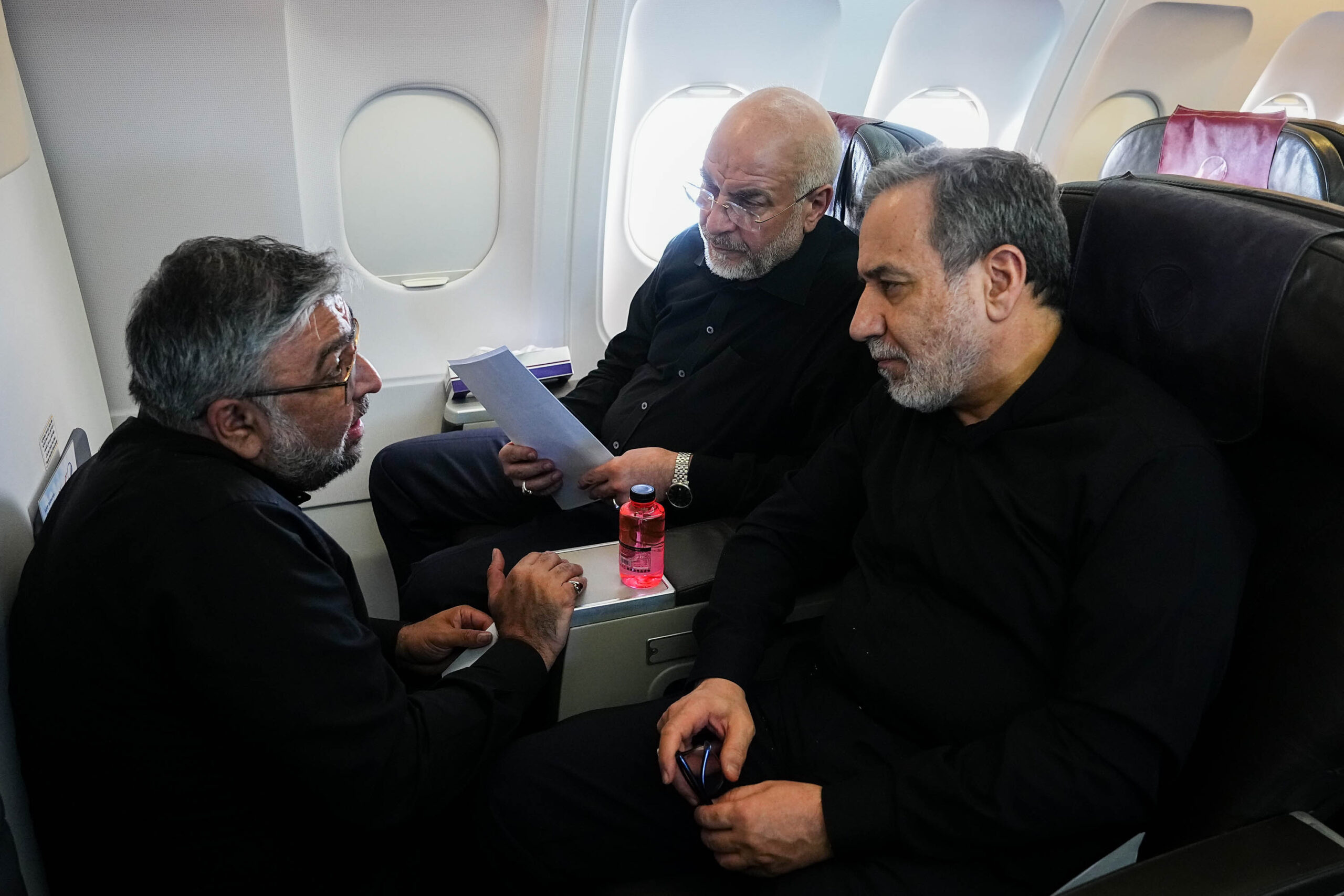
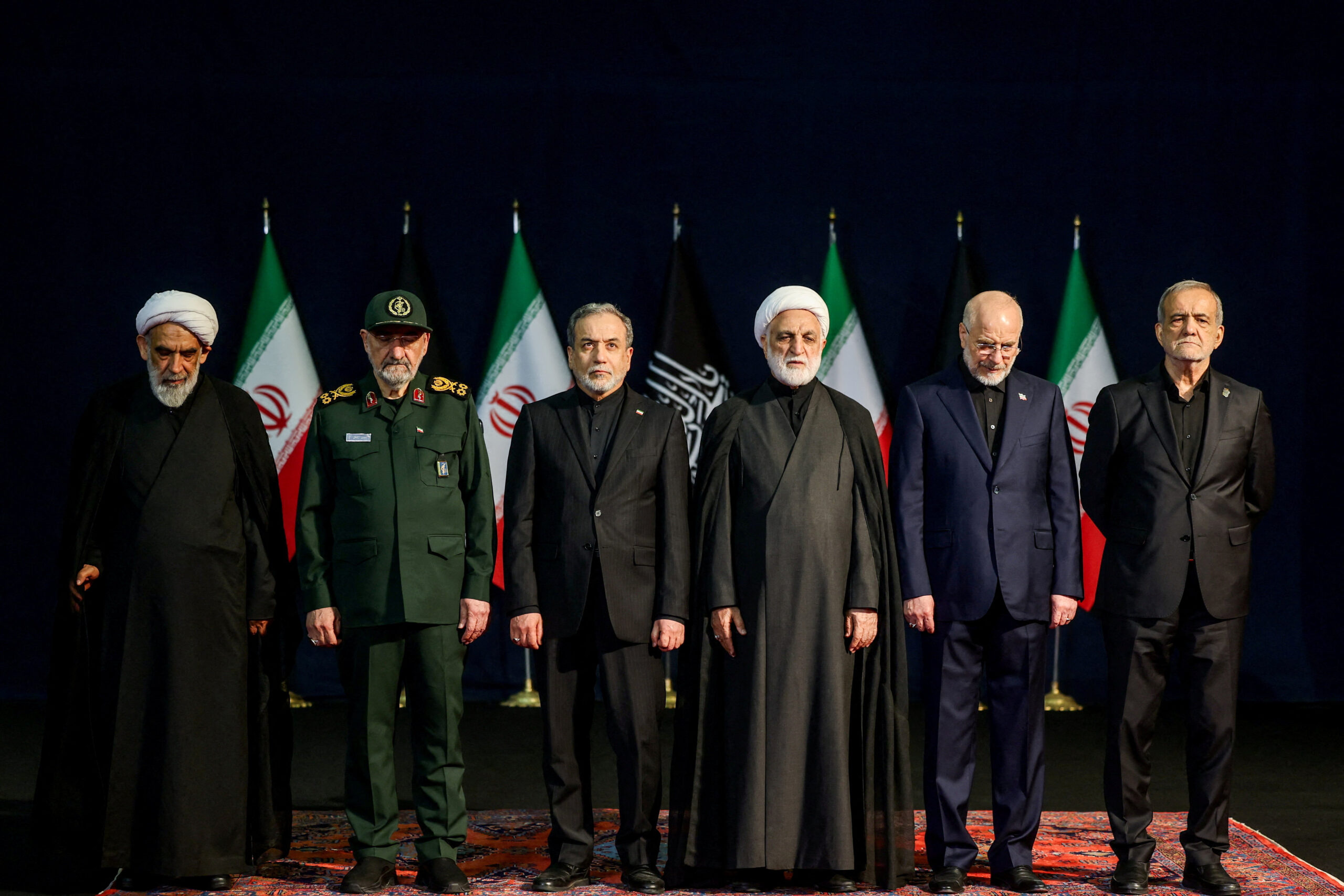
The Islamic Republic’s Collective Leadership
While there is historical precedent for collective leadership in Iran, today’s leadership includes representatives of the IRGC and regular military – a reflection of the IRGC’s expanding role and the necessities of governing under wartime conditions.
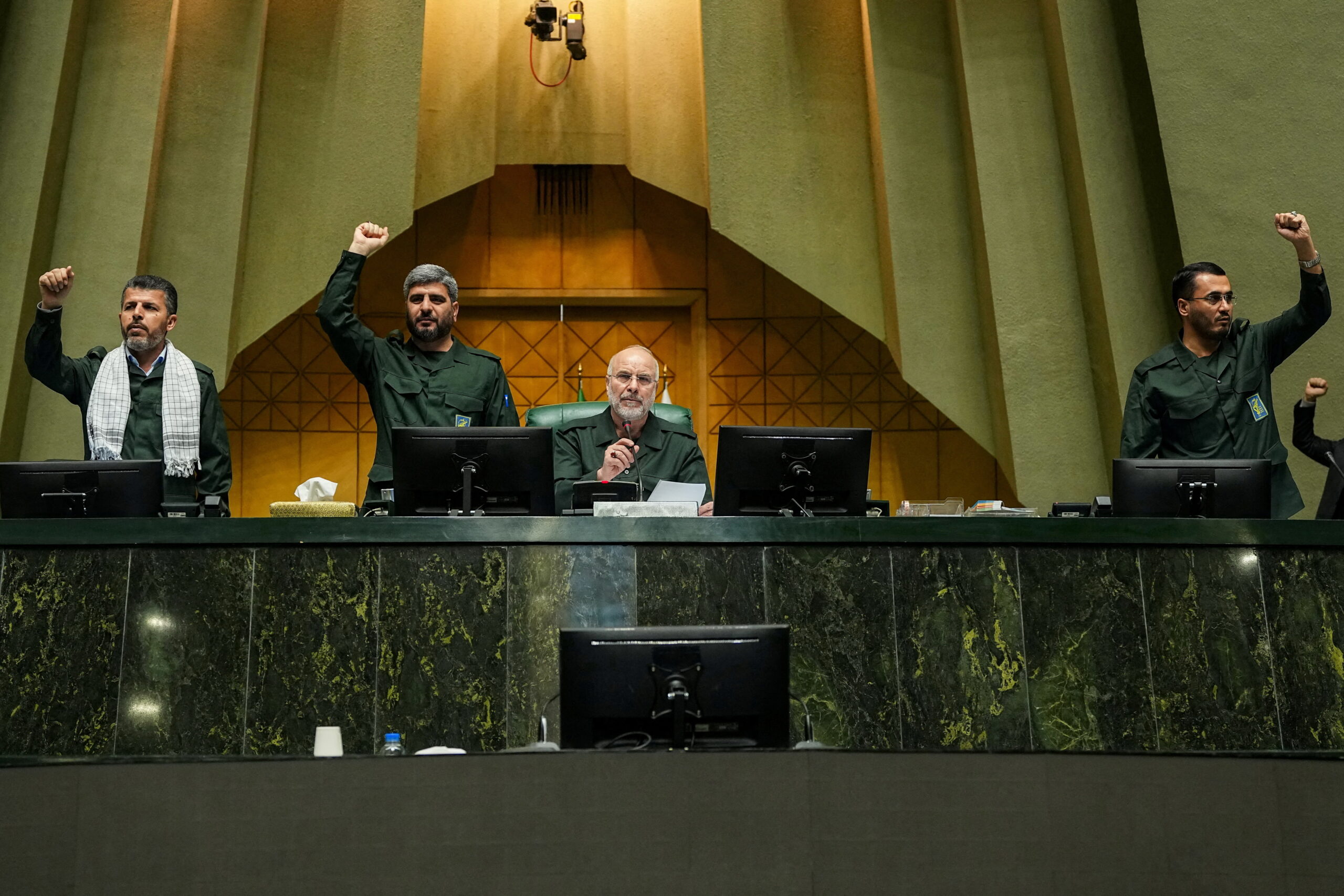
How Did the IRGC Seize Power in Iran?
The IRGC did not seize power in a single stroke. It accumulated it – patiently, methodically – until no counterweight remained.
Events
Book Talk: Iran and the Bomb: The United States, Iran and the Nuclear Question
On June 16, AGSI hosted a discussion on the evolution of Iran's nuclear program.

Speakers


Apr 21, 2026
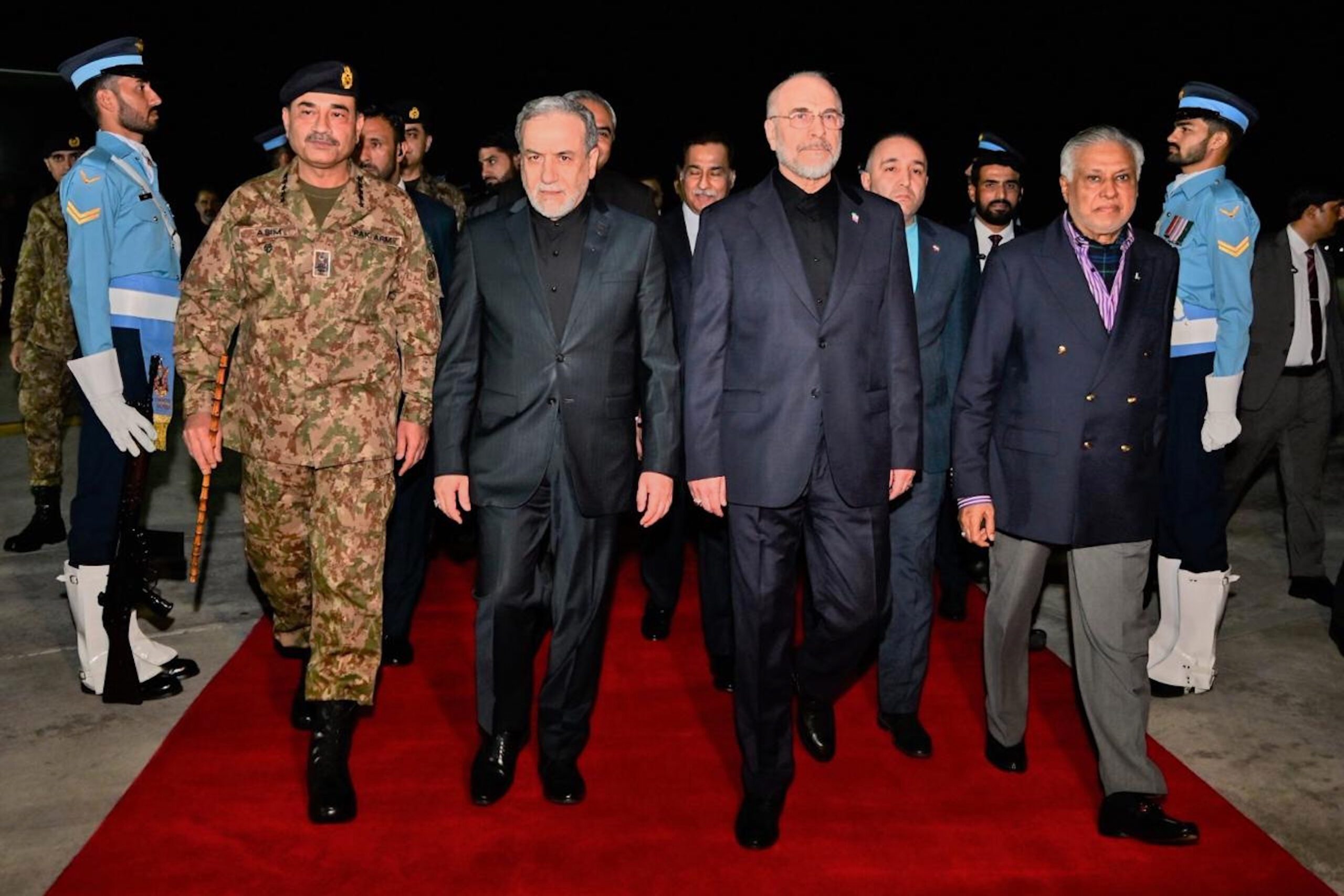
Inside Iran’s Wartime Leadership: Power, Succession, and Regime Stability
On April 21, AGSI hosted a discussion on the evolution of Iran's leadership during the war.
Speakers

Mar 18, 2026
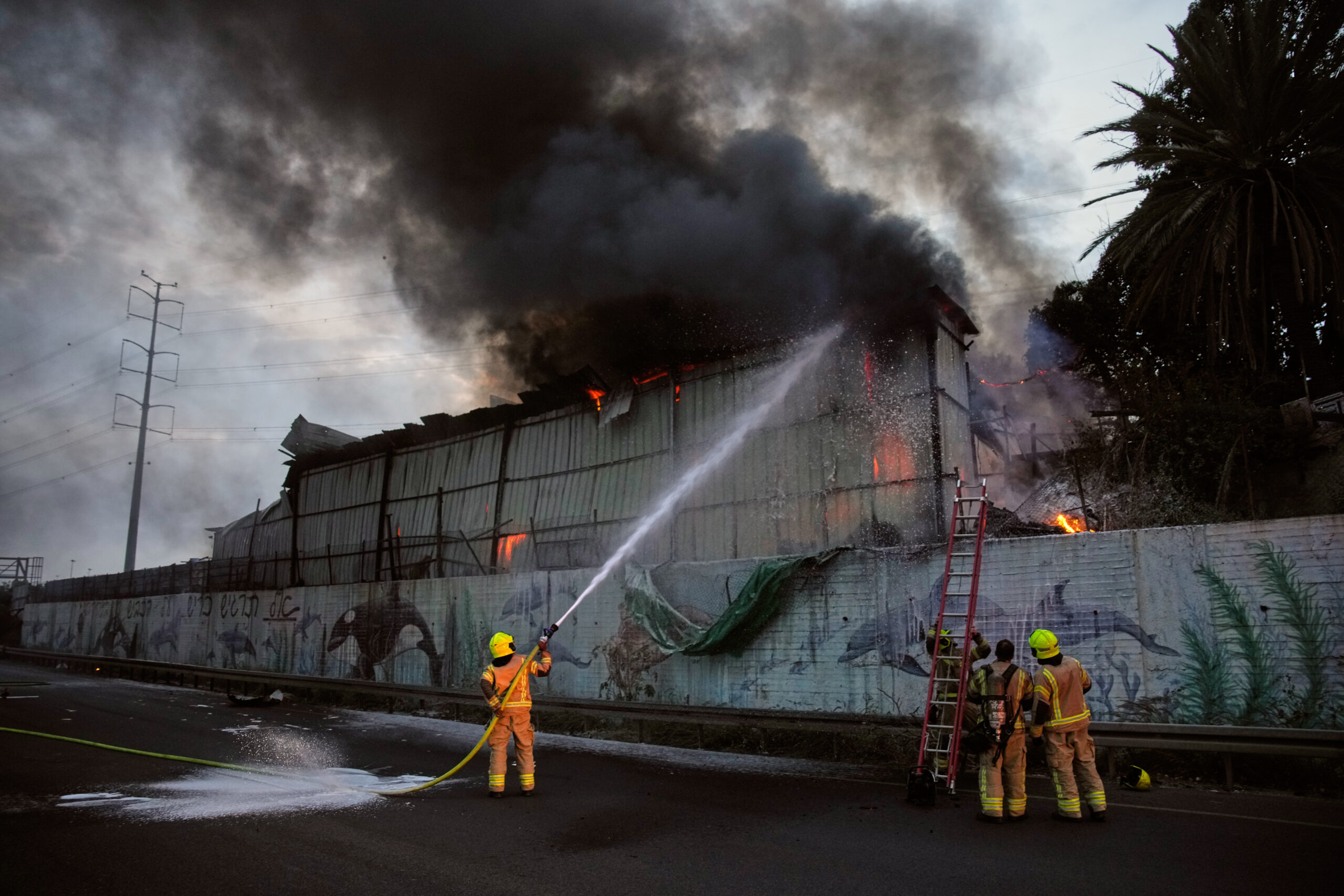
In Its Conflict With the United States and Israel, Does Escalation Favor Iran?
On March 18, AGSI hosted a discussion on the escalation of the Iran war.
Speakers



Mar 2, 2026
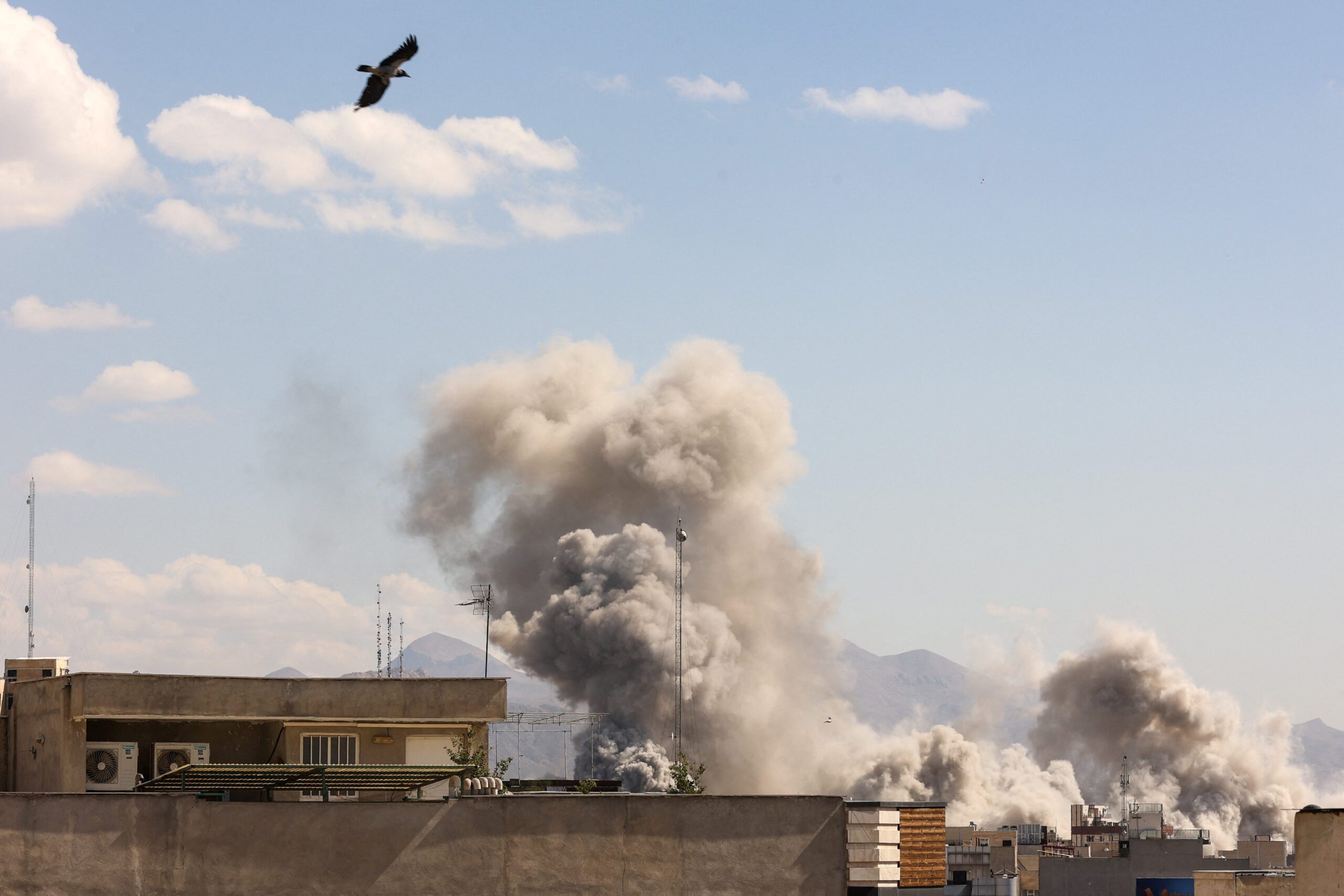
After the Shock: Implications of the U.S.–Israeli Strikes and Iran’s Leadership Transition
On March 2, AGSI hosted a discussion on the U.S.-Israeli strikes on Iran.
Speakers