Oct 3, 2025
Iran: Resigned to Sanctions
The October 3 edition of the Iran Media Review considers Iranian regime efforts to downplay the return of United Nations “snapback” sanctions.

Resigned to the return of United Nations “snapback” sanctions, Iranian officials are downplaying their anticipated impact. Islamic Revolutionary Guard Corps-affiliated media outlets urge the elite to refrain from assigning blame for the diplomatic debacle that triggered their reimposition. In effect, the regime is bracing for the long game of survival under renewed sanctions.
- September 30: In an interview with centrist ILNA, Foreign Minister Abbas Araghchi explained the state of negotiations with Europe concerning the snapback sanctions and discussed the status of engagement with the United States:
- “An effort was made to reach a compromise between the proposals of the two sides, but because of the Americans’ excessive demands and the Europeans’ alignment with them, we could not arrive at a compromise. Why? Because we are here to defend the rights and interests of the Iranian people, and certainly no agreement that does not secure Iran’s interests will be acceptable to us … They thought the monster they had created out of the snapback mechanism would frighten us so much that we would be ready to give away any concession. Certainly, this is not the case. The people will see that, in economic terms, no sanctions beyond those already imposed by the United States will be enforced. Some lists may be added or removed again, but this has no extraordinary effect. However, the political, and at times strategic, impacts remain, and we must also confront those.”
- “Messages were exchanged with the Americans, both indirectly and directly … In the end, we are reassured that we did what needed to be done, and it became clear and undeniable, just as the supreme leader once expressed, that negotiations with the Americans are an absolute dead end. This was truly demonstrated once again in this process.”
- October 1: Mohammad-Javan Akhavan, editor in chief of the Islamic Revolutionary Guard Corps-affiliated Javan newspaper, urged for unity instead of mutual accusations regarding who is to blame for the snapback sanctions:
- “If all our focus and energy are spent on what measures regarding the Joint Comprehensive Plan of Action should have been taken over the past decade, the media and political space will continue to revolve around debates and disputes while we lose sight of the main issues … we must adopt a fresh approach. Otherwise, we will entangle society in confrontations that, instead of fostering the sacred value of unity, will lead to division. Secondary issues must not be allowed to become the society’s priority.”
The views represented herein are the author's or speaker's own and do not necessarily reflect the views of AGSI, its staff, or its board of directors.
Related
Iran Media Review
Sep 30, 2025
Iranian Media Reacts to Snapback
The September 30 edition of the Iran Media Review examines Iranian media responses to the European reimposition of pre-2015 United Nations sanctions.
Iran Media Review
Sep 24, 2025
Khamenei Nixes Negotiations With Washington
The September 24 edition of the Iran Media Review evaluates a speech by the supreme leader dismissing the possibility of negotiations with the United States.
Iran Media Review
Sep 23, 2025
Will Pezeshkian Meet Trump at the U.N. General Assembly?
The September 23 edition of the Iran Media Review analyzes Iranian commentary on the possibility of U.S.-Iranian negotiations during the U.N. General Assembly.
Sep 30, 2025
Iranian Media Reacts to Snapback
The September 30 edition of the Iran Media Review examines Iranian media responses to the European reimposition of pre-2015 United Nations sanctions.
Sep 24, 2025
Khamenei Nixes Negotiations With Washington
The September 24 edition of the Iran Media Review evaluates a speech by the supreme leader dismissing the possibility of negotiations with the United States.
Sep 23, 2025
Will Pezeshkian Meet Trump at the U.N. General Assembly?
The September 23 edition of the Iran Media Review analyzes Iranian commentary on the possibility of U.S.-Iranian negotiations during the U.N. General Assembly.
Analysis
The Islamic Republic Returns to Offense
After U.S.-Israeli strikes killed Supreme Leader Ayatollah Ali Khamenei on February 28, Iran’s collective leadership has concluded that the best defense is a good offense.
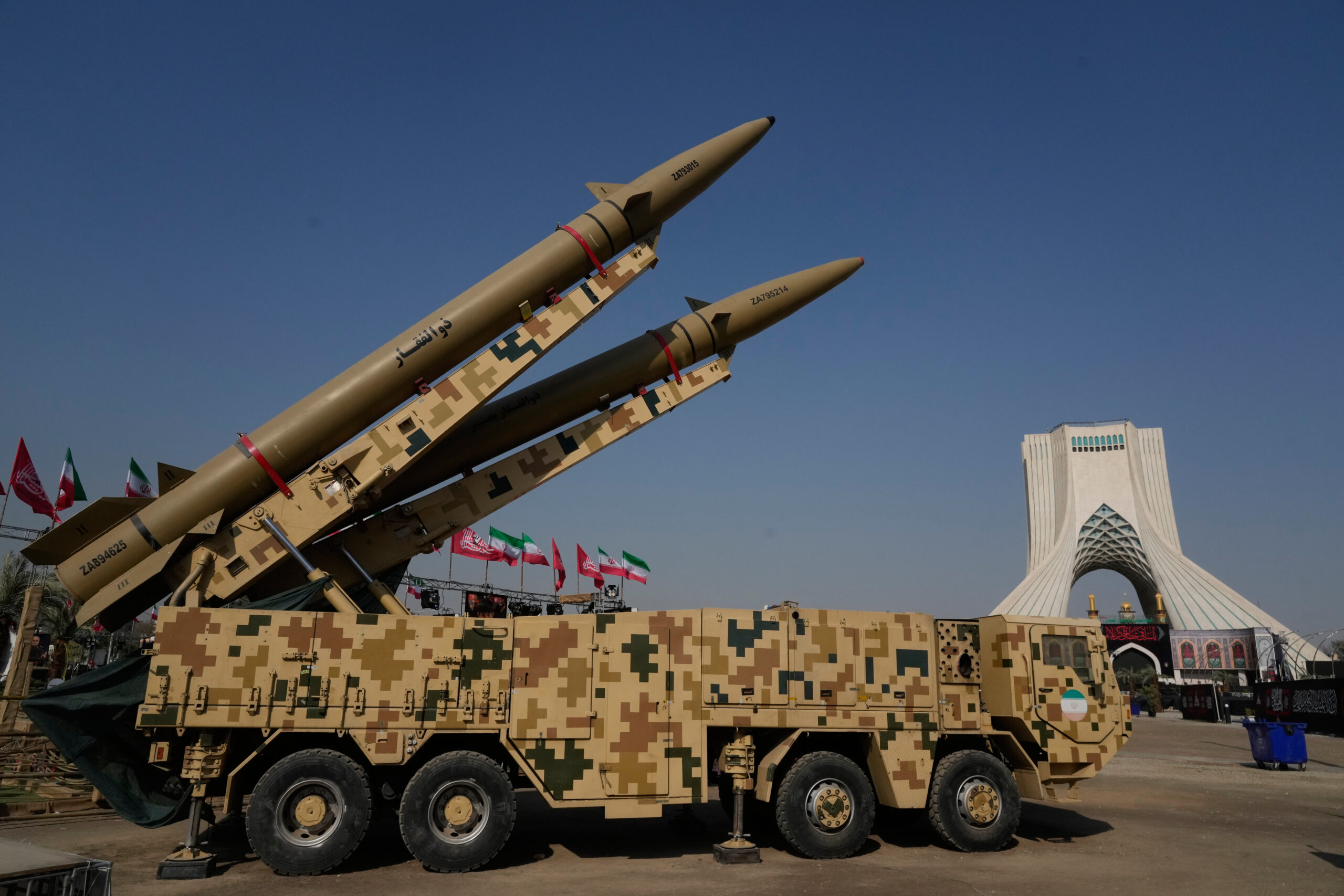
Iran’s Collective Strategic Decision Making
Wartime pressure has temporarily aligned the leadership’s overriding interest in regime survival, even as its members continue to differ over the costs, methods, and ultimate objectives of the war.
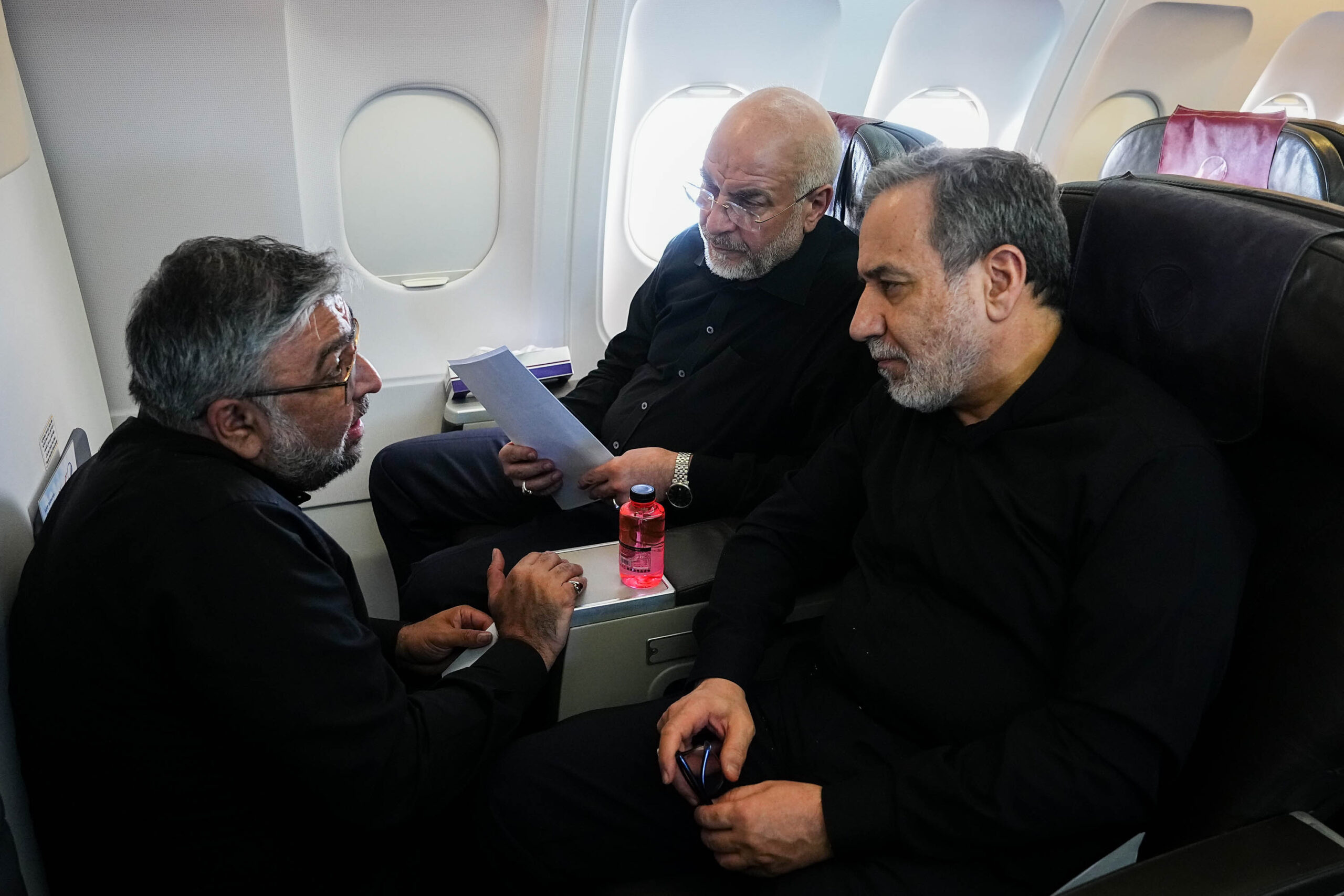
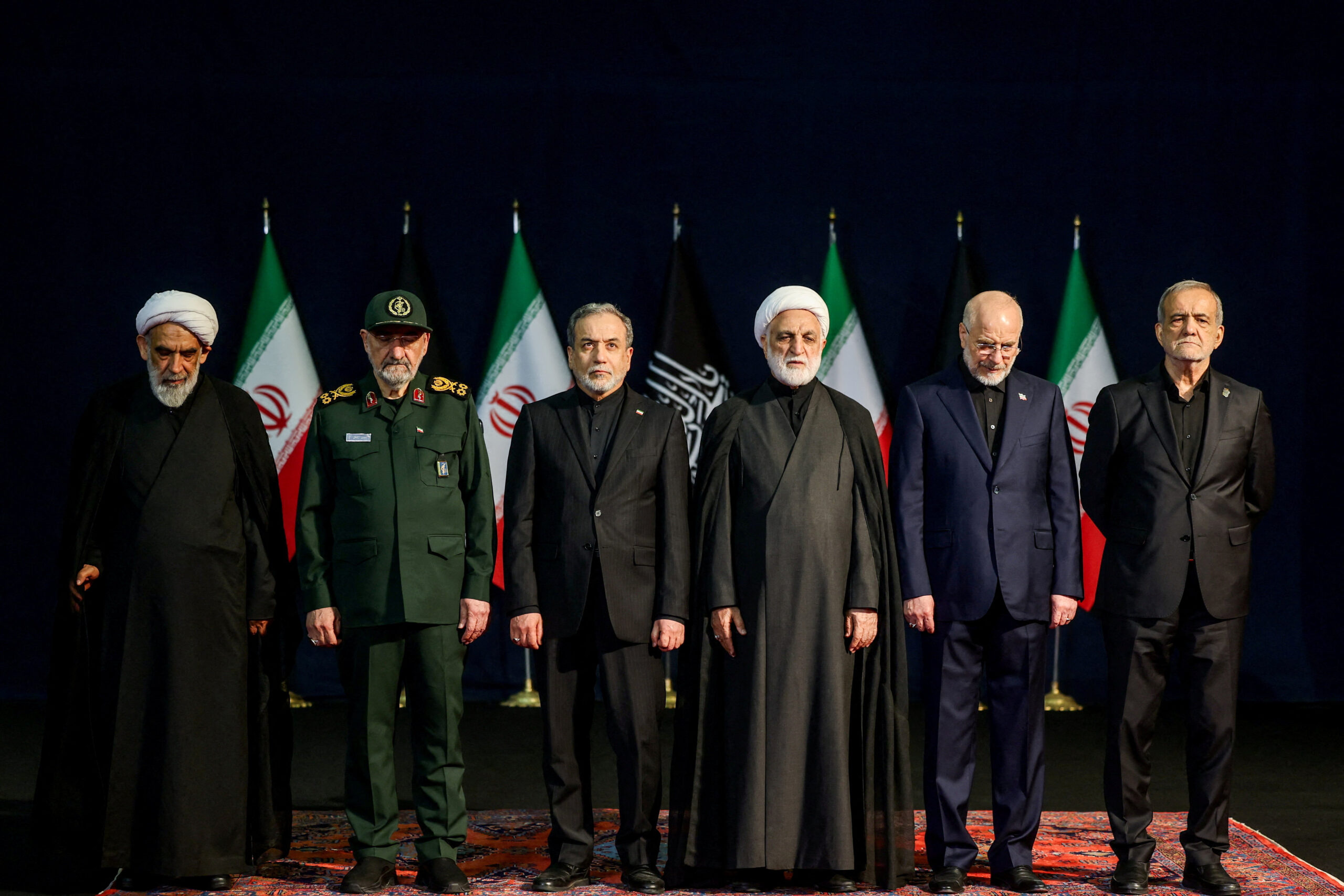
The Islamic Republic’s Collective Leadership
While there is historical precedent for collective leadership in Iran, today’s leadership includes representatives of the IRGC and regular military – a reflection of the IRGC’s expanding role and the necessities of governing under wartime conditions.
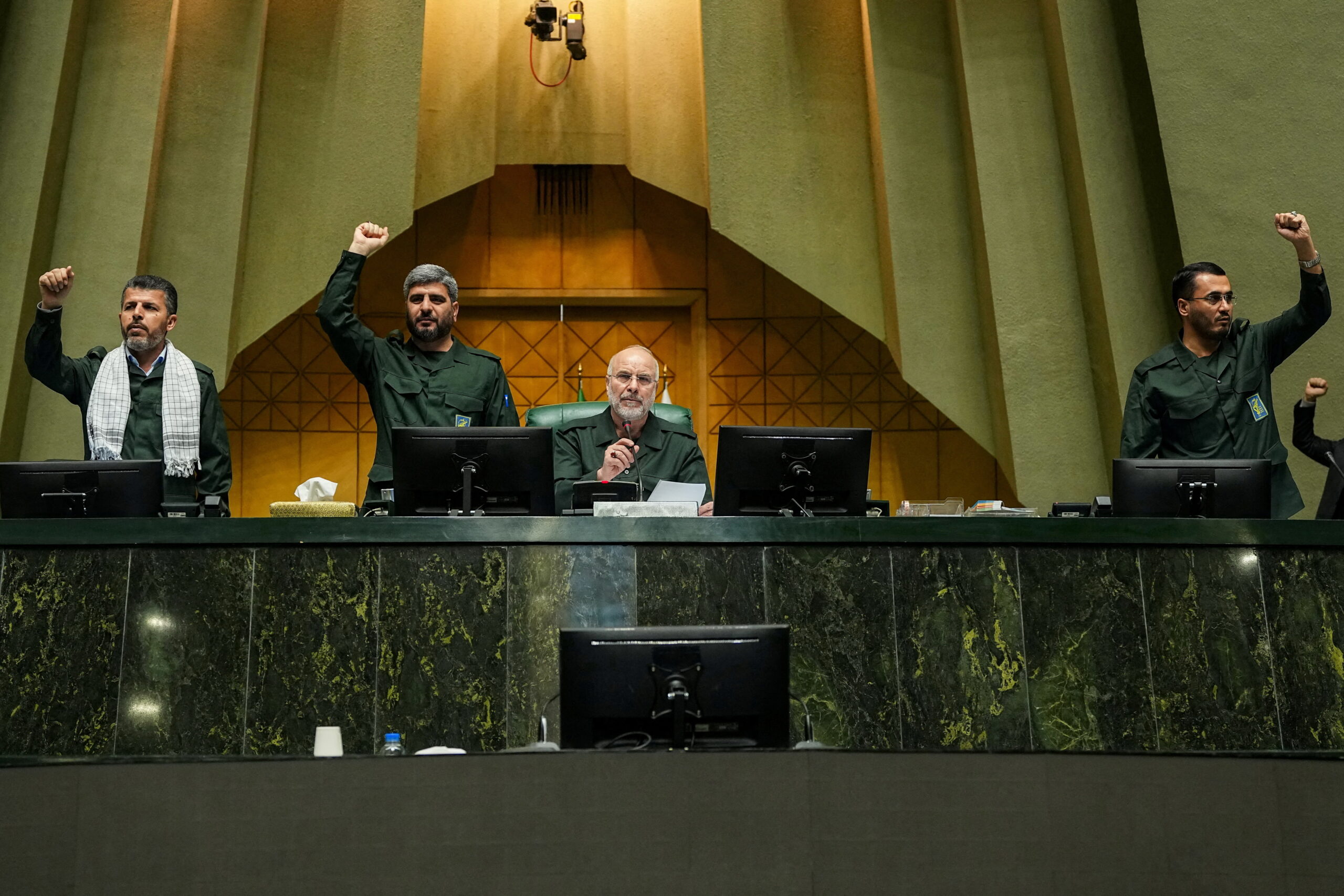
How Did the IRGC Seize Power in Iran?
The IRGC did not seize power in a single stroke. It accumulated it – patiently, methodically – until no counterweight remained.
Events
Book Talk: Iran and the Bomb: The United States, Iran and the Nuclear Question
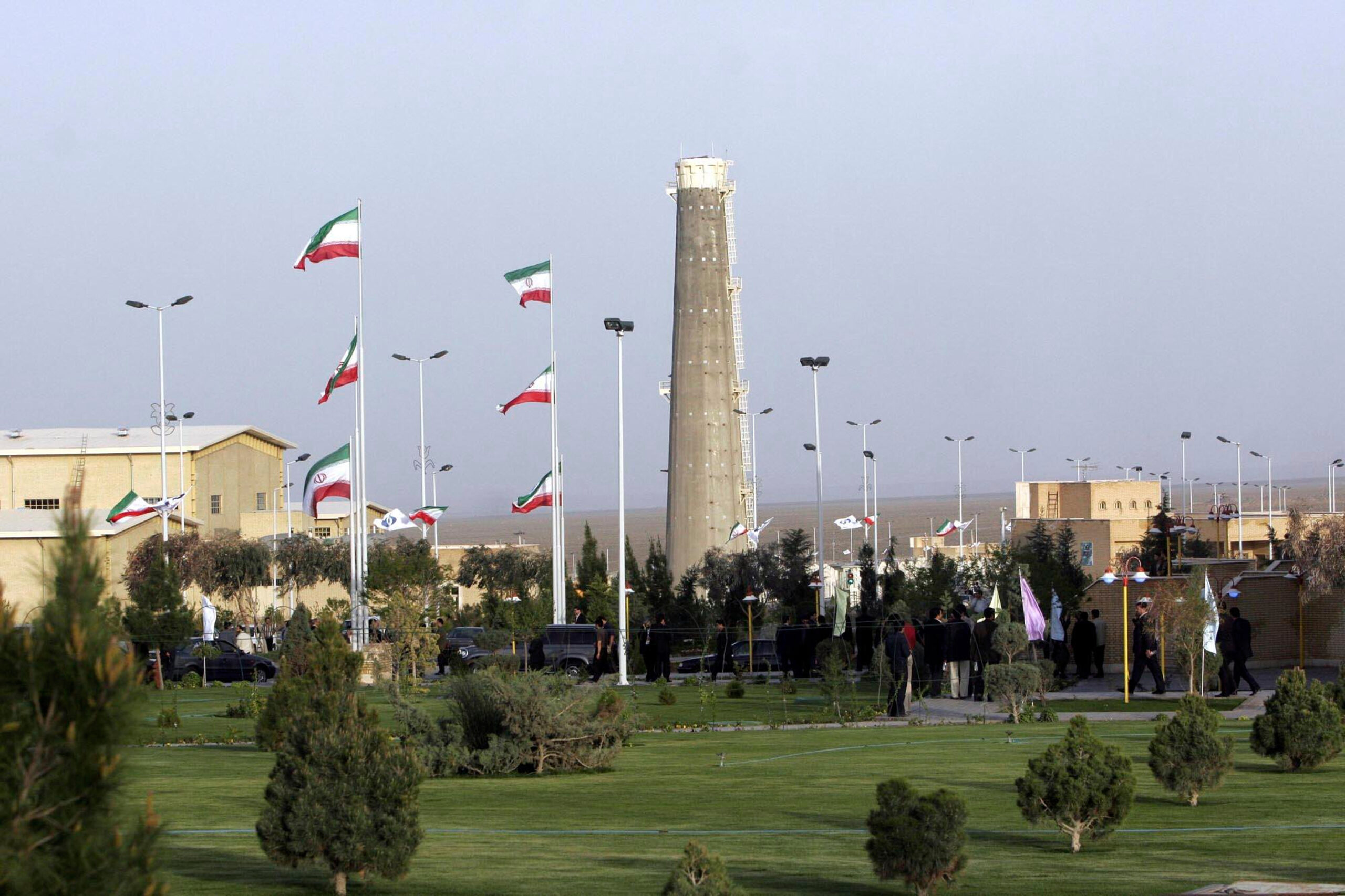
On June 16, AGSI hosted a discussion on the evolution of Iran's nuclear program.
Speakers

Apr 21, 2026
Inside Iran’s Wartime Leadership: Power, Succession, and Regime Stability
On April 21, AGSI hosted a discussion on the evolution of Iran's leadership during the war.
Speakers

Mar 18, 2026
In Its Conflict With the United States and Israel, Does Escalation Favor Iran?
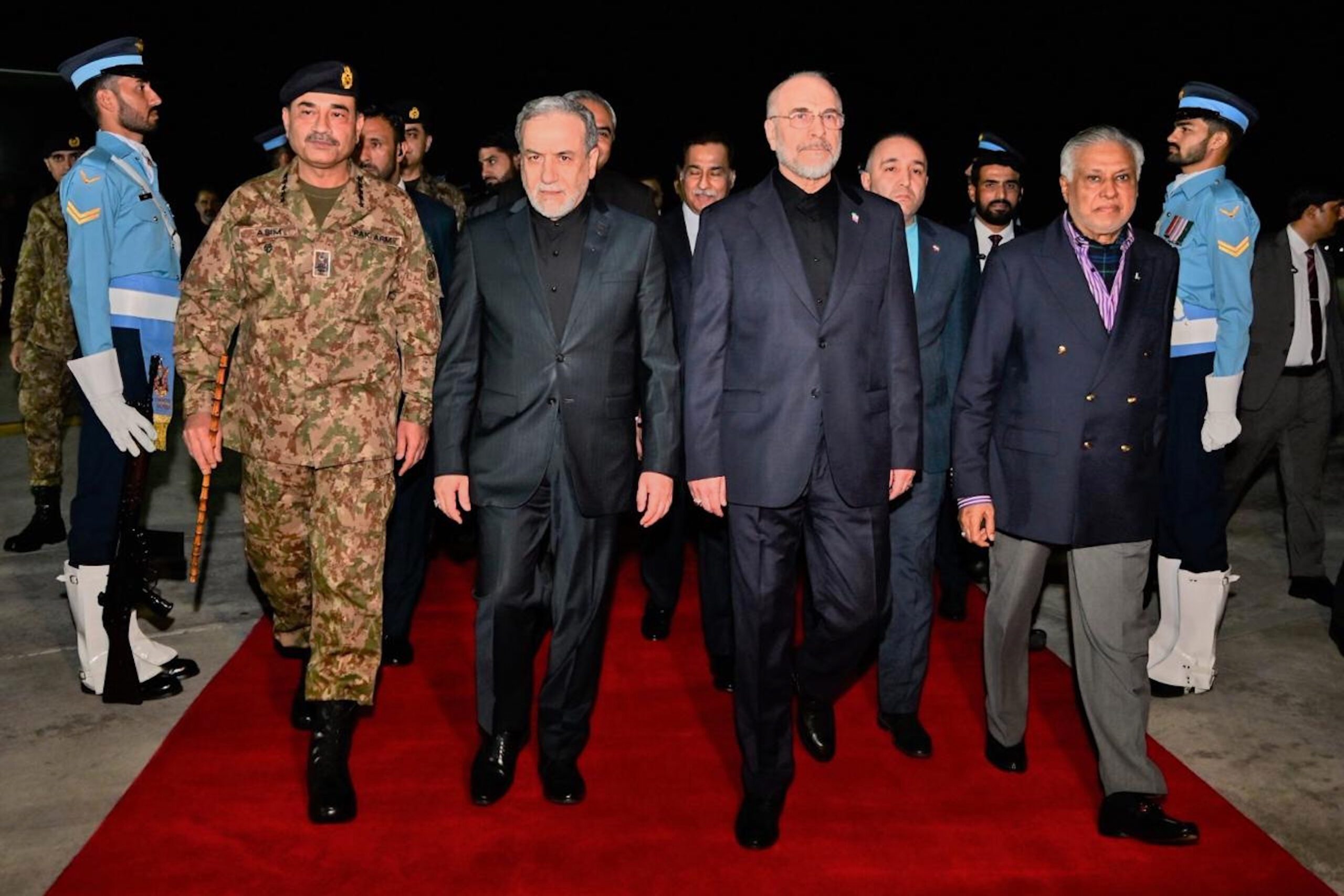
On March 18, AGSI hosted a discussion on the escalation of the Iran war.
Speakers


Mar 2, 2026
After the Shock: Implications of the U.S.–Israeli Strikes and Iran’s Leadership Transition
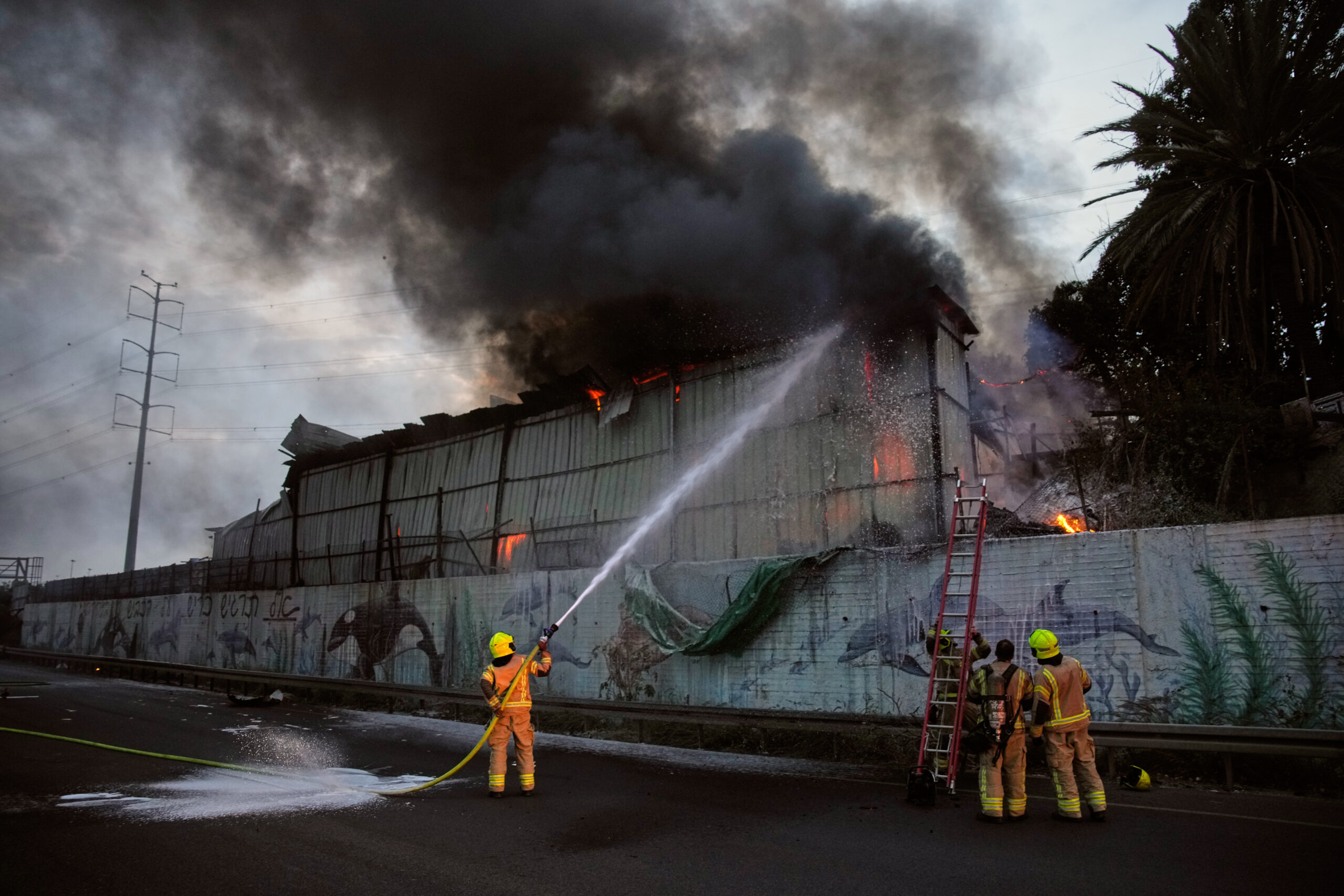
On March 2, AGSI hosted a discussion on the U.S.-Israeli strikes on Iran.
Speakers