Oct 7, 2025
“Cosmetic Surgery”: Iran Removes Four Zeros From Bank Notes
The October 7 edition of the Iran Media Review highlights criticism of a move by the Iranian Parliament to remove zeros from the national currency.

On October 5, the Islamic Consultative Assembly, Iran’s Parliament, approved a bill amending the Monetary and Banking Law to remove four zeros from the rial, the national currency. Yet, as Iran’s leading economic daily argues, the move amounts to little more than “cosmetic surgery,” leaving untouched the underlying domestic and external drivers of inflation and currency depreciation.
- October 6: The lead article in Donya-ye Eqtesad described the removal of four zeros from Iran’s national currency as nothing more than “cosmetic surgery”:
- “Experts believe that eliminating zeros – without undertaking structural reforms to improve budgeting processes, control inflation, and reduce political risks – will not have a significant impact on purchasing power or inflation reduction. The move, they argue, will merely simplify financial calculations.”
- “Economists argue that curbing inflation requires a detailed examination of its underlying causes. The depreciation of the national currency stems from a mix of domestic and external factors. Domestically, expansionary fiscal policies aimed at avoiding recession, chronic budget deficits, and excessive reliance on oil revenue have all contributed to liquidity growth and weakened the rial against foreign currencies. Externally, international sanctions and restricted access to foreign exchange reserves have delivered repeated shocks to the currency market, fueling volatility. Political shocks have also exacerbated inflation expectations, undermining currency stability. For instance, the 2018 currency shock – following the U.S. withdrawal from the Joint Comprehensive Plan of Action and rising political tensions – drove the dollar from around 5,000 tomans at the start of the year to about 13,000 tomans by year’s end. Currently, the free-market dollar rate has reached roughly 114,000 tomans, and in recent weeks – amid renewed political tensions and activation of the ‘snapback’ sanctions mechanism – it has fluctuated sharply, having stood at 94,000 tomans at the start of Shahrivar, leading to further erosion of the rial’s value.”
The views represented herein are the author's or speaker's own and do not necessarily reflect the views of AGSI, its staff, or its board of directors.
Related
Iran Media Review
Oct 3, 2025
Iran: Resigned to Sanctions
The October 3 edition of the Iran Media Review considers Iranian regime efforts to downplay the return of United Nations “snapback” sanctions.
Iran Media Review
Sep 30, 2025
Iranian Media Reacts to Snapback
The September 30 edition of the Iran Media Review examines Iranian media responses to the European reimposition of pre-2015 United Nations sanctions.
Iran Media Review
Sep 24, 2025
Khamenei Nixes Negotiations With Washington
The September 24 edition of the Iran Media Review evaluates a speech by the supreme leader dismissing the possibility of negotiations with the United States.
Oct 3, 2025
Iran: Resigned to Sanctions
The October 3 edition of the Iran Media Review considers Iranian regime efforts to downplay the return of United Nations “snapback” sanctions.
Sep 30, 2025
Iranian Media Reacts to Snapback
The September 30 edition of the Iran Media Review examines Iranian media responses to the European reimposition of pre-2015 United Nations sanctions.
Sep 24, 2025
Khamenei Nixes Negotiations With Washington
The September 24 edition of the Iran Media Review evaluates a speech by the supreme leader dismissing the possibility of negotiations with the United States.
Analysis
The Islamic Republic Returns to Offense
After U.S.-Israeli strikes killed Supreme Leader Ayatollah Ali Khamenei on February 28, Iran’s collective leadership has concluded that the best defense is a good offense.
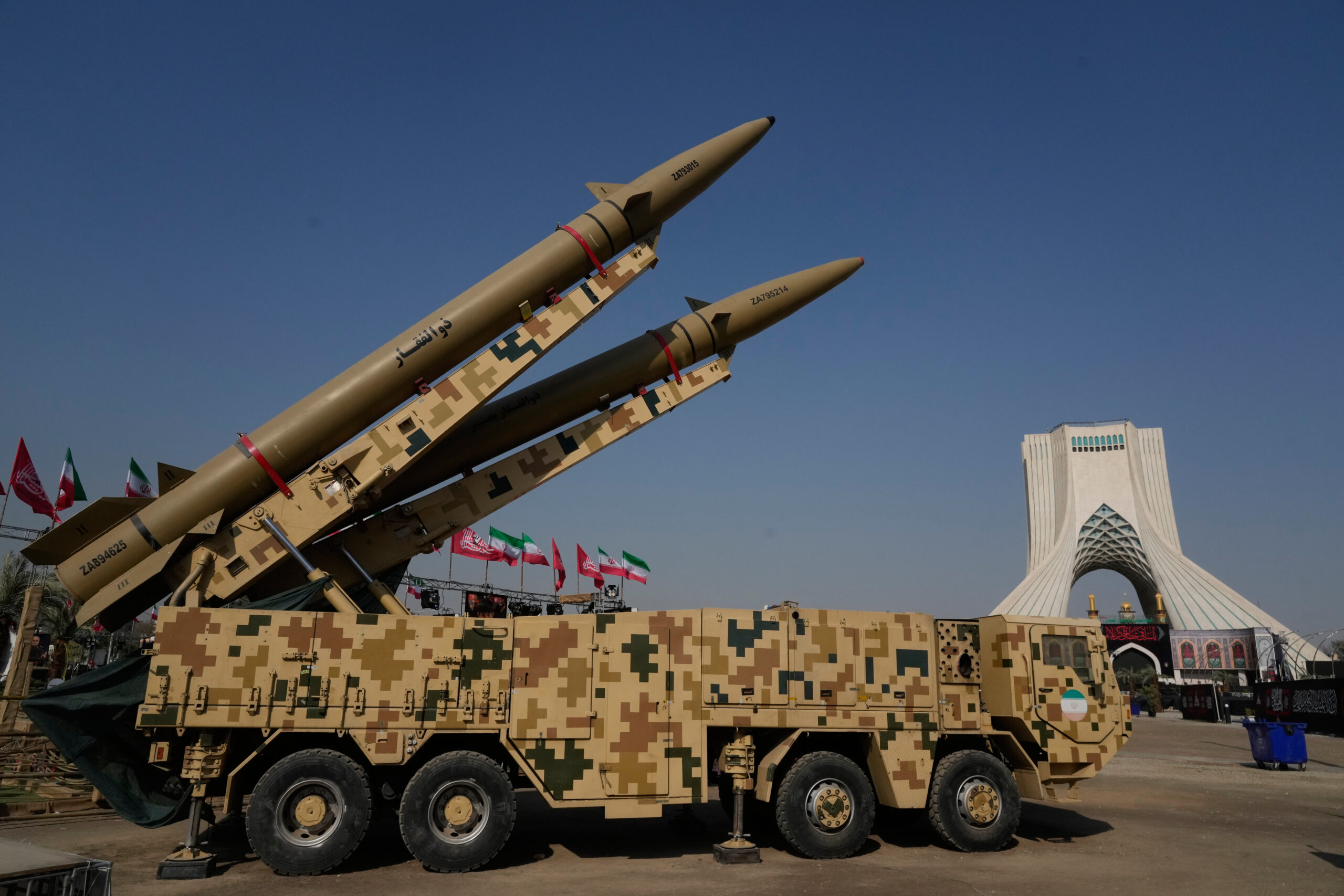
Iran’s Collective Strategic Decision Making
Wartime pressure has temporarily aligned the leadership’s overriding interest in regime survival, even as its members continue to differ over the costs, methods, and ultimate objectives of the war.
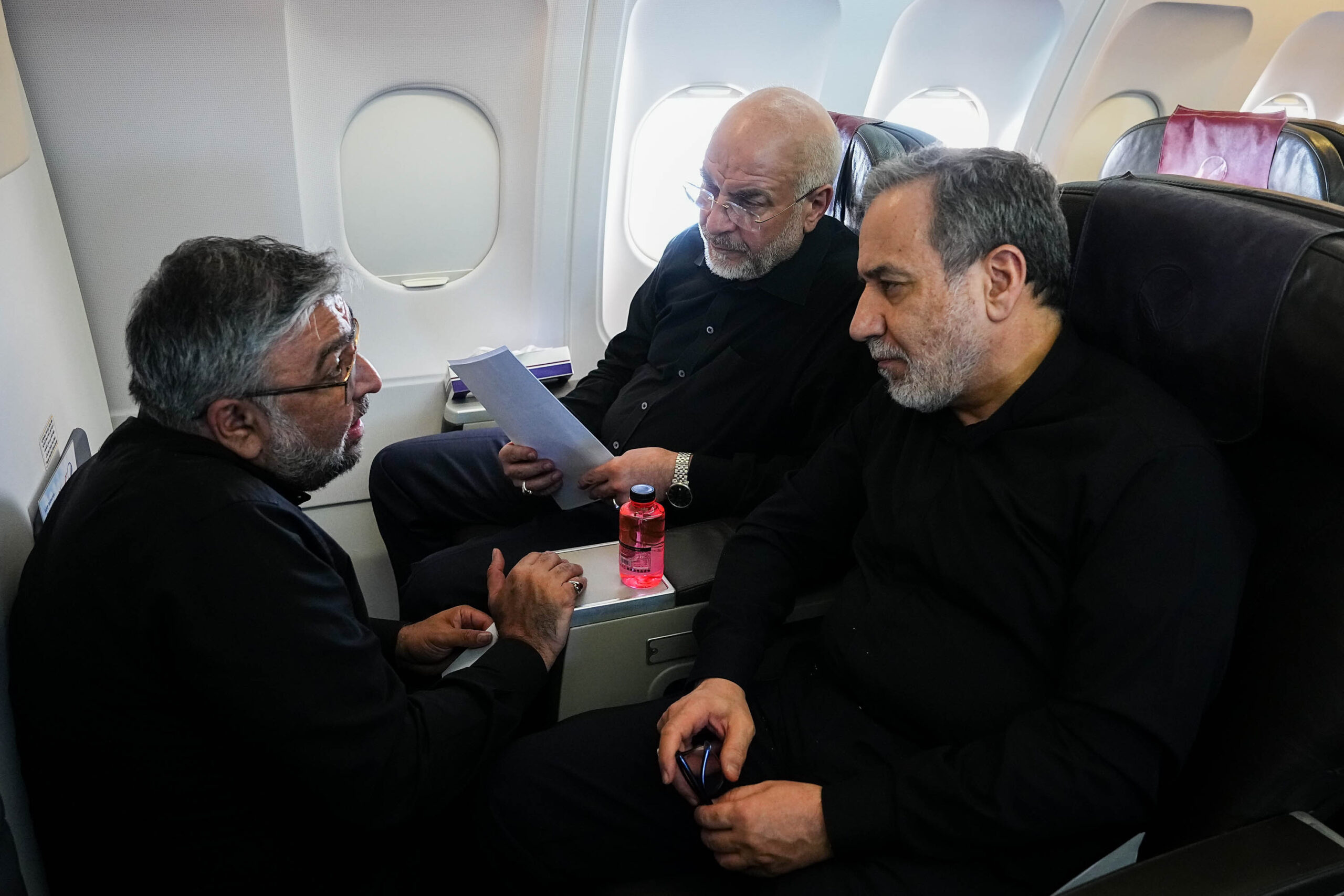
The Islamic Republic’s Collective Leadership
While there is historical precedent for collective leadership in Iran, today’s leadership includes representatives of the IRGC and regular military – a reflection of the IRGC’s expanding role and the necessities of governing under wartime conditions.
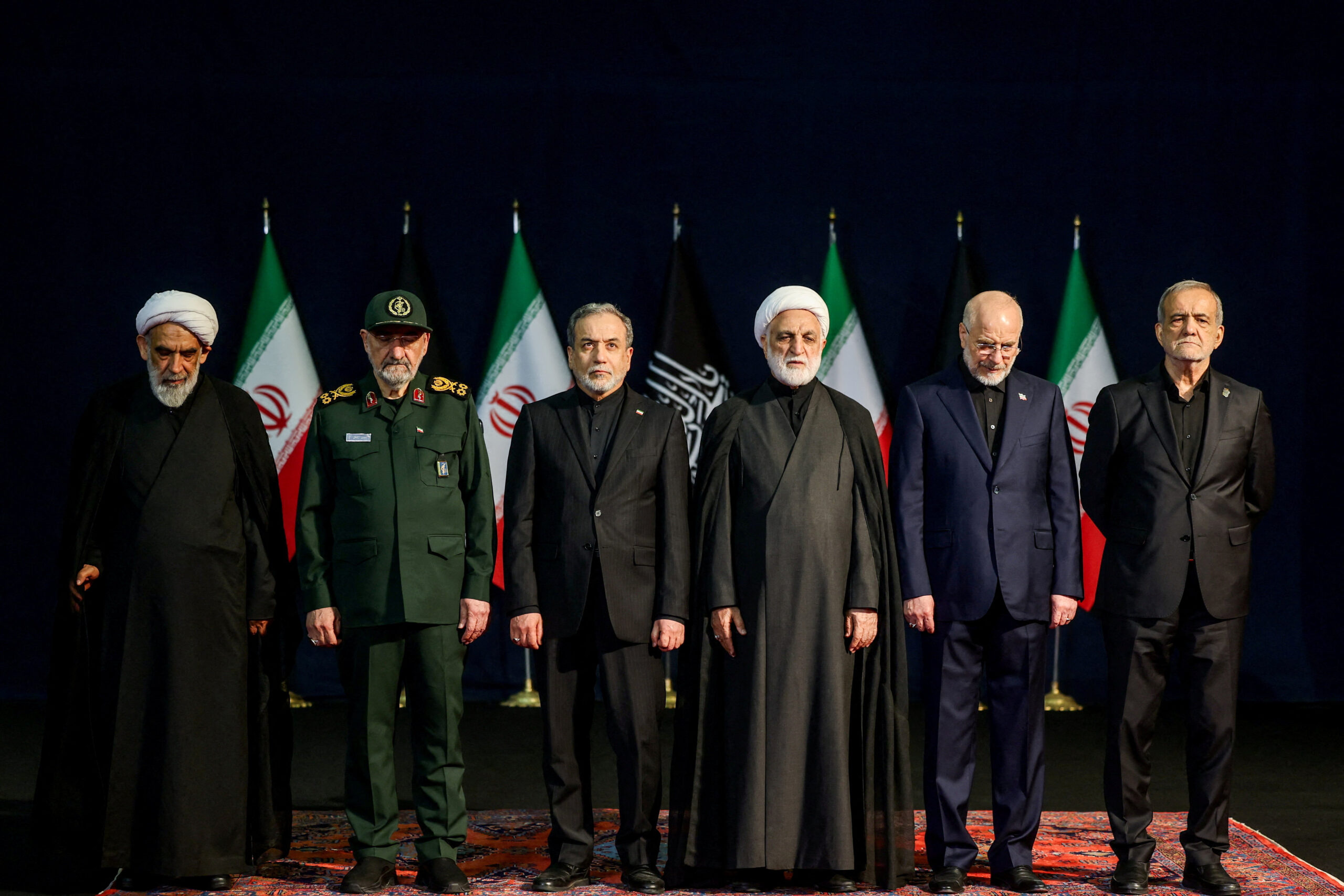
How Did the IRGC Seize Power in Iran?
The IRGC did not seize power in a single stroke. It accumulated it – patiently, methodically – until no counterweight remained.
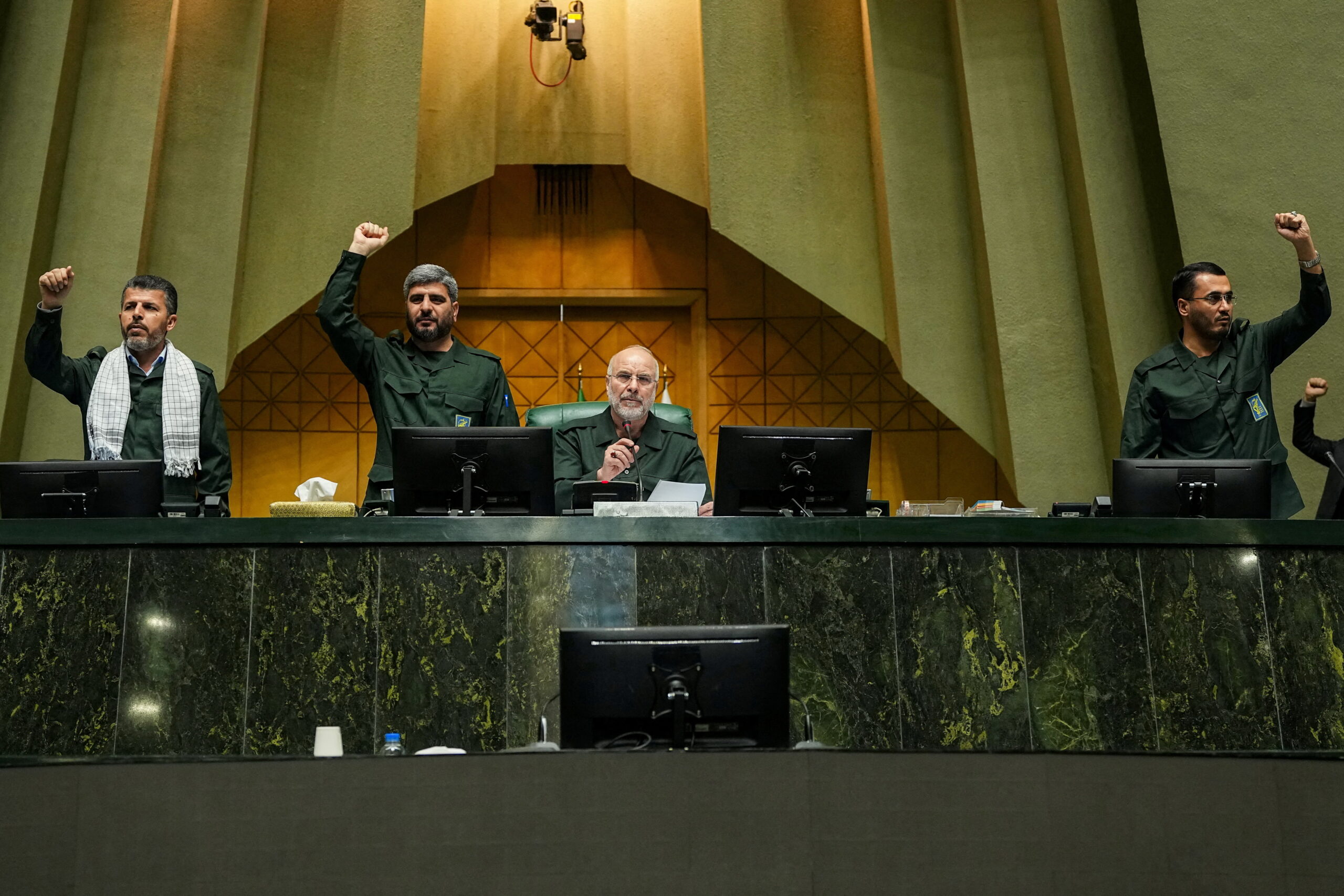
Events
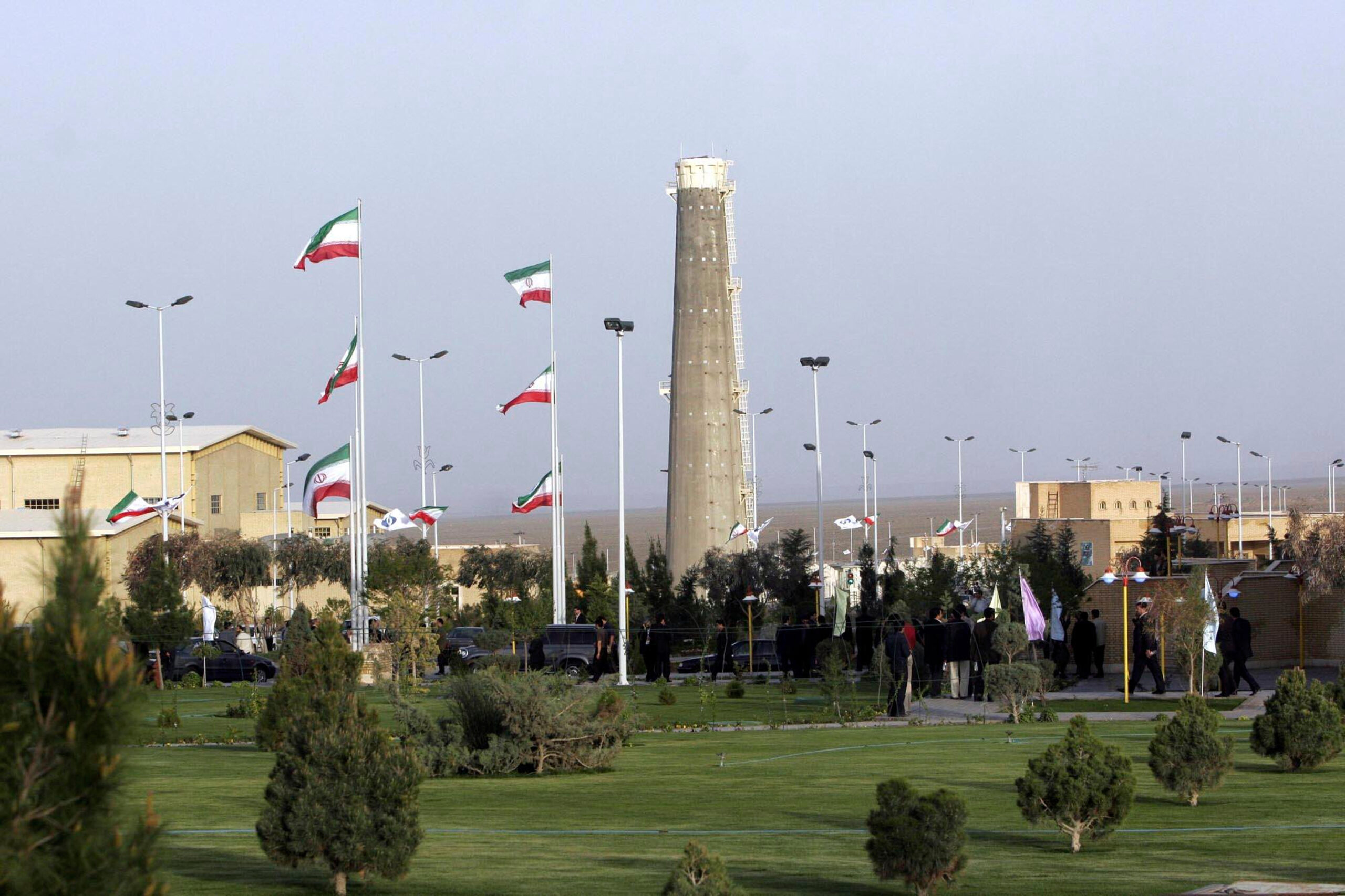
Book Talk: Iran and the Bomb: The United States, Iran and the Nuclear Question
On June 16, AGSI hosted a discussion on the evolution of Iran's nuclear program.
Speakers


Apr 21, 2026
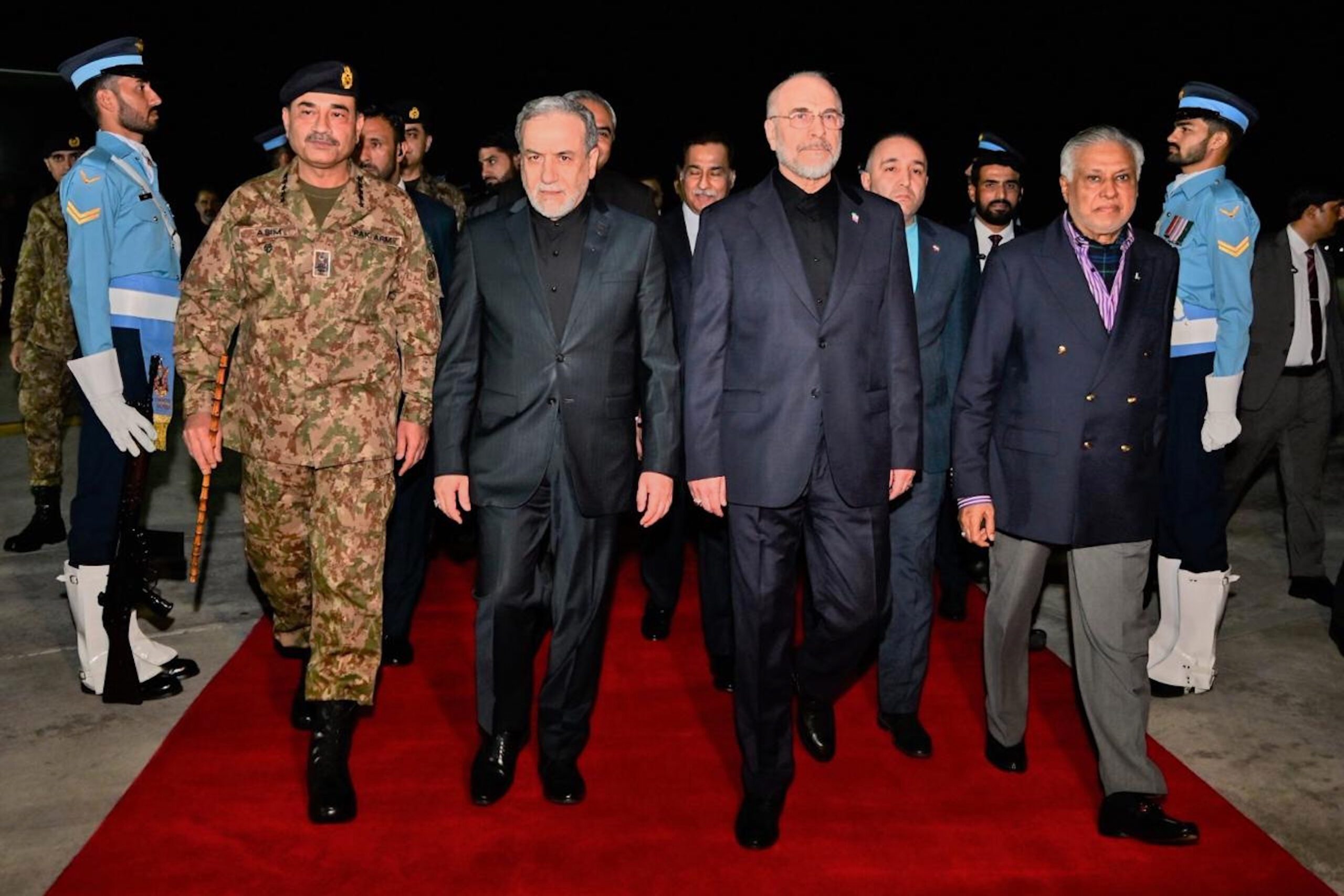
Inside Iran’s Wartime Leadership: Power, Succession, and Regime Stability
On April 21, AGSI hosted a discussion on the evolution of Iran's leadership during the war.
Speakers

Mar 18, 2026
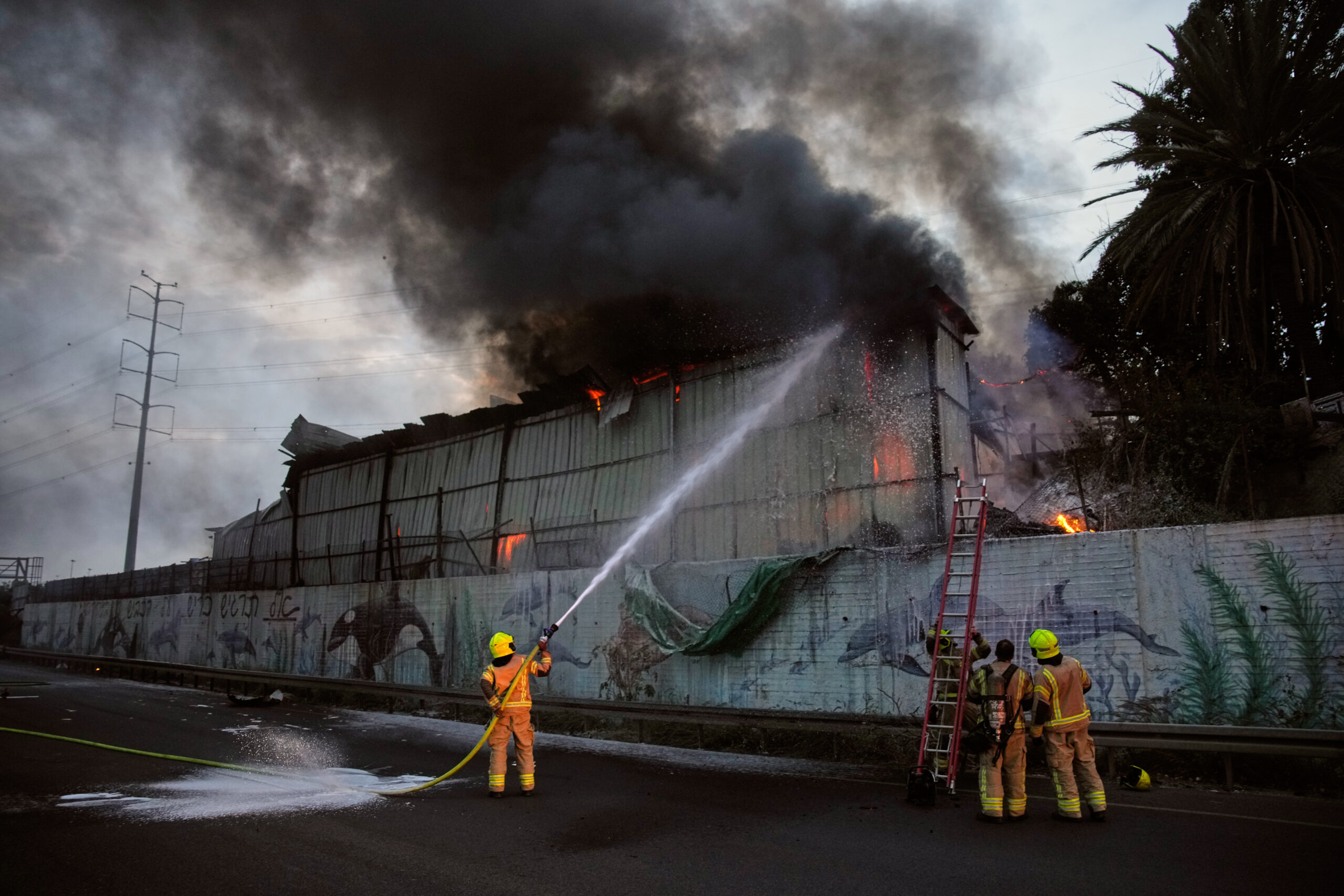
In Its Conflict With the United States and Israel, Does Escalation Favor Iran?
On March 18, AGSI hosted a discussion on the escalation of the Iran war.
Speakers



Mar 2, 2026
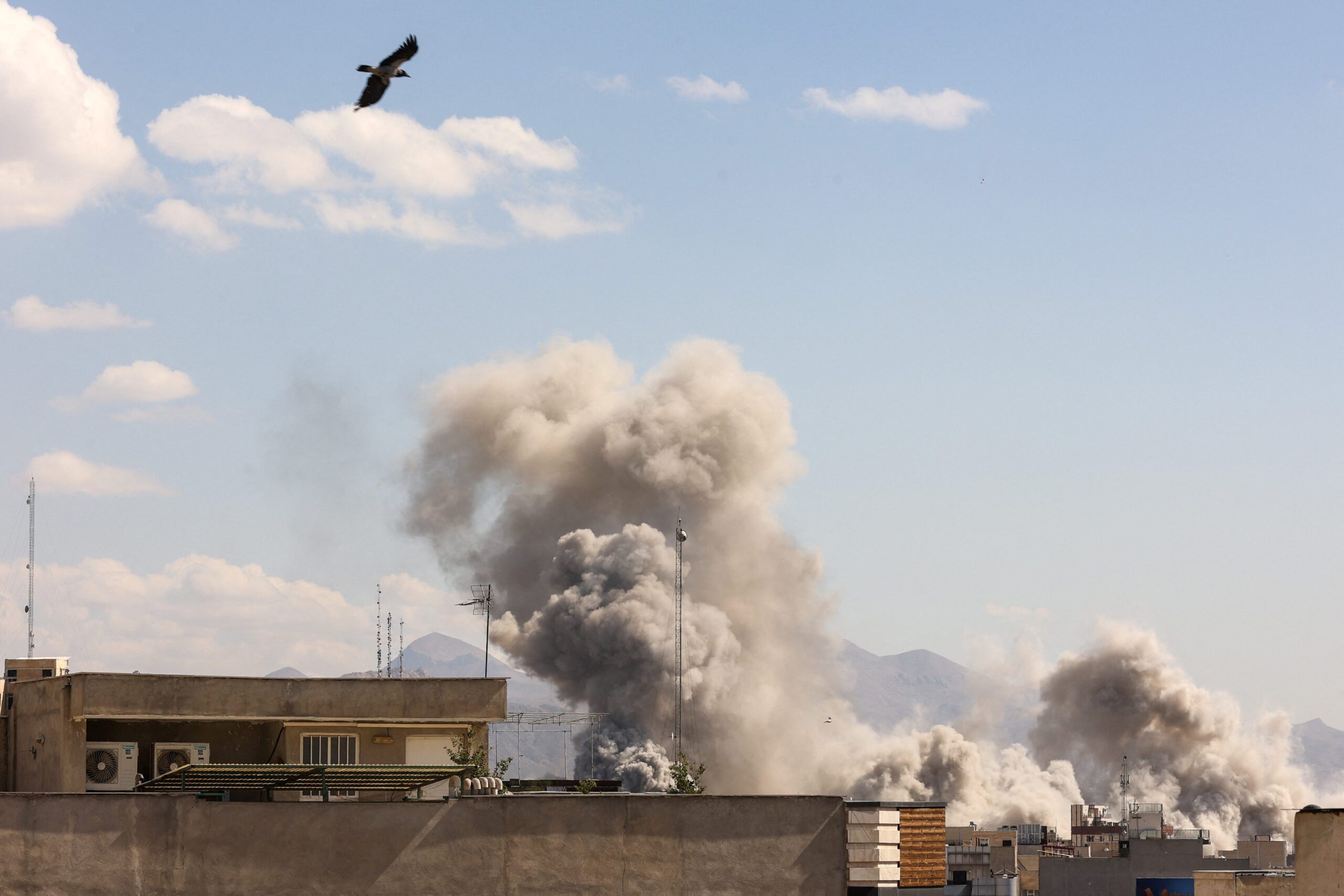
After the Shock: Implications of the U.S.–Israeli Strikes and Iran’s Leadership Transition
On March 2, AGSI hosted a discussion on the U.S.-Israeli strikes on Iran.
Speakers