Jul 6, 2022
Retaliation: Lessons From Greek-Iranian Naval Incidents
In the inaugural, July 6 edition of the Iran Media Review, Ali Alfoneh considers the Islamic Republic of Iran’s logic of power and disproportionate retaliation.

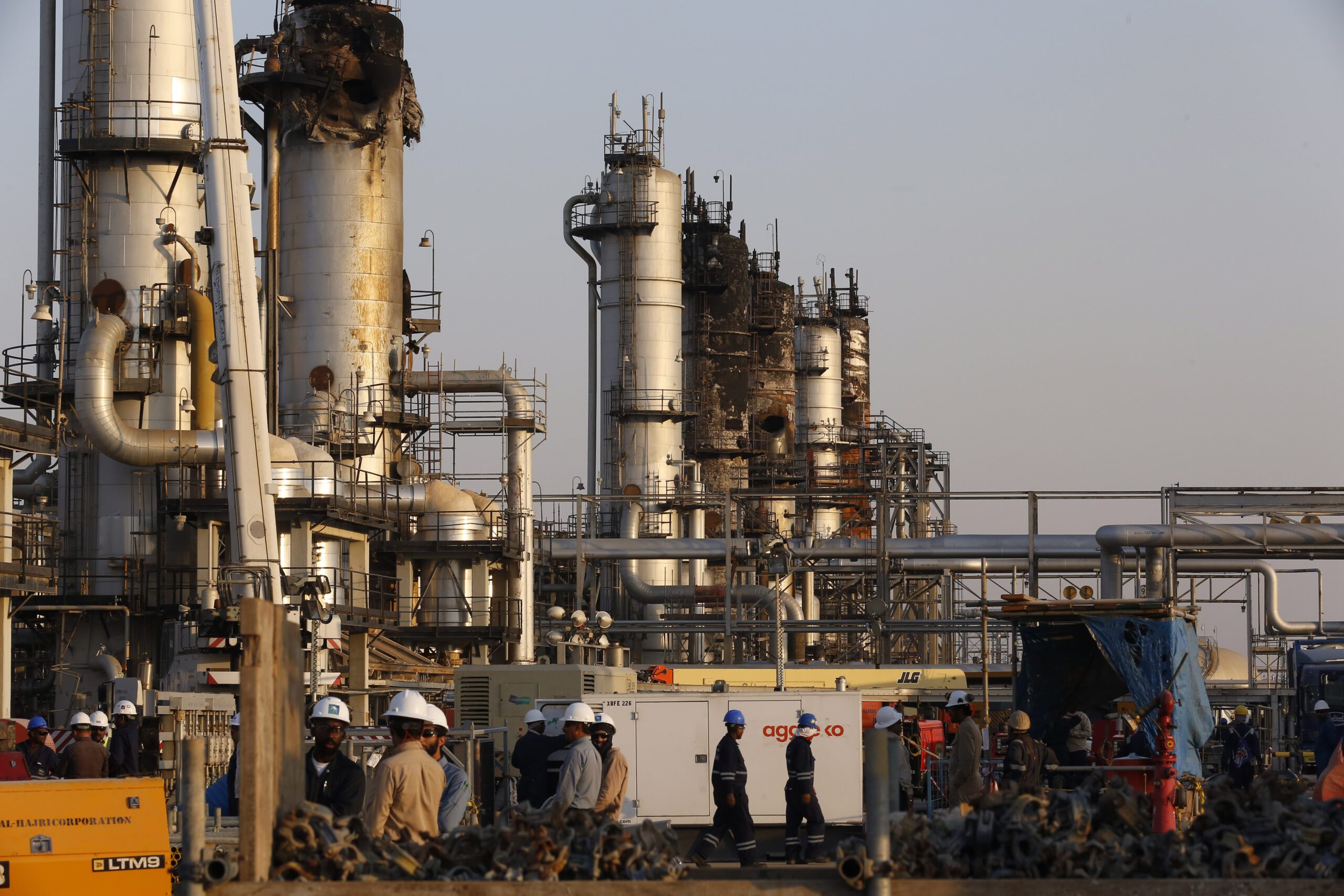
Two and half millennia since the Battle of Salamis, Iran and Greece once again found themselves entangled in naval incidents, from which the Islamic Revolutionary Guard Corps has learned the inefficient lesson of responding in kind. On April 15, Greece’s coast guard seized Lana, a Russian flagged and operated crude oil tanker in the Aegean Sea, citing violations of international sanctions imposed against Russia. At the time, Greek authorities emphasized the seizure order concerned the ship itself and not its cargo. However, by May 26, following a “judicial intervention by U.S. authorities concerning the ship’s cargo,” crude oil was confiscated by the U.S. government as a part of U.S. sanctions against Iran. The IRGC retaliated on May 27 by seizing two Greek oil tankers off the coast of Iran. And, on June 9, Ahmed Naderi, Iran’s ambassador to Athens, tweeted that a Greek court of appeals had overturned the Greeks’ original seizure of the oil, and the Associated Press confirmed the story.
- June 14: Mohammad-Javan Akhavan, Javan newspaper executive director, in an overview of the affair wrote in an editorial: “As predicted, when the Islamic Republic of Iran retaliated beyond proportion, the logic of power cleared the path of release of the property of the Iranian nation unjustly looted in Greece … It appears such retaliation, which at times punitively exceeds the enemy’s initial act, has to some extent proved its efficacy and can impact international and regional power equations.” Addressing the West, he concluded: “Take a look at the oil market: If we are not allowed to sell oil, you may not be able to purchase oil from your regional vassals.”
Javan often serves as the mouthpiece of the IRGC, so the editorial should be taken seriously as reflecting the dominant view among the IRGC leadership. But while the logic of retaliation as deterrence may be valid, there is also an alternative lesson that the IRGC leadership ought to have learned from the affair: the logic of a rational resolution of the crisis over Iran’s nuclear program, which caused the U.S. sanctions regime against Iran in the first place.
AGSIW’s Iran Media Review monitors, translates, and reviews critical Persian-language media sources identifying important developments and trends in the Islamic Republic of Iran.
The views represented herein are the author's or speaker's own and do not necessarily reflect the views of AGSI, its staff, or its board of directors.
Related
Iran Media Review
Dec 2, 2025
Shadow of 2019 Unrest Looms Over Gasoline Subsidy Reform
The December 2 edition of the Iran Media Review explores commentary regarding the Iranian government’s proposed gas price reforms.
Iran Media Review
Nov 25, 2025
Tehran Reacts to Assassination of Lebanese Hezbollah Commander
The November 25 edition of the Iran Media Review examines Iranian reactions to Israel’s killing of Haytham Ali Tabatabaei, Lebanese Hezbollah's chief of staff.
Iran Media Review
Nov 21, 2025
Iran’s State-Censored Media on Saudi Mediation Between Tehran and Washington
The November 21 edition of the Iran Media Review highlights Iranian commentary on U.S.-Iranian relations and considers the possibility of Saudi mediation.
Dec 2, 2025
Shadow of 2019 Unrest Looms Over Gasoline Subsidy Reform
The December 2 edition of the Iran Media Review explores commentary regarding the Iranian government’s proposed gas price reforms.
Nov 25, 2025
Tehran Reacts to Assassination of Lebanese Hezbollah Commander
The November 25 edition of the Iran Media Review examines Iranian reactions to Israel’s killing of Haytham Ali Tabatabaei, Lebanese Hezbollah's chief of staff.
Nov 21, 2025
Iran’s State-Censored Media on Saudi Mediation Between Tehran and Washington
The November 21 edition of the Iran Media Review highlights Iranian commentary on U.S.-Iranian relations and considers the possibility of Saudi mediation.
Analysis
Iran Looms Over Saudi Visit to Washington
Saudi Arabia seeks a U.S. security umbrella strong enough to deter Iran but a diplomatic posture measured enough to avoid provoking Iran unnecessarily.
The Pragmatist Who Came In From the Cold: Ali Larijani, Iran’s New Supreme National Security Council Secretary
An Iraqi-born native of Najaf but an unmistakably Iranian nationalist, Ali Larijani is expected to leverage his record of bureaucratic competence and global fluency to coordinate Iran’s security bureaucracy.

Iran: Perilous Policy Paralysis
Confronted with the clear and present danger posed by Israel, Iran’s collective leadership appears mired in policy paralysis, leaving Iran strategically adrift.
Iran: Emergence of Collective Leadership Amid Low-Intensity Conflict
Israel’s ongoing low-intensity warfare has marginalized Iran's supreme leader and empowered a collective leadership.
Events
Sep 16, 2025
Book Talk: Iran’s Grand Strategy: A Political History
On September 16, AGSI hosted a discussion on the roots of Iran's strategic outlook.
Speakers


Jun 23, 2025
U.S. Strike on Iran: Regional and Diplomatic Fallout
On June 23, AGSI hosted a discussion on the United States' attack on Iranian nuclear sites.
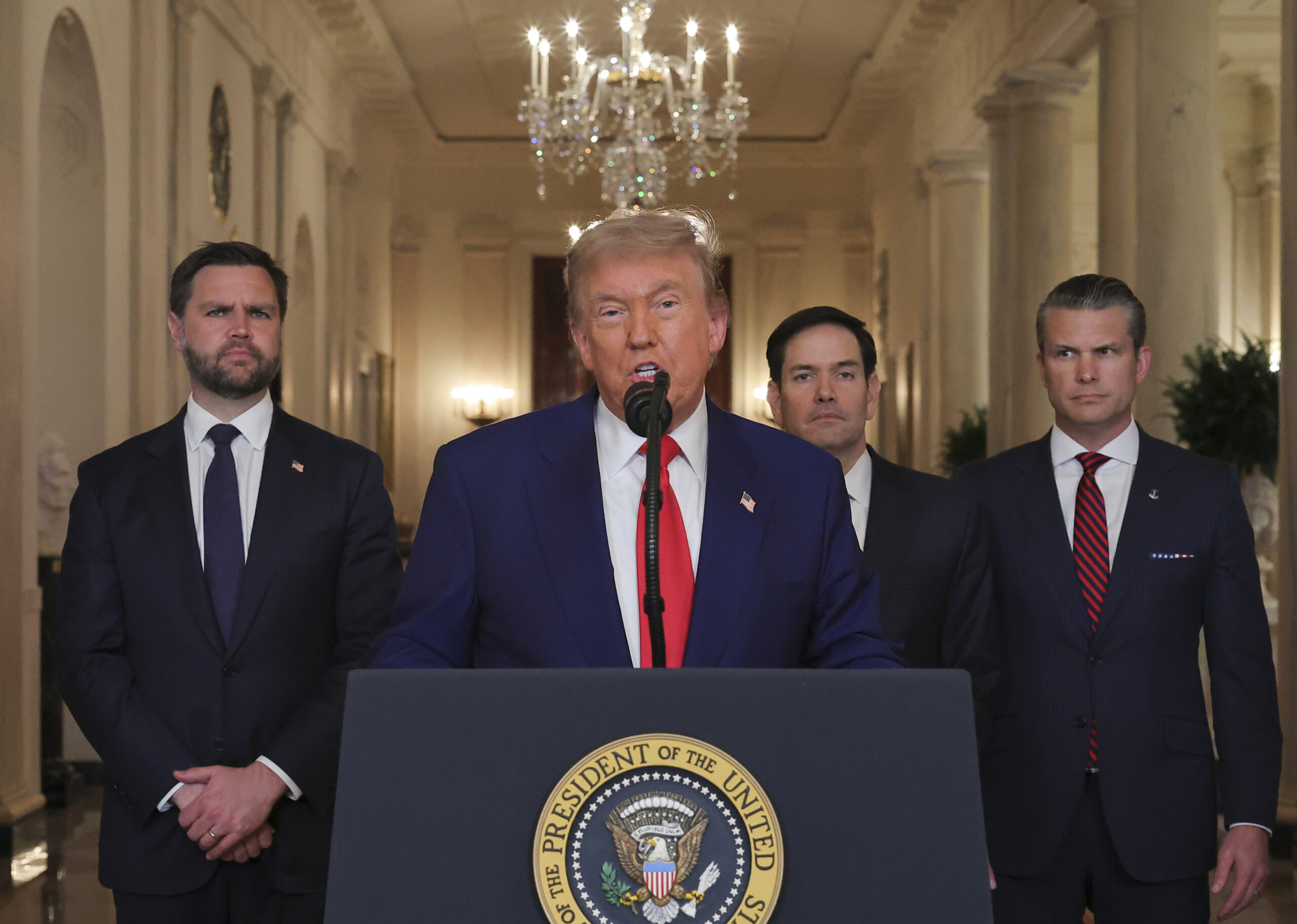
Speakers

Assessing Iranian, U.S., and Gulf Reactions and Options Following Israel’s Unprecedented Attack on Iran
On June 16, AGSI hosted a discussion on Israel's attack on Iran.
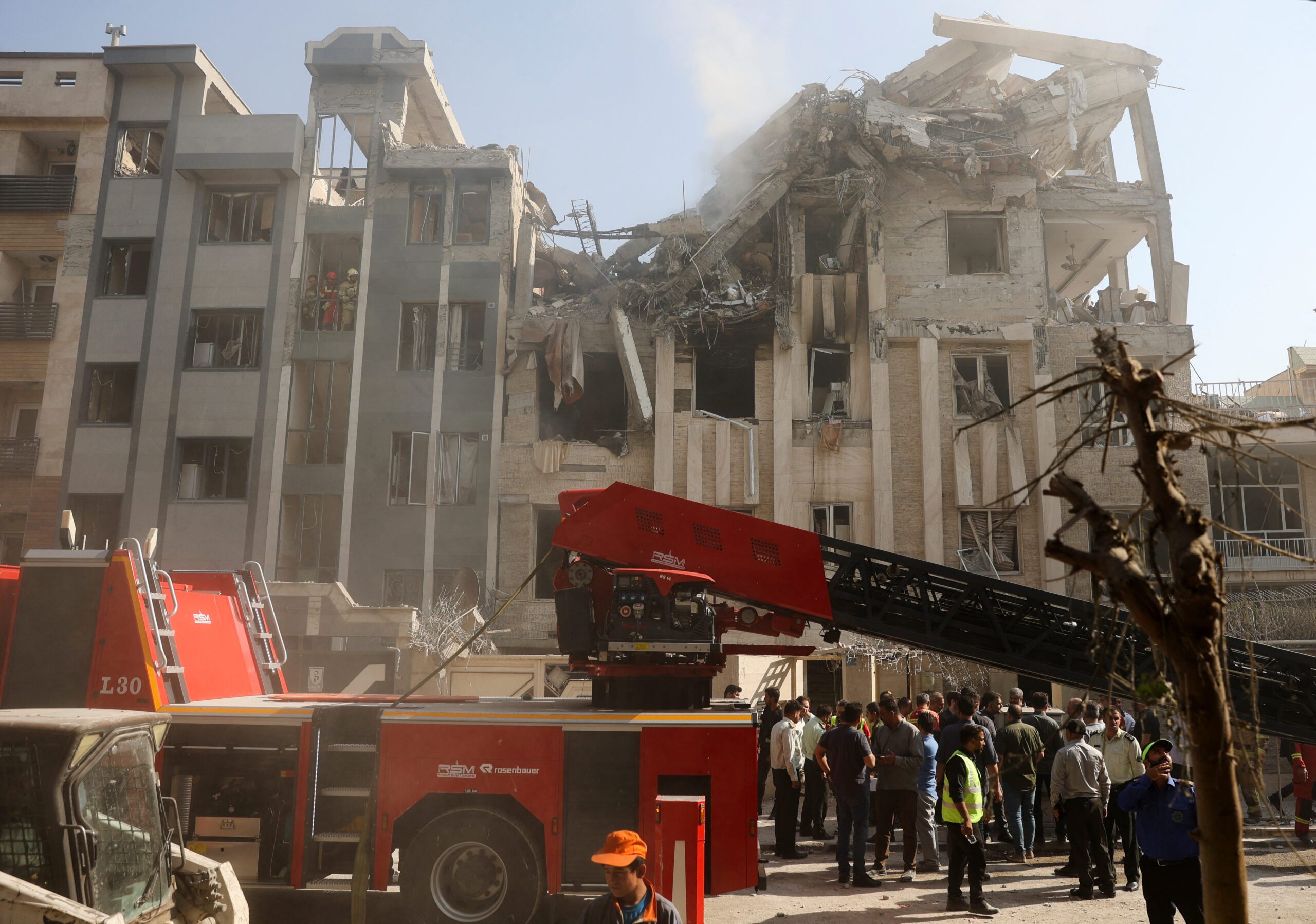
Speakers

Apr 29, 2025
The Real Deal? Are Washington and Tehran Closer to a Compromise?
On April 29, AGSI hosted a discussion on the U.S.-Iranian nuclear negotiations.
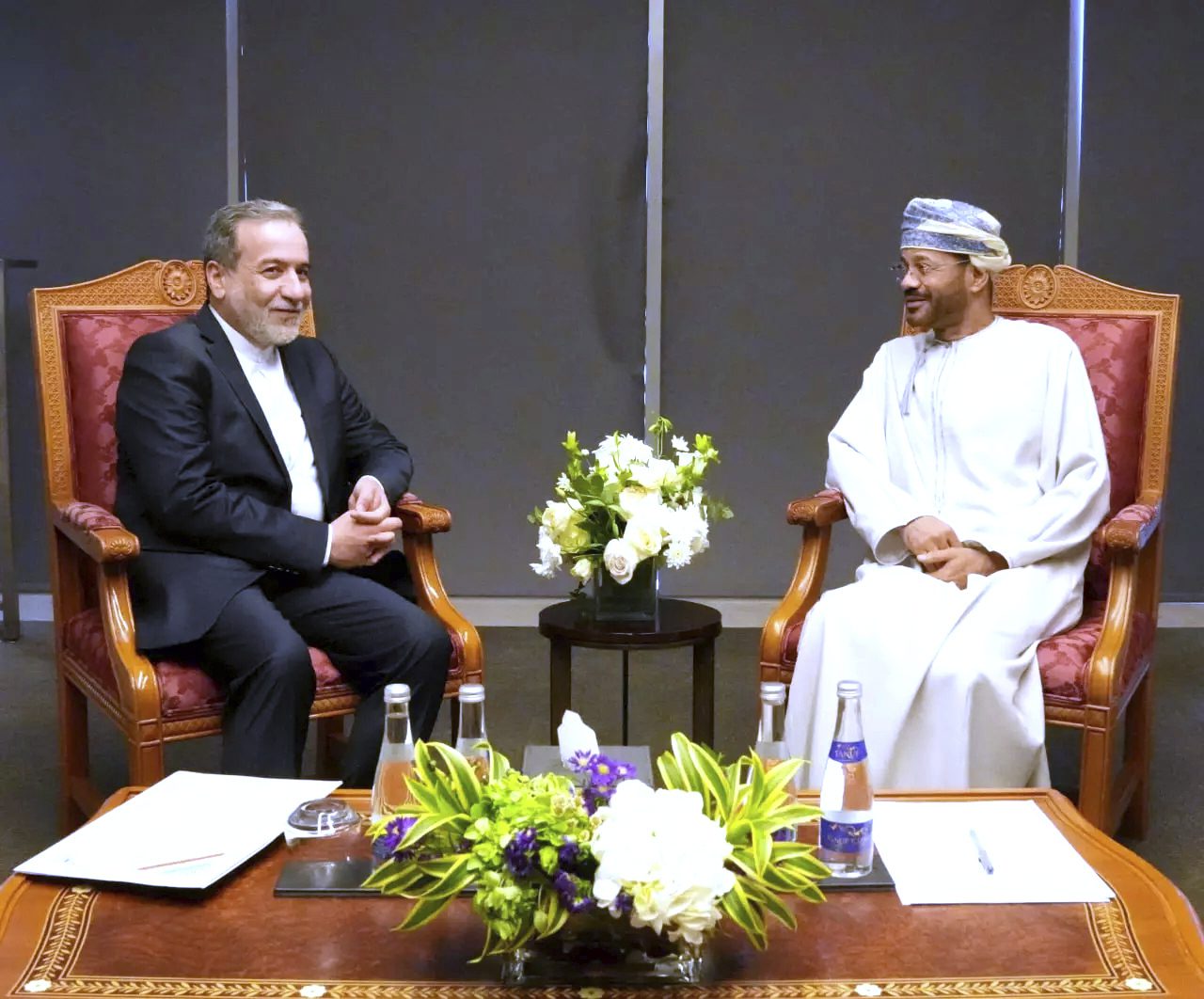
Speakers