Jun 24, 2025
Cease-Fire
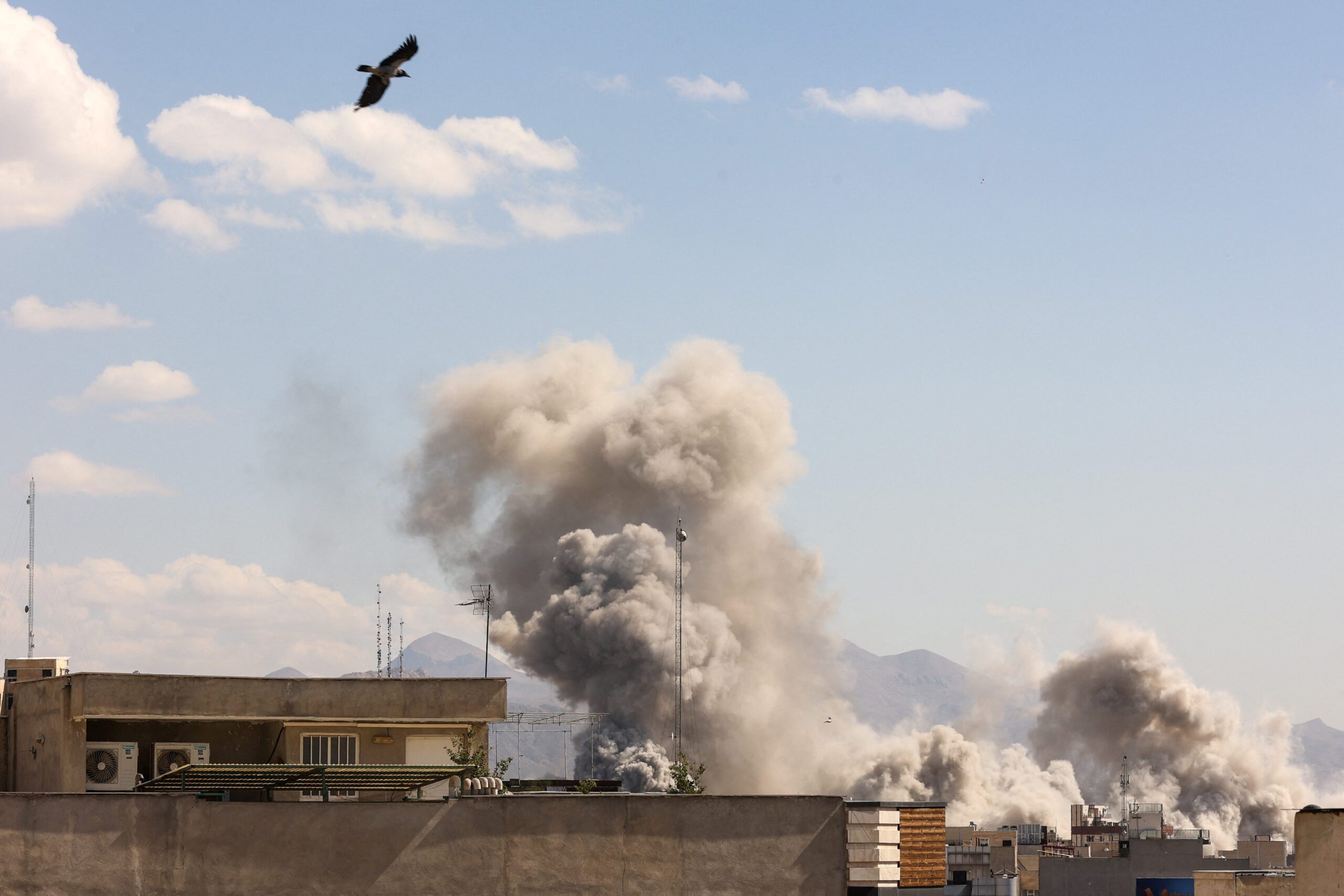
The June 24 edition of the Iran Media Review evaluates Iranian media comments in the wake of Iran’s fragile cease-fire with Israel and the United States.

Following Iran’s largely symbolic June 23 missile attacks against the Al Udeid U.S. Air Force base in Qatar – a retaliatory gesture aimed more at domestic audience management than military escalation – President Donald J. Trump took to Truth Social, declaring that “there will, hopefully, be no further HATE.” Within hours, he announced that both Iran and Israel had accepted the terms of a cease-fire agreement, marking a significant, albeit fragile, de-escalation in a conflict that had threatened to engulf the broader Middle East. The cease-fire signals a temporary halt to hostilities, but it does not resolve the underlying strategic tensions.
- June 23: Islamic Revolutionary Guard Corps-affiliated Tasnim News Agency, which is one of the few news agencies with access to the internet, quoted IRGC Chief Commander Major General Mohammad Pakpour on Iran’s missile attack against Al Udeid base:
-
- “With the help of the Almighty, the honorable warriors of the Guard attacked the Al Udeid strategic base, the beating heart of U.S. Central Command in West Asia, and inflicted damage on this strategic target, which was under special and multilayered protection … In the event of any renewed aggression or violation against the sanctity of the Islamic Republic of Iran and the proud, martyr-nurturing land of Iran, America will receive even more crushing and regret-inducing responses, ones that will serve as a lesson for history.”
- June 23: Fringe IRGC-affiliated Saberin News’ Telegram channel reported the assassination of Seyyed Mohammad-Reza Seddiqi, an expert in sympathetic detonations.
- June 23: Iranian Foreign Minister Abbas Aragchi praised Iran’s armed forces in a post on X.
The views represented herein are the author's or speaker's own and do not necessarily reflect the views of AGSI, its staff, or its board of directors.
Related
Iran Media Review
Jun 20, 2025
Iran: Spy Scare and Fear of Treason
The June 20 edition of the Iran Media Review examines Iranian commentary on the regime’s vulnerability to internal espionage and subversion.
Iran Media Review
Jun 17, 2025
Iran Warns of the Spread of War to the Region
The June 17 edition of the Iran Media Review highlights Iranian comments warning of the spread of the Iran-Israel conflict to the rest of the Gulf.
Iran Media Review
Jun 13, 2025
Iran: Unprepared, Defenseless, and Under Attack
The June 13 edition of the Iran Media Review analyzes Iranian responses to widespread Israeli attacks on IRGC leaders, Iranian scientists, and multiple nuclear facilities.
Jun 20, 2025
Iran: Spy Scare and Fear of Treason
The June 20 edition of the Iran Media Review examines Iranian commentary on the regime’s vulnerability to internal espionage and subversion.
Jun 17, 2025
Iran Warns of the Spread of War to the Region
The June 17 edition of the Iran Media Review highlights Iranian comments warning of the spread of the Iran-Israel conflict to the rest of the Gulf.
Jun 13, 2025
Iran: Unprepared, Defenseless, and Under Attack
The June 13 edition of the Iran Media Review analyzes Iranian responses to widespread Israeli attacks on IRGC leaders, Iranian scientists, and multiple nuclear facilities.
Analysis
The Islamic Republic Returns to Offense
After U.S.-Israeli strikes killed Supreme Leader Ayatollah Ali Khamenei on February 28, Iran’s collective leadership has concluded that the best defense is a good offense.
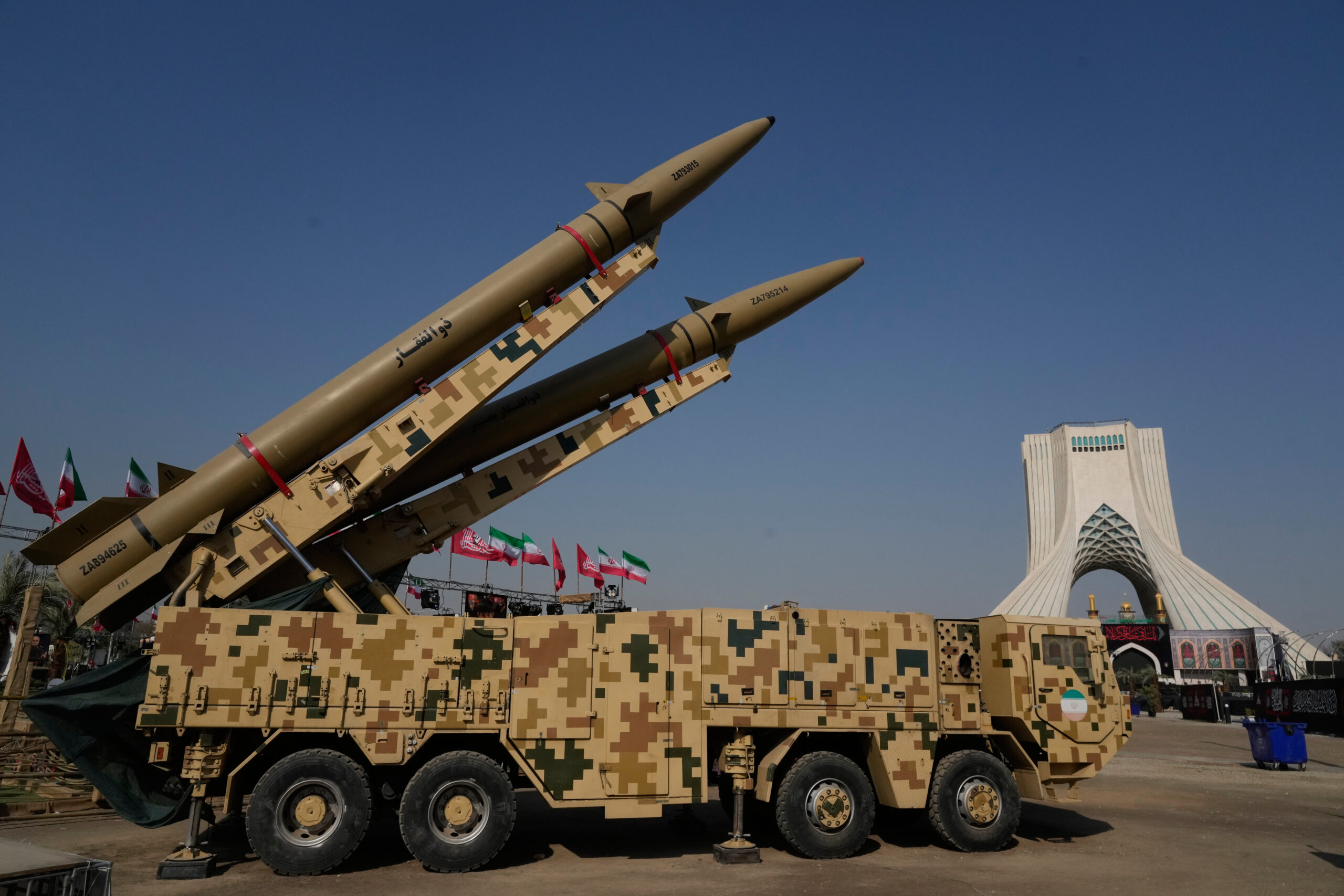
Iran’s Collective Strategic Decision Making
Wartime pressure has temporarily aligned the leadership’s overriding interest in regime survival, even as its members continue to differ over the costs, methods, and ultimate objectives of the war.
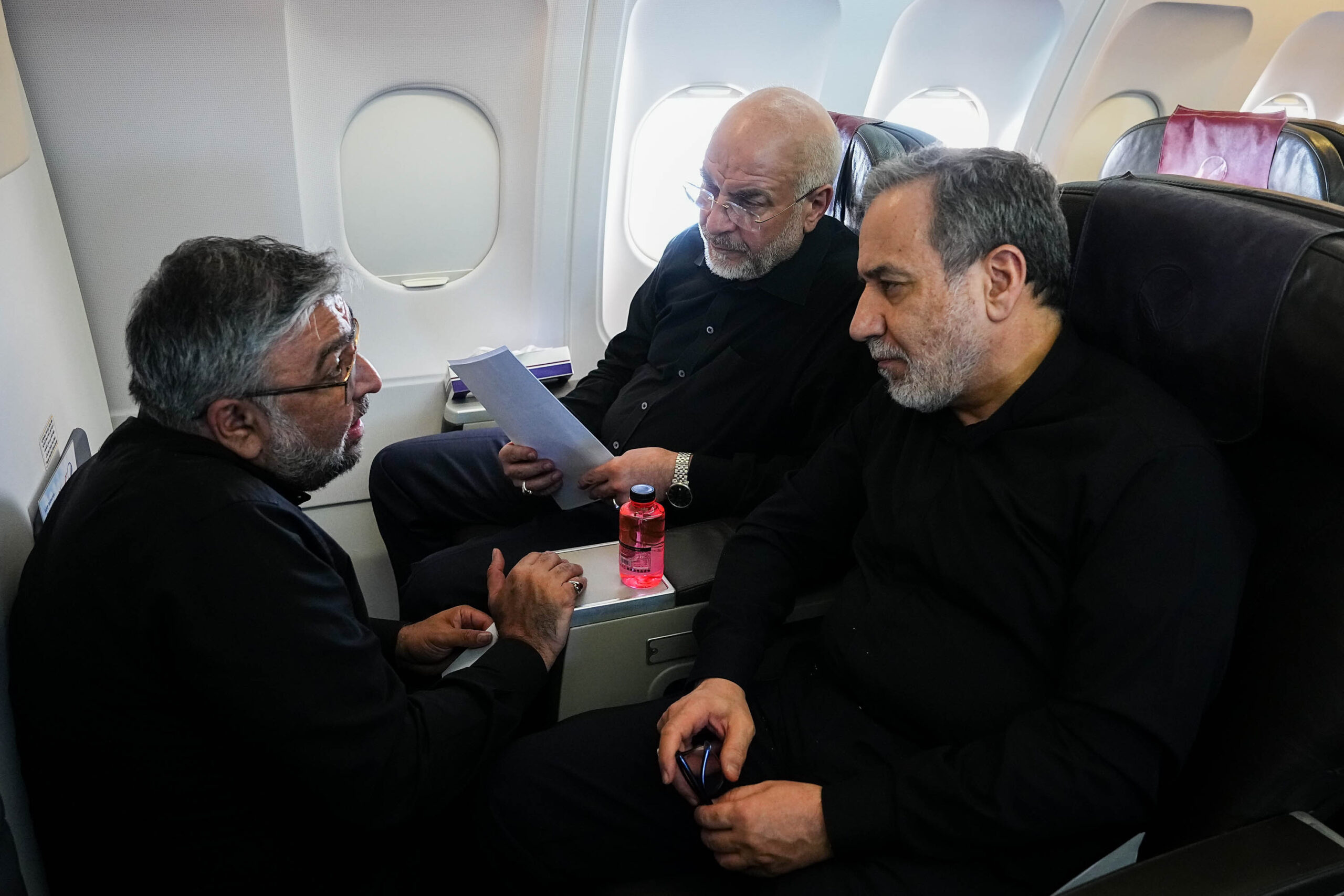
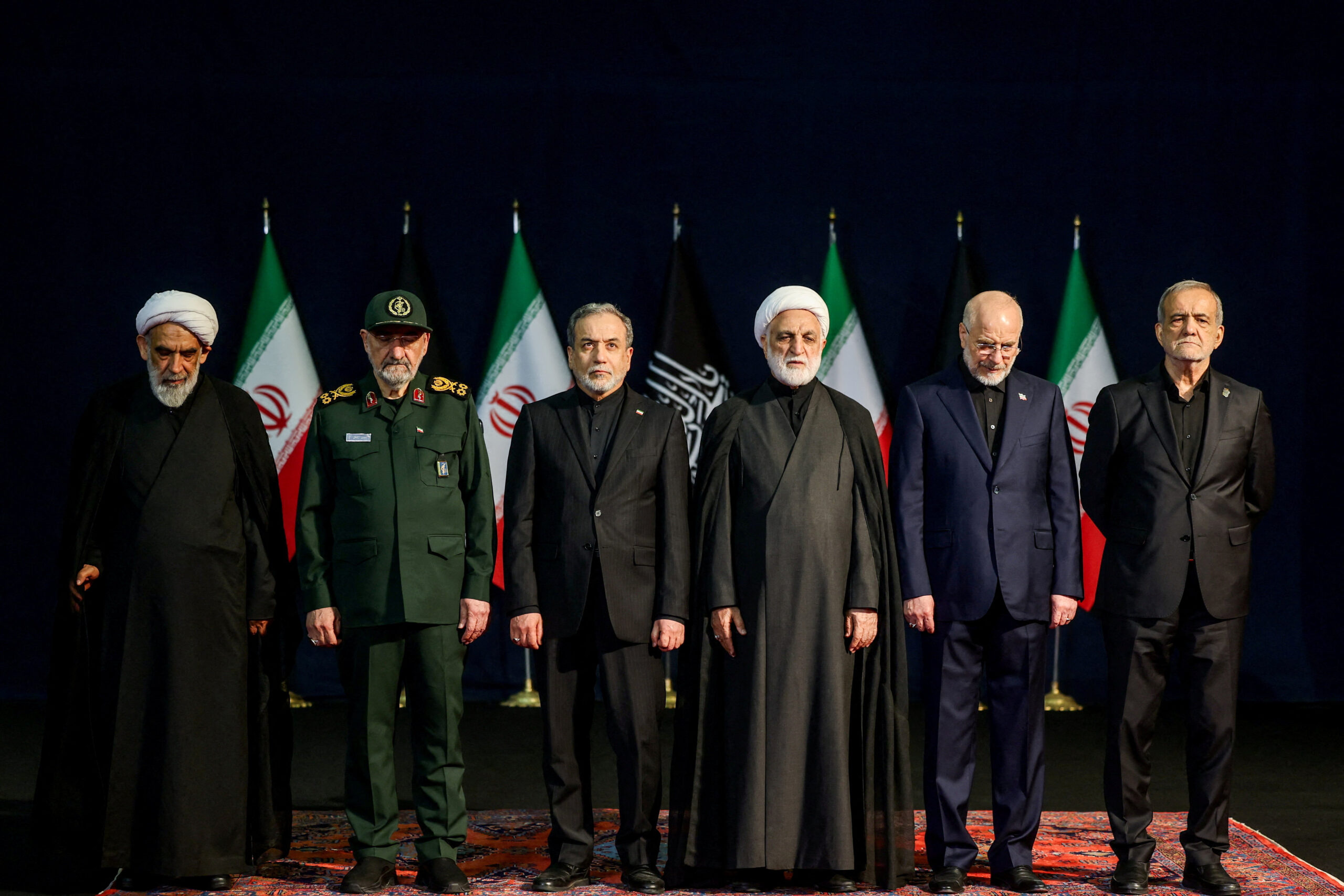
The Islamic Republic’s Collective Leadership
While there is historical precedent for collective leadership in Iran, today’s leadership includes representatives of the IRGC and regular military – a reflection of the IRGC’s expanding role and the necessities of governing under wartime conditions.
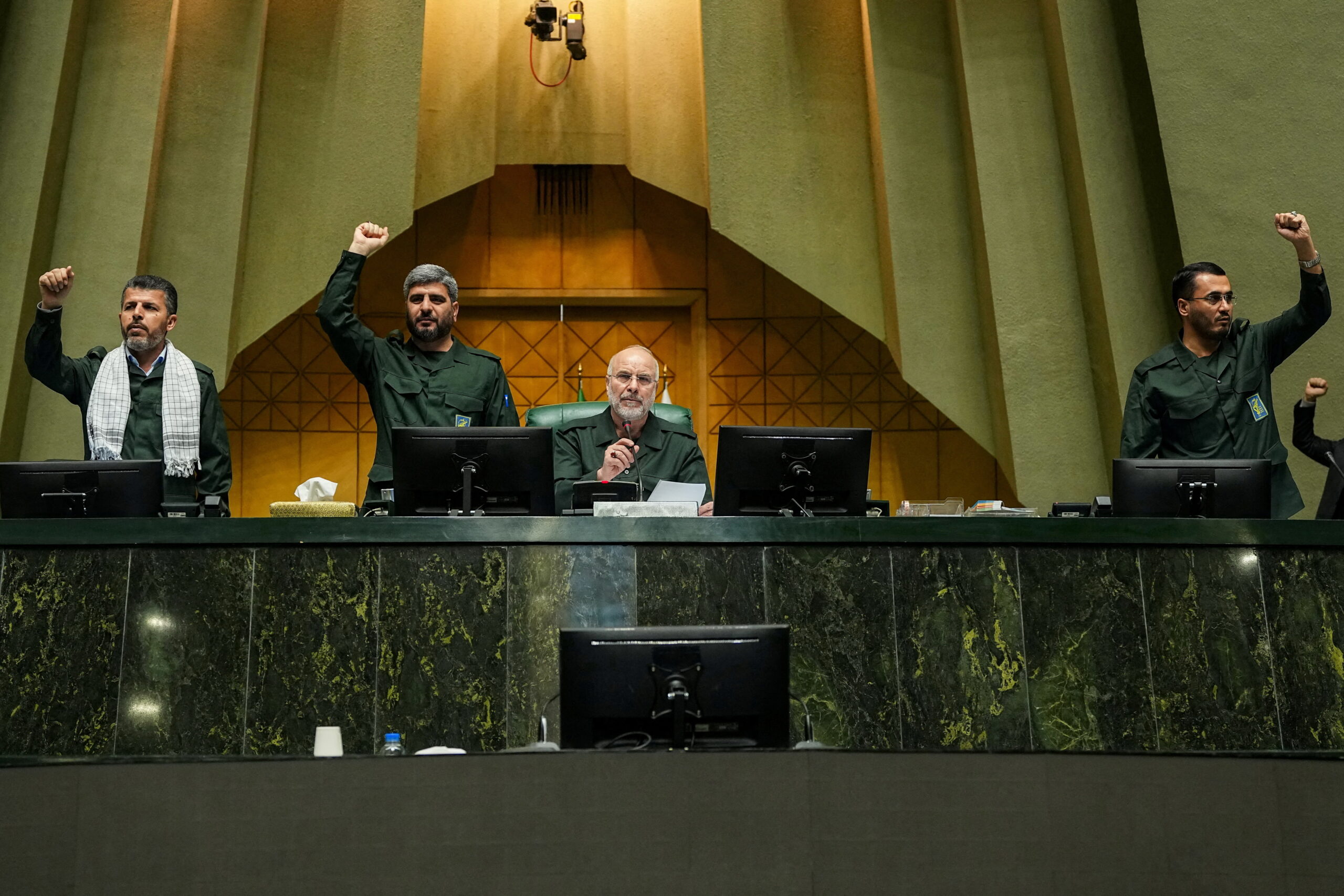
How Did the IRGC Seize Power in Iran?
The IRGC did not seize power in a single stroke. It accumulated it – patiently, methodically – until no counterweight remained.
Events
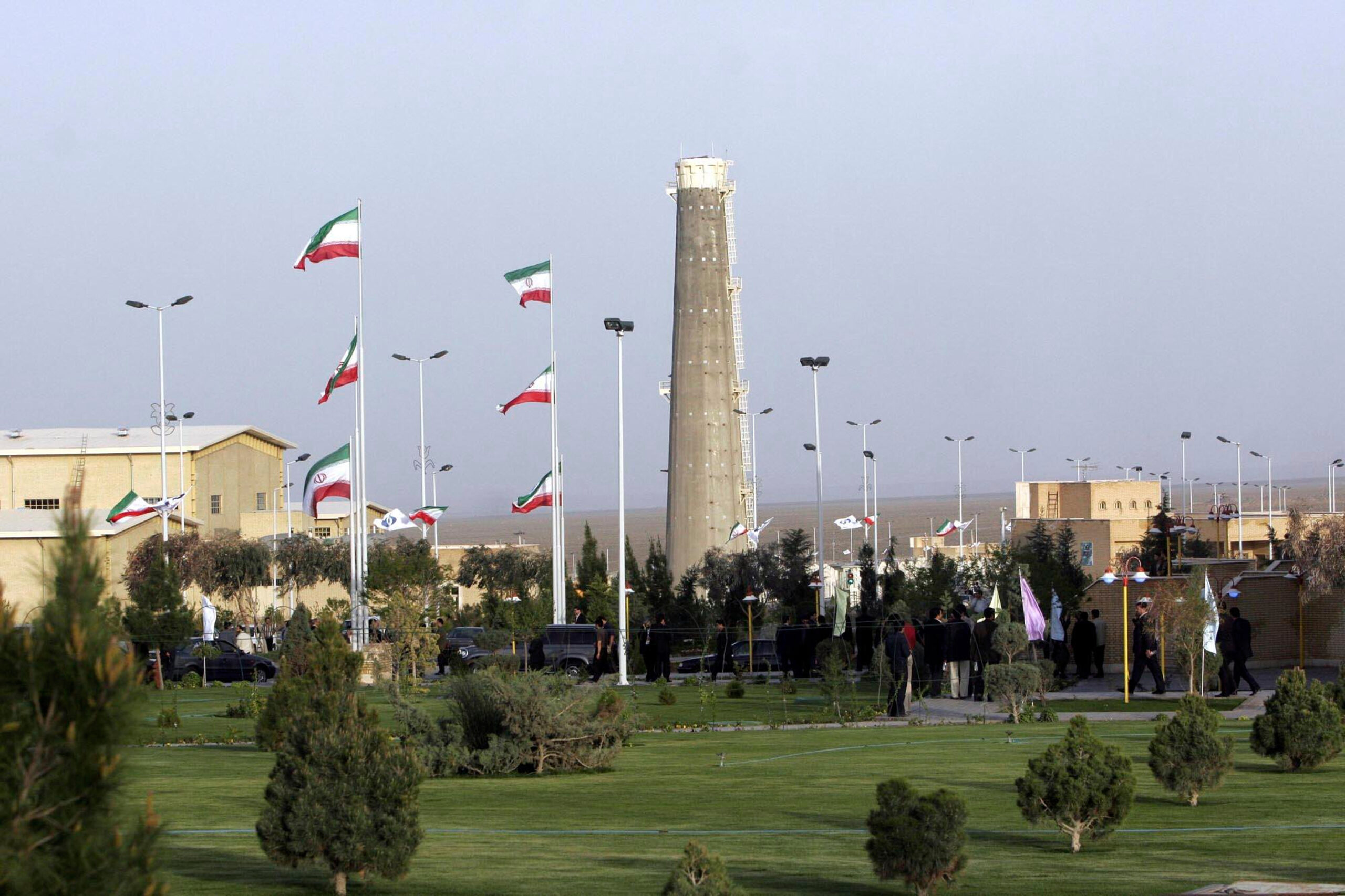
Book Talk: Iran and the Bomb: The United States, Iran and the Nuclear Question
On June 16, AGSI hosted a discussion on the evolution of Iran's nuclear program.
Speakers

Apr 21, 2026
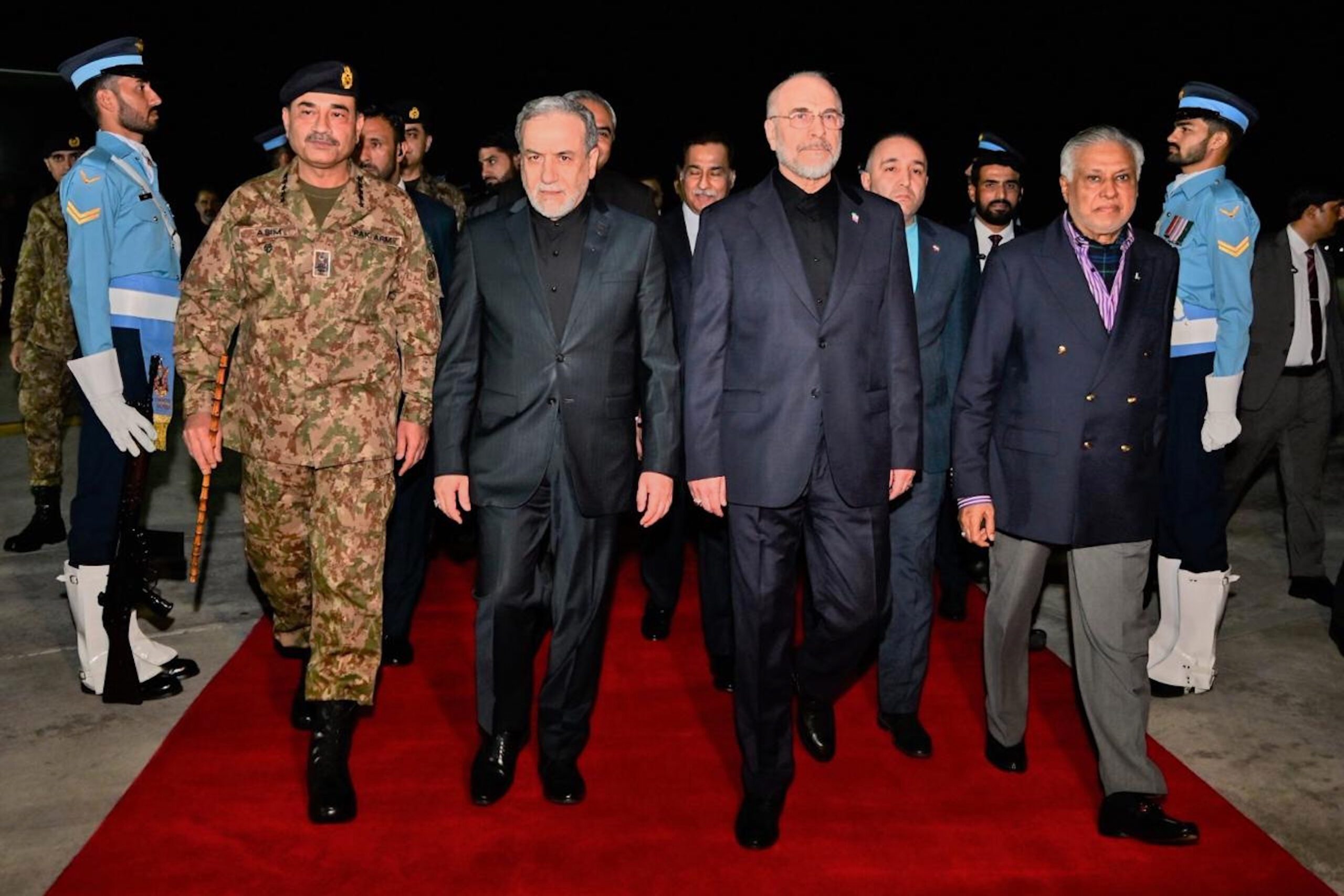
Inside Iran’s Wartime Leadership: Power, Succession, and Regime Stability
On April 21, AGSI hosted a discussion on the evolution of Iran's leadership during the war.
Speakers

Mar 18, 2026
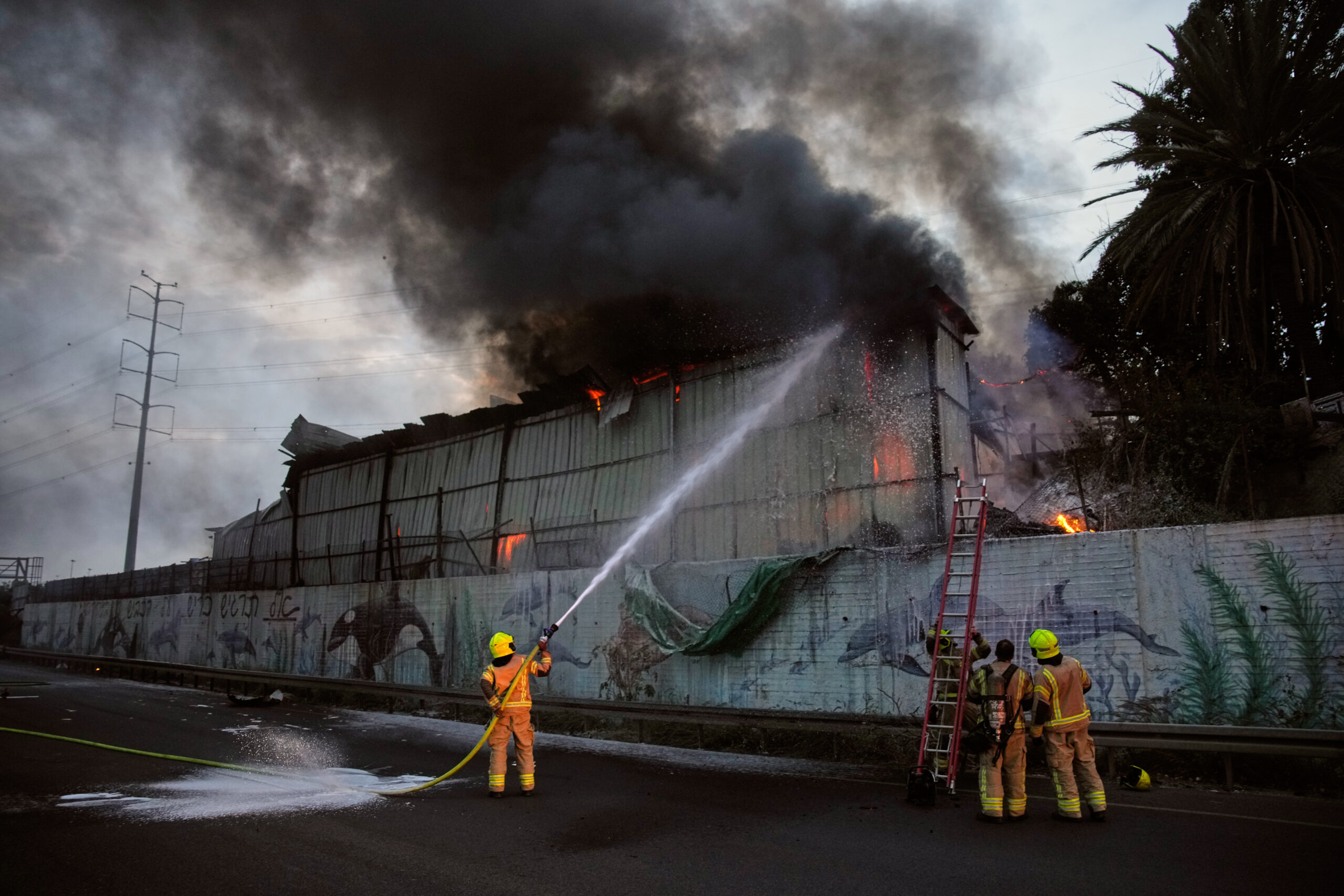
In Its Conflict With the United States and Israel, Does Escalation Favor Iran?
On March 18, AGSI hosted a discussion on the escalation of the Iran war.
Speakers



Mar 2, 2026
After the Shock: Implications of the U.S.–Israeli Strikes and Iran’s Leadership Transition
On March 2, AGSI hosted a discussion on the U.S.-Israeli strikes on Iran.
Speakers