Jun 20, 2025
Iran: Spy Scare and Fear of Treason
The June 20 edition of the Iran Media Review examines Iranian commentary on the regime’s vulnerability to internal espionage and subversion.

Amid growing fears of internal subversion, reformist Shargh warns of entrenched infiltration, espionage, and sabotage facilitated by bureaucratic dysfunction and agency rivalry. At the same time, Islamic Revolutionary Guard Corps-affiliated Tasnim News reports on an alleged covert initiative seeking clerical endorsement for a cease-fire with Israel, potentially fronted by former President Mahmoud Ahmadinejad, which is portrayed as a betrayal of national unity and resistance against Israeli aggression. Currently, Iran is experiencing the longest Internet shutdown in its history, meaning access to news sites may be interrupted.
- June 18: On reformist Shargh, an anonymous columnist asserted:
-
- “Systematic infiltration, intelligence compromise, and subversive activity in Iran constitute a latent but operational threat vector. Over time, this vulnerability has been institutionalized due to bureaucratic complacency and interagency rivalry … These dynamics have now culminated in a crisis of internal security. The enactment of the ‘Law on Punishment of Collaborators With the Zionist Regime and Hostile States’ and the statute on ‘Enhanced Penalties for the Manufacture and Assembly of Unmanned Arial Vehicles in Coordination With Adversarial Powers’ is viewed by many analysts as a legislative response to a deep-rooted structural vulnerability.”
-
- Quoting parliamentarian Ahmad Aryaeinejad, Shargh reported:
-
-
- During the Iran-Iraq War, Iran contended with the Mujahedeen-e Khalq opposition group, “domestic actors fluent in Persian who collaborated with hostile forces. Today, once again, internal agents of subversion are aiding external adversaries. We must activate the societal base – leveraging the Basij, religious institutions, civic organizations, and social strata to constitute a comprehensive societal surveillance and resistance apparatus. The populace must be integrated as an organic component of the state’s security architecture; without their participation, comprehensive national defense is unattainable.”
-
-
-
- “Certain things cannot be openly deliberated, but the current threat environment exceeds conventional parameters. We are engaged in a full-spectrum soft war – encompassing psychological operations and systemic sabotage.”
-
- June 19: Tasnim News reported on an unsanctioned political initiative purportedly aimed at achieving a cease-fire with Israel:
-
- “Discredited elements are allegedly pursuing, amid the Zionist regime’s acts of aggression against the sacred soil of Iran, a course of action that contravenes national unity and consensus. These actors are reportedly seeking clerical legitimation from the sources of emulation in Qom to facilitate surrender to, and collaboration with, the child-killing Zionist regime. Aware of the potential state backlash, they have purportedly solicited the leadership of a former senior official” – presumably former President Mahmoud Ahmadinejad – “to front this initiative. Thus far, he has not issued a formal response.”
The views represented herein are the author's or speaker's own and do not necessarily reflect the views of AGSI, its staff, or its board of directors.
Related
Iran Media Review
Jun 17, 2025
Iran Warns of the Spread of War to the Region
The June 17 edition of the Iran Media Review highlights Iranian comments warning of the spread of the Iran-Israel conflict to the rest of the Gulf.
Iran Media Review
Jun 13, 2025
Iran: Unprepared, Defenseless, and Under Attack
The June 13 edition of the Iran Media Review analyzes Iranian responses to widespread Israeli attacks on IRGC leaders, Iranian scientists, and multiple nuclear facilities.
Iran Media Review
Jun 10, 2025
Spy War: Iran vs. Israel
The June 10 edition of the Iran Media Review considers Iranian media reports about stolen Israeli nuclear documents and Israeli sabotage of Iranian nuclear infrastructure.
Jun 17, 2025
Iran Warns of the Spread of War to the Region
The June 17 edition of the Iran Media Review highlights Iranian comments warning of the spread of the Iran-Israel conflict to the rest of the Gulf.
Jun 13, 2025
Iran: Unprepared, Defenseless, and Under Attack
The June 13 edition of the Iran Media Review analyzes Iranian responses to widespread Israeli attacks on IRGC leaders, Iranian scientists, and multiple nuclear facilities.
Jun 10, 2025
Spy War: Iran vs. Israel
The June 10 edition of the Iran Media Review considers Iranian media reports about stolen Israeli nuclear documents and Israeli sabotage of Iranian nuclear infrastructure.
Analysis
The Islamic Republic Returns to Offense
After U.S.-Israeli strikes killed Supreme Leader Ayatollah Ali Khamenei on February 28, Iran’s collective leadership has concluded that the best defense is a good offense.
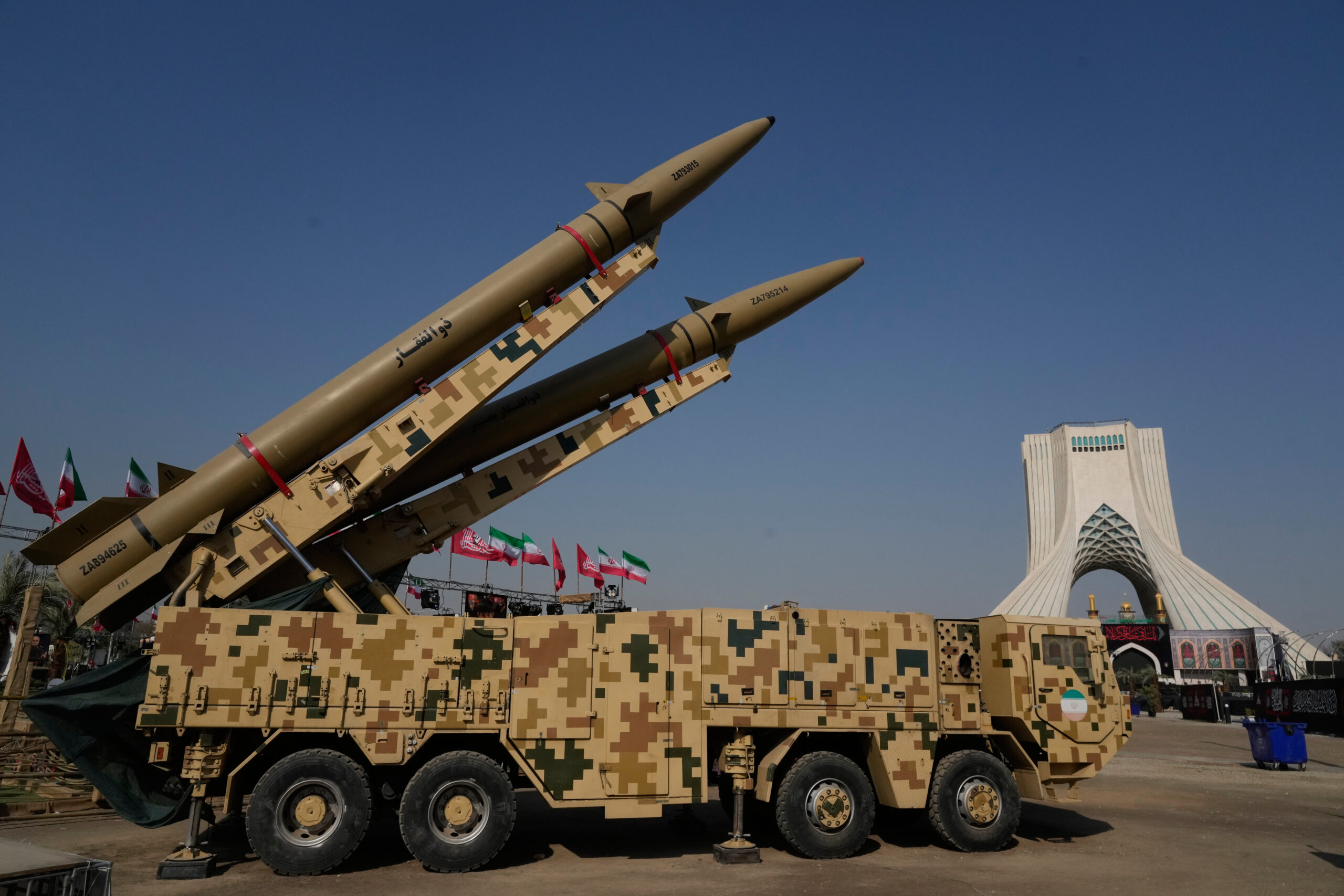
Iran’s Collective Strategic Decision Making
Wartime pressure has temporarily aligned the leadership’s overriding interest in regime survival, even as its members continue to differ over the costs, methods, and ultimate objectives of the war.
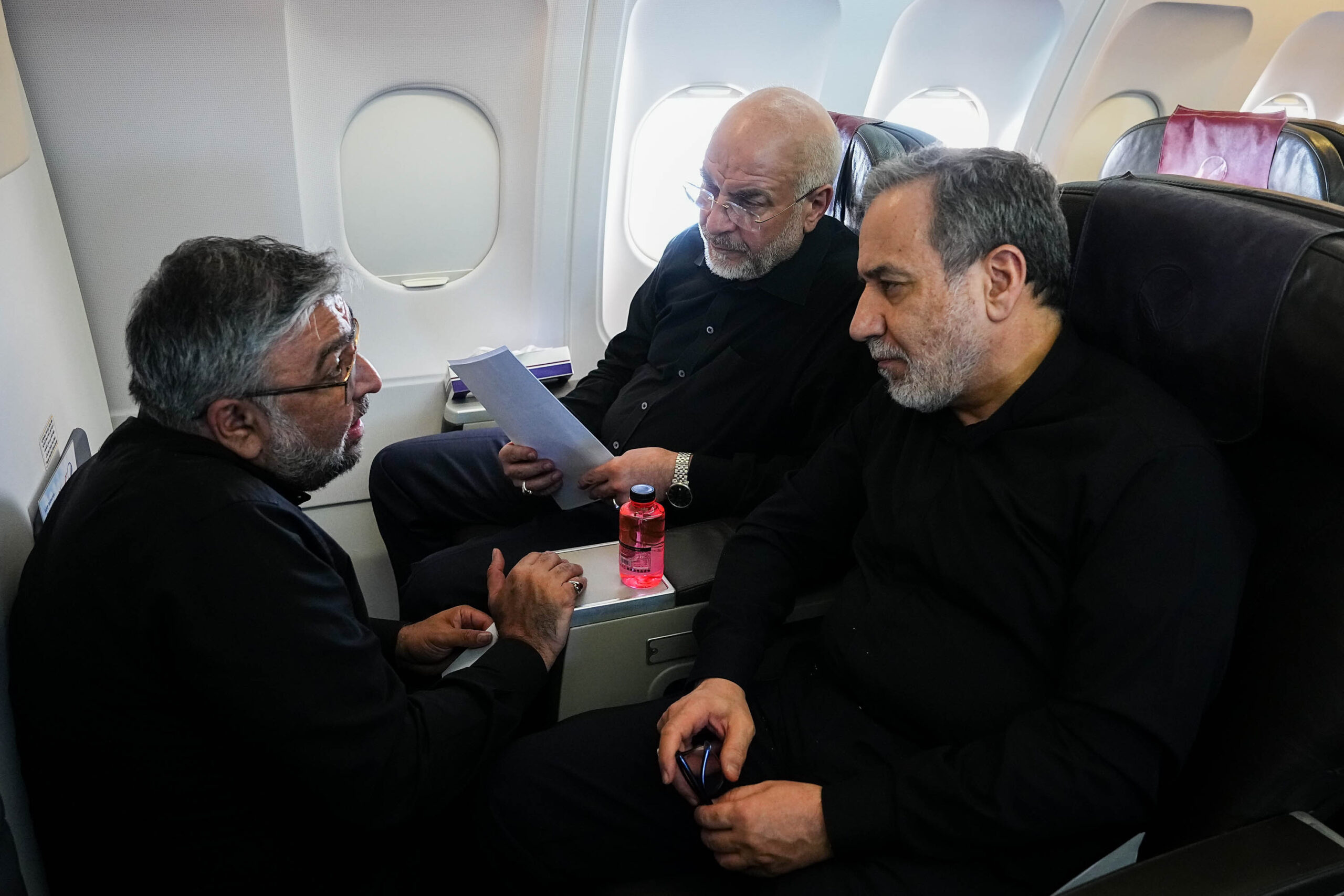
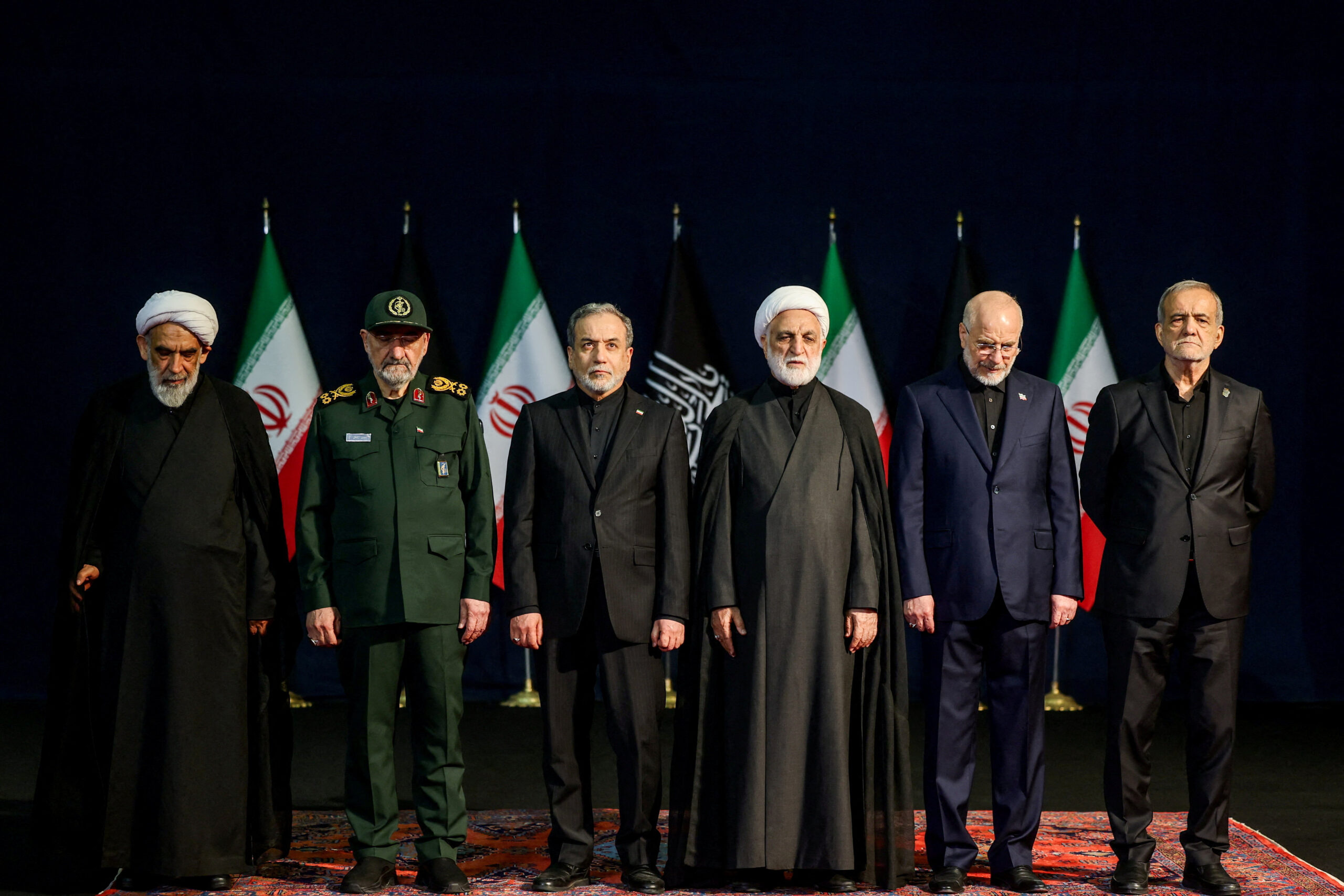
The Islamic Republic’s Collective Leadership
While there is historical precedent for collective leadership in Iran, today’s leadership includes representatives of the IRGC and regular military – a reflection of the IRGC’s expanding role and the necessities of governing under wartime conditions.
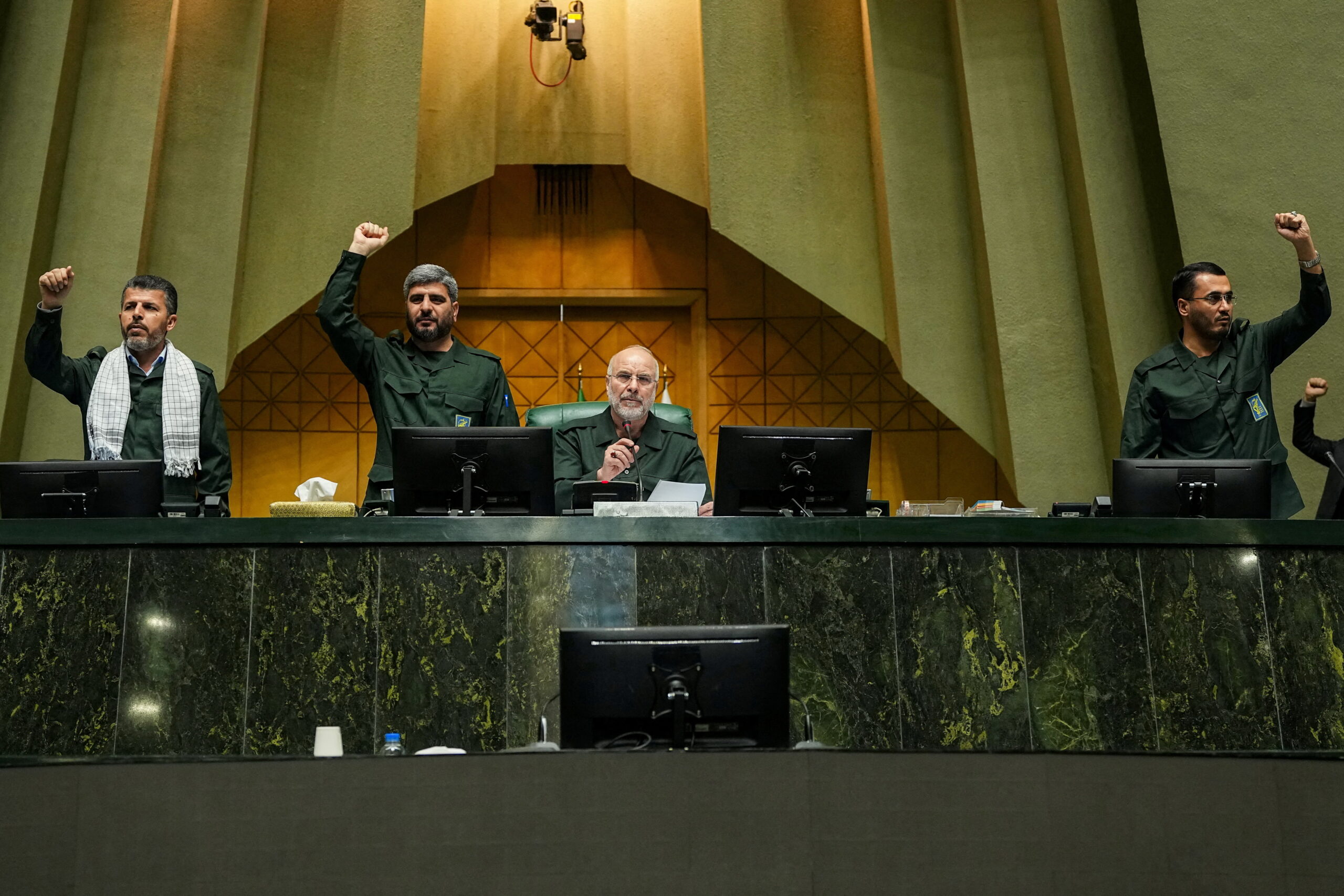
How Did the IRGC Seize Power in Iran?
The IRGC did not seize power in a single stroke. It accumulated it – patiently, methodically – until no counterweight remained.
Events
Book Talk: Iran and the Bomb: The United States, Iran and the Nuclear Question
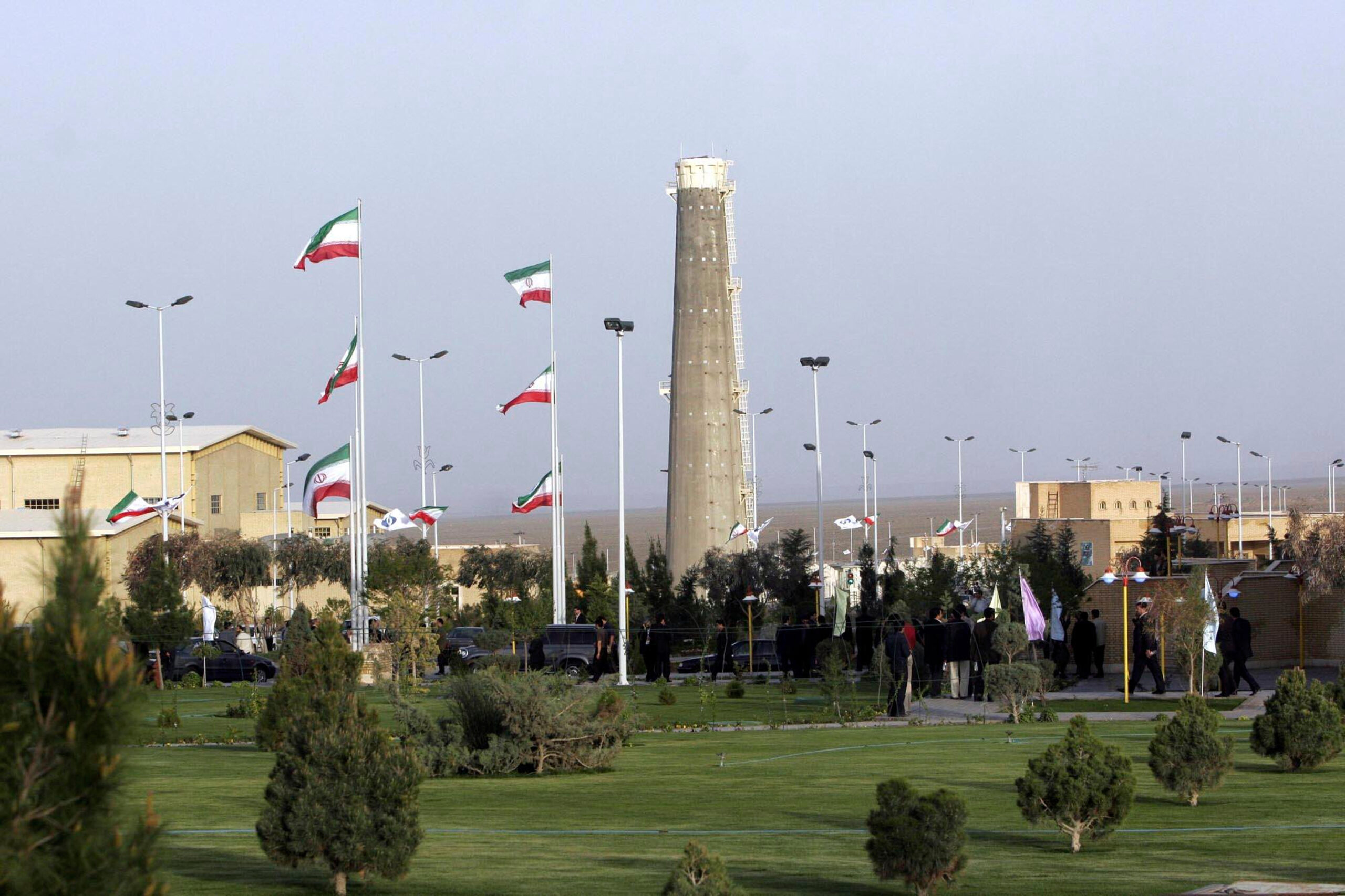
On June 16, AGSI hosted a discussion on the evolution of Iran's nuclear program.
Speakers

Apr 21, 2026
Inside Iran’s Wartime Leadership: Power, Succession, and Regime Stability
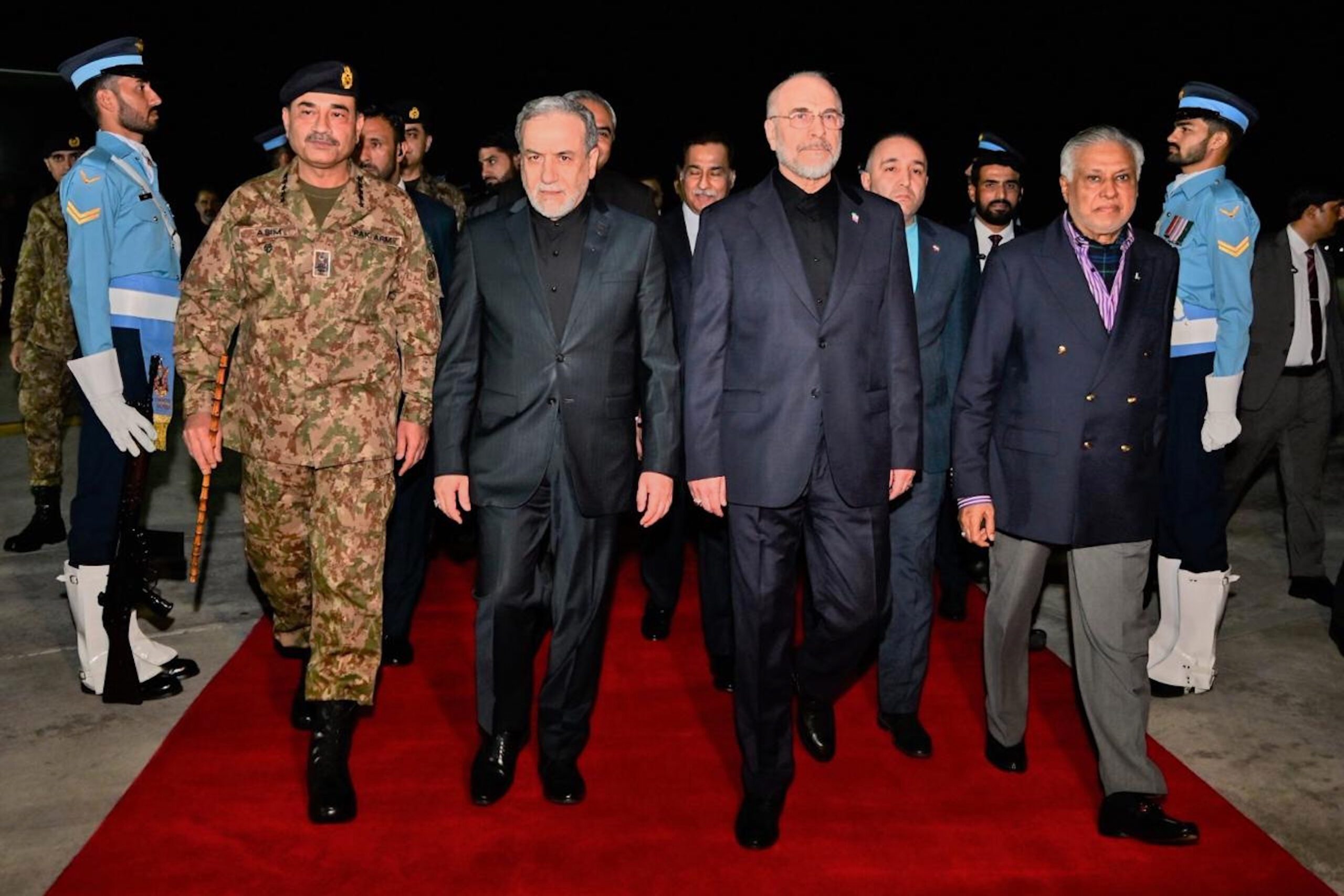
On April 21, AGSI hosted a discussion on the evolution of Iran's leadership during the war.
Speakers

Mar 18, 2026
In Its Conflict With the United States and Israel, Does Escalation Favor Iran?
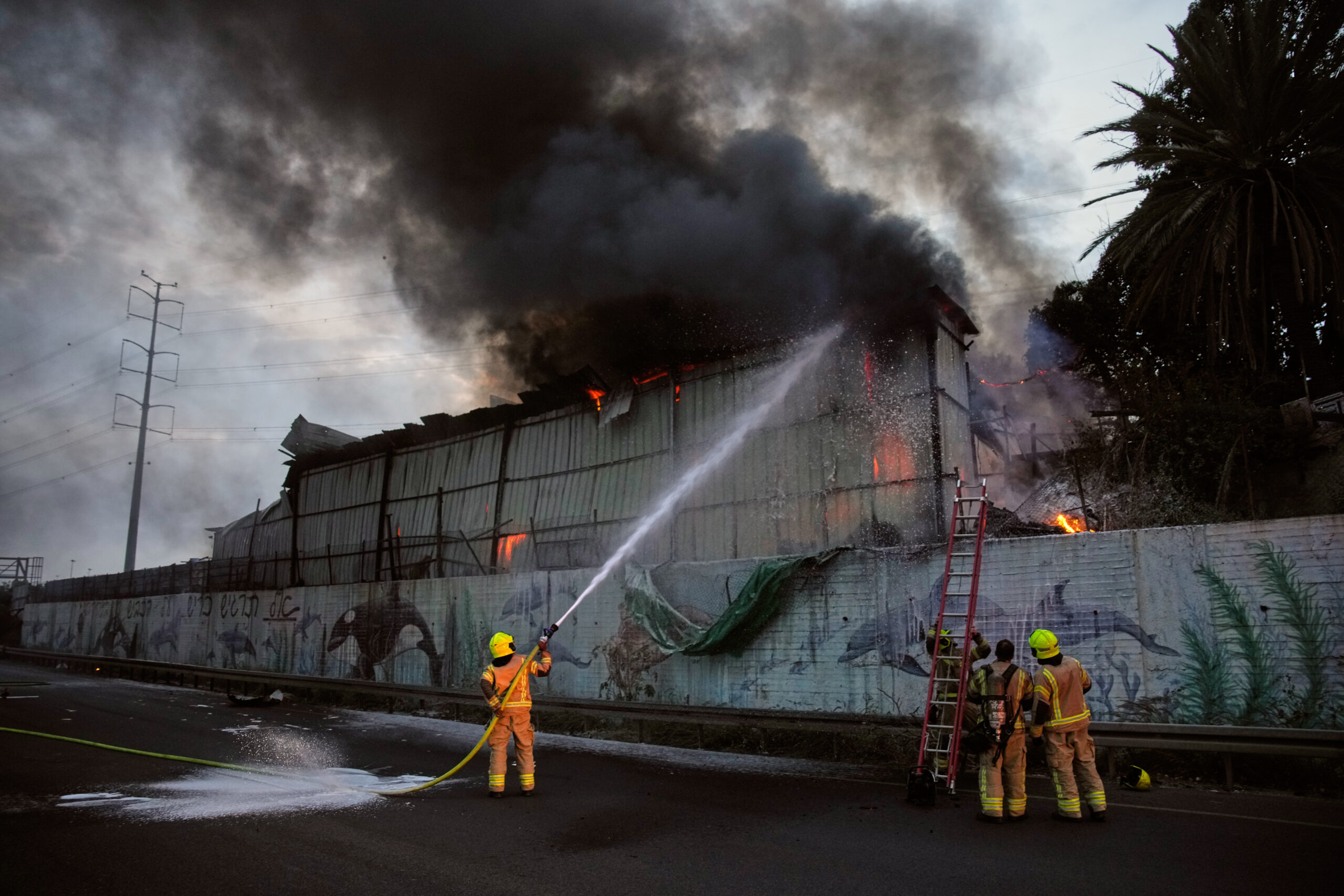
On March 18, AGSI hosted a discussion on the escalation of the Iran war.
Speakers


Mar 2, 2026
After the Shock: Implications of the U.S.–Israeli Strikes and Iran’s Leadership Transition
On March 2, AGSI hosted a discussion on the U.S.-Israeli strikes on Iran.
Speakers