Jun 10, 2025
Spy War: Iran vs. Israel
The June 10 edition of the Iran Media Review considers Iranian media reports about stolen Israeli nuclear documents and Israeli sabotage of Iranian nuclear infrastructure.

On June 8, Iranian Intelligence Minister Esmaeil Khatib claimed that Iranian intelligence agencies had acquired a substantial cache of classified materials from Israel, including documentation related to Israel’s nuclear infrastructure and strategic installations. Also on June 8, the English-language edition of Iran Daily, which articulates the official narrative of the state, reported on Iran’s formal communication to the International Atomic Energy Agency, alleging that “contamination” detected at Iran’s nuclear sites by the agency was the result of Israeli sabotage rather than undeclared nuclear activity. While it remains difficult to independently verify these assertions, it is telling that the report highlighting Iran’s purported advancements in offensive intelligence operations is dominating state-controlled media, whereas the report implicitly acknowledging Israeli penetration of Iranian territory has appeared exclusively in English-language state media.
- June 8: Tabnak News Agency, which is aligned with former Islamic Revolutionary Guard Corps Chief Commander Mohsen Rezaei, quoting Intelligence Minister Esmaeil Khatib, reported:
-
- Ministry of Intelligence agents “have, through a sophisticated and multilayered operation, succeeded in obtaining a treasure trove of operational and technical intelligence from the Zionist entity … The intelligence is not limited to the nuclear domain … It includes the full spectrum of the Zionist regime’s nuclear documentation, records of its foreign relations with the United States, Europe, and other international actors, and intelligence enhancing Iran’s strategic deterrence capabilities.”
-
- Khatib refrained from detailing the operational methods through which the intelligence was acquired but stated: “This major operation, meticulously planned from the initial stages of infiltration and asset recruitment to the progressive expansion of access, was brought to fruition through divine providence and the perseverance” of Ministry of Intelligence agents. Khatib also expressed optimism that portions of the intelligence dossier will be declassified and released in the future.
- June 8: Iran Daily shared Iran’s official response to the IAEA under the headline: “Israel Behind ‘Sabotage, Contamination’ in Disputed Sites: Iran’s Nuclear Agency.”
- June 9: Centrist Khabar Online, citing a Supreme National Security Council statement about the alleged operation, reported:
-
- “Access to this intelligence, coupled with the completion of the intelligence-operational cycle, enables the warriors of Islam to, in the event of a preemptive or preventive strike by the Zionist regime on Iran’s nuclear facilities, retaliate by targeting Israel’s covert strategic assets. Any act of aggression against Iran’s economic or military infrastructure will be met with a proportional and reciprocal response.”
The views represented herein are the author's or speaker's own and do not necessarily reflect the views of AGSI, its staff, or its board of directors.
Related
Iran Media Review
Jun 6, 2025
Supreme Displeasure
The June 6 edition of the Iran Media Review highlights comments by Ayatollah Khamenei expressing anger with U.S. negotiation messaging.
Iran Media Review
Jun 3, 2025
Iranian Media Breaks Taboos
The June 3 edition of the Iran Media Review examines how Iranian media is breaking long held political taboos.
Iran Media Review
May 30, 2025
Iranian-Saudi Rapprochement: Provocateur Hung Out to Dry
The May 30 edition of the Iran Media Review analyzes Iranian officials’ willingness to sacrifice an anti-Saudi hard-liner to preserve Iran’s relationship with the kingdom.
Jun 6, 2025
Supreme Displeasure
The June 6 edition of the Iran Media Review highlights comments by Ayatollah Khamenei expressing anger with U.S. negotiation messaging.
Jun 3, 2025
Iranian Media Breaks Taboos
The June 3 edition of the Iran Media Review examines how Iranian media is breaking long held political taboos.
May 30, 2025
Iranian-Saudi Rapprochement: Provocateur Hung Out to Dry
The May 30 edition of the Iran Media Review analyzes Iranian officials’ willingness to sacrifice an anti-Saudi hard-liner to preserve Iran’s relationship with the kingdom.
Analysis
The Islamic Republic Returns to Offense
After U.S.-Israeli strikes killed Supreme Leader Ayatollah Ali Khamenei on February 28, Iran’s collective leadership has concluded that the best defense is a good offense.
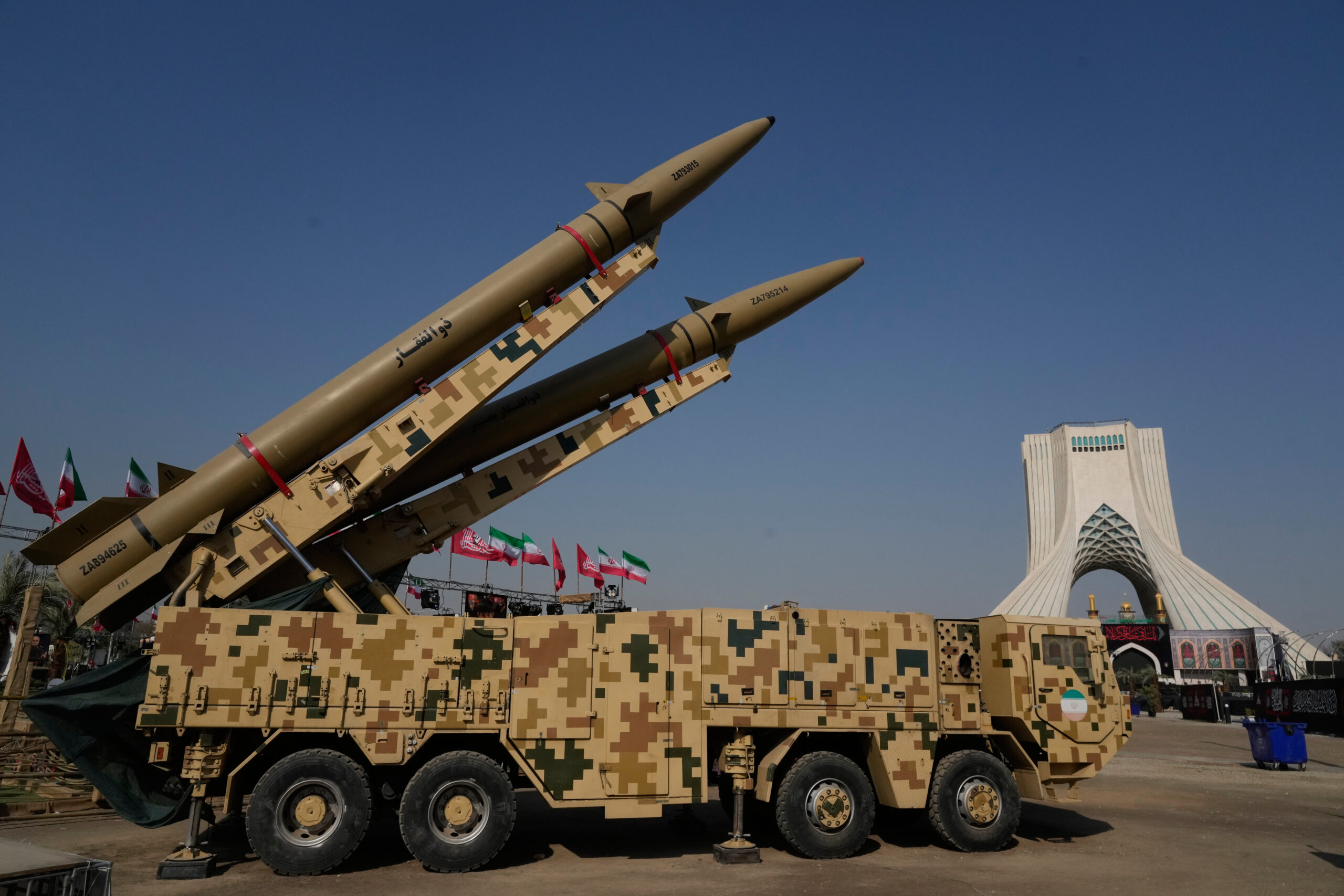
Iran’s Collective Strategic Decision Making
Wartime pressure has temporarily aligned the leadership’s overriding interest in regime survival, even as its members continue to differ over the costs, methods, and ultimate objectives of the war.
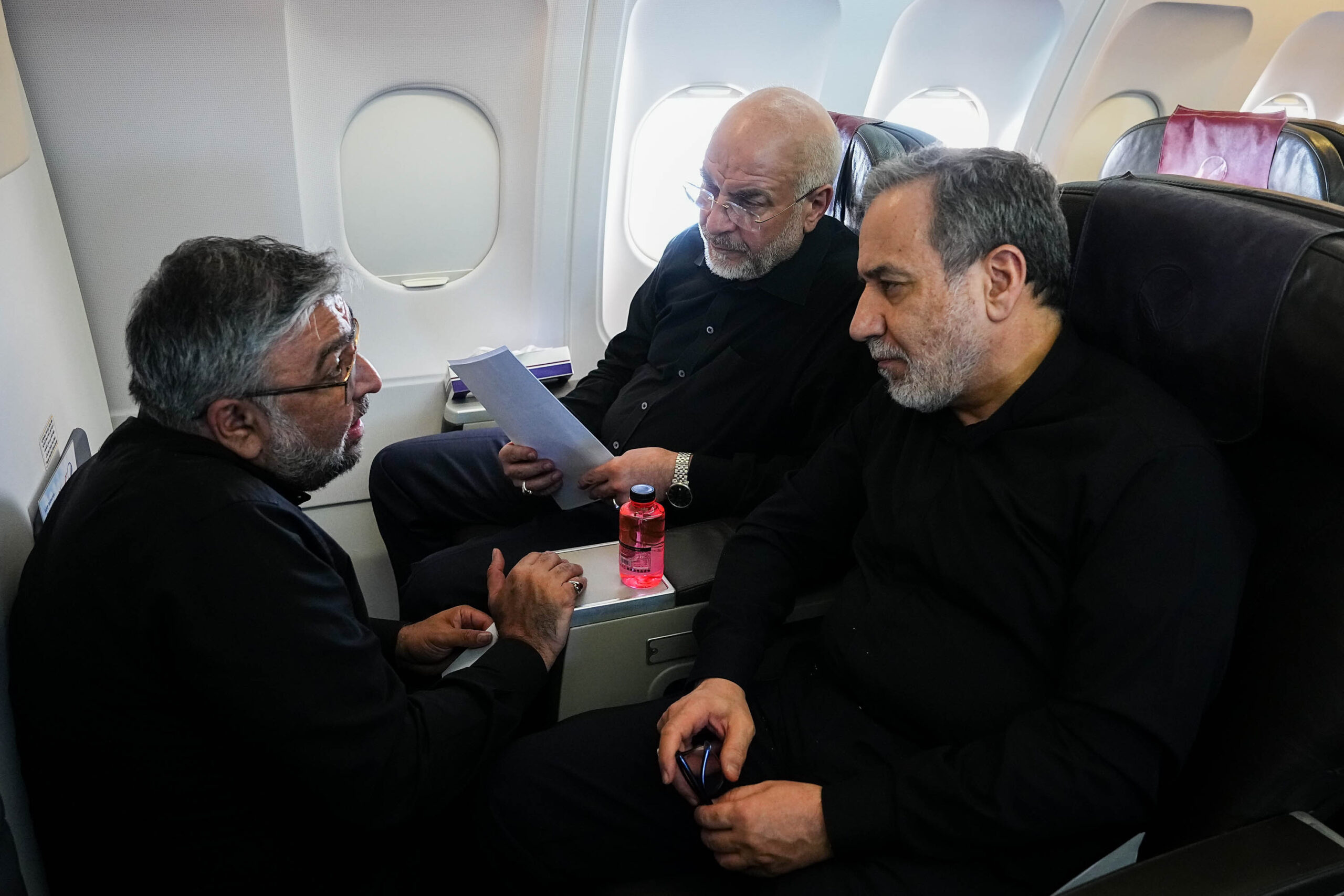
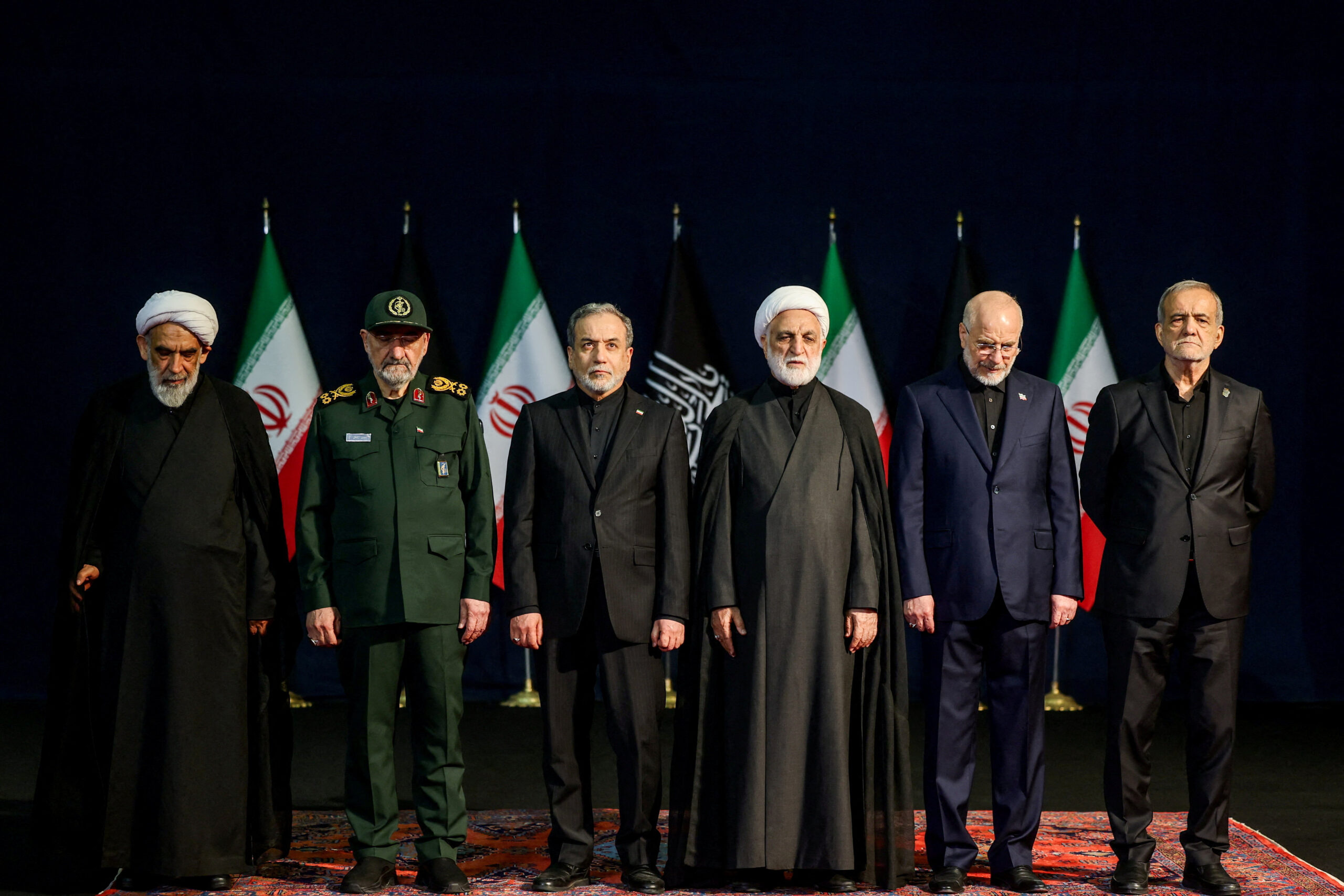
The Islamic Republic’s Collective Leadership
While there is historical precedent for collective leadership in Iran, today’s leadership includes representatives of the IRGC and regular military – a reflection of the IRGC’s expanding role and the necessities of governing under wartime conditions.
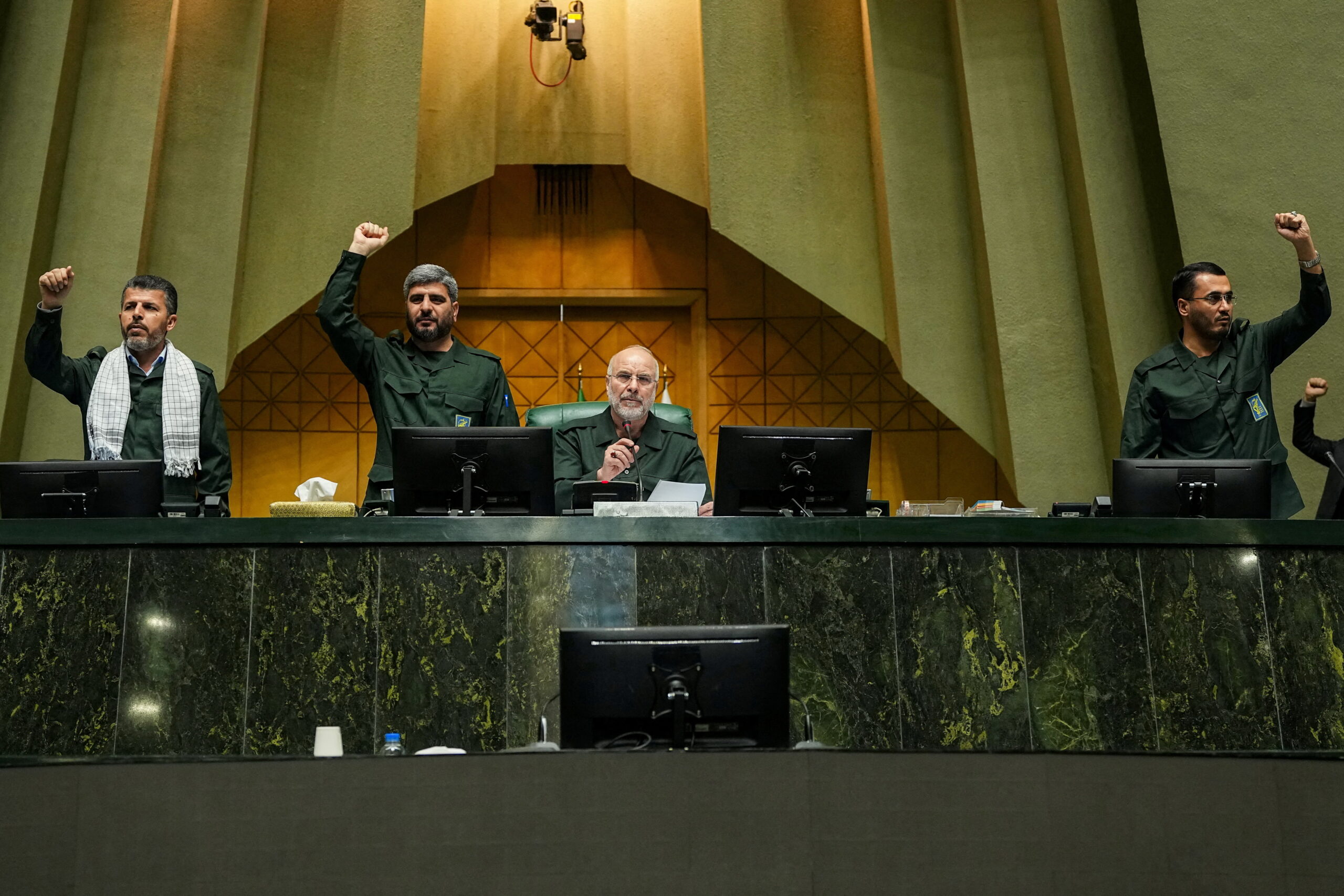
How Did the IRGC Seize Power in Iran?
The IRGC did not seize power in a single stroke. It accumulated it – patiently, methodically – until no counterweight remained.
Events
Book Talk: Iran and the Bomb: The United States, Iran and the Nuclear Question
On June 16, AGSI hosted a discussion on the evolution of Iran's nuclear program.
Speakers


Apr 21, 2026
Inside Iran’s Wartime Leadership: Power, Succession, and Regime Stability
On April 21, AGSI hosted a discussion on the evolution of Iran's leadership during the war.
Speakers

Mar 18, 2026
In Its Conflict With the United States and Israel, Does Escalation Favor Iran?
On March 18, AGSI hosted a discussion on the escalation of the Iran war.
Speakers



Mar 2, 2026
After the Shock: Implications of the U.S.–Israeli Strikes and Iran’s Leadership Transition
On March 2, AGSI hosted a discussion on the U.S.-Israeli strikes on Iran.
Speakers