May 30, 2025
Iranian-Saudi Rapprochement: Provocateur Hung Out to Dry
The May 30 edition of the Iran Media Review analyzes Iranian officials’ willingness to sacrifice an anti-Saudi hard-liner to preserve Iran’s relationship with the kingdom.

On May 29, Gholam-Reza Qassemian – an influential religious cantor and host of Islamic programming on Islamic Republic of Iran Broadcasting – returned to Iran following his arrest and brief detention in Saudi Arabia. While on pilgrimage, Qassemian posted videos on social media, since deleted, in which he accused the Saudi ruling family of “usurping and commodifying” the custodianship of the Kaaba. He provocatively declared: “If you seek gambling, brothels, and lewd concerts, there is no need to go to Antalya – just come to Mecca or Medina, where the clock has turned back to the era of the Umayyads,” a period viewed by Shias as one of illegitimate Sunni rule following the Prophet Muhammad’s death. Qassemian is rumored to have played a behind-the-scenes role in inciting the January 2016 attack on the Saudi Embassy in Tehran, which precipitated the rupture of diplomatic relations between the two regional powers. While he faced no legal consequences for that incident, his vilification by Iranian authorities is a notable change. Tehran appears increasingly willing to sacrifice domestic hard-line voices to preserve its strategic rapprochement with Riyadh, formalized in the March 2023 China-brokered agreement.
- May 27: In an Arabic post on X, Ali-Reza Enayati, ambassador to Riyadh, praised Saudi authorities for hosting the pilgrims and emphasized:
-
- “Nobody tolerates insulting words or deeds.”
- May 27: Ali-Reza Bayat, head of the Iran Hajj and Pilgrimage Organization, addressed Iranian pilgrims, as quoted by Donya-ye Eqtesad:
-
- “Refrain from engaging in polarizing activities. We consistently urge the pilgrims to respect Saudi laws.”
- May 27: Judiciary spokesman Asghar Jahangir was quoted by Islamic Revolutionary Guard Corps mouthpiece Mashregh News:
-
- “The Judiciary does not approve of the statements made by this individual. Naturally, his positions reflect his personal viewpoints … but we will defend the rights of all Iranian nationals … We hope that, in cooperation with Saudi authorities, this problem is solved so we see the release of Mr. Qassemian.”
- May 27: Centrist Asr-e Iran published an editorial on the Qassemian affair:
-
- “If someone visits Iran and makes a video in front of the Imam Reza Shrine claiming Iran’s leaders are usurpers capitalizing on the shrine, accuses Iranian officials of running brothels, and disseminates the video online … would our authorities not treat him the way the Saudi security officials treated Qassemian? A guest must abide by the rules of the house he is visiting, instead of insulting the host, accusing him of usurpation, capitalizing on the Kaaba, or harboring atheist thoughts … Even if this man escapes from Saudi courts, he must be prosecuted in Iran, so he and others understand that such deeds – be they arsonist attacks against embassies or starting a fire with words – have consequences … By the way, where are these centers, and why is Qassemian the only person aware of their addresses?!”
- May 28: Gholam-Reza Qassemian posted a photo on X showing him onboard a plane en route to Iran via Dubai, United Arab Emirates.
- May 28: Hojjat al-Islam Ali Saeedi, director of the Political-Ideological Indoctrination Directorate of the Office of the Supreme Leader, issued a written statement published by Iranian media, including centrist Borna:
-
- “When people, disregarding the political, social, and security implications, make statements, it is either a sign of their megalomania, narcissism, boasting, delusions, or riding the wave of populism with political motivations … In doing so, they create trouble for the authorities and the people.”
The views represented herein are the author's or speaker's own and do not necessarily reflect the views of AGSI, its staff, or its board of directors.
Related
Iran Media Review
May 27, 2025
Tehran Maintains Diplomatic Optimism Amid Protracted Negotiations
The May 27 edition of the Iran Media Review evaluates Iranian media reports about the state of negotiations after the fifth round of U.S.-Iran talks.
Iran Media Review
May 23, 2025
U.S.-Iran Negotiations Approach Inflection Point
The May 23 edition of the Iran Media Review discusses Iranian media analysis of the disagreement between Iran and the United States over the future of Iran’s uranium enrichment program.
Iran Media Review
May 21, 2025
Supreme Anger
The May 21 edition of the Iran Media Review examines Ayatollah Khamenei’s hostile commentary about the state of negotiations with the United States.
May 27, 2025
Tehran Maintains Diplomatic Optimism Amid Protracted Negotiations
The May 27 edition of the Iran Media Review evaluates Iranian media reports about the state of negotiations after the fifth round of U.S.-Iran talks.
May 23, 2025
U.S.-Iran Negotiations Approach Inflection Point
The May 23 edition of the Iran Media Review discusses Iranian media analysis of the disagreement between Iran and the United States over the future of Iran’s uranium enrichment program.
May 21, 2025
Supreme Anger
The May 21 edition of the Iran Media Review examines Ayatollah Khamenei’s hostile commentary about the state of negotiations with the United States.
Analysis
The Islamic Republic Returns to Offense
After U.S.-Israeli strikes killed Supreme Leader Ayatollah Ali Khamenei on February 28, Iran’s collective leadership has concluded that the best defense is a good offense.
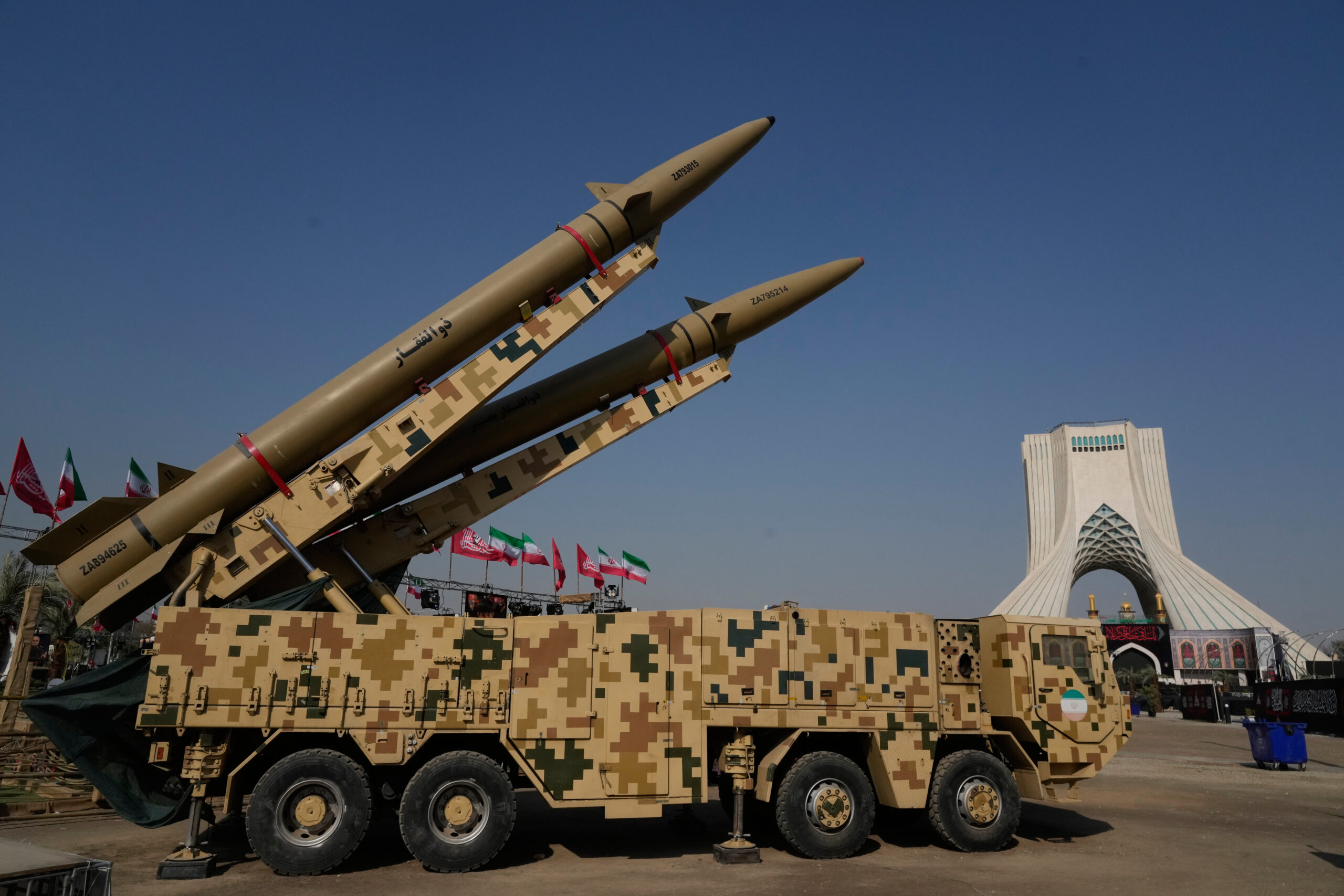
Iran’s Collective Strategic Decision Making
Wartime pressure has temporarily aligned the leadership’s overriding interest in regime survival, even as its members continue to differ over the costs, methods, and ultimate objectives of the war.
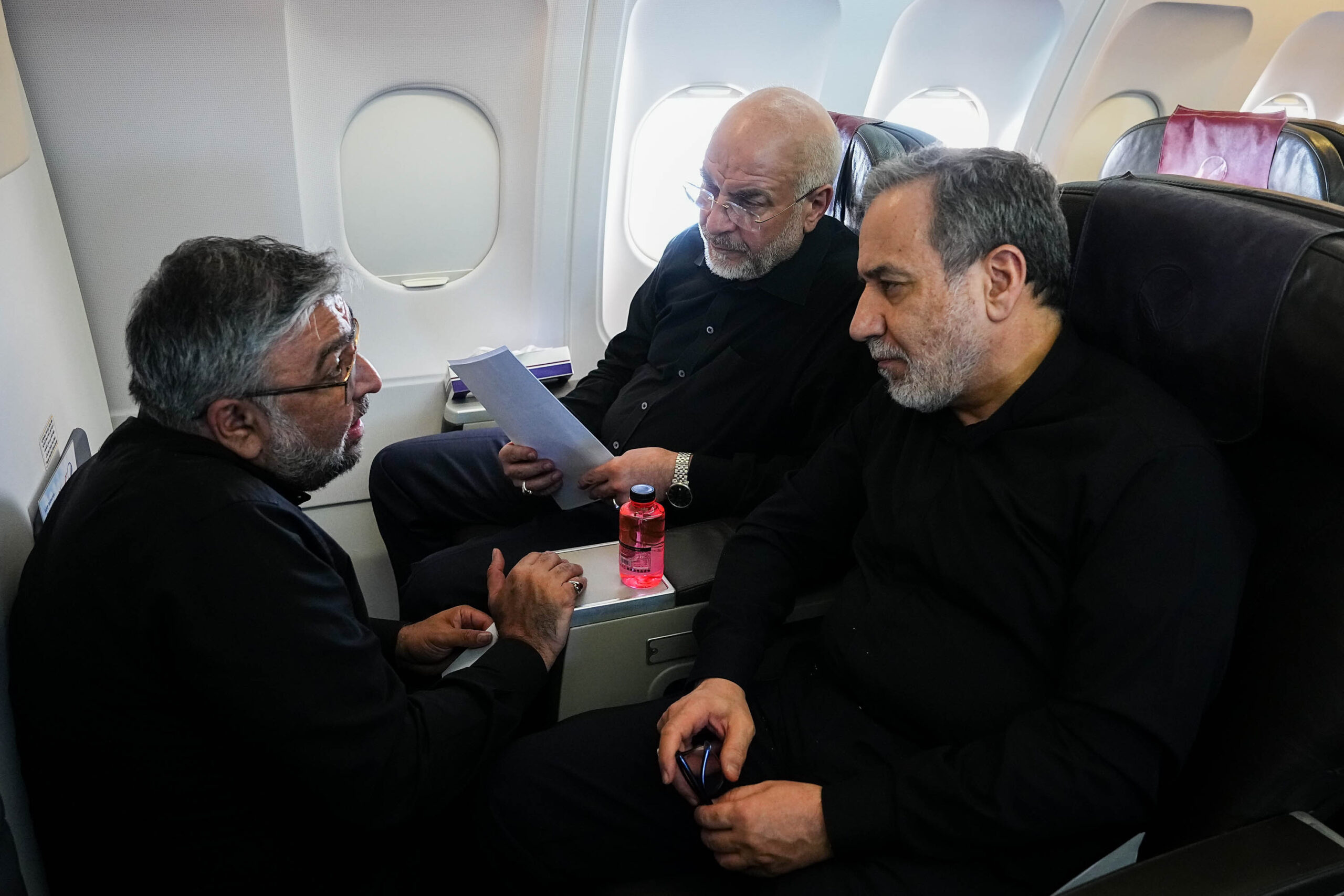
The Islamic Republic’s Collective Leadership
While there is historical precedent for collective leadership in Iran, today’s leadership includes representatives of the IRGC and regular military – a reflection of the IRGC’s expanding role and the necessities of governing under wartime conditions.
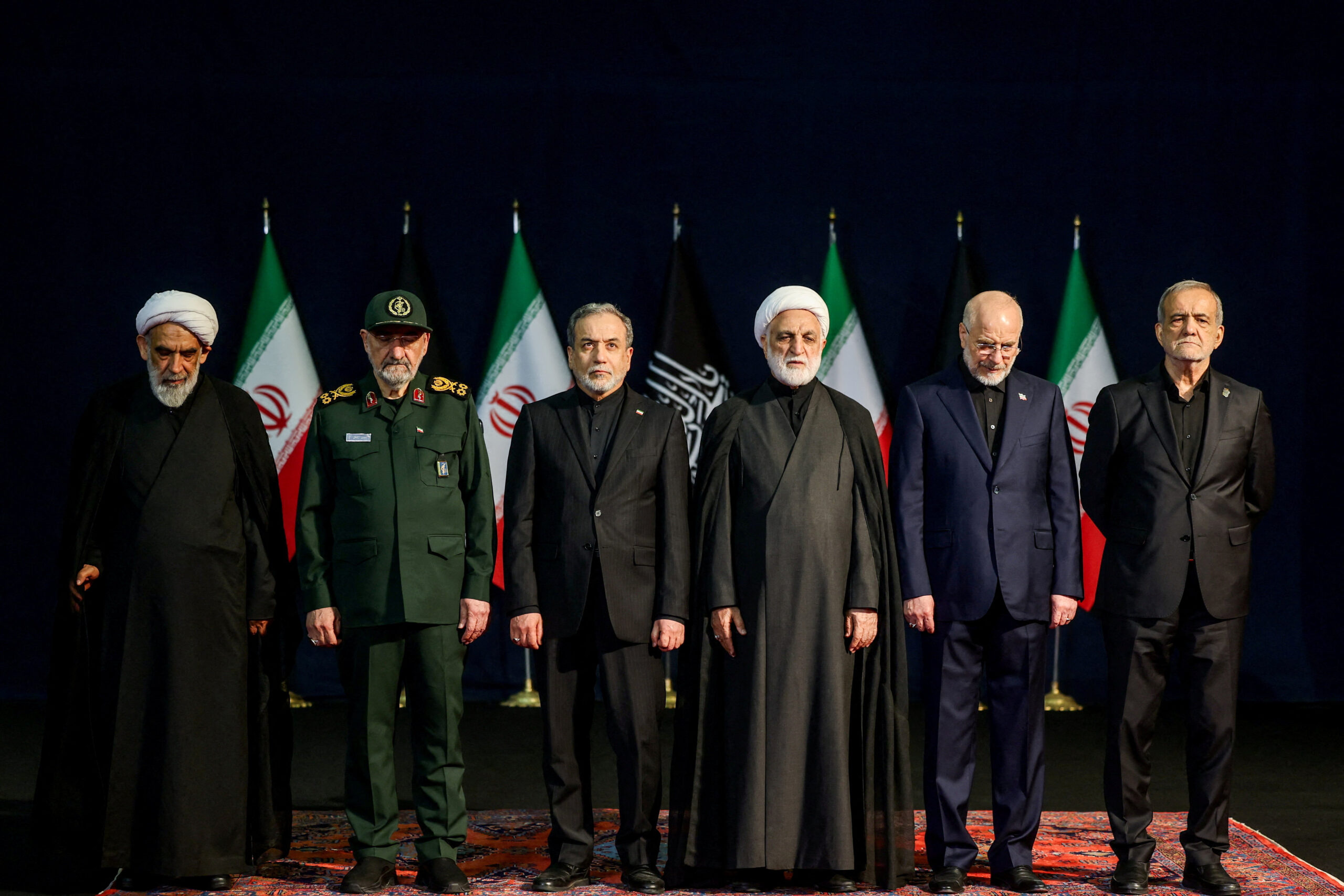
How Did the IRGC Seize Power in Iran?
The IRGC did not seize power in a single stroke. It accumulated it – patiently, methodically – until no counterweight remained.
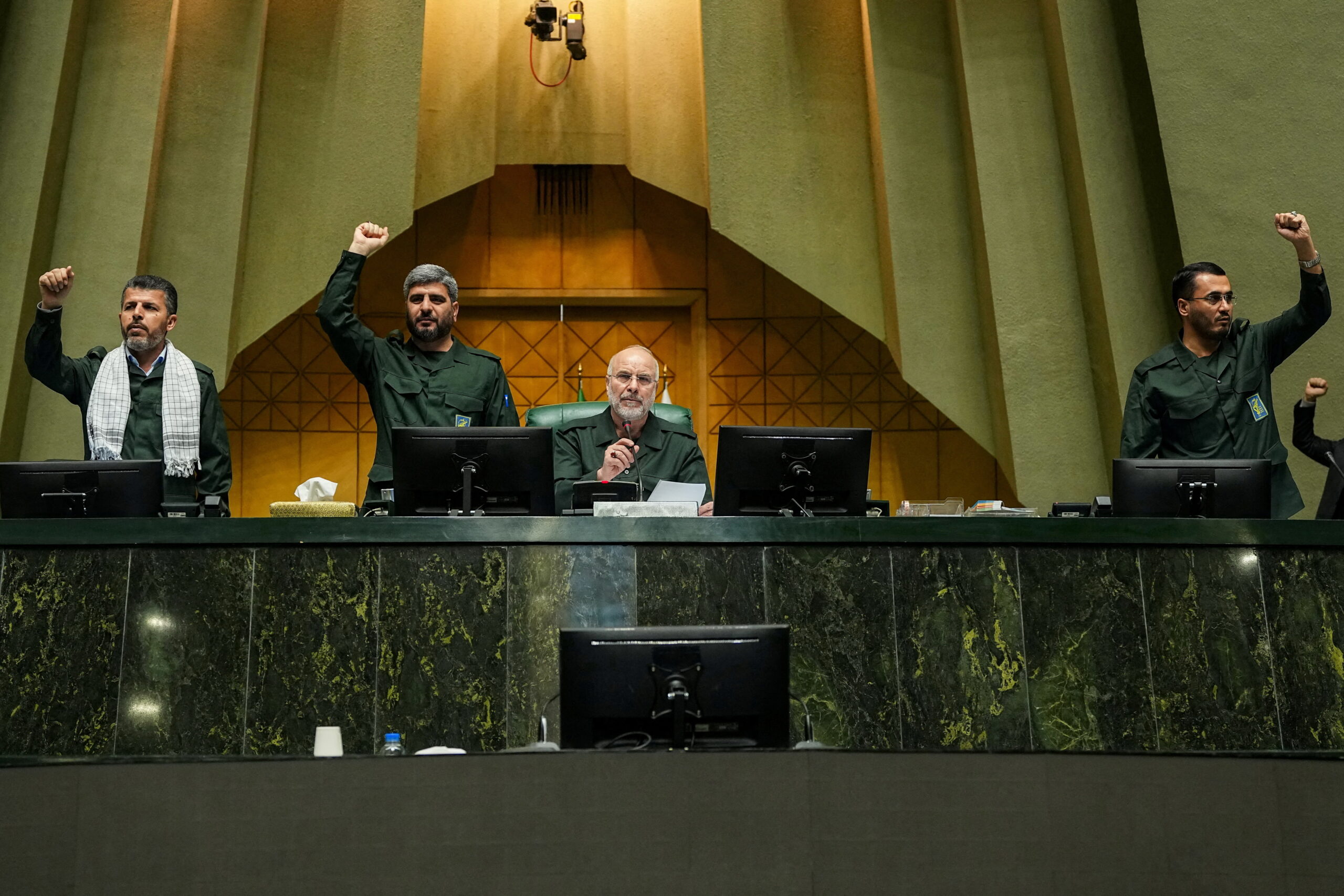
Events
Book Talk: Iran and the Bomb: The United States, Iran and the Nuclear Question
On June 16, AGSI hosted a discussion on the evolution of Iran's nuclear program.
Speakers

Apr 21, 2026
Inside Iran’s Wartime Leadership: Power, Succession, and Regime Stability
On April 21, AGSI hosted a discussion on the evolution of Iran's leadership during the war.
Speakers

Mar 18, 2026
In Its Conflict With the United States and Israel, Does Escalation Favor Iran?
On March 18, AGSI hosted a discussion on the escalation of the Iran war.
Speakers


Mar 2, 2026
After the Shock: Implications of the U.S.–Israeli Strikes and Iran’s Leadership Transition
On March 2, AGSI hosted a discussion on the U.S.-Israeli strikes on Iran.
Speakers