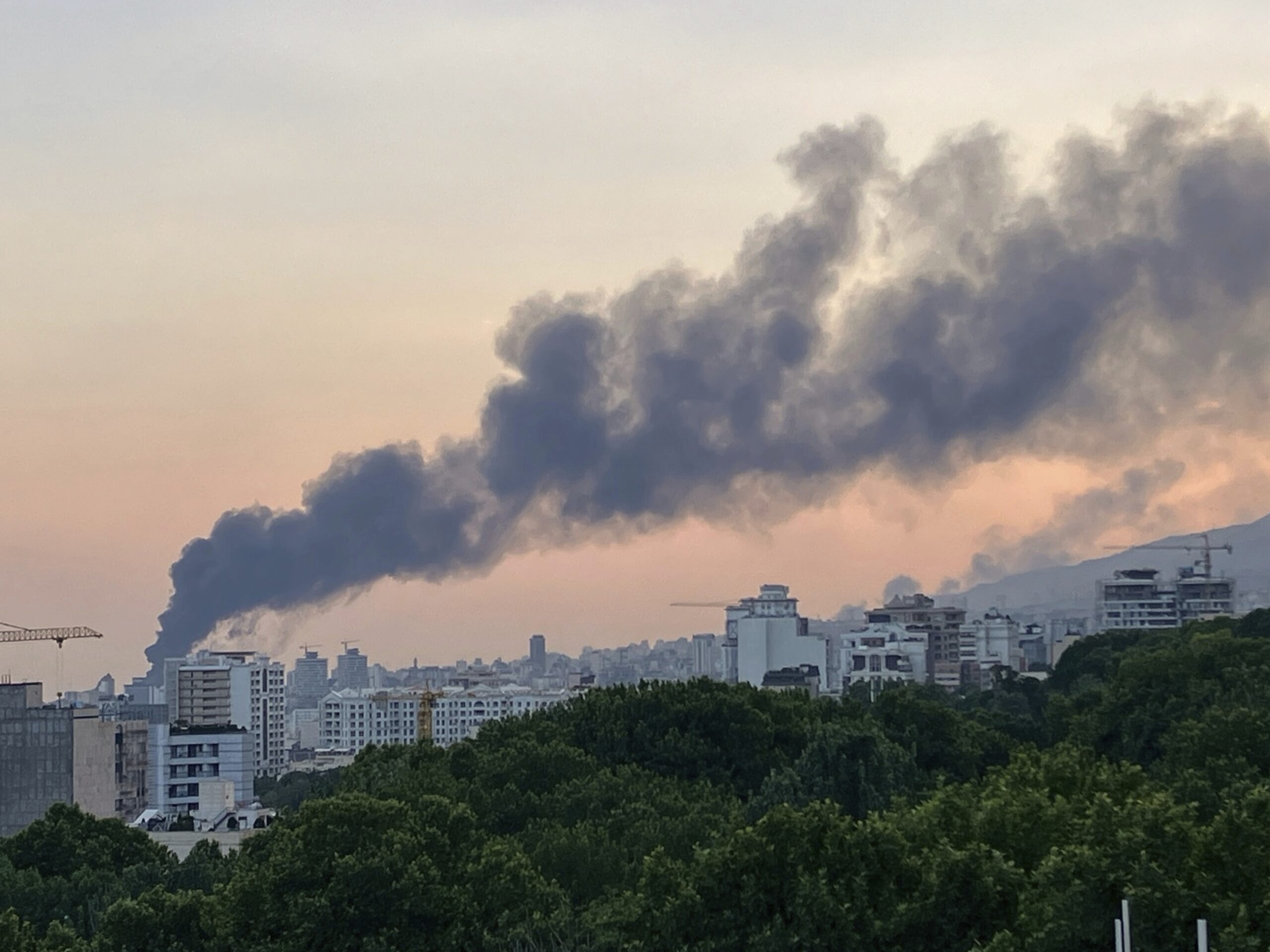
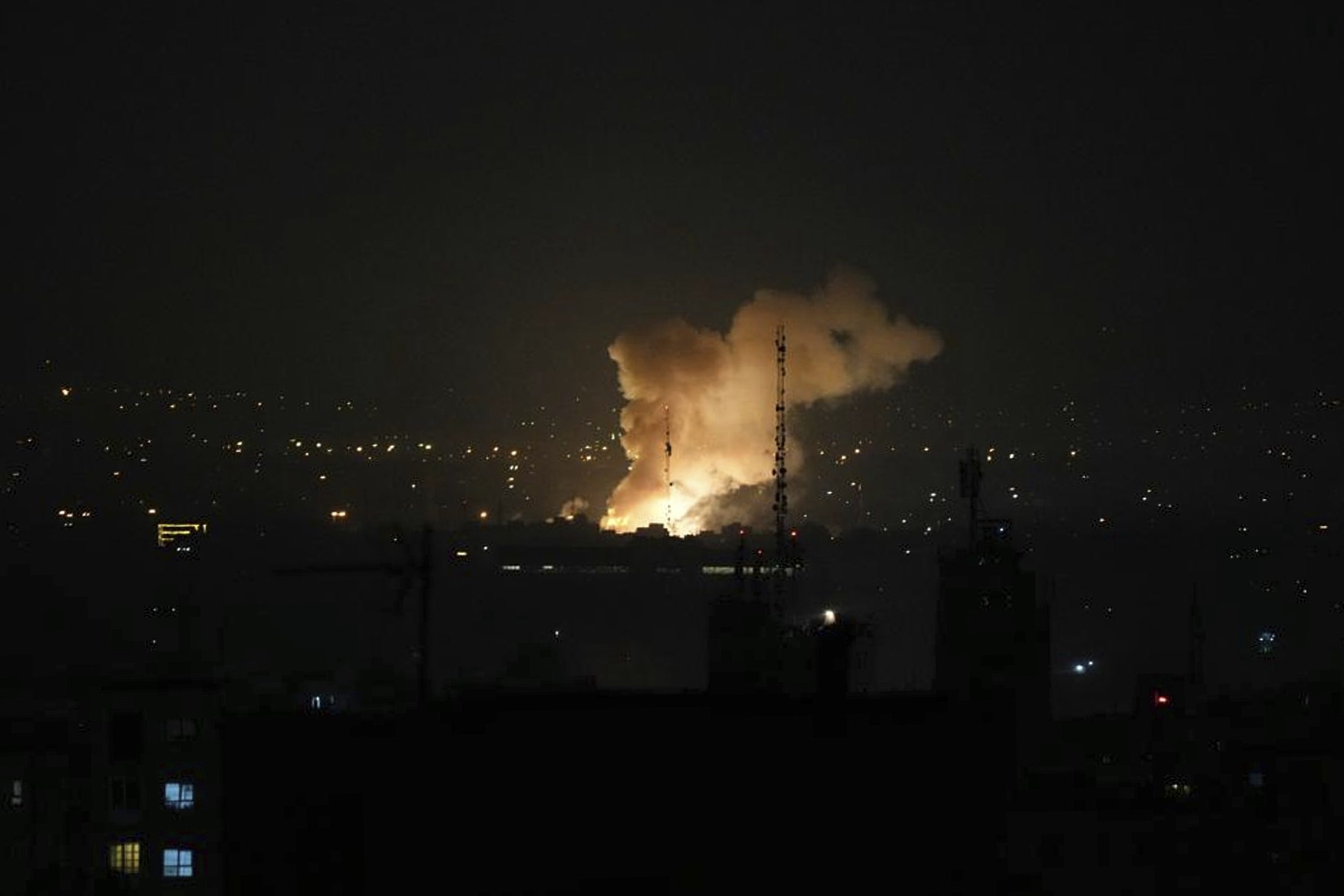
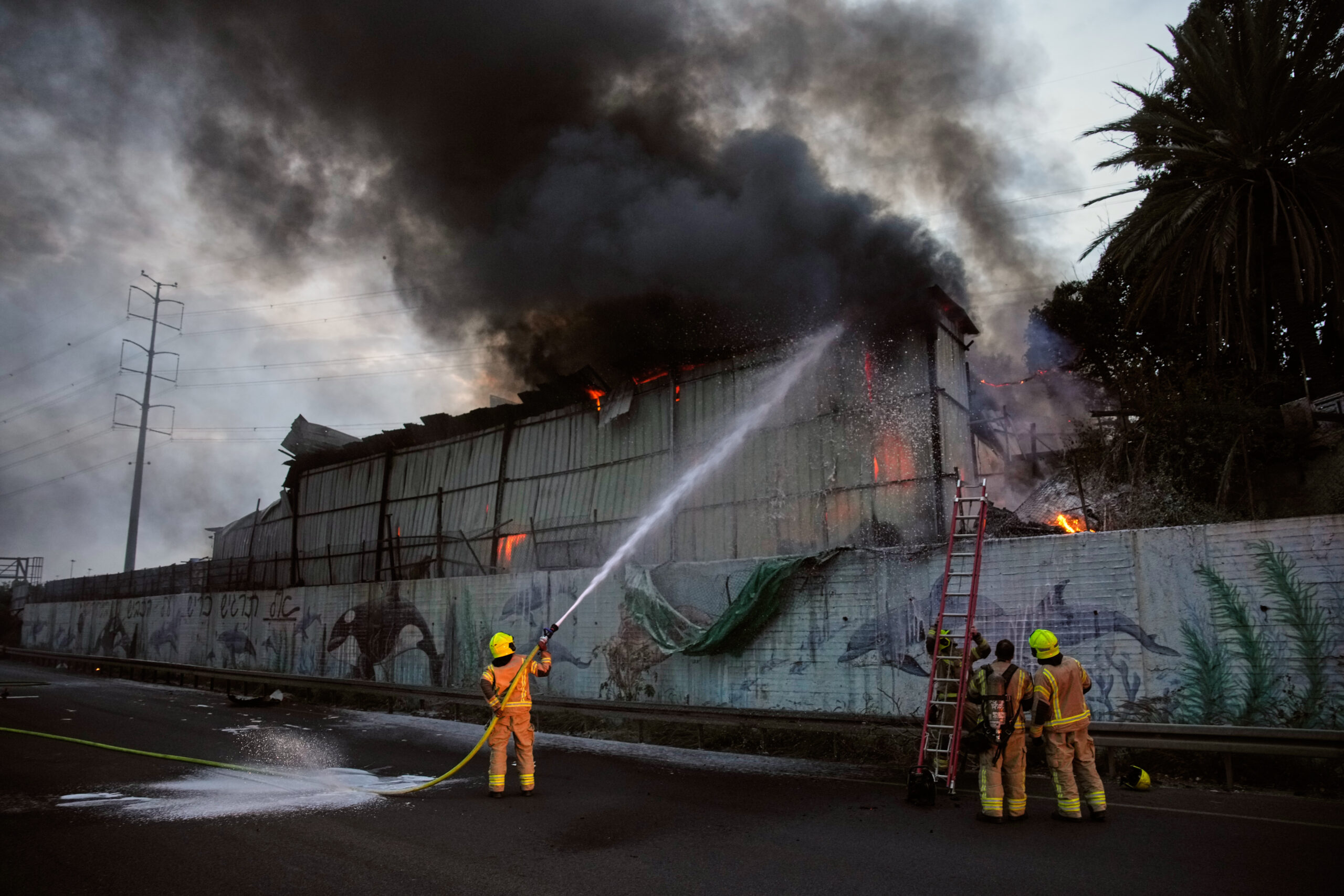
Smoke rises from the building of Iran's state-run television after an Israeli strike in Tehran, Iran, June 16. (AP Photo)
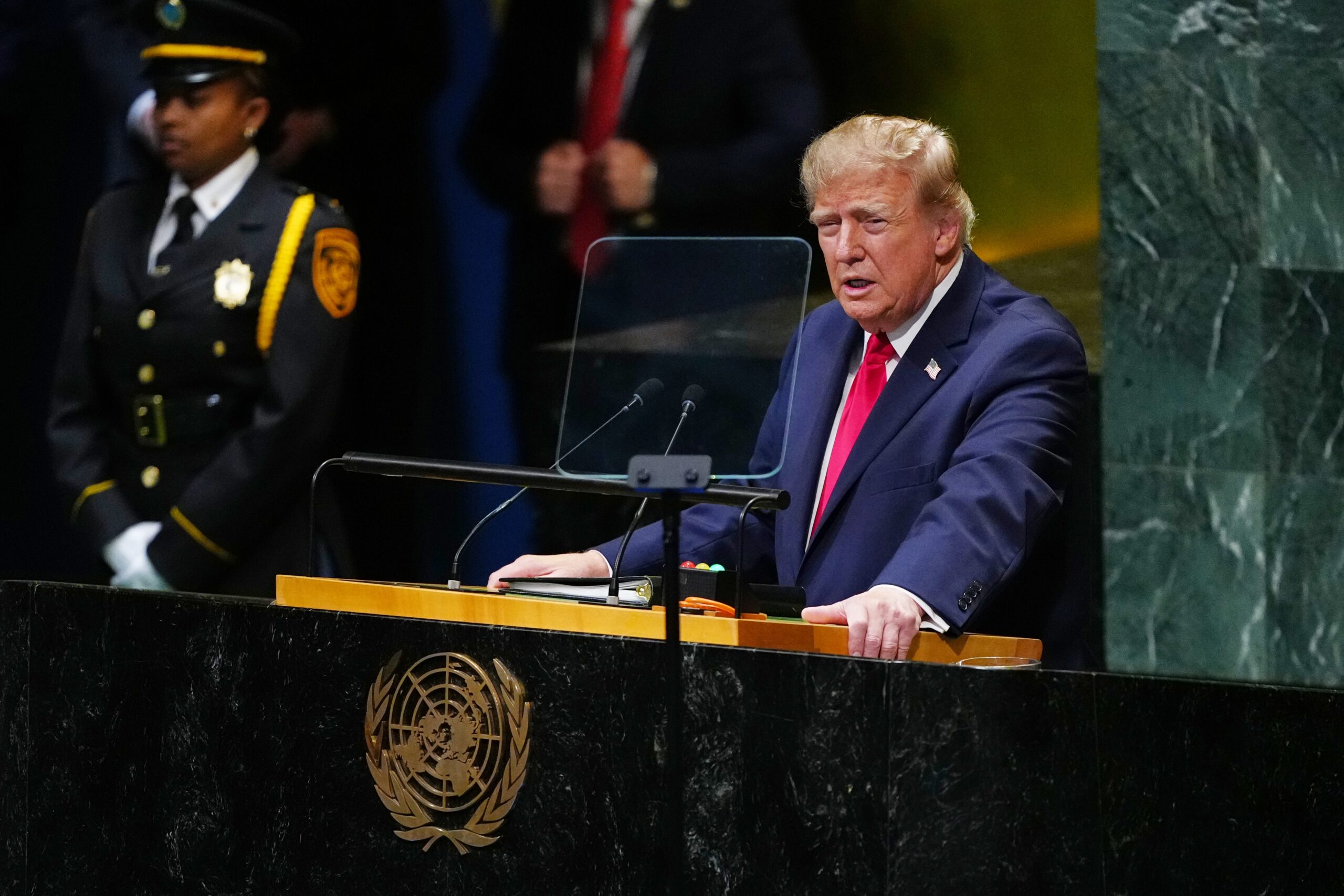
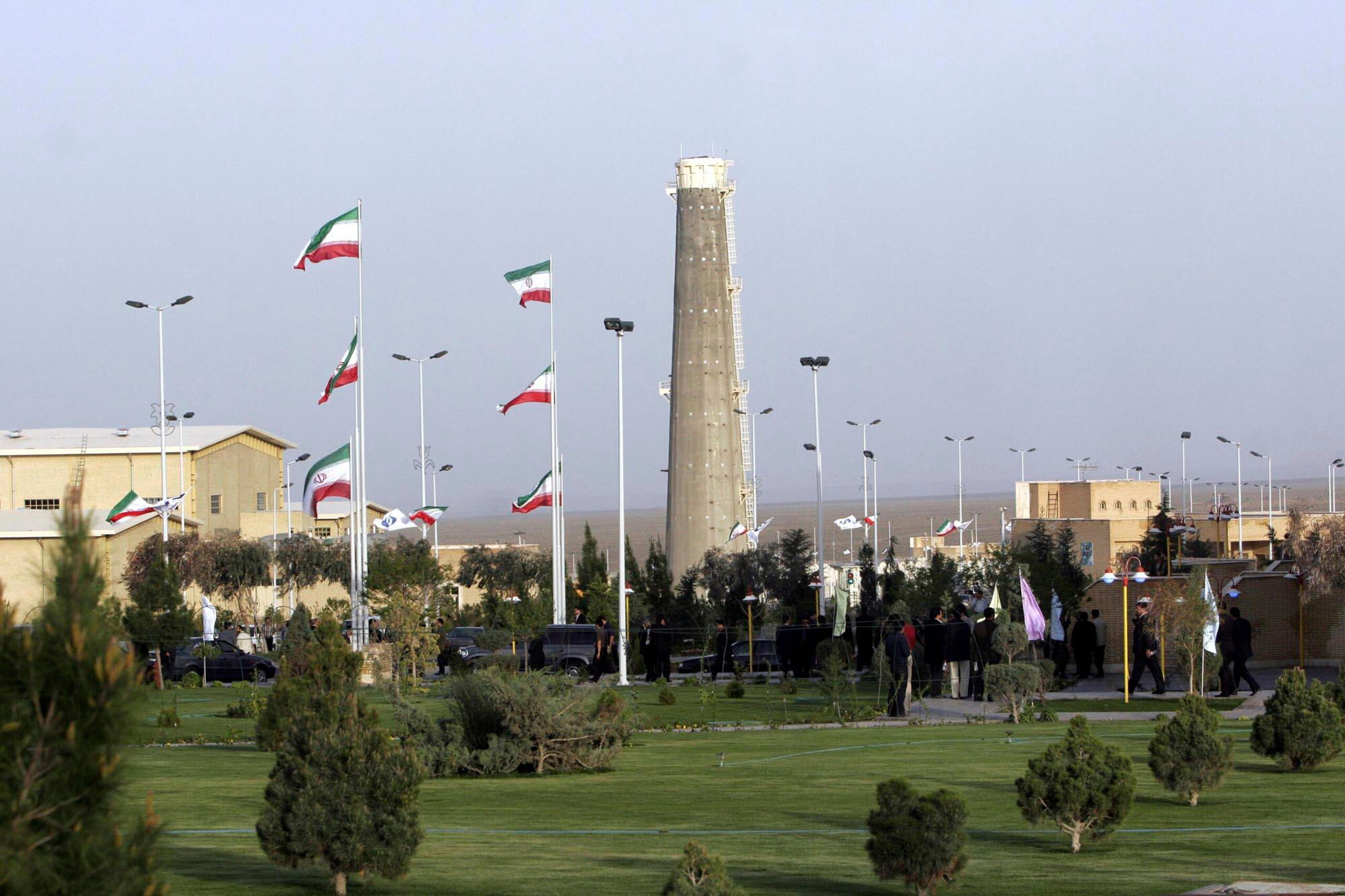
President Donald J. Trump entered the White House with the grand vision of world peace. Central to this vision was a negotiated resolution to the long-standing crisis over the Islamic Republic of Iran’s nuclear program. However, this strategy was fundamentally undermined on June 13, when Israel executed a large-scale preemptive strike targeting Iran’s nuclear infrastructure and key strategic nodes. In doing so, Israeli Prime Minister Benjamin Netanyahu effectively derailed the negotiation track and appears to be maneuvering the United States toward direct military confrontation with Iran.
Netanyahu, fully aware that Israel lacked the strategic depth and operational capacity to permanently degrade Iran’s nuclear capabilities or engineer regime change in Tehran, adopted a calculated strategy of escalation by proxy. He wagered that a disproportionate Iranian response – through a retaliatory strike on U.S. military assets in the region or a breakout attempt toward nuclear weaponization – would trigger U.S. military intervention. Furthermore, Netanyahu seemed to have persuaded Trump that the targeted assassination of Supreme Leader Ayatollah Ali Khamenei could generate strategic paralysis within the regime, bring about a rapid cessation of hostilities, and provide Trump with a military victory.
This strategic gamble appears to be yielding results, although media accounts indicate that the U.S. president nixed reported Israeli plans for the assassination piece. Nonetheless, Trump has increasingly hardened his rhetoric, vowing to “end” Iran’s nuclear program and calling for the evacuation of Tehran’s 10-million-strong civilian population. That rhetoric and his early departure from the G-7 summit in Alberta, Canada June 16, conveying an urgent, public return to Washington, pointed to the administration recalculating its Iran position on the fly.
Trump’s shift in position may reflect an attempt to coerce the regime into capitulating and accepting U.S. demands at the negotiating table. However, it is not clear this White House attempt to have its diplomatic cake and eat it too, balancing its legacy support for a negotiated deal with newfound, possibly hardening resolve to support Israel’s military campaign against Iran, will work. Iran is likely to try to hang tough and, for now, its fairly measured military response, focused exclusively on Israel and not yet causing high casualties, is not providing the United States with much of a rationale for entering the conflict kinetically. Trump is also apparently under serious pressure from key elements of his MAGA base to keep the United States out the war, which they paint as the next “forever war” the United States must avoid.
Should the conflict remain unresolved diplomatically and the United States initiate military operations against Iran, the Iranian regime’s strategic posture would begin to resemble that of the Baathist regime in Iraq between the 1990-91 Gulf War and the 2003 U.S.-led invasion. It would be subject to sustained aerial bombardments by Israel and the United States; economically crippled due to sanctions and potentially embargo; and internally destabilized by substate actors – namely ethnic minorities, such as the Kurds, Baluchis, and Ahvazis – mobilized and armed by U.S. and Israeli intelligence services to foment insurgency and erode regime authority.
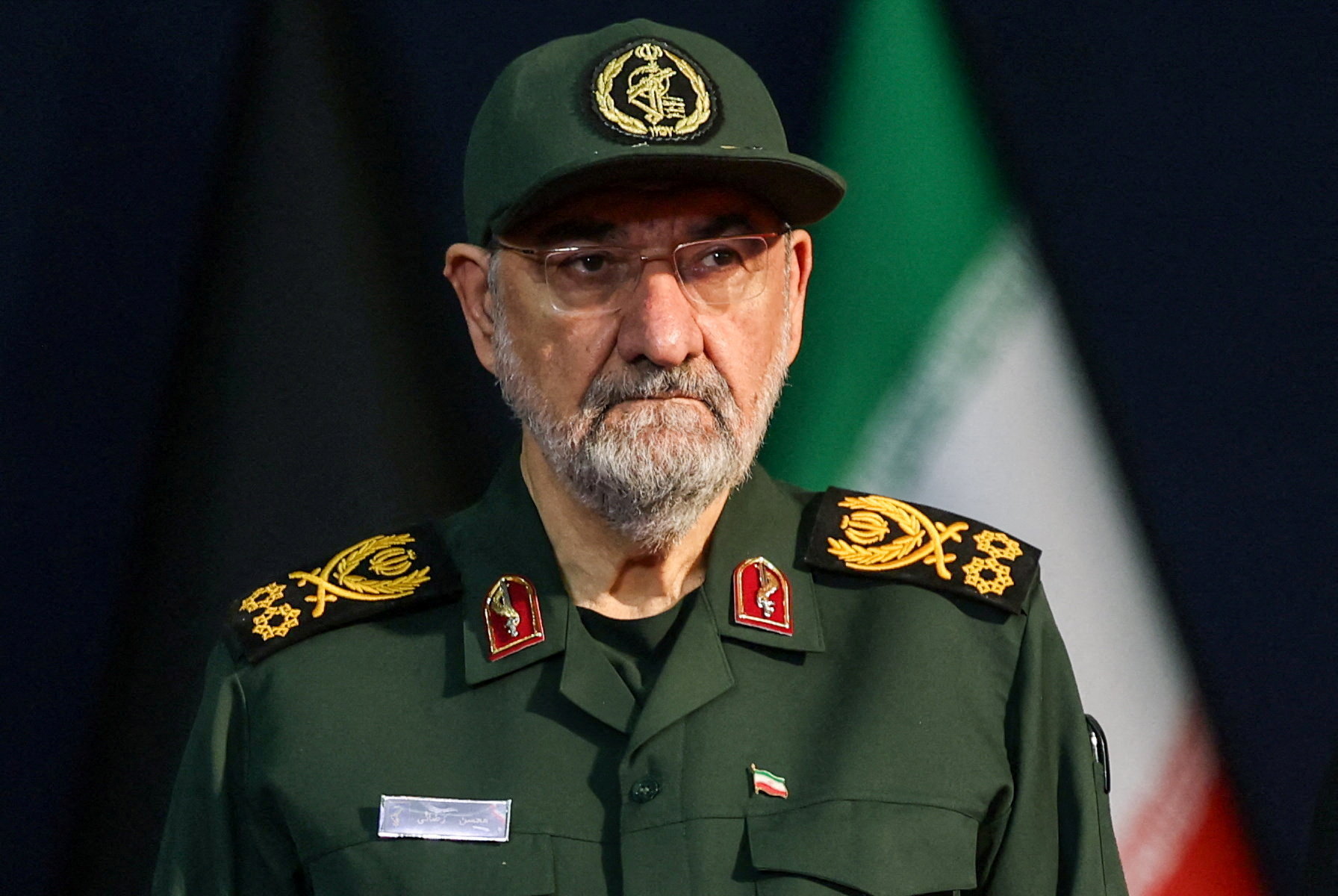
However, the Islamic Republic of Iran differs significantly from Saddam Hussein’s Iraq. Whereas the Baathist regime’s institutional structure was highly centralized with the president as the center of gravity of the regime, Iran’s system of governance – anchored by overlapping civil-military institutions, such as the Islamic Revolutionary Guard Corps – displays greater redundancy and resilience. The decentralized command structure of the IRGC, in particular, has demonstrated adaptive capacity in the face of leadership decapitation, as seen with the recent assassinations of senior commanders.
Unless the United States commits to a full-scale ground invasion – an option inconsistent with Trump’s long-standing opposition to large-scale military interventions – the Iranian regime may retain sufficient coercive and organizational resources to suppress internal dissent, maintain territorial integrity, and ensure regime survival despite significant external pressure and attrition.
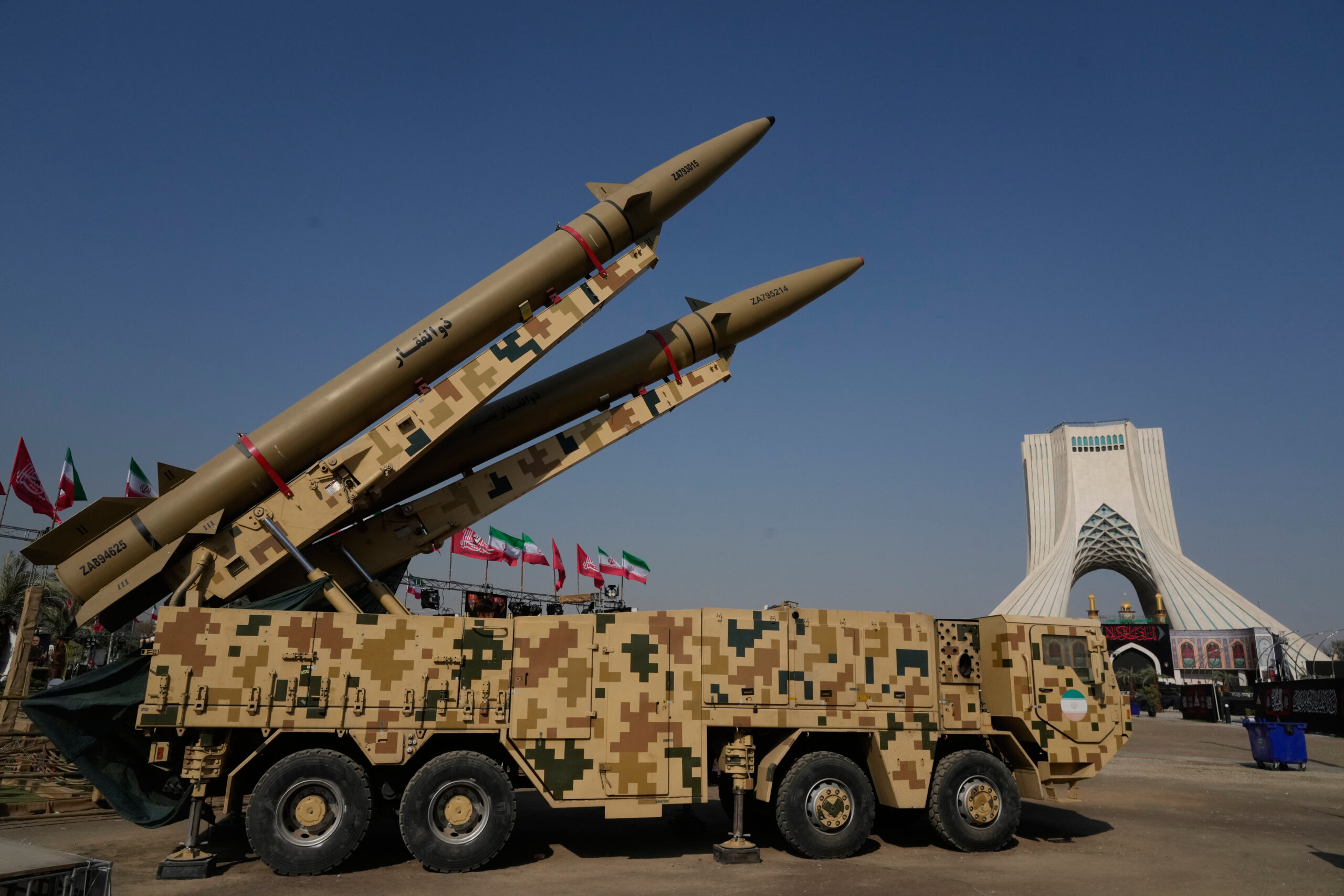
If that scenario plays out, with the United States intervening in the air war, it is likely to have severely destabilizing consequences in the Gulf, threatening the regional energy infrastructure in all countries within the reach of Iran’s cruise missiles and aerial drones. Unlike Iran’s ballistic missile capability, which has been systematically detected and targeted by Israel, cruise missiles and aerial drones are easier for the regime to hide. Cornered, fearful of its physical annihilation by a foreign enemy, as well as foreign agents operating on Iranian soil, and possibly facing an armed insurgency in the periphery regions, the regime may attack oilfields and refineries and target oil shipments transiting through the Strait of Hormuz. This scenario is a far cry from Trump’s vision of world peace.
The views represented herein are the author's or speaker's own and do not necessarily reflect the views of AGSI, its staff, or its board of directors.
AGSI explains what Israel’s sudden and massive attack on Iran is likely to mean for Gulf Arab states, Iran, the United States, and global and regional economies.
The May 9 edition of the Iran Media Review examines disagreements among Iranian media outlets about the effect of a Houthi missile strike targeting Israel on U.S.-Iranian negotiations.
Rival camps within the Islamic Republic are increasingly turning to YouTube for policy debate, but there is a limit to the regime’s tolerance for that debate.
After U.S.-Israeli strikes killed Supreme Leader Ayatollah Ali Khamenei on February 28, Iran’s collective leadership has concluded that the best defense is a good offense.