Jun 18, 2026
Regime Surveys Show Erosion of Social Capital
The June 18 edition of the Iran Media Review highlights Iranian messaging about Iran’s military strength and societal polarization.

Media outlets close to the Islamic Revolutionary Guard Corps exaggerate Iran’s military strength in the Middle East to mask Iran’s inability to deter Israel. Meanwhile, regime opinion polls reveal an erosion of social capital. In response, the Iranian Ministry of Interior is advocating for greater accommodation of political, social, and economic dissent as a means of countering further polarization.
- June 17: An Islamic Revolutionary Guard Corps-affiliated Mashregh News article claimed:
- “In the region’s future strategic calculations, the new security order will gradually wear down the Zionist regime, the United States will become trapped in the tensions created by its conditional policies, and Iran will consolidate its own network-based order.”
- “At the regional level, Iran’s strategic depth has become one of the principal components of its deterrence posture. The country’s proxy forces across the Middle East make it possible to expand the geographic scope of threats and distribute deterrent capabilities throughout the region. As a result, any potential conflict with Iran is no longer likely to remain confined to a single front but instead carries the potential to spread across multiple operational theaters. From this perspective, Iran’s deterrence strategy rests on the principle of turning any crisis into a multifront confrontation and imposing simultaneous pressure on its adversaries.”
- “At the strategic level, this development poses a serious challenge to the traditional model of Western military intervention. In the past, technological superiority and military power enabled Western states to shift the battlefield far from their own territory. Today, however, any military action against Iran could expose the opposing side’s interests, infrastructure, and strategic assets to threats across multiple regions. Consequently, calculations of the costs and benefits of war have become considerably more complex than in the past, while the potential consequences of conflict have expanded significantly.”
- June 17: Iranian Deputy Minister of Interior Mohammad Bathaie was quoted by the Iranian Labour News Agency speaking about recent official opinion polls:
- “The findings obtained both from surveys conducted by the Ministry of Interior and from studies carried out by other institutions constitute a serious warning sign for the country.”
- “Only about 25% of the population feels that there is justice and equality in society. This figure suggests that a substantial portion of the public believes it is living in an environment characterized by discrimination and inequality.”
- “Unfortunately, 60% of the population has little or no hope that conditions will improve in the future.”
- “According to surveys conducted before the Ramadan war, approximately 76% – roughly three-quarters – of the population reported being proud of their Iranian identity. This is a significant and encouraging figure.”
- “One of the most important issues in the social sphere is ensuring that polarization does not take root in the country. In other words, different segments of society should not be divided into opposing camps and set against one another. One of our principal responsibilities is to prevent such tendencies and to work toward strengthening national cohesion.”
- “In political, social, and economic affairs, the existence of different viewpoints and interpretations is natural, and opportunities for expressing those views should be provided in a completely peaceful environment. The Ministry of Interior must create conditions in which, just as supporters are able to speak and engage in discussion, opponents can also express their views as citizens who have the right to comment on issues of importance to society.”
The views represented herein are the author's or speaker's own and do not necessarily reflect the views of AGSI, its staff, or its board of directors.
Related
Iran Media Review
Jun 16, 2026
Tehran’s Limited Expectations for U.S.-Iran Agreement
The June 16 edition of the Iran Media Review analyzes Iranian views on a prospective U.S.-Iranian memorandum of understanding to end the war.
Iran Media Review
Jun 11, 2026
Rafsanjani Jr. Urges Realism
The June 11 edition of the Iran Media Review considers an opinion piece written by a leading Iranian technocratic voice advocating for negotiation with the United States.
Iran Media Review
Jun 9, 2026
Iran’s Elites Debate the Path Ahead
The June 9 edition of the Iran Media Review examines Iranian elites’ discourse about the future of conflict and negotiations with the United States.
Jun 16, 2026
Tehran’s Limited Expectations for U.S.-Iran Agreement
The June 16 edition of the Iran Media Review analyzes Iranian views on a prospective U.S.-Iranian memorandum of understanding to end the war.
Jun 11, 2026
Rafsanjani Jr. Urges Realism
The June 11 edition of the Iran Media Review considers an opinion piece written by a leading Iranian technocratic voice advocating for negotiation with the United States.
Jun 9, 2026
Iran’s Elites Debate the Path Ahead
The June 9 edition of the Iran Media Review examines Iranian elites’ discourse about the future of conflict and negotiations with the United States.
Analysis
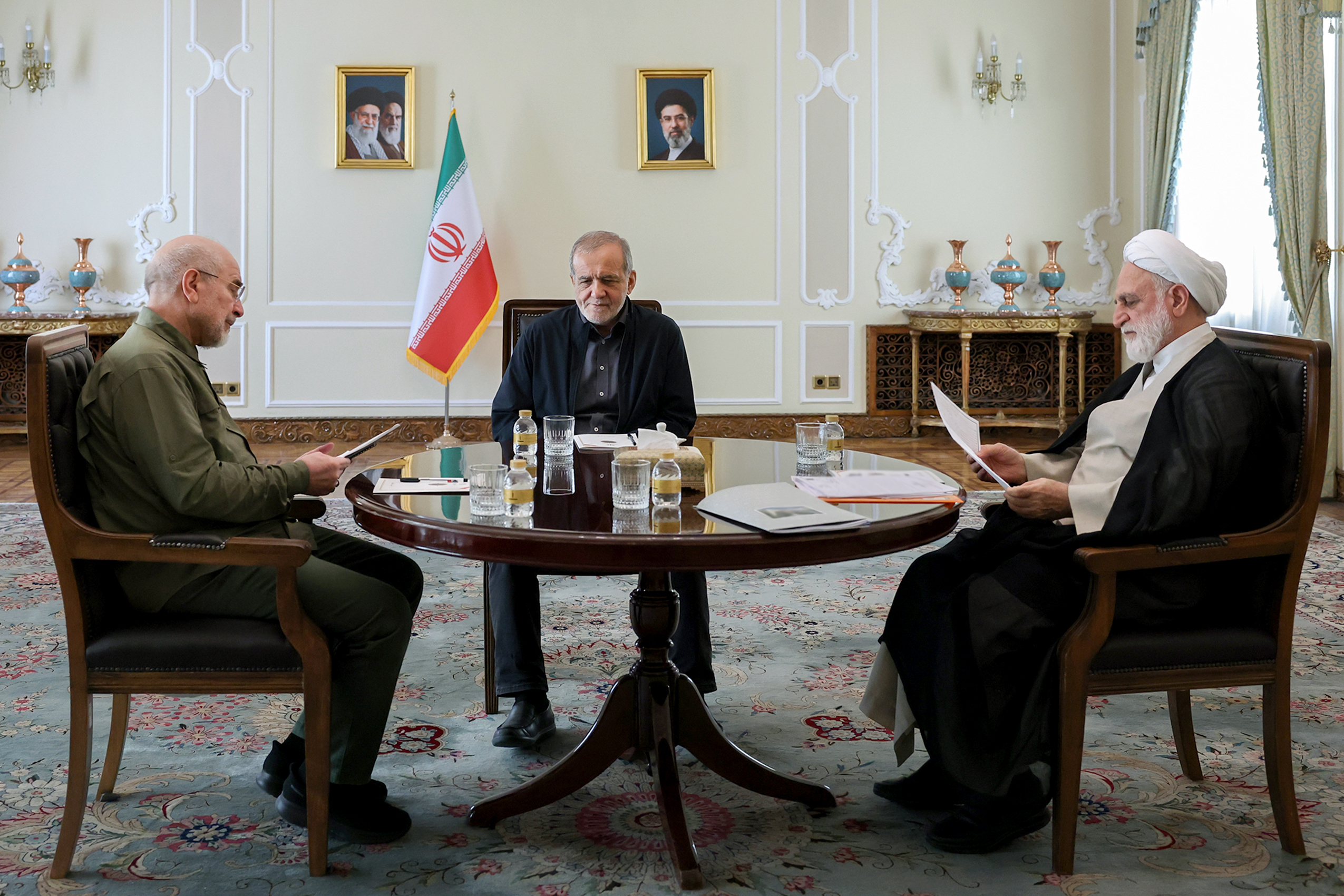
The Committee of Six and Strategic Decision Making in Iran
Remarks by Iran’s president offer a rare glimpse of how the Islamic Republic has adapted its decision making to the absence of its supreme leader.
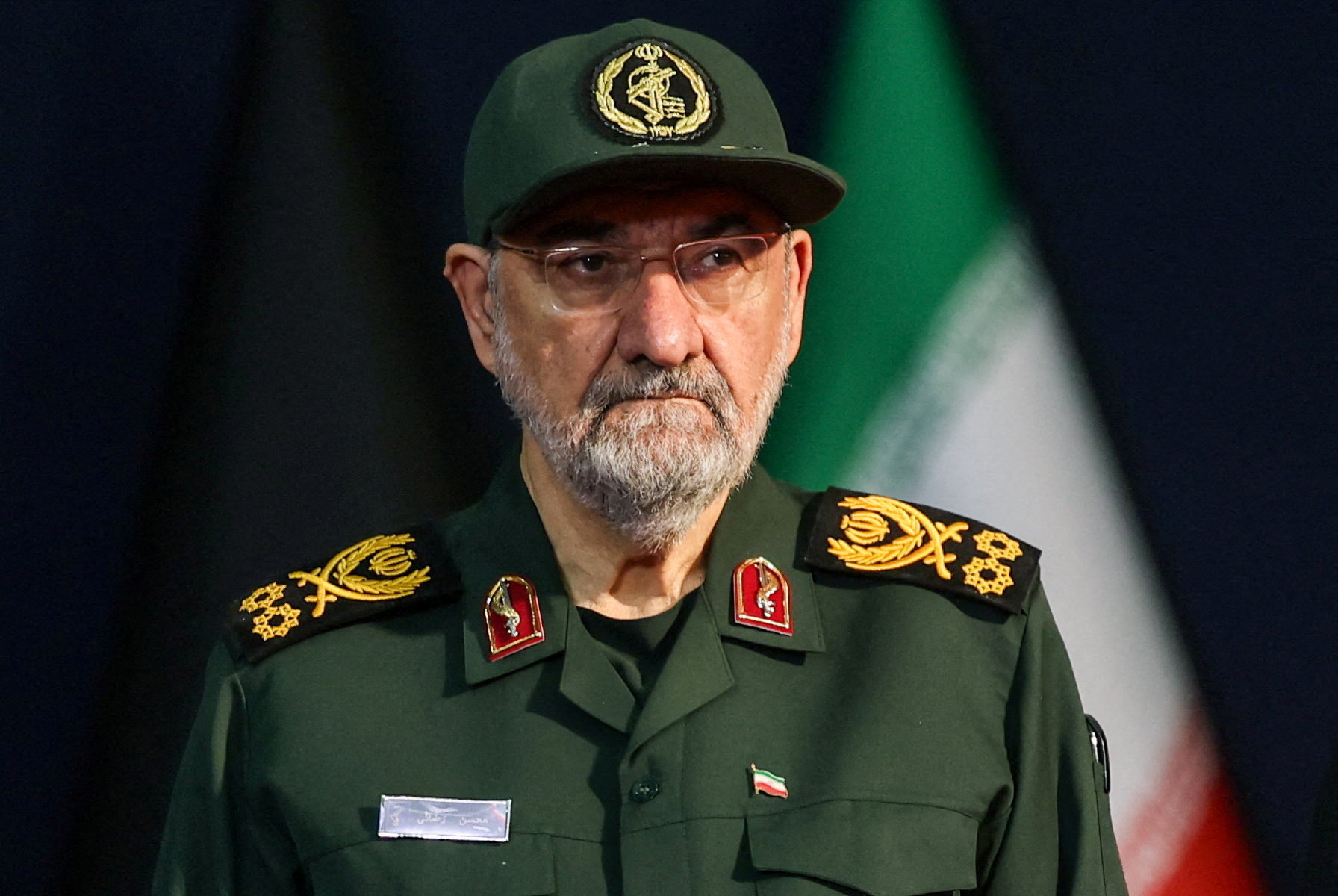
Mohsen Rezaei at the Helm of Iran’s Supreme National Security Council
Under Rezaei, the SNSC could prove constructive or paralyze strategic decision making.
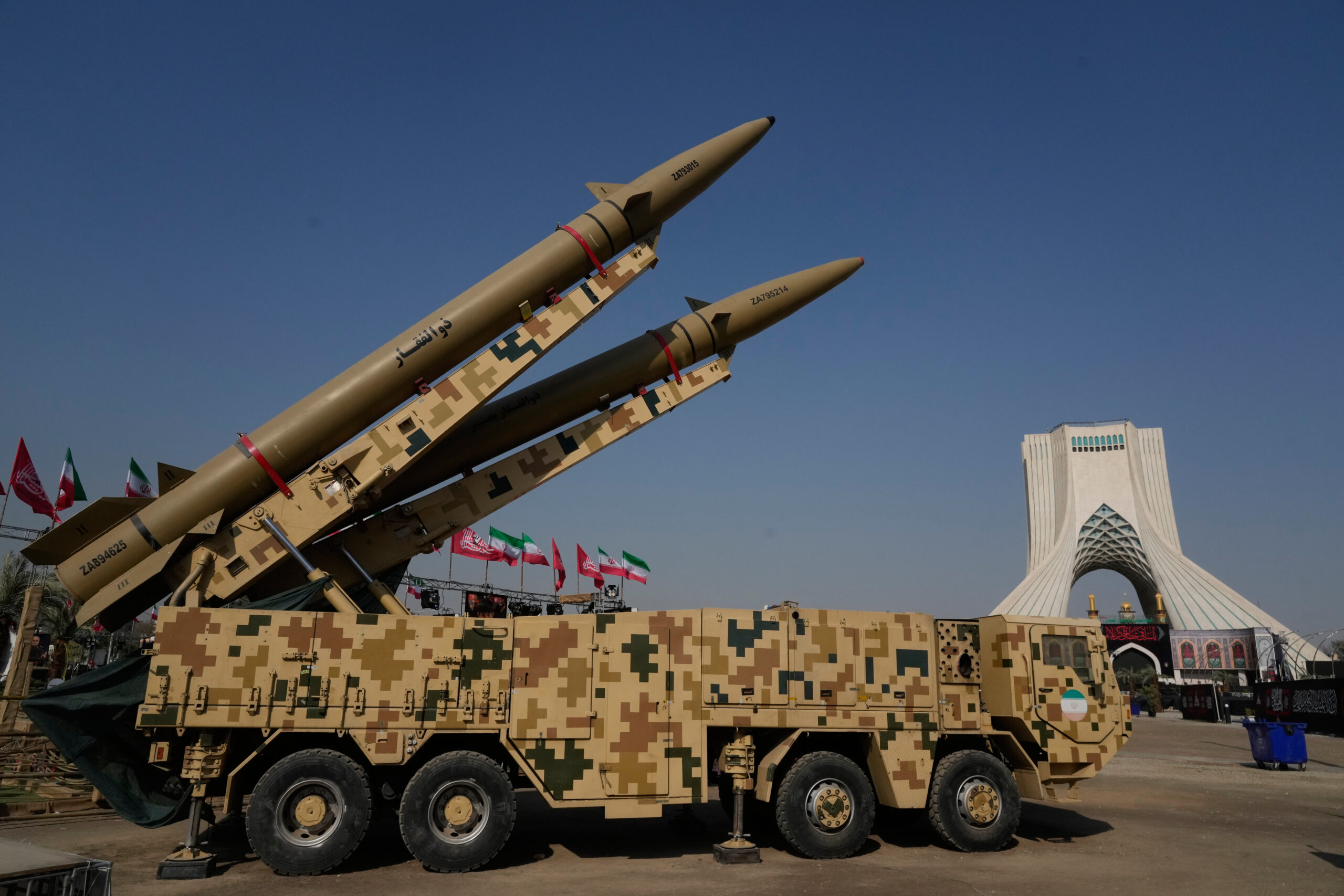
The Islamic Republic Returns to Offense
After U.S.-Israeli strikes killed Supreme Leader Ayatollah Ali Khamenei on February 28, Iran’s collective leadership has concluded that the best defense is a good offense.
Iran’s Collective Strategic Decision Making
Wartime pressure has temporarily aligned the leadership’s overriding interest in regime survival, even as its members continue to differ over the costs, methods, and ultimate objectives of the war.
Events
Oct 6, 2026
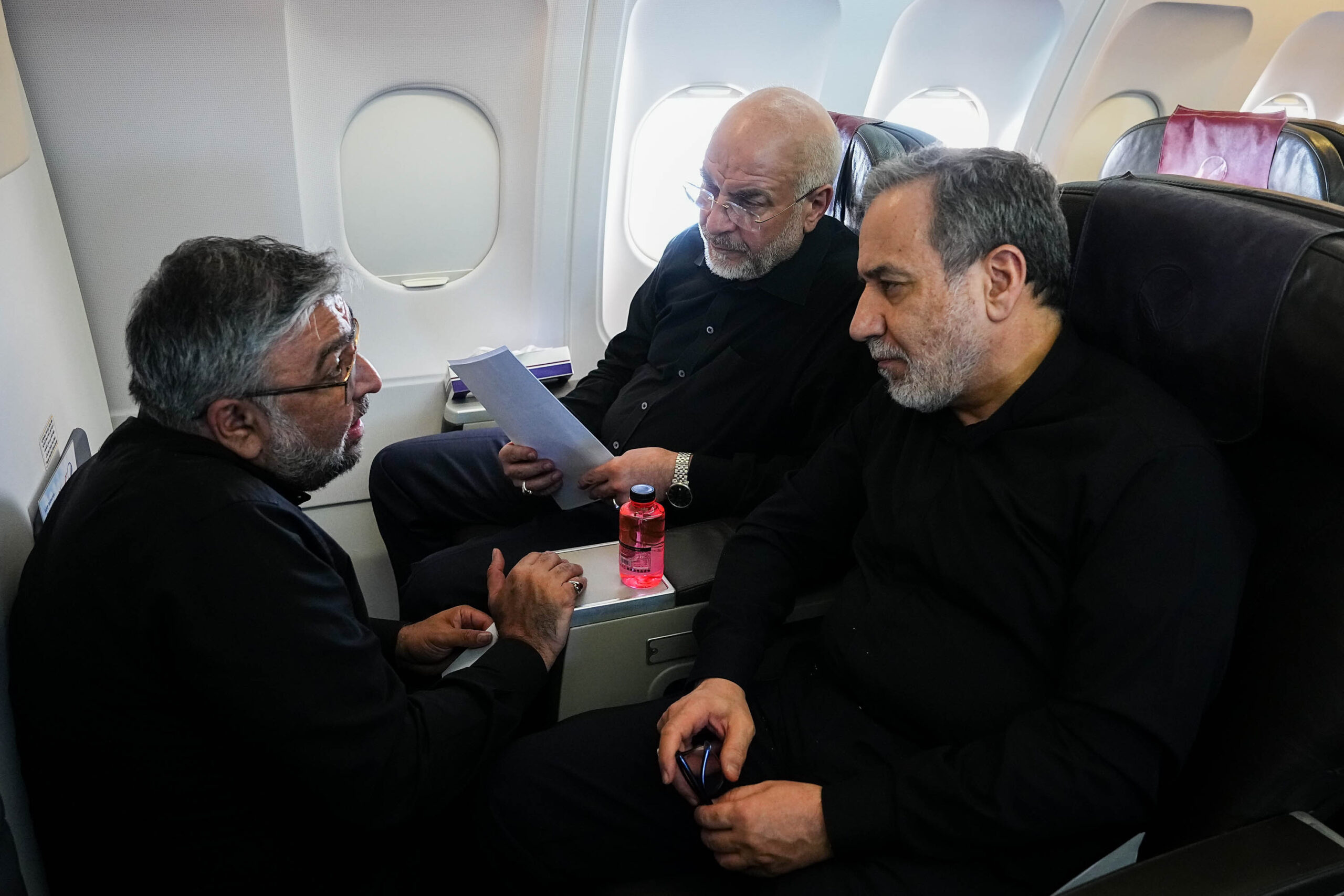
Is the U.S.-Iran Stalemate a “New Normal” or the Prelude to Another Explosion?
On October 6, AGSI hosted a discussion on the U.S.-Iran stalemate and the prospects for a cease-fire.
Speakers



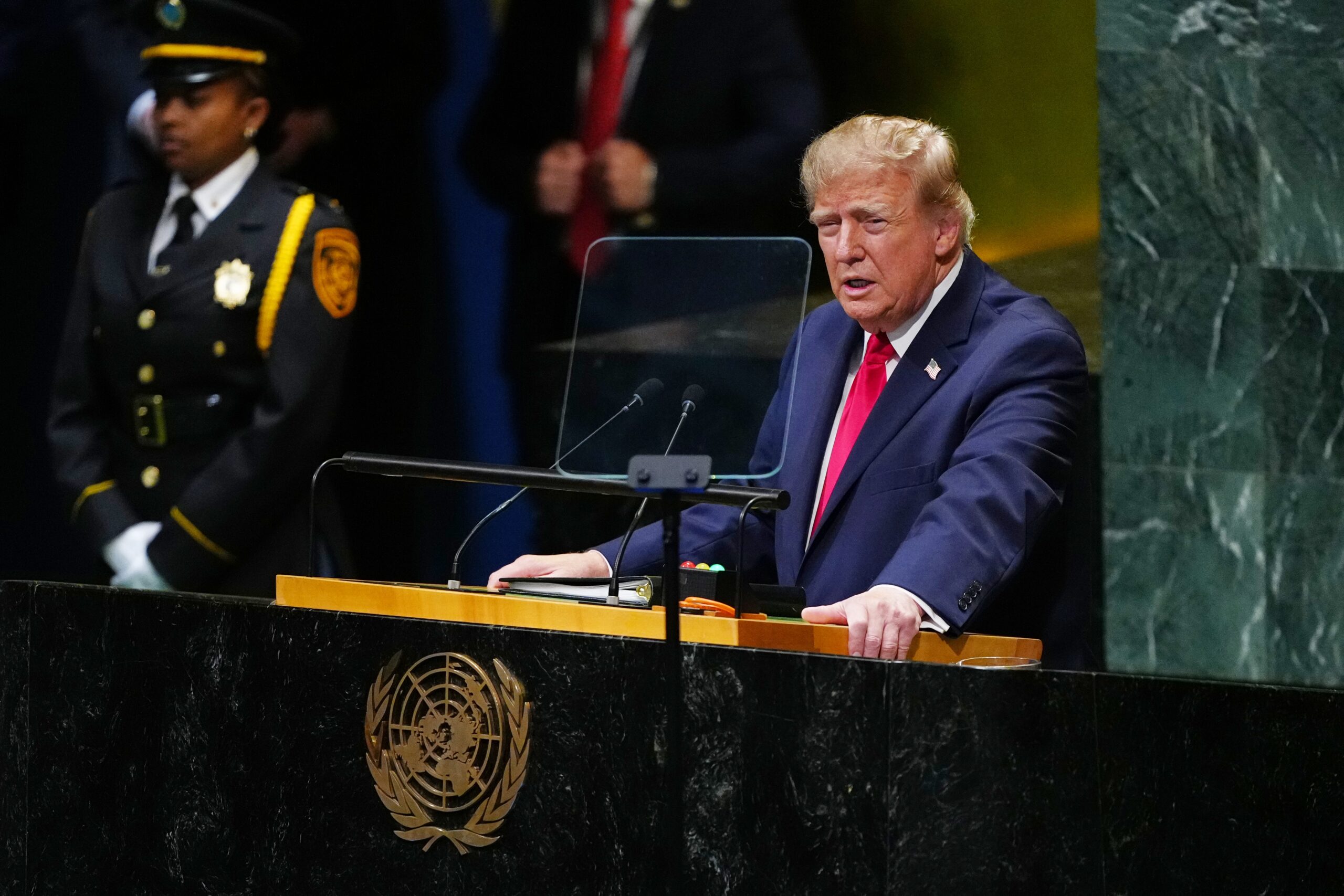
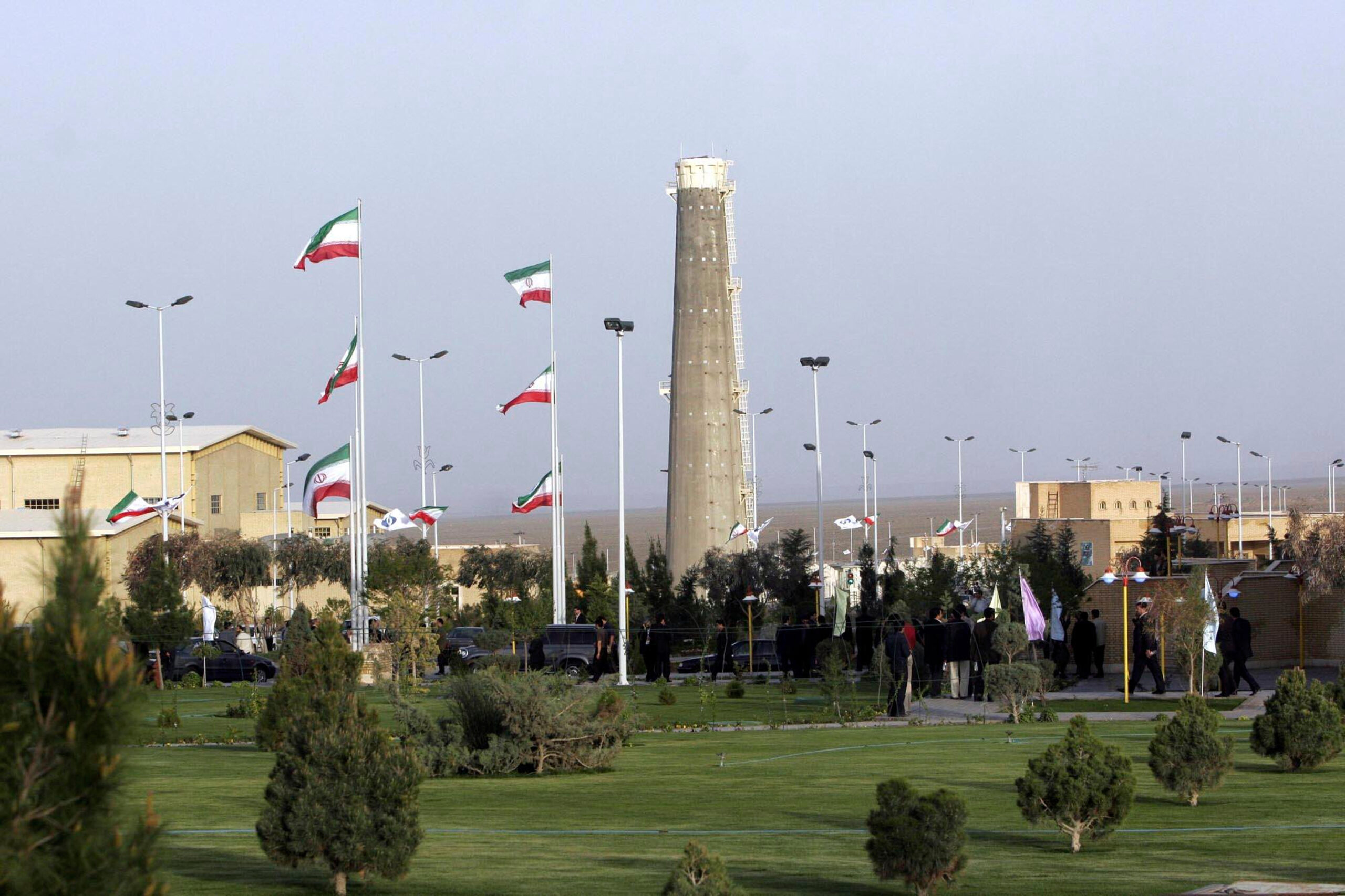
Book Talk: Iran and the Bomb: The United States, Iran and the Nuclear Question
On June 16, AGSI hosted a discussion on the evolution of Iran's nuclear program.
Speakers
Apr 21, 2026
Inside Iran’s Wartime Leadership: Power, Succession, and Regime Stability
On April 21, AGSI hosted a discussion on the evolution of Iran's leadership during the war.
Speakers

Mar 18, 2026
In Its Conflict With the United States and Israel, Does Escalation Favor Iran?
On March 18, AGSI hosted a discussion on the escalation of the Iran war.
Speakers