Jun 16, 2026
Tehran’s Limited Expectations for U.S.-Iran Agreement
The June 16 edition of the Iran Media Review analyzes Iranian views on a prospective U.S.-Iranian memorandum of understanding to end the war.

Iranian President Masoud Pezeshkian emphasized that negotiations with the United States and any prospective agreement will be conducted within the framework approved by the Supreme National Security Council and endorsed by Ayatollah Mojtaba Khamenei. The SNSC itself reported that the memorandum will be signed June 19, and the Islamic Revolutionary Guard Corps portrayed it as a case of Washington “yielding to Iran.”
Yet Mehdi Mohammadi, a strategic affairs advisor to the Iranian negotiating team, warned that the process may never advance beyond its current stage. By his own account, the agreement is largely limited to the reopening of the Strait of Hormuz in exchange for the release of $12 billion in frozen Iranian assets. Beyond that, Mohammadi appeared to harbor few expectations that the parties will proceed to a second phase addressing sanctions relief let alone Iran’s nuclear program.
- June 14: President Masoud Pezeshkian addressed representatives from Iran’s media, making remarks that were reported by reformist Entekhab News Agency:
- “The Supreme National Security Council has concluded that the path of dialogue should be pursued.”
- “Decisions regarding war and negotiations rest with the supreme leader and the Supreme National Security Council.”
- “As far as the negotiations are concerned, the decision of the Supreme National Security Council constitutes the basis for action. Whatever is approved and endorsed by the supreme leader will be binding on all of us.”
- June 14: Mehdi Mohammadi, an advisor to the Iranian negotiating team, was quoted by Islamic Revolutionary Guard Corps-affiliated Mashregh News:
- “We are dealing with a 14-point document. The first provision of this document – which, in my view, is its most fundamental provision – stipulates that the current war must be halted on all fronts, including in Iran and Lebanon.”
- “Thereafter, the other side must commit itself not to initiate any new war or military operation. This is extraordinarily important, because the United States is providing this commitment both on its own behalf and on behalf of the Israeli regime.”
- “It may be argued that they will not honor this commitment. Yes, that possibility exists, and I consider it a strong possibility. However, our instruments of leverage remain fully intact. The Strait of Hormuz remains a tool at our disposal; military action against Israel remains a tool at our disposal; and the option of refusing to proceed to the second phase of negotiations also remains available to us. If they fail to fulfill their commitments, we will not fulfill ours. The strait will remain closed, we will not proceed to the next phase of negotiations, and, if necessary, we will go to war. They themselves are fully aware of this.”
- “As for implementation, the authority rests with us. Control of the Strait of Hormuz lies with the IRGC navy, and naturally the implementation of this provision will be carried out in accordance with the interpretation and framework determined by the Islamic Republic. The navy will continue to do what it is already doing today. We currently provide services in the Strait of Hormuz – safety, navigational, and security services. It is obvious that nowhere in the world are such services provided free of charge, and fees are collected for them. Only Iran and Oman have the right to collect these fees, and no other party can make decisions regarding them. This arrangement is already in place today, and it will remain in place under any future agreement.”
- Turning to the provision concerning a “$300 billion development fund,” Mohammadi said: “In this section of the text, the term ‘reconstruction’ is used. Reconstruction means rebuilding the damage caused by the war. It is true that the word ‘reparations’ or ‘compensation’ is not explicitly mentioned, but it is clear that when the other side speaks of reconstruction, it is referring to compensation for the damage inflicted on Iran during the war. The text allocates a sum of $300 billion for this purpose. Personally, I believe that the other side is unlikely to honor such a commitment in practice, but the fact remains that this commitment is written into the text. Moreover, management of these resources will remain in the hands of the Islamic Republic. If funds are allocated, they are to be spent within Iran, and naturally their administration will be under Iranian control.”
- Concerning U.S. sanctions, he said: “The reality is that until we enter the second phase of negotiations, there will be no movement toward the complete lifting of sanctions. Nor do we expect otherwise. Realism requires us to understand that the United States is not going to remove sanctions easily, and we harbor no illusions on that score. What matters, however, are the commitments and formulations contained in the text. For the first time, the Americans have agreed to lift even the primary sanctions. Such a commitment has never before been offered to Iran.”
- Concerning the nuclear issue, Mohammadi said: “The only commitment contained in this text regarding the nuclear issue – and even that has not yet been finalized – is that, after the other side has fulfilled its obligations, we will engage in discussions on the nuclear issue. In other words, only after the war in Iran and Lebanon has ended, frozen assets have been released, the naval blockade has been lifted, oil sanctions have been suspended, and the Strait of Hormuz has been reopened under an Iranian protocol, will we begin discussing the nuclear issue. Beyond that, there is no other commitment in the text. Now suppose the other side fails to fulfill its obligations. What, then, have we lost? Our nuclear materials remain intact, our nuclear facilities and equipment remain intact, and all of them have been restored and relocated to secure locations. All we have said is that we are prepared to discuss this issue in the future. If the other side acts in bad faith, then we simply will not engage in those discussions. That decision remains entirely in our hands. If we observe the slightest sign of noncompliance, we will not even enter the second phase of the agreement or begin discussions on the nuclear issue. This point is extremely important. Despite all the rhetoric and threats put forward by Mr. Trump, the only thing that has been obtained from Iran in the nuclear sphere under this text is a commitment to hold discussions at a later date – nothing more.”
- Concerning frozen Iranian assets, he said: “This has not yet been finalized, but half of our frozen assets must be released the moment the agreement is concluded. This is not something on which we are prepared to compromise. Because we believe the remainder of the agreement has little chance of succeeding, we insist on this point, as it will be our only tangible gain. We will take the money, and as I have said before, we will take both the money and the time and use them to prepare for the next war. The cleverness of this text is that we are not seeking this money from the United States. We know that the United States is not going to give us any money. These funds have been pledged by the Arab states, and they will have to pay because we stand over them; they have seen our power in the region and have experienced its effects firsthand. One of the foundations of this agreement is that the Arab states have been compelled to accept Iran’s supremacy and primacy and to participate in granting concessions … What is the guarantee that the United States will honor its commitments? The answer is that the guarantee is built into the structure of the agreement itself: Until the other side fulfills its obligations, we do not proceed to the next phase. If we never enter the next phase, then at a minimum we have already secured resources and funds in this first phase, and the country needs that money under current circumstances. Even if our only gain from the agreement is this $12 billion, it would still be a significant gain, because we are giving up nothing in return – except for the strait, and that too remains subject to our arrangements.”
- Discussing the consequences of the United States reneging on its obligations, Mohammadi said: “If the other side fails to honor its commitments, the difference between this agreement and the JCPOA is that we have leverage. This time, we are not shutting down our nuclear program and then standing around waiting for them to lift sanctions. There is no such naivete. The strait is in our hands, and whenever we decide, we can close it within an hour. The option of war and the ability to initiate war are in our hands. In Lebanon, we demonstrated that we are capable of launching preemptive attacks, and we will do so again if necessary. We retain the capability to resume our nuclear program and enrichment activities. Under this agreement, we have not dismantled our infrastructure, nor have we undertaken any commitment to do so. If they fail to fulfill their obligations, we will immediately activate our own instruments of leverage, foremost among them the closure of the Strait of Hormuz. In the worst-case scenario, we simply return to the current situation, close the strait, and enforce our authority by force.”
- June 15: SNSC mouthpiece, Nour News Agency, published an official statement from the SNSC:
- “Pursuant to the agreements reached, hostilities and military operations on all fronts, including in Lebanon, shall cease immediately and permanently as of tonight. Furthermore, the naval blockade against Iran shall be terminated immediately and in full. The signing of the memorandum of understanding will take place officially on Friday June 19.”
- June 15: A headline in IRGC-affiliated Mashregh News proclaimed:
- “Washington Yielded to Iran’s Demands.”
The views represented herein are the author's or speaker's own and do not necessarily reflect the views of AGSI, its staff, or its board of directors.
Related
Iran Media Review
Jun 11, 2026
Rafsanjani Jr. Urges Realism
The June 11 edition of the Iran Media Review considers an opinion piece written by a leading Iranian technocratic voice advocating for negotiation with the United States.
Iran Media Review
Jun 9, 2026
Iran’s Elites Debate the Path Ahead
The June 9 edition of the Iran Media Review examines Iranian elites’ discourse about the future of conflict and negotiations with the United States.
Iran Media Review
Jun 5, 2026
Iran’s Struggling Automative Industry
The June 5 edition of the Iran Media Review highlights an Iranian newspaper’s report on the issues facing Iran’s automative industry.
Jun 11, 2026
Rafsanjani Jr. Urges Realism
The June 11 edition of the Iran Media Review considers an opinion piece written by a leading Iranian technocratic voice advocating for negotiation with the United States.
Jun 9, 2026
Iran’s Elites Debate the Path Ahead
The June 9 edition of the Iran Media Review examines Iranian elites’ discourse about the future of conflict and negotiations with the United States.
Jun 5, 2026
Iran’s Struggling Automative Industry
The June 5 edition of the Iran Media Review highlights an Iranian newspaper’s report on the issues facing Iran’s automative industry.
Analysis
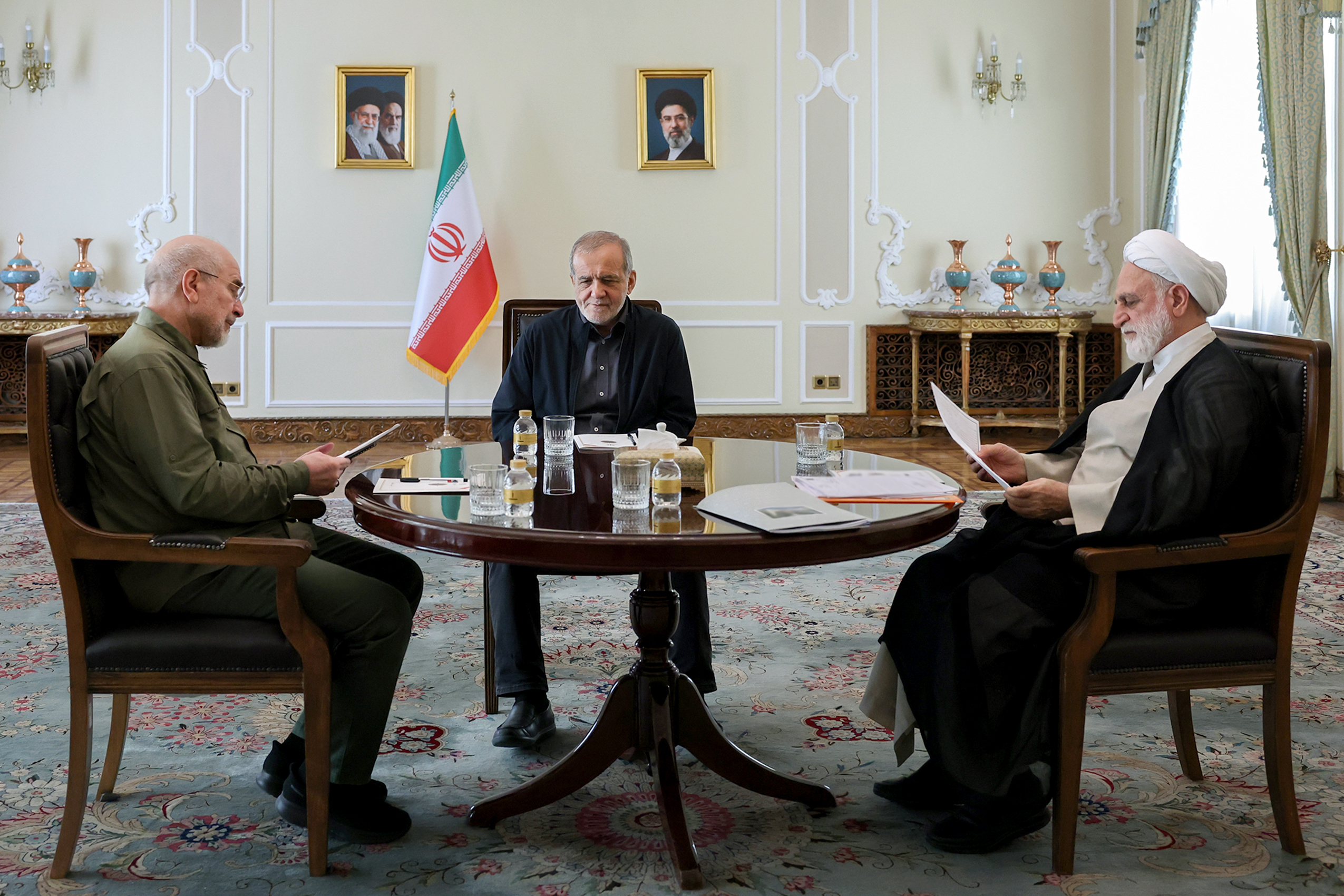
The Committee of Six and Strategic Decision Making in Iran
Remarks by Iran’s president offer a rare glimpse of how the Islamic Republic has adapted its decision making to the absence of its supreme leader.
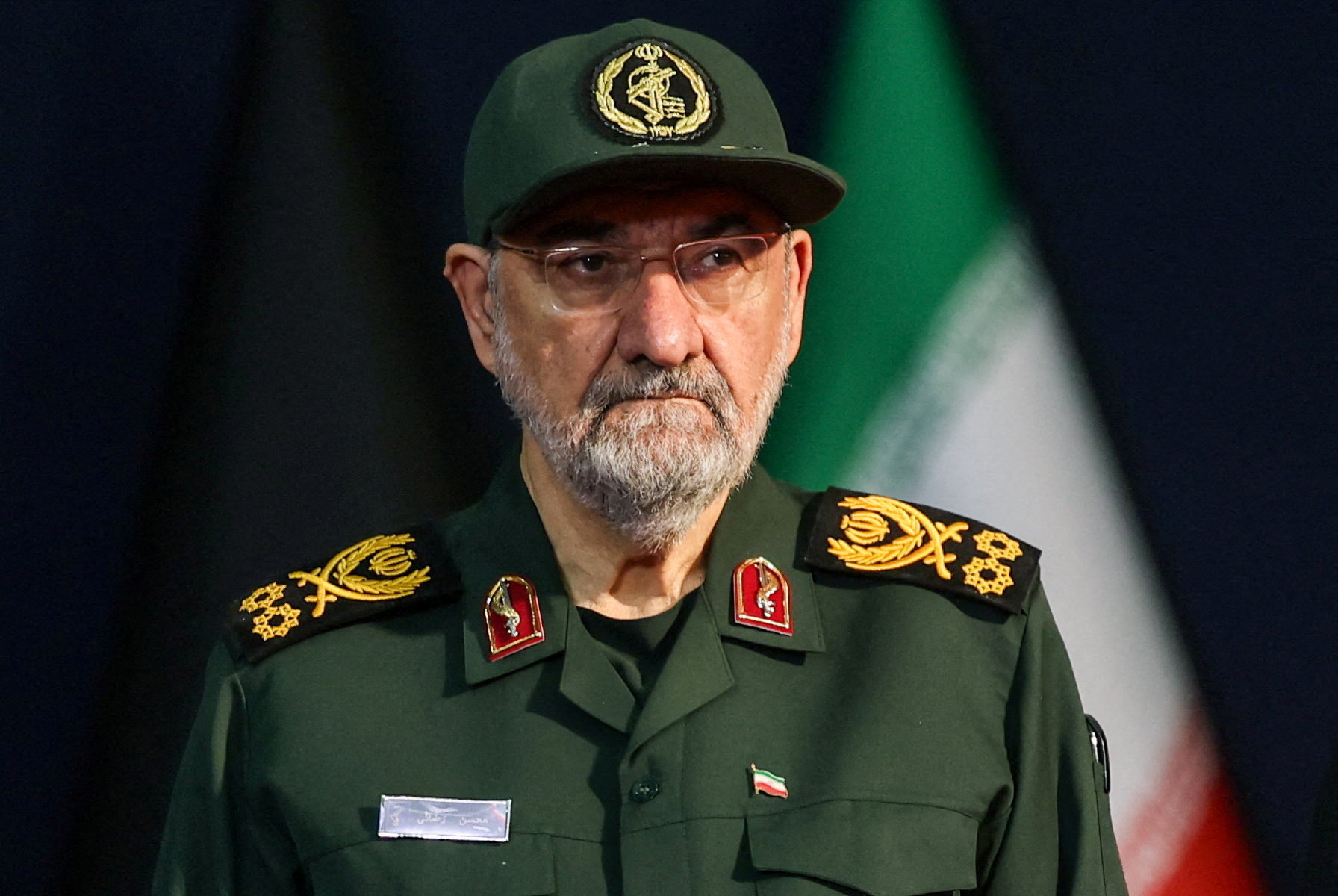
Mohsen Rezaei at the Helm of Iran’s Supreme National Security Council
Under Rezaei, the SNSC could prove constructive or paralyze strategic decision making.
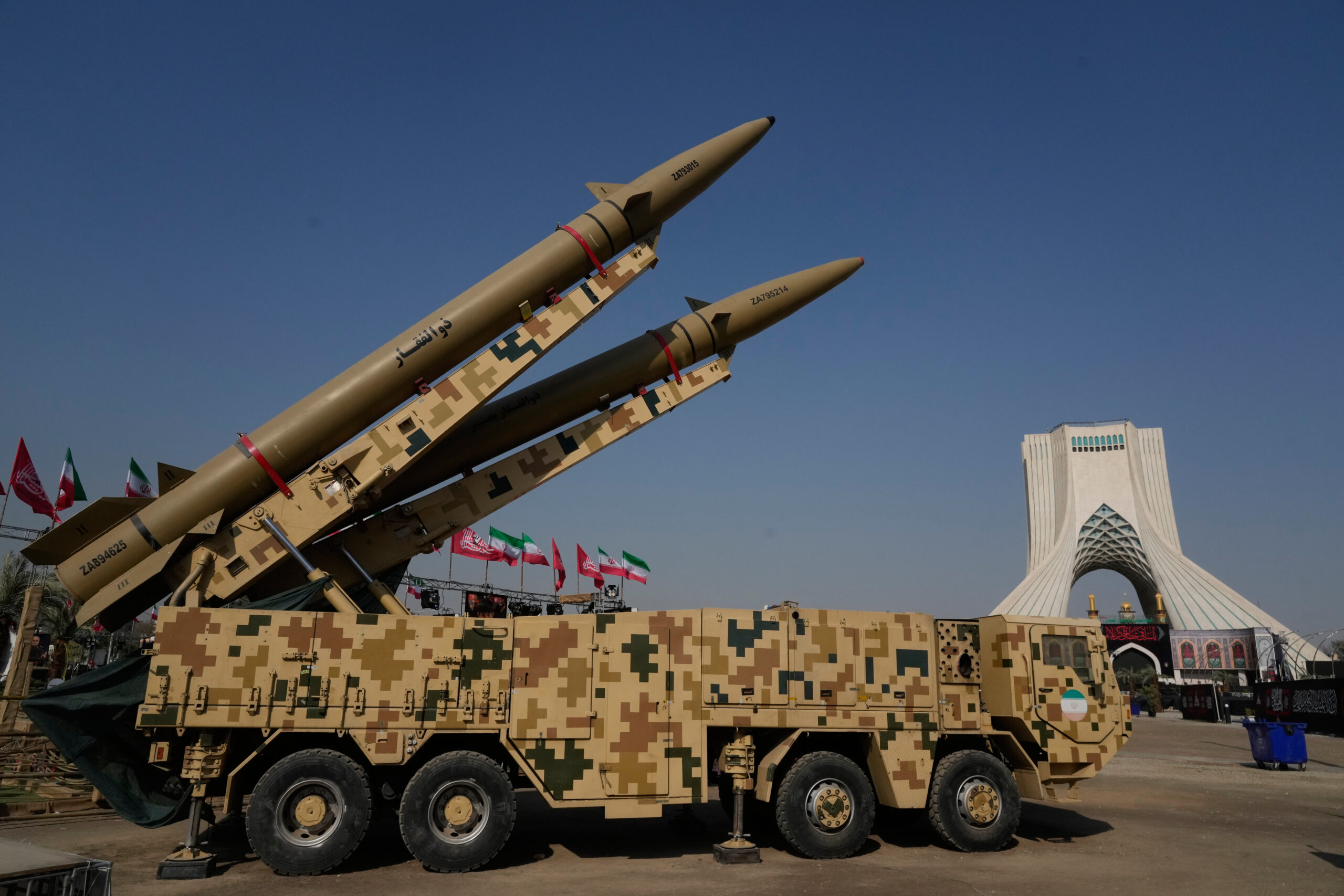
The Islamic Republic Returns to Offense
After U.S.-Israeli strikes killed Supreme Leader Ayatollah Ali Khamenei on February 28, Iran’s collective leadership has concluded that the best defense is a good offense.
Iran’s Collective Strategic Decision Making
Wartime pressure has temporarily aligned the leadership’s overriding interest in regime survival, even as its members continue to differ over the costs, methods, and ultimate objectives of the war.
Events
Oct 6, 2026
Is the U.S.-Iran Stalemate a “New Normal” or the Prelude to Another Explosion?
On October 6, AGSI hosted a discussion on the U.S.-Iran stalemate and the prospects for a cease-fire.
Speakers



Book Talk: Iran and the Bomb: The United States, Iran and the Nuclear Question
On June 16, AGSI hosted a discussion on the evolution of Iran's nuclear program.
Speakers
Apr 21, 2026
Inside Iran’s Wartime Leadership: Power, Succession, and Regime Stability
On April 21, AGSI hosted a discussion on the evolution of Iran's leadership during the war.
Speakers

Mar 18, 2026
In Its Conflict With the United States and Israel, Does Escalation Favor Iran?
On March 18, AGSI hosted a discussion on the escalation of the Iran war.
Speakers