Jun 11, 2026
Rafsanjani Jr. Urges Realism
The June 11 edition of the Iran Media Review considers an opinion piece written by a leading Iranian technocratic voice advocating for negotiation with the United States.

Parliamentary Speaker Mohammad-Bagher Qalibaf has emerged as the first among equals within Iran’s collective leadership. Meanwhile, Mohsen Hashemi Rafsanjani, son of the late President Ali Akbar Hashemi Rafsanjani, has assumed the mantle of leadership among the country’s technocratic elites, who are advocating for a negotiated resolution to the armed conflict between Iran and the United States.
- June 9: Mohsen Hashemi Rafsanjani, son of the late President Ali Akbar Hashemi Rafsanjani, wrote an opinion piece that was published in reformist Shargh:
- Part 1: “About 100 days have passed since the start of the ‘Ramadan war.’ Fortunately, a sense of Iran’s victory prevails among the people and across the world. Yet society remains concerned about war and peace, security and insecurity, poverty and prosperity. Under these circumstances, some of those who control the national media, official platforms, and the public space continue to beat the drum of struggle without negotiation, portraying negotiation as betrayal and disgrace. Of course, since the revolution, we have repeatedly witnessed the emergence of such voices and such a mindset in the country.”
- Part 2: “In the current circumstances, the fifth generation – largely led by television presenters, certain eulogists, and ultrarevolutionary figures on social media – regards the actions of previous generations as acts of betrayal and sees struggle without negotiation as the solution … The Iranian economy is in a deep crisis. At a time when, apart from the wealthiest 4% of society, not only the poor and vulnerable classes but also the middle class and even the relatively affluent are struggling with economic hardship, slogans cannot put food on people’s increasingly diminished tables. We have no choice but to shift our perspective from idealism to realism. Otherwise, we will lose the ability to resist and defend the country’s national rights. The objective must be the creation of lasting security.”
The views represented herein are the author's or speaker's own and do not necessarily reflect the views of AGSI, its staff, or its board of directors.
Related
Iran Media Review
Jun 9, 2026
Iran’s Elites Debate the Path Ahead
The June 9 edition of the Iran Media Review examines Iranian elites’ discourse about the future of conflict and negotiations with the United States.
Iran Media Review
Jun 5, 2026
Iran’s Struggling Automative Industry
The June 5 edition of the Iran Media Review highlights an Iranian newspaper’s report on the issues facing Iran’s automative industry.
Iran Media Review
Jun 2, 2026
Tehran Warns: War in Lebanon Means No Peace With Iran
The June 2 edition of the Iran Media Review analyzes Iranian messaging about the importance of a cease-fire in Lebanon for U.S.-Iranian negotiations.
Jun 9, 2026
Iran’s Elites Debate the Path Ahead
The June 9 edition of the Iran Media Review examines Iranian elites’ discourse about the future of conflict and negotiations with the United States.
Jun 5, 2026
Iran’s Struggling Automative Industry
The June 5 edition of the Iran Media Review highlights an Iranian newspaper’s report on the issues facing Iran’s automative industry.
Jun 2, 2026
Tehran Warns: War in Lebanon Means No Peace With Iran
The June 2 edition of the Iran Media Review analyzes Iranian messaging about the importance of a cease-fire in Lebanon for U.S.-Iranian negotiations.
Analysis
The Committee of Six and Strategic Decision Making in Iran
Remarks by Iran’s president offer a rare glimpse of how the Islamic Republic has adapted its decision making to the absence of its supreme leader.
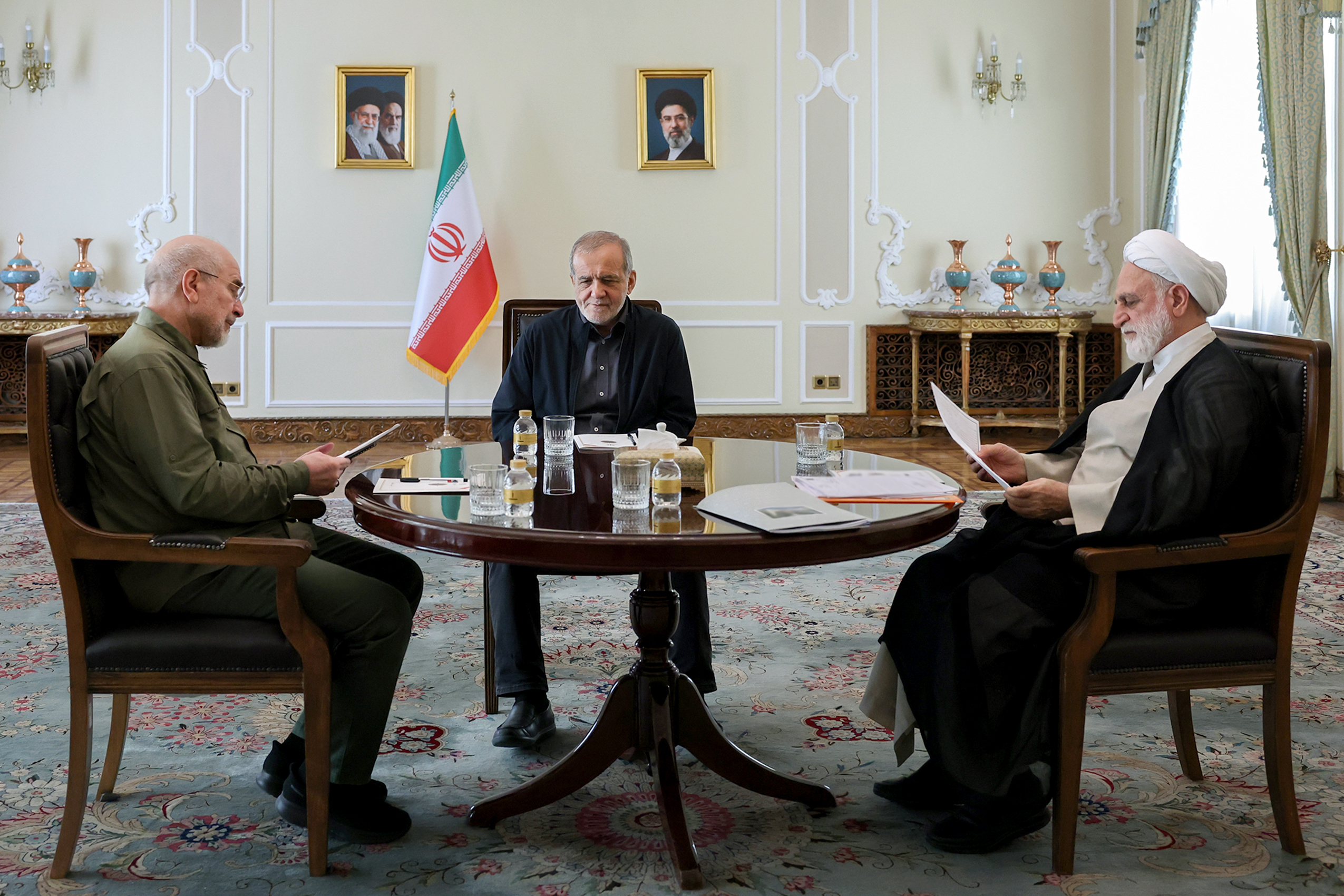
Mohsen Rezaei at the Helm of Iran’s Supreme National Security Council
Under Rezaei, the SNSC could prove constructive or paralyze strategic decision making.
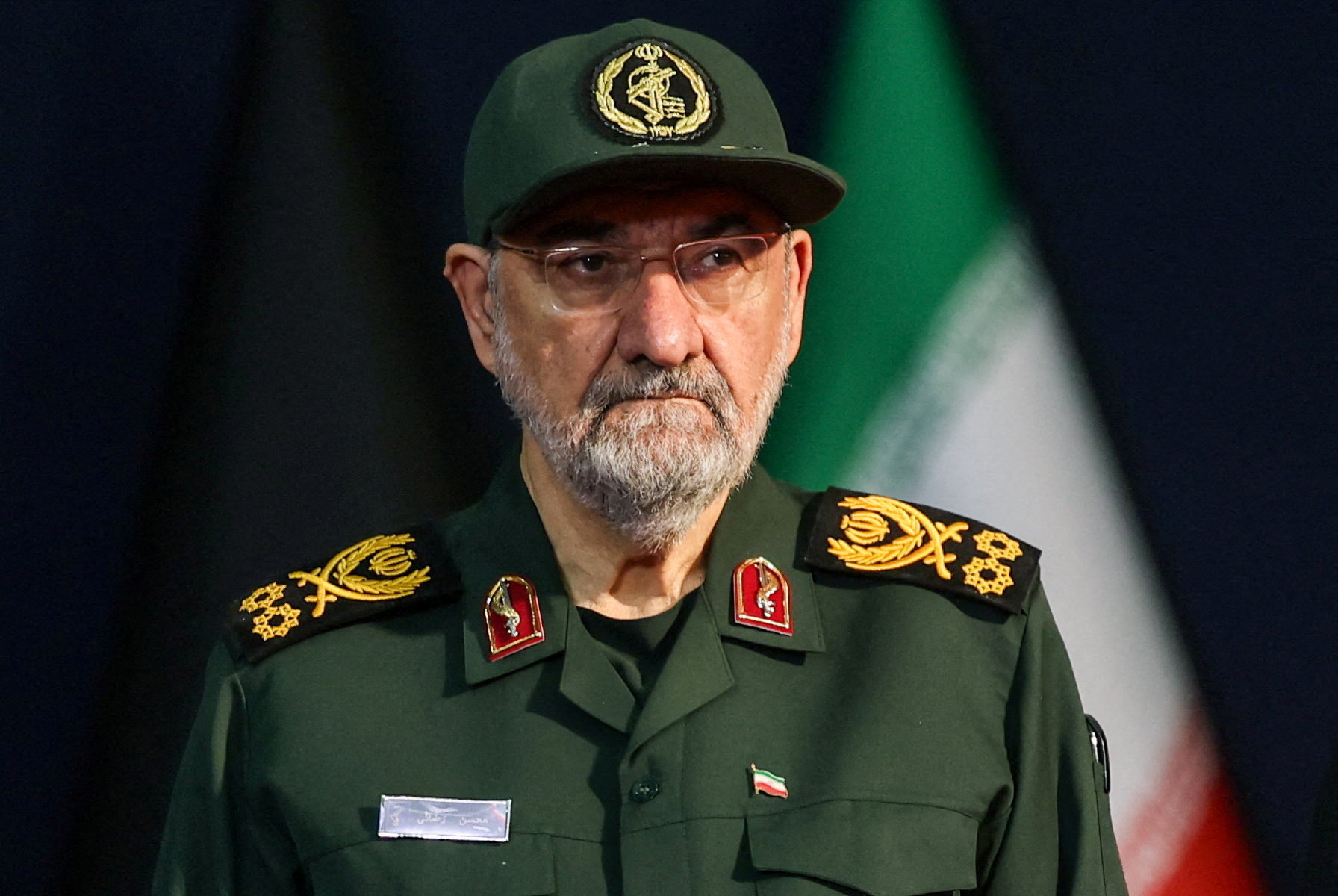
The Islamic Republic Returns to Offense
After U.S.-Israeli strikes killed Supreme Leader Ayatollah Ali Khamenei on February 28, Iran’s collective leadership has concluded that the best defense is a good offense.
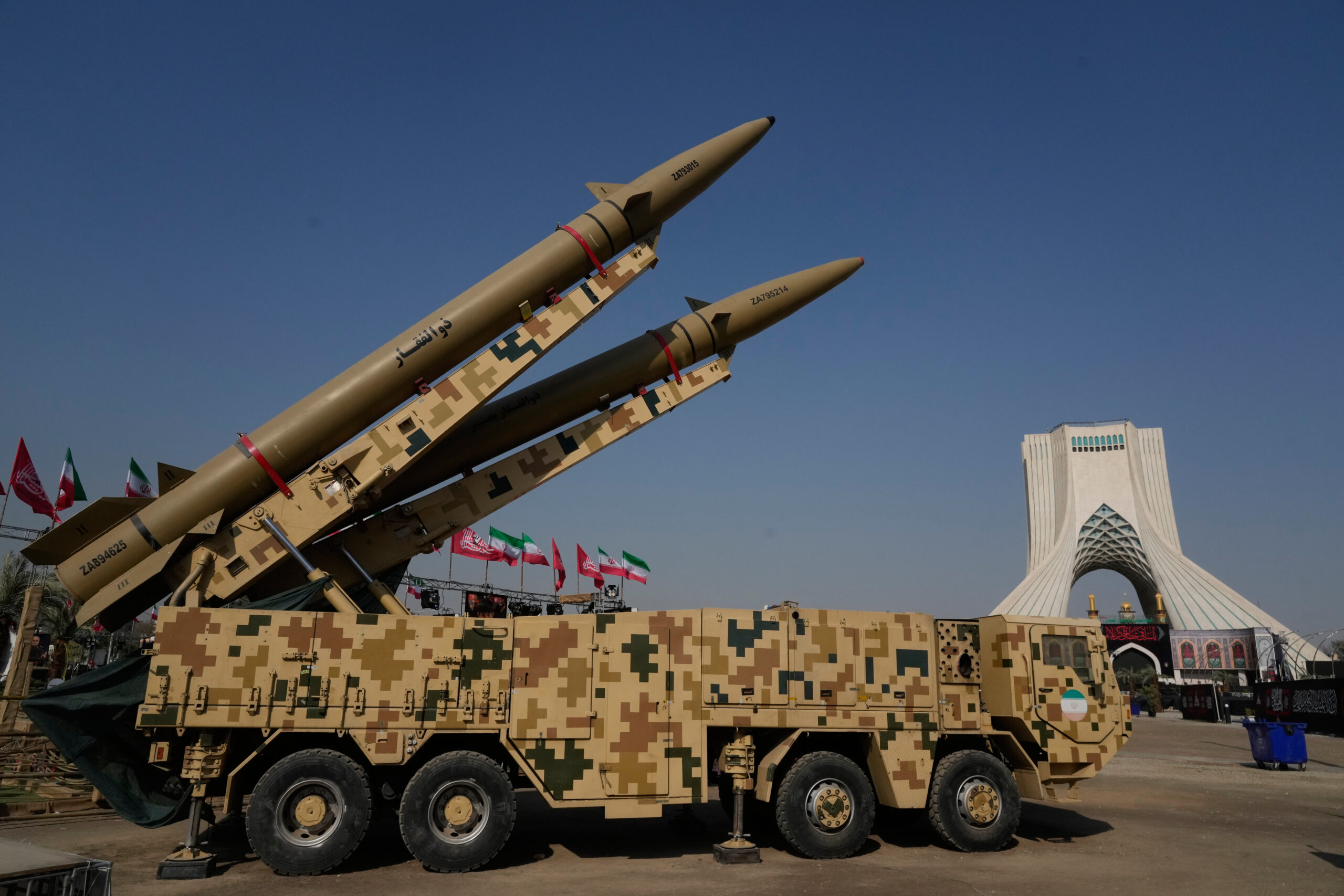
Iran’s Collective Strategic Decision Making
Wartime pressure has temporarily aligned the leadership’s overriding interest in regime survival, even as its members continue to differ over the costs, methods, and ultimate objectives of the war.
Events
Oct 6, 2026
Is the U.S.-Iran Stalemate a “New Normal” or the Prelude to Another Explosion?
On October 6, AGSI hosted a discussion on the U.S.-Iran stalemate and the prospects for a cease-fire.
Speakers



Book Talk: Iran and the Bomb: The United States, Iran and the Nuclear Question
On June 16, AGSI hosted a discussion on the evolution of Iran's nuclear program.
Speakers
Apr 21, 2026
Inside Iran’s Wartime Leadership: Power, Succession, and Regime Stability
On April 21, AGSI hosted a discussion on the evolution of Iran's leadership during the war.
Speakers

Mar 18, 2026
In Its Conflict With the United States and Israel, Does Escalation Favor Iran?
On March 18, AGSI hosted a discussion on the escalation of the Iran war.
Speakers