The region’s digital economy is poised to play a greater role in economic diversification strategies as crisis management measures give way to longer-term planning.
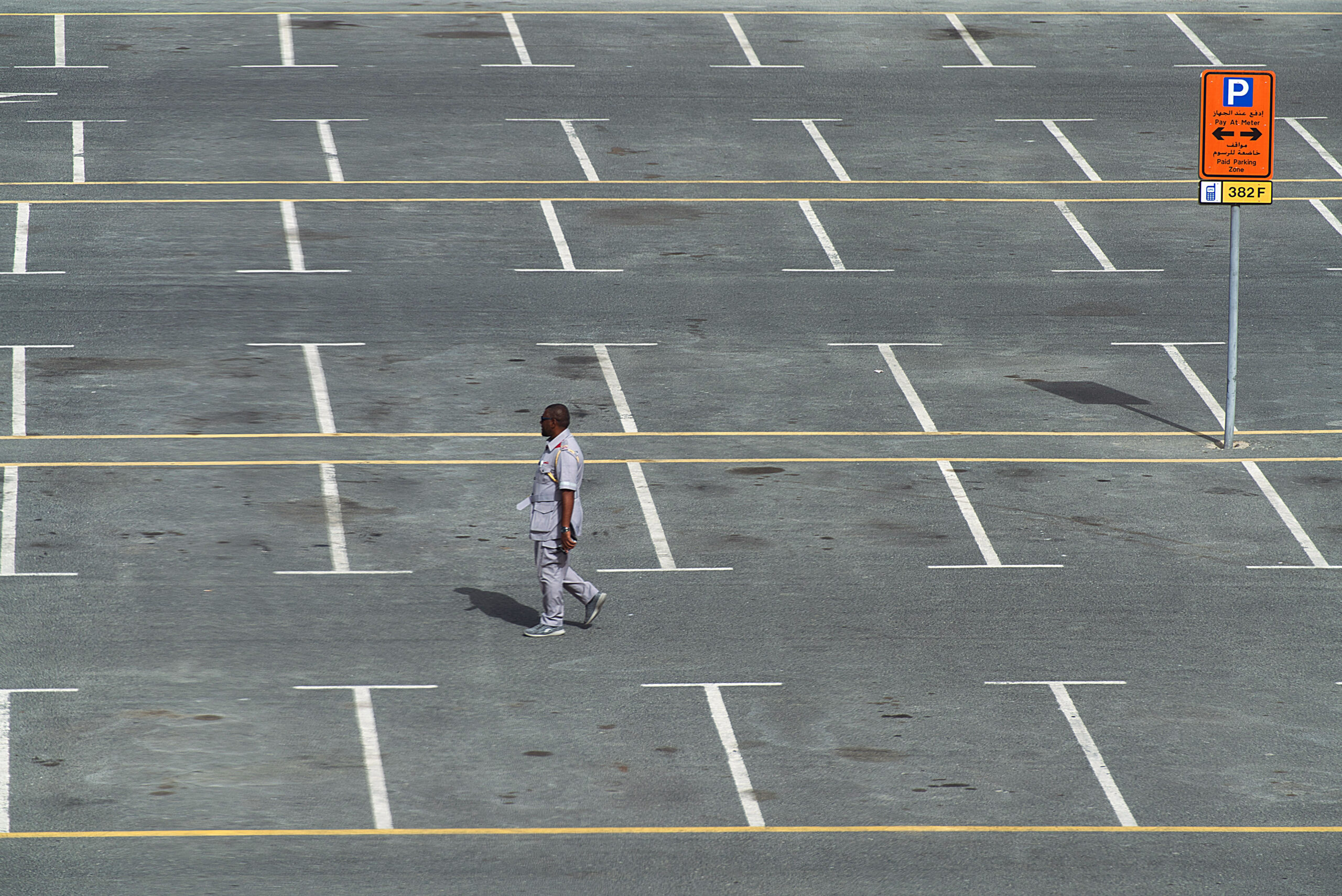
A parking lot attendant walks through a typically full parking lot now largely empty due to the coronavirus pandemic, Dubai, United Arab Emirates, March 16. (AP Photo/Jon Gambrell)
Gulf policymakers are bracing for the impact of oil prices sliding below $30 per barrel and surging coronavirus cases disrupting global markets. Many of the short-term, negative impacts on Gulf Arab states from both developments will be shared by countries across the globe. Yet the structure of Gulf Arab economies and the region’s economic development trajectory will complicate government efforts to rebound from these unprecedented and interrelated crises.
Economic diversification away from hydrocarbon revenue remains an ongoing, expensive process in the Gulf states. The high-priority, non-oil industries earmarked for diversification efforts rely heavily on the transnational flow of international visitors and physical goods. Like the oil industry, these segments of Gulf economies have experienced abrupt shocks and appear poised for a difficult 2020.
Governments have launched emergency stimulus packages to provide immediate economic relief to residents and firms as well as liquidity to financial institutions. However, longer-term spending strategies in the Gulf states must consider greater attention to economic diversification initiatives. Digital industries and other forms of remote service provision are likely to become central features of Gulf economic diversification plans once crisis management measures subside and longer-term economic planning resumes.
Elusive Diversification
Slow-moving, expensive processes of economic diversification away from hydrocarbon revenue have left Gulf Arab countries precariously dependent on a volatile energy sector. The collapse of the production agreement between the alliance of OPEC and non-OPEC producers, OPEC+, in early March sent oil prices, which were already in decline, plummeting. The price of Brent dropped from $58.80/bbl on February 20 to $24.67/bbl on March 18 – its lowest since 2003.
As Brent crude oil averaged $64/bbl in 2019, many Gulf Arab governments prepared 2020 budgets based on oil price assumptions ranging from $55/bbl to $60/bbl. With much lower prices, expected deficits are set to widen. Moreover, much of the crude exported from Gulf Arab states is destined for Asian countries, and some Gulf exporters are heavily dependent upon a single trading partner. Oman, for example, not only relies on oil and gas exports for nearly 72% of government revenue, but China also purchased between 75% and 95% of Omani crude oil exports in 2019.
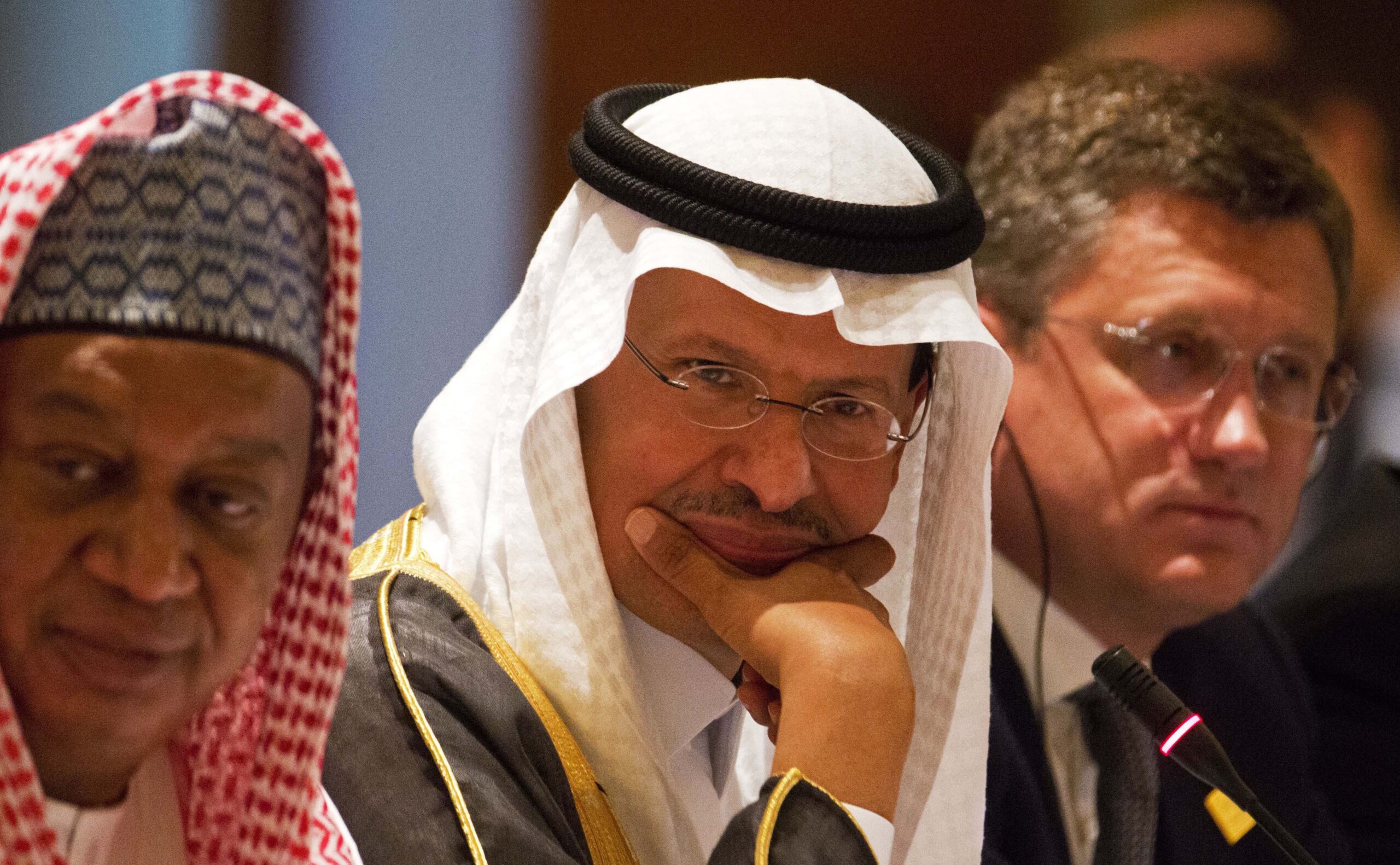
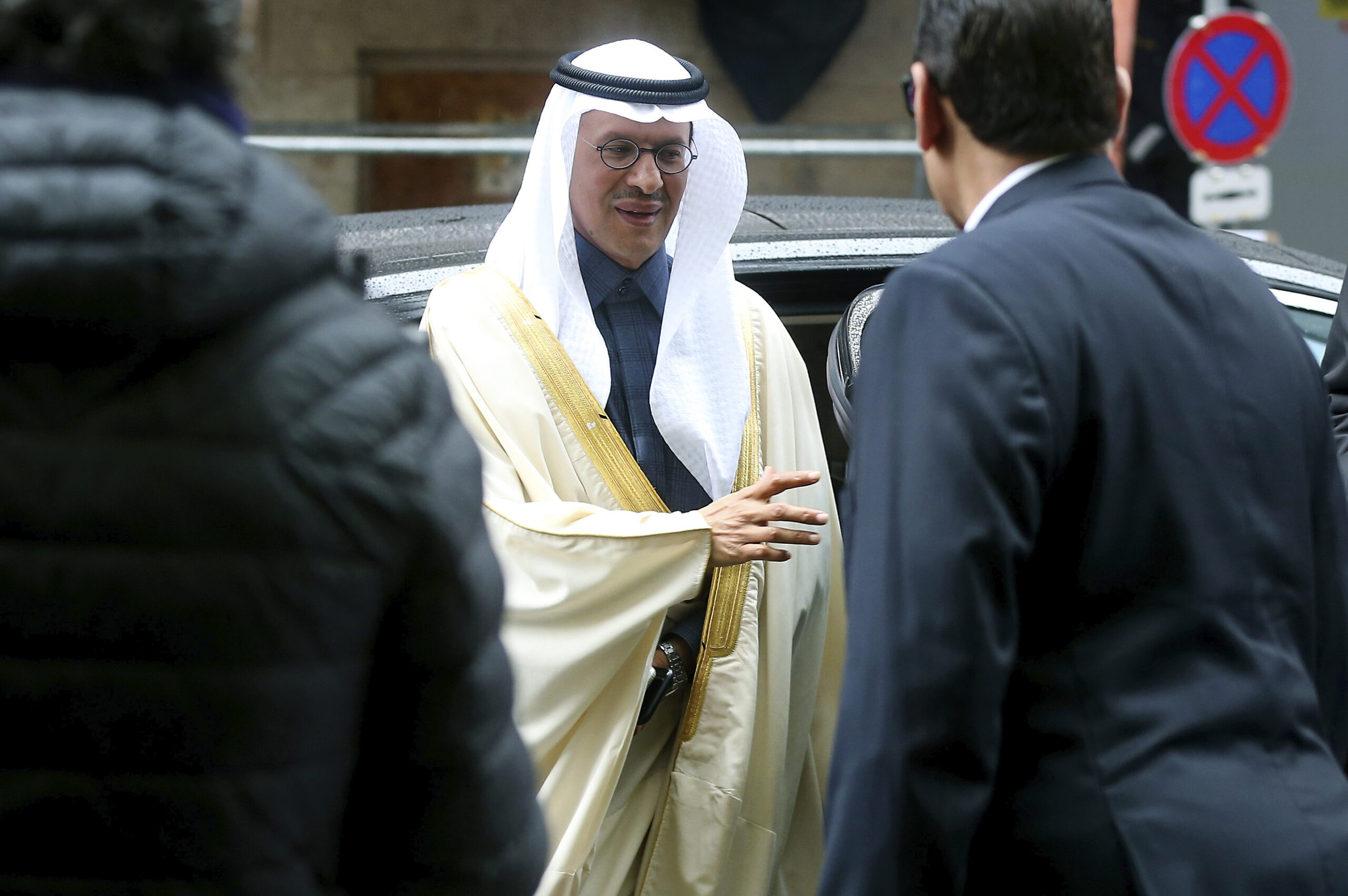
The share price of Saudi Aramco reached a low of $27.80 on March 16, a drop of nearly 27% from the firm’s peak share price of $38 in mid-December 2019. The Saudi government marketed the initial public offering of Saudi Aramco as the centerpiece of its ambitious economic transformation program, which involves capitalizing the Public Investment Fund and encouraging future privatizations of government entities. A declining Aramco share price leaves both the Saudi government – Saudi Aramco’s largest shareholder – and private investors vulnerable. Saudi Aramco’s chief financial officer said that the company was “very comfortable” with $30/bbl oil prices. But governments in Riyadh and neighboring Gulf Arab states are unlikely to find comfort in these oil prices.
The Gulf region’s non-oil industries offer little hope for a swift economic rebound. Many industries considered pillars of economic diversification in the region – including tourism and hospitality, aviation, and logistics – confront unprecedented challenges. The World Travel and Tourism Council expects the coronavirus outbreak to shrink world travel by 25% and put 50 million jobs at risk. Tourism accounts for an estimated 12% of the United Arab Emirates’ economy. Dubai’s hotel occupancy rates in February decreased by 9.4% and revenue per available room – a performance measurement calculated by multiplying the average daily room rate by the occupancy rate – dropped by about 23%. Abu Dhabi closed major tourist attractions, such as the Louvre Abu Dhabi museum and the Ferrari World theme park. Drastic measures to restrict the in-country movements of Gulf residents will hamper domestic tourism and local entertainment activities across the region.
Industries directly facilitating the physical movement of people and goods will likewise suffer. According to the International Air Transport Association, Gulf airlines could face revenue losses of $7 billion as a result of the outbreak. These estimates are likely to be revised upward as international transportation hubs in the region grind to a halt. Gulf airlines were already struggling. Abu Dhabi’s national carrier Etihad viewed losses of $870 million in 2019 as “encouraging,” following cumulative losses of $5.62 billion since 2016. Supply chains connecting Gulf economies with Asian and European counterparts are being disrupted, forcing Gulf-based logistics firms to reconfigure trading routes. Officials at ports, warehouses, and bonded zones expect significant decreases in cargo volumes.
Gulf governments swiftly rolled out economic stimulus packages to shore up their countries’ economies. The Saudi Arabian Monetary Authority announced $13.3 billion in spending to support the private sector, while the UAE’s central bank launched a $26 billion economic stimulus package. Individual emirates implemented additional fiscal measures. Abu Dhabi committed to fast-track key initiatives associated with Ghadan 21, a three-year, $13.6 billion program launched by the crown prince of Abu Dhabi; it also plans to create a new lending committee within the Department of Finance and offer a variety of subsidies and fee exemptions. Dubai’s crown prince, Hamdan bin Mohammed al-Maktoum, launched a $408.4 million stimulus to cushion the impact on the emirate’s residents and companies for three months.
Qatar announced a $20.5 billion package of financial incentives for the private sector and encouraged banks to offer a six-month grace period on loan payments. Bahrain’s central bank went one step further by mandating that the country’s banks and financial institutions offer six-month deferrals on installments for any borrowers impacted by the coronavirus. The Bahraini government’s plan for a $11.38 billion stimulus package represents nearly 30% of the country’s annual gross domestic product and would cover private sector salaries for three months. Oman’s central bank rolled out a $20.8 billion incentive package for the country’s financial institutions, while Kuwait’s Cabinet approved a draft law for $1.6 billion of funding for government agencies combating the coronavirus.
Long-Term Winners and Losers
Generous economic support packages and exemptions from government fees cannot continue indefinitely. In fact, Gulf Arab governments are simultaneously identifying opportunities for cutting spending. Saudi Arabia’s government reportedly requested that government agencies prepare proposals to cut at least 20% from their budgets, and the Saudi finance minister cut the state’s budget by $13 billion, or about 5%. The Ministry of Finance in Oman also cut 2020 budget allocations to government agencies by 5%. When allocating limited expenditures toward economic diversification initiatives, Gulf governments should refocus attention on industries that do not require large influxes of international visitors and foreign goods into Gulf countries.
The region’s digital economy is likely to emerge as the biggest winner when the dust settles from the coronavirus outbreak and oil prices stabilize. Industries that create digital value and offer remote services can serve as a hedge against future crises that restrict the transnational flow of people and goods.
Media production, financial technologies, and telecommunications reflect promising economic activities for renewed economic diversification efforts in the Gulf states. The UAE and Oman lifted restrictions on some applications permitting voice calls over the internet, potentially paving the way for greater commercial liberalization in Gulf telecommunications sectors – areas of regional economies typically dominated by state-owned firms. Digital free zones or virtual commercial cities, such as those pioneered by Dubai, present opportunities to generate revenue from a global consumer base.
The big losers are likely to be expensive, long-term development initiatives. Projects with hefty price tags, such as Saudi Arabia’s $500 billion Neom megaproject-cum-free zone or Kuwait’s $86 billion Silk City megaproject, seem fanciful under the current circumstances. Future phases of development may be scaled back or postponed.
Traditional approaches to economic diversification by the Gulf Arab states have left them with minimal maneuverability to confront the urgent economic challenges of 2020. The Gulf states cannot avoid the economic fallout from low oil prices and the coronavirus outbreak, but governments can take decisive steps to make their economies more resilient in the future.
The views represented herein are the author's or speaker's own and do not necessarily reflect the views of AGSI, its staff, or its board of directors.
Russia may be able to withstand more pain from the collapse in oil prices than other producers, but cooperation in global energy markets is only one pillar of Russian-Gulf ties.
A flurry of economic announcements and initiatives by the Omani government indicate a strong desire to sustain both reform progress and economic momentum amid potential headwinds.
U.S. authorizations for exporting advanced chips to the leading Gulf technology firms is sure to please regional authorities, who will push to broaden and accelerate technology collaboration with the United States.
When the Saudi crown prince meets President Trump in Washington, the main topics of discussion are likely to be commercial deals, a defense pact, a Saudi civilian nuclear program, and normalization with Israel.