The US-GCC summit meeting in Saudi Arabia next Thursday should prove an important milestone in the relationship, especially since it is intended to set the precedent of an annual head- of-state level summit into the foreseeable future. Last May, US president Barack Obama invited GCC leaders to Camp David, although not all of them attended....
President Barack Obama speaks at Cairo University in Cairo, Thursday, June 4, 2009. In his speech, President Obama called for a 'new beginning between the United States and Muslims', declaring that 'this cycle of suspicion and discord must end'.
Official White House Photo by Chuck Kennedy
The US-GCC summit meeting in Saudi Arabia next Thursday should prove an important milestone in the relationship, especially since it is intended to set the precedent of an annual head- of-state level summit into the foreseeable future.
Last May, US president Barack Obama invited GCC leaders to Camp David, although not all of them attended. The most important development from that summit for the Gulf states was the chronological and thematic structure established for conversations with Washington.
Various structures outlined what was going to be talked about, and when, dispelling the idea that US-GCC meetings would be ad hoc affairs designed to placate Arab concerns.
White House Middle East coordinator Rob Malley said on Friday that last year’s summit was designed not to “be a one-off event” or “a meeting for the sake of a meeting, but to launch a process in order to deepen the partnership”. He said that meetings will “be a hopefully regular process that will take place every year”.
It’s hard to overstate the importance of an annual leaders ‘summit between the US and the GCC for ensuring that Gulf concerns are heard in Washington at the highest level and on a regular basis. It will be much harder under such circumstances to feel isolated, ignored or abandoned by the United States, particularly given the actual scope of the continuing American presence in the Gulf region.
At this week’s summit, the Arab side will press for a stronger American commitment to battle Iranian misconduct in the region. The scope for an intensification of language on Iran, beyond last year’s statements after the Camp David summit and the Doha foreign ministerial meeting in August, arises mainly from Tehran’s recent aggressive ballistic missile tests. Moreover, countering Iran is one of three specific topics to be addressed at the summit, the other two being regional security and counterterrorism.
Gulf states may also receive confirmation of contracts for fighter jets and other military technology, and further steps to expedite weapons sales (which is proving resistant to streamlining).
Mr Obama will undoubtedly raise the issue of domestic social and political reforms in Gulf societies, which he views as essential to regional stability and stemming the rise of extremist groups.
He will also press for a shift of focus in Yemen away from combating the Iranian-backed Houthi rebels and their allies loyal to former president Ali Abdullah Saleh, and concentrating instead on combating Al Qaeda in the Arabian Peninsula (AQAP). Washington is reportedly considering backing a planned offensive in Yemen against AQAP, an initiative which is only the most recent indication that the coalition is preparing precisely such a shift of military focus in Yemen towards counterterrorism.
Washington will also be seeking Gulf support for anti-ISIL efforts in Libya, where the extremist group has reportedly doubled its fighter strength in the past year as it has been degraded in Syria and Iraq.
The United States is reportedly considering a range of military options against ISIL in Libya and will be seeking GCC support for, and participation in, those efforts.
Several Gulf states have, in the past, pressed for a treaty-based relationship with the United States, a formalised alliance beyond mere partnership. This has been ruled out because most Americans oppose any further binding military commitments in the Middle East. However, secretary of state John Kerry recently suggested that Nato, rather than the United States, might enter into some kind of formal arrangement with the GCC.
This might be difficult to establish in practice, because, the Peninsula Shield force notwithstanding, the GCC is not a military alliance as such, while Nato is strictly a military alliance. The exact nature of what the two sides could offer each other isn’t clear.
Indeed, the most that can be anticipated at this stage is a statement of intention to study the problem more closely, and perhaps a ministerial framework or dialogue structure in order to pursue the question.
Nonetheless, because the frayed trust between the two sides has been largely a matter of perceptions, given that the actual fundamentals of the relationship remain very strong – the American military presence, investments, diplomatic traffic and civil society engagement in the Gulf region are all at historically high levels – even such a gesture that is largely symbolic could prove highly significant to restoring confidence.
And even though there are serious, practical matters to be addressed and resolved at such summit meetings, their main value is precisely at the all-important political and diplomatic optical register.
Mr Obama’s damaging comments about Arab allies being “free riders” who need to “share” the Middle East with Iran, and his continued endorsement of a thus-far nonexistent “pivot to Asia” have exacerbated Arab doubts about American intentions arising from the nuclear deal with Tehran and the lack of a strong US policy on Syria.
Mr Obama now has a golden opportunity to clarify the actual strength of Washington’s continued commitment to the security and interests of its Gulf allies, and he surely will. Expect a successful meeting, and a genuinely important precedent, but no dramatic breakthroughs.
This article was originally published by The National.
The views represented herein are the author's or speaker's own and do not necessarily reflect the views of AGSI, its staff, or its board of directors.
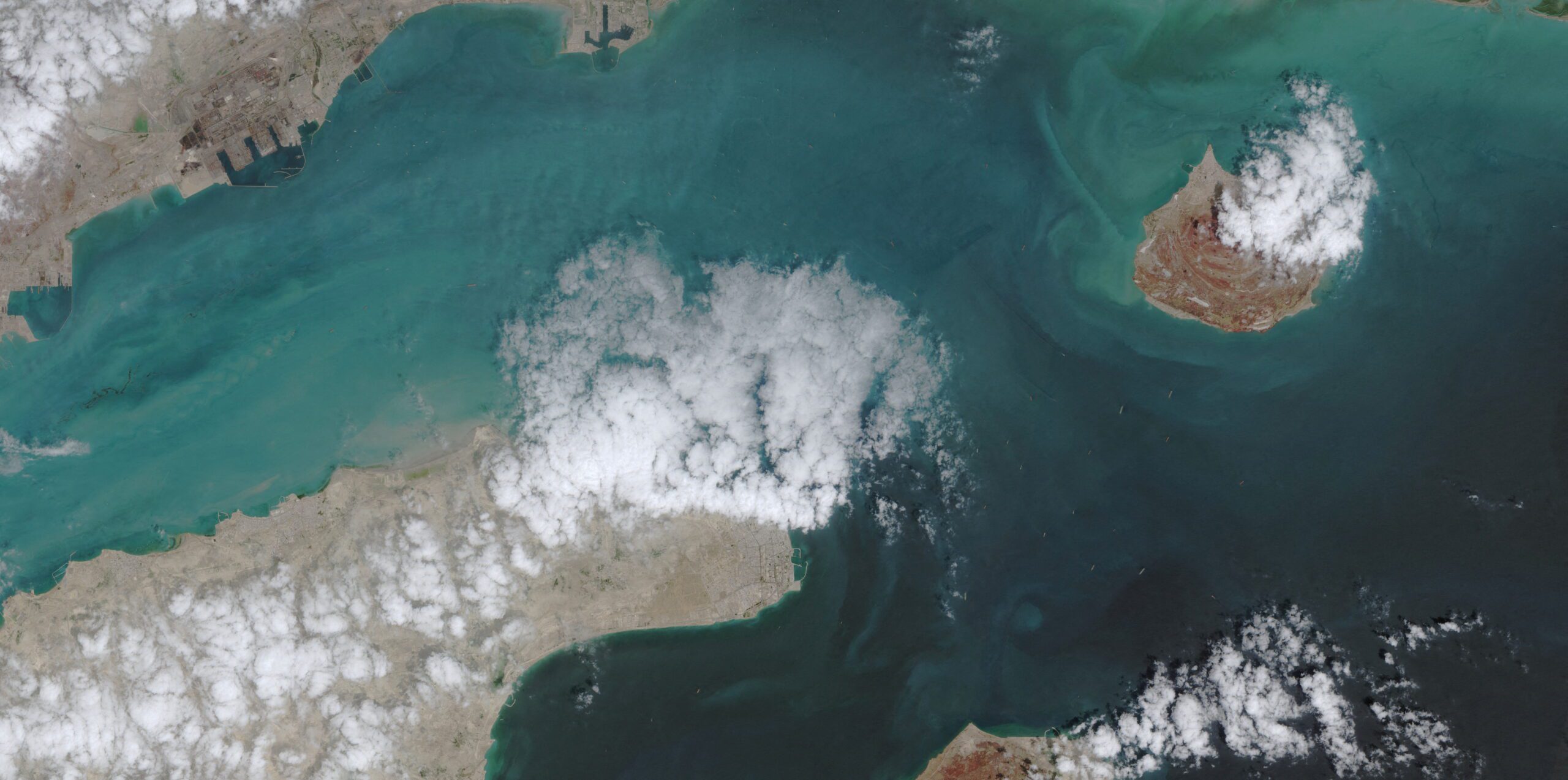
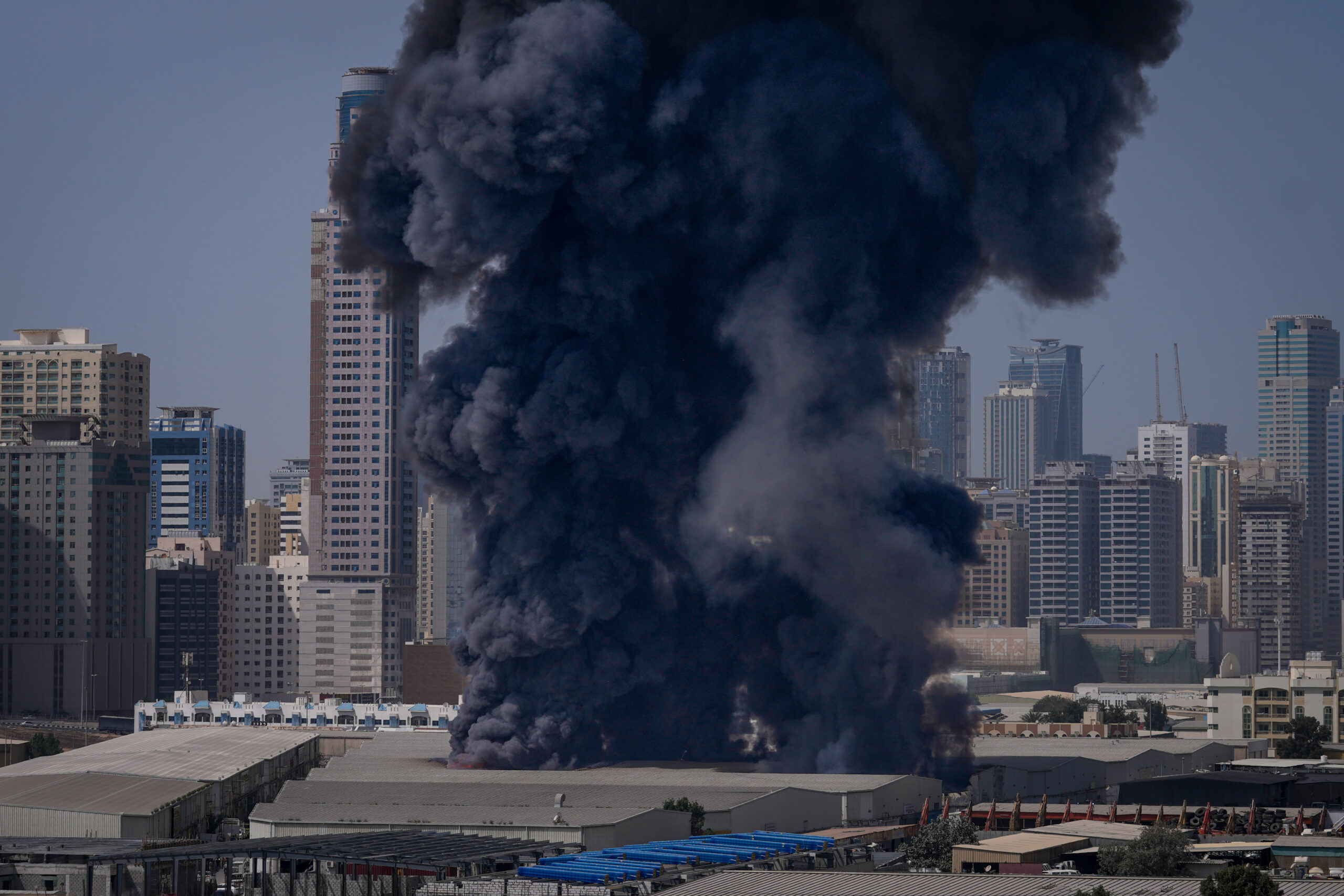
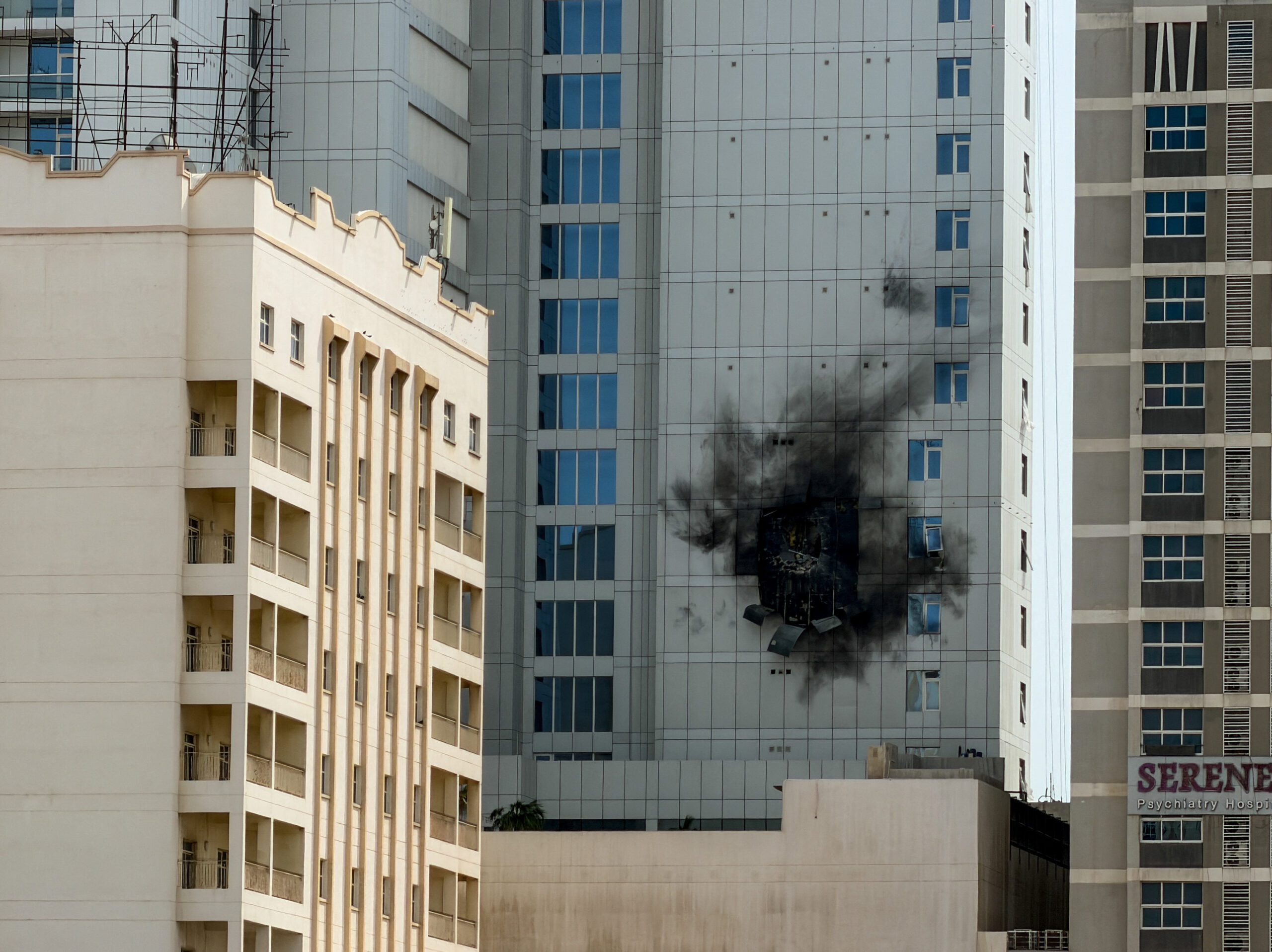
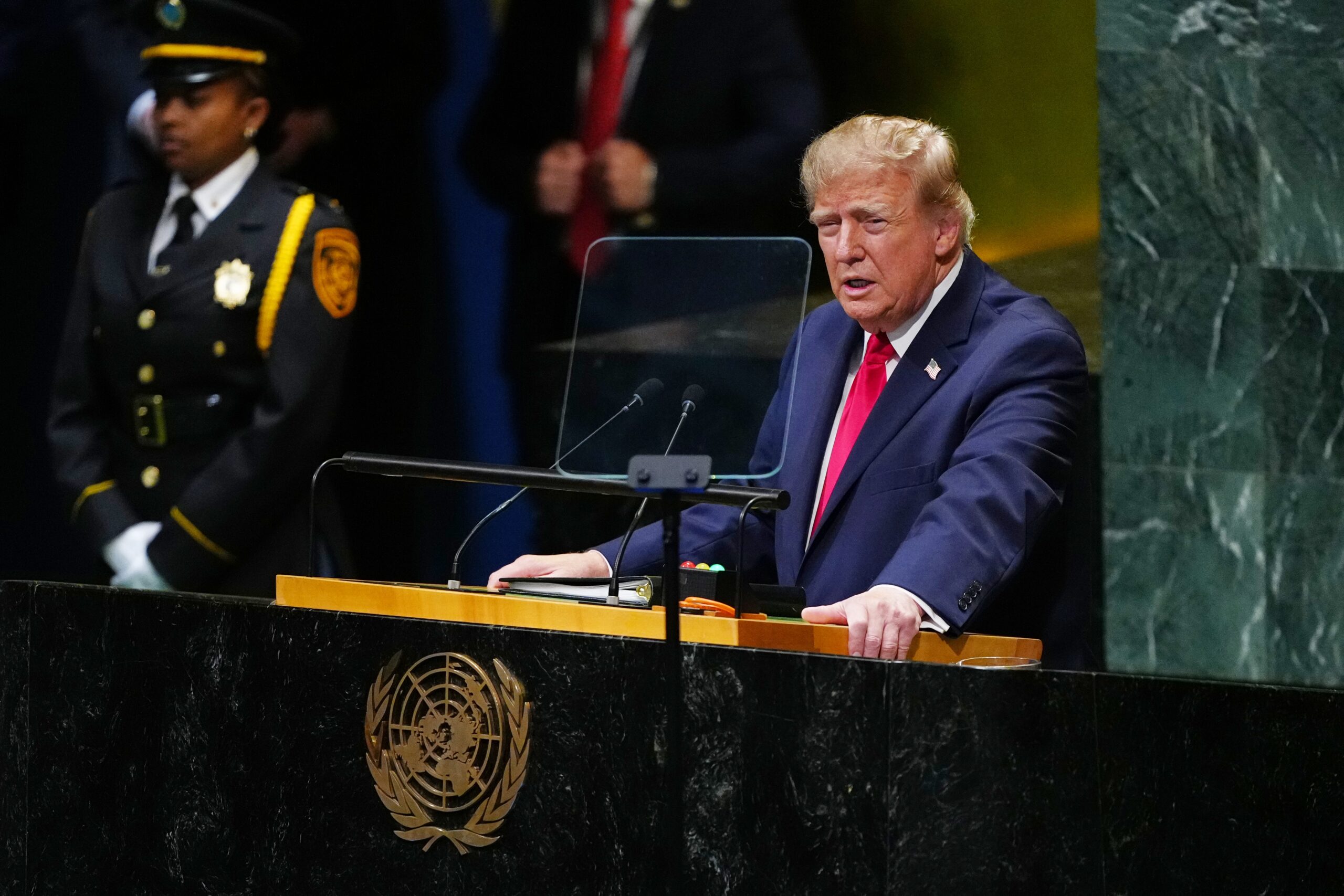
President Trump has led the United States into an impossible dilemma in which resuming and intensifying the war presents one set of alarming consequences while ending it under current circumstances offers at least as many disasters for Washington.
The Trump administration has positioned the United States at a crossroads between a new regime of containment against Iran or a historic drawdown of U.S. influence in the Gulf and broader Middle East.
Riyadh and Abu Dhabi urged President Trump not to attack Iran, but now that the war is into its second month, leaving the current situation in place would be an unthinkable fiasco for them.
Though they were unsuccessful in preventing the current conflict, and, as expected, have been dragged into the U.S.-Israeli confrontation with Iran, Gulf Arab countries remain crucial to hopes for limiting the war and bringing it to a quick resolution.











Apr 18, 2016
Obama and GCC leaders have a lot to talk about
The US-GCC summit meeting in Saudi Arabia next Thursday should prove an important milestone in the relationship, especially since it is intended to set the precedent of an annual head- of-state level summit into the foreseeable future. Last May, US president Barack Obama invited GCC leaders to Camp David, although not all of them attended....
4 min read