Kuwait’s New Emir: A Frank Speech Signals a Sharp Change in Direction
Kuwait's new emir, Meshal al-Ahmed al-Jaber al-Sabah, announces an end to the current populist terms of engagement with the Parliament, which seems to suggest a forceful corrective – and perhaps more domestic strife – to come.
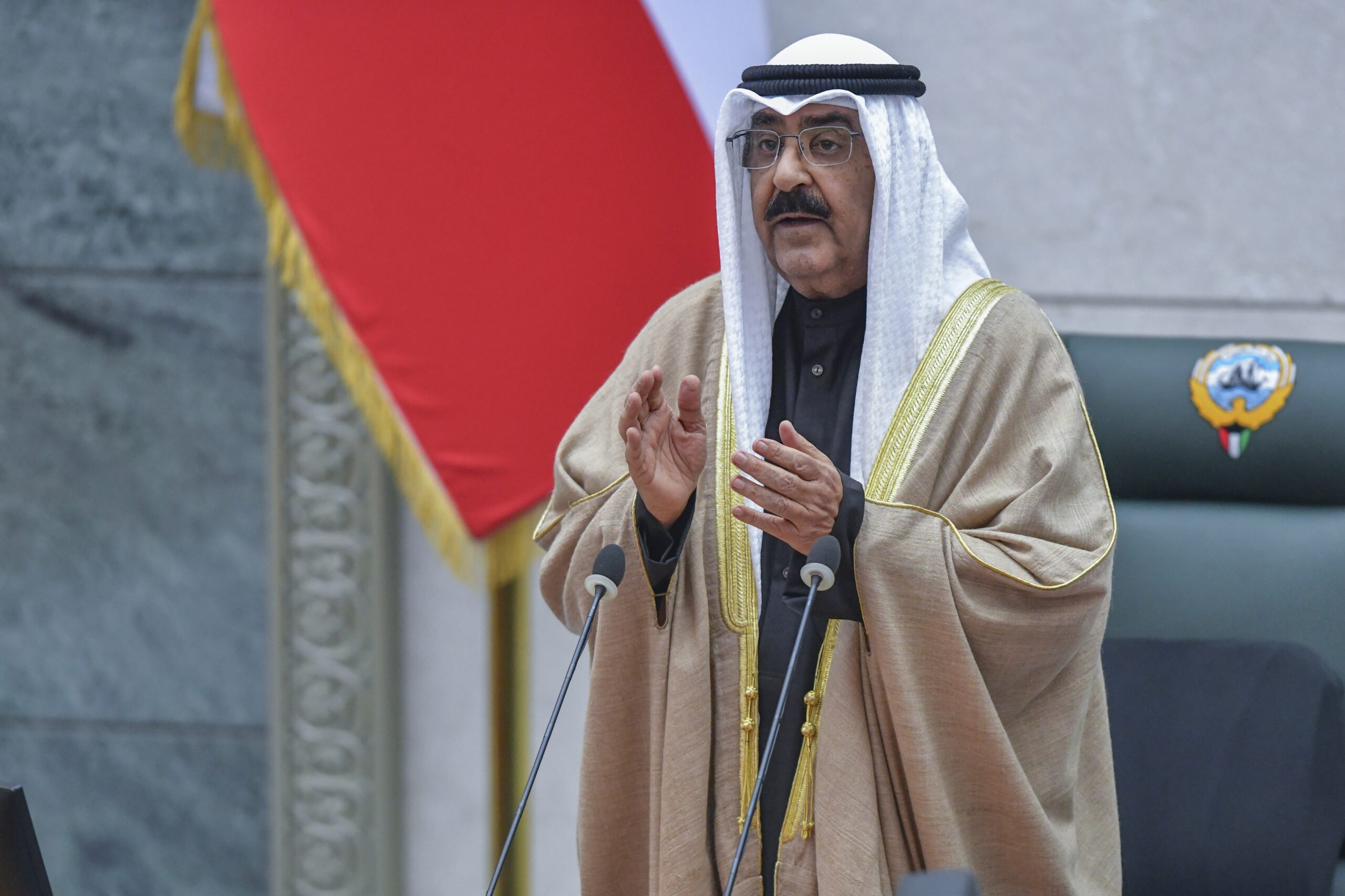
'The new emir of Kuwait, Meshal al-Ahmed al-Jaber al-Sabah, applauds during his oath ceremony at the National Assembly in Kuwait City, Kuwait, December 20, 2023. (AP Photo/Jaber Abdulkhaleg)'
On December 20, 2023, after a formal swearing in ceremony before the National Assembly, Kuwaitis were given a candid introduction to the new emir, Meshal al-Ahmed al-Jaber al-Sabah.
As crown prince, Meshal had been something of a cipher. Boxed in between an ailing emir and his proactive son appointed to head the government, Meshal served as loyal servant, diligently reading the speeches of his half-brother who had delegated to him the responsibilities of rule without all its powers. Kuwaitis were left reading tea leaves as to the beliefs of the reclusive heir apparent, known for his previous roles in security and intelligence. On his first opportunity to speak in his own voice, the new emir has made his views quite clear: He wants a sharp change in direction and a new government.
His speech contained a frank repudiation of both the current government, headed by Prime Minister Ahmed Nawaf al-Ahmed al-Sabah, and its cooperative dealings with the Parliament. His first act as emir was to accept the resignation of the prime minister, the son of the late emir, who many Kuwaitis had championed to be crown prince.
The End of the “New Era”?
The late emir, Nawaf al-Ahmed al-Sabah, had favored before all else national unity, championing a national dialogue and reconciliation with the many critics from the previous era of political activism. This approach, dubbed the “New Era,” had produced several waves of political amnesty pardoning former lawmakers living in self-imposed exile, citizens who had criticized the emir or other Gulf rulers, and, more recently, freeing prisoners, returning exiles, and restoring citizenship to many nationals who had seen their naturalization withdrawn under political sanction. Among those were members from the Al Shammar and Al Mutair tribes sentenced for election violations, dissidents living abroad, including prominent members of the ruling family, and imprisoned members of Kuwaiti Hezbollah.
This political reconciliation paved the way to near unprecedented cooperation with a Parliament known primarily for its unrelenting questioning of ministers and challenging of government agendas. Under the partnership of the venerable opposition leader, Speaker of Parliament Ahmed al-Saadoun, and the prime minister, the Parliament and government had been working through a full agenda. For the first time the legislative agenda had been agreed upon by a joint committee that merged 15 parliamentary priorities with 14 from the government to be considered this term.
Many important political reforms were initiated in this period, including the rehabilitation of activists and politicians sentenced for political crimes to allow them to hold jobs and run for political office. The Parliament’s legislative committee also proposed long-sought amendments to Kuwait’s electoral system to allow for political lists that would promote coalition building. These amendments were to be considered by the full Parliament on December 19 but discussion was delayed due to the death of the emir.
Many of the priorities announced during the term had a clear populist appeal, noteworthy given the emphasis of previous governments on reducing expenses. Legislation already passed or on the docket has included the raising of minimum salaries for retirees, increasing state employee salaries, abolishing real estate agencies, and reforming the public tenders law to remove the requirement for local commercial agents: a path that formed the basis of wealth for many powerful merchant families.
Indeed, this populist direction points to one very important constituency left out of this newly formed governing coalition: the merchant elite. Their absence, and growing resentment, was personified by the abandonment of the powerful former speaker, Marzouq al-Ghanem, himself the scion of a merchant family.
The willingness to take on these entrenched interests and founding elite of Kuwait was demonstrated in late November 2023 with the passage of legislation extending government oversight over a key merchant stronghold, the Kuwait Chamber of Commerce and Industry. The legislation is expected to open opportunities for young people within its administration and to empower small enterprises, which was underlined by the removal of the chamber from the Industry Authority Council and its replacement by the Small Enterprise Fund.
The New Emir’s Rebuke
The death of the emir throws this unprecedented government-parliamentary cooperation and populist direction into doubt. The new emir wasted no time in voicing his dissent. He did not mince his words in his speech before a silenced National Assembly, accusing the legislative and executive authorities of “cooperating and agreeing to harm the interests of the country and the people.” He specifically took aim at the race to rehabilitate those convicted of political crimes as “best evidence” of this harm, accusing the two authorities of conspiring to give this a sheen of legitimacy, despite its “programmed absurdity.” He noted his decision to issue a decree freezing all government appointments, promotions, and transfers, presumably to stop their abuse in this political bargaining.
The speech also provided some hints of the future policy direction of the emir. His repeated invocation of the importance of preserving “Kuwaiti identity” and “true citizenship” of those who are loyal to the country reveals the dim view he takes of many in the opposition and of any effort to expand naturalizations. His emphasis on the need for development through “responsible monitoring, objective and serious accountability within the framework of the constitution and the law” reinforces the impression of him as unyielding in pursuing order and his vision of national unity. This might entail revamping the government bureaucracy, a project he had already initiated, perhaps in partnership with the business elite, and showing little tolerance for political infighting from Parliament.
The Next Heir Apparent
The new emir’s measures and preferences will influence not only Kuwait’s policy direction but also the question of future rule. One interpretation of the accelerated populism of the recent era is that it represented an outside bid for leadership by the son of the late emir, the prime minister, Ahmed Nawaf. The cultivation of popular and parliamentary good will makes sense in the context of Kuwait, where the Parliament has a constitutional role in succession: A majority vote is needed to approve the emir’s chosen appointment for crown prince. The populist strategy of the outgoing prime minister extended beyond the Parliament to coalition building within the ruling house, with the return to government of Ahmed al-Fahd al-Sabah as minister of defense. The former deputy prime minister and minister of oil has long been a favorite of Kuwait’s populist opposition. Ahmed al-Fahd has cultivated strong ties to tribes, drawing upon the revered status of his father who died defending Dasman Palace during the Iraqi occupation, and his deep – and controversial – involvement in both domestic and international sports governance to garner popularity. His orchestrated return to Kuwaiti politics sought to strengthen the popular credentials of the prime minister – and perhaps his own bid as a future ruler.
Ahmed al-Fahd has long been enmeshed in a generational rivalry with former Prime Minister Nasser al-Mohammed al-Ahmed al-Sabah; though Ahmed al-Fahd is 20 years younger, both are nephews of the Al Jaber rulers. Nasser al-Mohammed holds the benefit of a long career in government service within the Foreign Ministry serving as ambassador to Iran and Afghanistan and within the royal court before serving as prime minister from 2006-11. He also has seniority by age, an important norm in succession. However, his leadership of government was cut short in controversial fashion, effectively forced from office by popular mobilization over his alleged payouts to members of parliament. Ahmed al-Fahd had a hand in bringing Nasser al-Mohammed down, with his own actions earning him prosecution in Kuwait and exile from the country. The ruling ambitions of both seemed damaged by the rivalry: Ahmed al-Fahd by his prosecutions both at home and on corruption charges in his sporting career abroad, Nasser al-Mohammed by his own association with government corruption and his deep unpopularity with a Parliament still weighted with populists.
The new emir may look to bypass both and turn from the troublesome decade of rivalry within the ruling house. If a generational transition is to be made in the Al Sabah ruling family, ultimately the emir may prefer to bring in his own son: Ahmed al-Meshal. He currently holds the position of head of government performance monitoring with a rank of minister. This position may be elevated to a prominent role if the new emir does indeed pursue a strategy of cleaning up government. Yet building support for the younger and less experienced Ahmed al-Meshal will take time. Constitutionally the emir has a year to appoint his crown prince. However, judging by recent history and considering the emir’s advanced age, this may not be acceptable. This suggests that an interim or perhaps consensus building candidate may be needed to build internal support for such a transition. Among those who he might turn to apart from Nasser al-Mohammed, is former Deputy Prime Minister and Foreign Minister Mohammed Sabah al-Salem, or Ahmed al-Abdullah, who served as head of the court of Meshal al-Ahmed while crown prince and was recently appointed the emir’s legal representative.
More Trouble With Parliament Ahead
The early praise of the new emir celebrates an “era of renewal” stressing his firmness and the need for obedience. Whether a reflection of his temperament or policy agenda, this emphasis on order suggests the short-lived peace with the Parliament – enabled through its political empowerment and populist agenda – is at an end. What is less clear is how this will be managed. The release of statements by members of parliament and signed petitions by civil society organizations, such as the Kuwait University Faculty Association, calling for adherence to the constitution highlight anxieties from some that the constitutional order may be under threat. Ultimately, governing Kuwait requires ruling coalitions, within the ruling family and society at large. There are many Kuwaitis who would celebrate a stronger hand to force through nation building and a development agenda. Yet the new emir has more experience and reputation in the security sector than managing the economy or brokering political interests, which may suggest difficult days ahead.
The views represented herein are the author's or speaker's own and do not necessarily reflect the views of AGSI, its staff, or its board of directors.
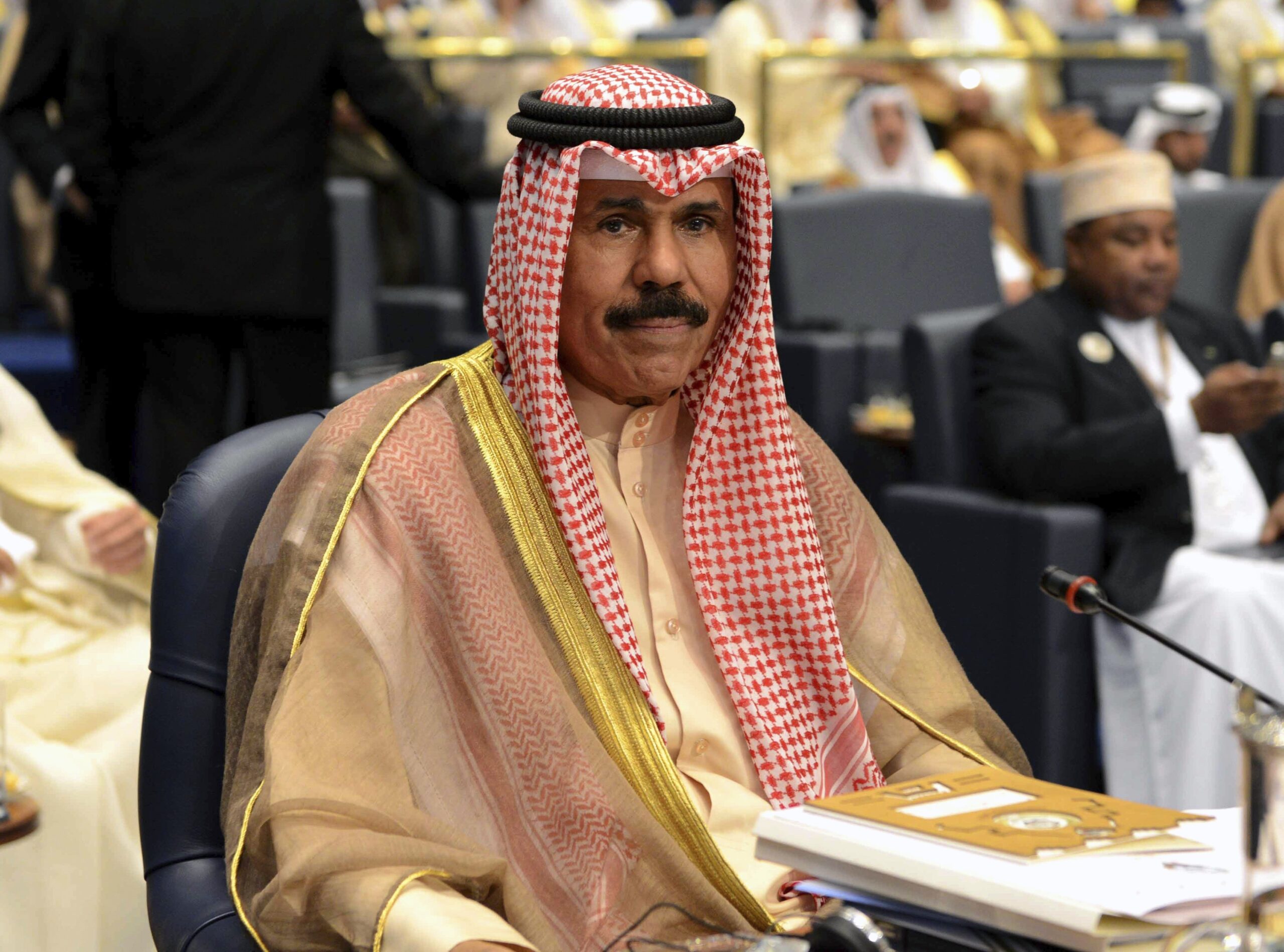
Nawaf al-Ahmed al-Sabah’s six-decade career was colored by a conciliatory approach, which was evident in his final post as Kuwait’s emir through deploying an unprecedented political reset and administrative overhaul.
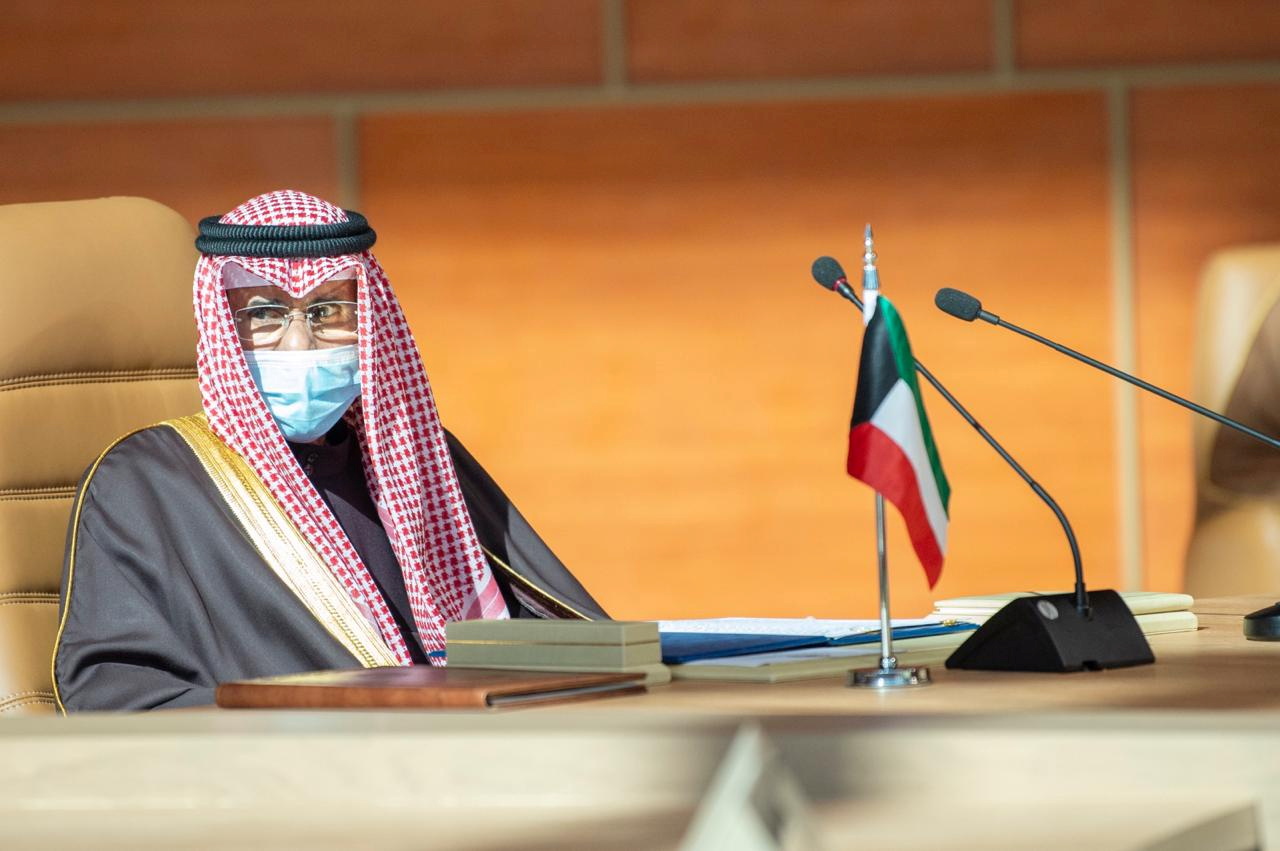
Kuwait’s “new doctrine” has the potential to usher in a new era. It can either lead to radical change for the better, further decay, or entrenchment of the deadlocked status quo.
The imperative for Gulf states to unify their position has grown since the onset of Iranian attacks on their countries. Yet under conditions of uncertainty about the U.S. position and the war's outcome, Gulf states are demonstrating differing regional alignments and preferences for managing the crisis.
Caught between Iranian strikes and U.S.-Israeli pressure to join the fight, Gulf Arab states strive to maintain their autonomy over decision making, playing defense and preserving the space to maneuver when the war ends.
When the Saudi crown prince meets President Trump in Washington, the main topics of discussion are likely to be commercial deals, a defense pact, a Saudi civilian nuclear program, and normalization with Israel.
On January 8, AGSI hosted a virtual roundtable with its leadership and scholars as they look ahead and assess trends likely to shape the Gulf region and U.S. foreign policy during the coming year.