Oct 31, 2024
New Data Paints a Rosier Picture of Saudi Foreign Direct Investment Inflows
Revised data suggests that FDI into the nonhydrocarbon sector in Saudi Arabia has been on an upward trend since 2020.

The Ministry of Investment has published revised estimates for foreign direct investment into Saudi Arabia during 2021-23. FDI inflows are now estimated to have been significantly higher in 2023 at $26 billion compared to the previous estimate of $19 billion. Data for 2021 was also revised upward, while data for 2022 was revised slightly downward. The ministry has not provided an explanation for these revisions. It seems likely, however, that at the time of the release of the preliminary estimate for 2023 in June, the financial reports for some large investors were not available and the revised estimates are now incorporating these missing reports. The reasons for the 2021 and 2022 data revisions are less obvious.
The revised data suggests that FDI into the kingdom has been on an upward trend since 2020 once Saudi Aramco’s sales of stakes in an oil and gas pipeline to foreign investors in 2021 and 2022 are excluded (the exclusion of these transactions gives a rough estimate of FDI into the nonhydrocarbon sector). The previous data had indicated that FDI into the nonhydrocarbon sector had been little changed in 2023 relative to 2022.
About one-third of the FDI inflows in 2023 were into the manufacturing sector, with most of the rest going into financial services, construction, and retail/wholesale trade. The United Arab Emirates, France, and the United Kingdom were the three biggest source countries for FDI into Saudi Arabia in 2023, while the United States, the UAE, and the U.K. were the three biggest investors in terms of the outstanding stock of FDI at the end of the year. Interestingly, China does not rank highly either in terms of the 2023 inflow (13th) or outstanding FDI stock (10th).
Given the improvements that have been made in the investment environment in recent years and the incentives that are being provided to foreign investors, the upward trend in FDI into the nonhydrocarbon sector in recent years is not surprising and is likely to continue. However, in the absence of an explanation from the Ministry of Investment, it is difficult to have full confidence in the revised data. Given the size of the revisions to the data and the importance that the government and investors attach to trends in FDI, the ministry should move quickly to explain the reasons for the revisions.
The views represented herein are the author's or speaker's own and do not necessarily reflect the views of AGSI, its staff, or its board of directors.
Related
Saudi Economic Spotlight
Aug 7, 2024
High Dividend Payments Continue to Drain Saudi Aramco’s Liquid Assets
Aramco’s high dividend payout may not be sustainable, and any decline in dividend payments would adversely affect the government budget and Public Investment Fund.
Saudi Economic Spotlight
Aug 6, 2024
Strong Spending Growth Likely to Result in a Larger Government Budget Deficit
Fiscal data for the first half of 2024 suggests that the government fiscal deficit will be larger than budgeted due to continued strong spending growth.
Aug 7, 2024
High Dividend Payments Continue to Drain Saudi Aramco’s Liquid Assets
Aramco’s high dividend payout may not be sustainable, and any decline in dividend payments would adversely affect the government budget and Public Investment Fund.
Aug 6, 2024
Strong Spending Growth Likely to Result in a Larger Government Budget Deficit
Fiscal data for the first half of 2024 suggests that the government fiscal deficit will be larger than budgeted due to continued strong spending growth.
Analysis
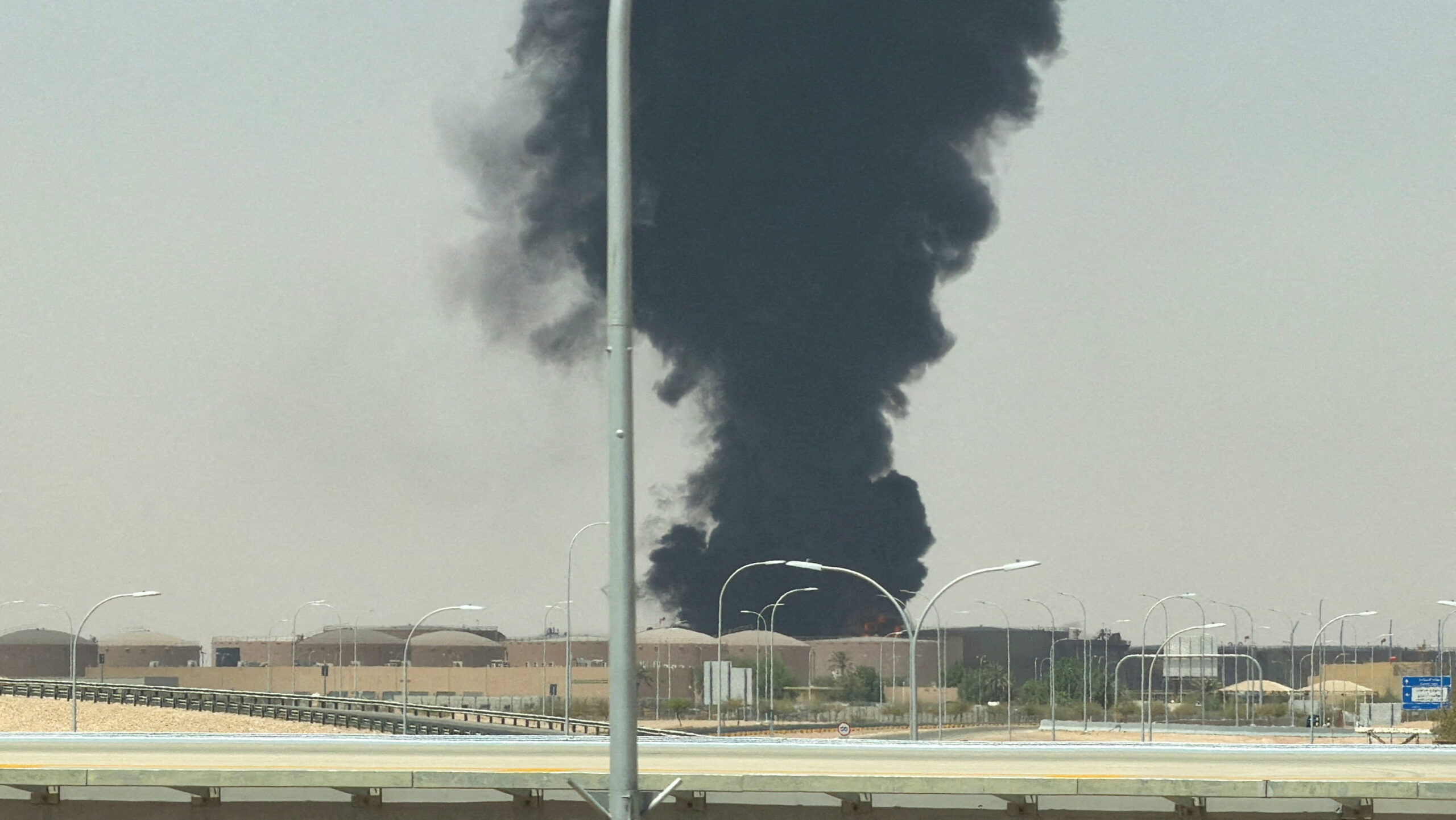
Saudi Economic Recovery Delayed by New Threats
Attacks on the East-West oil pipeline and other targets in Saudi Arabia will result in a larger-than-expected economic contraction in the kingdom this year.
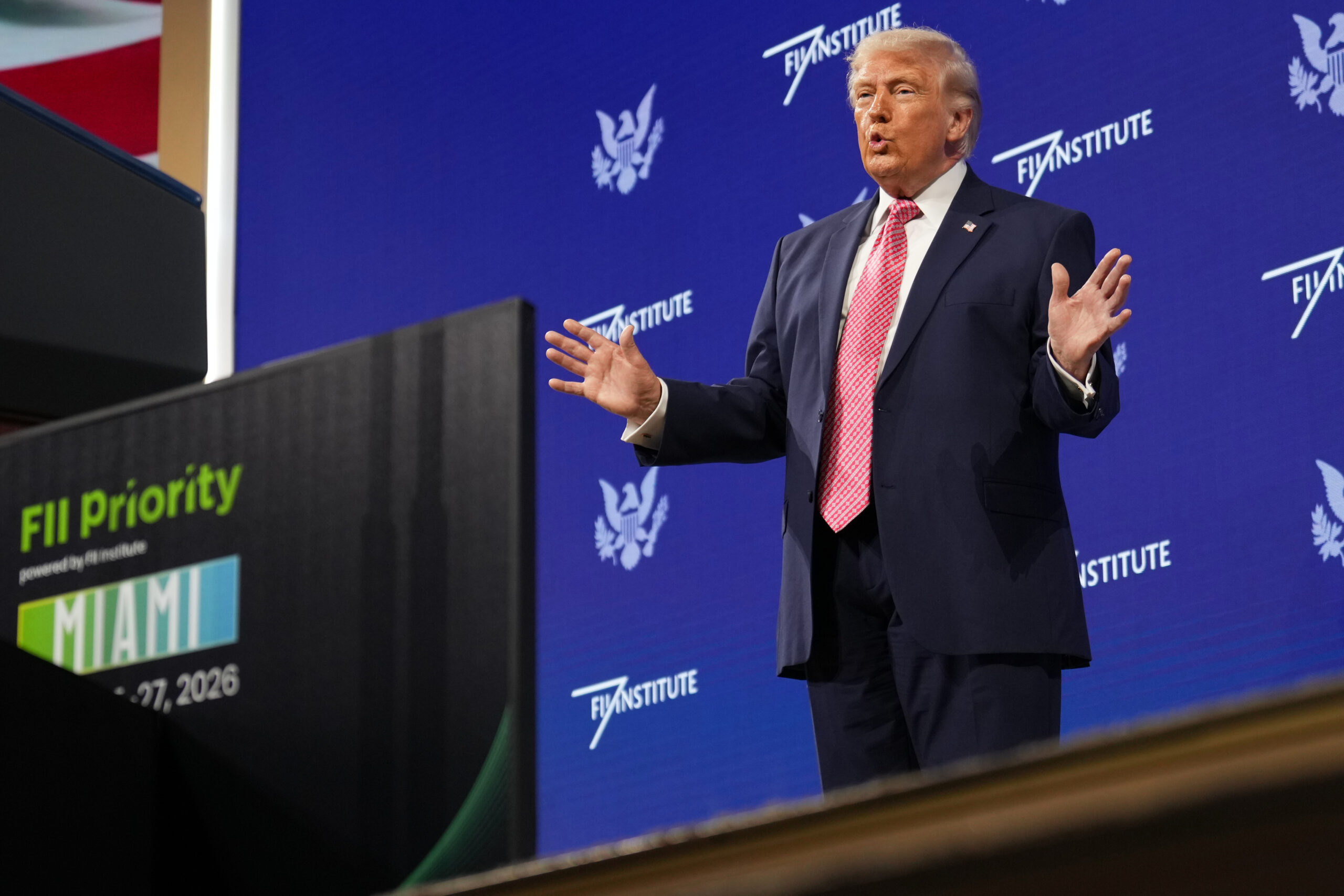
The Trump Presidency, Iran War, and U.S.-Gulf Economic Relationship
The outbreak of the Iran war has halted the deepening of the economic relationship between the United States and the Gulf countries. While likely temporary, it could take some time before the upward trajectory is restored.
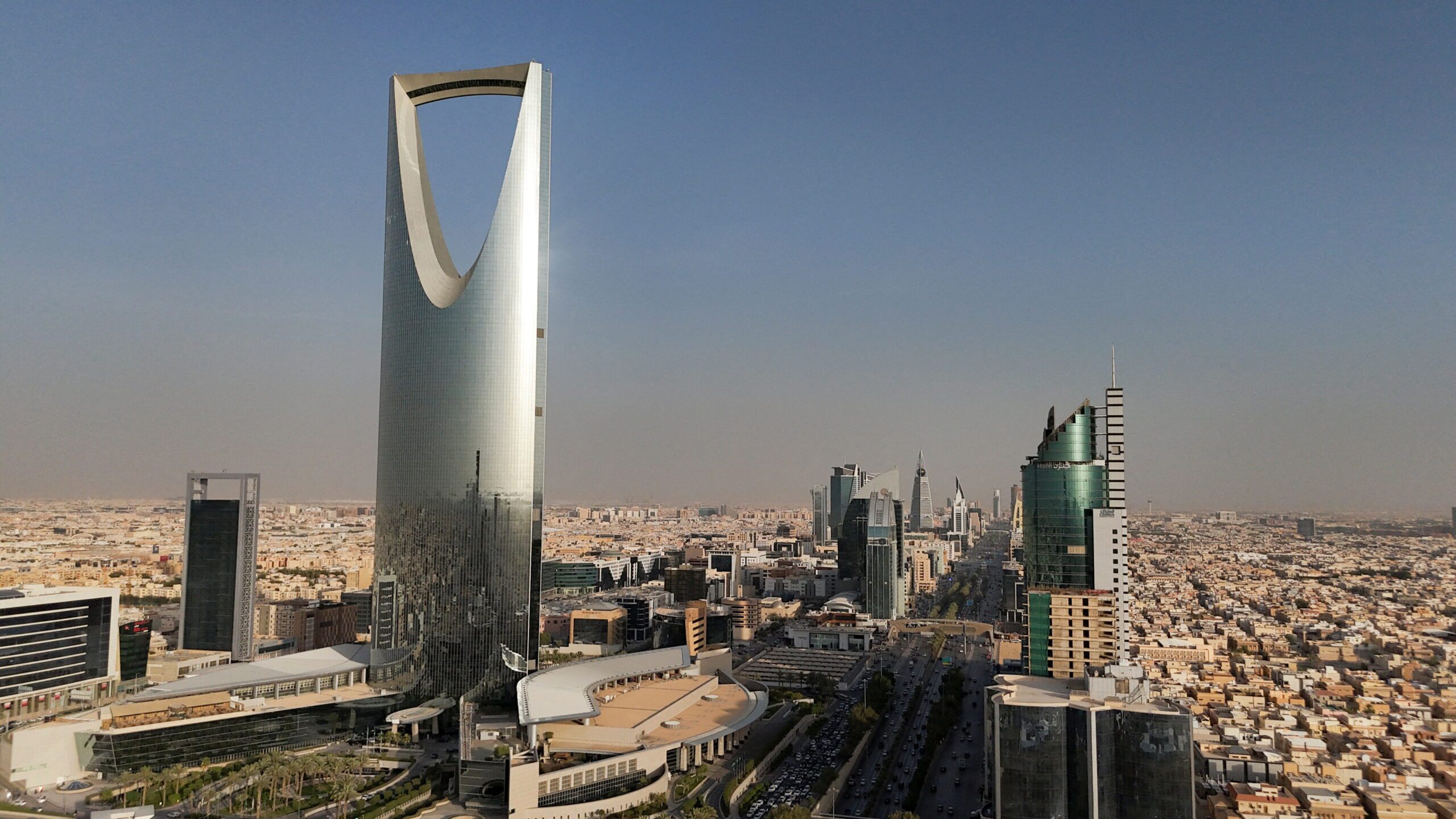
Have Saudi Labor Market Reforms Run Their Course?
Recent data suggests that the positive impact of a decade of reforms to improve Saudi labor market outcomes may now be waning.

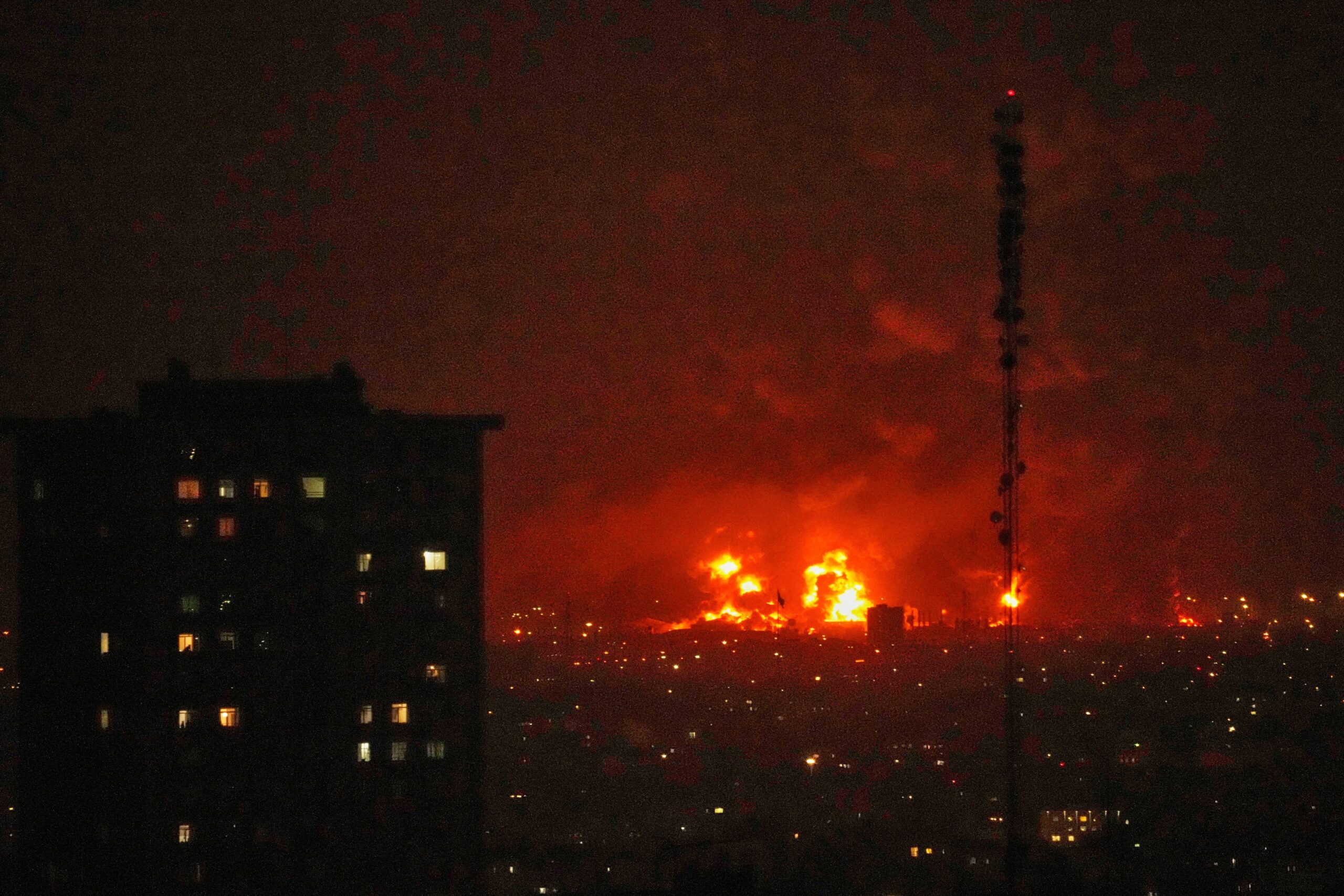
Saudi Arabia Weathers the Iran War Thanks to Investments in “Economic Resiliency”
The impact of the Iran war on the Saudi economy has been mitigated by investments in “economic resiliency,” including the East-West oil pipeline, relatively prudent fiscal policy, and the accumulation of a large stock of foreign financial assets.
Events
Mar 11, 2026
Shockwaves From Iran: Implications for Energy Markets and the Global Economy
On March 11, AGSI hosted a discussion on global energy and economic market volatility.
Speakers




Jan 8, 2026
Outlook 2026: Prospects and Priorities for U.S.-Gulf Relations in the Year Ahead
On January 8, AGSI hosted a virtual roundtable with its leadership and scholars as they look ahead and assess trends likely to shape the Gulf region and U.S. foreign policy during the coming year.
Speakers





Dec 15, 2025
Looking to 2026: Economic Prospects and Policy Challenges in the GCC
On December 15, AGSI hosted a discussion on the future of Gulf economies.
Speakers


Sep 4, 2025
Saudi Arabia: Sustaining Strong Growth Amid Global Economic Uncertainty
On September 4, AGSI hosted a discussion on the International Monetary Fund’s 2025 Article IV report on Saudi Arabia.
Speakers