Oct 21, 2025
Khamenei Rules Out “Deal” Involving Iran’s Missile Program
The October 21 edition of the Iran Media Review highlights comments by Ayatollah Khamenei rejecting a deal with the United States that would limit Iran’s missile program.

In an address to Iranian athletes, Supreme Leader Ayatollah Ali Khamenei praised Iran’s missile program and dismissed the prospect of any “deal” with the United States that entails “coercion.” His remarks suggest that, for now, Iran is unwilling to accept the reported U.S. demand to limit the range of its missiles to 500 kilometers (approximately 311 miles).
- October 20: Islamic Revolutionary Guard Corps-affiliated Tasnim News released a transcript of Supreme Leader Ayatollah Ali Khamenei’s speech to Iranian athletes:
- Commenting on the role of Iran’s missile capabilities during the 12-day war with Israel and the United States, Khamenei said: “The Zionists did not expect that an Iranian missile could, with its flames and fire, penetrate deep into their vital and sensitive centers, destroying and reducing them to ashes … Iran neither purchased nor rented its missiles, but they are handmade and bear the identity of Iranian youth … These missiles were prepared and used by our armed forces and military industries, and they still have them. If necessary, they will be used again.”
- Turning to President Donald J. Trump’s public comments on “obliterating” Iran’s nuclear facilities, Khamenei said: “It doesn’t matter – keep dreaming. But who are you to dictate what a country can or cannot have in terms of nuclear industry? What does Iran’s possession of nuclear technology have to do with America? Such interference is illegitimate, wrong, and arrogant.”
- On a possible “deal” between Iran and the United States, Khamenei stated: “He says, ‘I’m a man of deals.’ But if a deal involves coercion and its outcome is predetermined, it is not a deal but imposition and bullying. The Iranian nation will never submit to coercion.”
The views represented herein are the author's or speaker's own and do not necessarily reflect the views of AGSI, its staff, or its board of directors.
Related
Iran Media Review
Oct 17, 2025
Iranian Media Discuss the Merits of the Gaza War
The October 17 edition of the Iran Media Review examines Iranian media analysis of the Israel-Hamas cease-fire deal.
Iran Media Review
Oct 14, 2025
Fearing War and Doubting Prospects for Energy Exports, Iranians Buy Gold
The October 14 edition of the Iran Media Review analyzes Iranian reactions to a new economic report forecasting a rise in inflation despite increasing oil exports.
Iran Media Review
Oct 10, 2025
Technocrats Prescribe Political and Economic Reforms as Survival Strategy
The October 10 edition of the Iran Media Review examines proposals from Iranian technocrats for political and economic reforms.
Oct 17, 2025
Iranian Media Discuss the Merits of the Gaza War
The October 17 edition of the Iran Media Review examines Iranian media analysis of the Israel-Hamas cease-fire deal.
Oct 14, 2025
Fearing War and Doubting Prospects for Energy Exports, Iranians Buy Gold
The October 14 edition of the Iran Media Review analyzes Iranian reactions to a new economic report forecasting a rise in inflation despite increasing oil exports.
Oct 10, 2025
Technocrats Prescribe Political and Economic Reforms as Survival Strategy
The October 10 edition of the Iran Media Review examines proposals from Iranian technocrats for political and economic reforms.
Analysis
The Islamic Republic Returns to Offense
After U.S.-Israeli strikes killed Supreme Leader Ayatollah Ali Khamenei on February 28, Iran’s collective leadership has concluded that the best defense is a good offense.
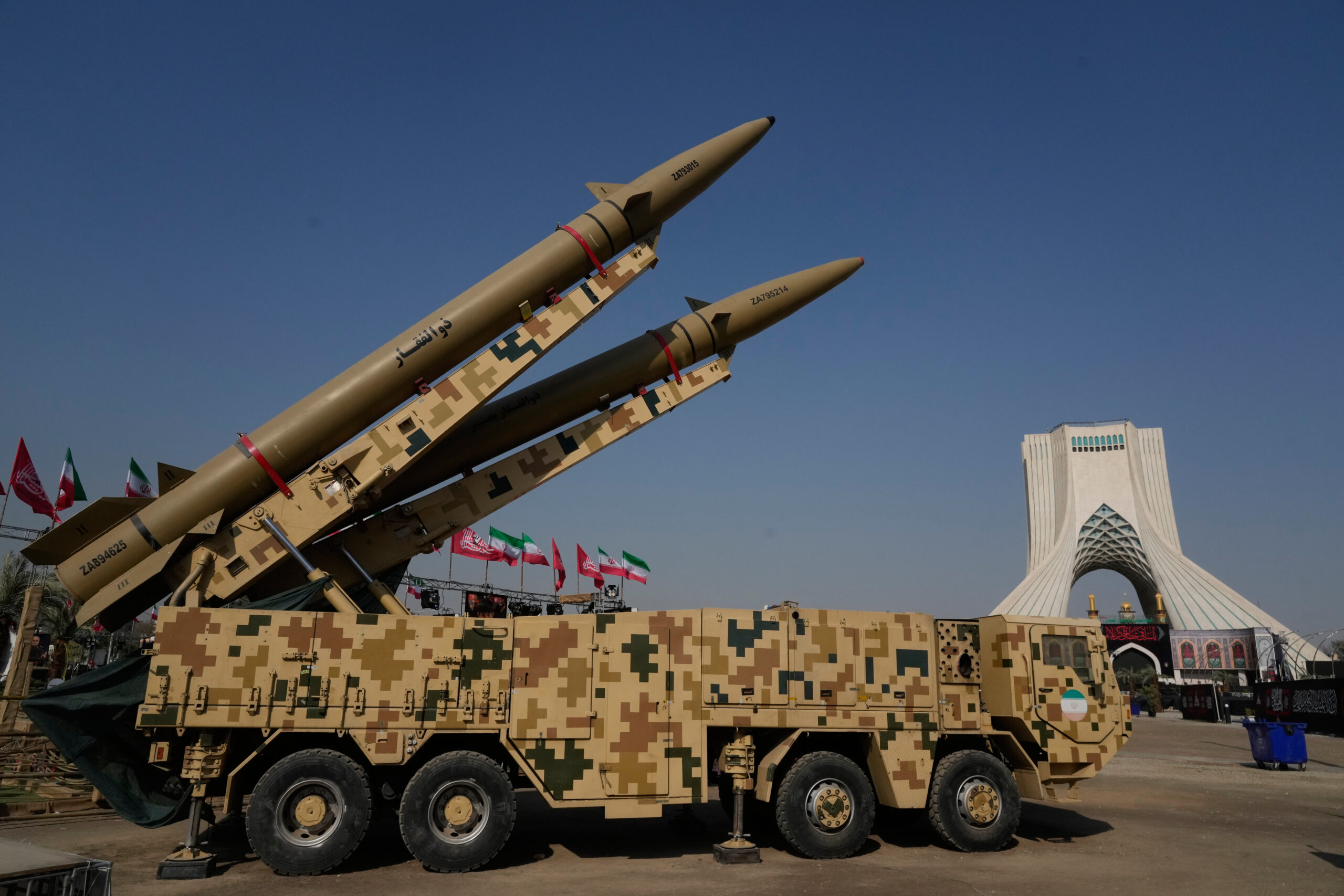
Iran’s Collective Strategic Decision Making
Wartime pressure has temporarily aligned the leadership’s overriding interest in regime survival, even as its members continue to differ over the costs, methods, and ultimate objectives of the war.
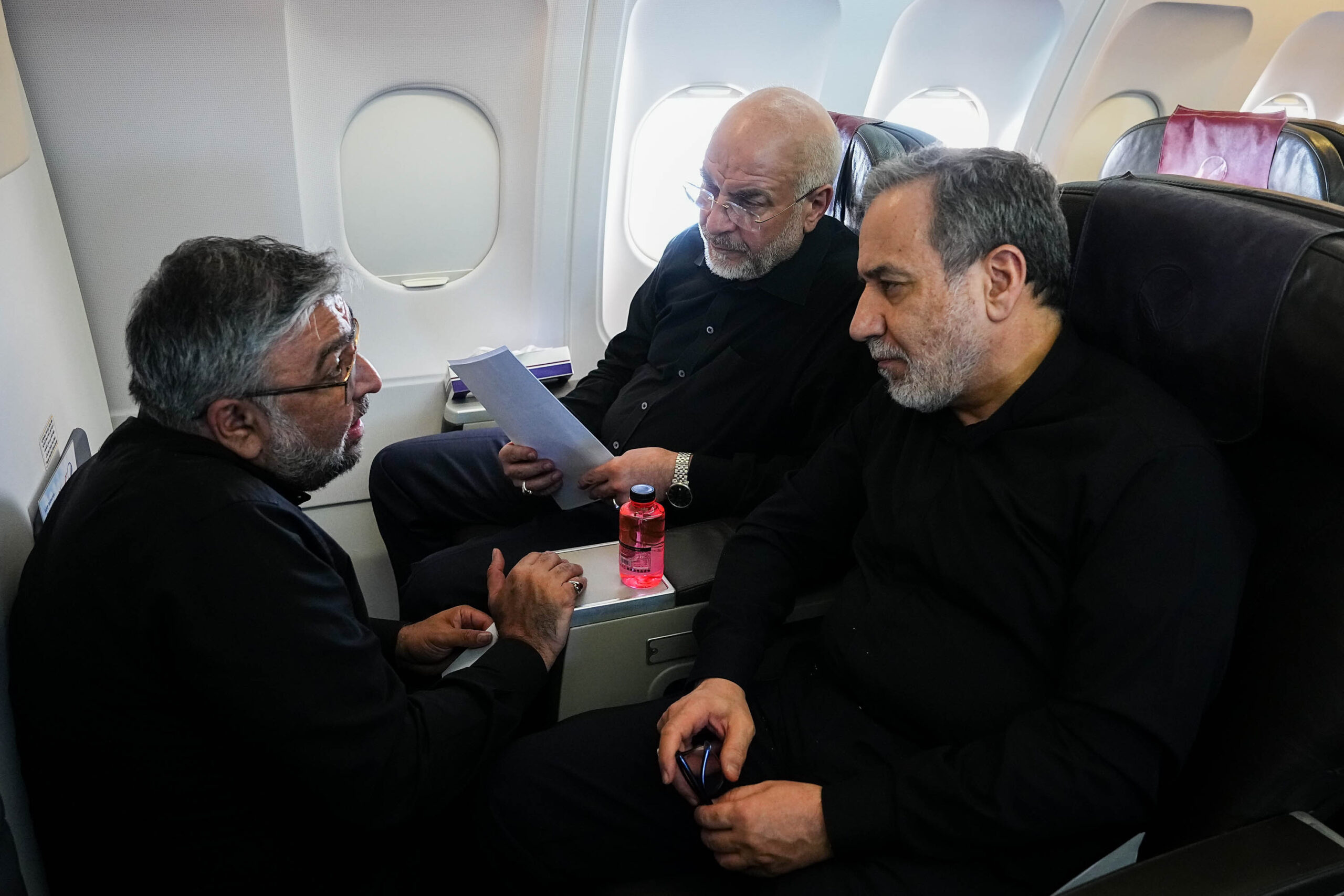
The Islamic Republic’s Collective Leadership
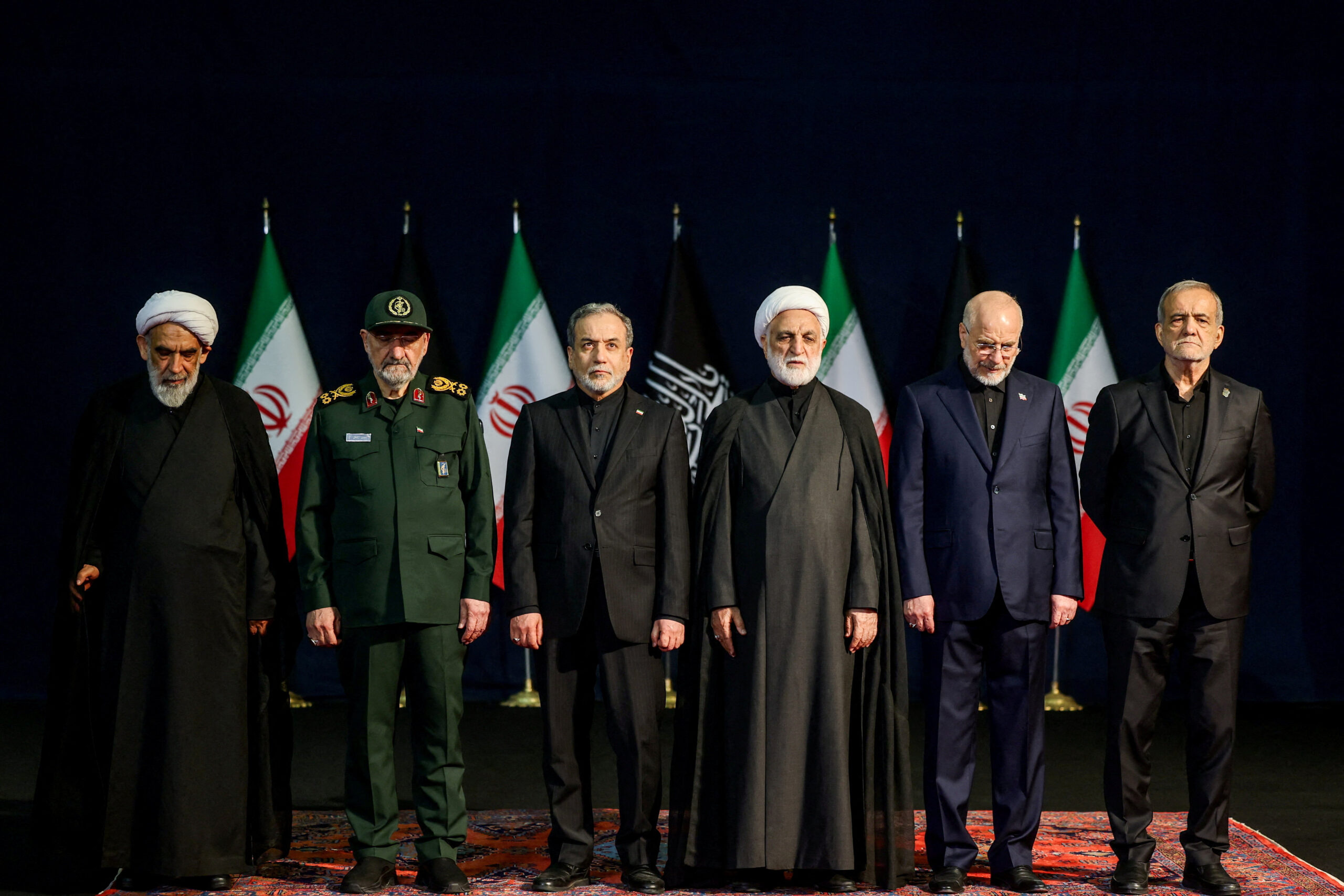
While there is historical precedent for collective leadership in Iran, today’s leadership includes representatives of the IRGC and regular military – a reflection of the IRGC’s expanding role and the necessities of governing under wartime conditions.
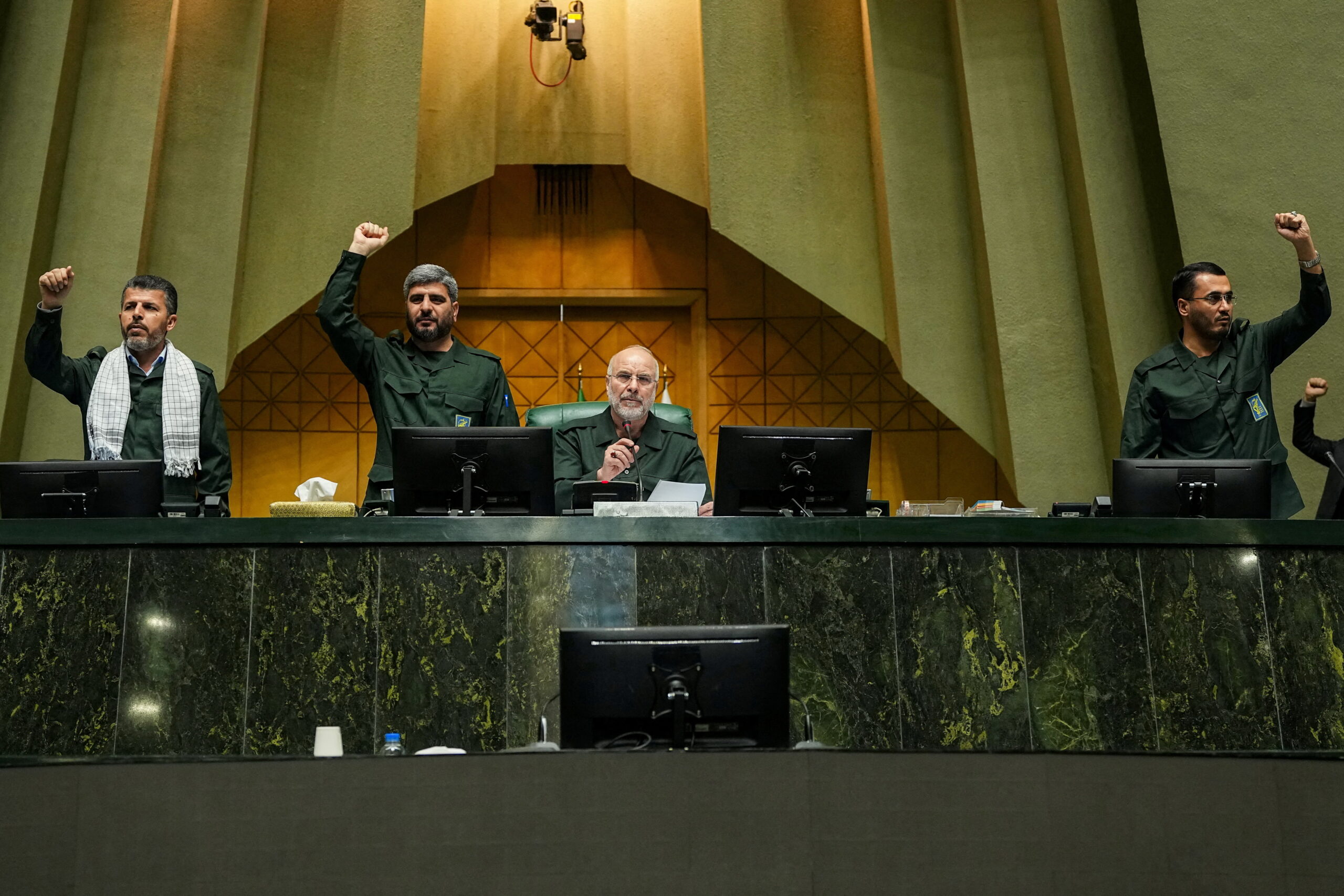
How Did the IRGC Seize Power in Iran?
The IRGC did not seize power in a single stroke. It accumulated it – patiently, methodically – until no counterweight remained.
Events
Book Talk: Iran and the Bomb: The United States, Iran and the Nuclear Question
On June 16, AGSI hosted a discussion on the evolution of Iran's nuclear program.
Speakers


Apr 21, 2026
Inside Iran’s Wartime Leadership: Power, Succession, and Regime Stability
On April 21, AGSI hosted a discussion on the evolution of Iran's leadership during the war.
Speakers

Mar 18, 2026
In Its Conflict With the United States and Israel, Does Escalation Favor Iran?
On March 18, AGSI hosted a discussion on the escalation of the Iran war.
Speakers



Mar 2, 2026
After the Shock: Implications of the U.S.–Israeli Strikes and Iran’s Leadership Transition
On March 2, AGSI hosted a discussion on the U.S.-Israeli strikes on Iran.
Speakers