Oct 17, 2025
Iranian Media Discuss the Merits of the Gaza War
The October 17 edition of the Iran Media Review examines Iranian media analysis of the Israel-Hamas cease-fire deal.

Since Hamas’ October 7, 2023 attack on Israel, Iranian authorities have struggled to craft a coherent narrative for the Iranian public. Initially, the regime’s propaganda portrayed the assault as evidence of Israel’s intelligence failure. However, as Israel gained the upper hand – not only in Gaza but also in Lebanon and in its confrontation with Iran – segments of Iranian media began to question who truly benefited from the war.
- October 11: Under the headline “Did This Storm Have a Winner?” conservative Jomhouri-ye Eslami‘s editorial board wrote about Hamas’ October 7 attack, referred to as “Operation Al-Aqsa Storm,” in light of the recent cease-fire:
- “Hamas’ agreement with the Zionist regime to halt the Gaza war and exchange prisoners – while a welcome development in terms of stopping the bloodshed – has raised an important question in public opinion: Which side benefits from this event?”
- “The reality is that, contrary to many analyses and opinions, Operation Al-Aqsa Storm was a mistake. From the very first moments we heard the news of this operation, we held that view, and now – more than two years after its execution – we are even more convinced.”
- “The destruction of Gaza, including the demolition of 80% of its buildings and all its infrastructure, is an immense loss. The killing of Hamas leaders and nearly 68,000 men, women, and children from Gaza, along with about 200,000 wounded and the displacement of nearly all inhabitants of the strip, cannot be ignored.”
- “Syria’s exit from the anti-Zionist front and its being swallowed by the United States and Israel is one of the greatest losses of the past two years. This should be regarded as one of the negative consequences of Operation Al-Aqsa Storm.”
- “The penetration of the Zionist regime into southern Lebanon, the martyrdom of 4,000 people there – including Sayyed Hassan Nasrallah, whose loss must be considered the greatest blow to the anti-Zionist front in the Arab world – is a direct consequence of Operation Al-Aqsa Storm. Another major loss to Lebanon is the rise of a government aligned with the United States and the Zionist regime, nullifying decades of effort to keep that country outside the sphere of U.S. and Israeli influence.”
- “The losses suffered by Yemen’s Houthis, in both human and material terms, should likewise be regarded as consequences of the Gaza war.”
- “In the 12-day war imposed by Israel and the United States on Iran, although the aggressors failed to achieve their goals, the martyrdom of 1,100 of our compatriots – including military commanders and scientists – was a grave loss as was the bombing of Iran’s nuclear facilities, another damaging consequence of that war.”
- “Despite two years of genocide in Gaza and atrocities throughout Palestine, the Zionist regime failed to achieve its declared objectives of destroying Hamas and freeing Israeli captives. It now seeks to accomplish both goals through this agreement.”
- “It remains unclear whether, after the release of Israeli captives, the Zionist regime will honor the agreement it reached with Hamas in Egypt to withdraw from Gaza and refrain from further crimes. The bad faith of the United States and the Zionist regime – staining every page of their record – makes it difficult to trust that they will abide by the terms of this pact.”
- October 15: An anonymous columnist, commenting on Jomhouri-ye Eslami’s editorial, wrote in Islamic Revolutionary Guard Corps-aligned Javan:
- “Clearly, Jomhouri-ye Eslami is trying to contribute to the anti-‘axis of resistance’ narrative and is theorizing passivity and surrender instead of asking what else the inmates of the open-air prison called Gaza could have done. This deviationist newspaper led by Masih Mohajeri further attributes all subsequent losses to Al-Aqsa Storm to make the claim that resistance does not yield anything but loss and destruction. But his biggest mistake is when he cites Imam Khomeini to legitimize his claim … By this logic, God forbid, Imam Hussein too can be blamed for participating in the Battle of Karbala, which led to the martyrdom of the imam and his companions.”
- “Hamas’ agreement with the Zionist regime to halt the Gaza war and exchange prisoners – while a welcome development in terms of stopping the bloodshed – has raised an important question in public opinion: Which side benefits from this event?”
The views represented herein are the author's or speaker's own and do not necessarily reflect the views of AGSI, its staff, or its board of directors.
Related
Iran Media Review
Oct 14, 2025
Fearing War and Doubting Prospects for Energy Exports, Iranians Buy Gold
The October 14 edition of the Iran Media Review analyzes Iranian reactions to a new economic report forecasting a rise in inflation despite increasing oil exports.
Iran Media Review
Oct 10, 2025
Technocrats Prescribe Political and Economic Reforms as Survival Strategy
The October 10 edition of the Iran Media Review examines proposals from Iranian technocrats for political and economic reforms.
Iran Media Review
Oct 7, 2025
“Cosmetic Surgery”: Iran Removes Four Zeros From Bank Notes
The October 7 edition of the Iran Media Review highlights criticism of a move by the Iranian Parliament to remove zeros from the national currency.
Oct 14, 2025
Fearing War and Doubting Prospects for Energy Exports, Iranians Buy Gold
The October 14 edition of the Iran Media Review analyzes Iranian reactions to a new economic report forecasting a rise in inflation despite increasing oil exports.
Oct 10, 2025
Technocrats Prescribe Political and Economic Reforms as Survival Strategy
The October 10 edition of the Iran Media Review examines proposals from Iranian technocrats for political and economic reforms.
Oct 7, 2025
“Cosmetic Surgery”: Iran Removes Four Zeros From Bank Notes
The October 7 edition of the Iran Media Review highlights criticism of a move by the Iranian Parliament to remove zeros from the national currency.
Analysis
The Islamic Republic Returns to Offense
After U.S.-Israeli strikes killed Supreme Leader Ayatollah Ali Khamenei on February 28, Iran’s collective leadership has concluded that the best defense is a good offense.
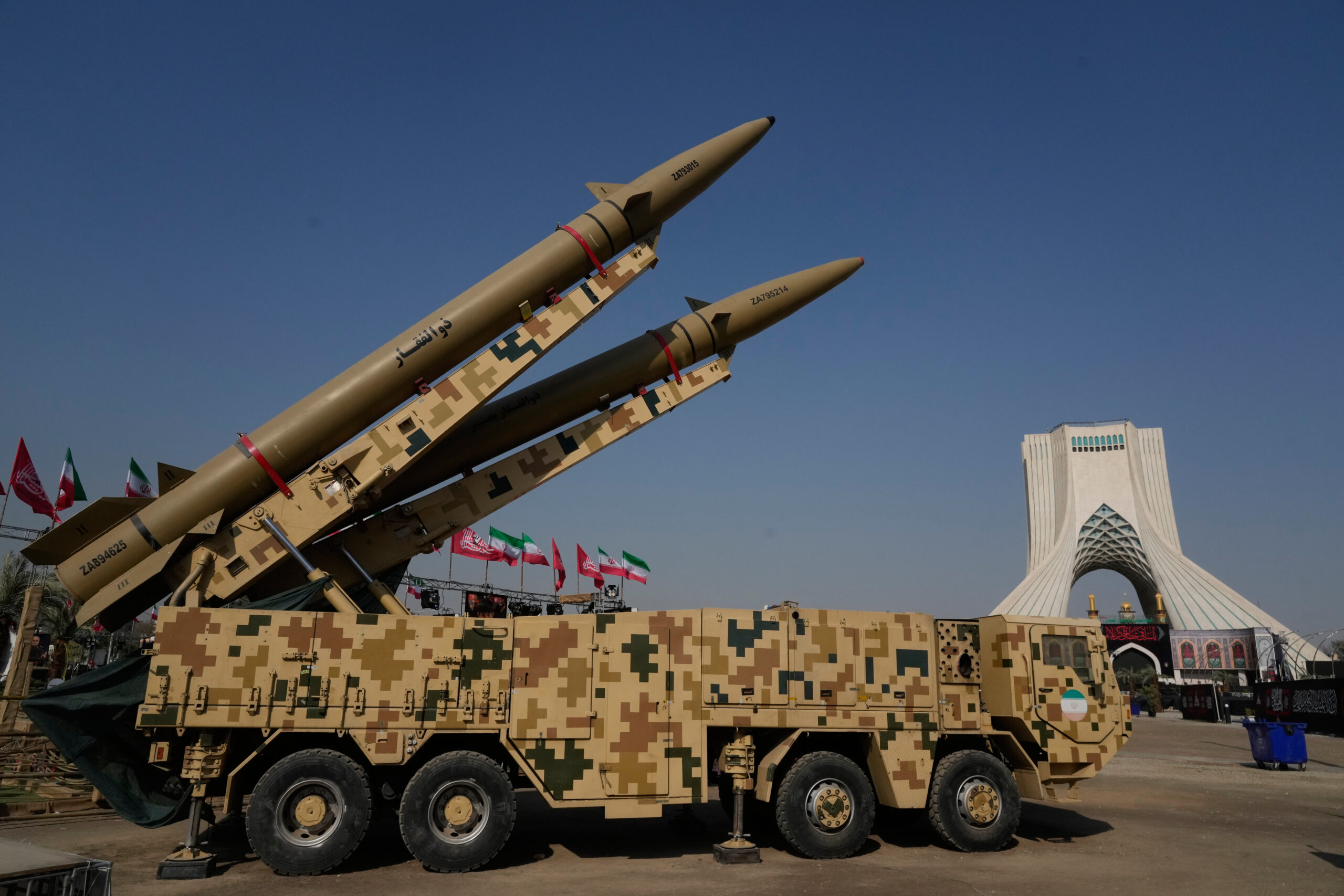
Iran’s Collective Strategic Decision Making
Wartime pressure has temporarily aligned the leadership’s overriding interest in regime survival, even as its members continue to differ over the costs, methods, and ultimate objectives of the war.
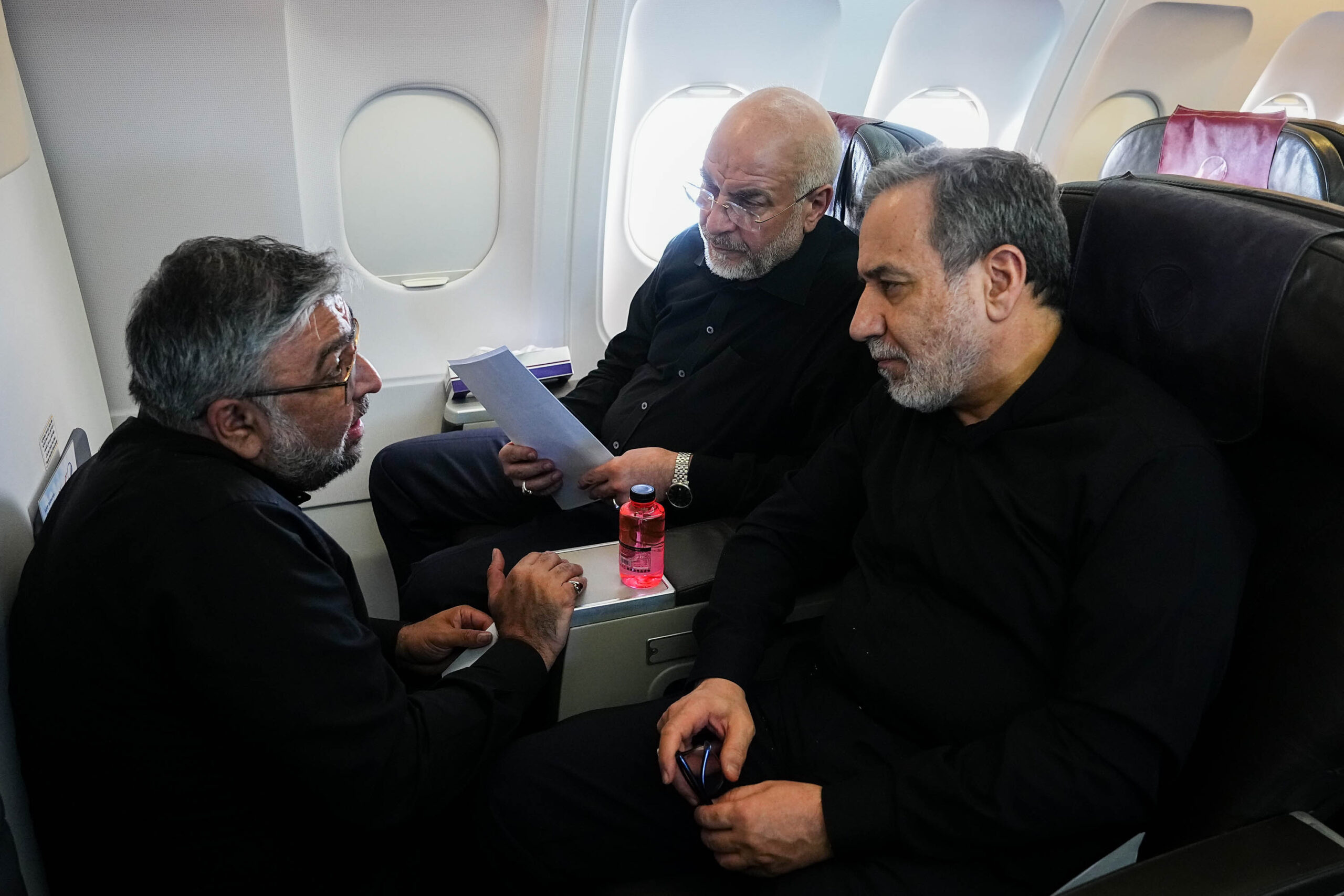
The Islamic Republic’s Collective Leadership
While there is historical precedent for collective leadership in Iran, today’s leadership includes representatives of the IRGC and regular military – a reflection of the IRGC’s expanding role and the necessities of governing under wartime conditions.
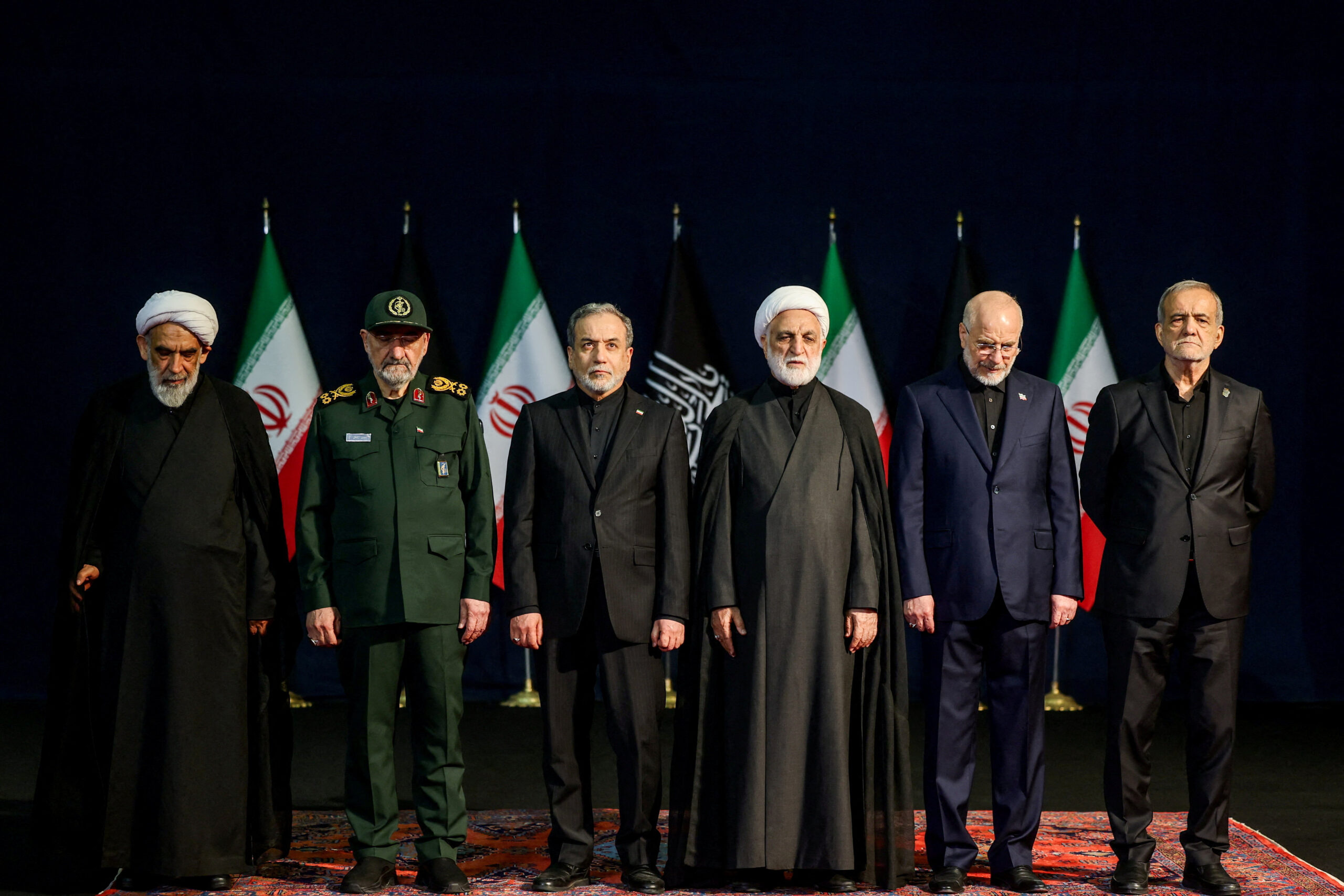
How Did the IRGC Seize Power in Iran?
The IRGC did not seize power in a single stroke. It accumulated it – patiently, methodically – until no counterweight remained.
Events
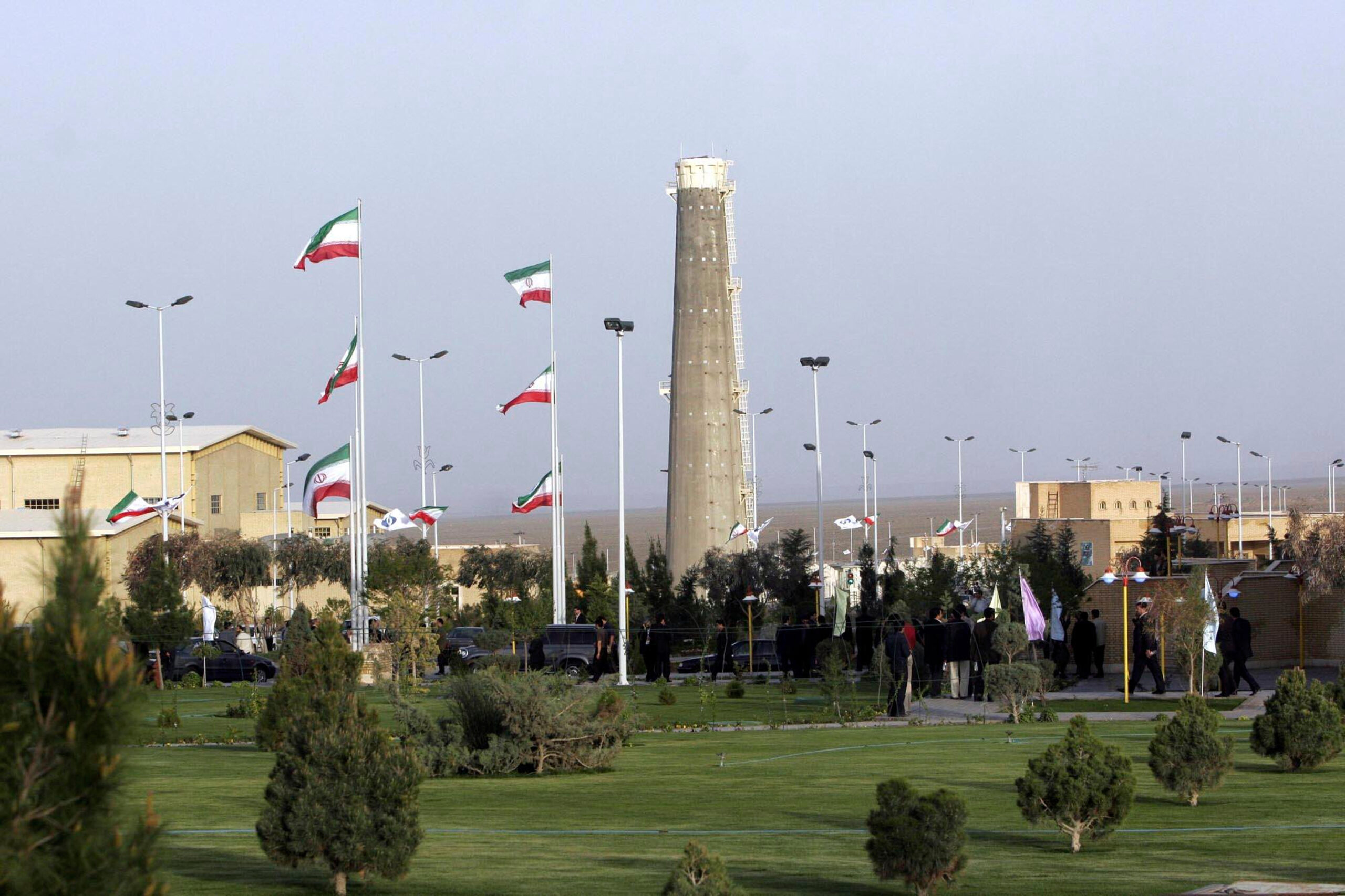
Book Talk: Iran and the Bomb: The United States, Iran and the Nuclear Question
On June 16, AGSI hosted a discussion on the evolution of Iran's nuclear program.
Speakers


Apr 21, 2026
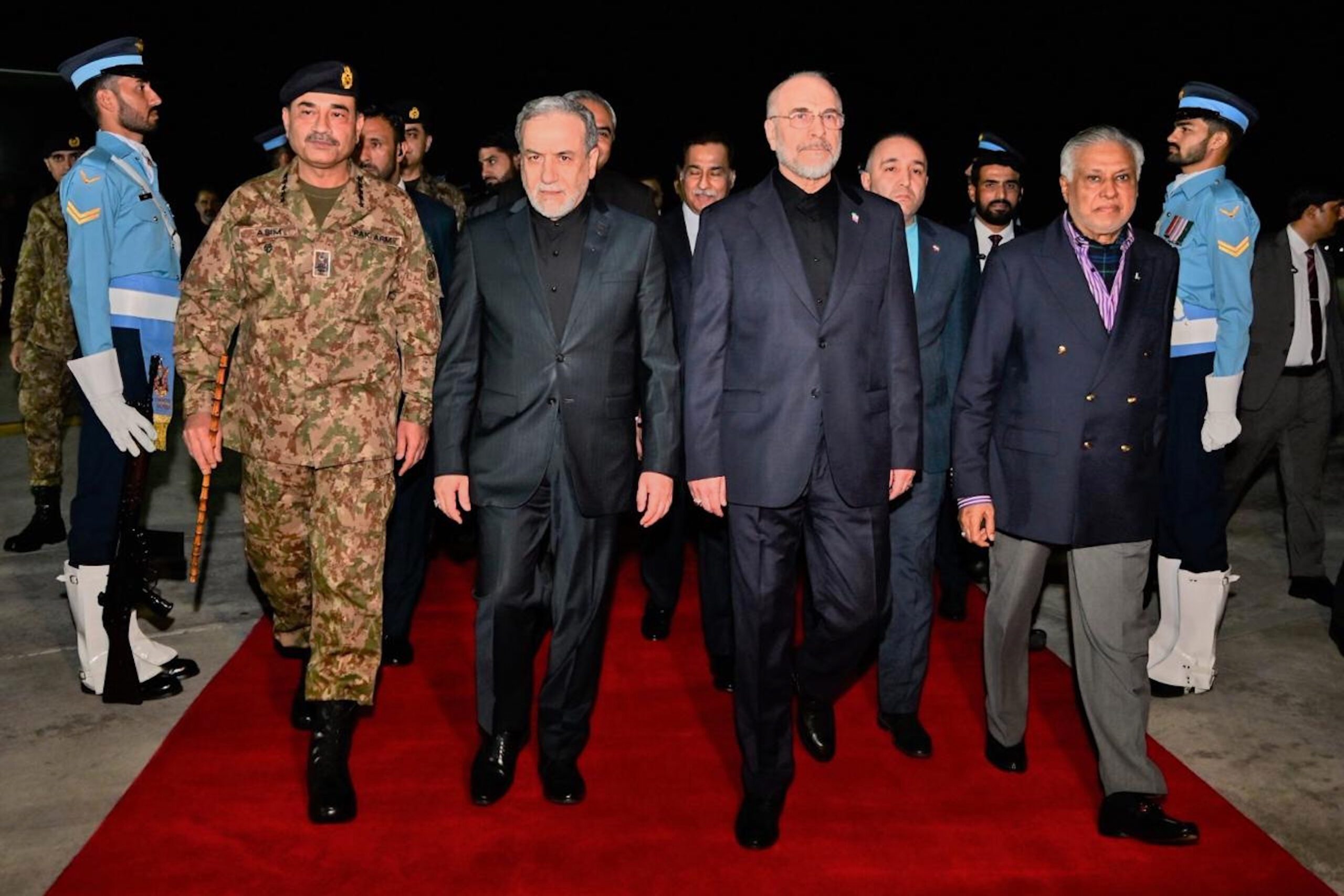
Inside Iran’s Wartime Leadership: Power, Succession, and Regime Stability
On April 21, AGSI hosted a discussion on the evolution of Iran's leadership during the war.
Speakers

Mar 18, 2026
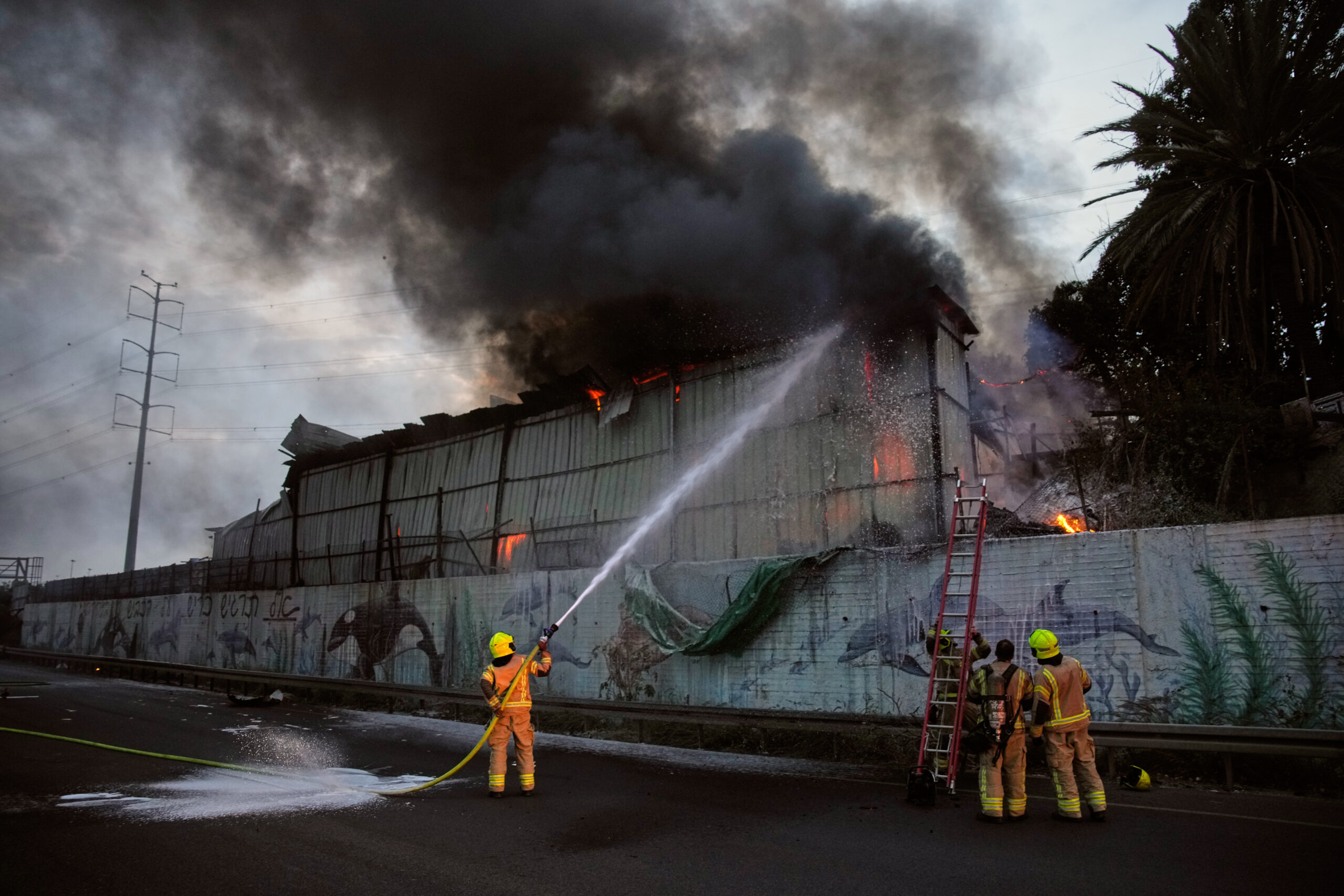
In Its Conflict With the United States and Israel, Does Escalation Favor Iran?
On March 18, AGSI hosted a discussion on the escalation of the Iran war.
Speakers



Mar 2, 2026
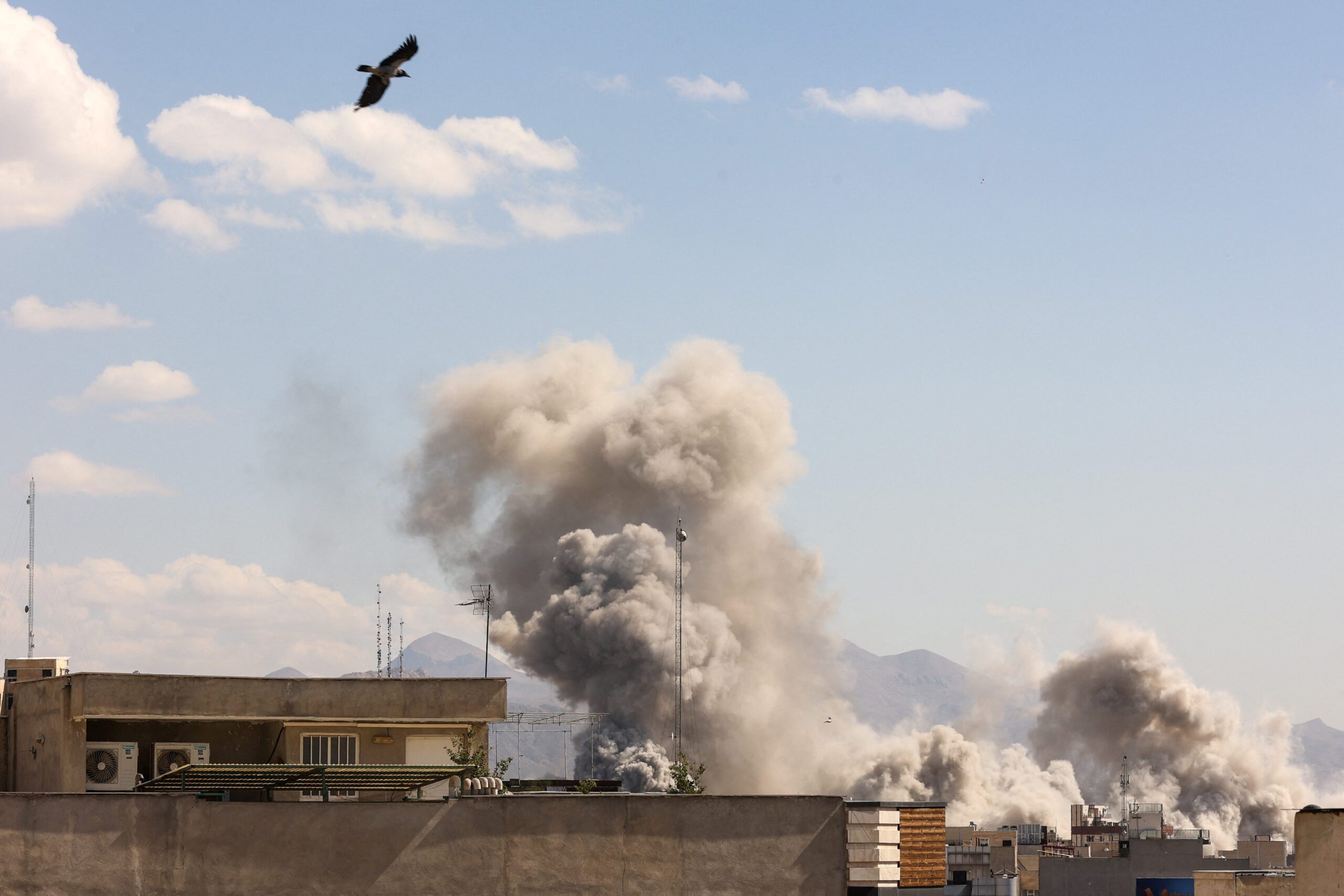
After the Shock: Implications of the U.S.–Israeli Strikes and Iran’s Leadership Transition
On March 2, AGSI hosted a discussion on the U.S.-Israeli strikes on Iran.
Speakers