Is this the beginning of a new era in US-Saudi relations?
The recent visit to Washington, New York and Silicon Valley by Saudi Arabia’s deputy crown prince Mohammed bin Salman, might, like most diplomatic missions, quickly faded into irrelevance. But this trip also has the potential to one day be recalled as a watershed moment in US-Saudi relations. That will depend entirely on the fate of...
U.S. Secretary of State John Kerry, Saudi Deputy Crown Prince Mohammed bin Salman, and Saudi Foreign Minister Adel al-Jubeir meet in Washington, DC on June 13. (U.S. Department of State)
The recent visit to Washington, New York and Silicon Valley by Saudi Arabia’s deputy crown prince Mohammed bin Salman, might, like most diplomatic missions, quickly faded into irrelevance. But this trip also has the potential to one day be recalled as a watershed moment in US-Saudi relations. That will depend entirely on the fate of the sweeping economic and social reform agenda Prince Mohammed is championing in an attempt to transform Saudi society from the top down.
The deputy crown prince is not a head of state, or even government, but during his American trip he was treated like one. Prince Mohammed met Barack Obama and his secretaries of state and defence. He and his large delegation fanned out across Washington, visiting key congressional figures and various policy-framing opinion leaders.
Prince Mohammed’s message was at least as economic as political, and he spent several days reaching out to business leaders in New York and high tech honchos in California. The restructuring agenda he is leading, known as the National Transition Programme (NTP), presents itself as a policy of economic revitalisation. Its centrepiece is Saudi Arabia’s Vision 2030, a blueprint for the post-oil era, including monetising a large part of Saudi Arabia’s energy resources and creating a $2 trillion (Dh 7 trillion) sovereign wealth fund.
But behind this economic programme lies an implicit yet unmistakable vision to radically overhaul key aspects of Saudi society, and even culture, and promote national competitiveness by bringing it more into line with the international norms of a globalising world.
An obvious case in point is gender relations. The plan calls for greatly expanding women’s participation in government and the economy, since it is impossible for Saudi Arabia to be competitive in a post-oil environment without tapping its female human resources. That, in turn, is impossible unless extraordinary and ultimately unmanageable restrictions such as “guardianship” laws, extreme gender segregation in most public spaces, and the prohibition against women driving, are eliminated.
Prince Mohammed and his allies plainly understand this, and communicating that was a key element of their message to their American audience. He and his delegation, particularly behind closed doors, stressed that they understand the fairly extensive transformation their country needs (much of which has been pushed by Washington for many years, to no avail), and that they are earnestly and energetically attempting to implement those changes.
The United States, they were suggesting, needs to support this effort through promoting trade and investment, diplomatic support (including regarding the war in Yemen, which is the subject of increasing international concern), and recalibrating Washington’s relationship with Riyadh’s archrivals in Iran.
The message was couched in a striking new tone of warmth and friendship, following several years of bitter complaints, threats of “going it alone” and sullen allusions to finding alternative partners.
In recent months Saudi Arabia has been replacing such vinegar with large dollops of honey, which reflects both a new approach and a recognition that – for various reasons, including a growing sense that Washington is indeed getting tougher with Iran – relations genuinely have been improving.
The immediate result was a somewhat mixed bag. Prince Mohammed apparently impressed most of his American interlocutors with his personal qualities and determination. He gave the impression of being a serious and dynamic young leader with a strong grasp of the challenges facing his country and a genuine resolve to try to meet them.
But there is still an entirely reasonable American scepticism about how much of his vision can be successfully implemented. The obstacles are considerable.
On the administrative front, this agenda will ultimately require unprecedented levels of performance and accountability from a bureaucracy that does not have a good track record on fulfilling even much less ambitious projects. The change of tone at the top is evident, but it’s going to have to be matched by an adjustment at a number of crucial administrative levels.
Investors will be torn between an attraction to the kind of profits the Saudi energy sector might yield versus the lack of international norms of informational transparency, scrutiny and corporate governance regarding several crucial opportunities such as Saudi Aramco.
The arcane Saudi legal system is another significant disincentive to certain kinds of investment, and the country’s strikingly inadequate educational system will be an obstacle to some others.
Perhaps most dramatic, and politically threatening, is the prospect of concerted resistance from social conservatives, especially religious hardliners, to the vast social transformation that will be required if the NTP is to be even partially realised. Such a pushback is virtually guaranteed, and will be a real test of the government’s willingness and ability to insist on fundamental social changes despite powerful opposition.
Washington is understandably sceptical but pleased and intrigued by the transformation programme. If it succeeds, even partially, Prince Mohammed’s 2016 trip could well be recalled as the beginning of a promising new era in US-Saudi relations.
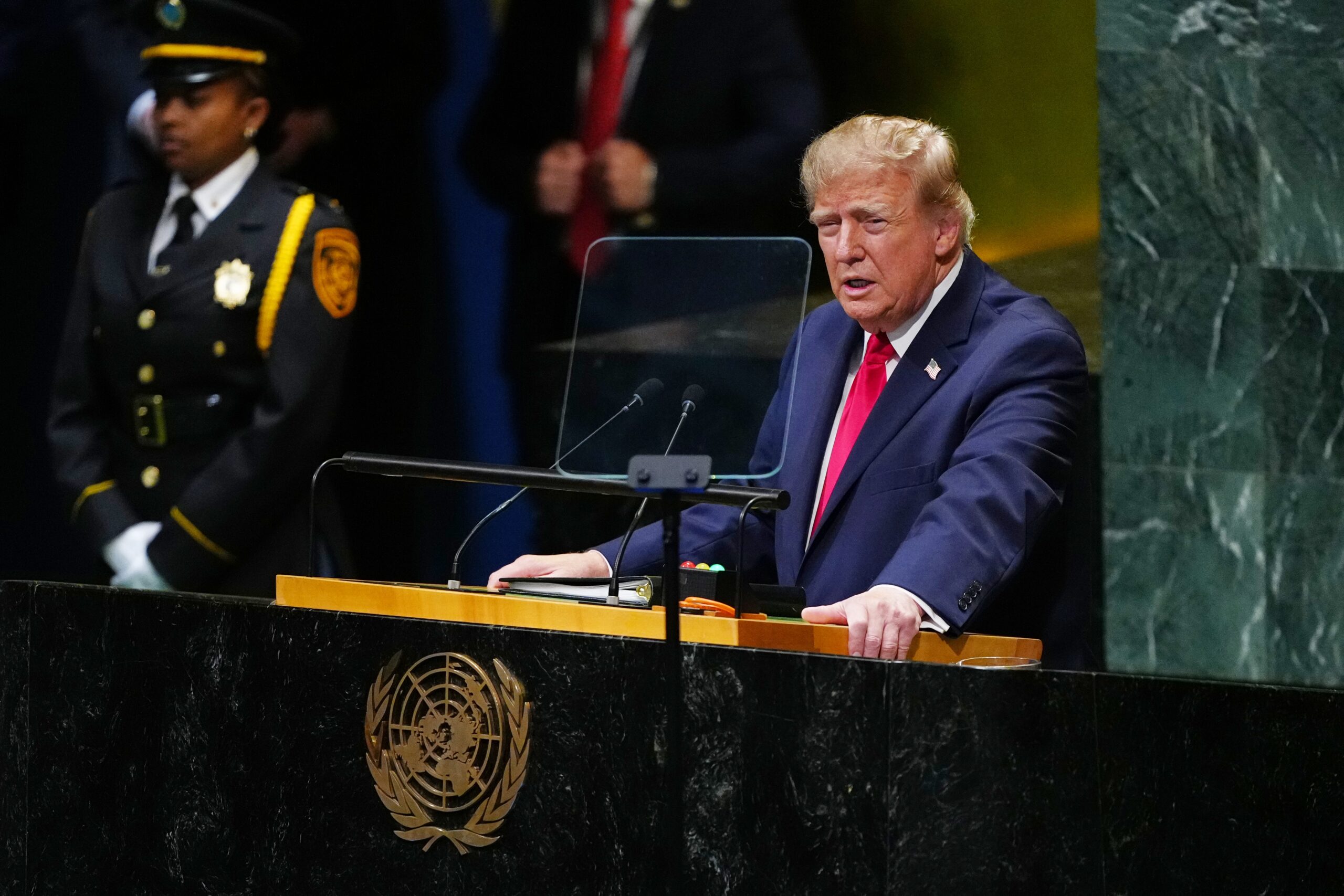
President Trump has led the United States into an impossible dilemma in which resuming and intensifying the war presents one set of alarming consequences while ending it under current circumstances offers at least as many disasters for Washington.
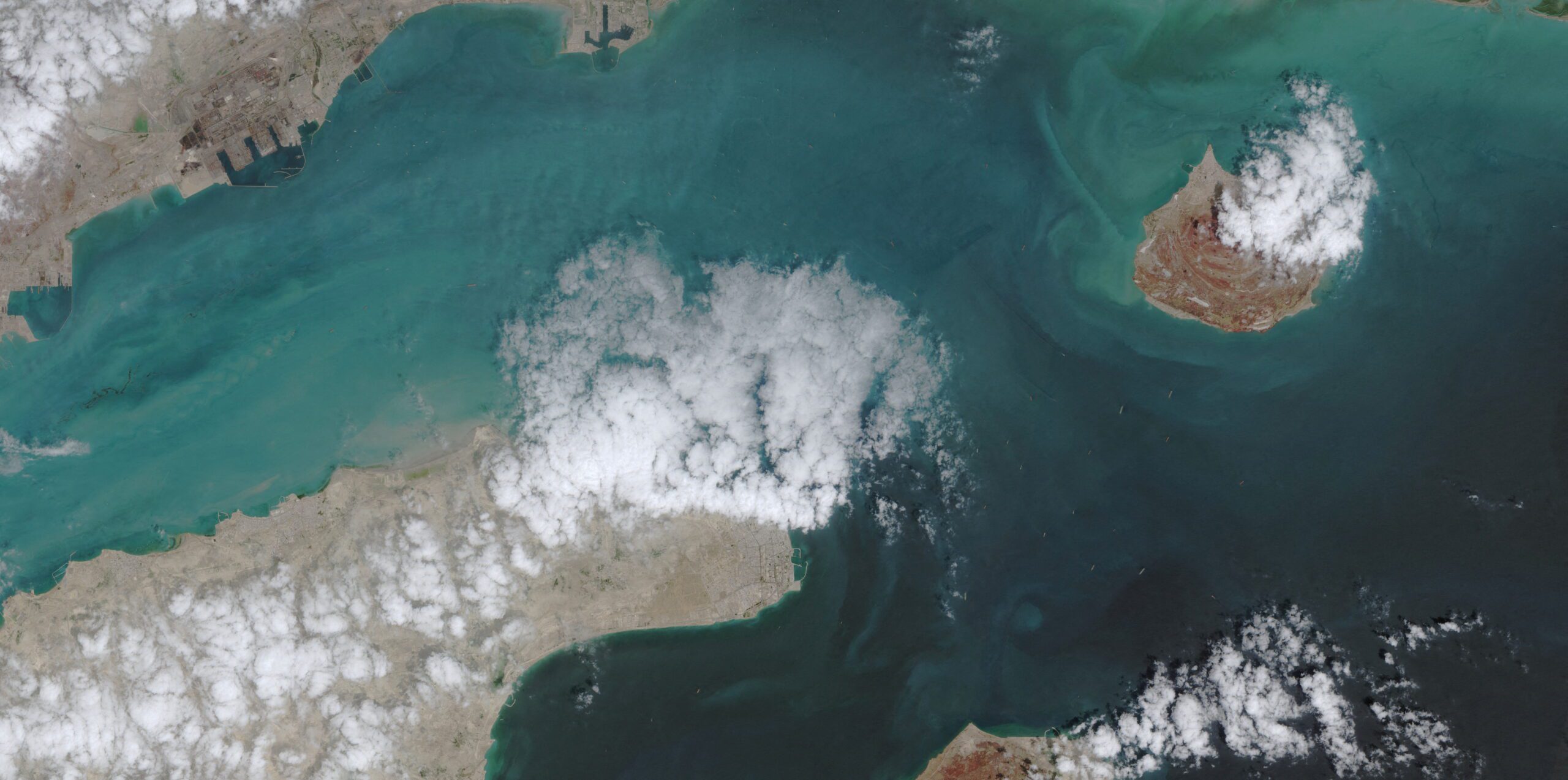
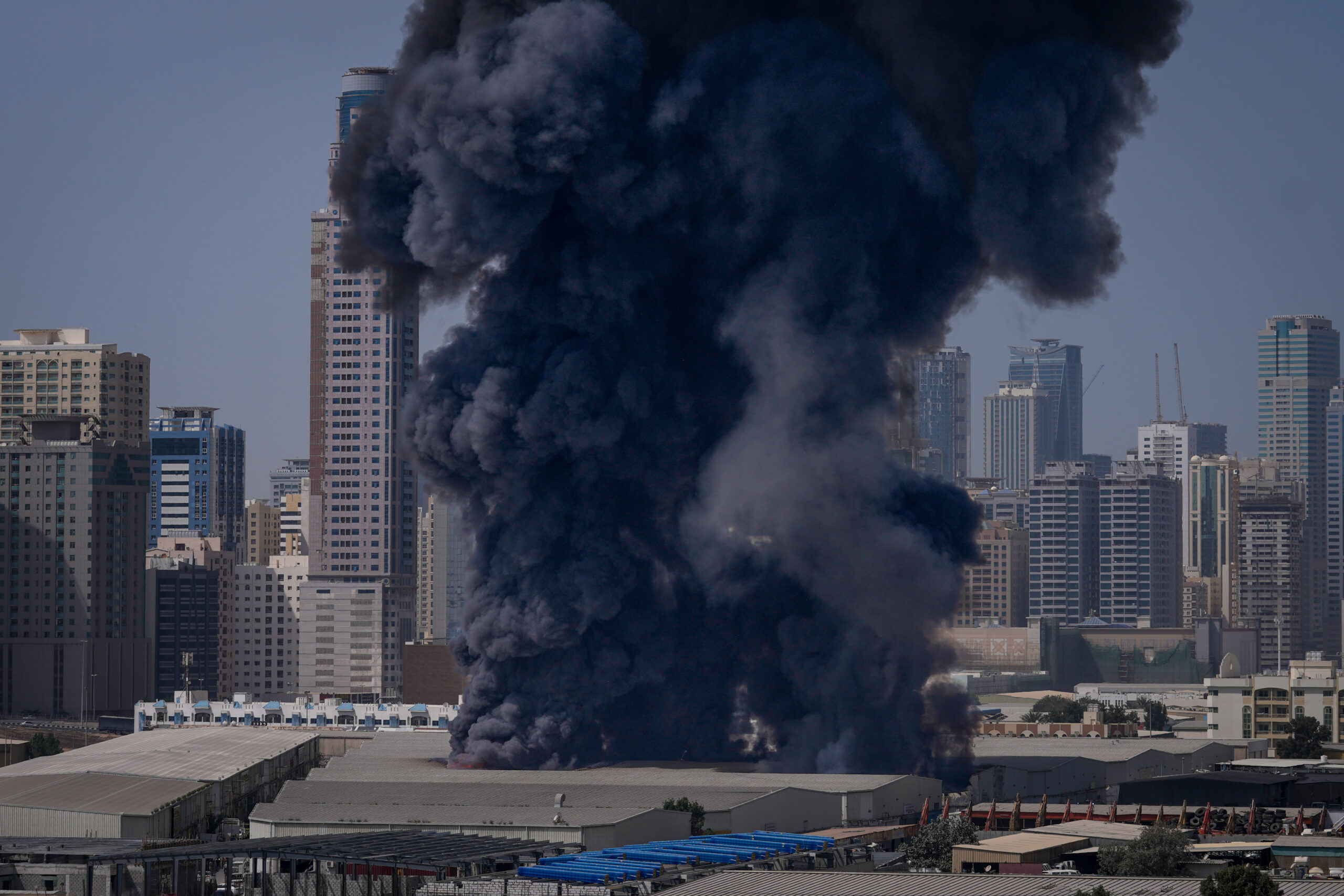
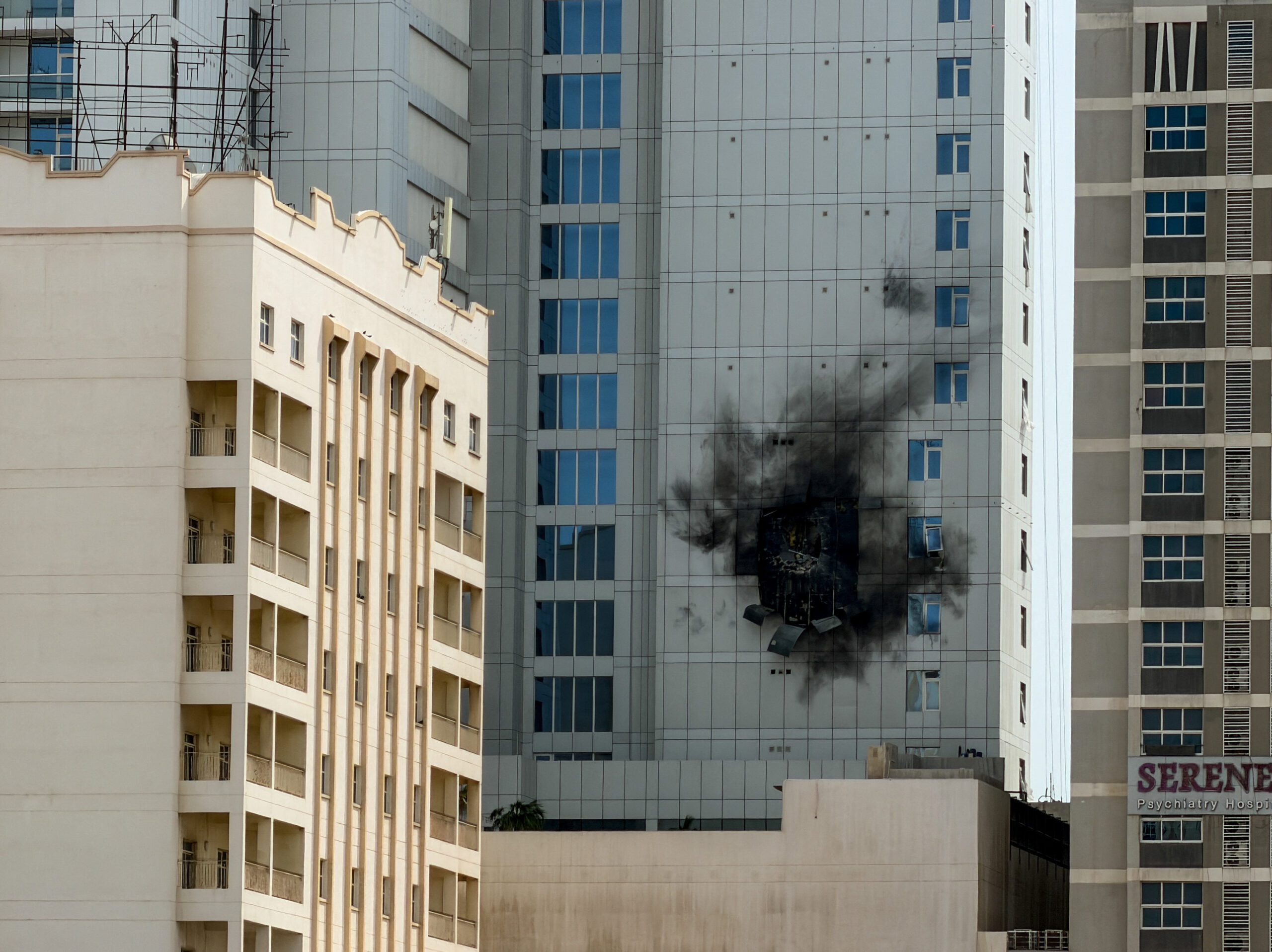
The Trump administration has positioned the United States at a crossroads between a new regime of containment against Iran or a historic drawdown of U.S. influence in the Gulf and broader Middle East.
Riyadh and Abu Dhabi urged President Trump not to attack Iran, but now that the war is into its second month, leaving the current situation in place would be an unthinkable fiasco for them.
Though they were unsuccessful in preventing the current conflict, and, as expected, have been dragged into the U.S.-Israeli confrontation with Iran, Gulf Arab countries remain crucial to hopes for limiting the war and bringing it to a quick resolution.








Jul 5, 2016
Is this the beginning of a new era in US-Saudi relations?
The recent visit to Washington, New York and Silicon Valley by Saudi Arabia’s deputy crown prince Mohammed bin Salman, might, like most diplomatic missions, quickly faded into irrelevance. But this trip also has the potential to one day be recalled as a watershed moment in US-Saudi relations. That will depend entirely on the fate of...
4 min read