Just as Israel intensified its air raids against Iranian military targets in Syria, Russia began distancing itself from Iran, demanding the withdrawal of Iranian and allied Shia militias from that country. The widening of the Iran-Russia divide is hardly surprising: While the Islamic Republic leadership longs for Russia as a strategic ally, Russia perceives Iran...
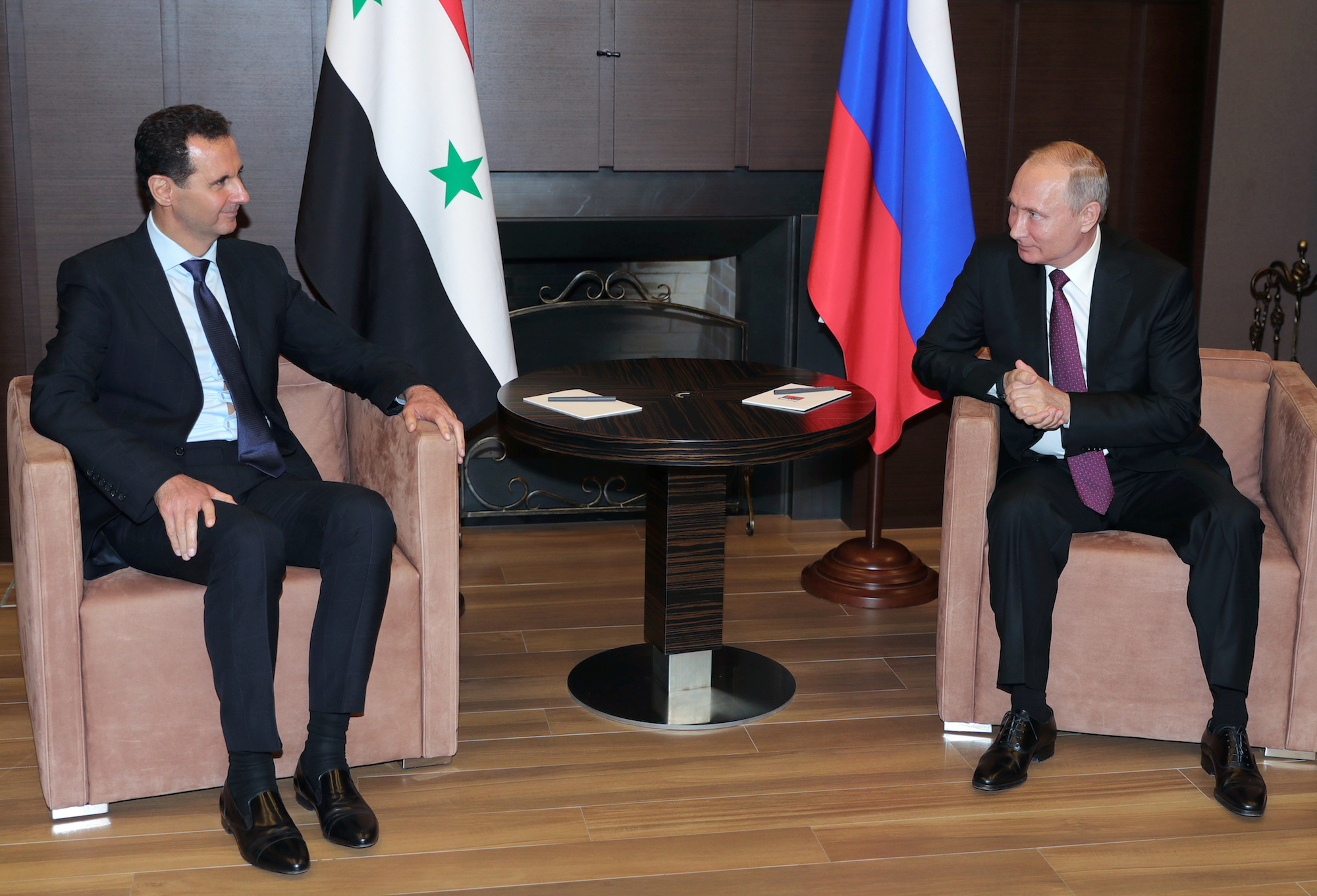
Russian President Vladimir Putin, right, listens to Syrian President Bashar al-Assad during their meeting in Sochi, Russia, May 17. (Mikhail Klimentyev, Sputnik, Kremlin Pool Photo via AP)
Just as Israel intensified its air raids against Iranian military targets in Syria, Russia began distancing itself from Iran, demanding the withdrawal of Iranian and allied Shia militias from that country. The widening of the Iran-Russia divide is hardly surprising: While the Islamic Republic leadership longs for Russia as a strategic ally, Russia perceives Iran as little other than a tactical asset and an expendable bargaining chip in Moscow’s negotiations with the world powers. Nowhere is the Kremlin’s cynical game with Iran more visible than in Syria.
As Russian President Vladimir Putin received Syrian President Bashar al-Assad in Moscow on May 17, he told the media that he presumes “foreign armed forces will be withdrawn from the territory of the Syrian Arab Republic.” Following some speculation about which foreign forces Putin was referring to, Alexander Lavrentyev, Russian special presidential envoy for Syria, attending the Sochi talks on May 18, explained that “all foreign military units, whose contingent is in Syria, including Americans, Turks and Hezbollah, of course, and Iranians,” must leave Syria. That is all, with the exception of the Russian contingent, Lavrentyev emphasized.
Moscow’s signals were not well-received in Tehran. Responding to Putin, Bahram Qassemi, Iranian foreign ministry spokesman, on May 21 defiantly said: “No one can coerce Iran to do anything. Iran will maintain its presence [in Syria] as long as there is terrorism, and as long as the government of Syria desires it. Those who entered Syria without authorization from the Syrian government, should exit.” Qassemi’s last sentence was a reiteration of Supreme Leader Ayatollah Ali Khamenei’s April 30 statements.
Initially, Tehran received some support for its position from Faisal Mikdad, Syrian deputy foreign minister, who, in an interview with Sputnik News on May 23, said Damascus “highly appreciates” the help of forces from Russia and “advisers from Iran and Hezbollah in the struggle against terrorists.” It is not yet known for how long Damascus is ready to maintain that position, and it is not unthinkable that the Assad regime will try to play Moscow and Tehran against each other in an attempt to extract more aid from both.
Iran-Russia relations were not always this strained, and there was a time when converging policy objectives brought them closer to each other. Their immediate goals were to prevent the collapse of the Assad regime in Damascus, to annihilate what remained of U.S.-backed opposition groups in Syria, and to bring about the total humiliation of the United States and its allies, thereby rolling back the post-Cold War American world order. The axis was also interested in perpetuating a low-intensity conflict in Syria, where the threat of the rise of radicalism not only legitimized its military presence but also could serve as a useful bogyman in the countries’ respective dealings with the United States and Europe.
To this end, Tehran and Moscow devised a division of labor and a burden-sharing arrangement, which helped them achieve most of those objectives despite their differing strategic imperatives: Russia committed itself to providing badly needed air support for the Syrian regime and its allies, and its warplanes conducted daily air strikes against anti-regime rebels. Moscow also stepped up arms deliveries to Damascus.
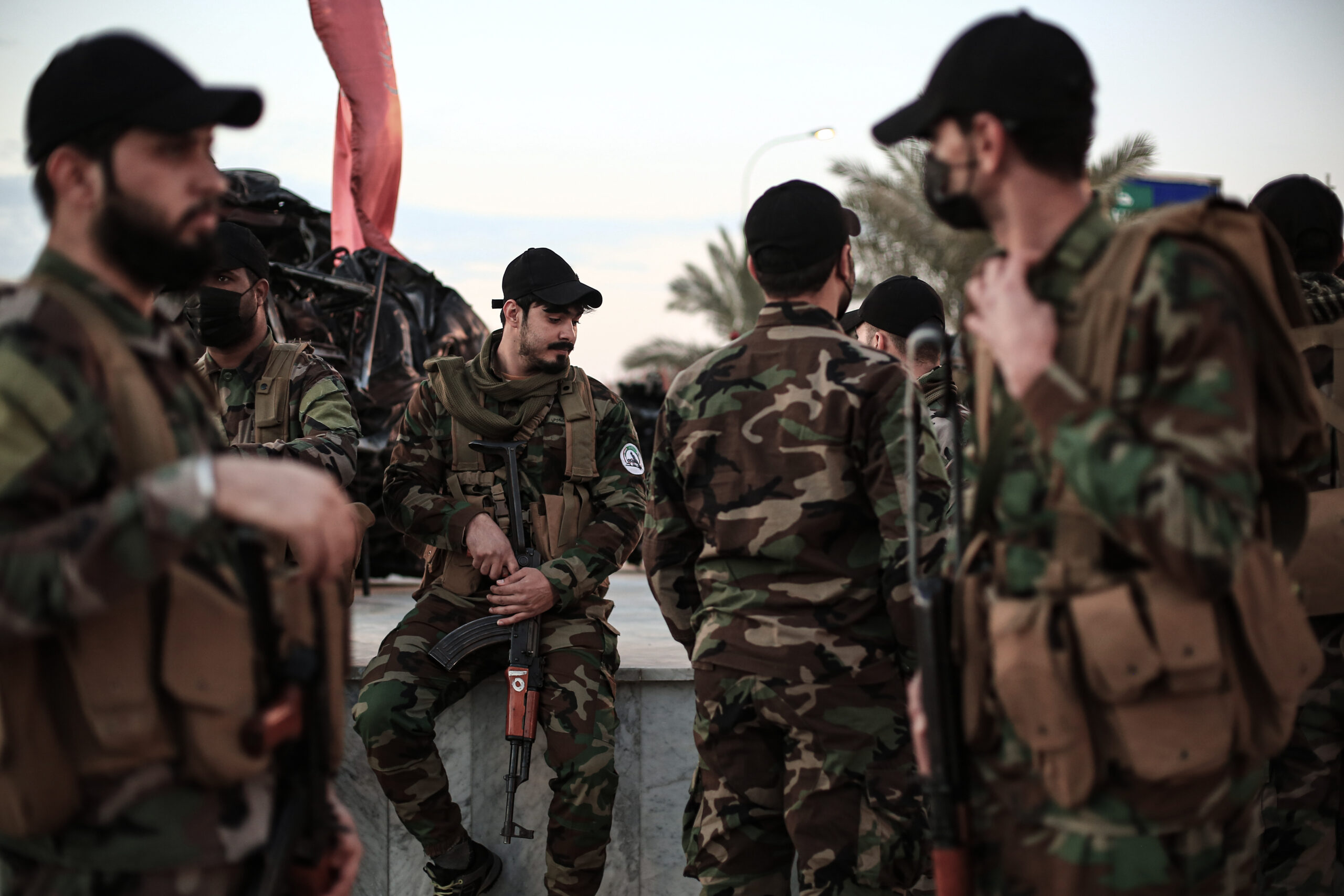
The Islamic Republic, on the other hand, provided the boots on the ground, with a growing force of Islamic Revolutionary Guard Corps units deployed in Syria along with Lebanese Hezbollah fighters and Shia militias from Afghanistan, Iraq, and Pakistan supporting the badly weakened Syrian army. This arrangement minimized Russian and Iranian losses, and effectively changed the fortunes of the Assad regime in the course of the war.
As soon as the immediate goals of the axis were reached, differences in strategic objectives of Tehran and Moscow surfaced, causing tensions.
The postwar reconstruction was the first sign of the widening gap between the former allies. While Iranian authorities, including Ali Akbar Velayati, foreign policy adviser to Khamenei, and Ebadallah Abdollahi, IRGC Khatam al-Anbia Construction Base chief, expressed Iran’s willingness to contribute to the postwar reconstruction of Syria, Tehran gradually learned that Iranian companies were not particularly welcome: On January 17, Baztab News Agency reported: “According to an agreement reached between the governments of Russia and Syria, Iran and Iranian companies are sidelined from reconstruction and investment in this country … Should Iran desire to participate in Syria’s reconstruction, it must negotiate with the Russians!”
Still worse, from Tehran’s perspective, Israeli Prime Minister Benjamin Netanyahu, under whose orders the Israeli air force has conducted airstrikes against Iranian military targets in Syria, reached an understanding with Putin on May 9, and said Russia is unlikely to limit Israeli actions in Syria.
The Islamic Republic will doubtlessly do its utmost to maintain a military presence in Syria in spite of international pressure, but Tehran is waking up to a bitter reality: After all the blood and treasure Iran sacrificed in Syria, Russia is reaping the fruits of victory, and once again, Tehran is finding itself on the losing side. Such is the price of envisioning a strategic alliance where there is only a tactical alliance of convenience with Tehran as the weaker partner.
The views represented herein are the author's or speaker's own and do not necessarily reflect the views of AGSI, its staff, or its board of directors.
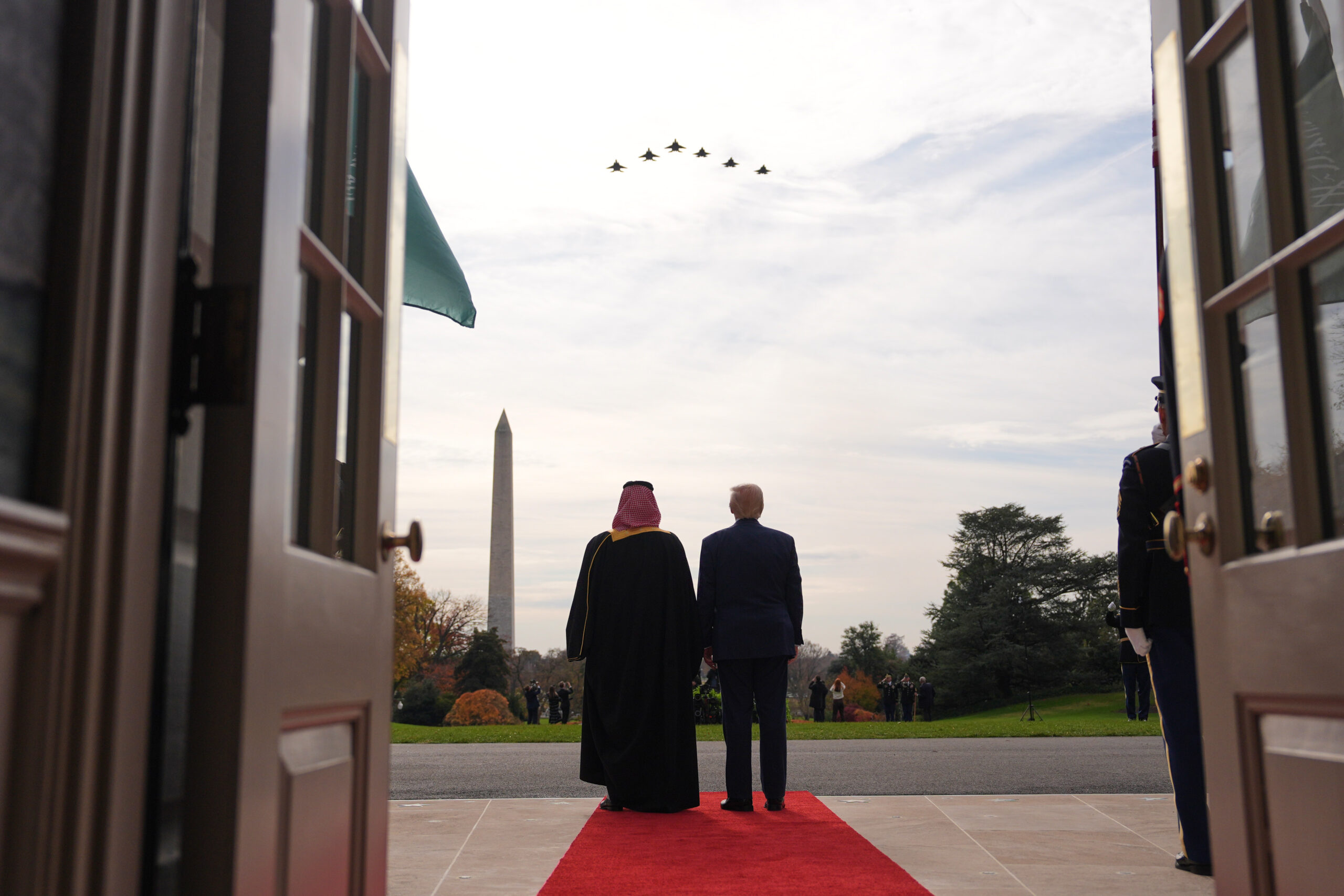
If the U.S. F-35 sale goes through, it will add a new layer to Saudi airpower. But the fifth-generation fighter by itself will not address Saudi Arabia’s present and future vulnerabilities.
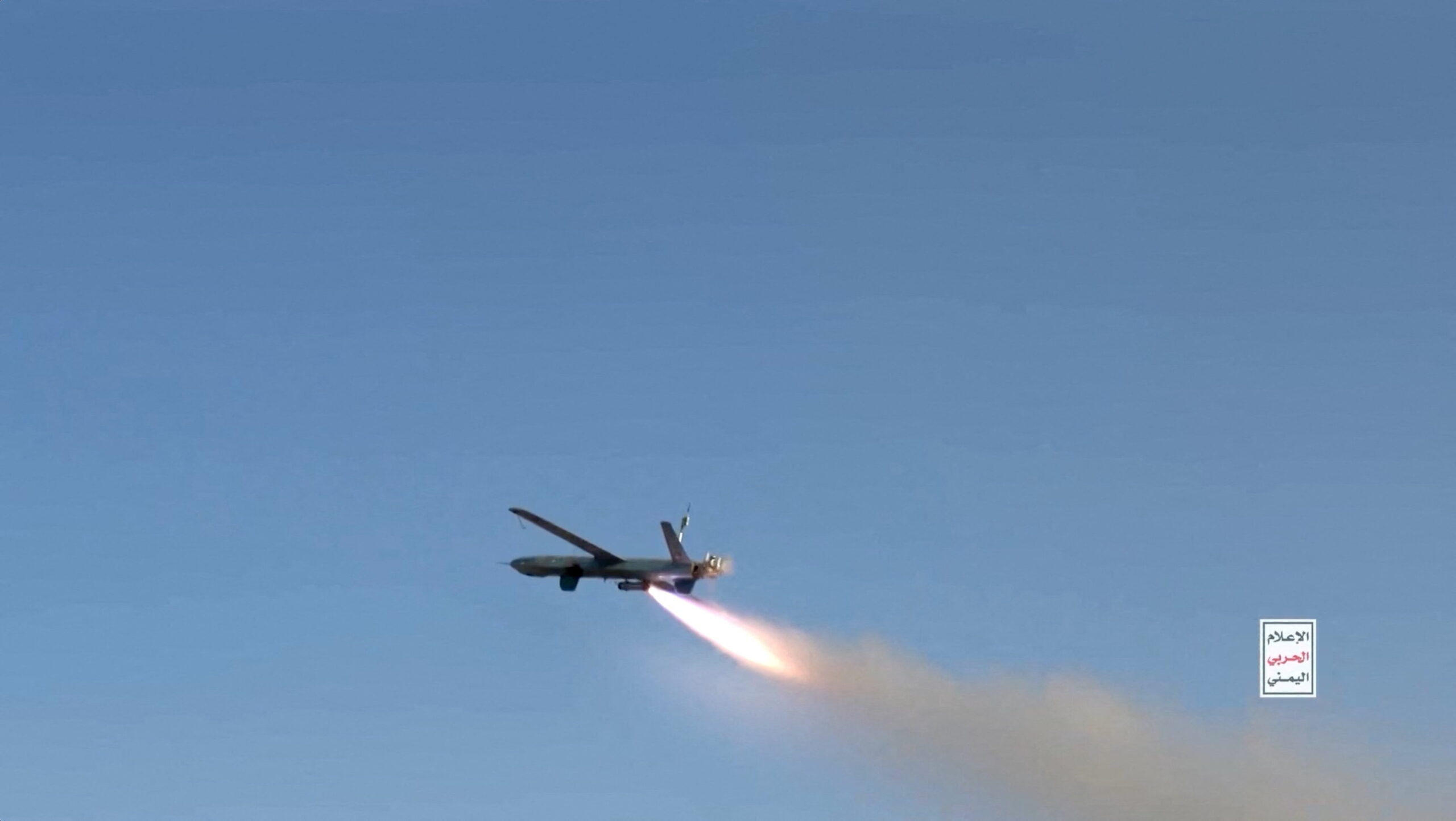
Artificial intelligence is entering the Yemen conflict through weapons engineering and U.S.-supported targeting operations, extending a regional transformation accelerated by the war with Iran.
After U.S.-Israeli strikes killed Supreme Leader Ayatollah Ali Khamenei on February 28, Iran’s collective leadership has concluded that the best defense is a good offense.
Wartime pressure has temporarily aligned the leadership’s overriding interest in regime survival, even as its members continue to differ over the costs, methods, and ultimate objectives of the war.
While there is historical precedent for collective leadership in Iran, today’s leadership includes representatives of the IRGC and regular military – a reflection of the IRGC’s expanding role and the necessities of governing under wartime conditions.