Feb 21, 2025
Iran: Qatar in Focus, Proxies in the Periphery
The February 21 edition of the Iran Media Review analyzes remarks following Iranian officials’ meetings with regional proxies and Qatar.

As Iran is recalibrating its regional policies, states have moved to the center of Tehran’s attention over nonstate actors. Supreme Leader Ayatollah Ali Khamenei and Foreign Minister Abbas Araghchi politely courted representatives from Palestinian Islamic Jihad and Iraq’s Popular Mobilization Commission, but to judge by the media reports, the meetings appeared to have had less substance than a meeting with Qatar’s emir during his visit to Tehran, suggesting a shift of focus to Iran’s Arab neighbors.
- February 18: Supreme Leader Ayatollah Ali Khamenei’s official website quoted his statements upon receiving representatives of Palestinian Islamic Jihad in Tehran:
- He said the “victory” of the resistance “in Gaza created new standards in resistance struggles … the stupid plans of Americans and others with regard to Gaza and Palestine will not lead to anything.”
- February 19: Receiving Qatari Emir Tamim bin Hamad al-Thani in Tehran, Khamenei said, as quoted by his official website:
- “One of the declared policies of the Cabinet of Mr. Pezeshkian is to expand relations with neighboring countries. By the grace of God, good work has been done in this field, and progress has been achieved, as Mr. Araghchi is active in this regard.”
- “We continue to consider Qatar a friend and a brother, although issues remain, such as Iranian assets from South Korea that were transferred to Qatar, but we also realize the United States was responsible for nonenforcement of the agreement reached in this regard. If we were in Qatar’s place, we would have ignored the U.S. pressure, we would have transferred the funds, and we still expect such a thing from Qatar.”
- February 20: Sazandegi, the technocratic Kargozaran Party’s newspaper, covered the Qatari emir’s meeting with Iranian President Masoud Pezeshkian and quoted the Qatari emir as saying:
- “We discussed cooperation in different fields between the two countries and stressed the need to create opportunities for more cooperation, in particular in the fields of trade and finance … We are also following up on the work of the joint economic commission with the aim of increasing the trade volume between the two countries … We also discussed the difficult conditions in our region … We agreed constructive dialogue is the best way of solving present conflicts, and we welcome the constructive approach of the president of Iran with regard to the Cooperation Council and Organization of Islamic Countries.”
- February 20: Hard-line Kayhan covered Iraqi Popular Mobilization Commission Chairman Falih al-Fayyadh’s and Palestinian Islamic Jihad Secretary General Ziyad al-Nakhalah’s meetings with Araghchi in Tehran, writing:
- “The foreign minister praised the role of the Popular Mobilization Forces’ fight against Islamic State terrorism, and the positive influence of the organization on lasting security in the region, and said: ‘We shall always remain on the side of our brothers in the Iraqi resistance and in the entire region.’” Fayyadh reportedly thanked Iran “for the Islamic Republic’s support to Iraq during the hardships of the struggle against terrorism.”
- Receiving Nakhalah, Araghchi congratulated “the historical victory of the Palestinian people and the Palestinian resistance in the 16-monthlong genocidal war of the Zionist regime in Gaza.” Araghchi also condemned “the plans for forced eviction of Palestinians from Gaza.”
The views represented herein are the author's or speaker's own and do not necessarily reflect the views of AGSI, its staff, or its board of directors.
Related
Iran Media Review
Feb 18, 2025
Negotiation or No Negotiation? Cabinet vs. IRGC
The February 18 edition of the Iran Media Review examines conflicting statements on talks with the United States from Iran’s Cabinet and the Islamic Revolutionary Guard Corps.
Iran Media Review
Feb 14, 2025
Revolution Day Messages to Washington
The February 14 edition of the Iran Media Review considers Iranian officials’ calls for unity and resistance to negotiations with the United States.
Feb 18, 2025
Negotiation or No Negotiation? Cabinet vs. IRGC
The February 18 edition of the Iran Media Review examines conflicting statements on talks with the United States from Iran’s Cabinet and the Islamic Revolutionary Guard Corps.
Feb 14, 2025
Revolution Day Messages to Washington
The February 14 edition of the Iran Media Review considers Iranian officials’ calls for unity and resistance to negotiations with the United States.
Analysis
Under Mojtaba, the IRGC Will Reign Supreme
Iran may still call itself an Islamic Republic. In practice, however, it increasingly resembles a state in which the military governs from behind clerical robes.
Political Life and Legacy of Iran’s Ayatollah Khamenei
Ayatollah Ali Khamenei was killed in his office in Tehran at age 86, leaving behind a country in ruins and on the verge of civil war and potential disintegration.
Iranian Regime Fighting for Survival
Iran is signaling that it will not absorb attacks passively. But whether this strategy ensures the regime’s survival, seals its fate, or accelerates a broader catastrophe will shape the region for years to come.
Iran’s 2025-26 Protests in Perspective
The erosion of the regime’s legitimacy across broad segments of society, combined with the breadth of the 2025-26 protest coalition, raises the possibility that a new confrontation could trigger renewed anti-regime mobilization.
Events
Mar 18, 2026
10:00am - 11:00am
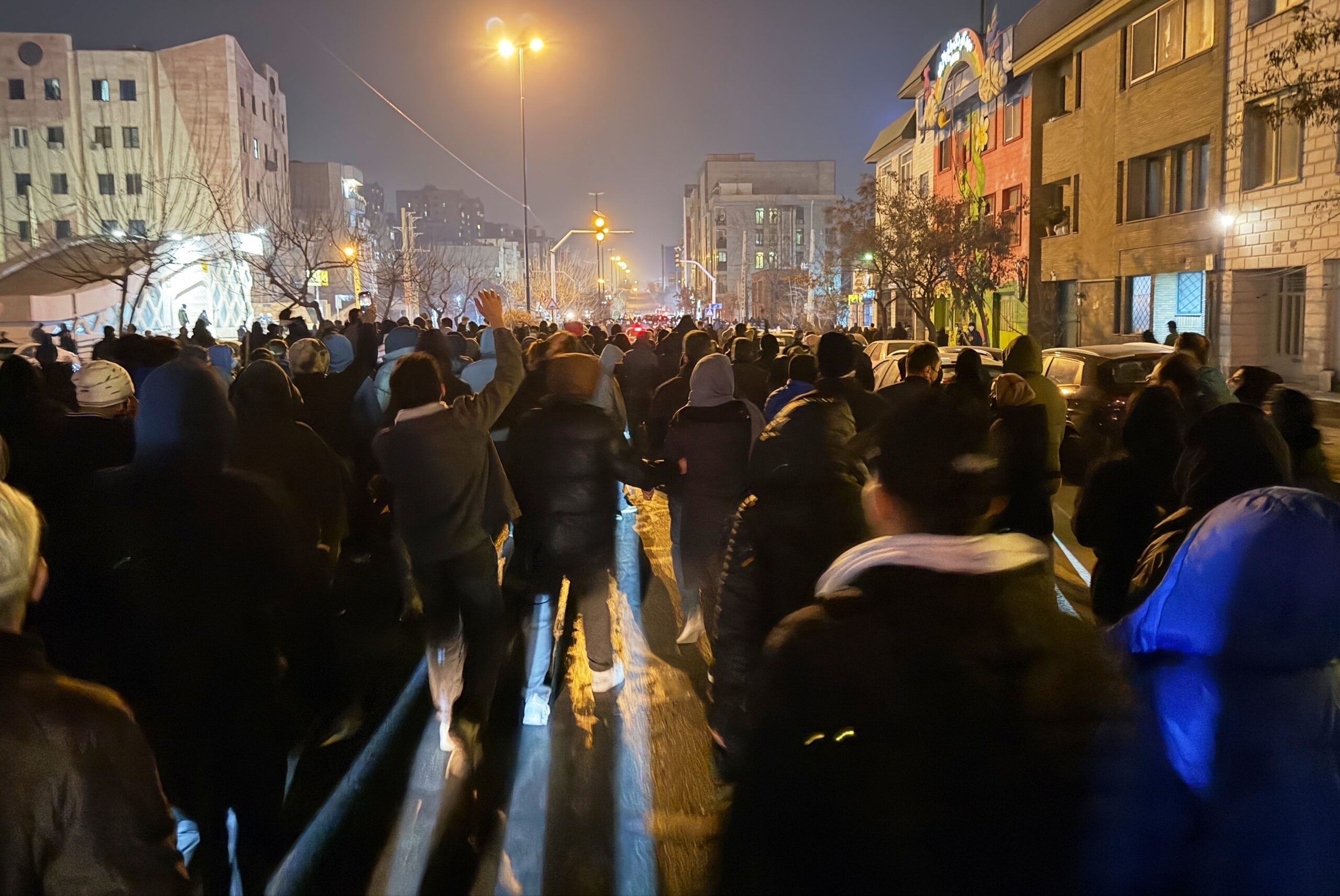
In Its Conflict With the United States and Israel, Does Escalation Favor Iran?
On March 18, AGSI will host a discussion on the escalation of the Iran war.
Speakers


Mar 2, 2026
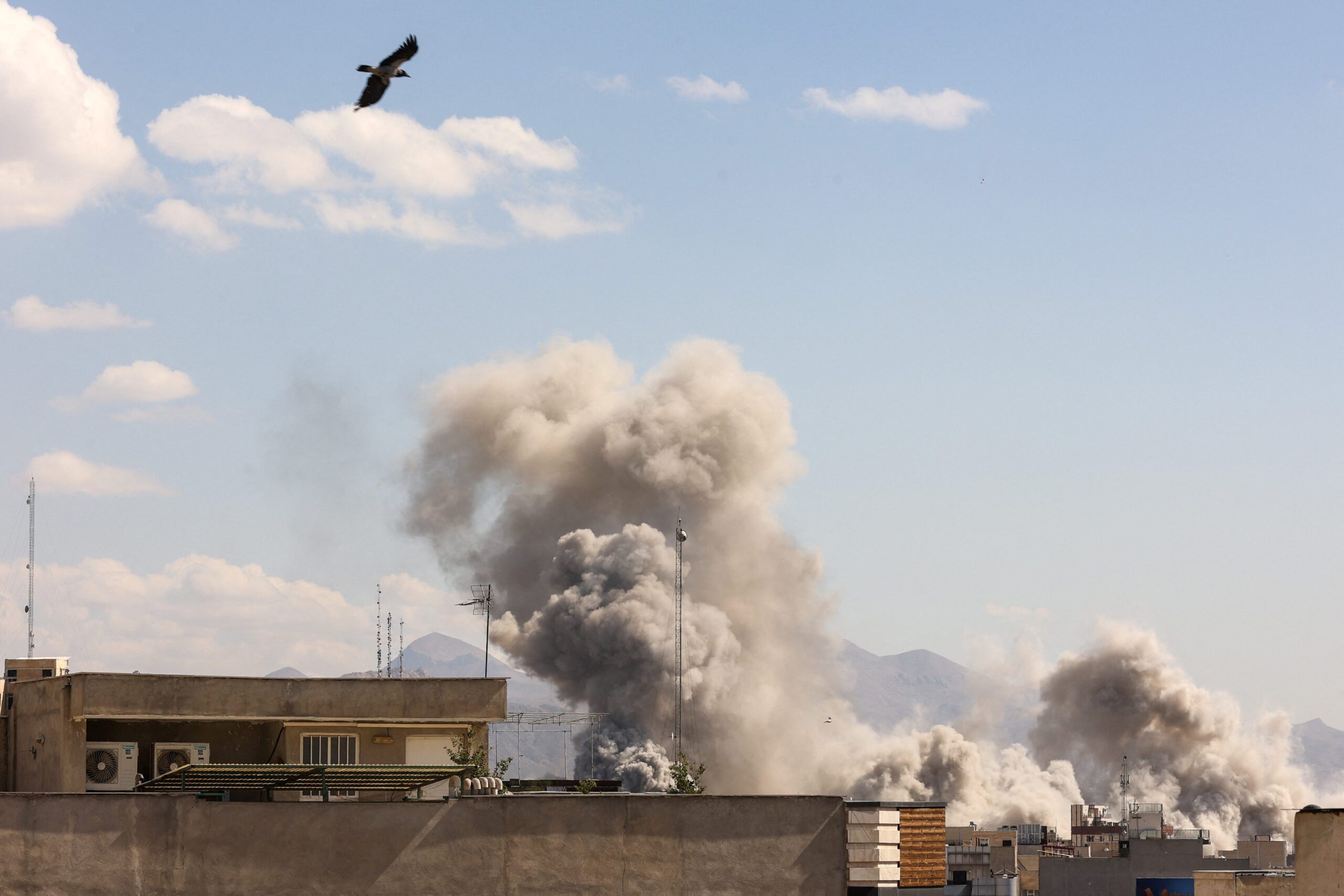
After the Shock: Implications of the U.S.–Israeli Strikes and Iran’s Leadership Transition
On March 2, AGSI hosted a discussion on the U.S.-Israeli strikes on Iran.
Speakers




Jan 8, 2026
Outlook 2026: Prospects and Priorities for U.S.-Gulf Relations in the Year Ahead
On January 8, AGSI hosted a virtual roundtable with its leadership and scholars as they look ahead and assess trends likely to shape the Gulf region and U.S. foreign policy during the coming year.
Speakers
Sep 16, 2025
Book Talk: Iran’s Grand Strategy: A Political History
On September 16, AGSI hosted a discussion on the roots of Iran's strategic outlook.
Speakers