The Houthis don’t win because they are smarter or better fighters than their adversaries. They win because they are focused and unified, while their opponents tend to be divided and distracted.
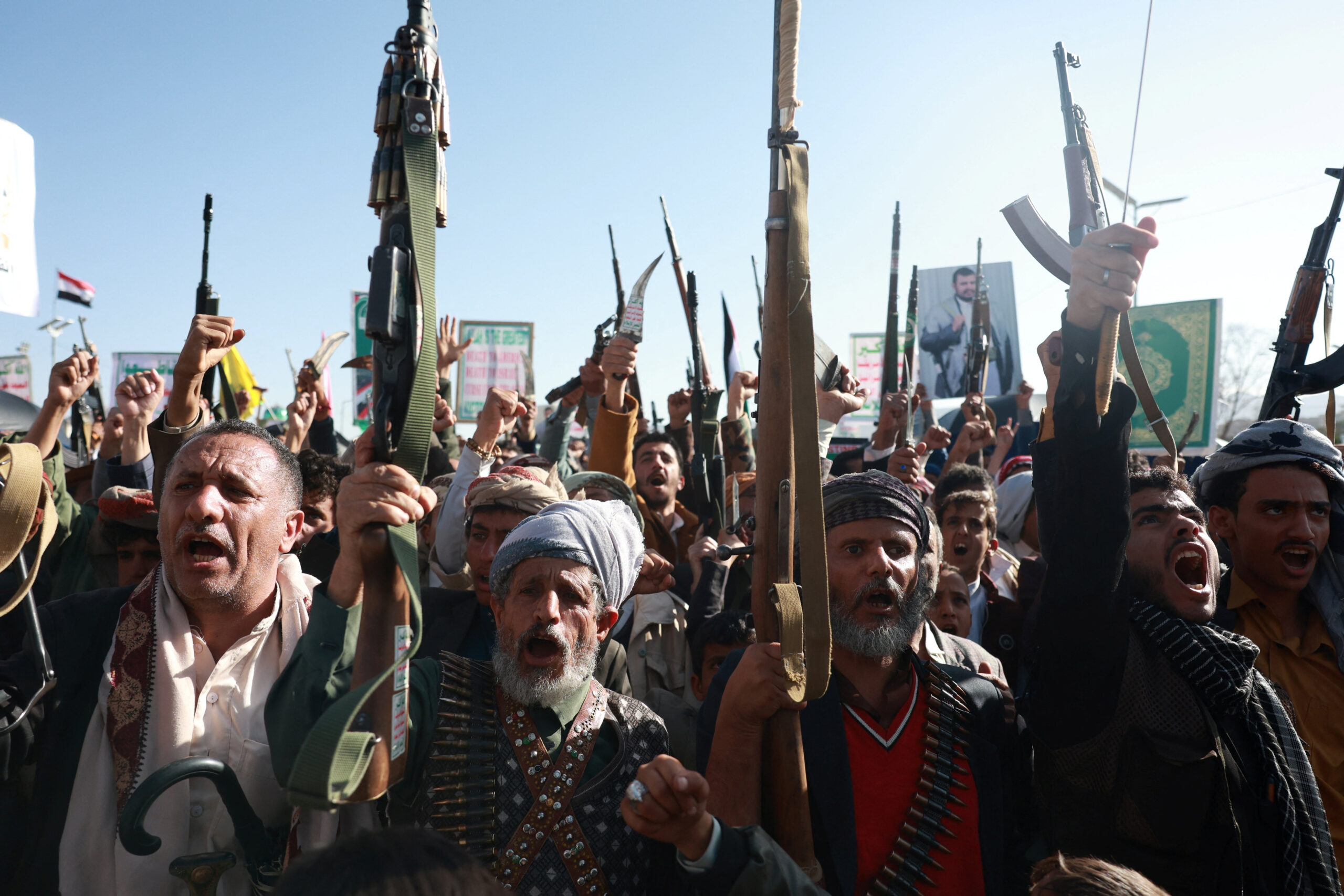
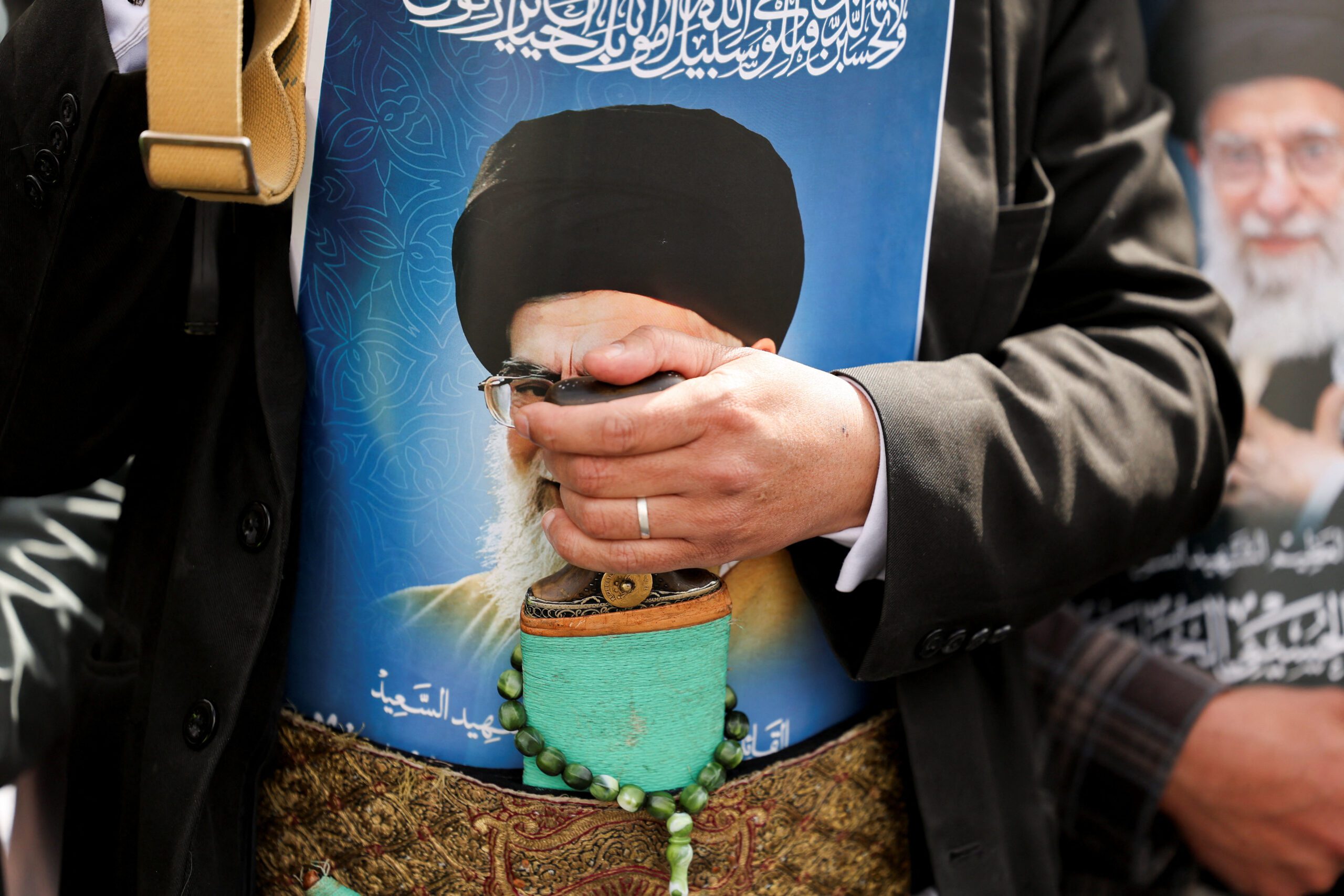
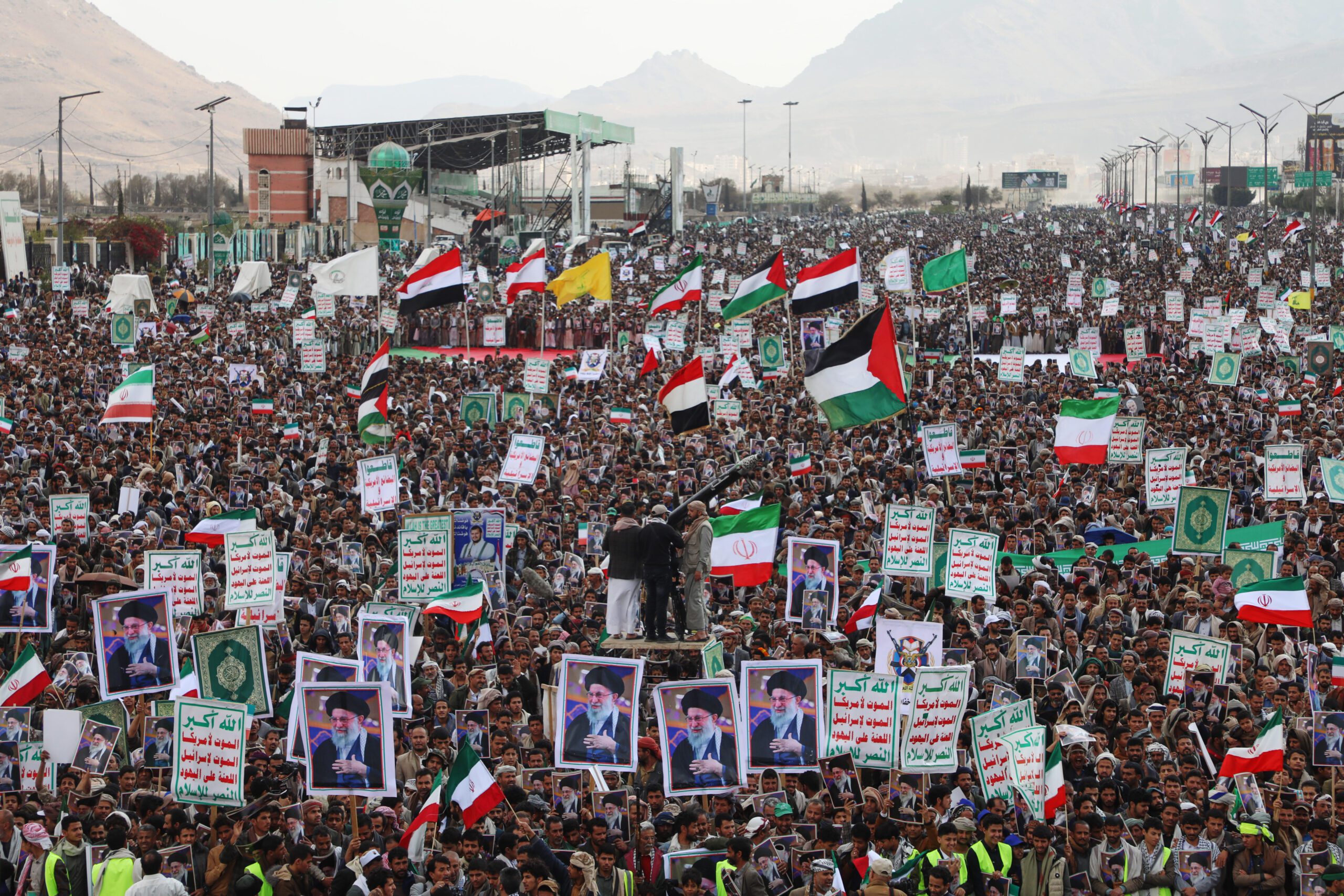
Houthi supporters rally to show support for the movement as fighting intensifies across several Yemeni fronts, in Sanaa, Yemen, October 9. (REUTERS/Mohammed al-Mahdi)
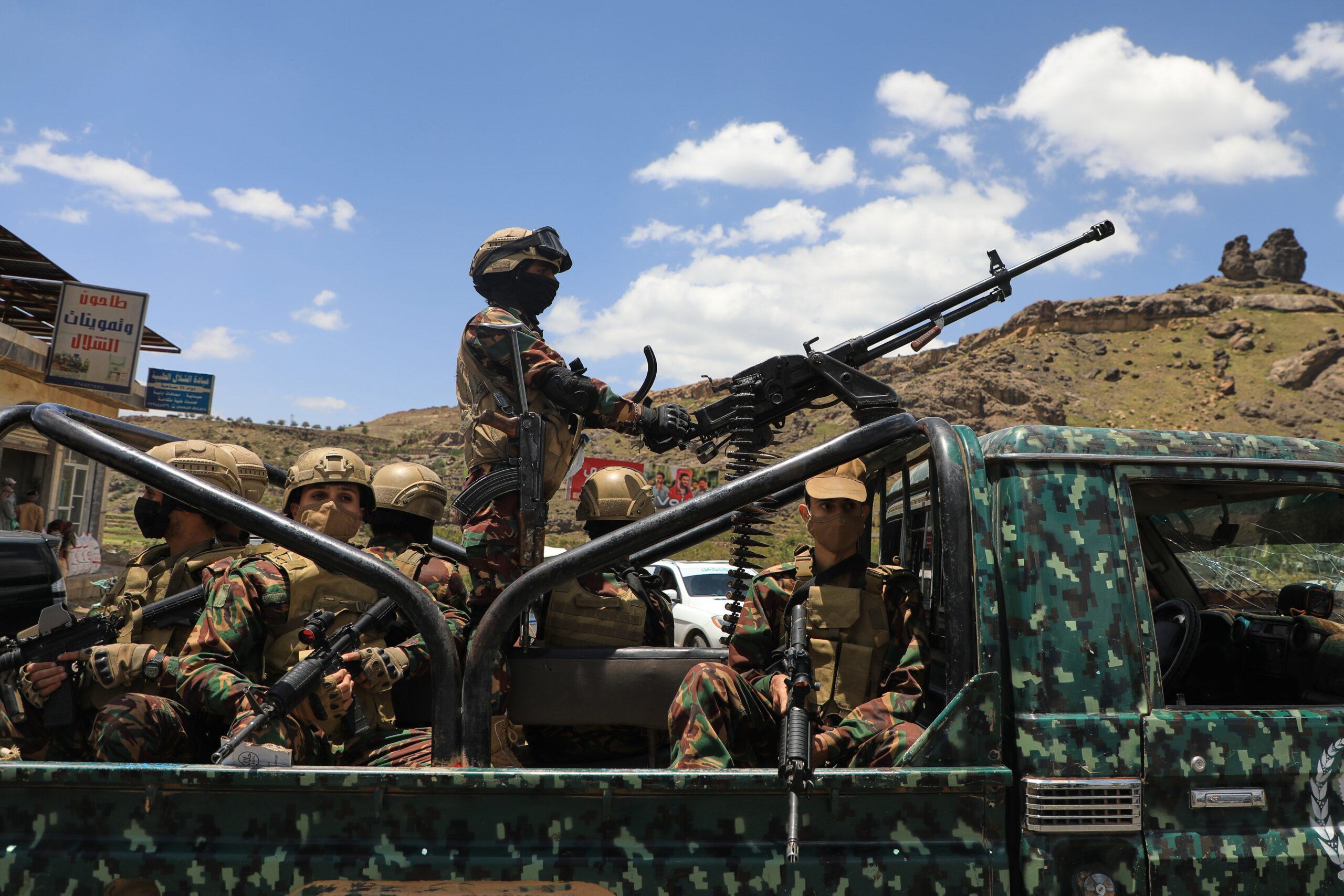
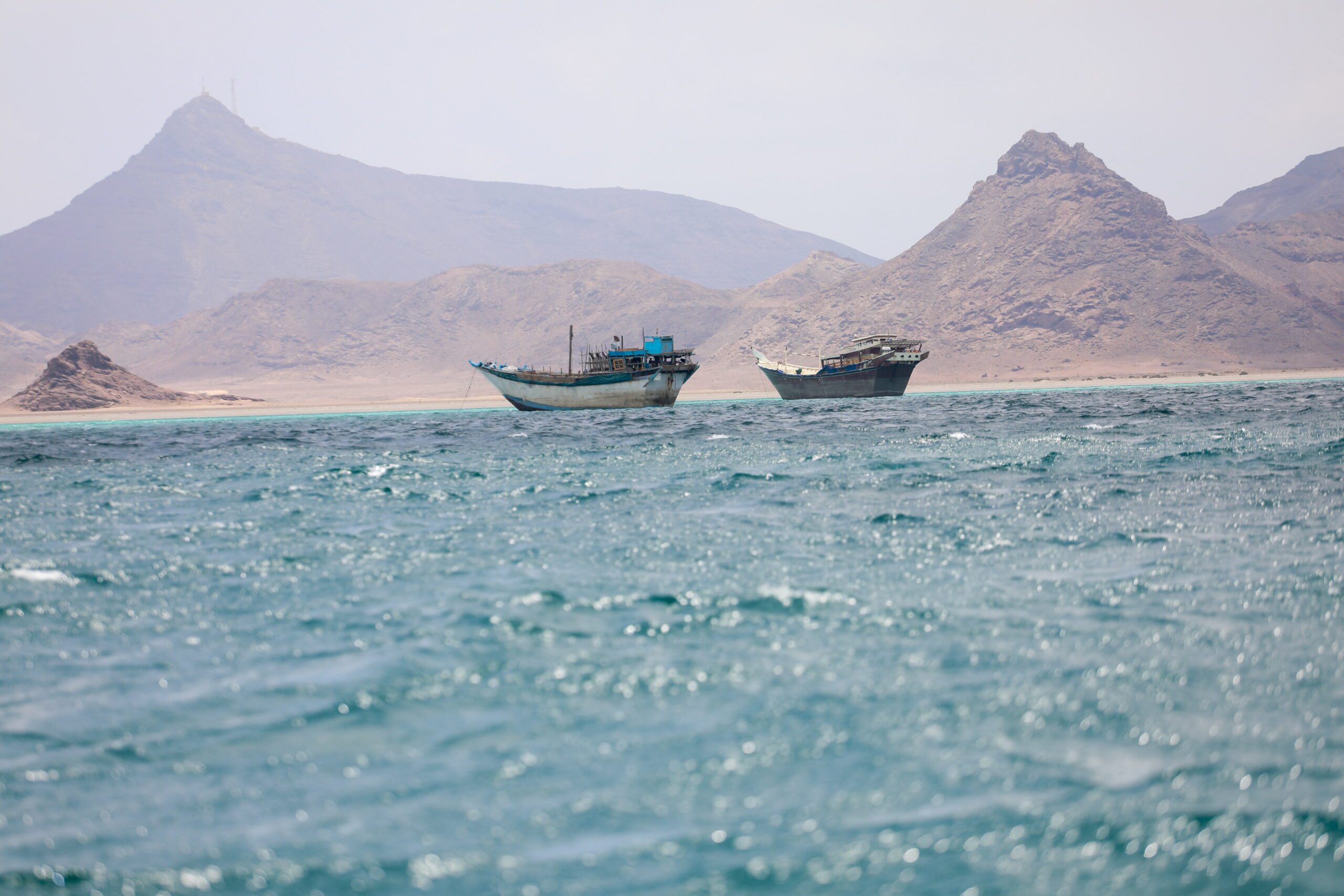
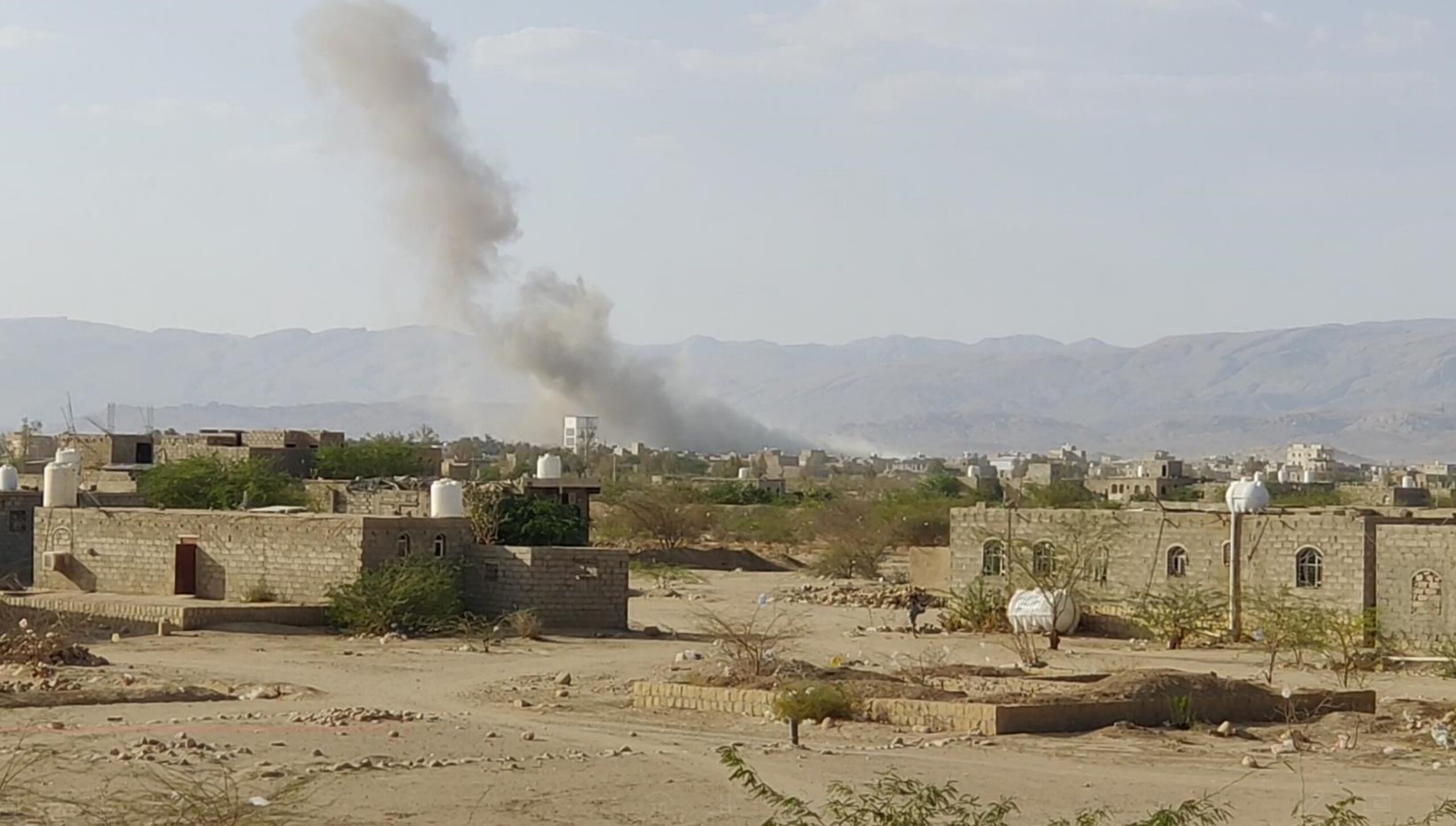
In early September, the Houthis took Yemen’s port city of Mokha in a lightning, overnight advance. Next, they grabbed the Bab el-Mandeb, the narrow chokepoint that controls access in and out of the Red Sea. A month later, the Houthis fired missiles at Riyadh’s international airport, killing at least 12 people and leading Saudi Arabia to cancel its “Davos in the Desert” annual investment forum and other events. On October 28, the Houthis fired another round of missiles at the international airport in Aden. Dotted around these larger strikes have been handfuls of smaller attacks, daily missile and drone strikes that are bringing the conflict home to Saudi Arabia in a way it never has before.
Saudi Arabia has responded, much as it did a decade ago, by attempting to put together an international coalition to push the Houthis back. The United Kingdom has agreed to provide fighter aircraft to Saudi Arabia to help with defensive measures. Egypt’s Parliament approved military support to Saudi Arabia. And both Pakistan and Turkey are examining what their signatures on the Mecca Joint Defense Agreement obligates them to contribute.
That the Houthis are at war again should surprise no one who has followed the group. The Houthis have inverted Carl von Clausewitz’s famous maxim that: “War is the continuation of politics by other means.” For the Houthis, political negotiations are the continuation of war by other means. The Houthis delay, negotiate, and survive when the battlefield is against them, and then they isolate, attack, and eliminate when they have the advantage. This simple strategic template has served the Houthis well for more than two decades, and it is exactly what they are doing now.
On September 10, 2004 – 22 years to the day before the Houthis would take Mokha – the initial Houthi leader, Hussein Badr al-Din al-Houthi, was killed by Yemeni government forces. At the time, it looked like the Houthis were a spent force. Their leader and many of his followers were dead, key deputies were in jail, and the group lacked structure as well as an obvious successor. How the Houthis survived, regrouped, and then managed to defeat many of their local enemies in subsequent years has key lessons for the international community today. The Houthis are no longer simply a domestic threat in Yemen but increasingly a regional and international challenge. Yet the group is still using the same basic strategy it developed during its formative years.
Between 2004 and 2010, the Houthis and the Yemeni government fought six separate rounds of conflict. These wars were messy, brutal, and bloody. Civilians were killed, crops destroyed, and hospitals bombed. The last war, which began in 2009 and ended in early 2010, was dubbed “Operation Scorched Earth,” which was an apt description of the Yemeni government’s approach to warfighting. By any standard military measure, the Houthis won none of these wars. But they survived each of them. They nurtured a laundry list of grievances and developed a list of enemies – the military officers who conducted the war, the tribes who aided them, and the president who initiated the conflict.
In 2011, when the Arab Spring protests presented the Houthis with an opportunity, they were ready. The Houthis took advantage of the chaos and conflict in Sanaa, where then-President Ali Abdullah Saleh was fighting to hold on to power, by consolidating control of their home governorate of Saada. This was something the group had never been able to do previously, and it gave them a base out of which to operate. From there, they looked to expand. In 2014, with their center secured, the Houthis began a slow march on Sanaa, eliminating enemies as they went. Their first target was a military base in a neighboring government commanded by a general, Hamid al-Qushaibi, who had once ordered his men to strap the bodies of dead Houthi fighters to their jeeps and drag them through the streets of Saada.
Next, the Houthis surrounded and destroyed the home of the al-Ahmar tribal family, which had supplied tribal militias to the government for its fight against the Houthis. Then, the Houthis made a deal with former enemy Saleh to take the capital and target another enemy, Major General Ali Mohsen al-Ahmar, who had overseen the government’s six wars. Sanaa fell to the Houthis, while Ali Mohsen managed to survive only by being smuggled out of the country by the Saudi ambassador. Three years later, when the Houthis had both secured their base in Sanaa and weakened Saleh, they went on the offensive again, eventually executing Saleh after a four-day street battle.
Two things stand out from this history. First, the Houthis are both single-minded and possess a significant degree of strategic patience. They are willing to partner with former enemies if that will facilitate the elimination of other threats. In 2014, the Houthis judged Ali Mohsen a bigger threat than Saleh. Second, the Houthis are skilled at taking advantage of external circumstances to advance their goals of isolating and eliminating their enemies. This is exactly what the Houthis are doing with the war in Iran, exploiting a larger conflict in an effort to isolate and attack Saudi Arabia. At no point, during their long march to Sanaa in the summer and fall of 2014, did the Houthis face a unified opposition. Instead, they were allowed to advance at their own pace while picking off their enemies one at a time.
When the Houthis do find themselves in trouble, as they did in Hodeidah in 2018, they are quick to rush to the negotiating table as a way of giving themselves breathing space to extend the war. When they agree to a cease-fire, as they did in 2022, it isn’t as the first step toward hammering out a permanent peace, but rather it is a delaying tactic that allows them to regroup and refit for the next round of conflict.
This is exactly what is happening now. In recent years, the Houthis have fought Saudi Arabia, Israel, and the United States. The group has no shortage of enemies. But, at the moment, the Houthis are only interested in isolating and fighting Saudi Arabia, which they view as vulnerable. The Houthis don’t want to fight the United States or Israel, and they are pointing to their 2025 cease-fire with the United States as a reason to limit the current conflict.
The Houthis don’t win because they are smarter or better fighters than their adversaries. They win because they are focused and unified, while their opponents tend to be divided and distracted. Their adversaries tend to treat rounds of fighting with the Houthis as optional conflicts in which they can periodically pound Houthi positions and yet remain secure at home. Saleh thought this was the case in 2004, when he bombed the Houthis in Saada. A decade later, the group took Sanaa. Saudi Arabia thought this was true in 2015, when it initiated years of airstrikes against the Houthis. Just over a decade later, the Houthis are bombing Riyadh’s international airport and forcing Saudi Arabia to cancel a major investment showcase.
The Houthis aren’t part of the established international system, and their ambitions extend well beyond the borders of Yemen. They aren’t likely to be bought off for any extended period of time. The challenge the group presents is considerable, and it possesses significant geopolitical leverage through its location on the eastern coast of the Red Sea. There are no easy or obvious solutions; but a solution with a unified international effort has largely been missing.
The views represented herein are the author's or speaker's own and do not necessarily reflect the views of AGSI, its staff, or its board of directors.
Yemen’s history has seen a number of alliances of convenience unravel spectacularly, most recently the three-year marriage of convenience between former President Ali Abdullah Saleh and the Zaydi Shia Houthi rebels, who on December 4 killed Saleh in the capital of Sanaa after several days of fighting between their militias and his loyalists.
China’s ties with Yemen’s Houthis could bolster Beijing’s regional ambitions, but they also risk drawing it into conflicts that complicate its broader strategic goals.
In tandem with President Trump’s refusal to offer help with the Houthis, the Saudis are facing grim options to reverse Houthi military successes and a chokehold over their oil exports.
The Houthis’ decision to dip their toes into the conflict is a calculated choice based on military capacity, a blueprint, and the need for retaliatory pressure.