Failed coup will hand more power to Erdogan, not less
On Friday night, the world watched the collapse of what seems an exceptionally ill-conceived and poorly planned coup attempt in Turkey. While much remains undecided, several things are already clear. The coup has failed. Recep Tayyip Erdogan, Turkey’s president, who returned to Istanbul Ataturk airport in the midst of the attempted takeover, will emerge enormously...
People gather at a pro-government rally in Istanbul's Taksim Square on July 16 following a coup attempt in Turkey. (AP Photo/Emrah Gurel)
On Friday night, the world watched the collapse of what seems an exceptionally ill-conceived and poorly planned coup attempt in Turkey.
While much remains undecided, several things are already clear. The coup has failed. Recep Tayyip Erdogan, Turkey’s president, who returned to Istanbul Ataturk airport in the midst of the attempted takeover, will emerge enormously strengthened, at least in the short run. And no good will come of the entire affair for either Turkey or its neighbours.
The military factions that attempted to unseat Mr Erdogan and his democratically elected but authoritarian-minded AKP government plainly did not do their homework.
Every single major Turkish political party, including opposition groups that detest the president and the AKP, even deeply alienated Kurdish groups, strongly denounced the attempted takeover within its first hour.
Moreover, early on it also became clear that key elements within the national armed forces, including the military, the police, and other essential groups and leaders – apparently including the army chief of staff and other senior officers – did not support the attempted coup either. Finally, there was an enormous and predictable outpouring of support in many parts of the country for both the government and, much more importantly, the democratic system itself.
Many Turks who passionately object to the increasingly anti-democratic tendencies of Mr Erdogan and his minions wisely and immediately realised that a military coup would only make matters worse, not better. Even if it got rid of a budding caudillo, a military coup, by its very nature, is such an arbitrary and top-down change in governance that it would undoubtedly do more harm than good.
Contrast this response with what unfolded in Egypt in 2013, and the relative success of the two efforts becomes evident.
In Egypt, the removal of Mohammed Morsi was the culmination of many days of massive popular protests against his growing authoritarianism.
He was given numerous opportunities to cooperate with his critics, but he simply wouldn’t budge in any direction to allow for an accommodation of popular discontent.
Moreover, Mr Morsi’s removal was supported by every single Egyptian political party other than his own Muslim Brotherhood. In this regard, the situation in Turkey was the precise opposite of the one in Egypt, with total rejection by the political system of the government’s removal contrasted with virtually unanimous support.
Without ensuring that they had the requisite popular and political backing, and without quickly seizing and holding the institutions and personalities (including Mr Erdogan) necessary for their success, the coup-plotters in Turkey never really had a chance of success.
Turks are roughly evenly divided on their current leadership. The half of Turkey that loves Mr Erdogan and his allies were never going to take this lightly. And much, and indeed apparently most, of the other half of Turkey, which cannot stand him, is not willing to chuck the democratic baby out with the AKP bathwater. As all successful coup plotters have always understood, the initial show of force and seizure of key symbolic institutions is merely a prelude to the necessary bandwagoning of social forces behind the uprising.
In this case, because they did not have the necessary backing among the public and key national institutions, even including opposition political parties, momentum quickly shifted away from the plotters.
Events are still fluid. But there does not seem to be any historical precedent for a military insurgency bouncing back from the litany of failures the Turkish putschists have already accumulated and suddenly succeeding. Their failure therefore appears to be irrevocable.
Had they succeeded, because the AKP enjoys so much popular support, particularly in the rural countryside, a protracted period of civil unrest would have been the likely outcome. But even given their apparent failure, Turkey will probably face a grim immediate future.
Mr Erdogan is already blaming followers of the exiled preacher Muhammed Fethullah Gülen, a former ally and now adversary of the AKP who has taken refuge in the United States. The government is now sure to intensify its continuing purge of his supporters in various sectors.
Moreover, the charge is implausible since Gülenists are not heavily represented in the military, and are more present in the police, which supported the government throughout the attempted coup, and other agencies.
The sad reality is that Mr Erdogan, who is already darkly talking about “traitors paying a heavy price” for their misdeeds, will use the opportunity to strengthen his grip on power, purge the military, media and other national institutions even more aggressively than ever, and try to finally crush the Gülenist movement once and for all.
Turkish society appears to have overwhelmingly, wisely and correctly rejected the idea that a military coup is the answer to their very real problems stemming from Mr Erdogan’s increasingly suffocating authoritarianism. Sadly, their commendable commitment to constitutional rule is not likely to be rewarded by its primary beneficiary.
The tragic irony is that this brave and principled defence of democracy by Turkey’s people, society and national institutions will only leave Mr Erdogan more firmly in control, and more autocratic, than ever.
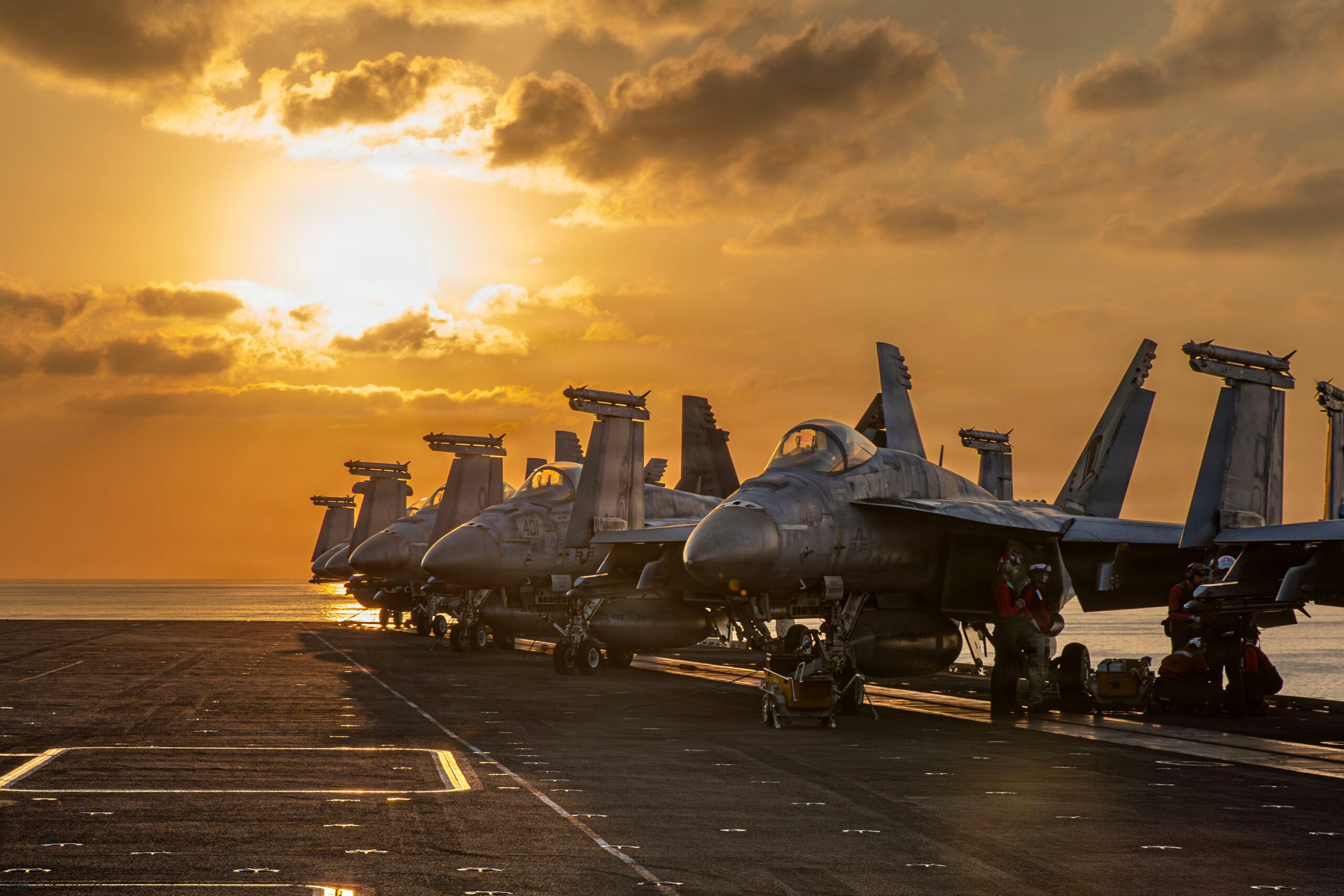
If the U.S. F-35 sale goes through, it will add a new layer to Saudi airpower. But the fifth-generation fighter by itself will not address Saudi Arabia’s present and future vulnerabilities.
President Trump has led the United States into an impossible dilemma in which resuming and intensifying the war presents one set of alarming consequences while ending it under current circumstances offers at least as many disasters for Washington.
The Trump administration has positioned the United States at a crossroads between a new regime of containment against Iran or a historic drawdown of U.S. influence in the Gulf and broader Middle East.
Riyadh and Abu Dhabi urged President Trump not to attack Iran, but now that the war is into its second month, leaving the current situation in place would be an unthinkable fiasco for them.
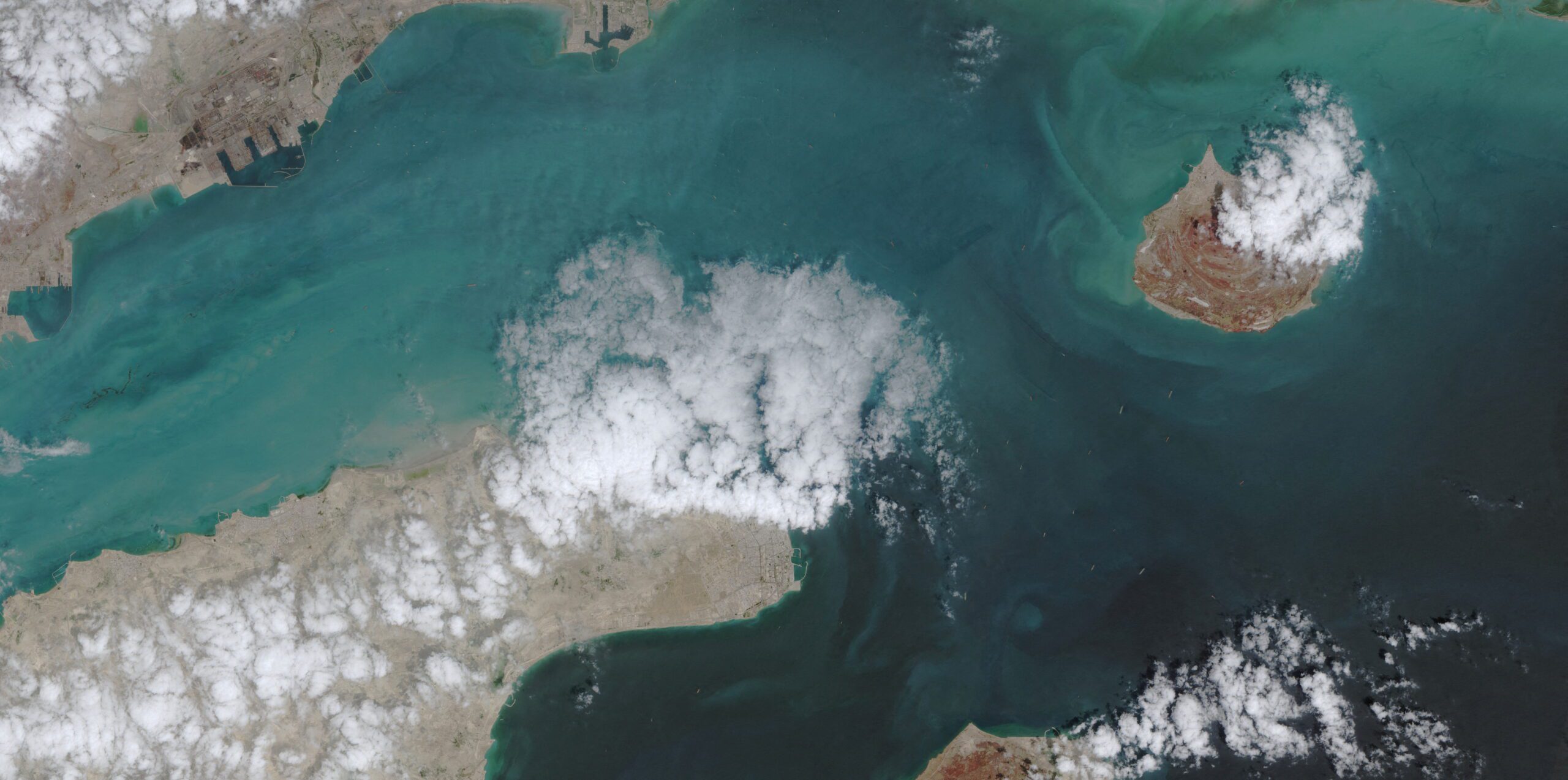
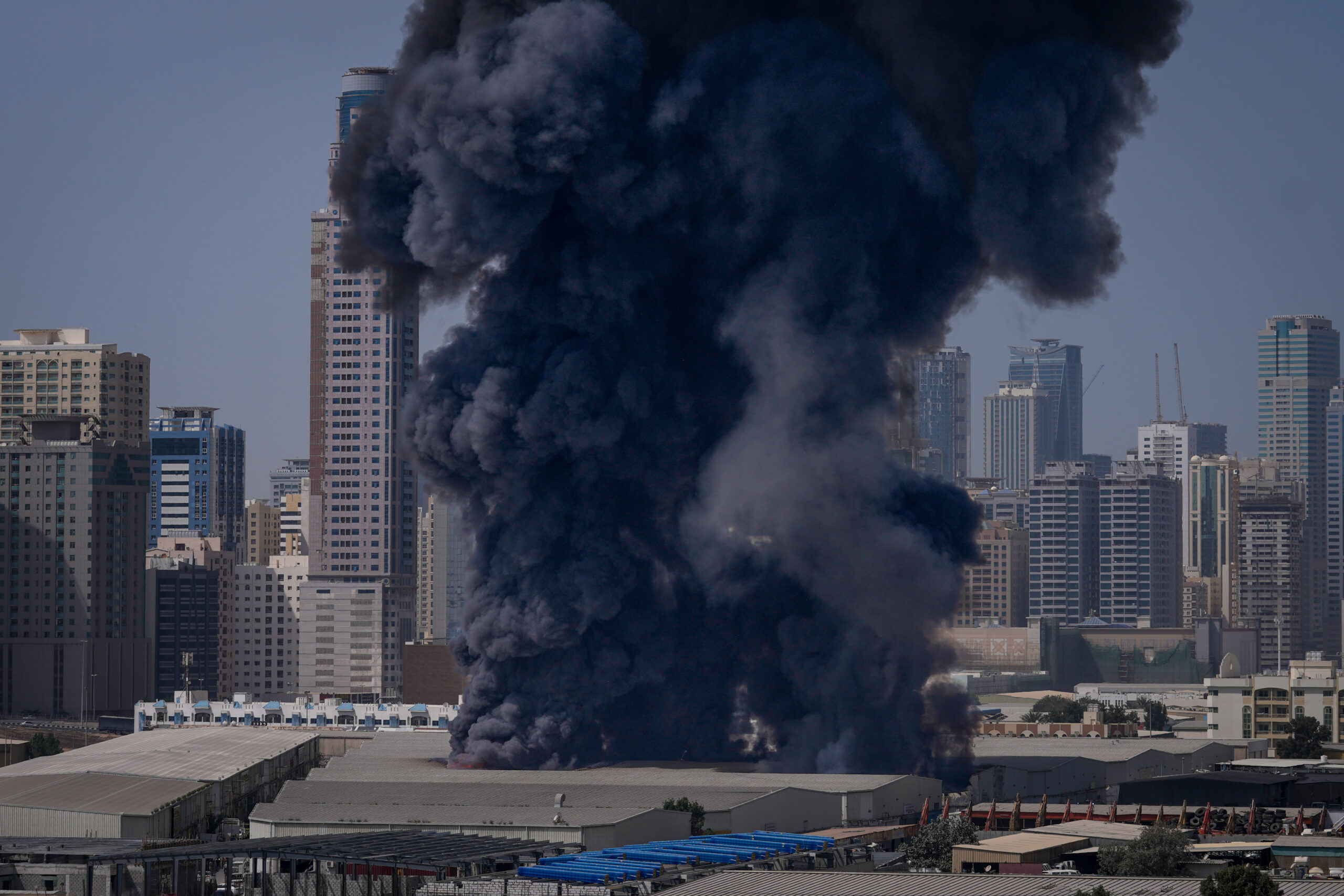
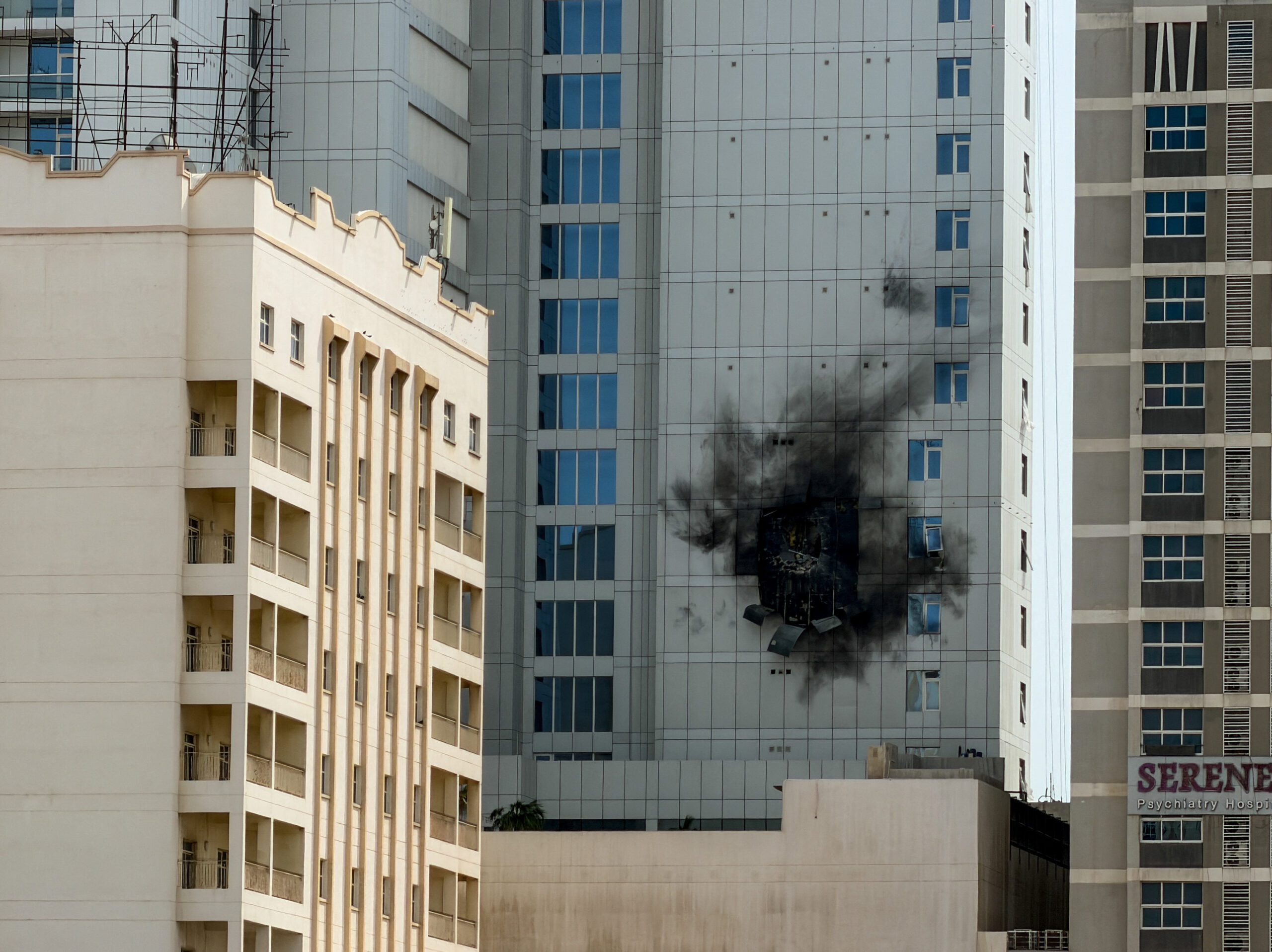
Though they were unsuccessful in preventing the current conflict, and, as expected, have been dragged into the U.S.-Israeli confrontation with Iran, Gulf Arab countries remain crucial to hopes for limiting the war and bringing it to a quick resolution.












Jul 18, 2016
Failed coup will hand more power to Erdogan, not less
On Friday night, the world watched the collapse of what seems an exceptionally ill-conceived and poorly planned coup attempt in Turkey. While much remains undecided, several things are already clear. The coup has failed. Recep Tayyip Erdogan, Turkey’s president, who returned to Istanbul Ataturk airport in the midst of the attempted takeover, will emerge enormously...
4 min read